Where They Still Remain
-
Dates2021 - Ongoing
-
Author
- Location Boston, United States
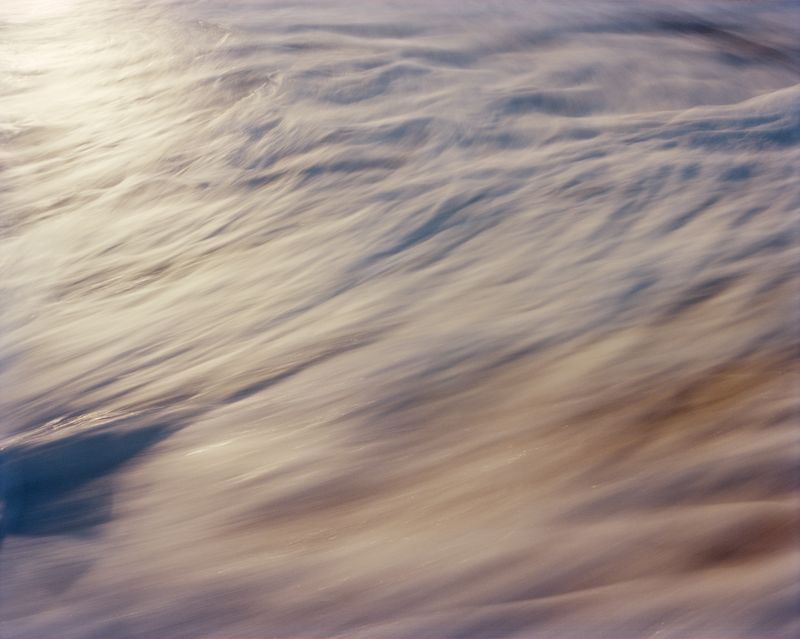
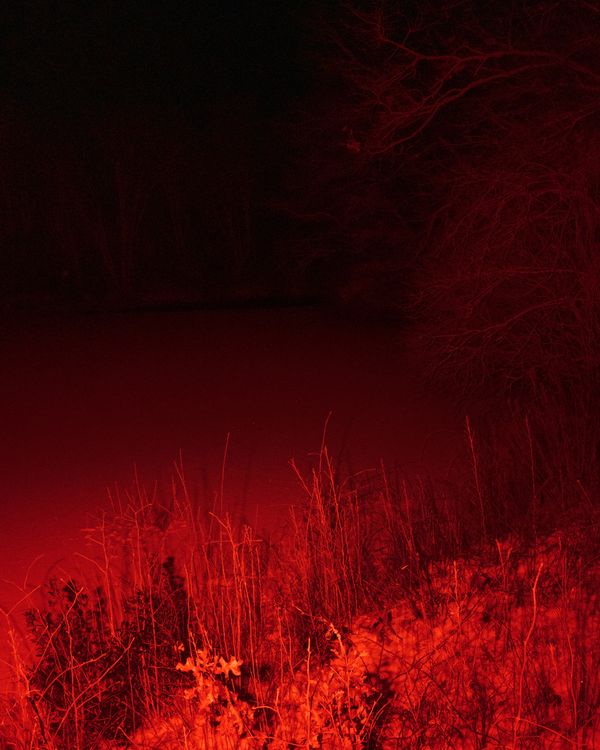
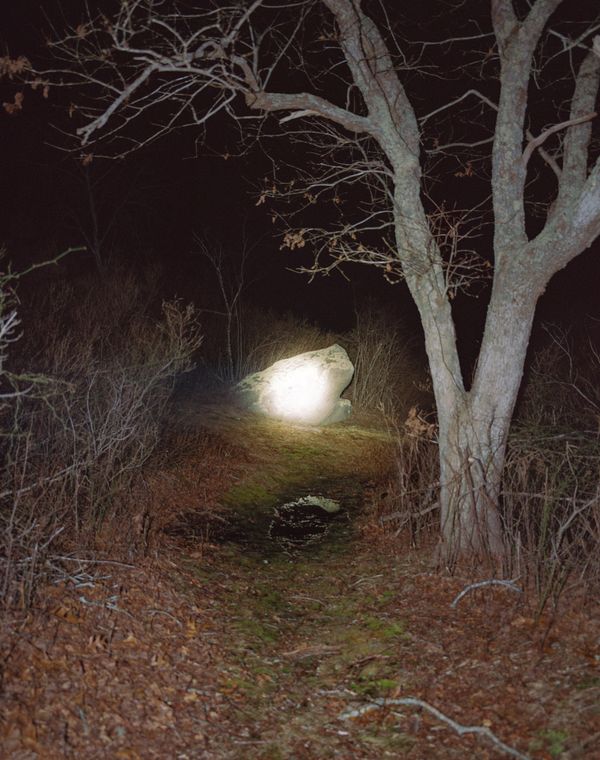
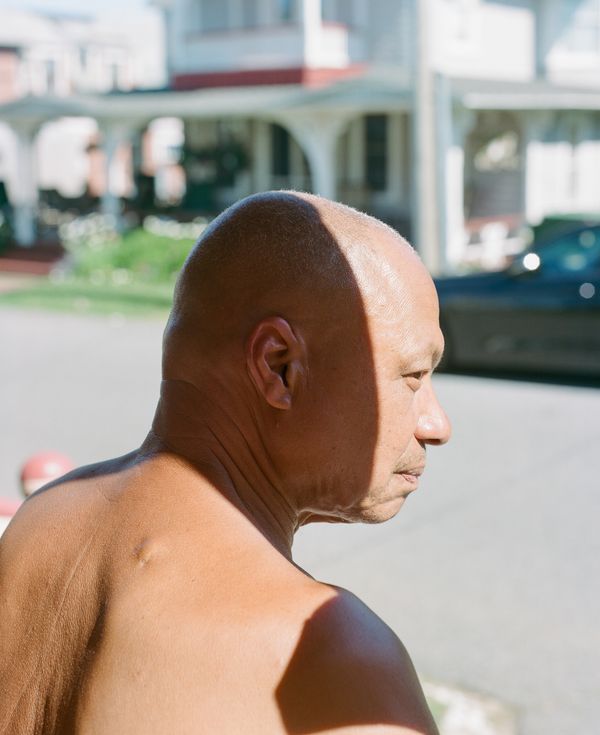
“Where They Still Remain” is a photographic project that serves as a memorial to the African American and Wampanoag indigenous communities on the island of Martha’s Vineyard.
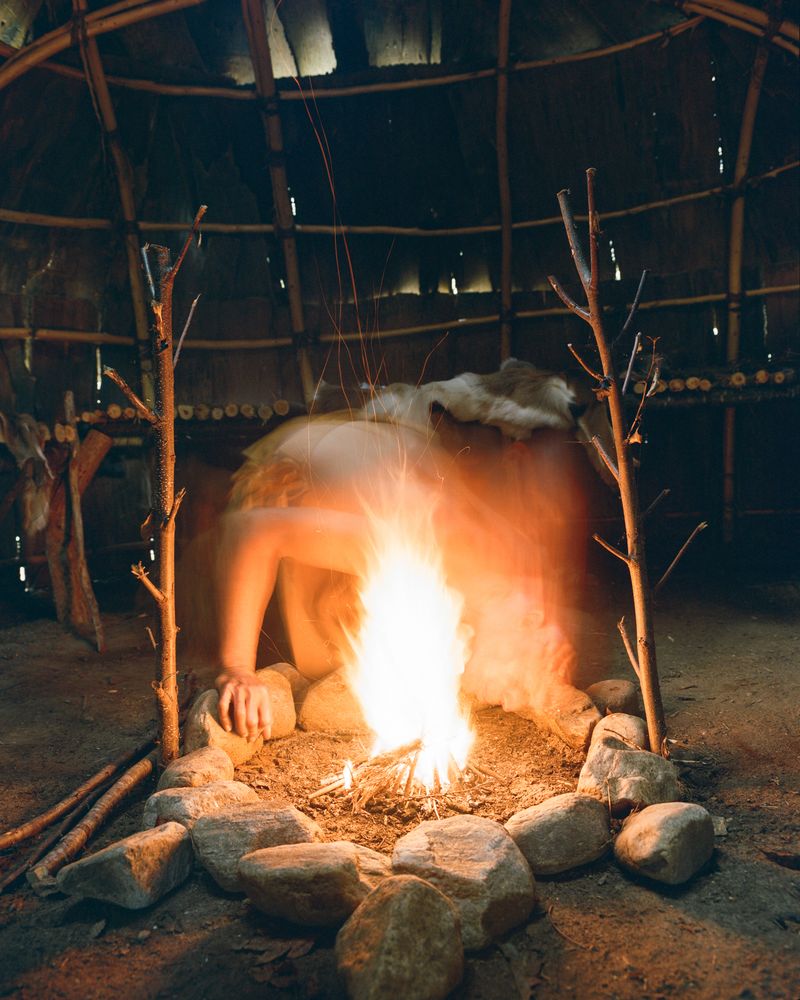
This body of work considers the indigenous and Black people who regard the island of Martha's Vineyard as a place of solace. The island has a thriving Black seasonal community that has held the island sacred since before Emancipation. Meanwhile, the Wampanoag people have lived on the island they call “Noepe” for over 10,000 years. Their kinship has led to their history being woven together through community and family. The two groups are also linked through the formation of the United States. As the indigenous author David Treuer describes it, the country was founded on two principles: the theft of indigenous land, and the theft of Black labor through enslavement.
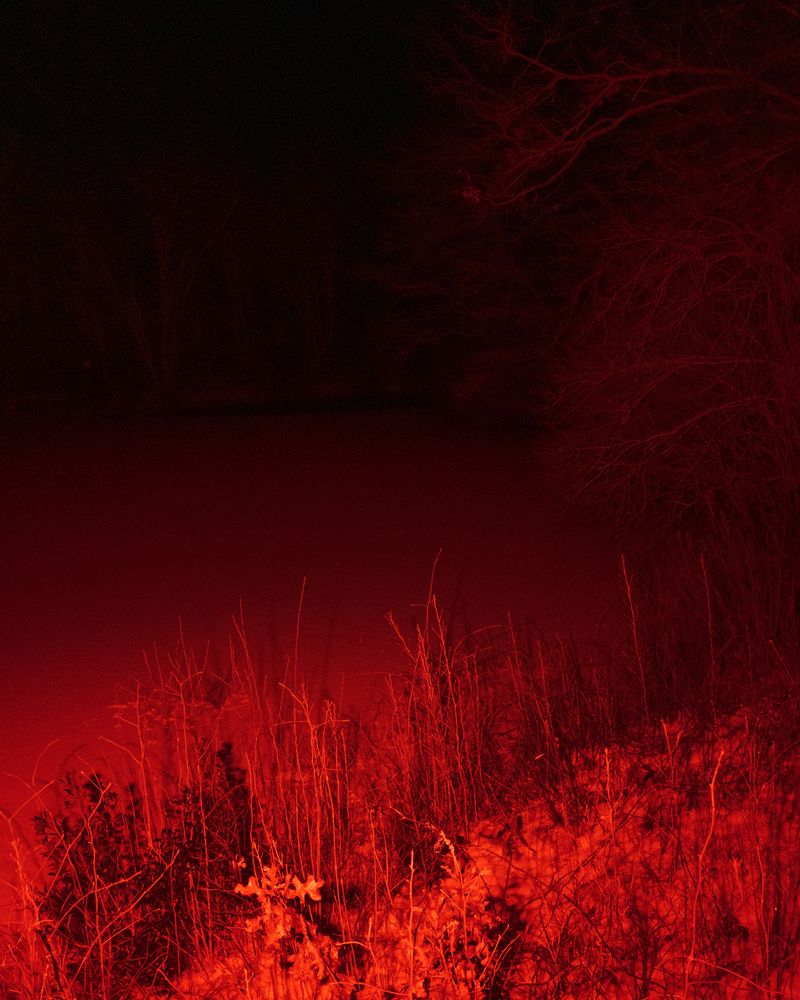
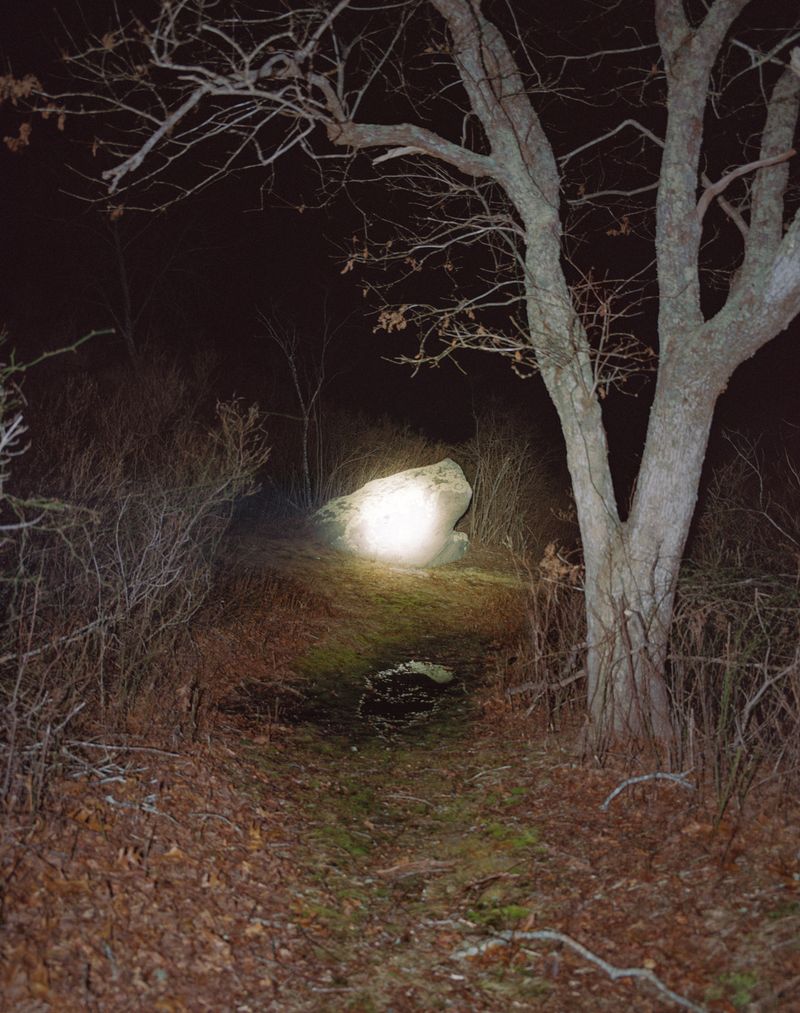
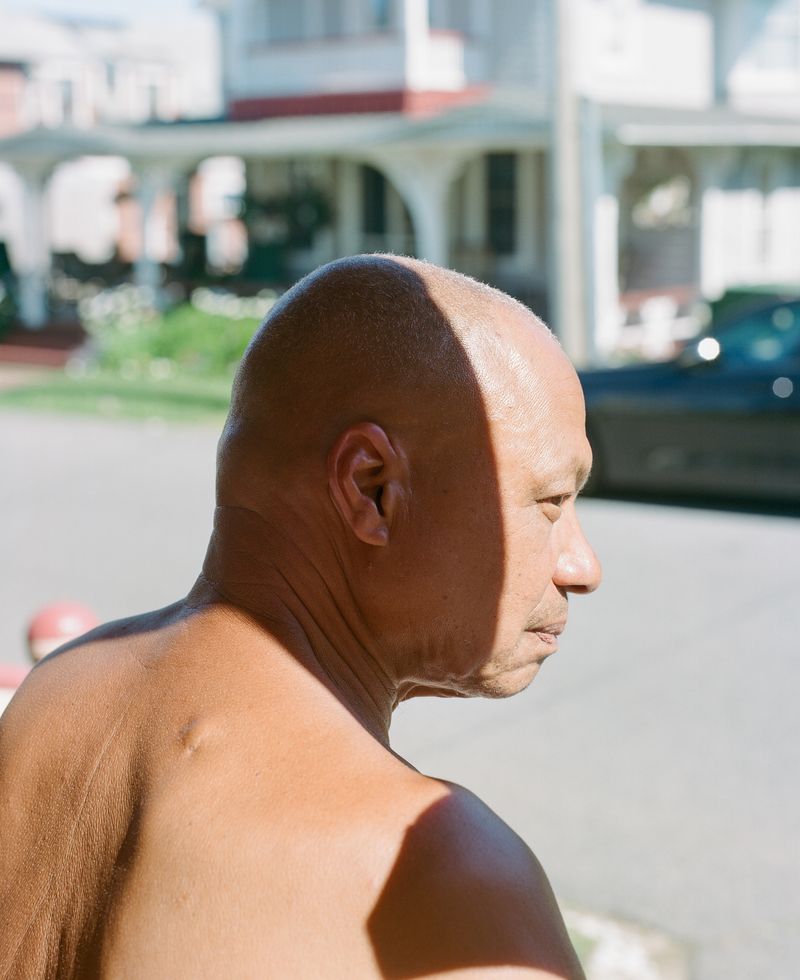
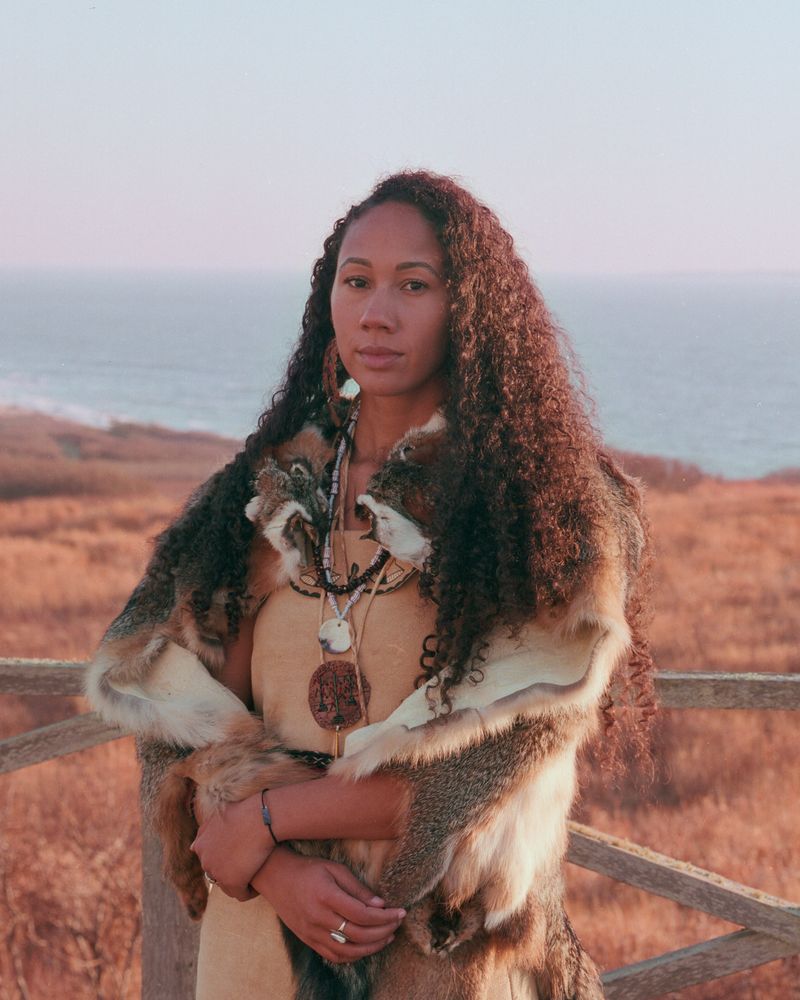
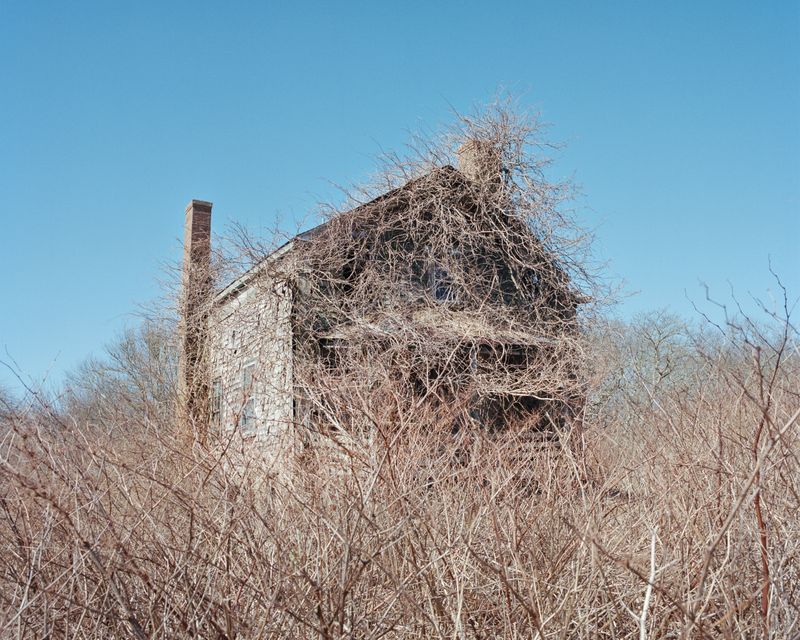
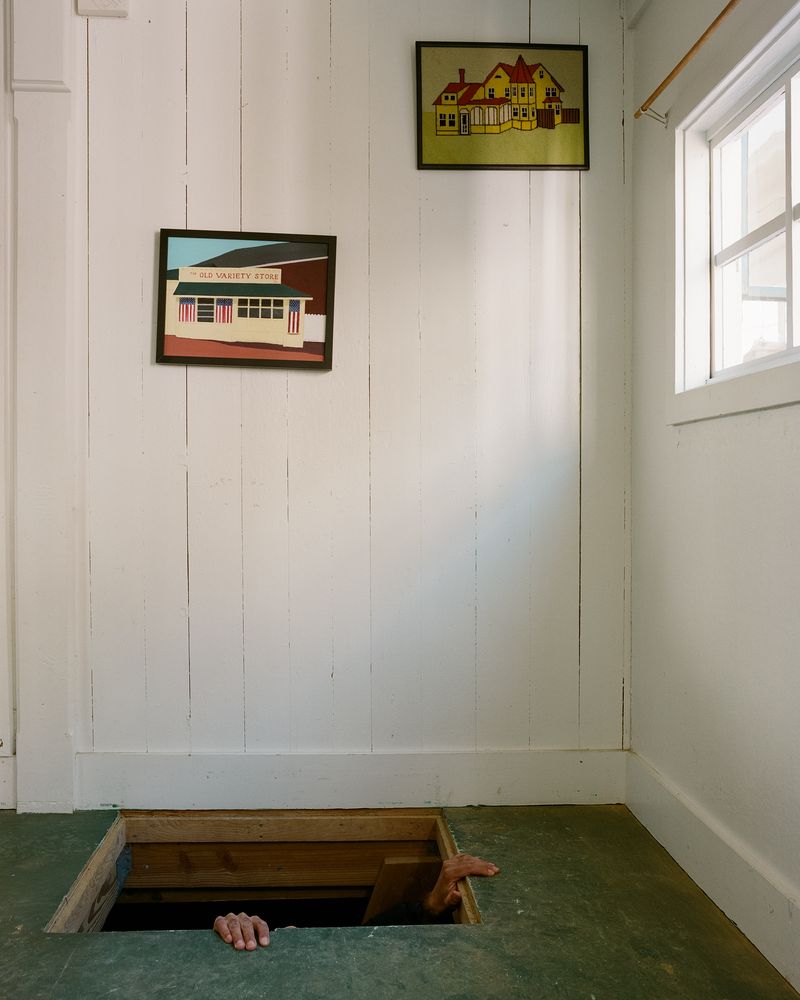
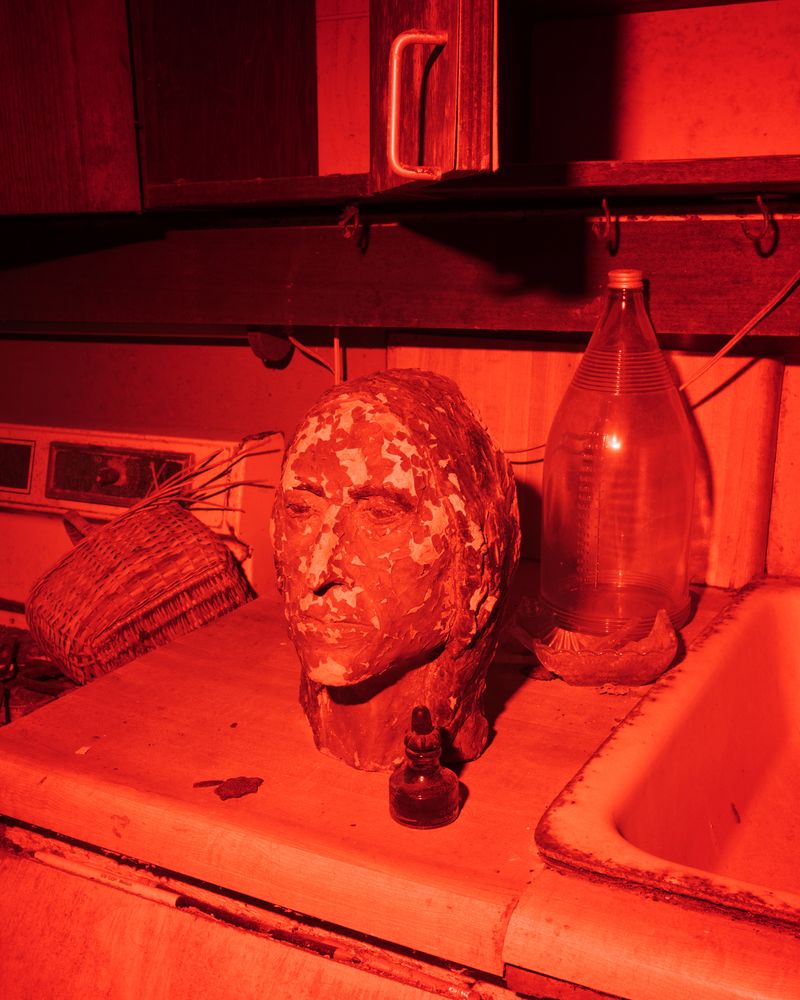
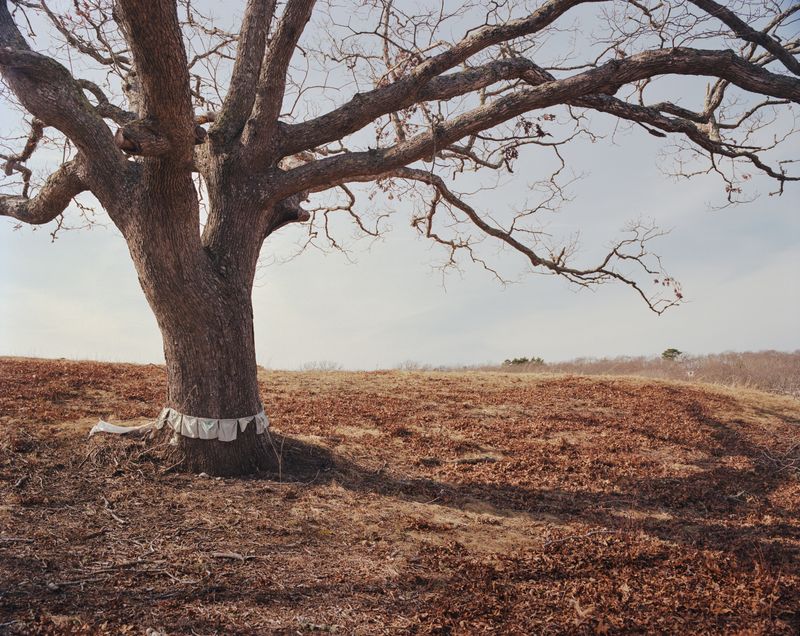
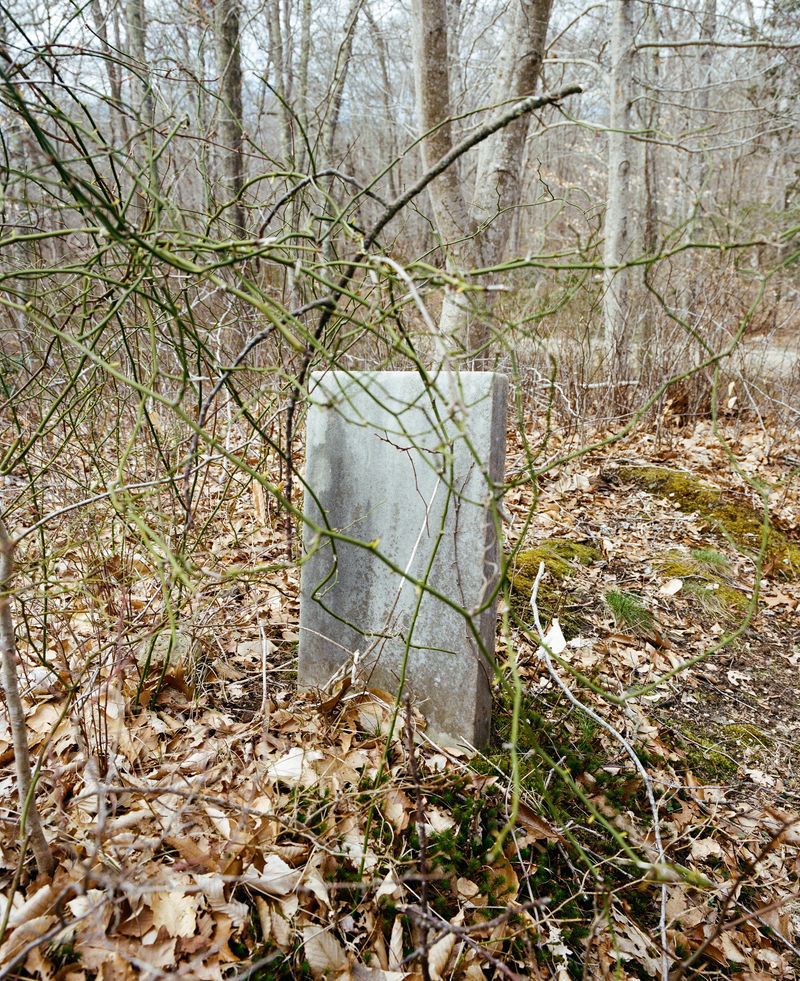
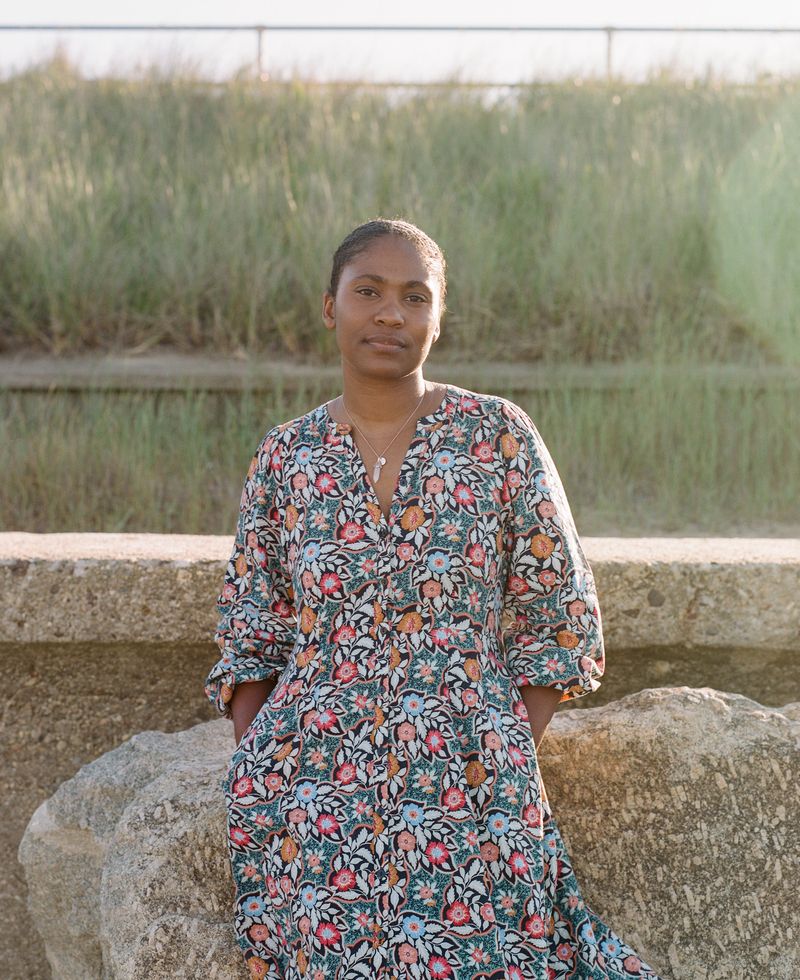
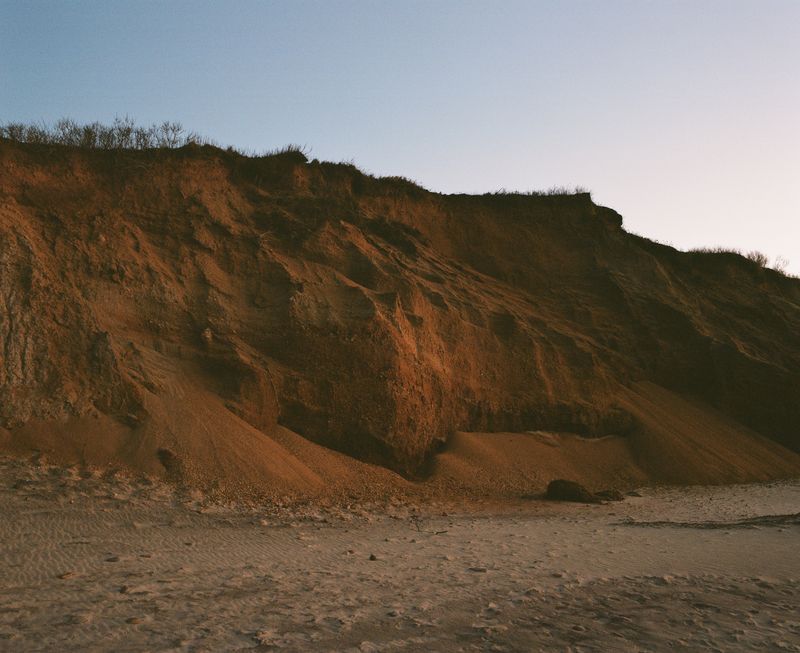
First started in 2021, “Where They Still Remain” primarily consists of my photographs of both the people and the landscape they have shared. I aim to evoke the spiritual connection that these people have with the land by photographing them and the sites that are culturally significant to both groups. My connection to the work and place is direct. As someone who has visited the island since I was a child and found comfort in seeing interracial and Black families like mine, I hold a similar feeling in terms of what this place represents.
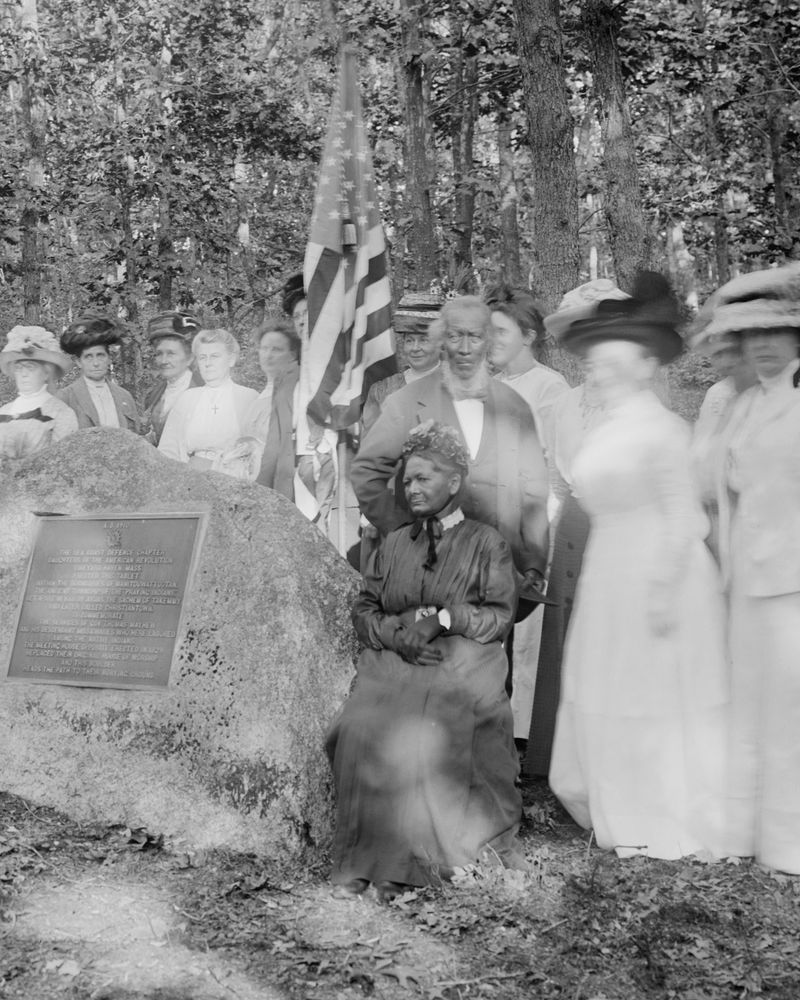
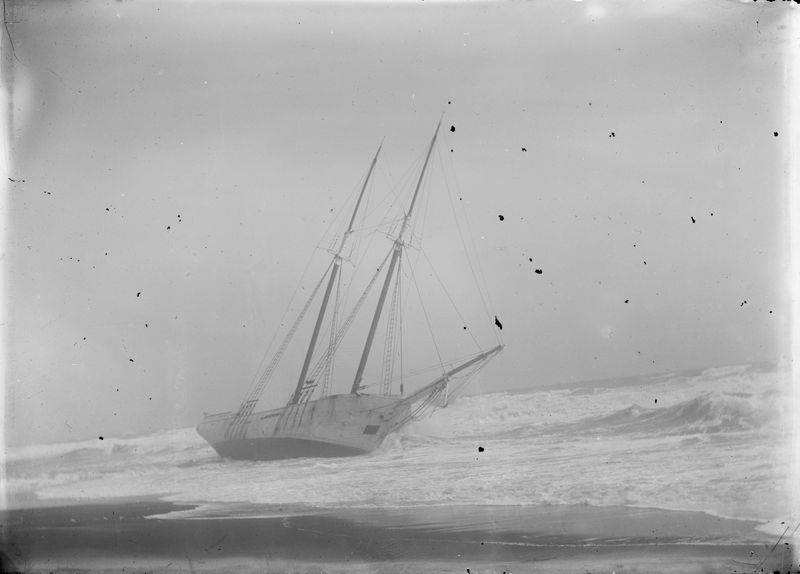
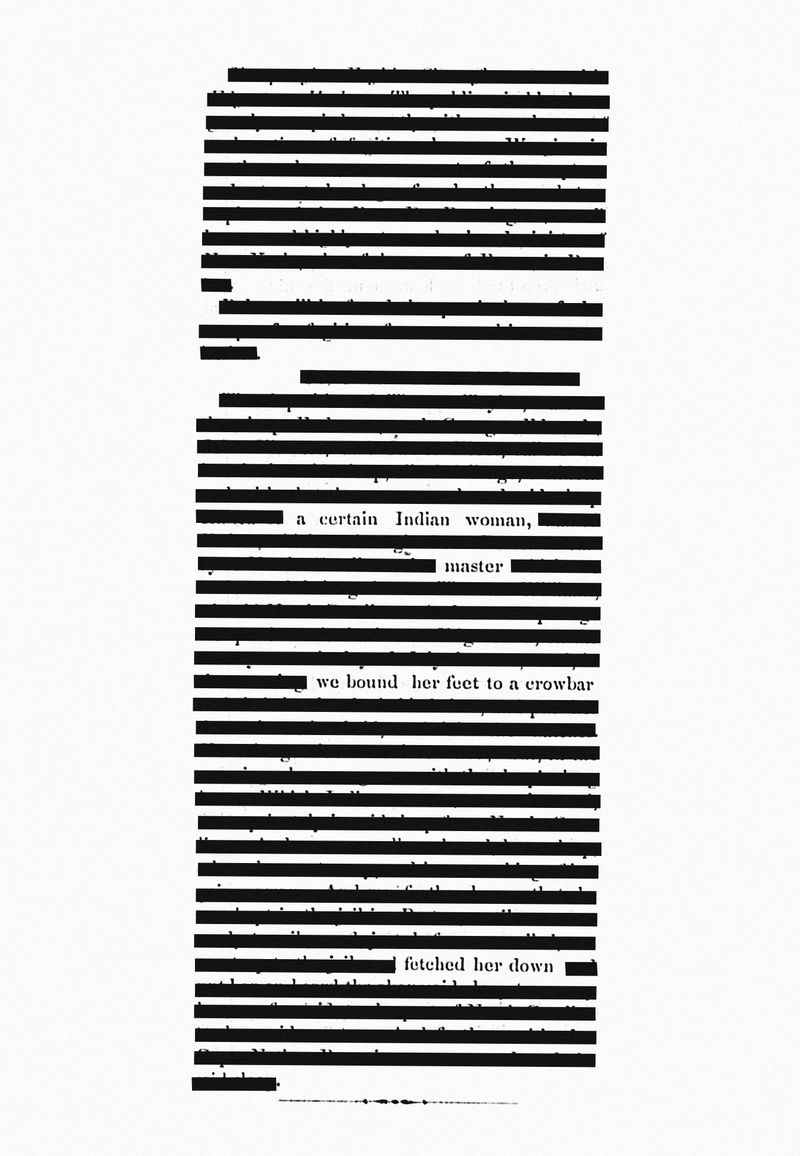
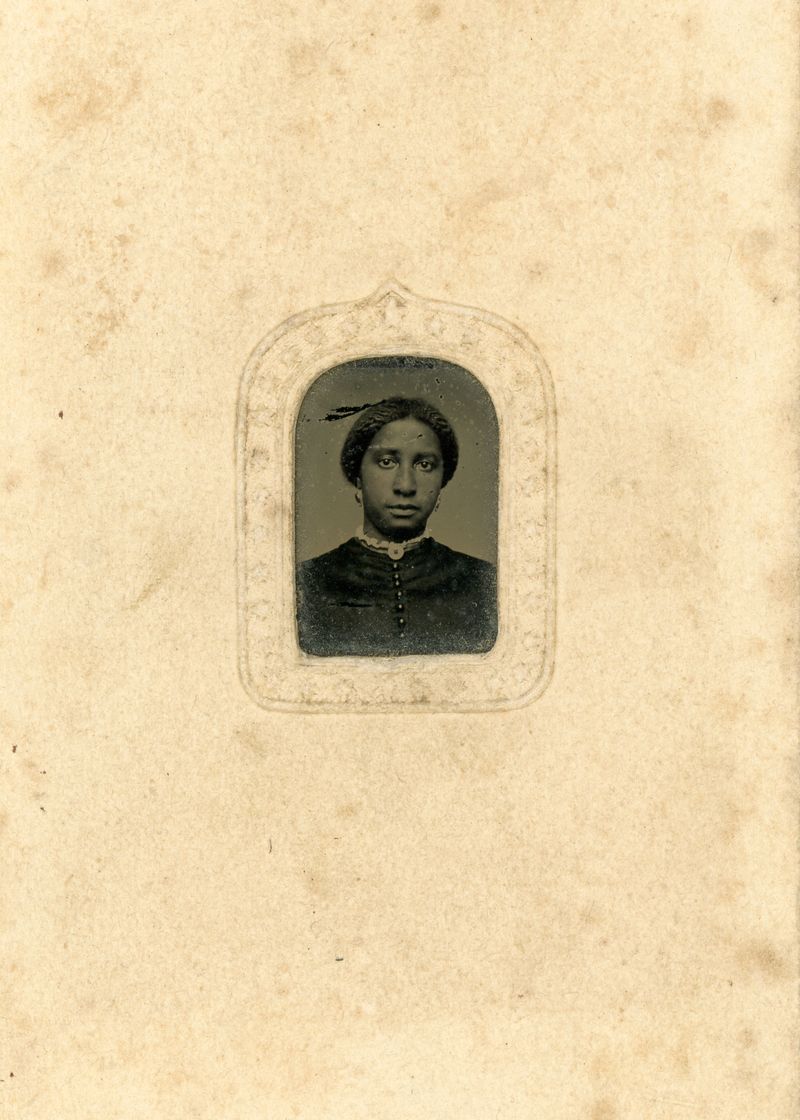
In addition to my photographs made using medium and large format film, the project includes vernacular imagery of the island’s Black and indigenous communities from the 19th and early 20th centuries. I have also sourced archival newspaper articles from that era concerning stories of the enslaved and the indigenous on the island. Through my own redactions of these texts, I elevate the power of diction via single words and short phrases. They reinforce the body of work’s role as an unreliable narrator to a past made equally unreliable by erasure.
I was first inspired to launch into the project after hearing about the 1854 story of Randall Burton. Burton was an enslaved Black man who escaped a ship just offshore of Martha's Vineyard and made his way across the island’s wilderness to its western point. While hiding from pursuers, he was discovered and given aid by a Wampanoag woman named Beulah Vanderhoop. Vanderhoop sheltered Burton in her home before ultimately securing him safe passage off-island where he then made it to freedom in Canada. His story was covered in real time in the island’s newspaper, in addition to being carried on through tribal oral histories. Many of Vanderhoop’s living descendants have become my photographic subjects.