We Once Knew How to Hold

-
Dates2024 - Ongoing
-
Author
- Topics Fine Art, Archive
- Location Barcelona, Spain
I cannot remember my mother’s hands before they changed. I try to reconstruct their memory through my own.
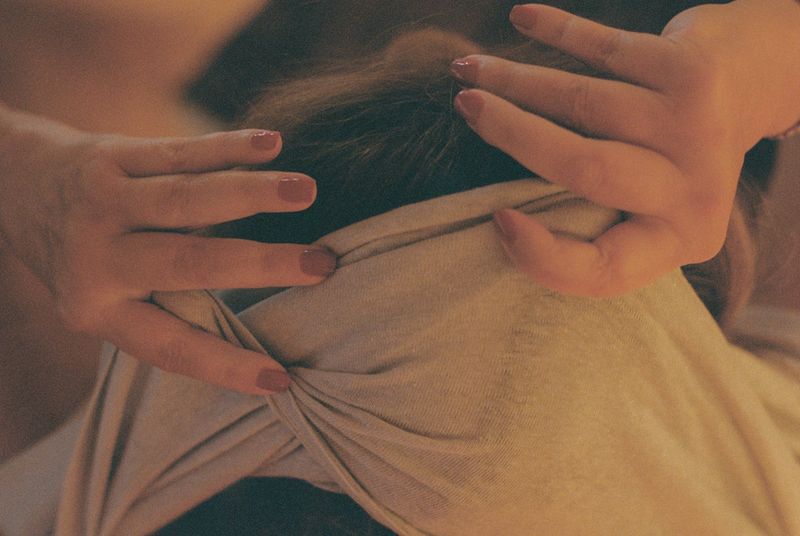
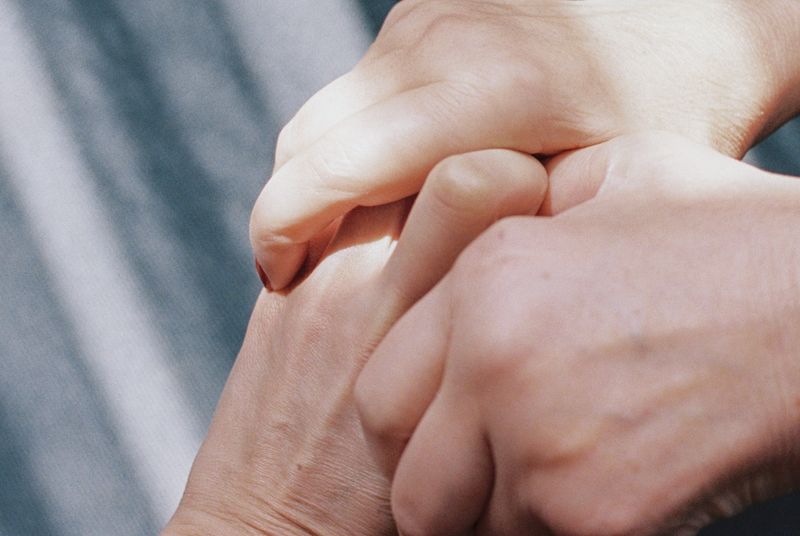
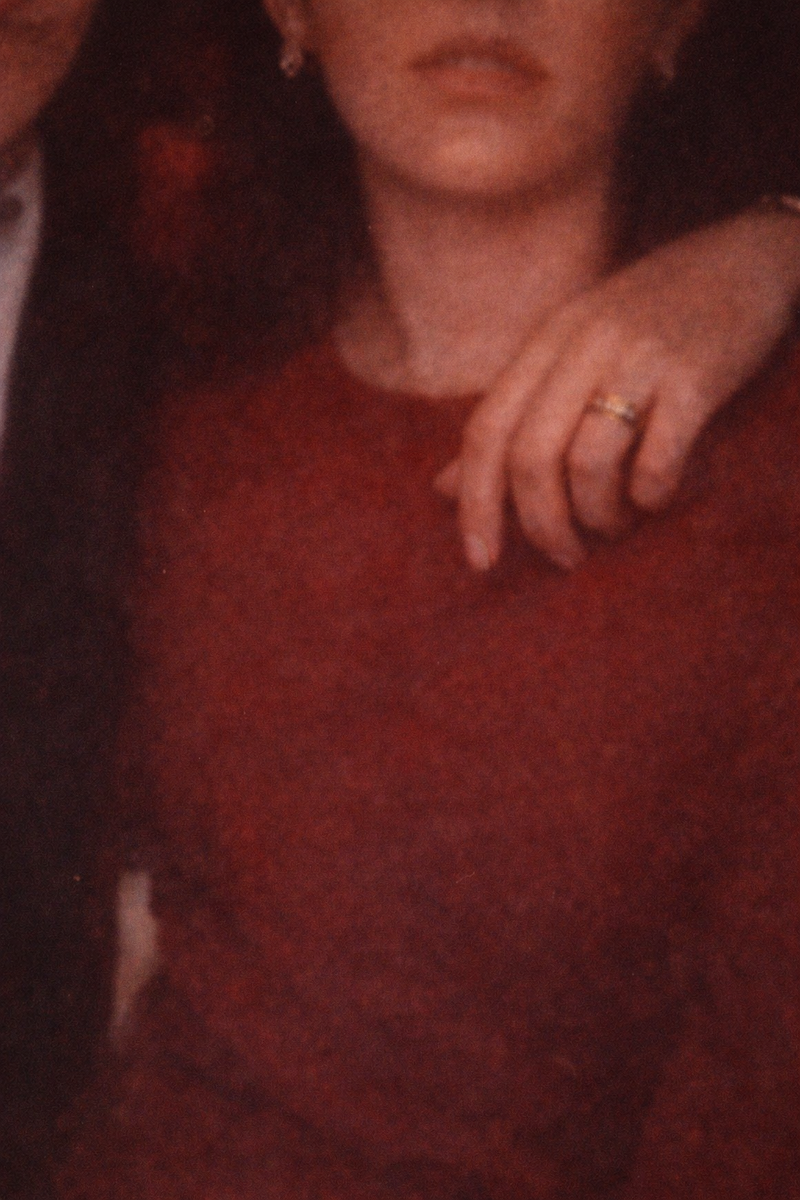
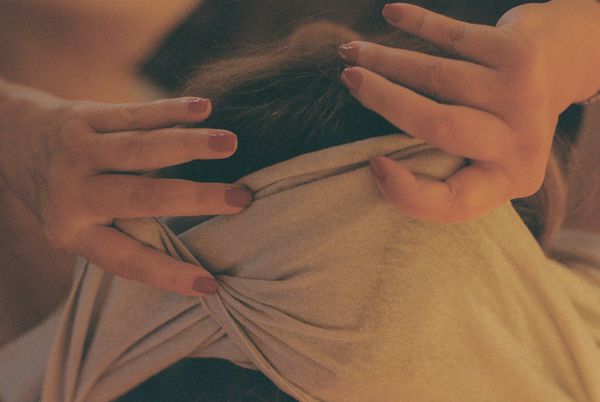
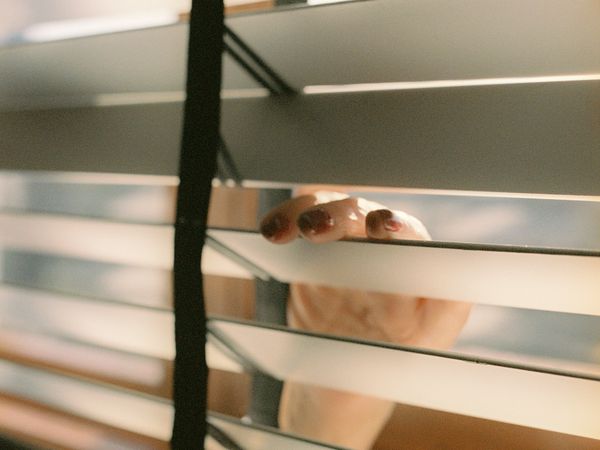
This project explores bodily memory through my mother’s hands, tracing the fragile relationship between touch, gesture, and the gradual transformation of the body.
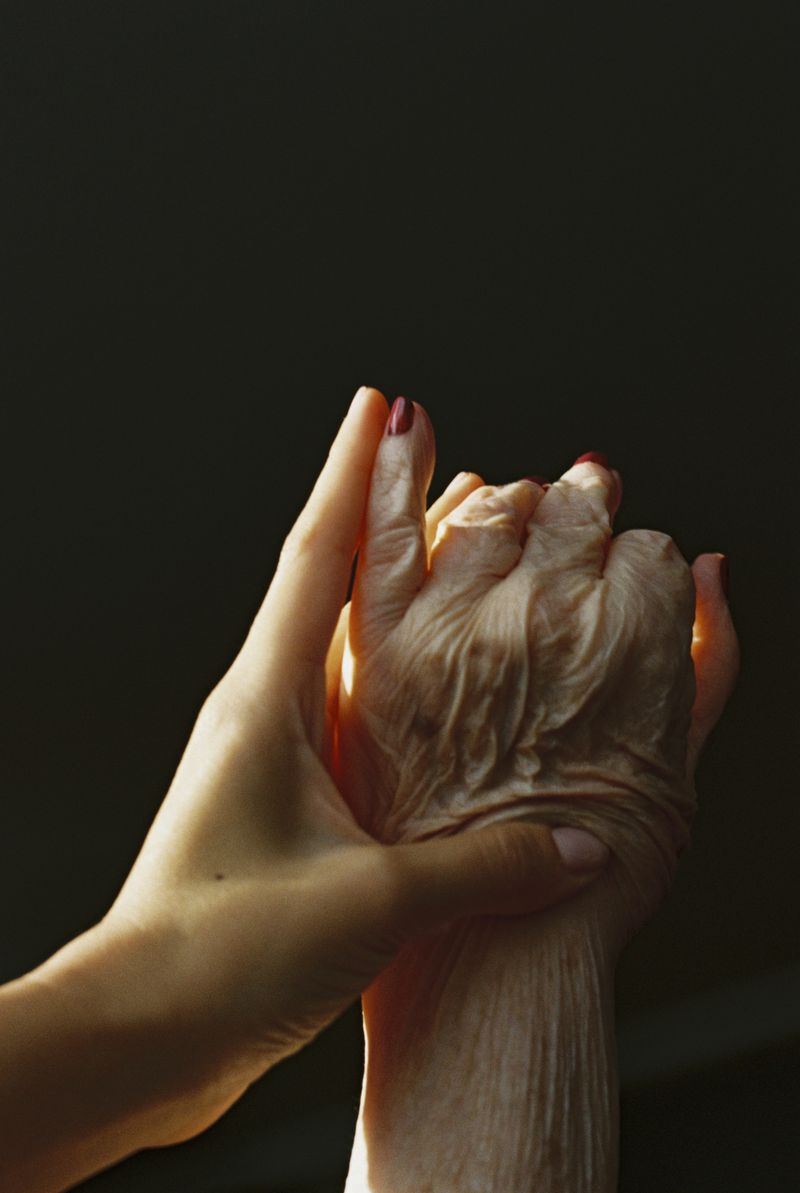
Growing up, I rarely remember coming home from school to find my mother there. One afternoon, when I was around twelve, I unexpectedly did. She was sitting with my grandmother, comparing their hands in silence, speaking about subtle physical changes I could not yet understand. Years later, I came to recognize this moment as the beginning of a bodily transformation caused by illness.
I do not remember my mother’s hands before that change. Instead, I inherited their memory indirectly through my own. Whenever people compliment the length and shape of my fingers, my mother tells me hers used to look the same. Through my hands, she continues to recognize a former version of herself.
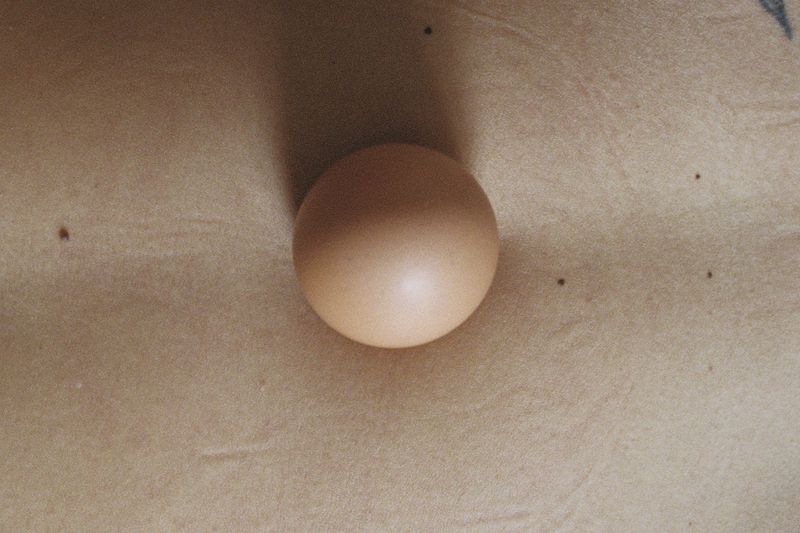
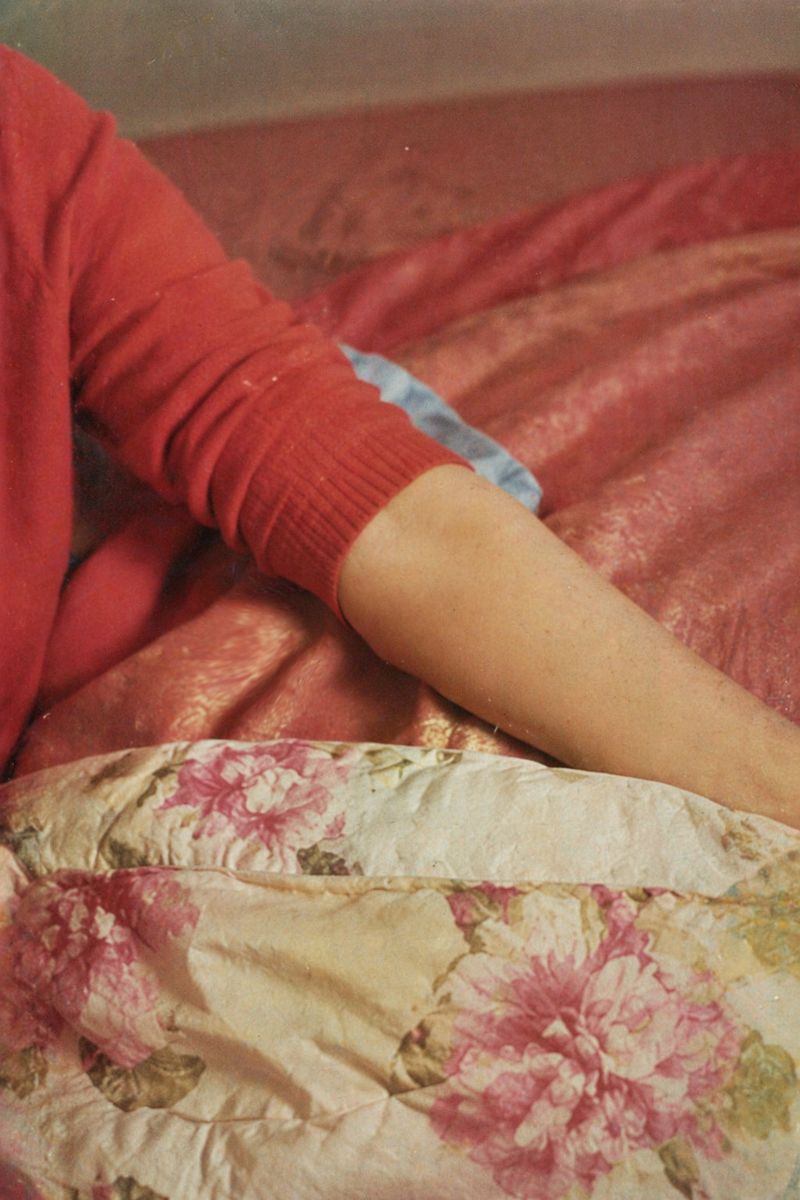
Combining archival family photographs, contemporary images, and AI-generated reconstructions, the project examines how gestures survive even when the body can no longer fully perform them. The AI-generated images are not presented as documents, but as speculative reconstructions of memories, gestures, and bodily states that were never photographed or can no longer be accessed.
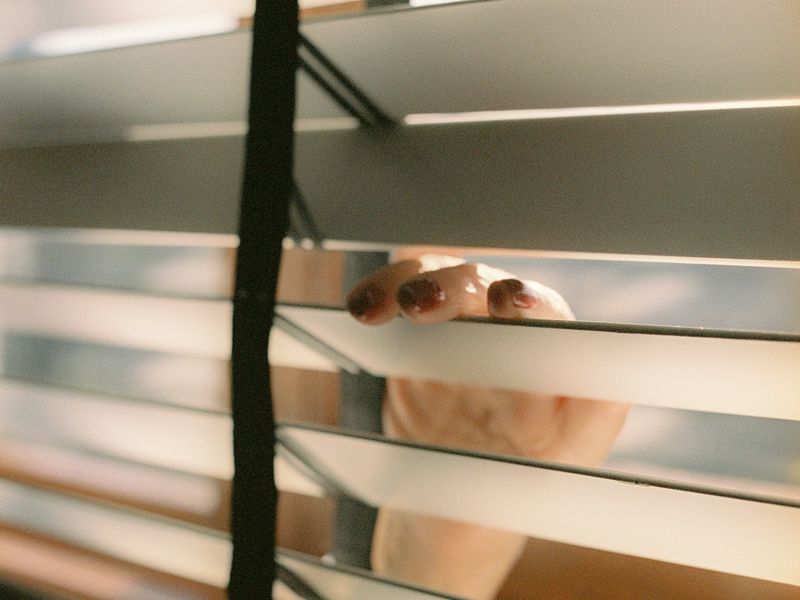
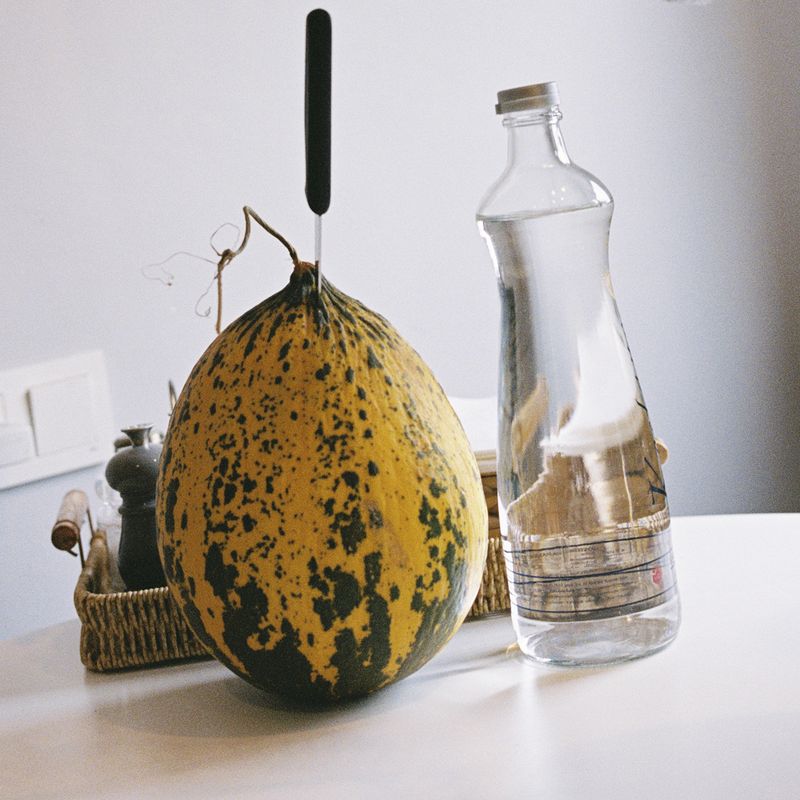
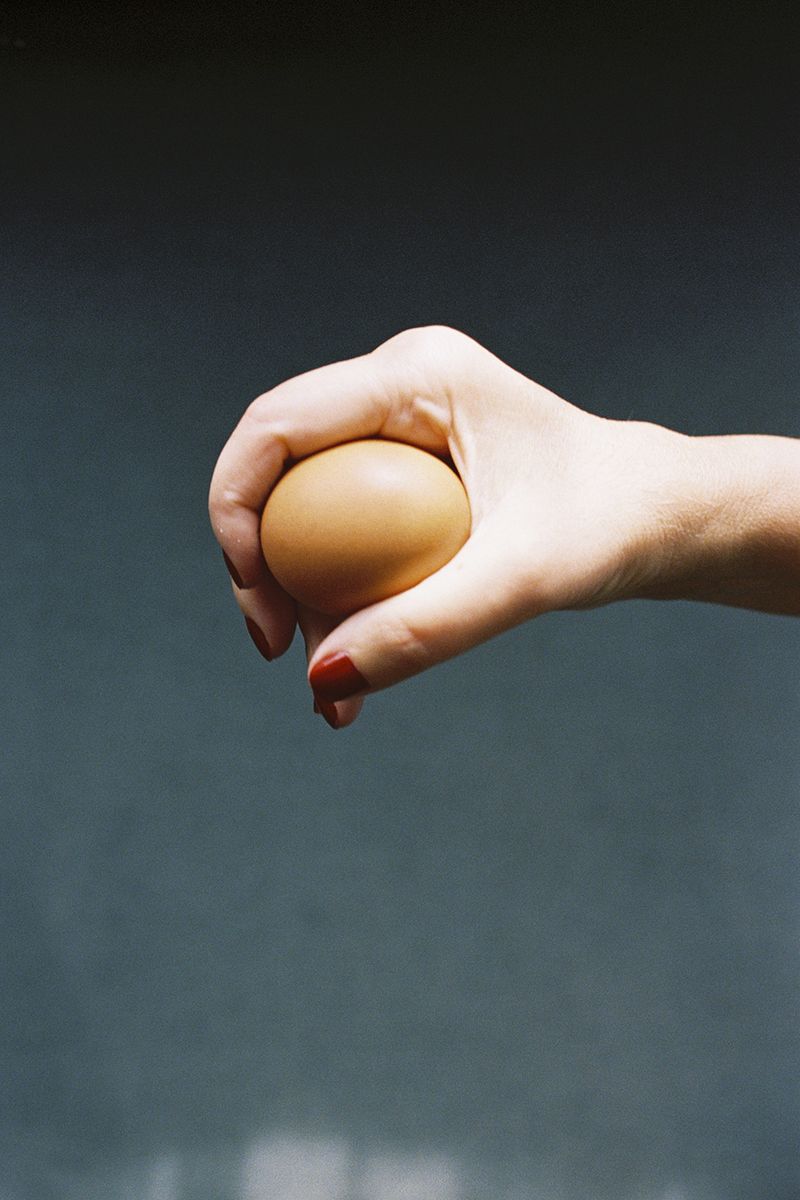
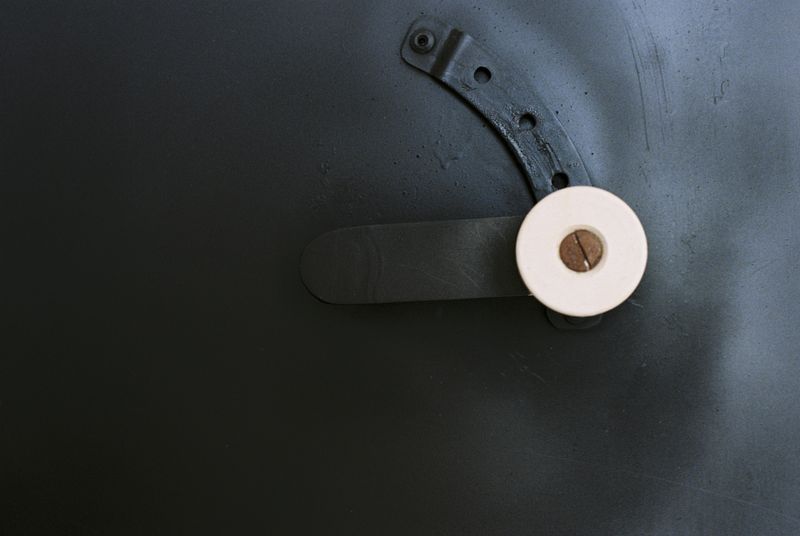
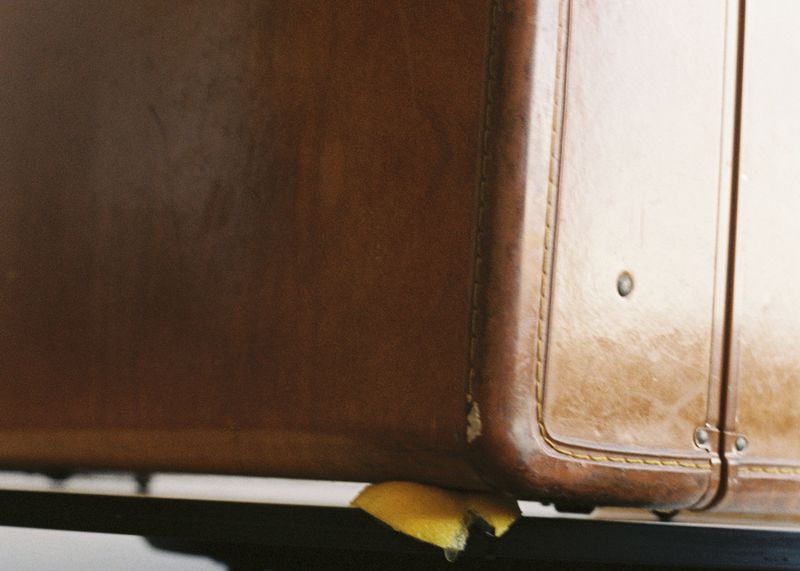
Everyday actions such as cutting, holding, lifting, or opening become sites of adaptation and remembrance. Objects gradually turn into extensions of the body, while images oscillate between testimony and reconstruction.
The work reflects on photography not only as a record of the past but as a means of negotiating what can no longer be fully remembered, performed, or physically recovered.