WARASONO
-
Dates2018 - Ongoing
-
Author
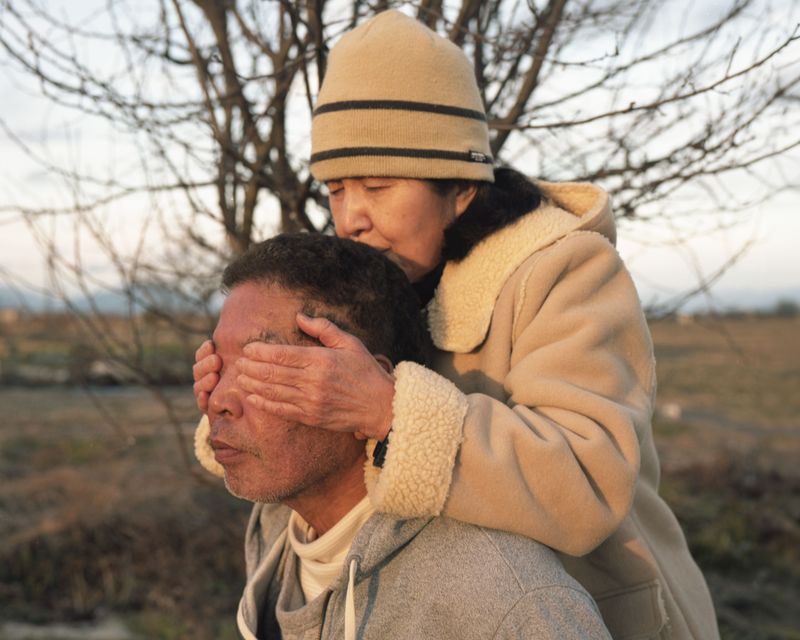
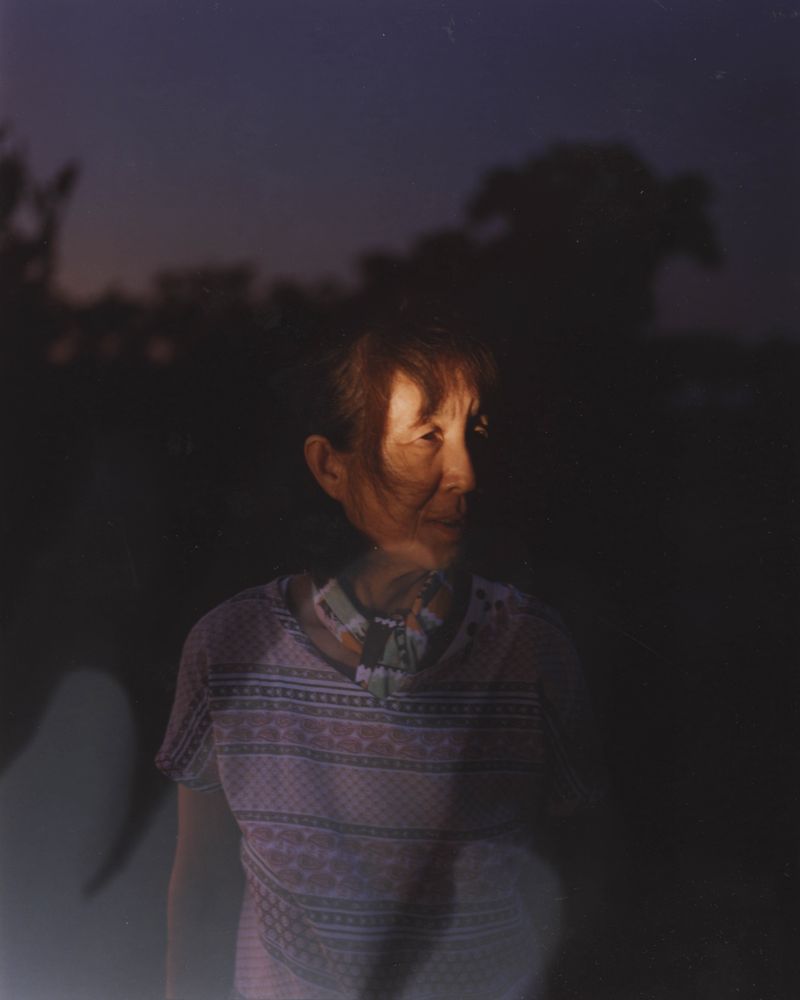
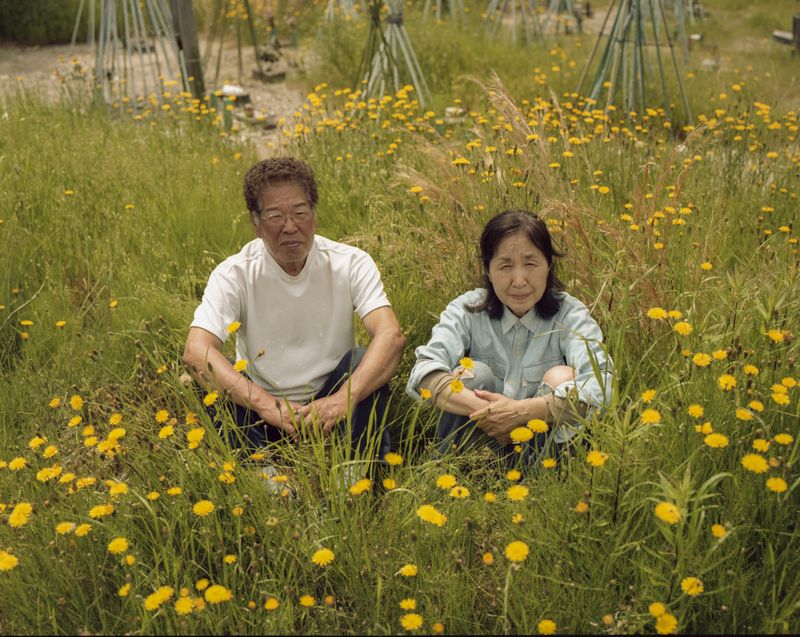
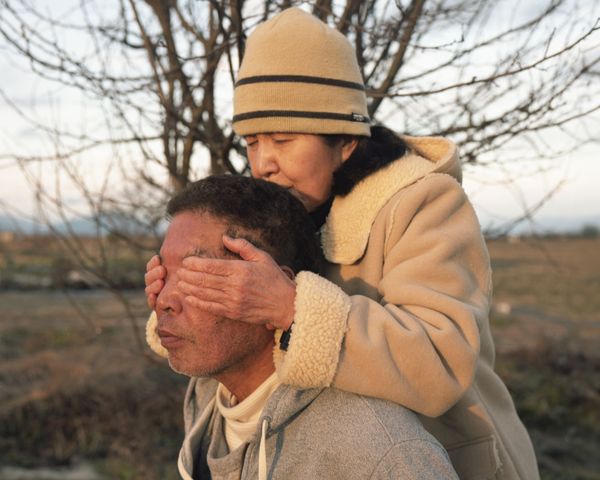
I photograph my parents and their rural home in Japan. As an only child, I will not inherit the house, and they have begun shūkatsu, gradually sorting through their belongings. My father clears away decades of objects, while my mother tends seasonal flowe
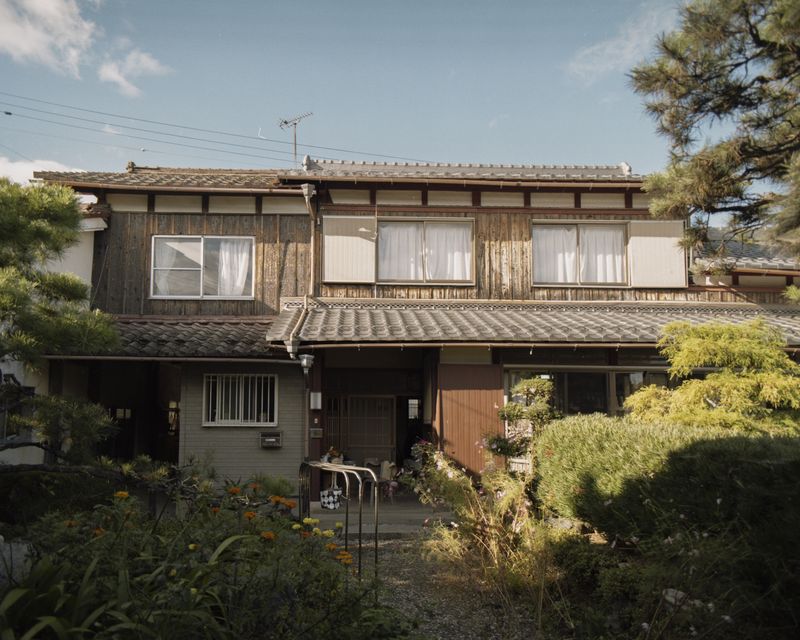
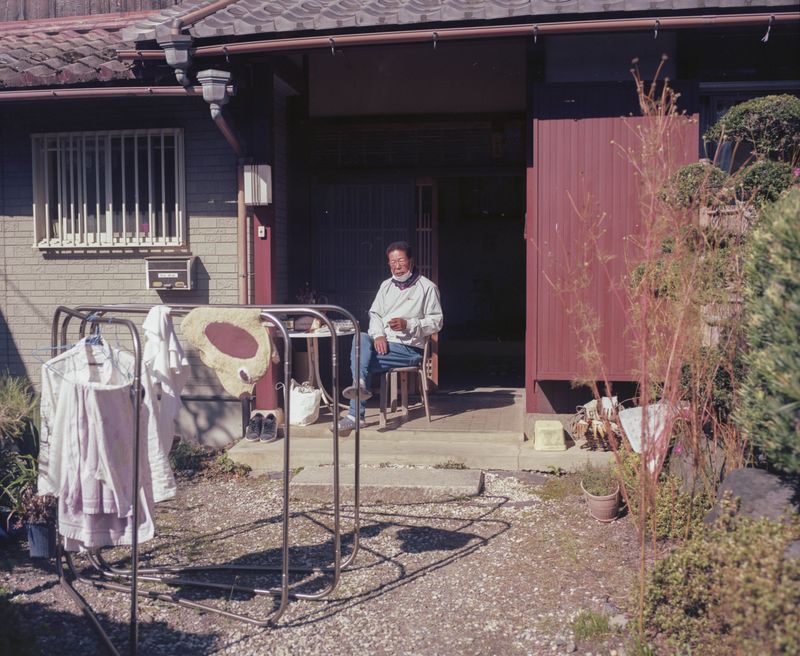
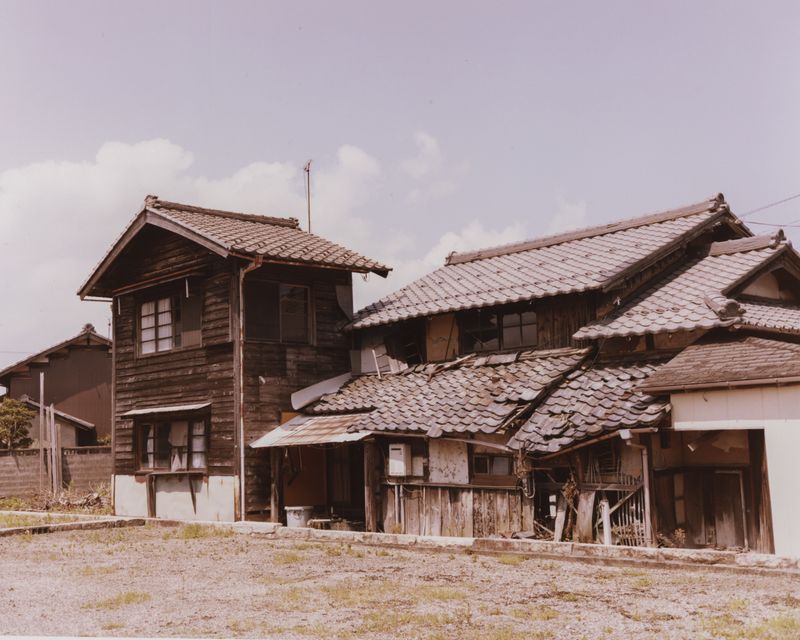
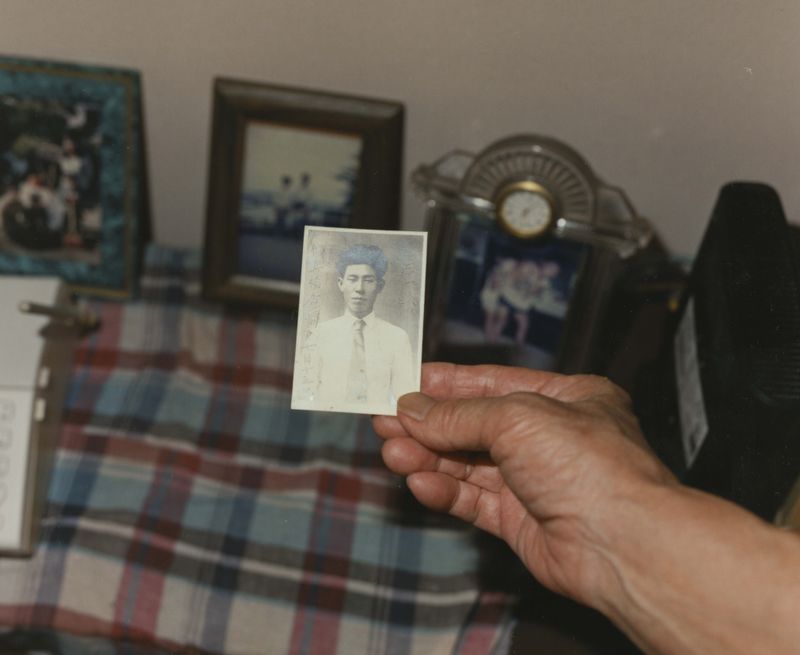
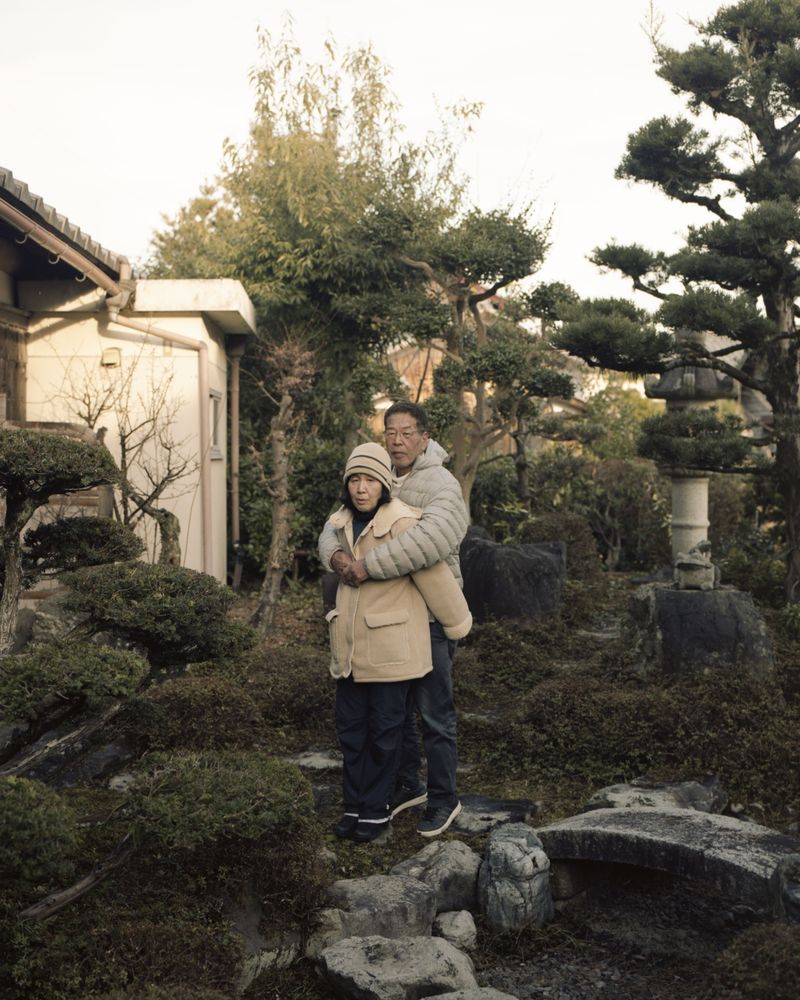
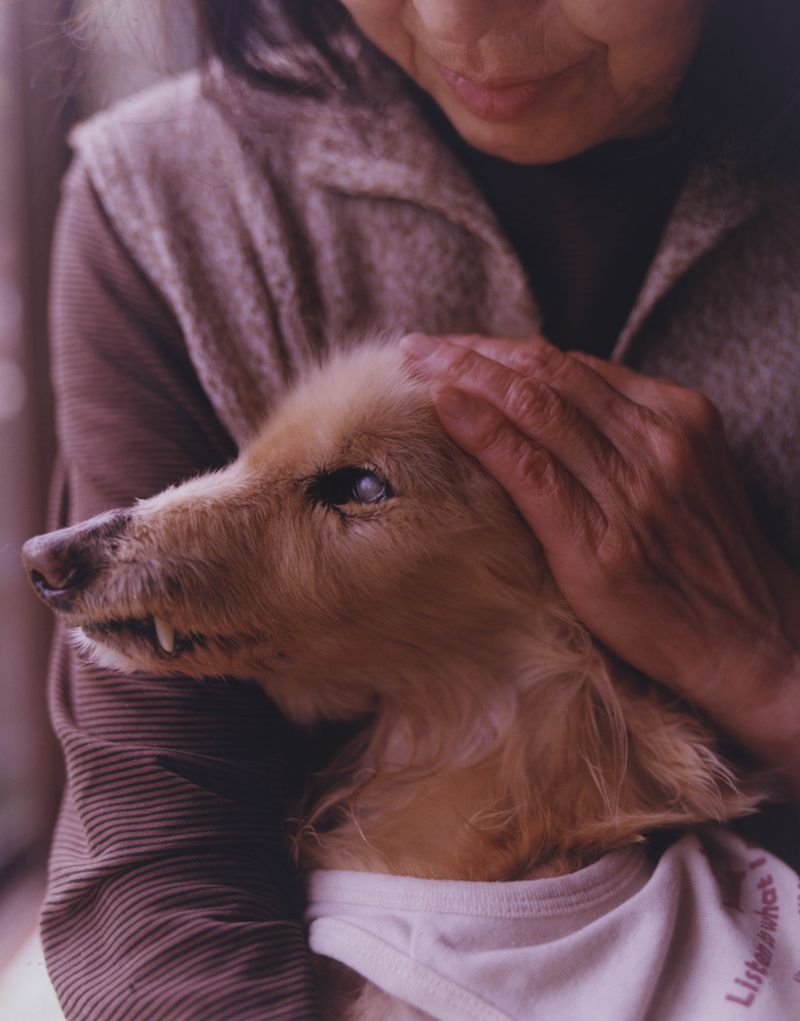
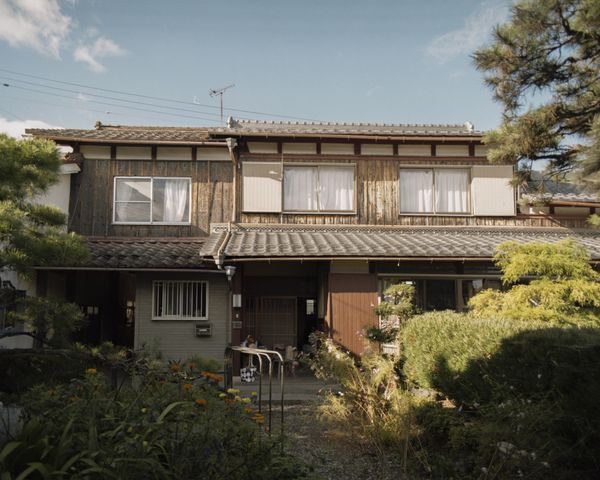
I am photographing my parents and the house they live in, located in a rural area of Japan. As an only child, it was decided through conversations with them that I would not inherit the house. After this decision, they began their shūkatsu—a common practice in Japan in which people gradually sort through and reduce their belongings in preparation for old age, illness, or death—including the house itself.
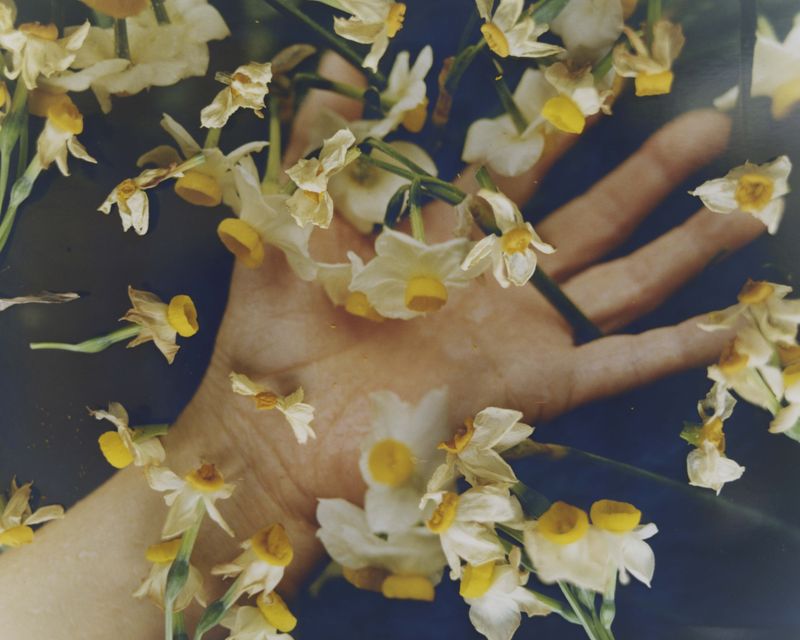
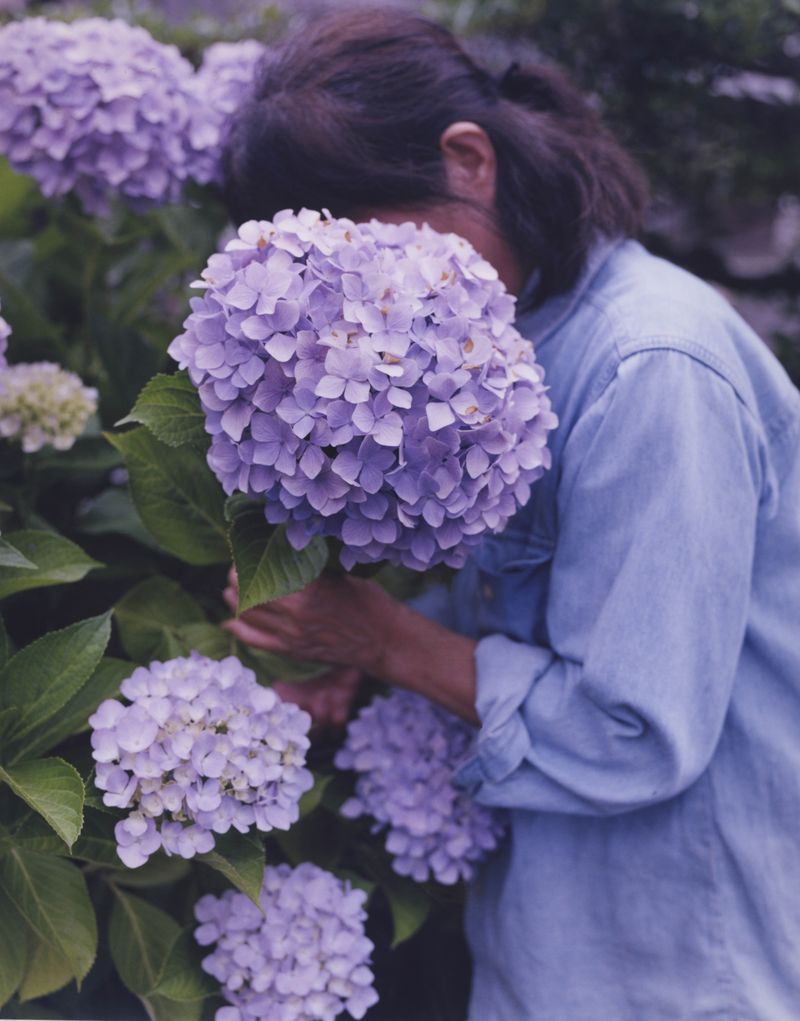
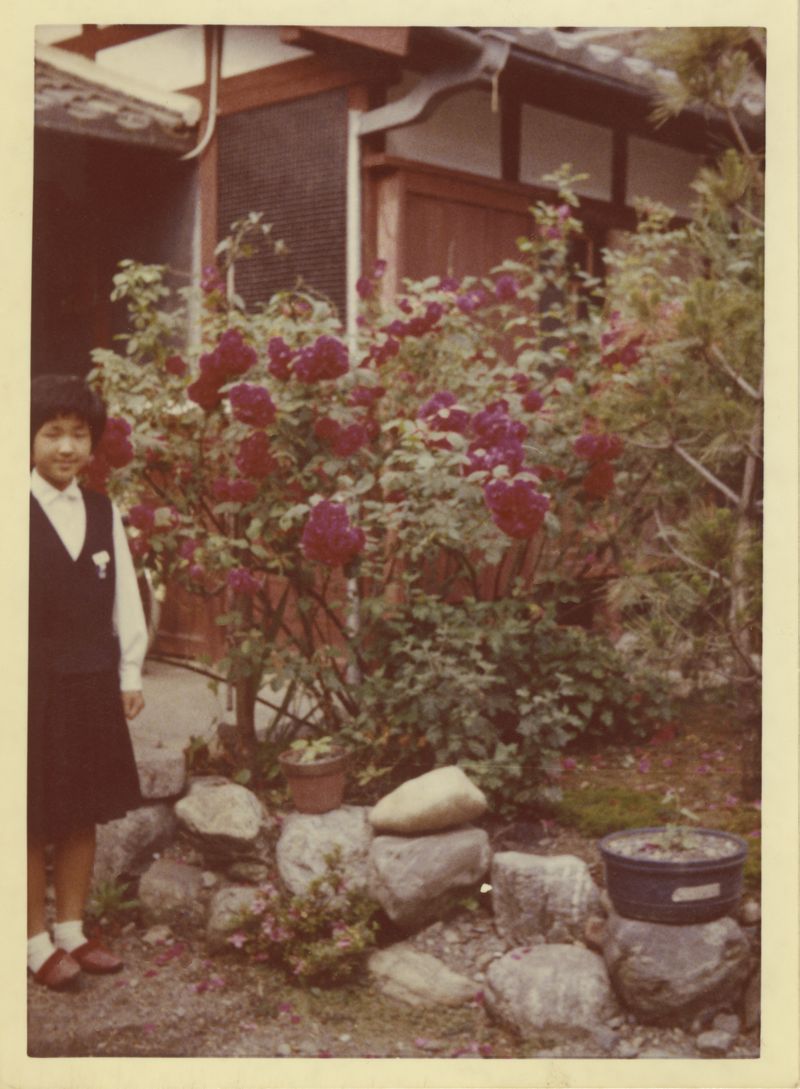
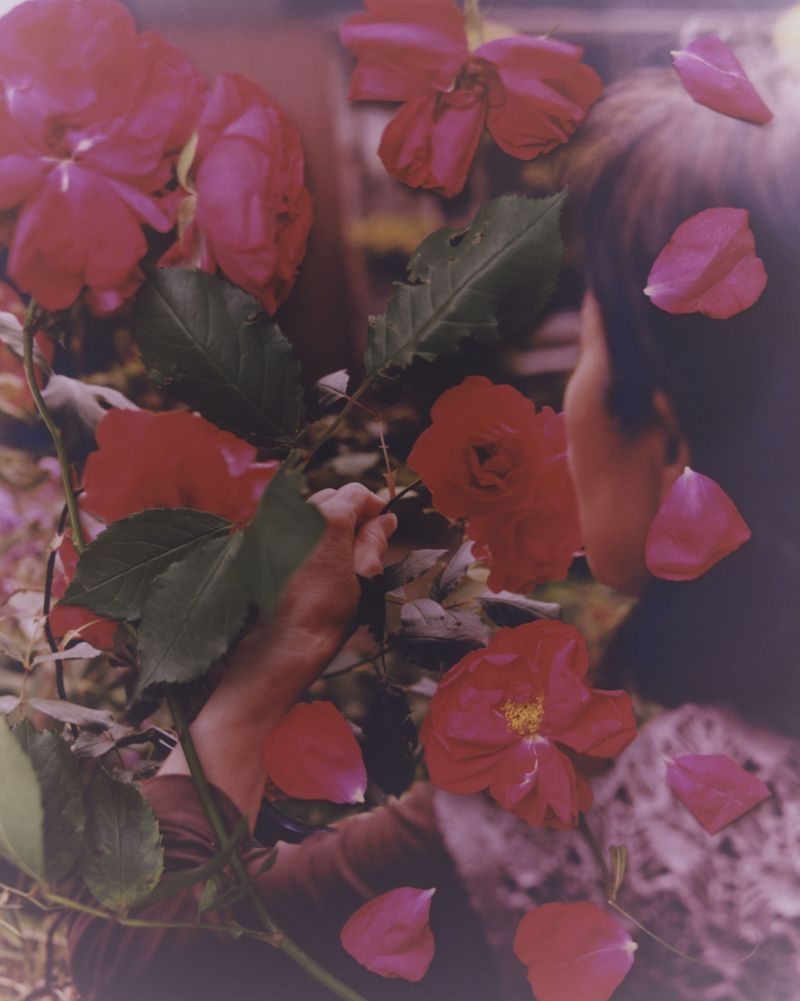
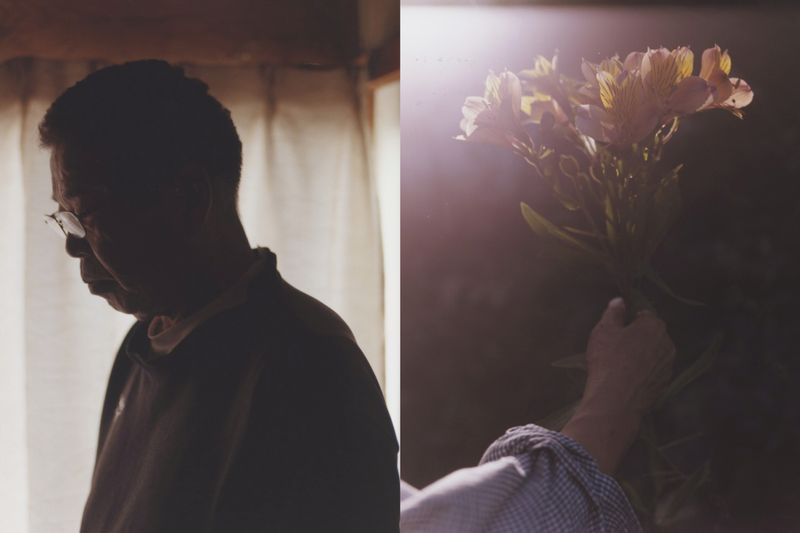
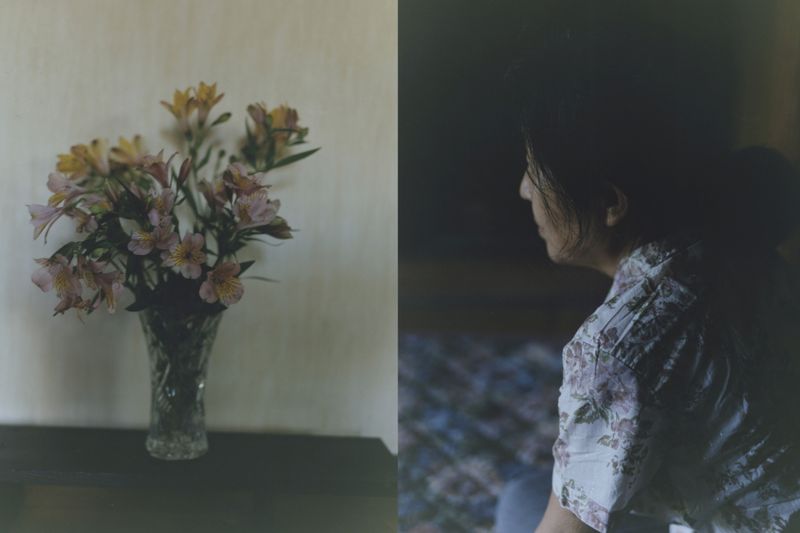
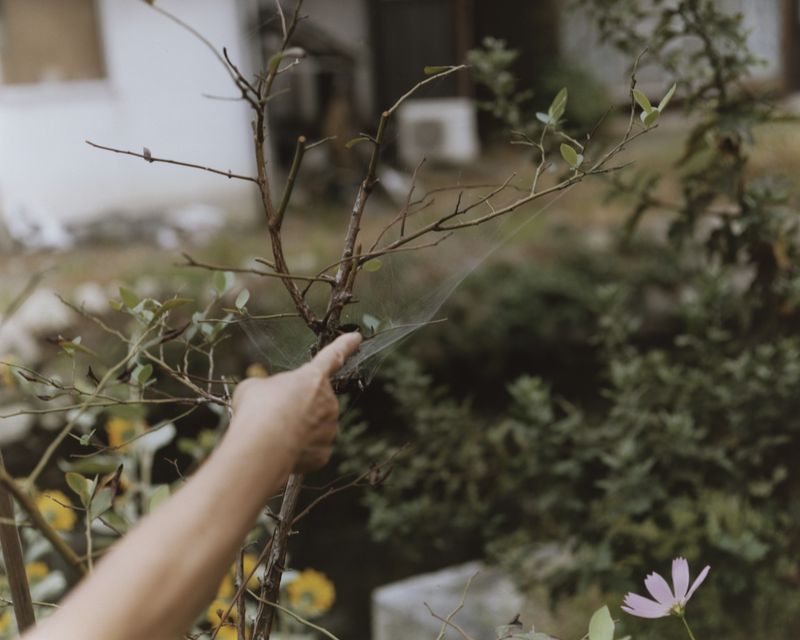
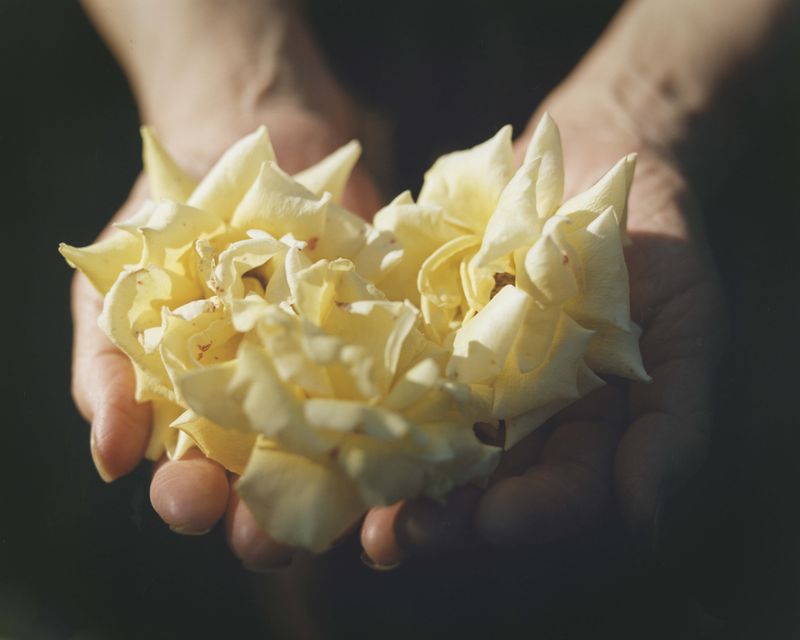
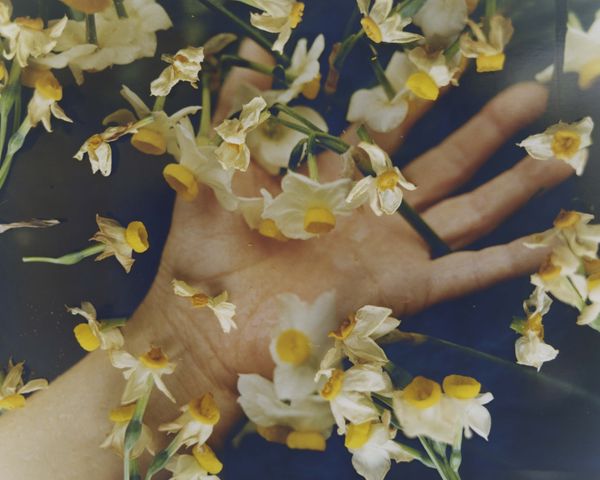
Each time I return home, I witness my father working tirelessly, discarding furniture and clearing away objects accumulated over decades. His actions feel deliberate and unsentimental, as if he is carefully dismantling the physical traces of our family’s history. My mother, in contrast, spends her days cultivating seasonal flowers in her garden. She tends to fragile blossoms that bloom briefly before fading, nurturing cycles of growth that quietly renew themselves year after year.
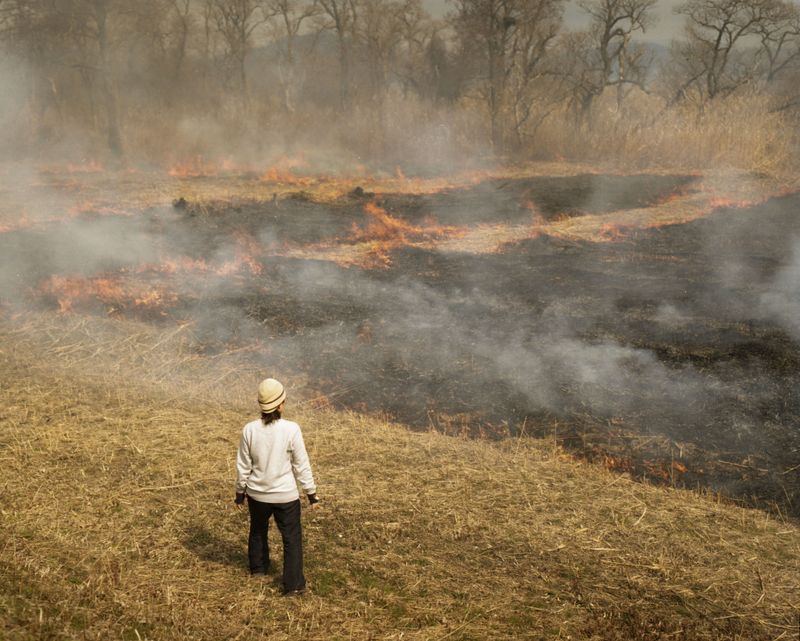
My father’s act of throwing things away and my mother’s act of growing flowers exist side by side. Within this shared space, opposing gestures unfold simultaneously—removal and cultivation, erasure and renewal. In this passage of time, life and death are both revealed and concealed.
At the entrance to the house stands a flower arrangement my mother has carefully nurtured. It greets visitors gently, marking a threshold between what is disappearing inside and what continues to bloom outside.