VERTIGO


-
Dates2022 - Ongoing
-
Author
- Location Munich, Germany
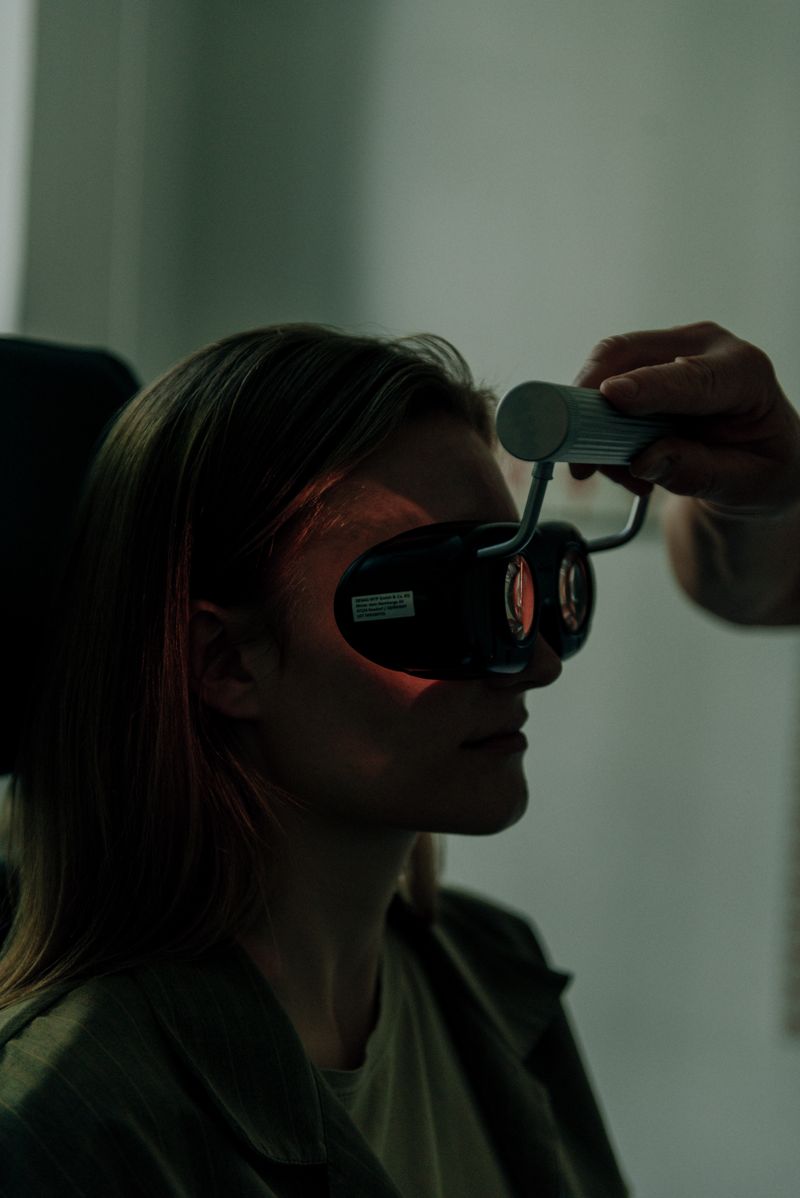
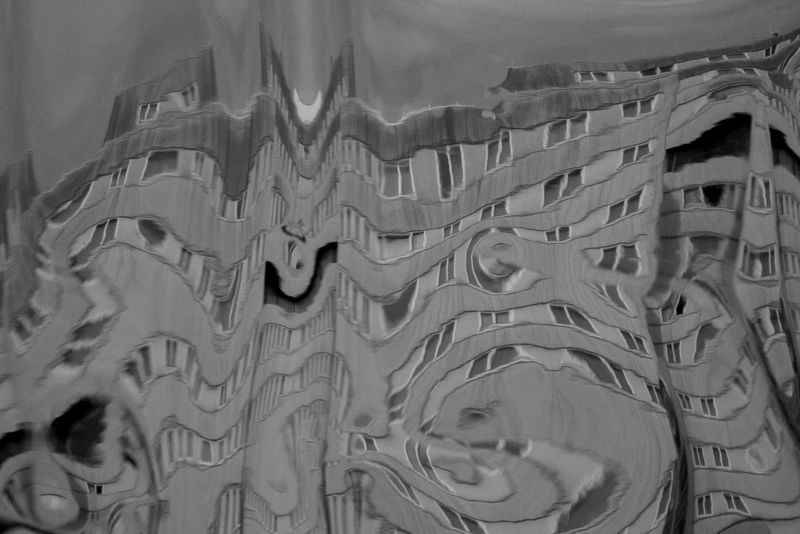
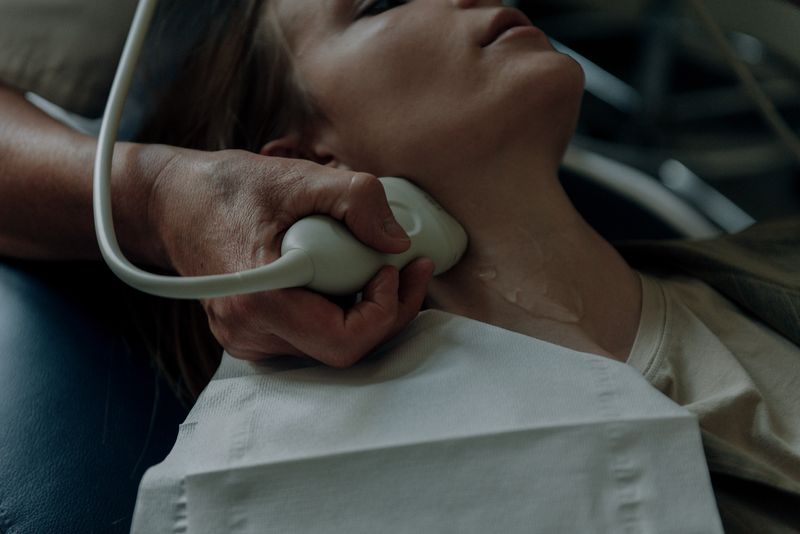
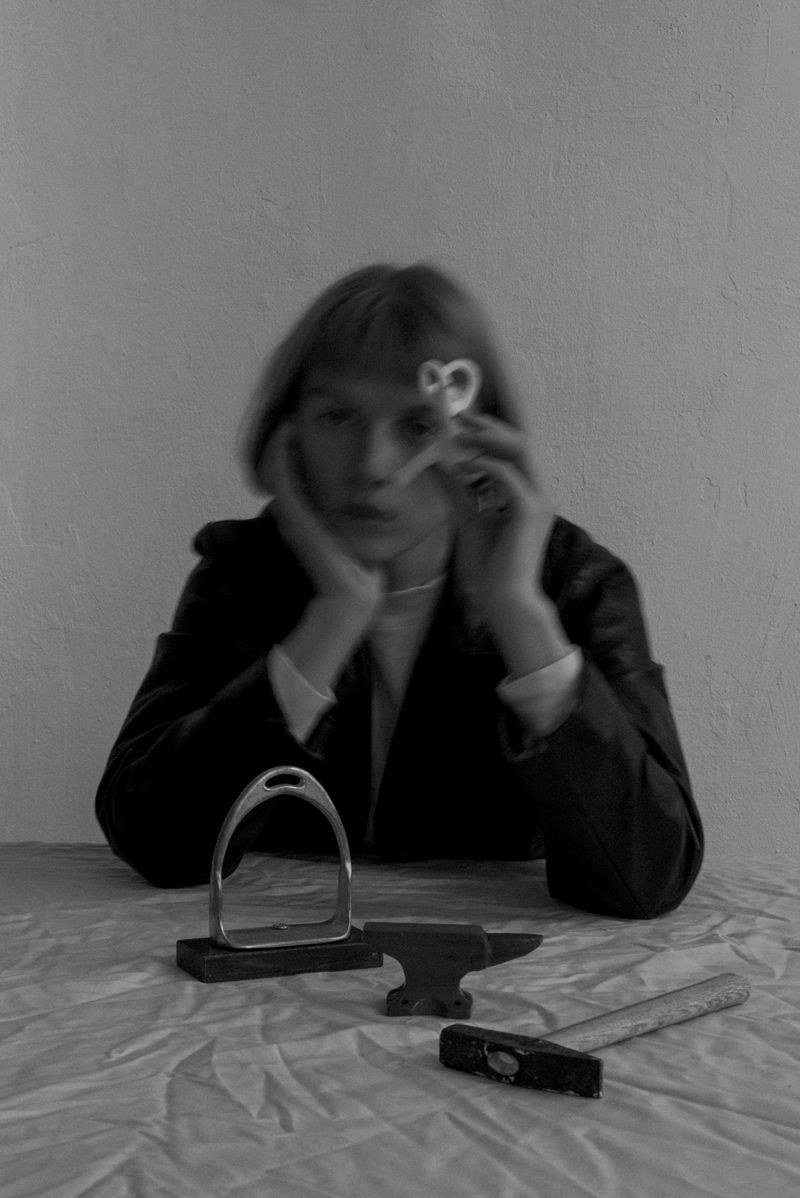
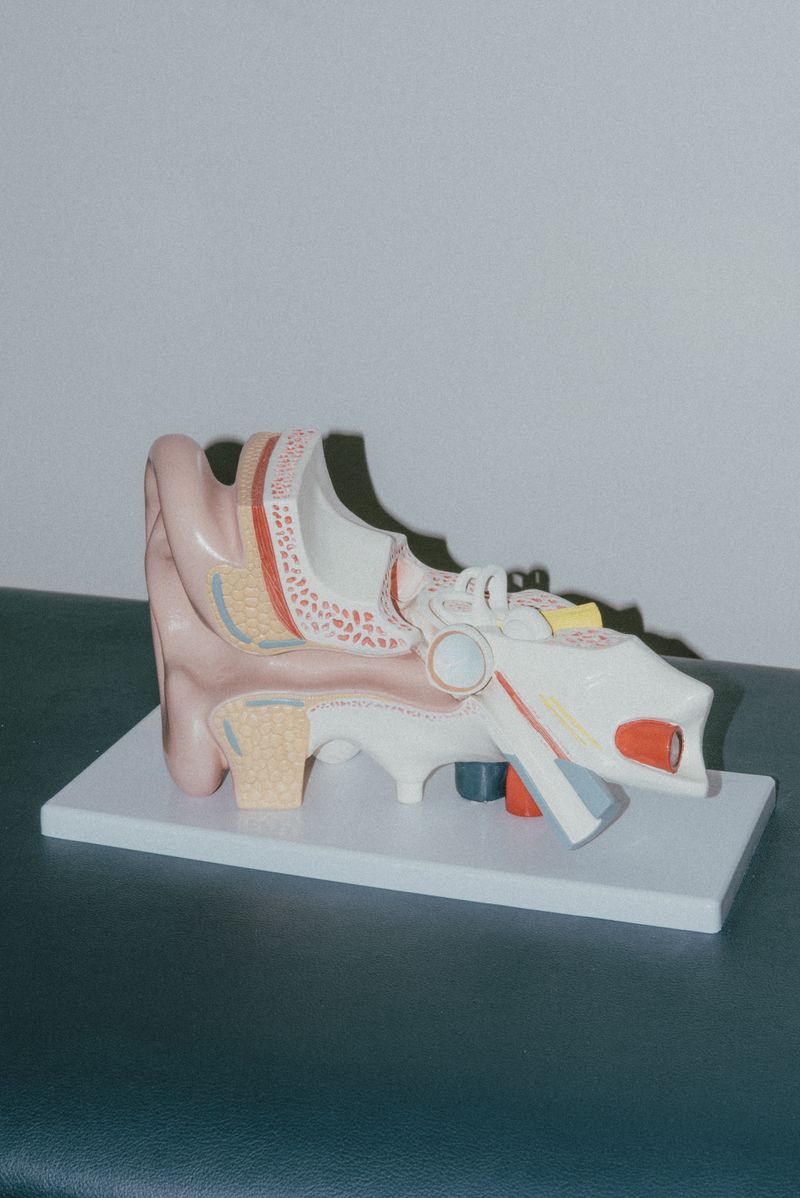
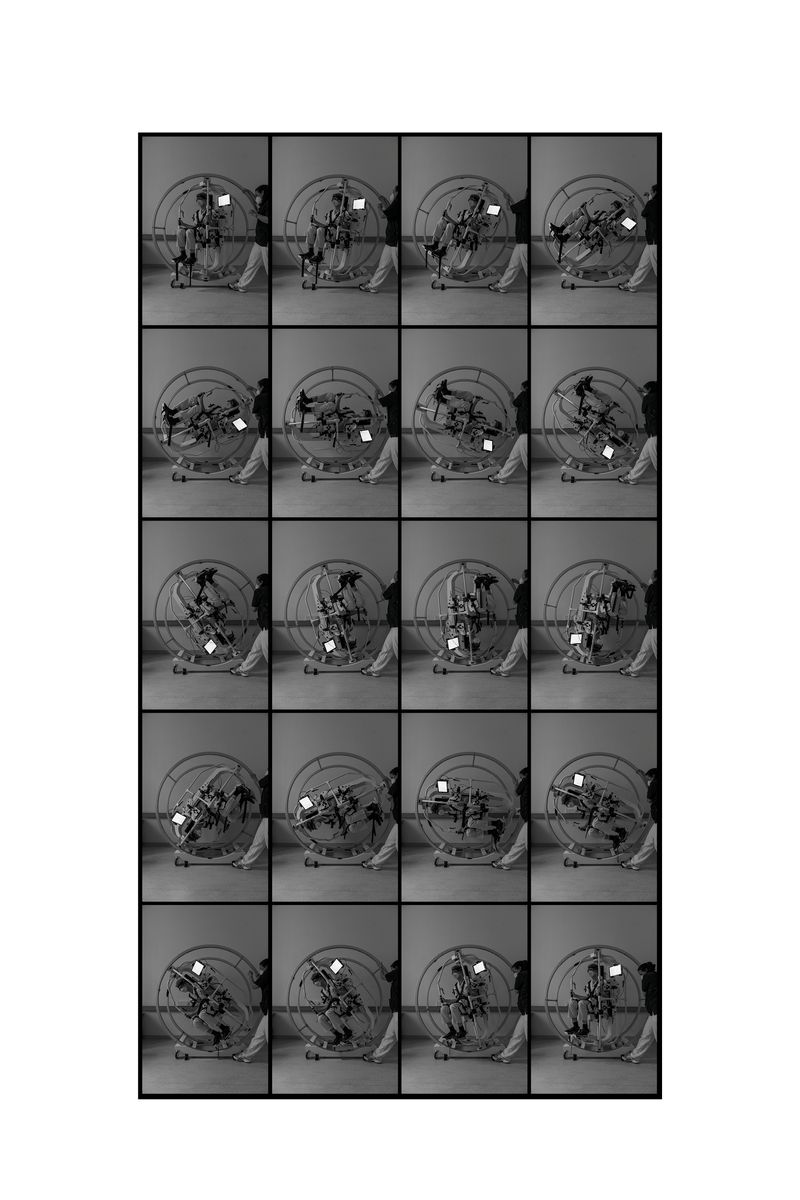
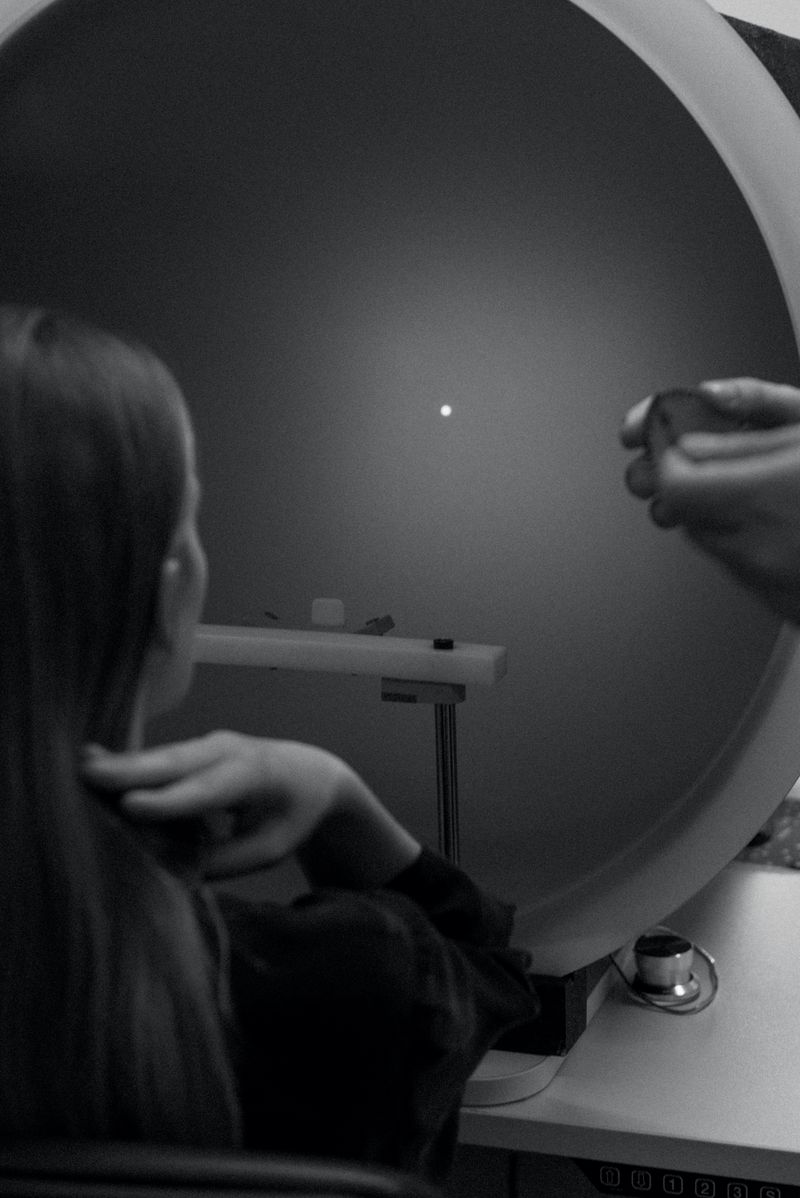
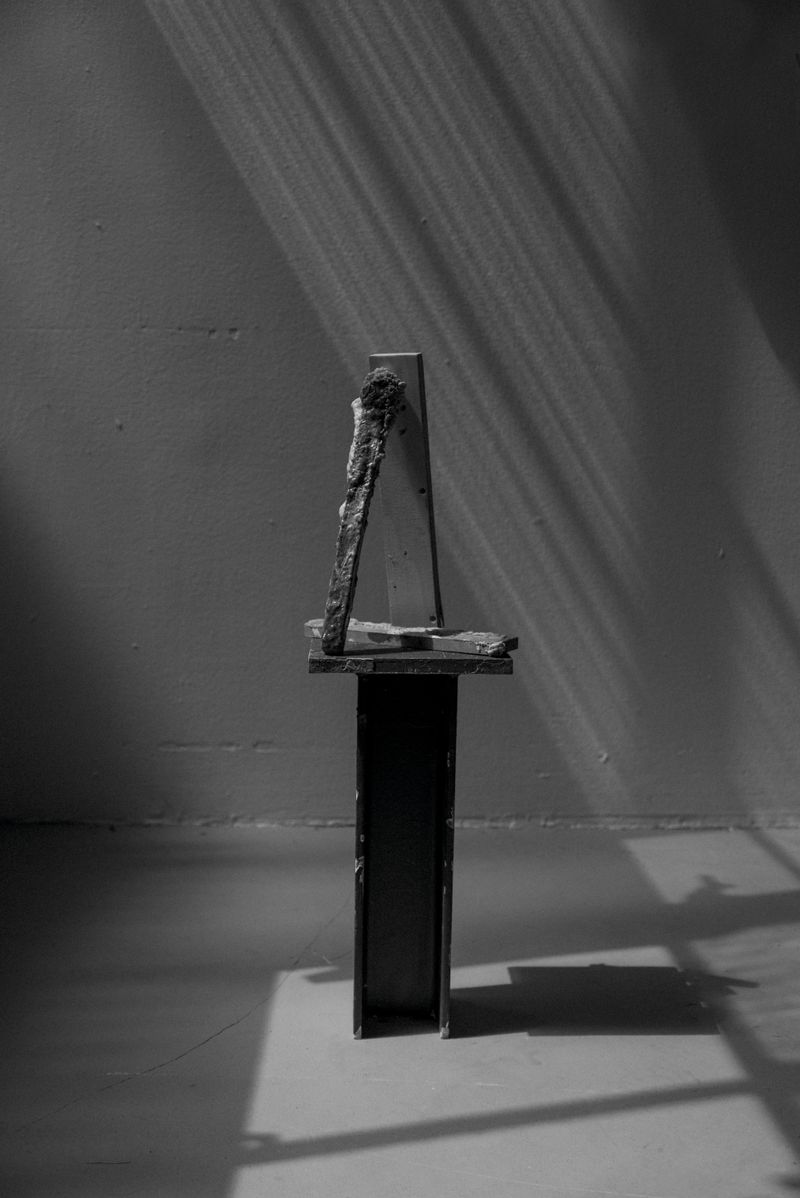
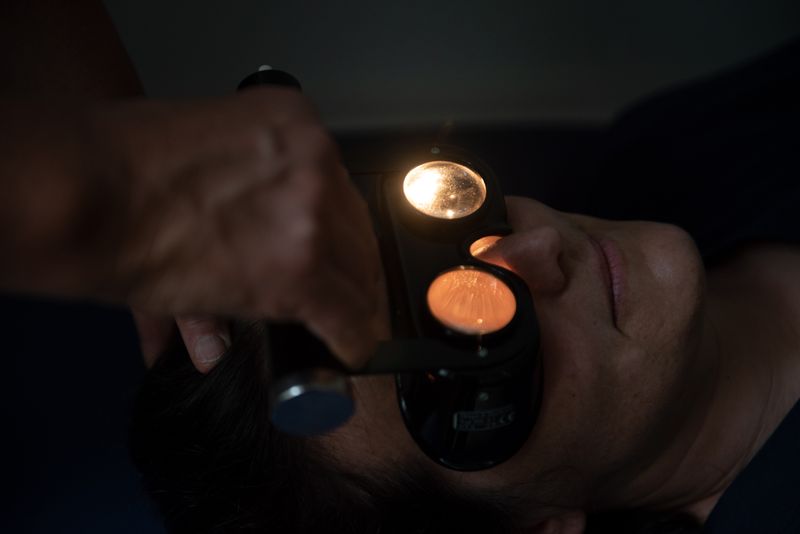
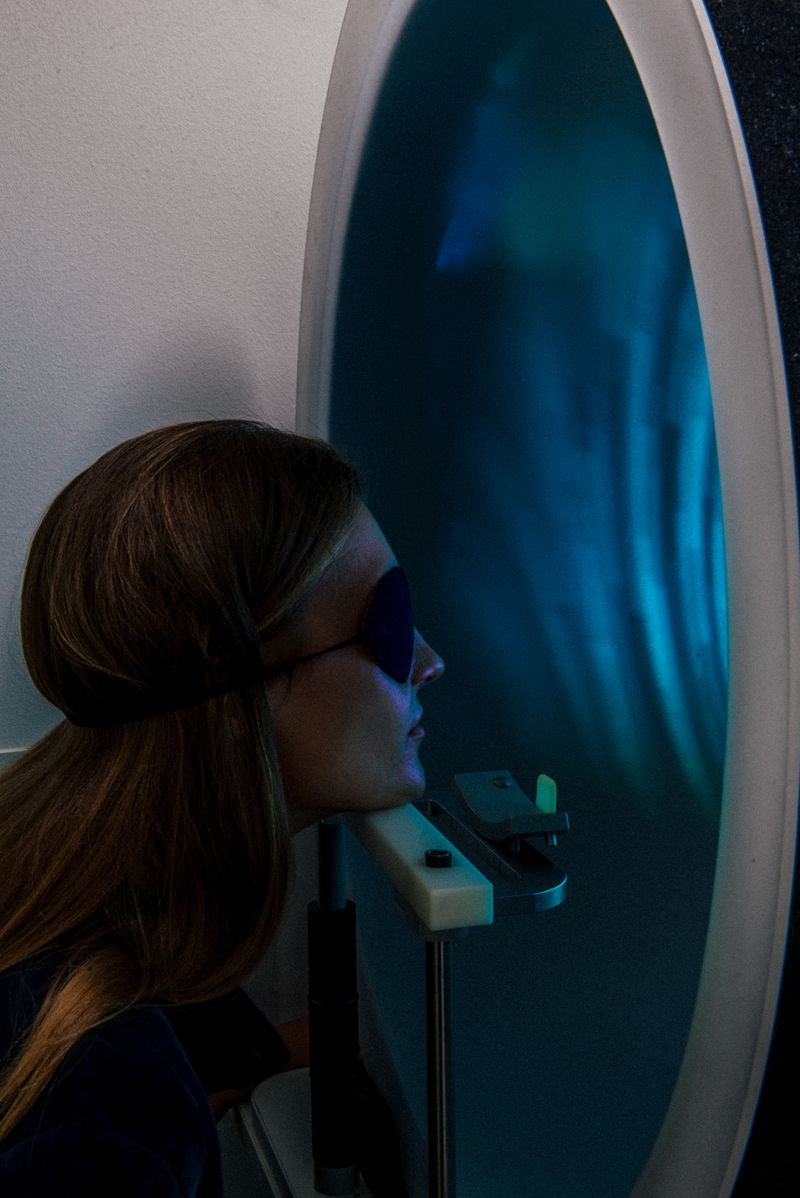
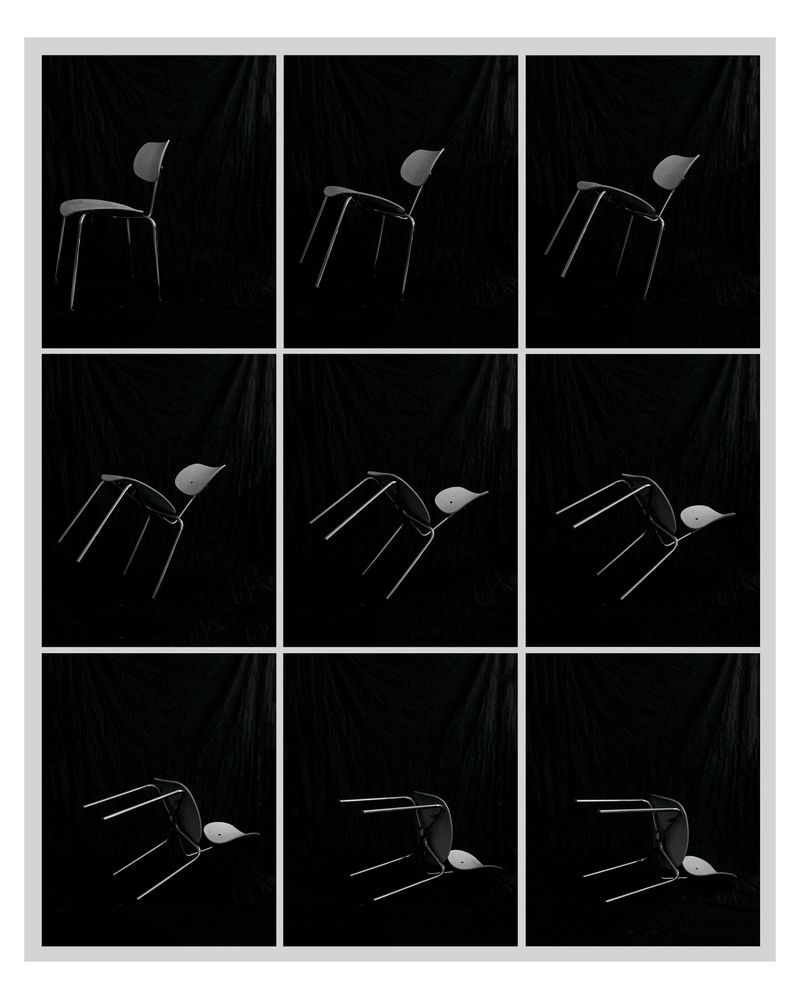
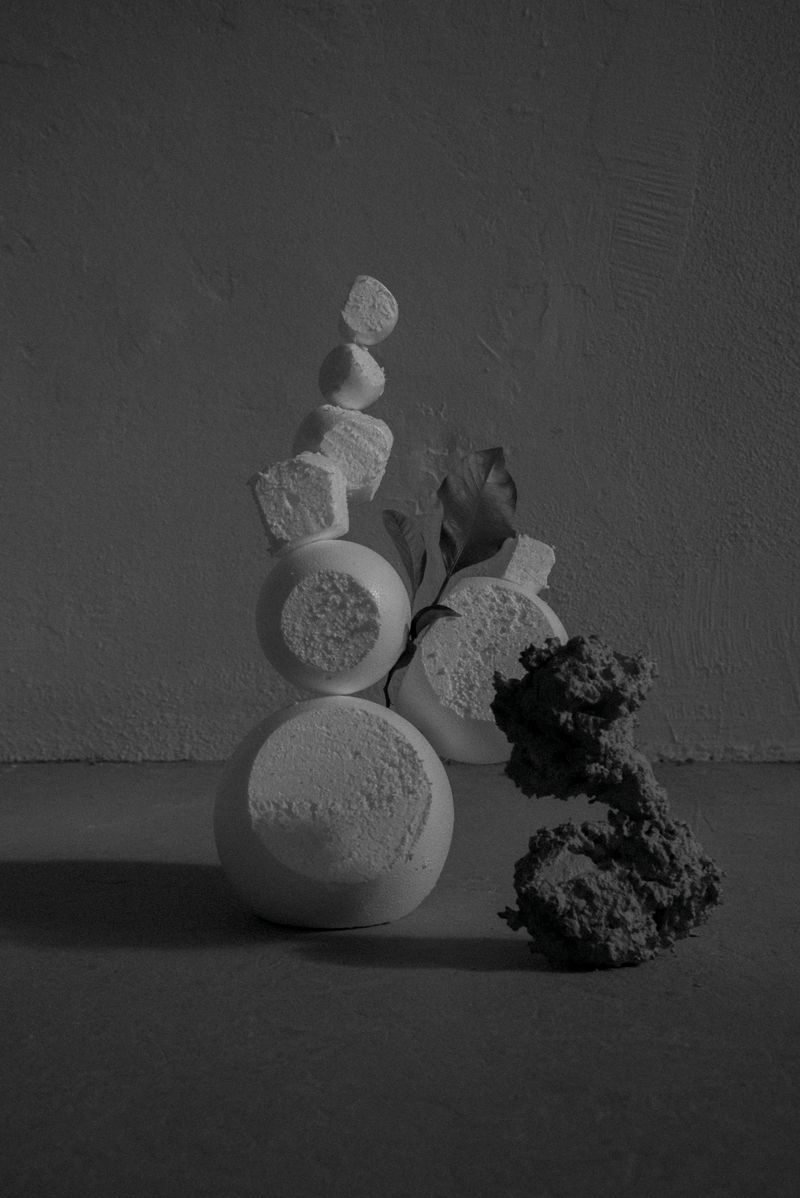
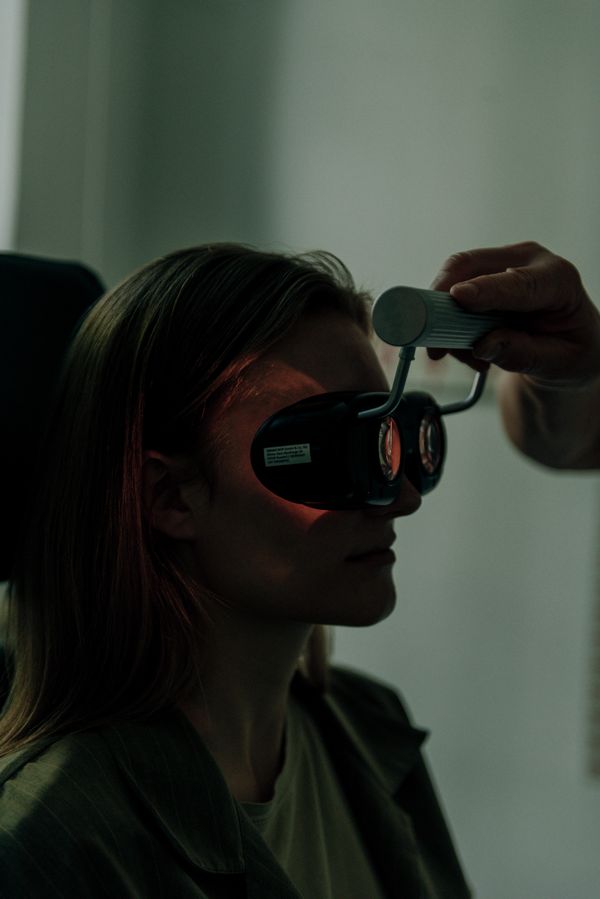
The photo project VERTIGO thematizes the subjective perception of vertigo and balance disorders and contrasts associative, lyrical photographs with an observational view of strange-seeming medical examination methods.
The photo project VERTIGO thematizes the subjective perception of vertigo and balance disorders and contrasts associative, lyrical photographs with an observational view of strange-seeming medical examination methods.
The world turns, tilts and sways — as if it were bewitched.
Vertigo is considered the second most common symptom in general medical practices. During their lifetime, nearly one in three people will experience severe vertigo at some point. Although it is not a disease in its own right but a symptom, vertigo drastically alters the reality of those affected.
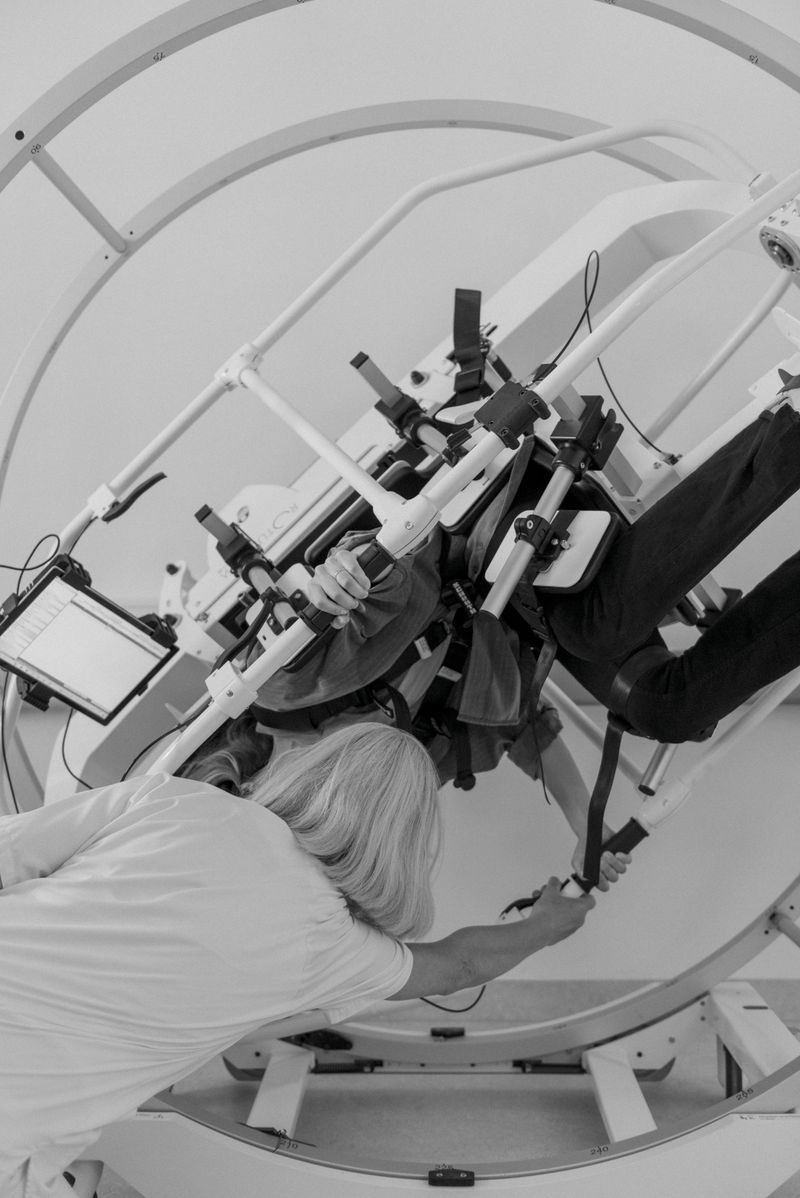
Vertigo can be triggered by many different physical or psychological circumstances and can take on diverse forms and manifestations. In order to classify vertigo and make it treatable, the symptom is examined in specialized medical institutions. For the VERTIGO project, common examination methods and equipment used in vertigo outpatient clinics were photographed. They appear strange, almost futuristic, or like devices used in astronaut training. This peculiar appearance serves as the starting point for a photographic and lyrical exploration of vertigo diagnostics.
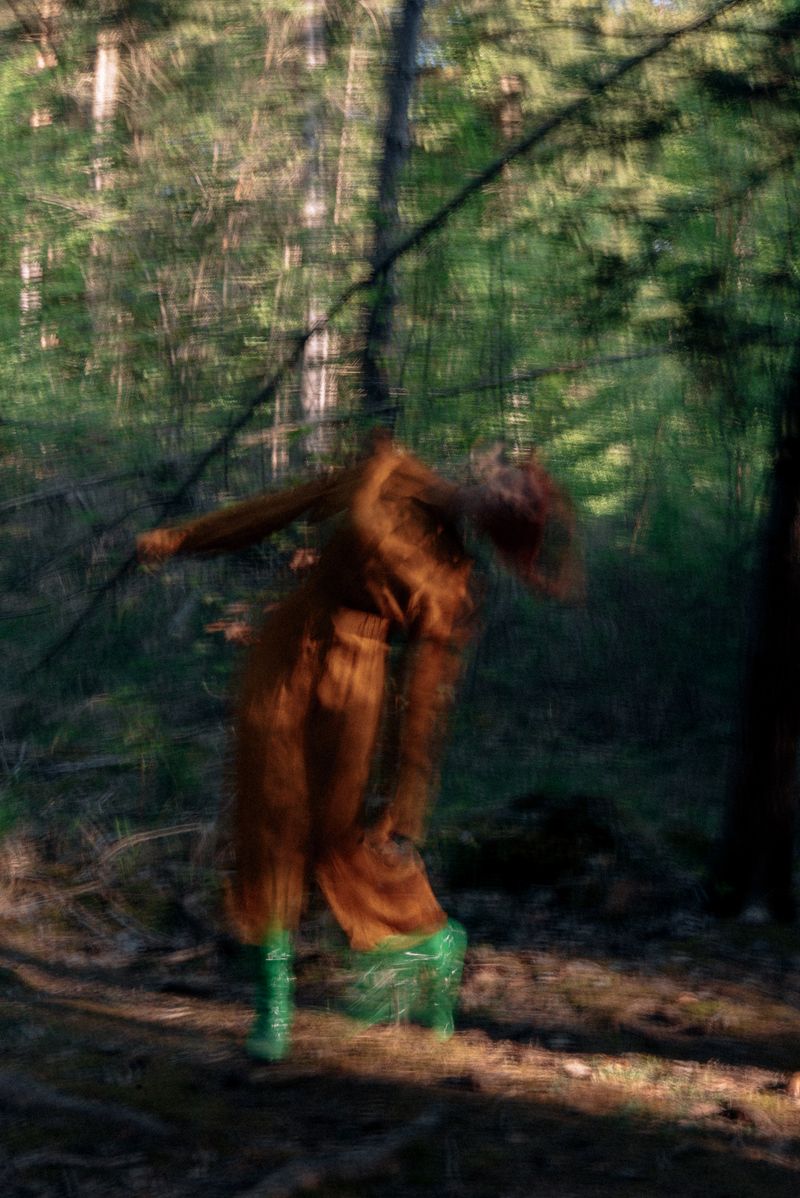
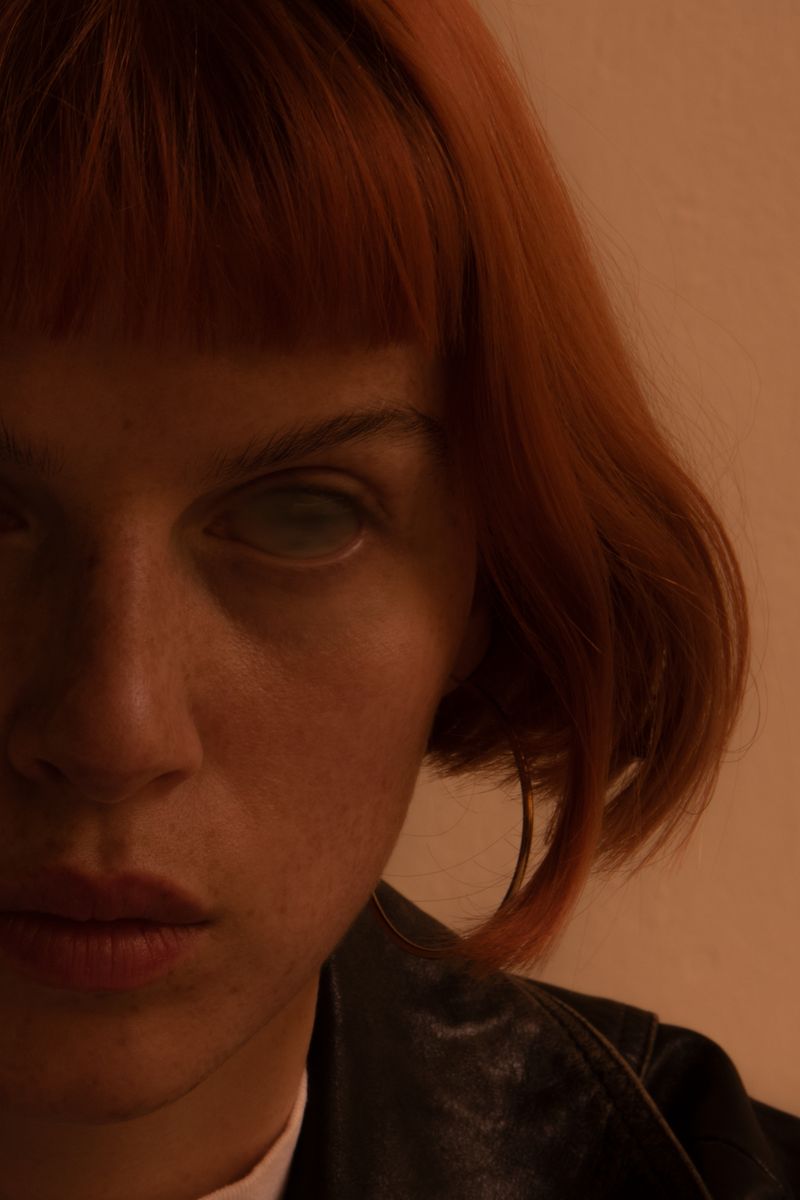
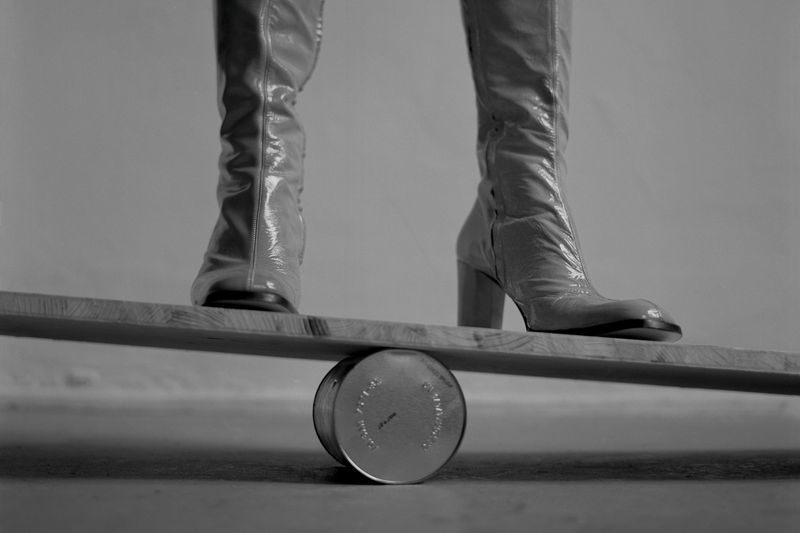
But what does vertigo feel like? There is no universal answer to this question, as vertigo is as individual as the people affected by it. The project therefore includes self-portraits created by the artist, who was personally affected by a vestibular disorder. These images translate lived experience into visual form and seek to convey the instability, fragility and disorientation that characterize vertigo.
VERTIGO emerged from a personal experience following a disease of the vestibular system.