Tribus
-
Dates2020 - Ongoing
-
Author
About the project:
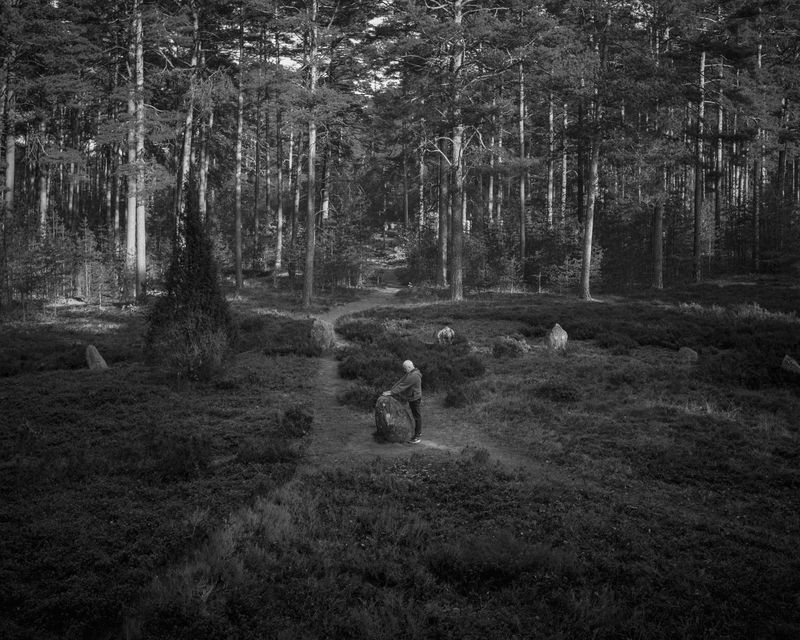
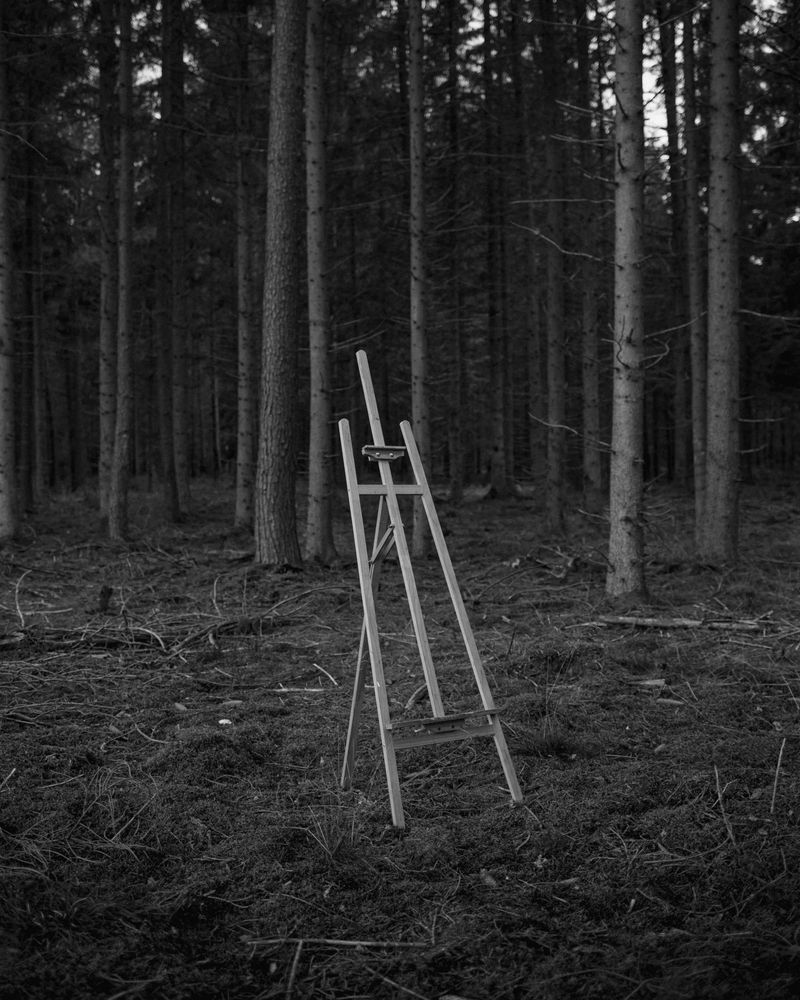
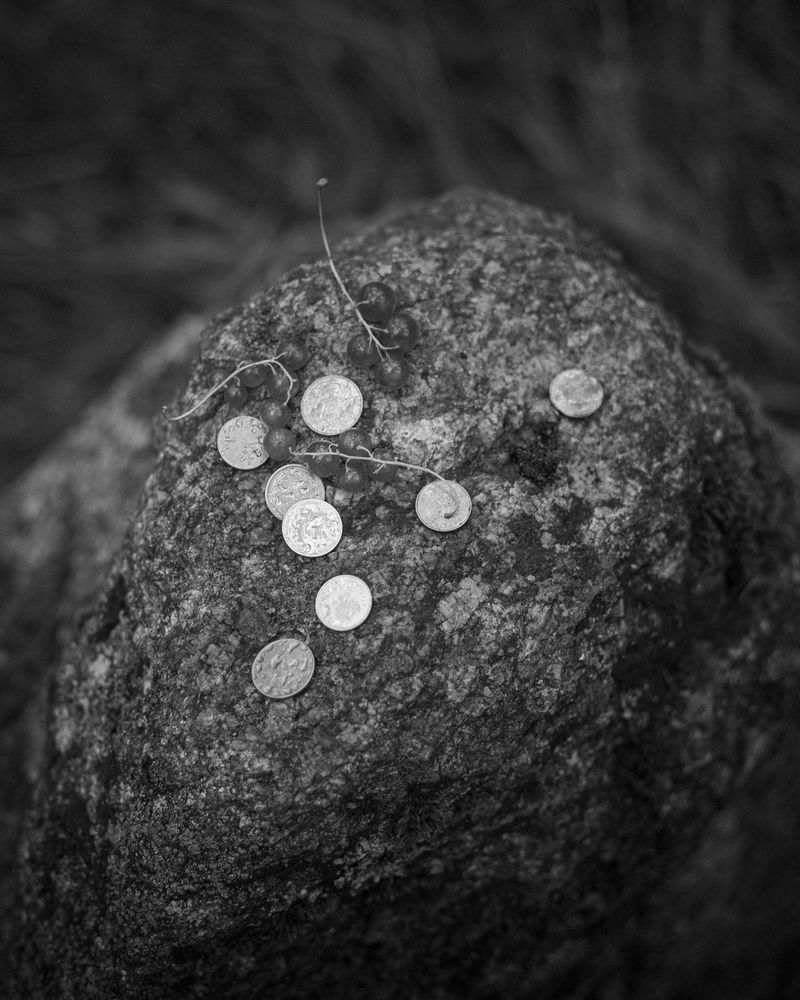
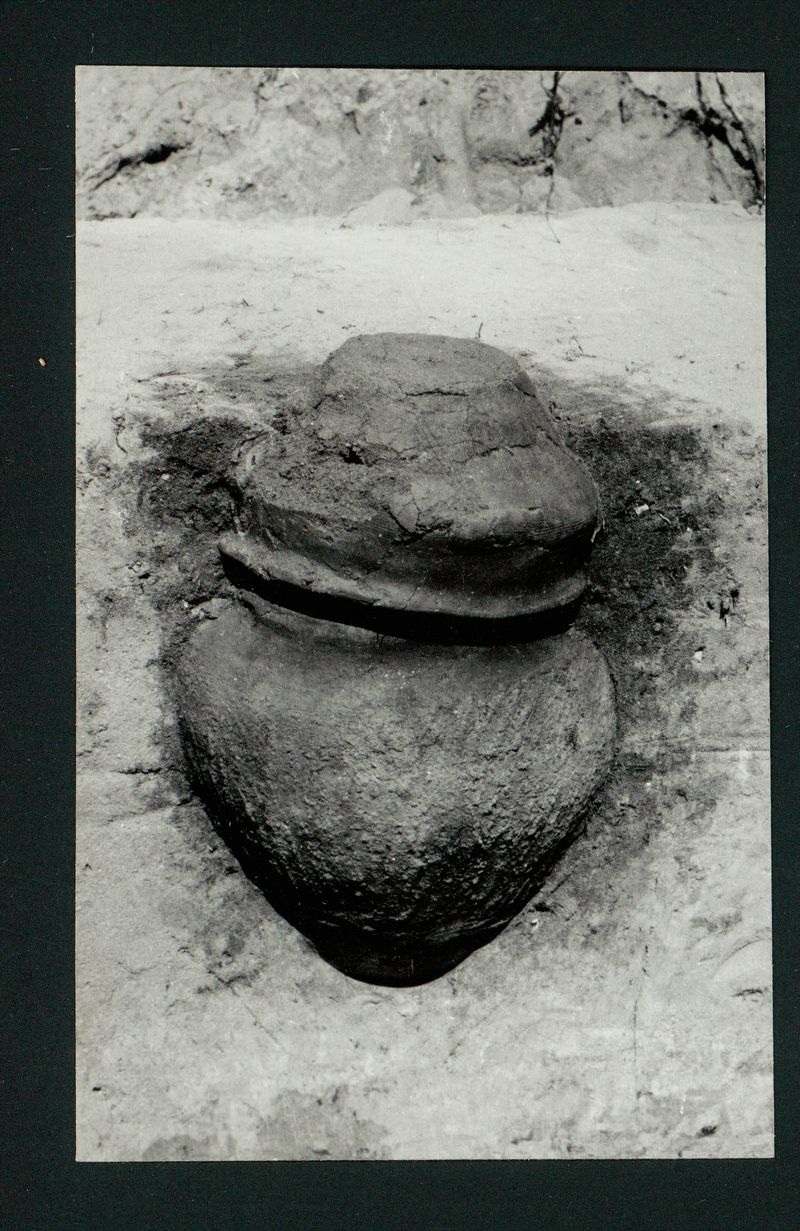
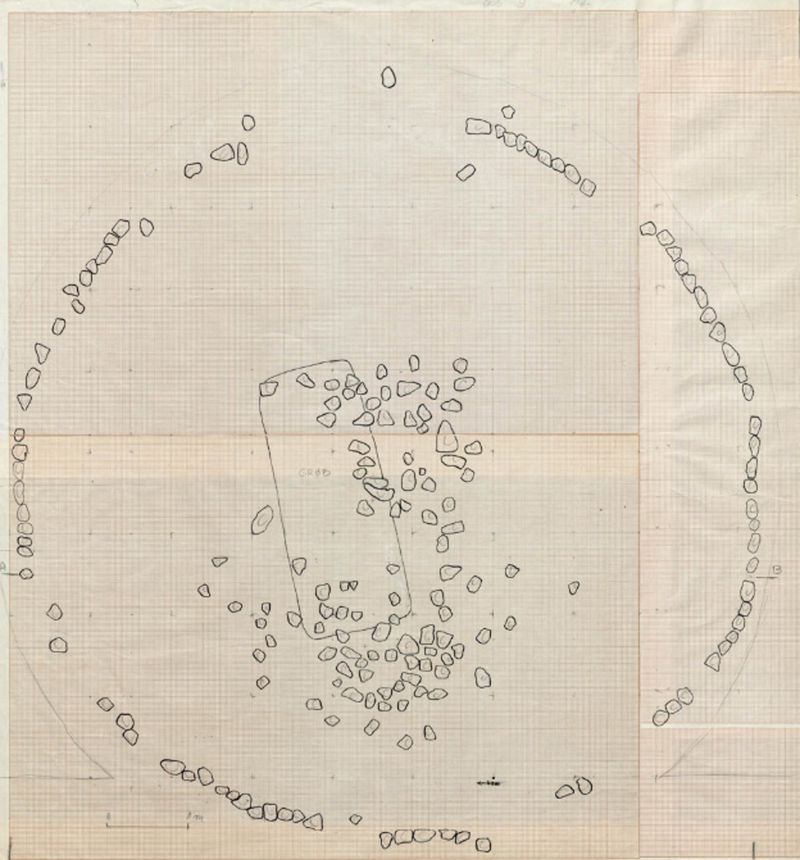
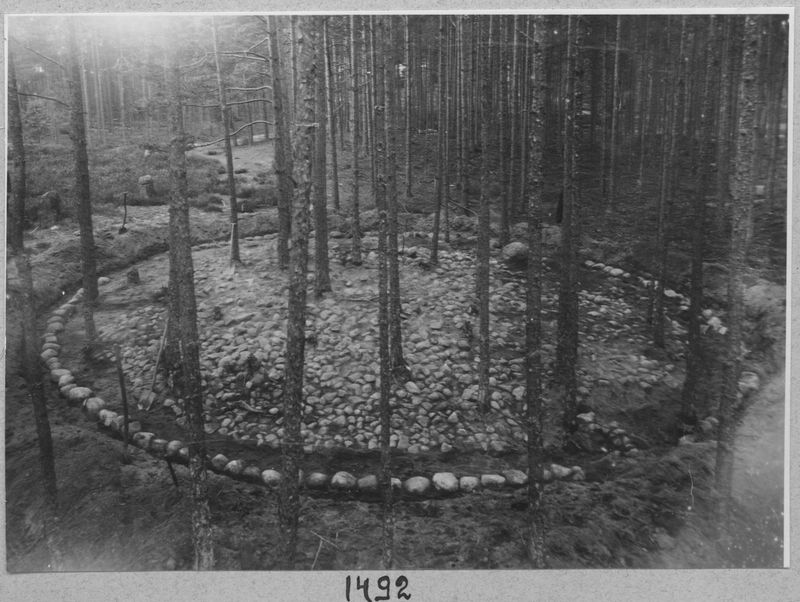
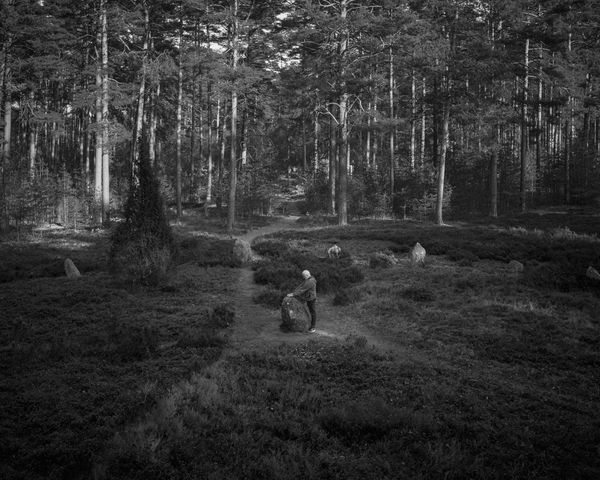
In 2020, I started to explore several areas in Poland where Gothic stone circles are to be found. Located in the forests of north-western Poland, these constellations are the second largest in Europe (after England’s Stonehenge). Together with the adjacent cemeteries, they are the only remnants of the Scandinavian Gothic tribe, living 2000 years ago in the area.
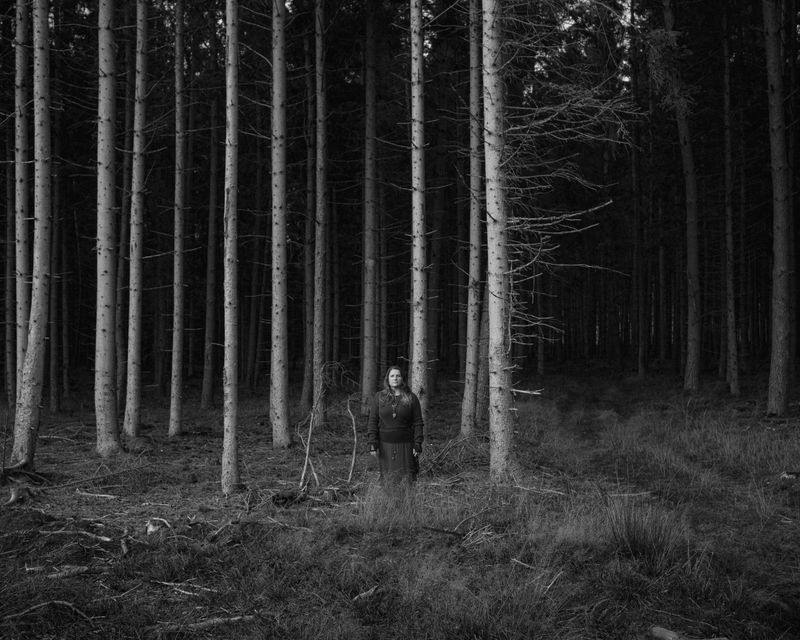
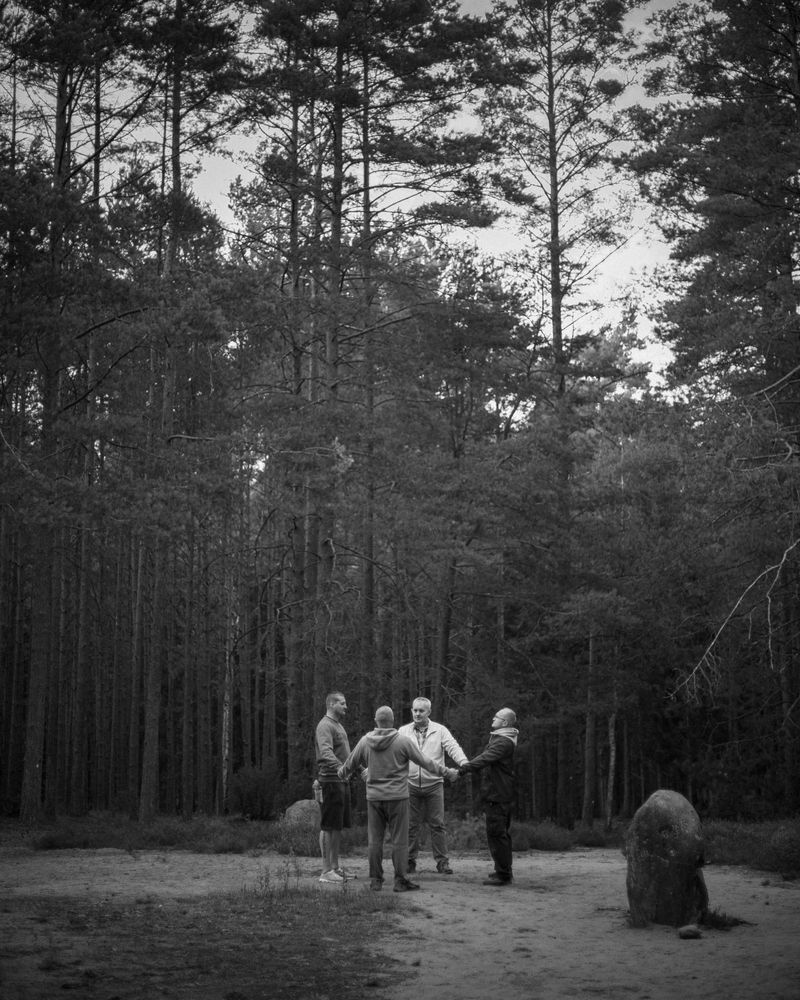
These very mysterious structures remain far from being uncovered, and the specific group of people, who gather around them are rather diverse. People come to witness the stone circles for all sorts of reasons but what unites them in the end is that they are drawn to the mystery that still surrounds these areas.
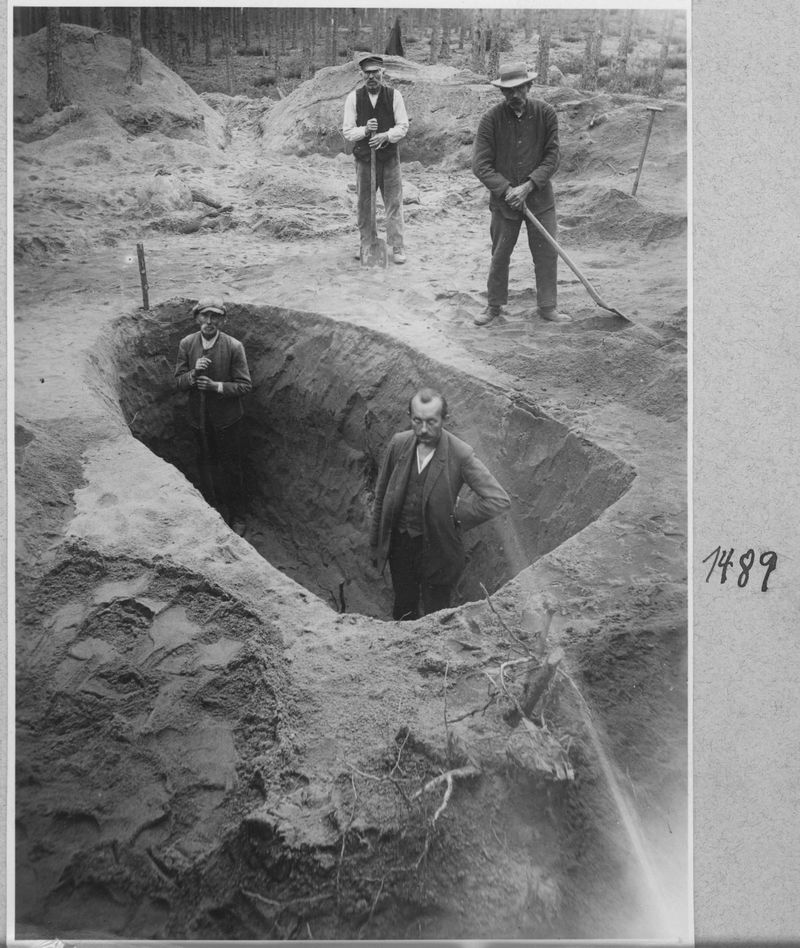
Although archeological research into these strange structures has been going on for almost 150 years - today there are still many more questions unanswered. I’m tracing the paths of the researchers by visiting dusty collections scattered all over Poland - including the University of Łódź, the University of Poznań, the Museum in Koszalin, the Library in Zielona Góra - 100-year-old notes, maps, engravings. This archival material is related to 19th and early 20th century scientific explorations of the stone circles, including the findings of people such as: Abraham Lissauer, an ophthalmologist from Gdańsk, who in 1874 abandoned medicine for the stone circles and became a self-proclaimed archeologist; Professor Józef Kostrzewski, who seemingly came close to disclosing a part of the mystery, but then had to flee from the Nazis who were occupying Poland; The head of the SS himself, Heinrich Himmler, ordered in 1940 that the archeological stone circles area Odry is to become ‘a shrine of Germanic culture’ - a place of pilgrimage for the German nation.
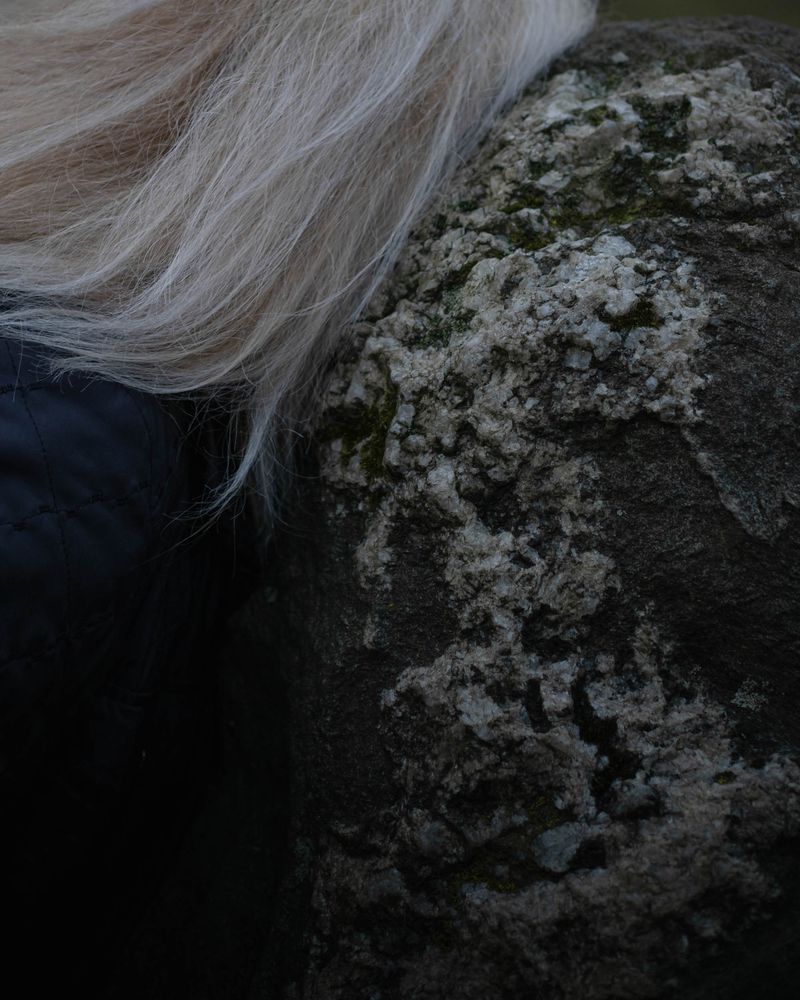
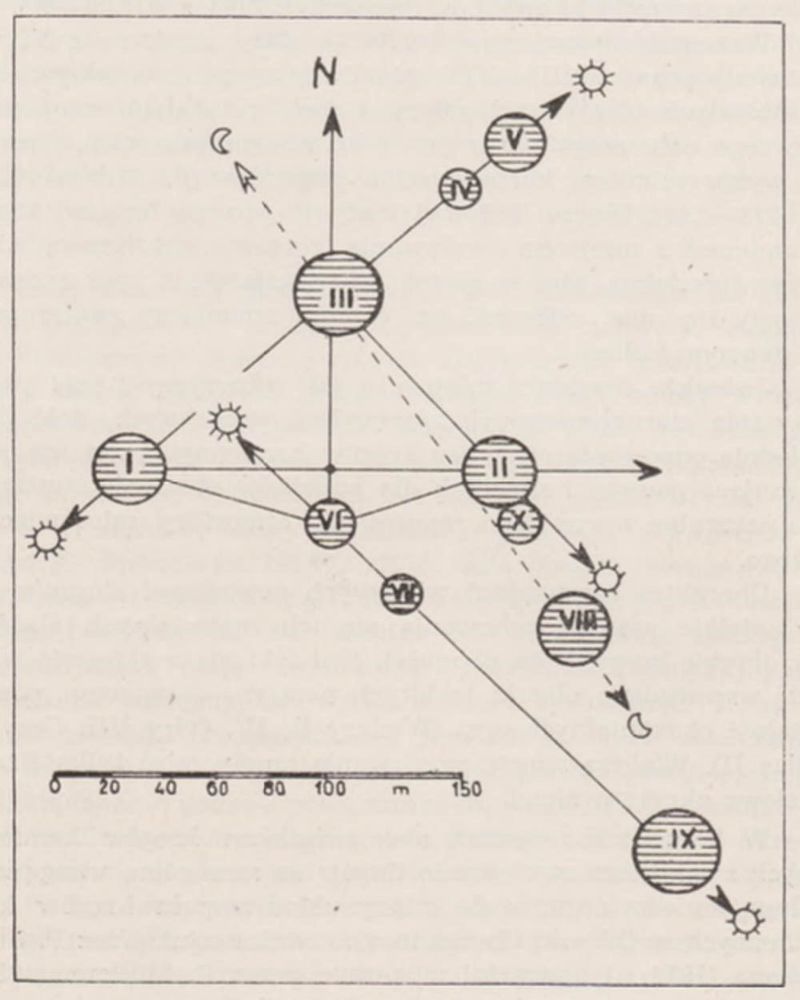
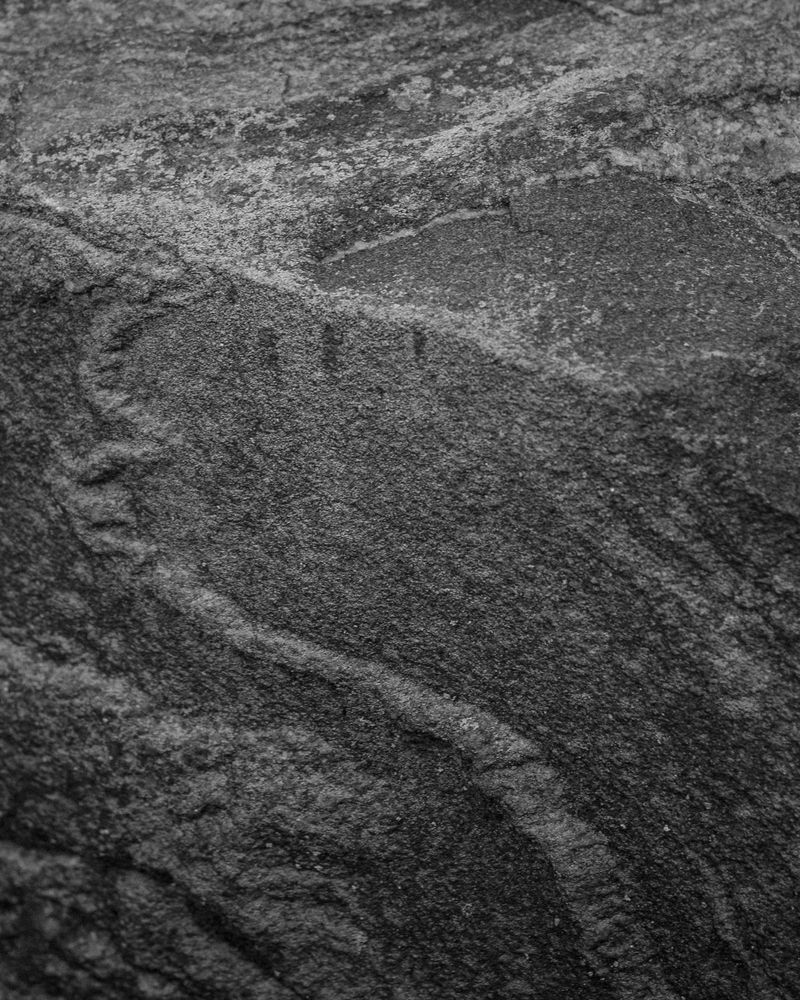
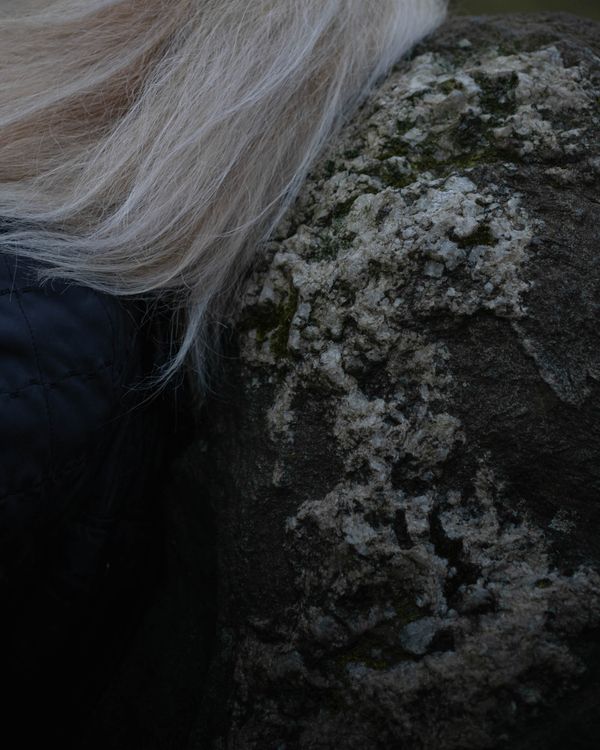
I also interview archeologists and archivists preserving the material today. But the research has meanwhile also moved into the astronomical sphere, as theories arose that the regular and precisely even lines of the circles assumingly prove that the circles form one big, prehistoric clock, signaling the beginning of the summer and winter seasons for the people who once placed the circles. What is more, there is also an ecological theme: on the stones grow 2000-year-old lichens - particular ones that are otherwise only to be found in the Alps.
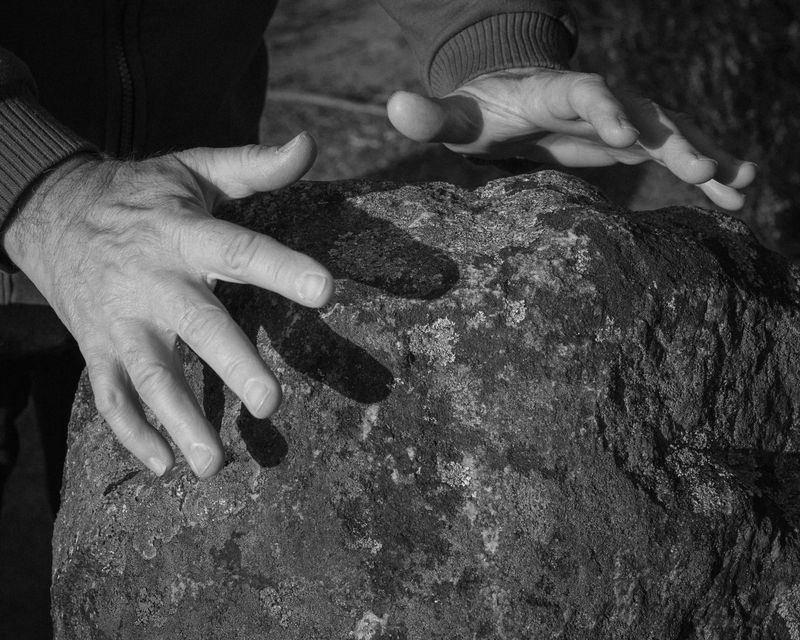
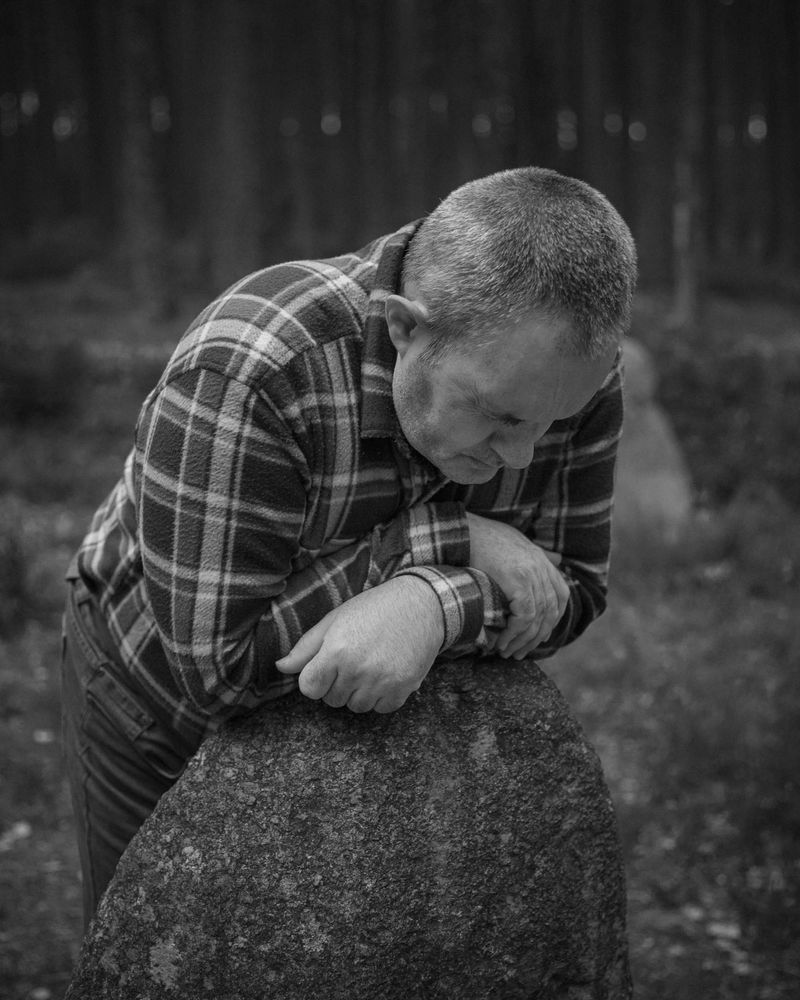
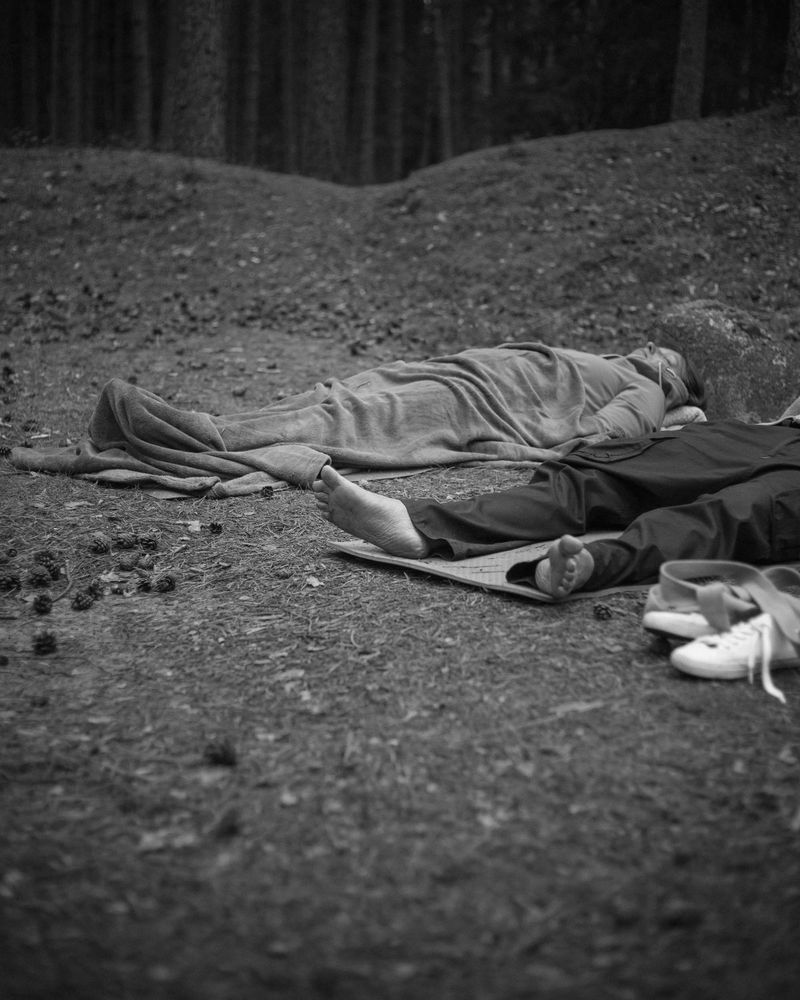
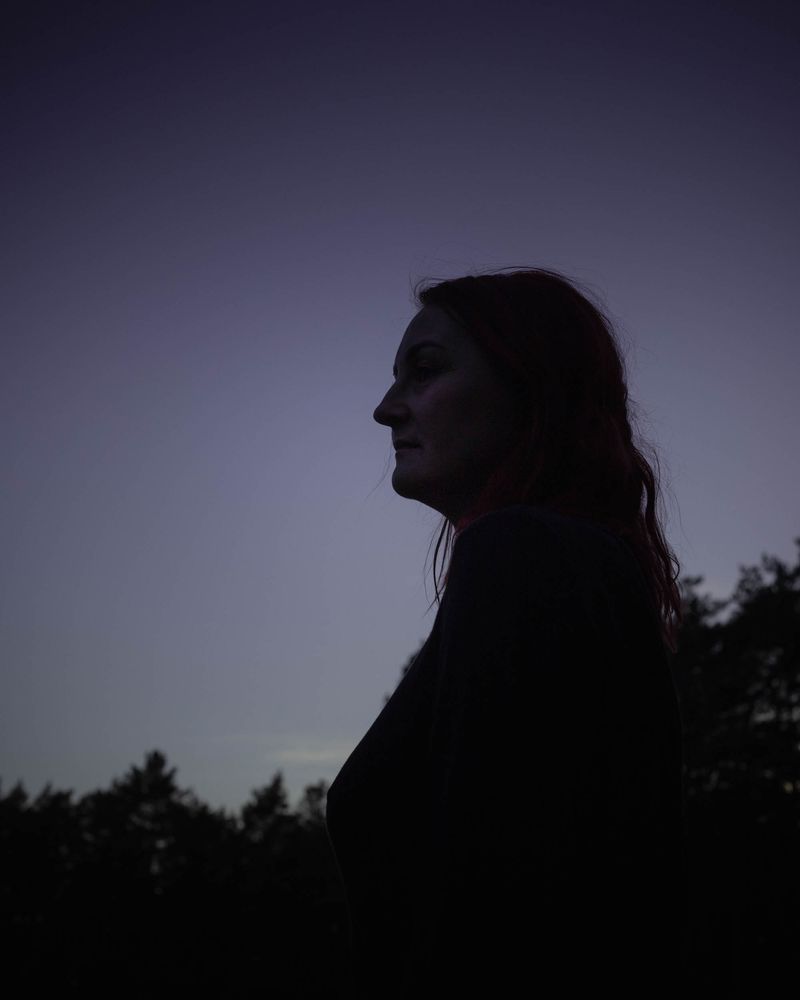
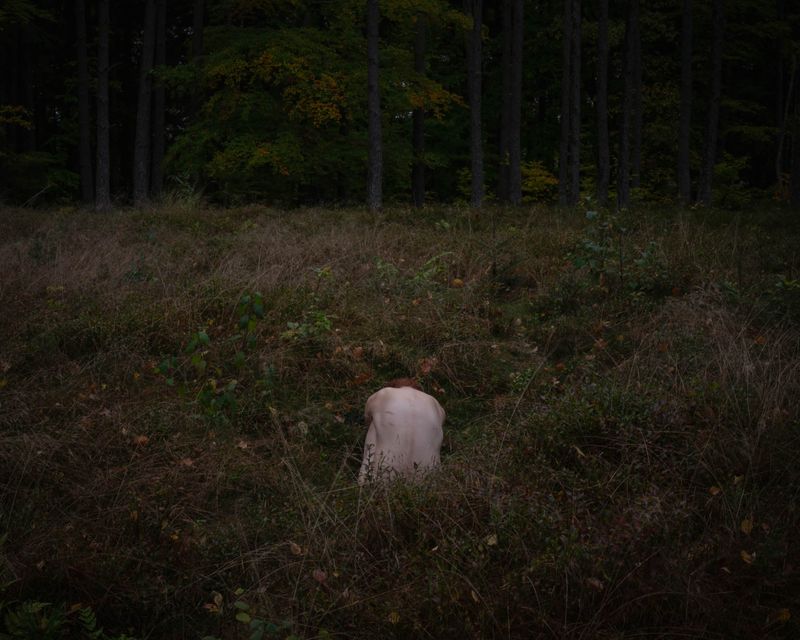
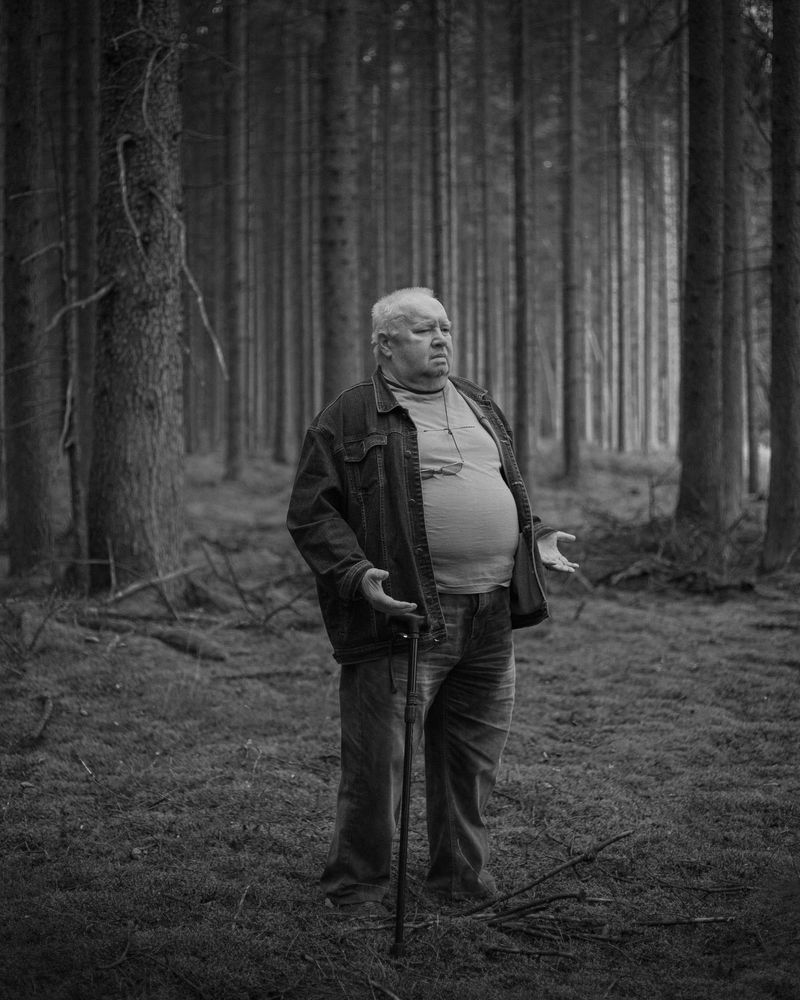
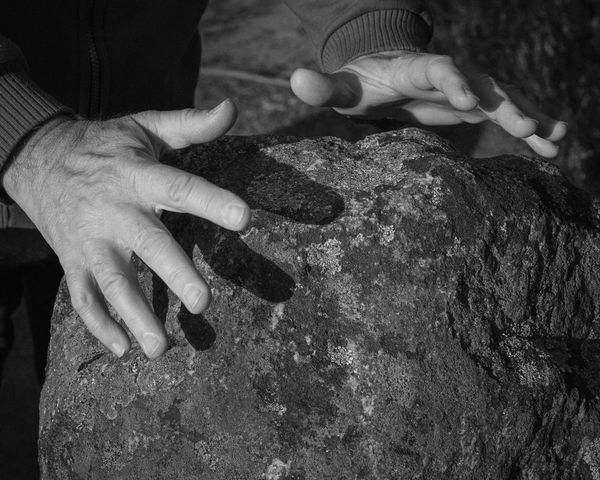
Meanwhile, the stone circles also attract an eclectic ‘modern tribe’ of people - local, national and from abroad - with more esoteric interests. There are young, middle-aged and elderly people among them but they all seem to have a common experience in the energy that these circles vibrate. Over time, more and more people have gained an interest in the aura of the stone circles and in line with these colorful protagonists I’m looking for clues to continue their fascination for these stone circles - a quest for knowledge that balances on the border of ‘claimed facts’ and more ‘subjective’ notions.
Motivation:
The subject of ‘Polish stone circles’ indicates that there are still places where today's ‘order’ has no access - where also scientific discoveries can exist in symbiosis with what we call the extra-material world, intuition, primordiality.
Research done so far clarifies that women must have played a privileged role - their graves were full of precious ornaments, in contrast to graves of men. Unfortunately, nowadays, not much from the harmony and equality as symbolized with these circles is left. This marked respect for women among Goths is in total opposition to social divisions visible in contemporary Poland: under pressure from the Catholic Church, women are deprived of their rights and dignity, to narrow their role to that of an obedient wife and mother.
Apparently, the ancient source, from which we - Poles - came from, has been forgotten. It contradicts everything that is perceived as the so-called norm in Poland today: patriarchal culture, unflagging influence of Catholic Church, lack of tolerance for being oneself. I consider this story an inconvenient gap in a system supported by ‘norms’ that everyone in my country is required to follow, without exception.
Eventually intended to become a photobook and multimedia exhibition.