Traveling Species
-
Dates2026 - Ongoing
-
Author
- Location Brazil
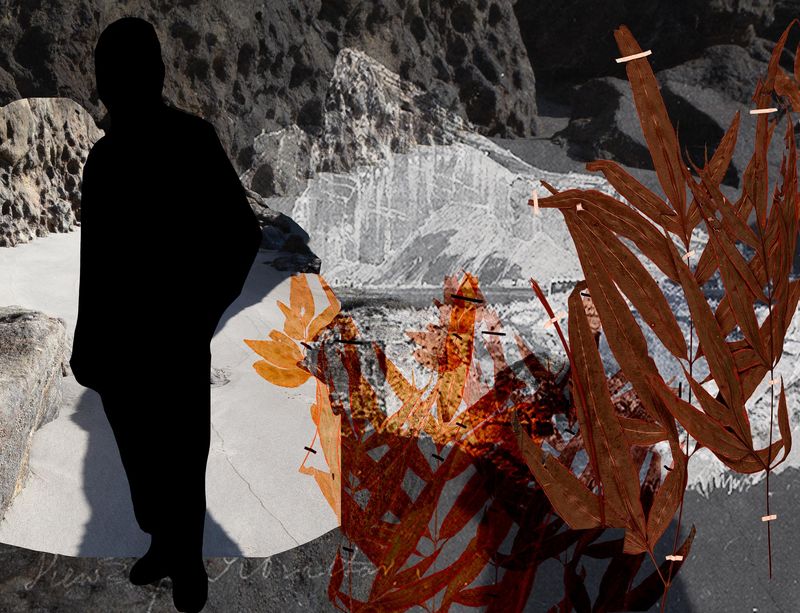
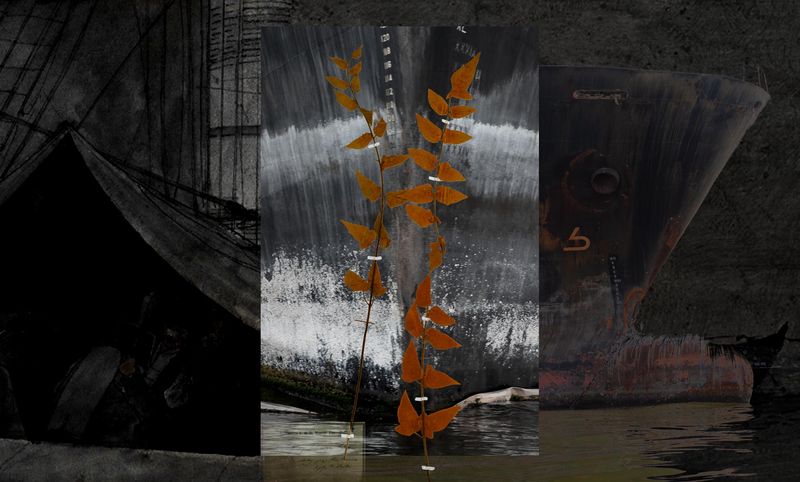
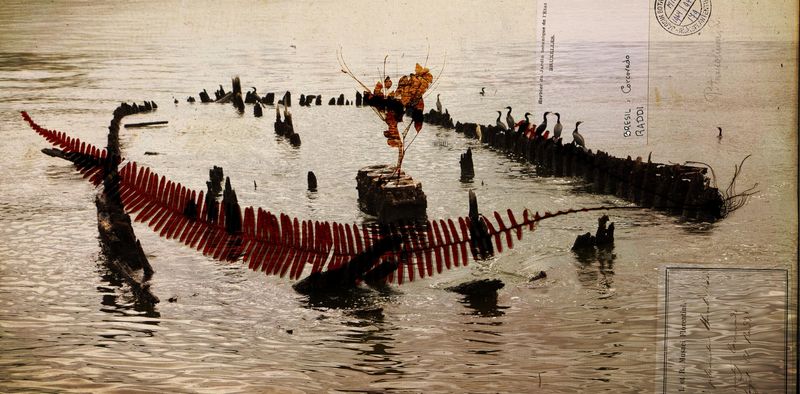
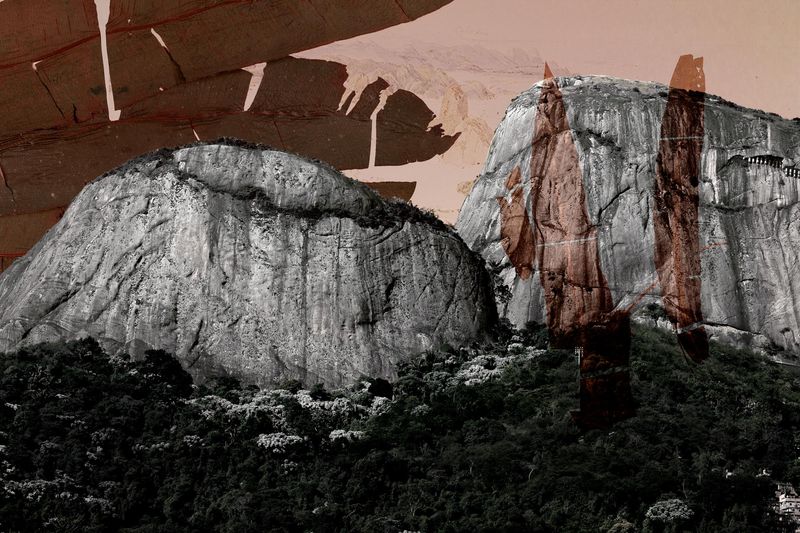
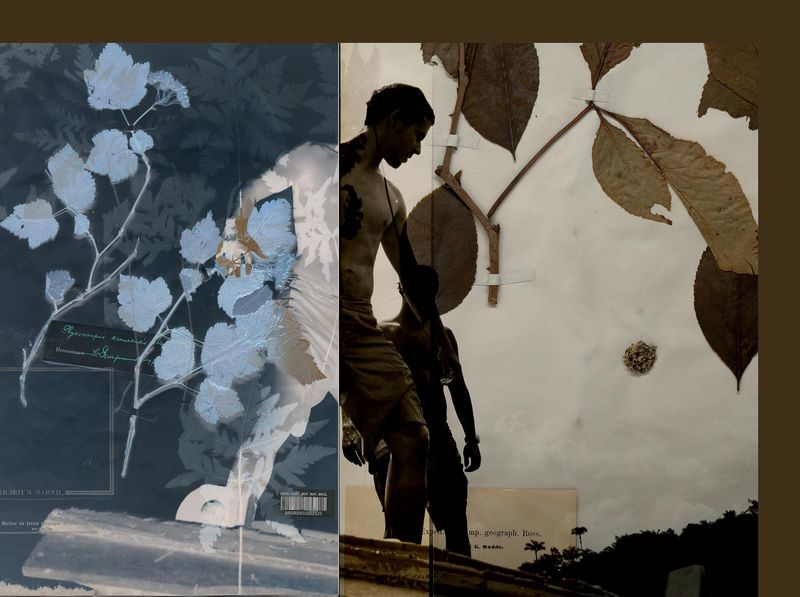
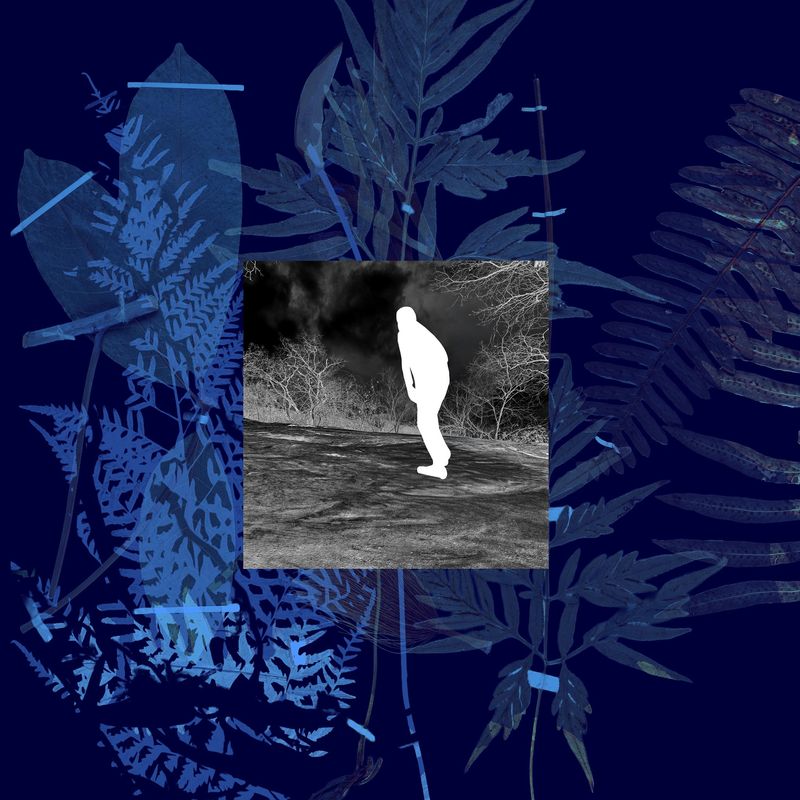
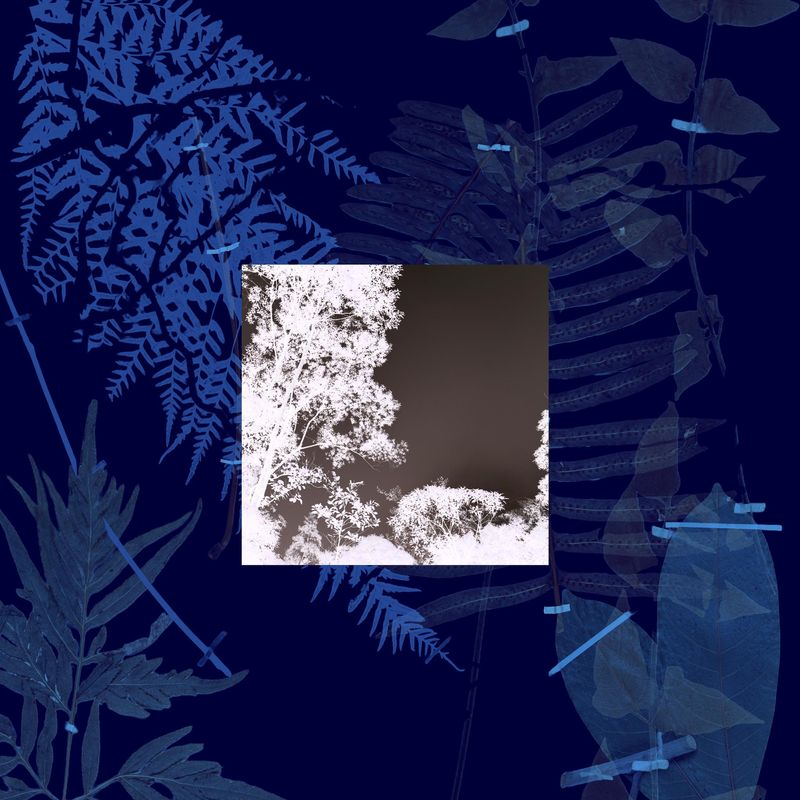
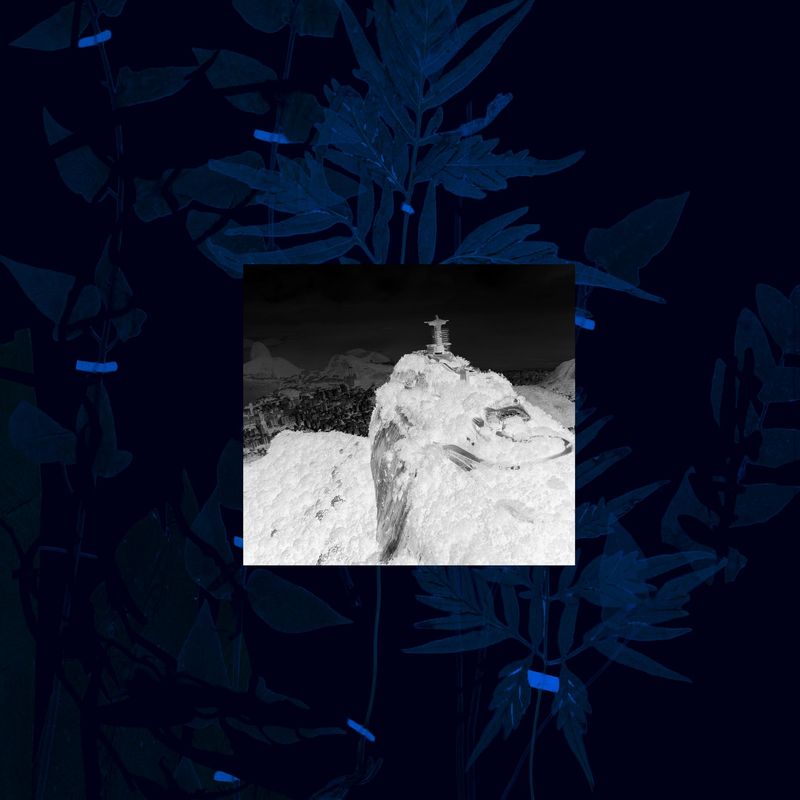
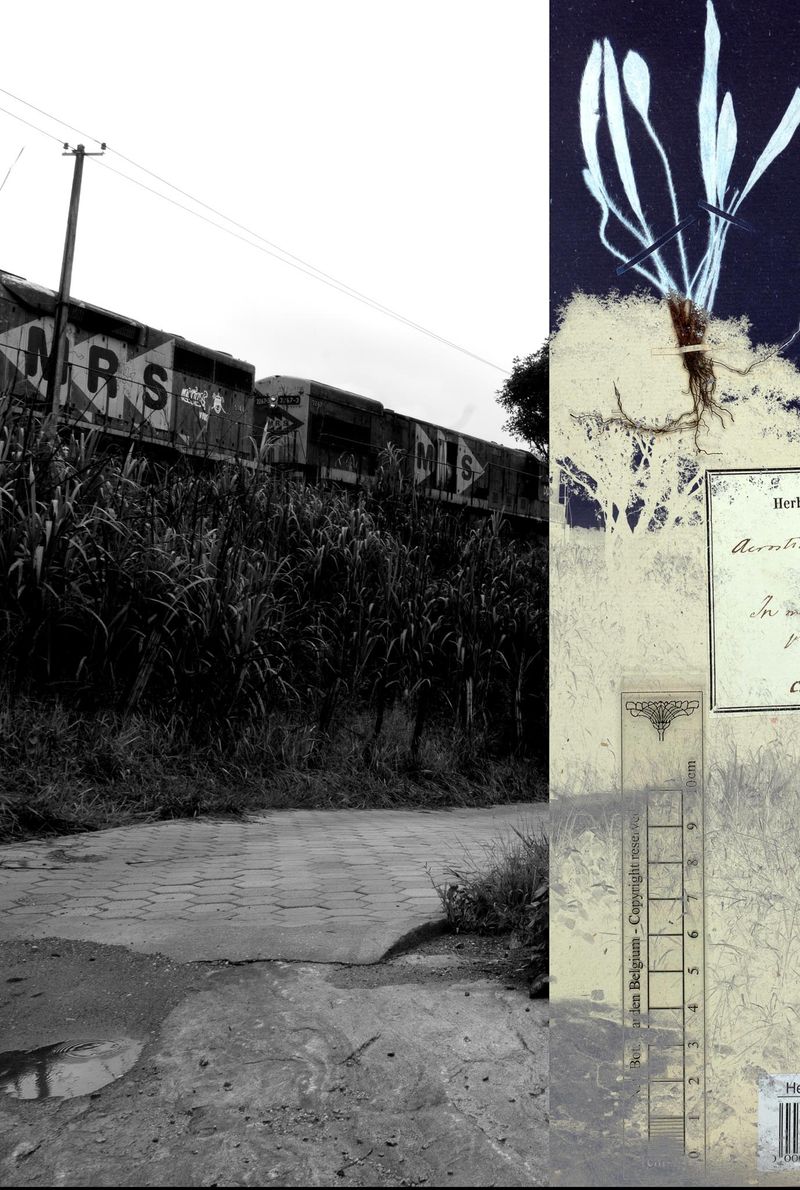
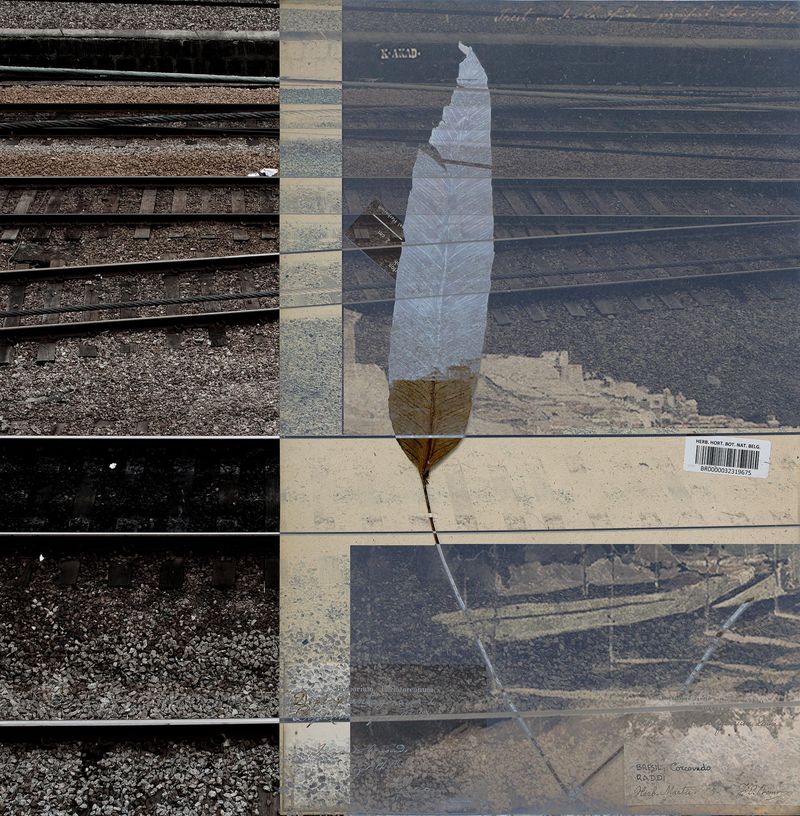
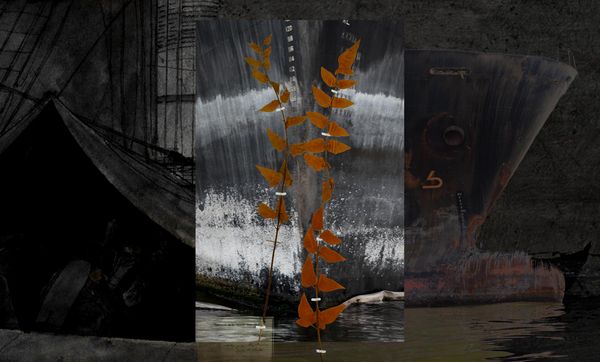
Through an anthropophagic approach, the project reclaims historical archives to frame a contemporary, postcolonial Brazil shaped by exploitation and environmental loss, questioning how science, memory, and power classify and represent nature.
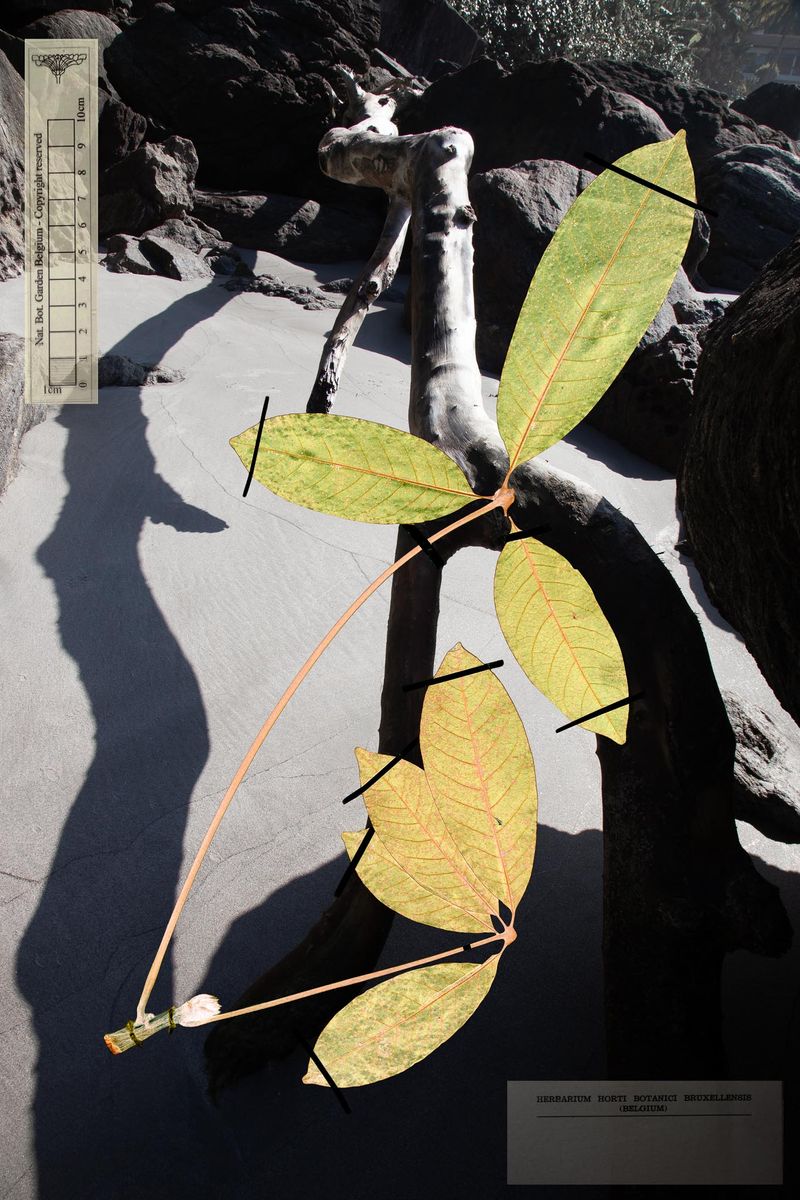
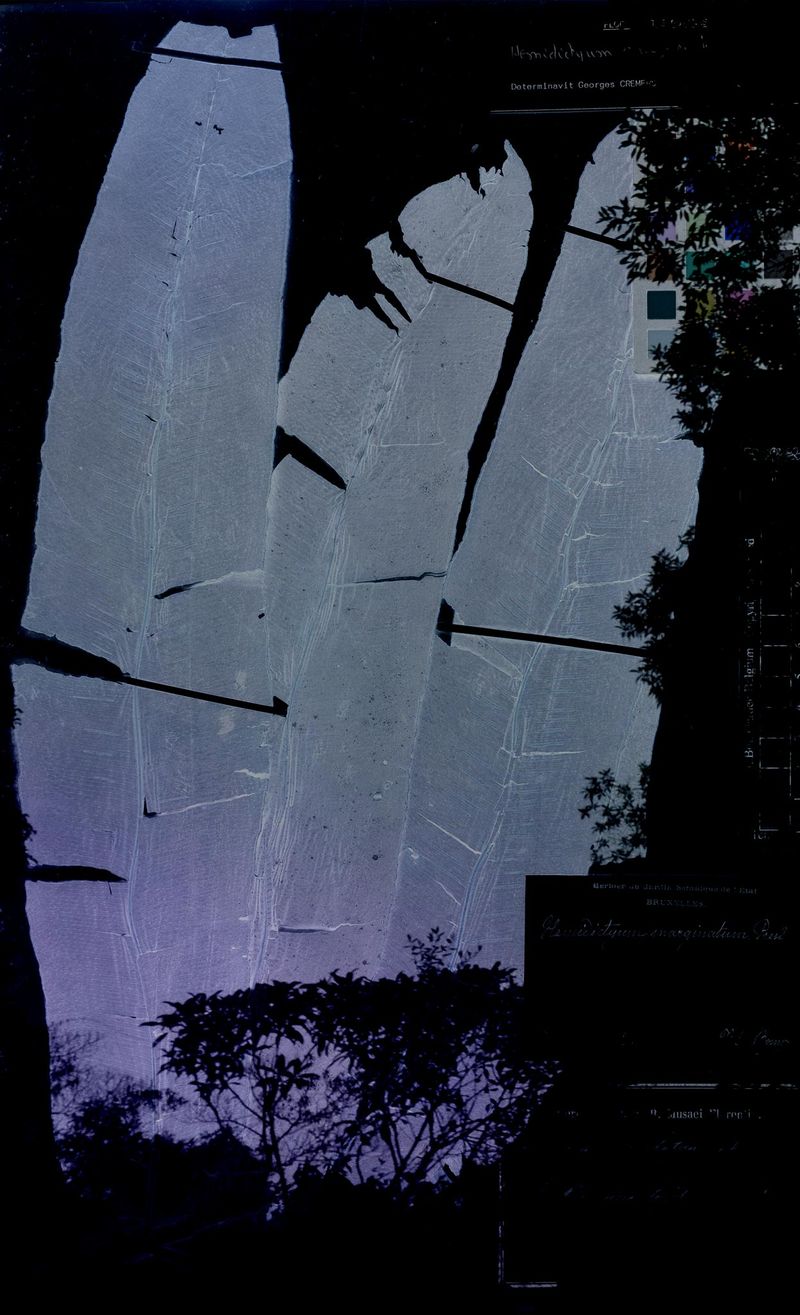
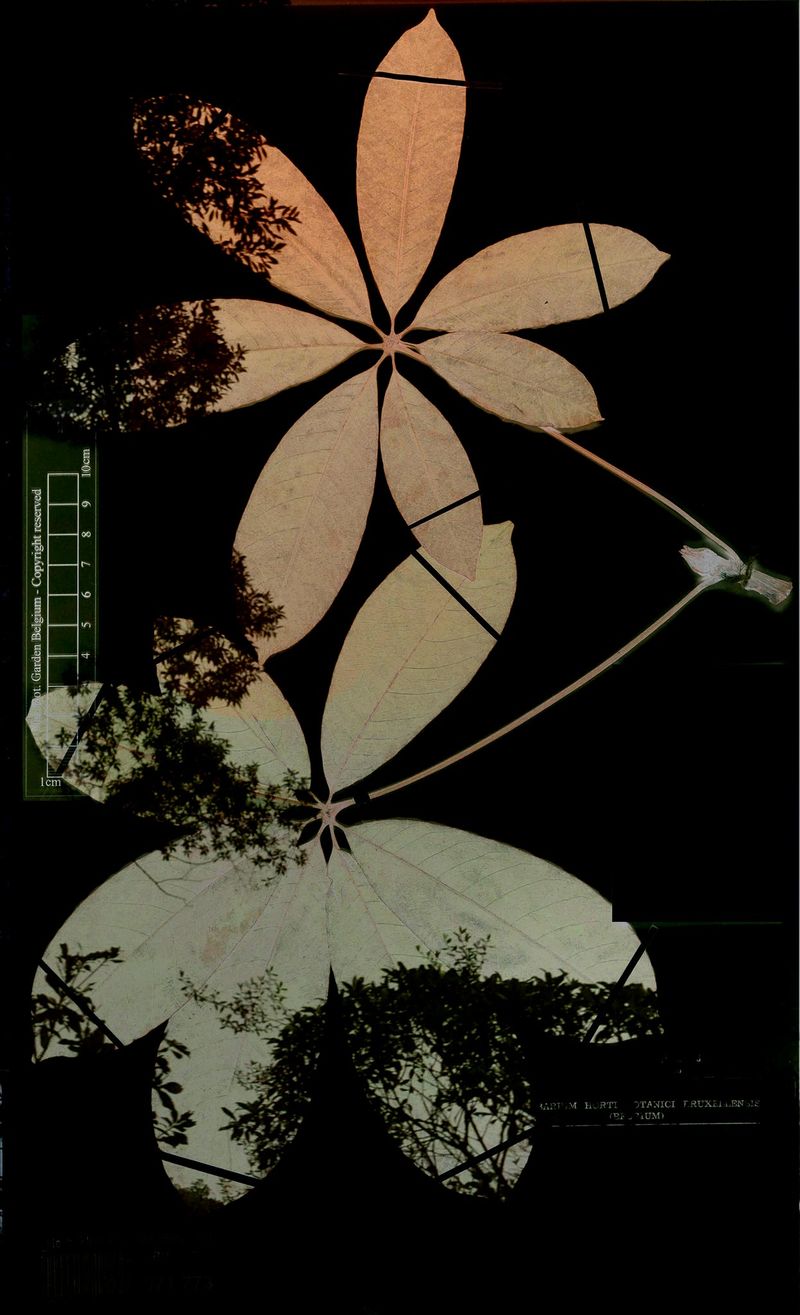
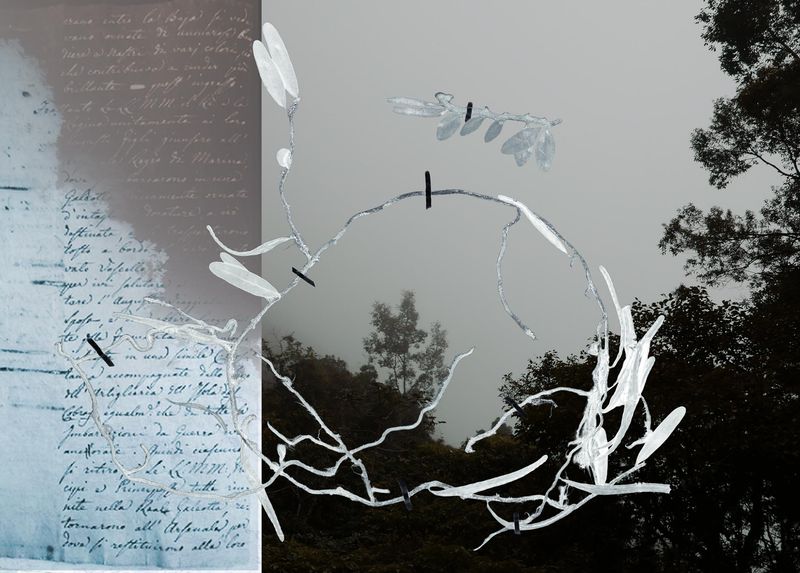
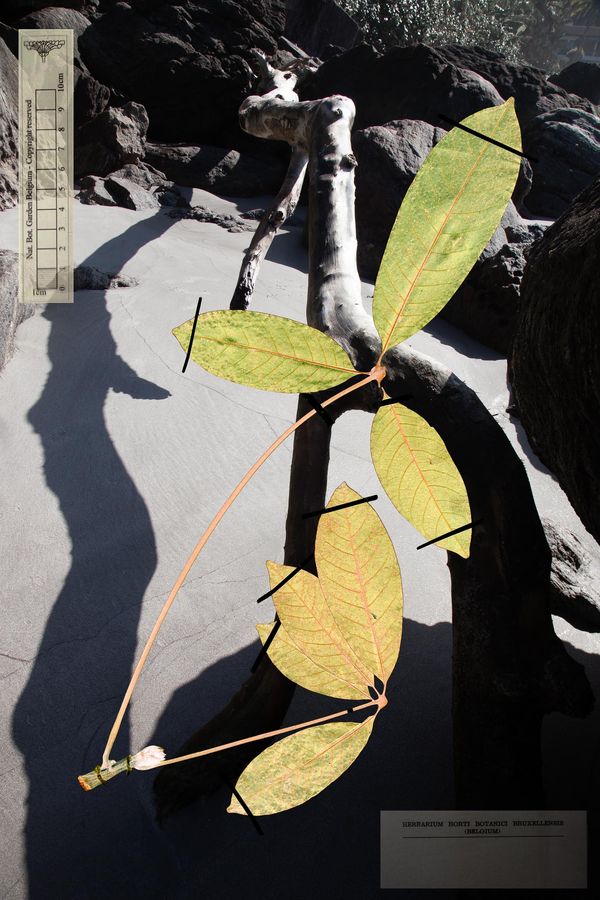
This project originates from research into the herbarium cataloguing archives of European botanists, who arrived in Brazil in 1817 as part of the entourage of Archduchess Leopoldina, who would later become the country’s first empress. Their discoveries constitute one of the most significant botanical records of their time, produced within a context in which Brazilian territory was understood by European science as an “untouched” nature. These collections were systematically sent to museums and botanical gardens throughout Europe, while, in parallel, exogenous species were introduced into Brazil, establishing a botanical circulation directly linked to the colonial project.
Over more than three decades of practice, I developed an ongoing body of work documenting Brazilian nature, in constant dialogue with movements between Latin America and Europe. It is from this accumulated experience that the project proposes a critical reactivation of typical trajectory of 19th century science, reversing the historical axis of the gaze: from Brazil toward Europe.
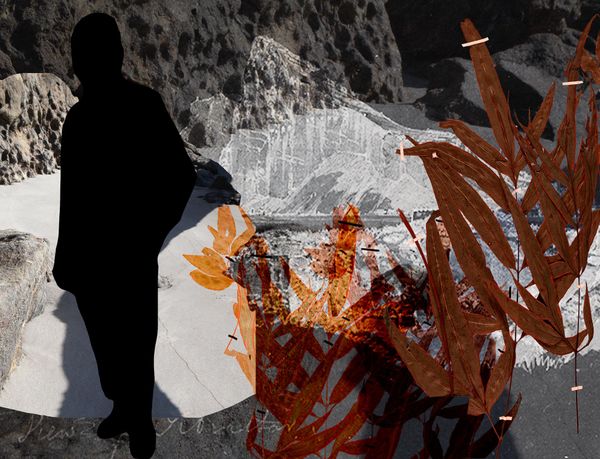
Through an anthropophagic operation, the project appropriates these archives to construct a new reading situated within contemporary Brazil, marked by processes of exploitation, environmental degradation, and profound transformations of its flora.
The work interrogates systems of scientific cataloguing, memory, and power, proposing a sensitive and political revision of the ways in which nature has been observed, classified, and represented over time.