Transtierro

« Transtierro », to transport oneself from one land to another.

TRANSTIERRO *

* "Transtierro" is a neologism created by the Spanish philosopher José Gaos, combining the words "transport" and "land" litteraly meaning : to transport oneself from one land to another.

"Transtierro" is a photographic investigation into the emigration of Spanish Republican refugees from France to Mexico at the end of the Spanish Civil War. An emigration which starts with a collective crossing of the Atlantic by boat. A voyage that ironically echoes the one led by Cortés in 1519, a journey that marked the inception of Spanish colonization with the establishment of the first colonial city in Mesoamerica: Villa Rica de Veracruz, precisely where the Spanish refugees disembarked three centuries later. Focused on a lesser-known chapter of History, for often overshadowed by World War II, this photographic work addresses the essential questions of our time: identity and the history of immigration. It is also a project that resonates with my personal story, as I am the daughter of a Mexican immigrant with a Castilian family name, living daily with a dual sense of belonging to two places and two cultures.

On April 2, 1939, a day after the victory of the nationalist armies, the Mexican president Lázaro Cárdenas, publicly declared his policy of welcoming all Spanish citizens fleeing Franco's repression. This marked the beginning of an important re-emigration operation from the French soil, which lasted until 1942. Over four years, 25,000 Spaniards found refuge in Mexico through the chartering of several European ships. The "Sinaia", "Ipanema", "Mexico", and "Nyassa", made multiple round trips between various ports in the southwest and southeast of France (Sète, Marseille, Bordeaux) to the Mexican city of Veracruz, carrying onboard hundreds of refugees.

"Transtierro" aims to be a poetic body of work weaving together contemporary creation, sociological study, and historical research. It questions the construction of memory and oblivion by creating echoes across time and space: between Spain, France, and Mexico, between land and sea, Europe and America. Mixing documentary and fiction, this project blurs perspectives in order to give rise to a moving body of work built upon various creative approaches: reappropriation of archives, analog photography and sound recordings.

In April 2023, I crossed the Atlantic on a ship heading to Mexico where I initiated my research. During this first stay, I followed the trails of Spanish exiles, capturing images, collecting testimonies, and documents from their descendants. Now, I must return to meet more families, both in France, Spain, and Mexico, in order to intersect their destinies and translate their stories into images. I must continue this work to go against the "the forgetting pact" established in Spain after Franco's death, a deliberate amnesia of the story of the defeated, which has lasted for more than 30 years.
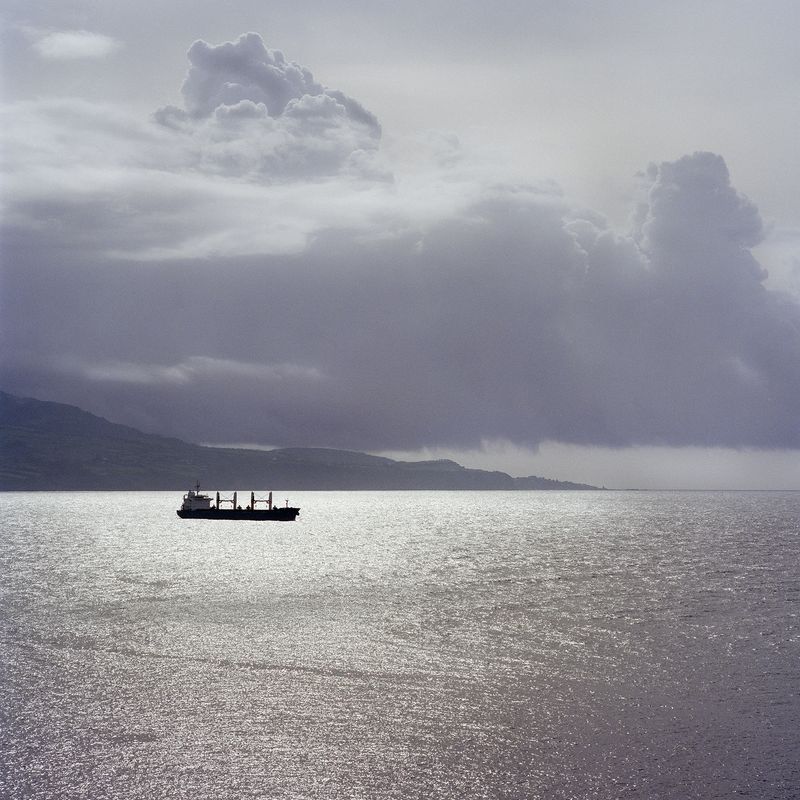
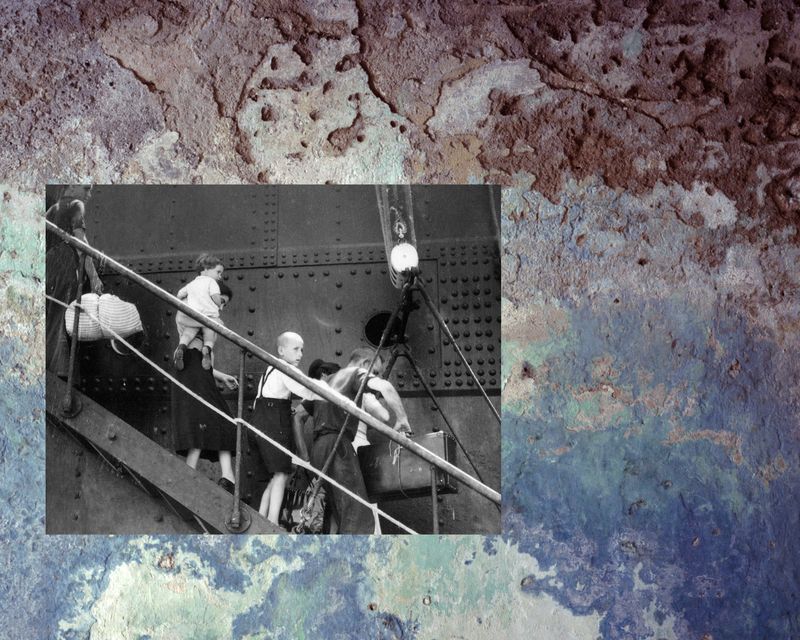
© Alexandra Serrano - Leaving the Mediterranean for the Atlantic, April 2023.
i

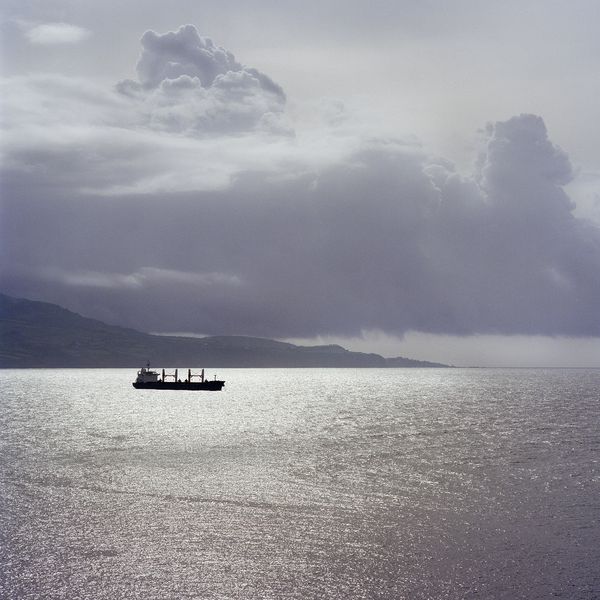
Leaving the Mediterranean for the Atlantic, April 2023.

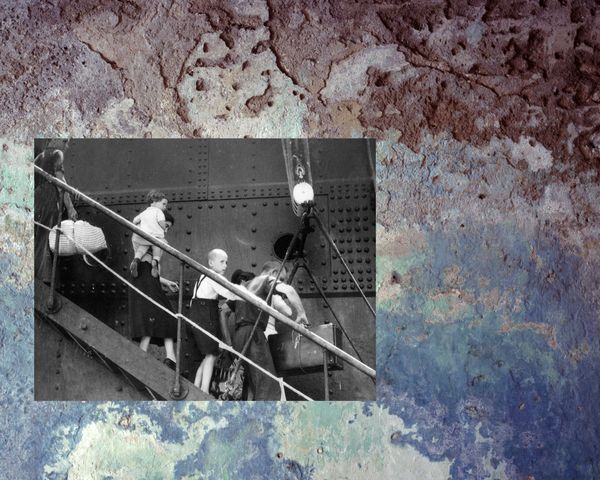
© Alexandra Serrano - Spanish refugees aboard the ship "Sinaia," June 1939. Archives of the Nation, Mexico.
i

Spanish refugees aboard the ship "Sinaia," June 1939. Archives of the Nation, Mexico.

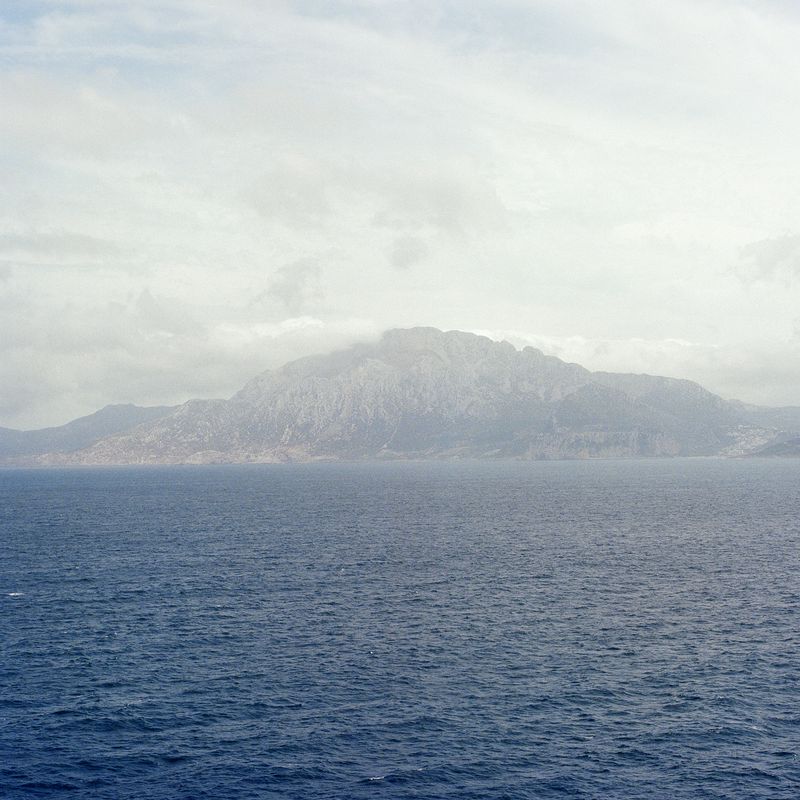
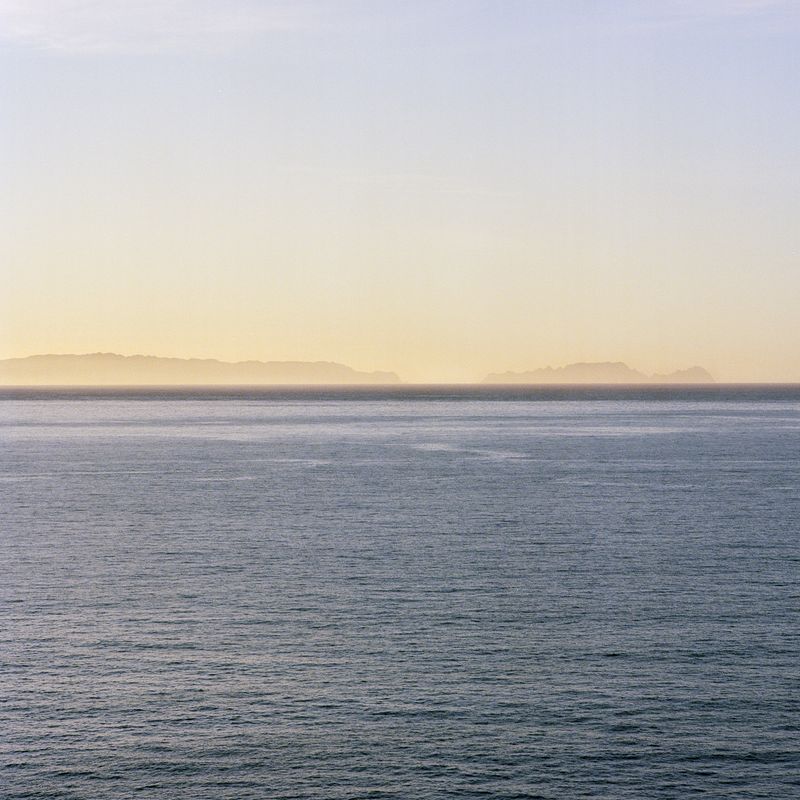
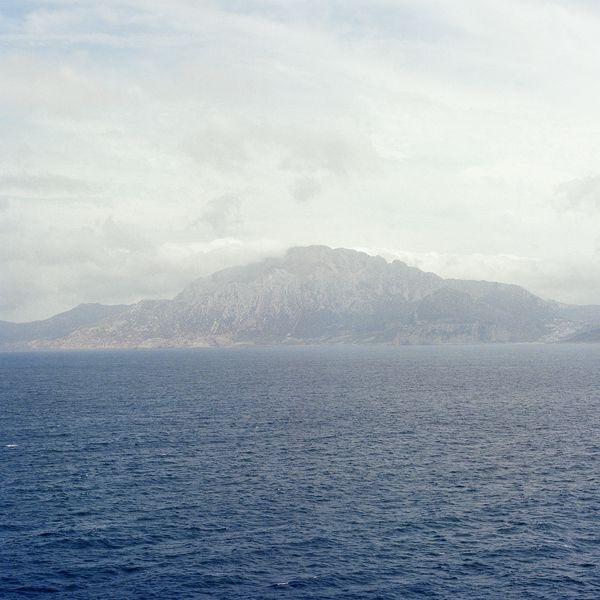
© Alexandra Serrano - The straight of Gibraltar, Avril 2023.  Leaving Europe with  a final glance towards Spain.
i

The straight of Gibraltar, Avril 2023. Leaving Europe with a final glance towards Spain.

© Alexandra Serrano - Image from the Transtierro photography project
i

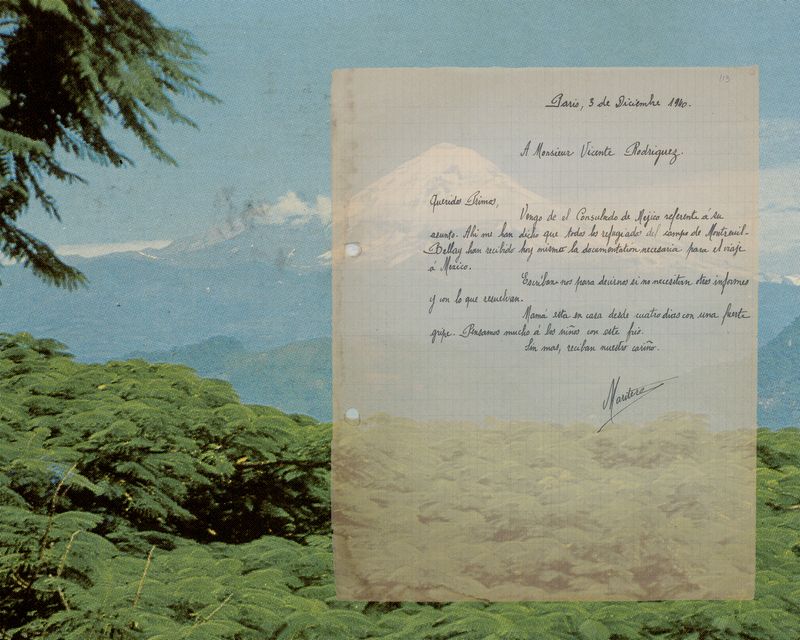
Postcard of Veracruz and a handwritten letter from 1940. " ... I've come from the Mexican consulate regarding your matter. They've informed me that all the refugees (...) have received the necessary documentation for their journey to Mexico..."

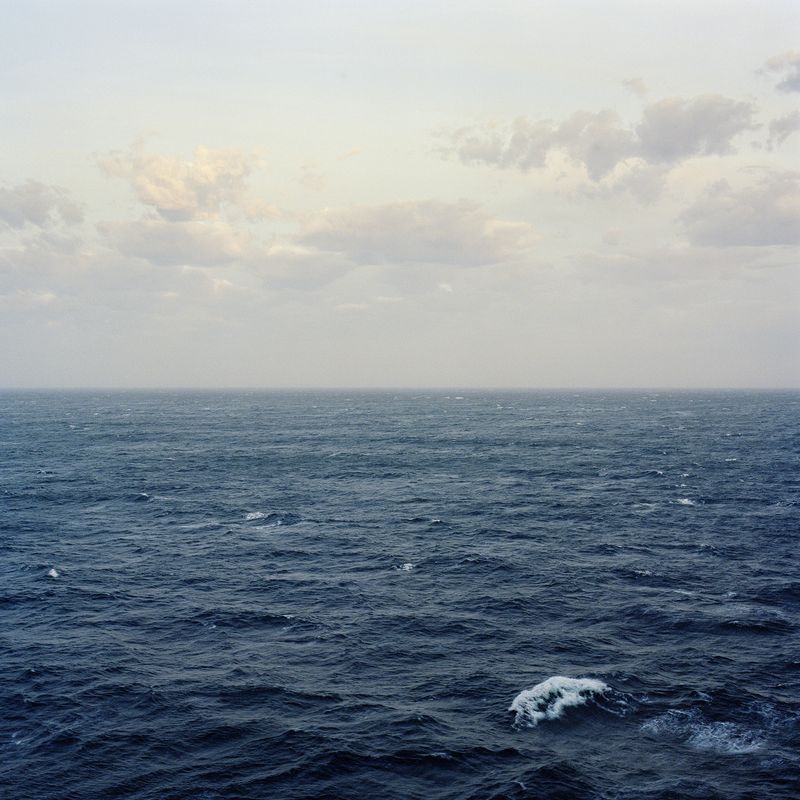
© Alexandra Serrano - At sea, North Atlantic Ocean, April 2023
i

At sea, North Atlantic Ocean, April 2023

© Alexandra Serrano - Image from the Transtierro photography project
i

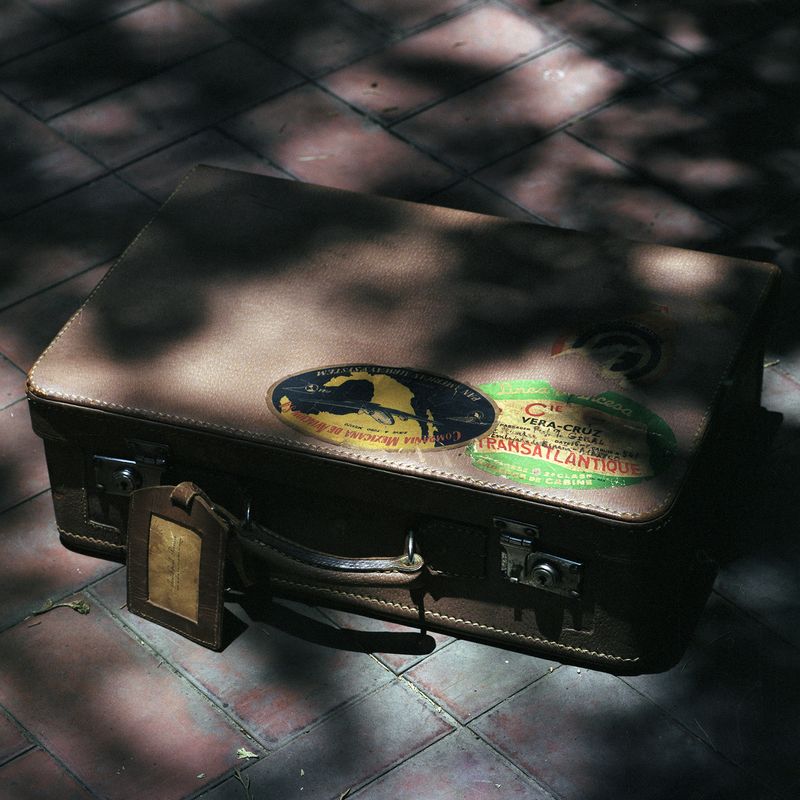
Suitcase belonging to a Spanish refugee. It bears the label of the "Flandre," owned by the General Transatlantic Company, which operated the Saint-Nazaire - Veracruz route.

© Alexandra Serrano - At sea, Atlantic Ocean, April 2023
i

At sea, Atlantic Ocean, April 2023

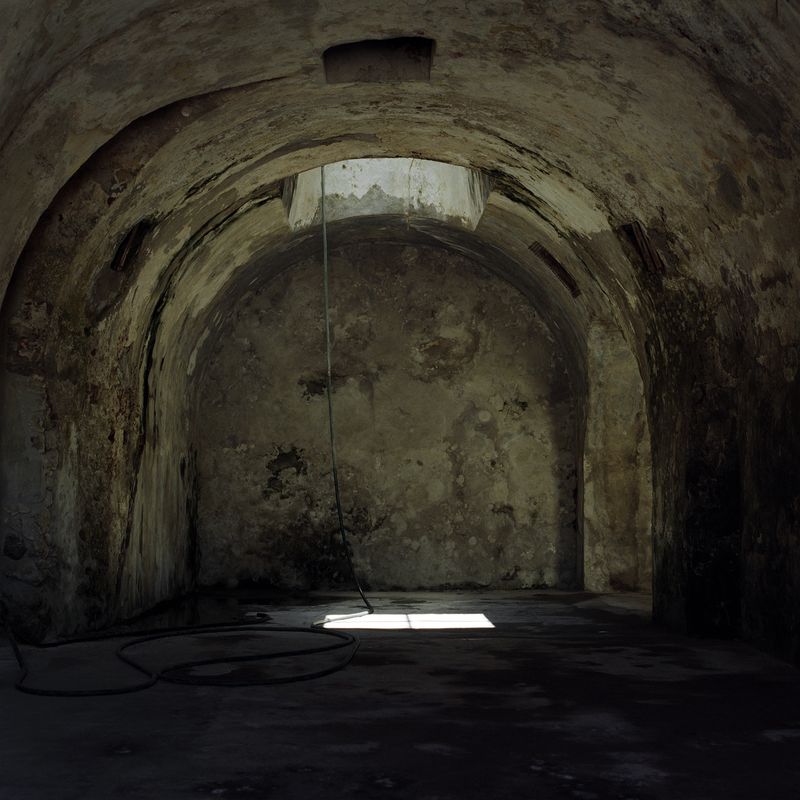
© Alexandra Serrano - Old Spanish fortress of San Juan de Ulúa, Port of Veracruz, Mexico. June 2023
i

Old Spanish fortress of San Juan de Ulúa, Port of Veracruz, Mexico. June 2023

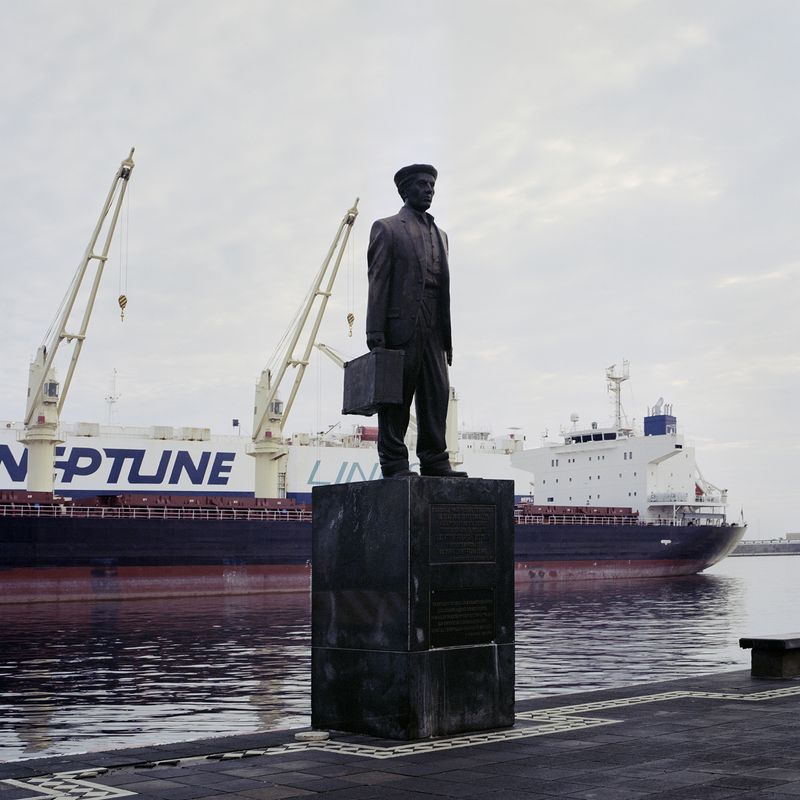
© Alexandra Serrano - Statue erected in memory of the Spanish Republican exile. Fiscal Pier, Port of Veracruz, June 2023
i

Statue erected in memory of the Spanish Republican exile. Fiscal Pier, Port of Veracruz, June 2023

© Alexandra Serrano - Image from the Transtierro photography project
i

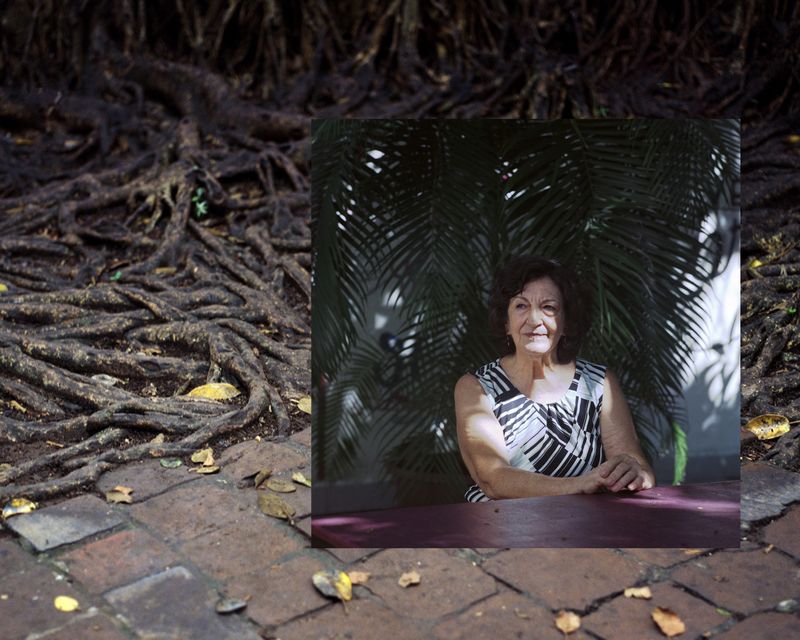
Isabel Muñoz Herranz, Veracruz, June 2023. Daughter of Severina and Gonzalo Muñoz, exiles from the Spanish Civil War, who arrived at the port of Veracruz in October 1942 aboard the "Nyassa" passenger ship.

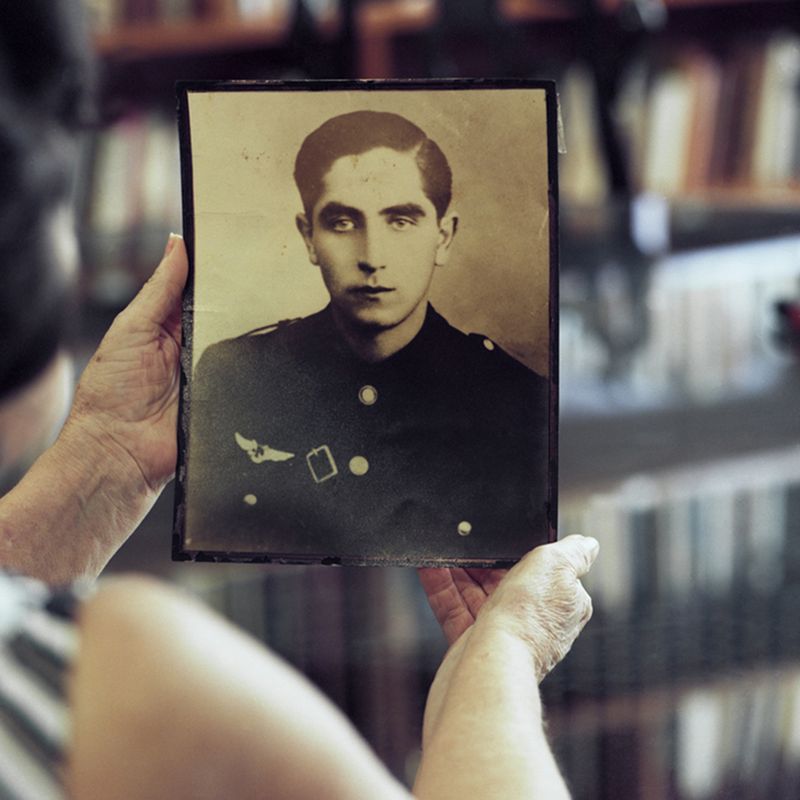
© Alexandra Serrano - Isabel holding a photograph of her deceased spanish father. Veracruz, Mexico, June 1939.
i

Isabel holding a photograph of her deceased spanish father. Veracruz, Mexico, June 1939.

© Alexandra Serrano - Image from the Transtierro photography project
i

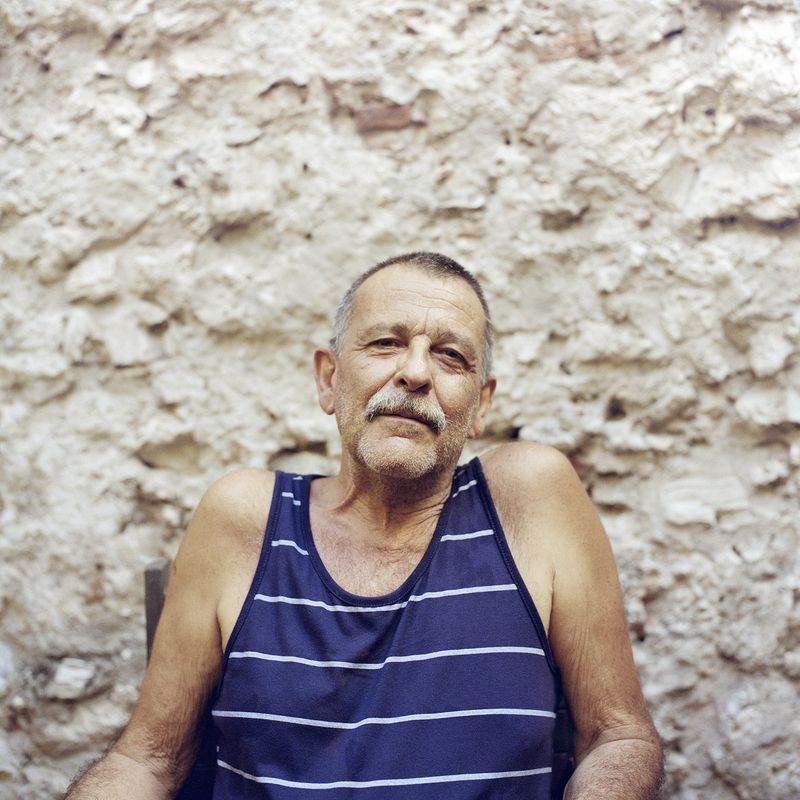
Ricardo Mendizabal Torre, Veracruz, June 2023. Son of Maria de los Angeles Torre, an exile from the Spanish Civil War, who arrived at the port of Veracruz in July 1939 aboard the "Mexique" passenger ship.

© Alexandra Serrano - Veracruz train Station, where Spanish refugees would board to reach Mexico City. June 2023.
i

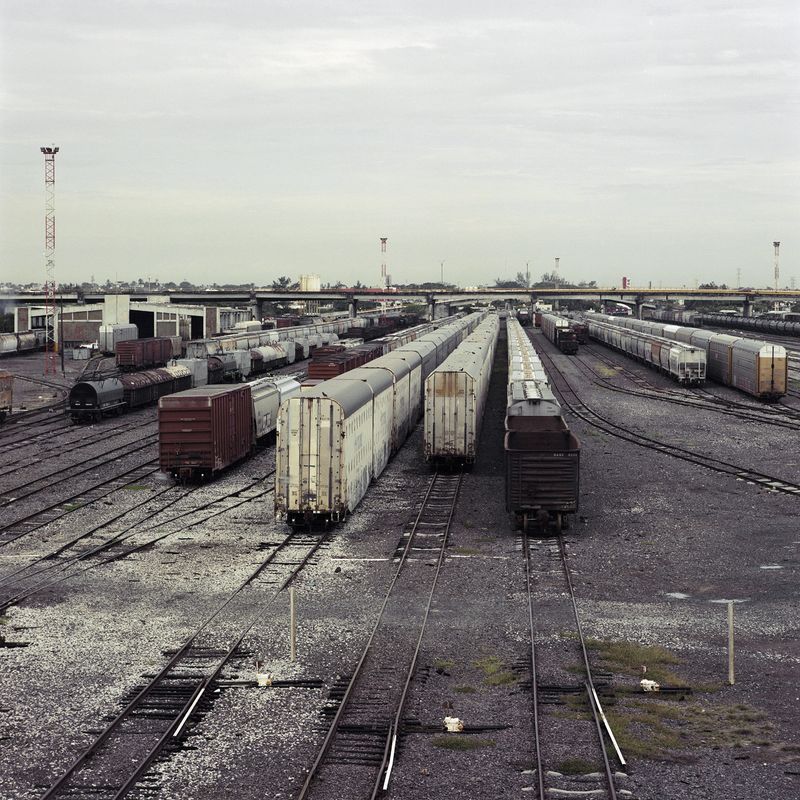
Veracruz train Station, where Spanish refugees would board to reach Mexico City. June 2023.

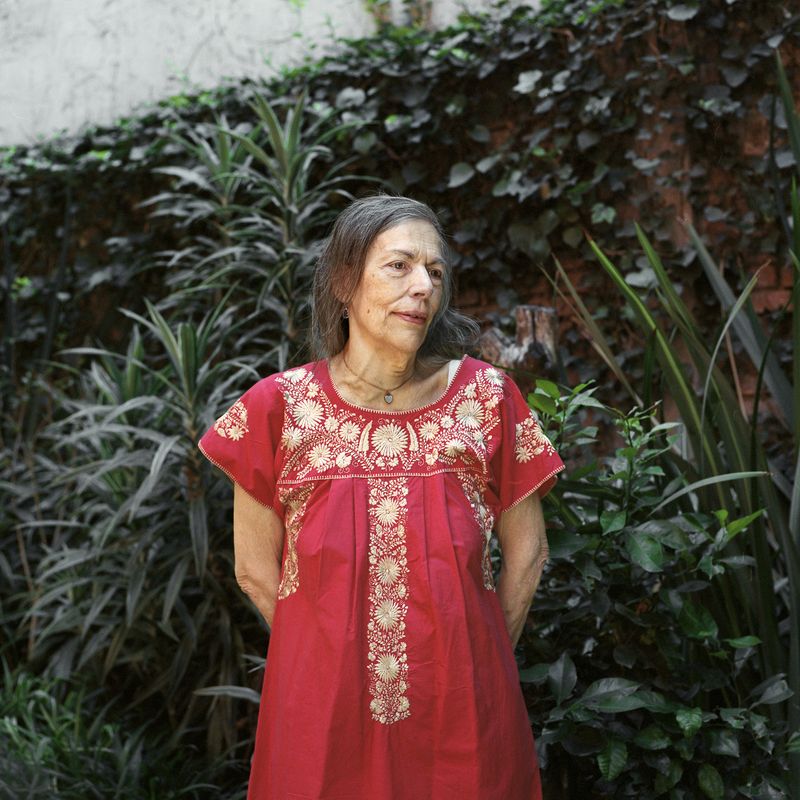
© Alexandra Serrano - Maria, granddaughter of a Spanish exile, wearing the traditional Manila shawl once worn by her aunt. Mexico, June 2023.
i

Maria, granddaughter of a Spanish exile, wearing the traditional Manila shawl once worn by her aunt. Mexico, June 2023.

© Alexandra Serrano - La Antigua Veracruz, Mexique. Juin 2023.
i

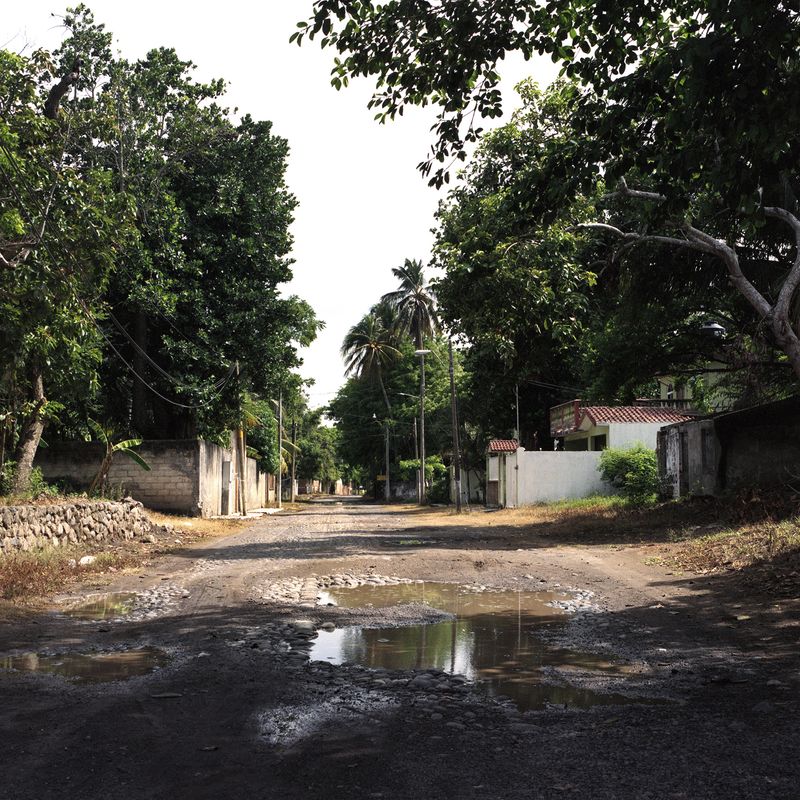
La Antigua Veracruz, Mexique. Juin 2023.

© Alexandra Serrano - Image from the Transtierro photography project
i

Concha Abellan Giral, Mexico, Juin 2023. Daughter of Concepcion Giral Pereira, an exile from the Spanish Civil War, who arrived on April 22, 1939 at the port of Veracruz aboard the ship "Flandre".

Transtierro by Alexandra Serrano

Prev Next Close