Traces
-
Dates2025 - Ongoing
-
Author
- Location France
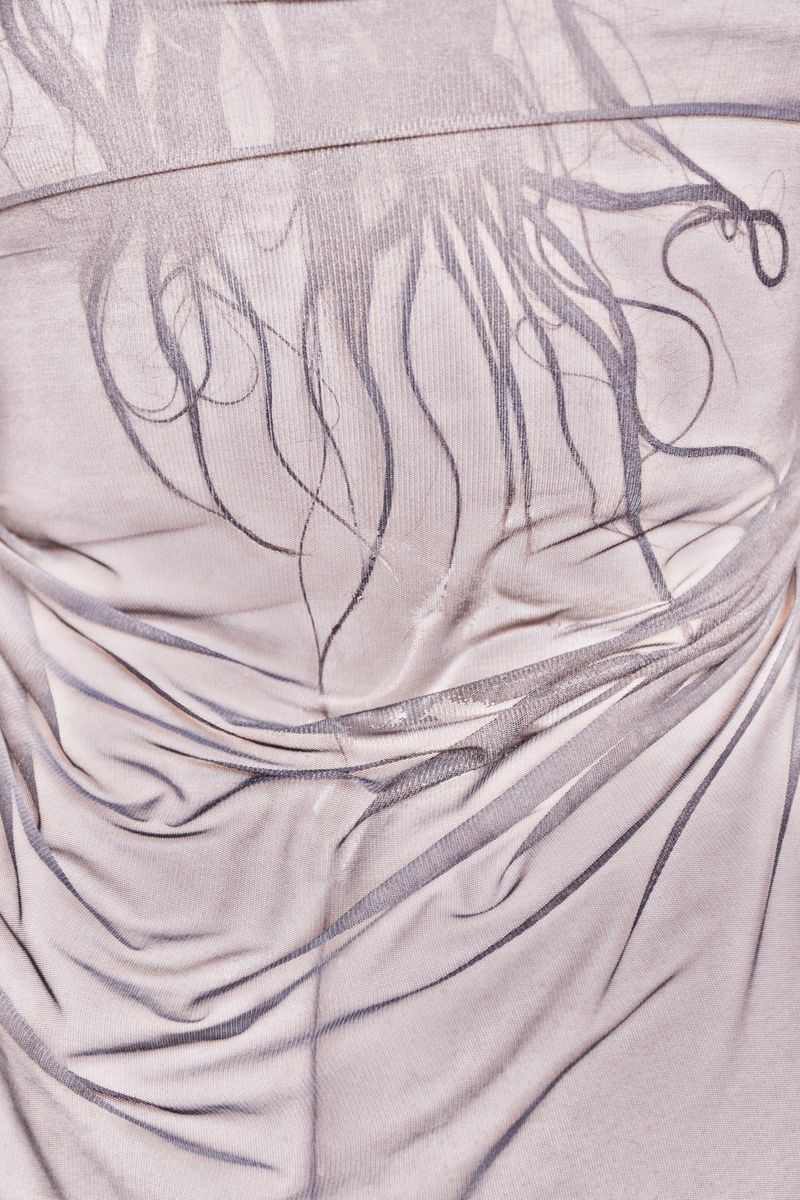
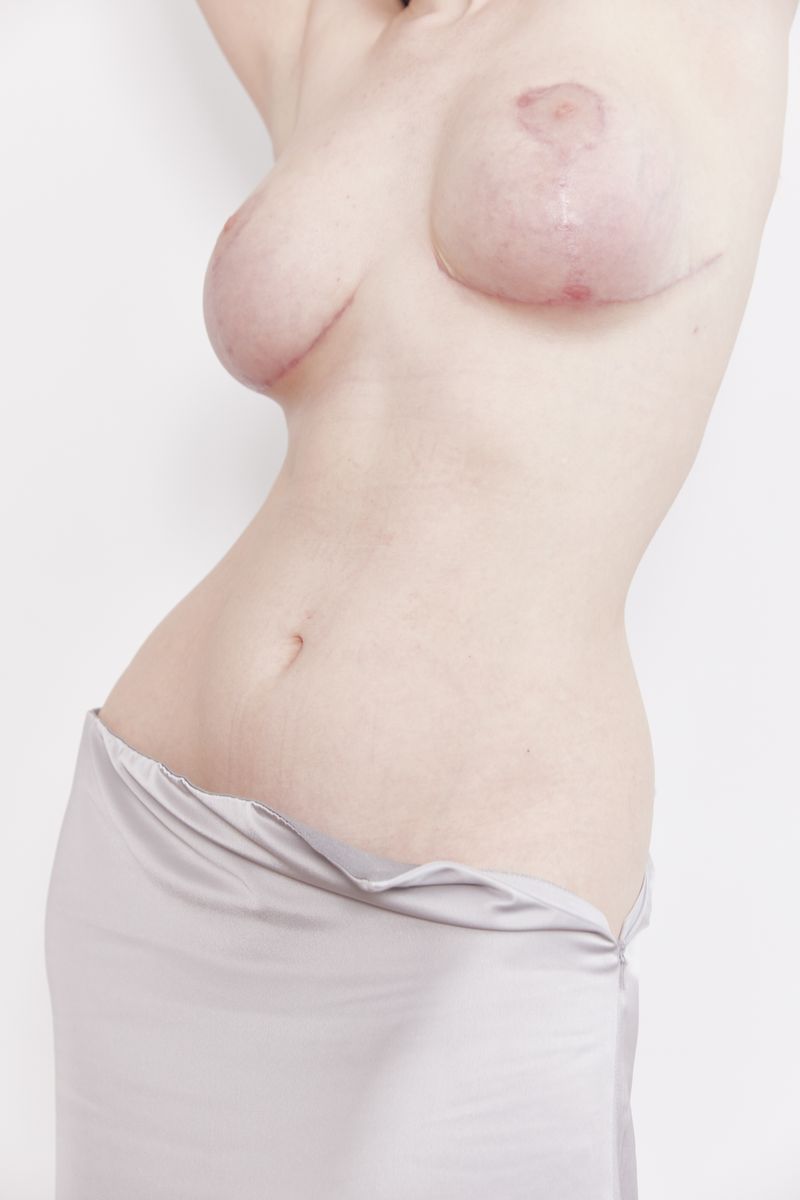
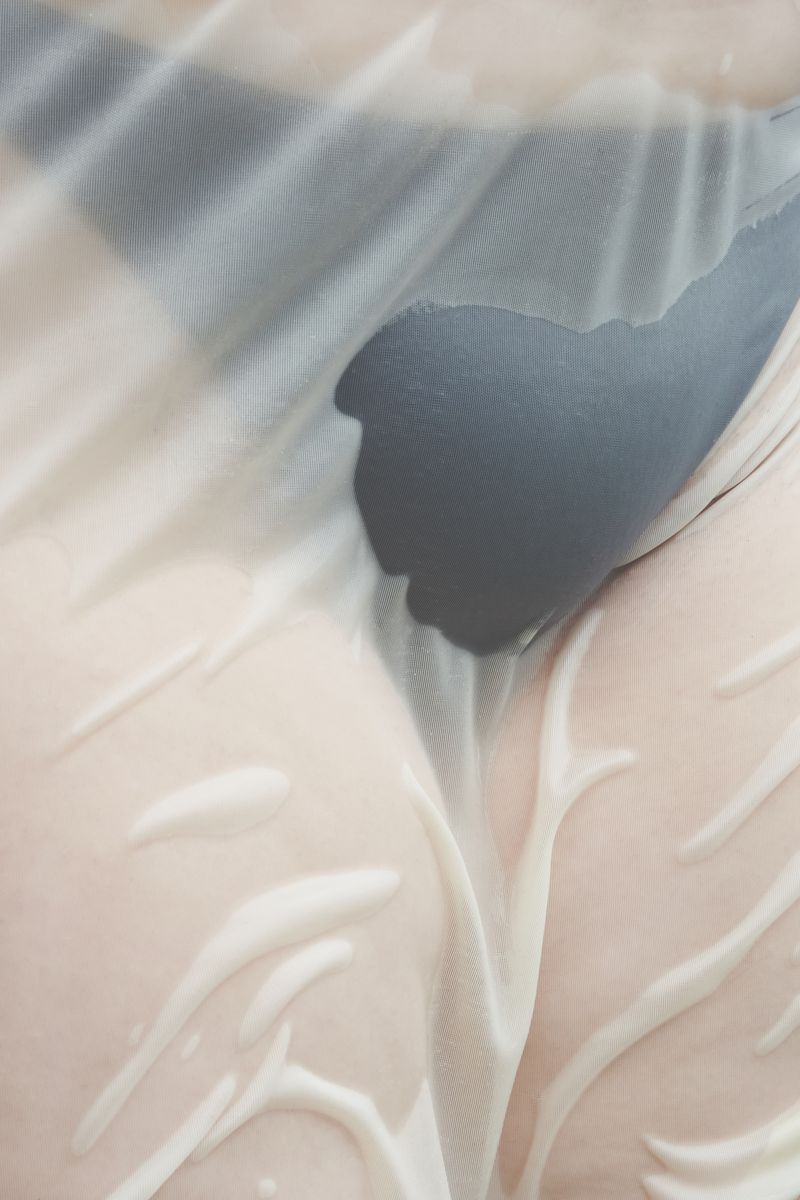
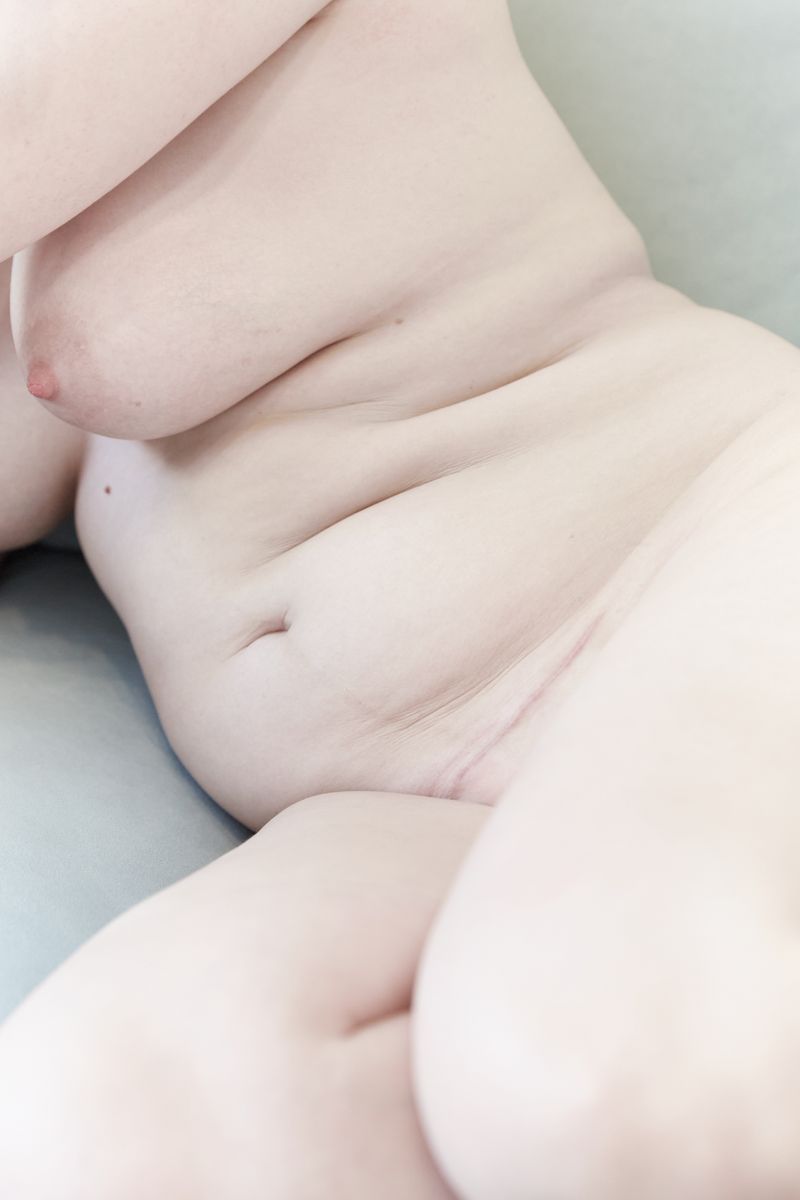
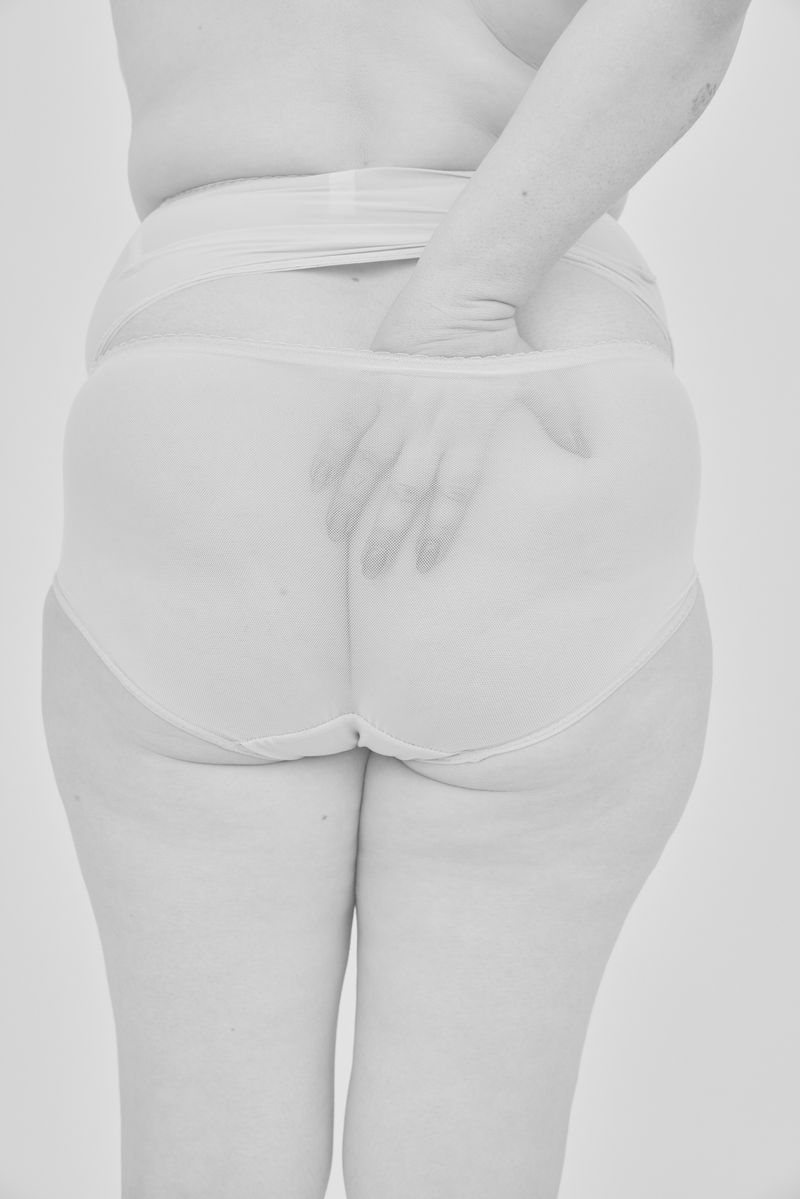
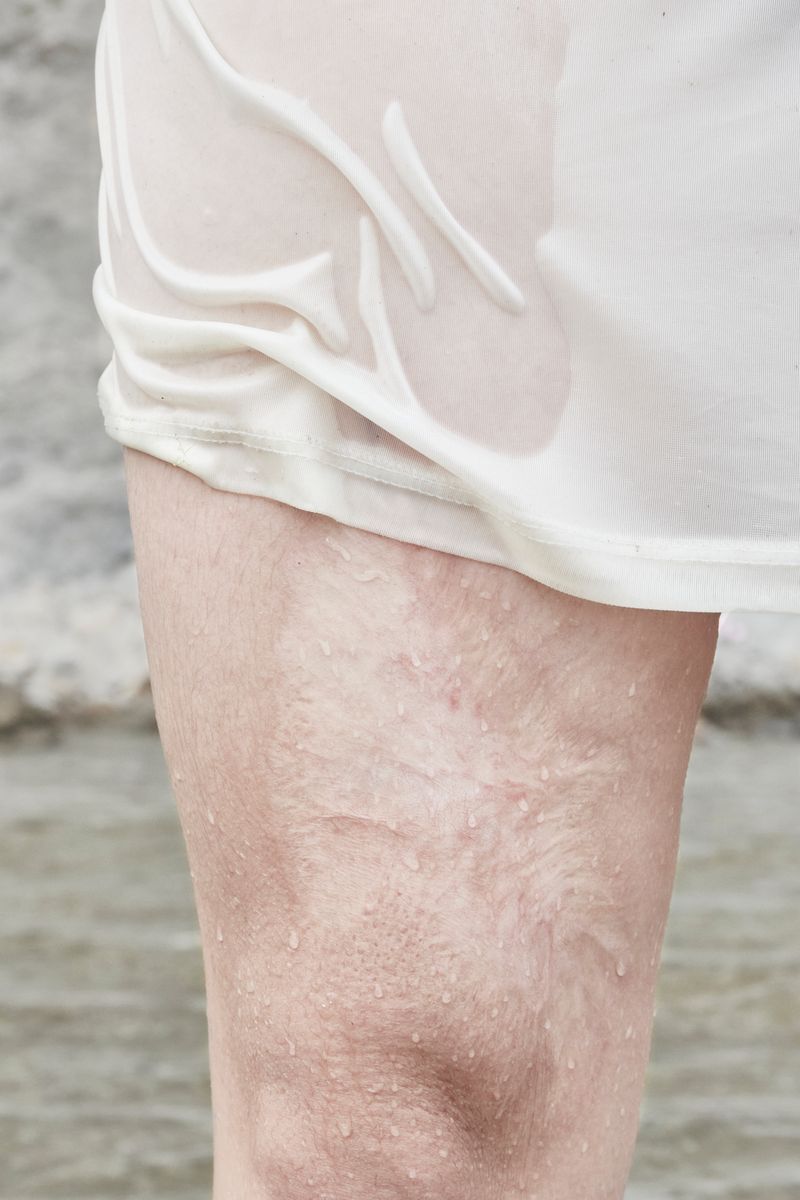
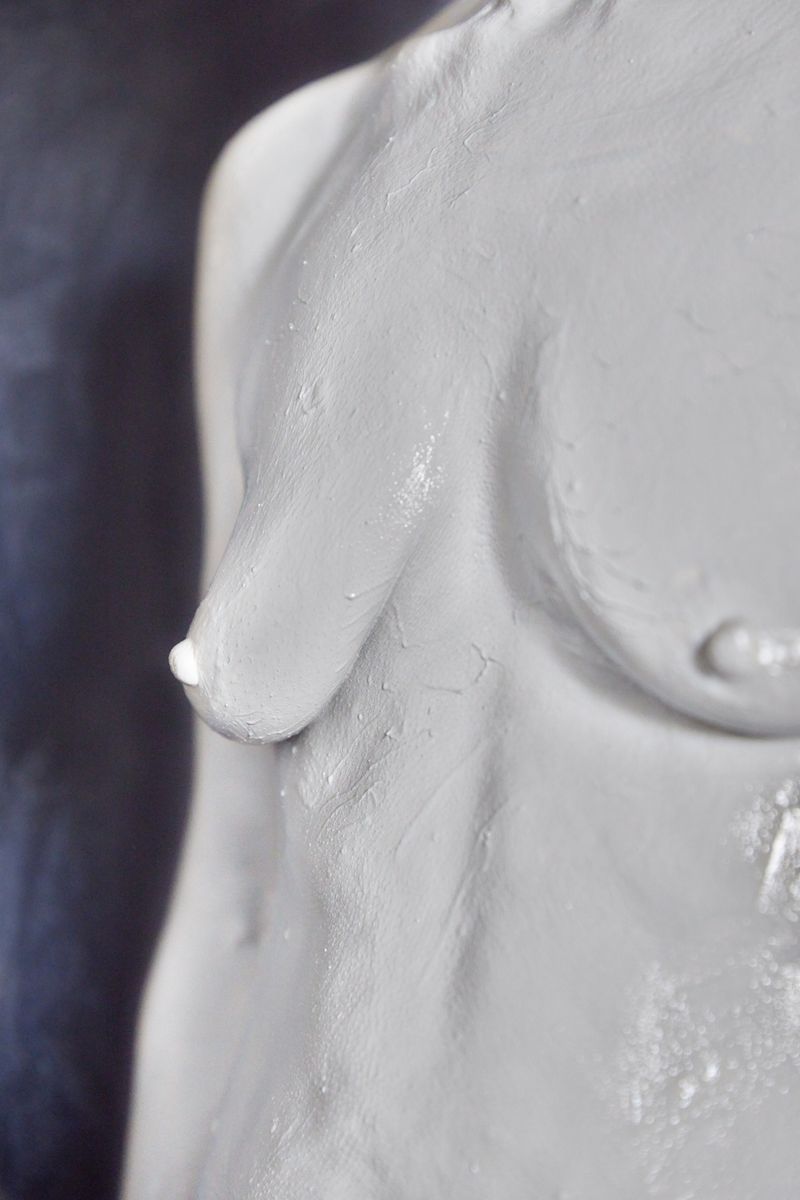
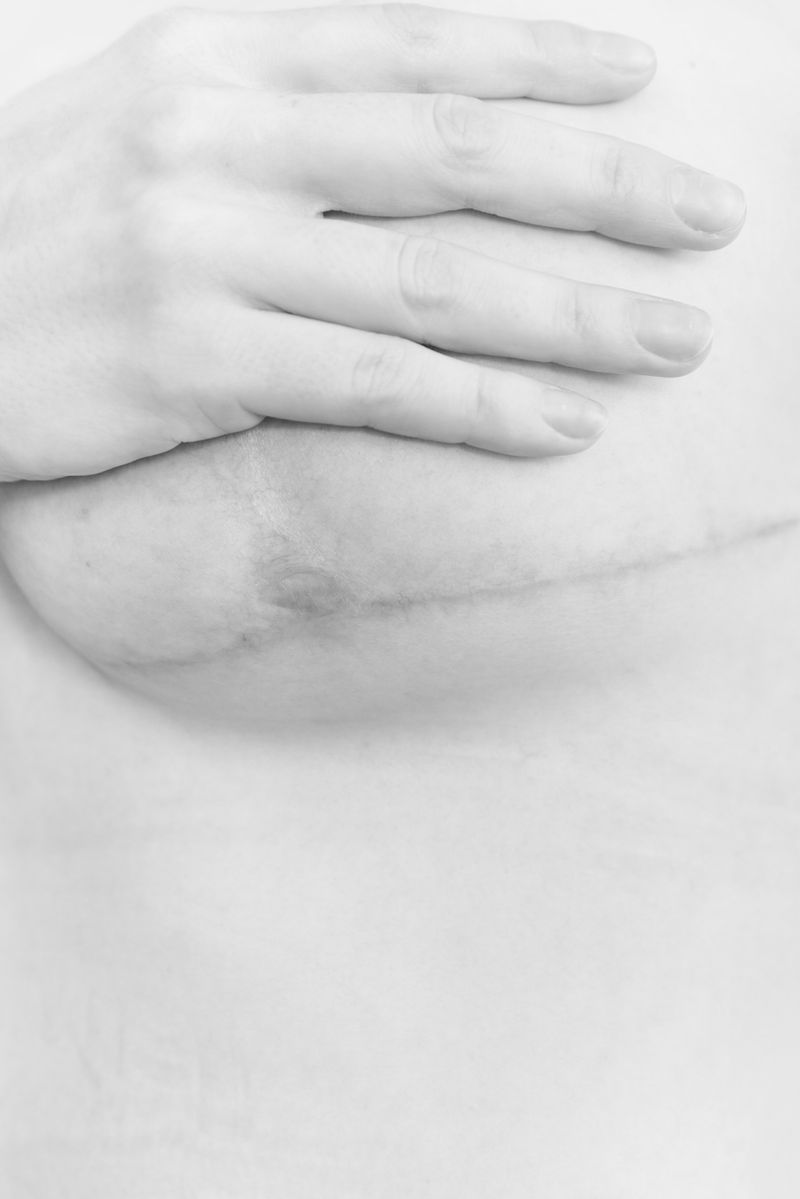
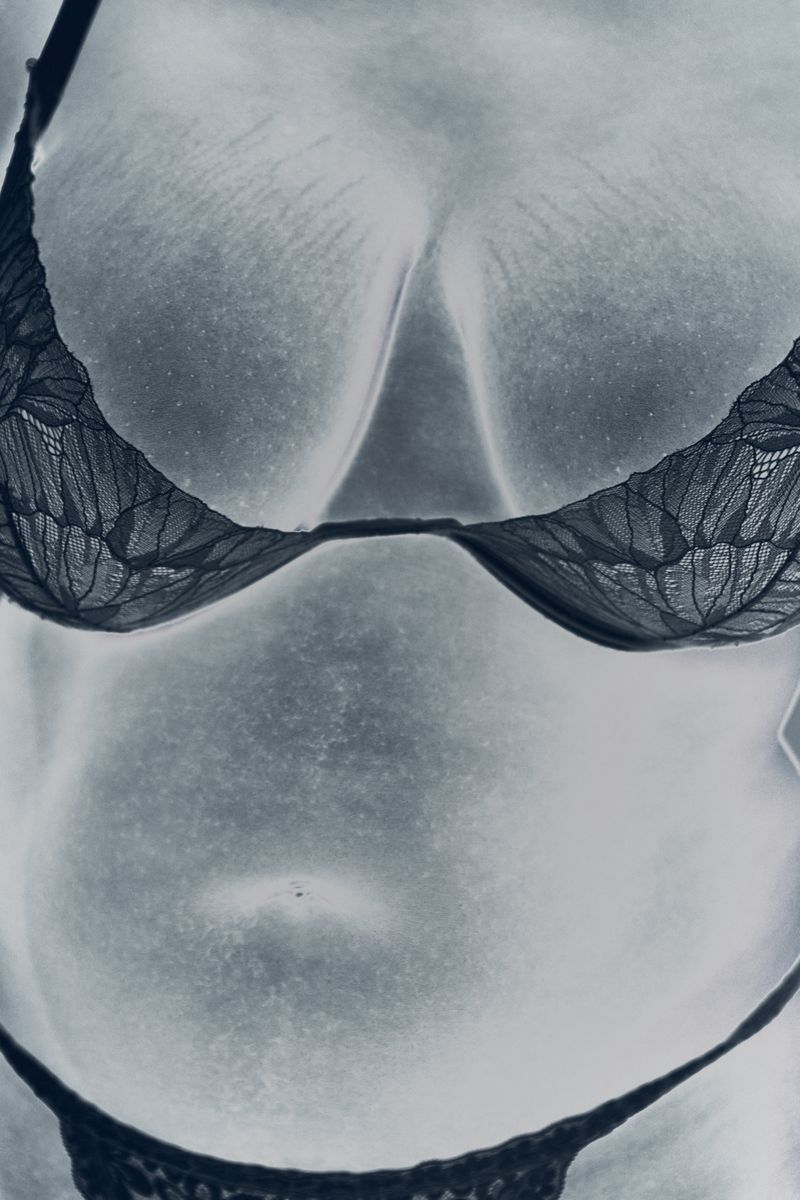
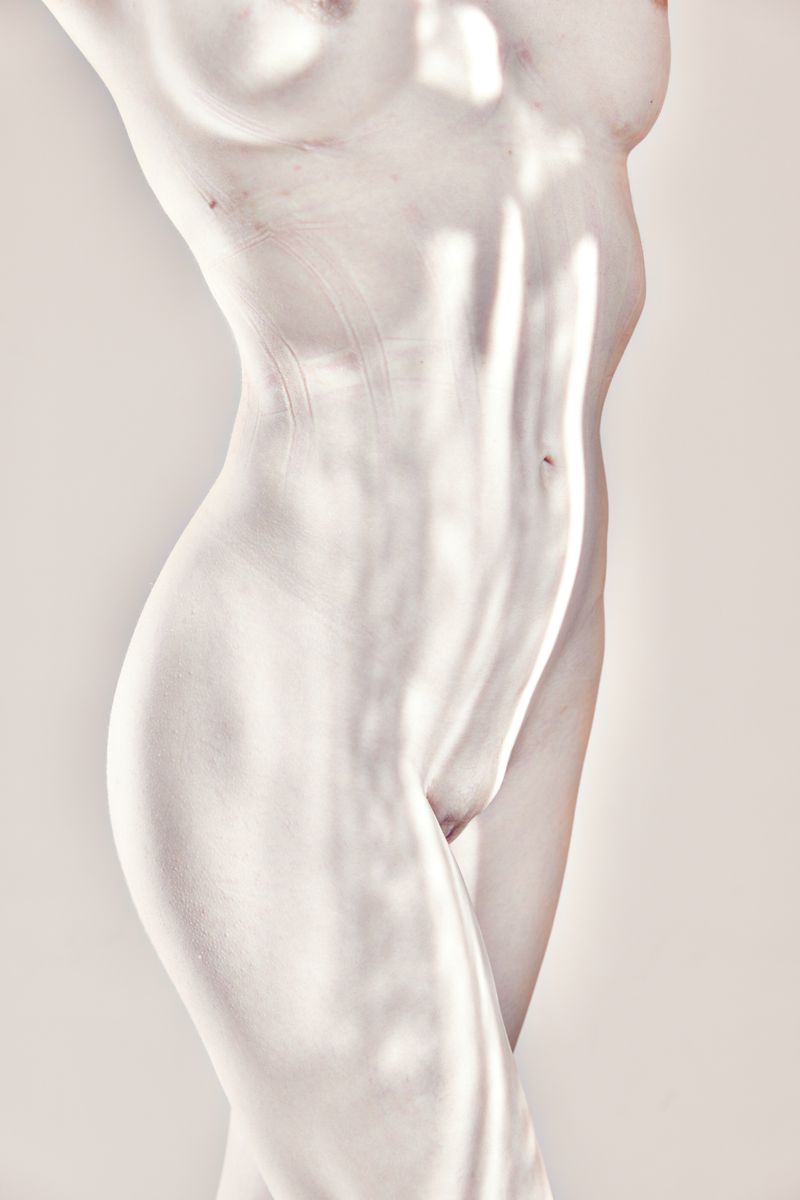
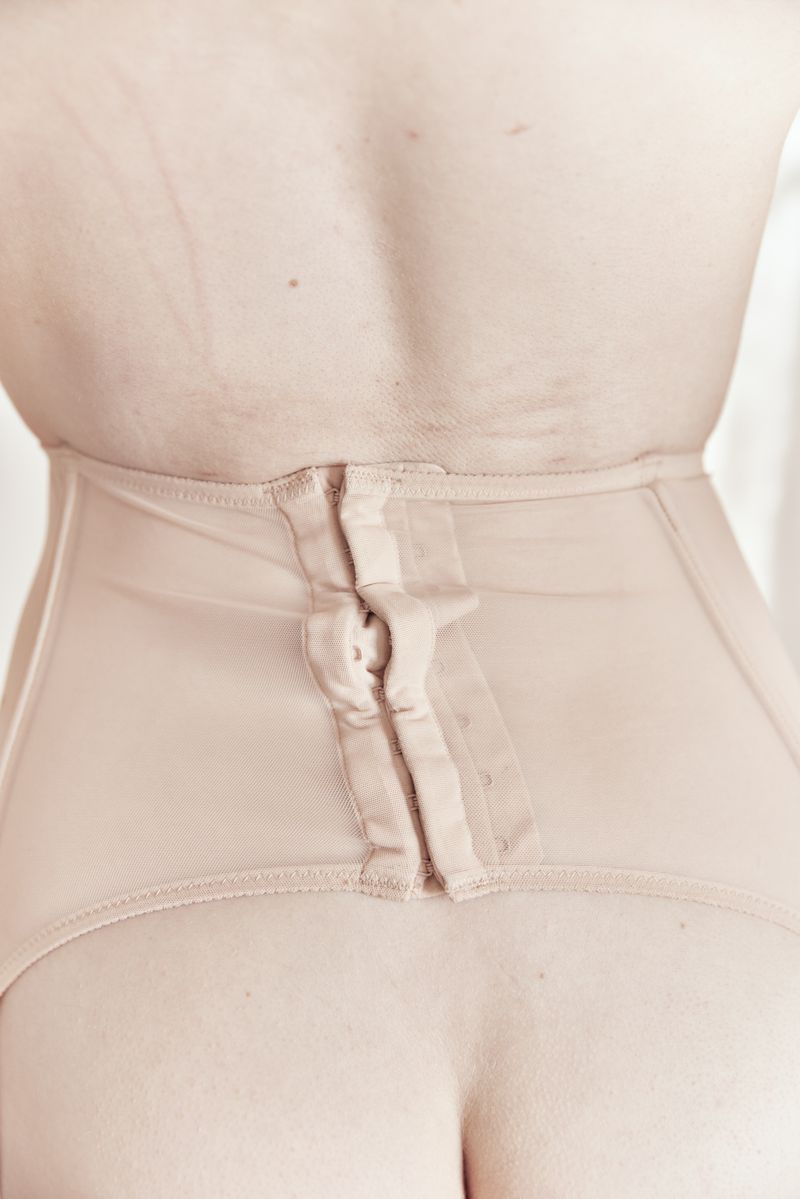
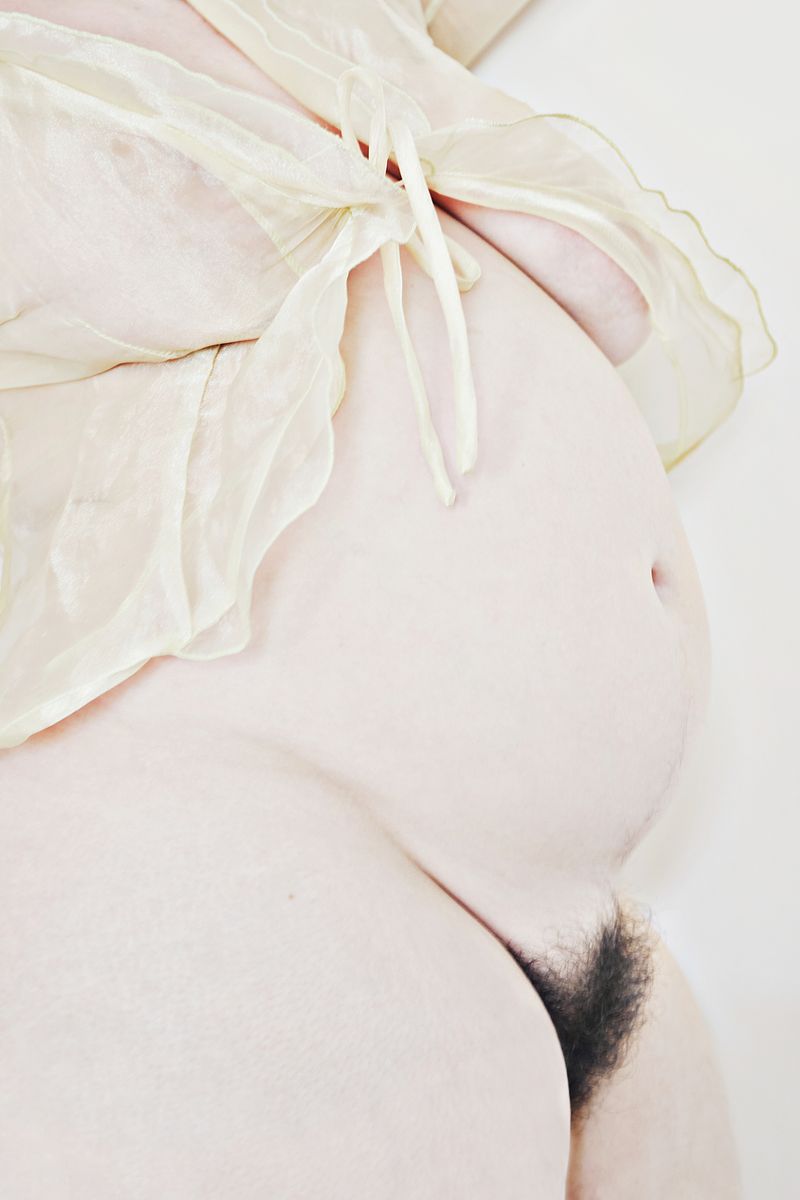
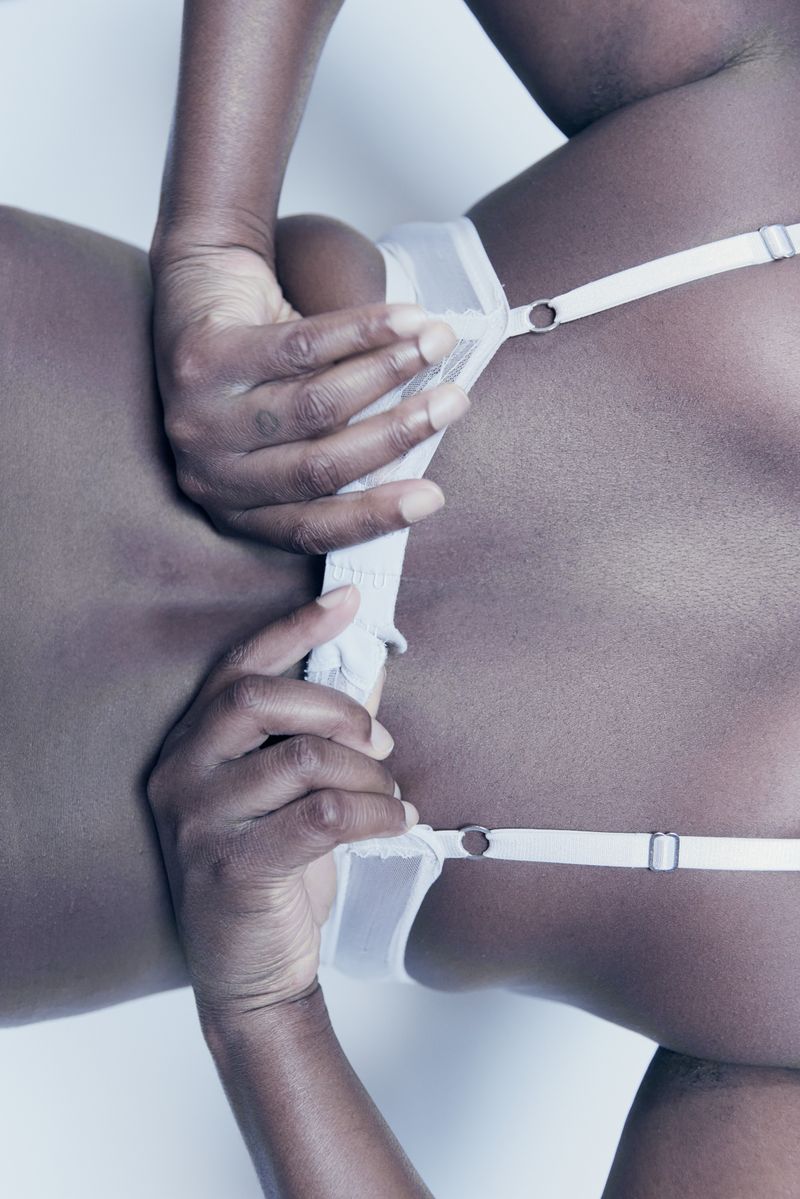
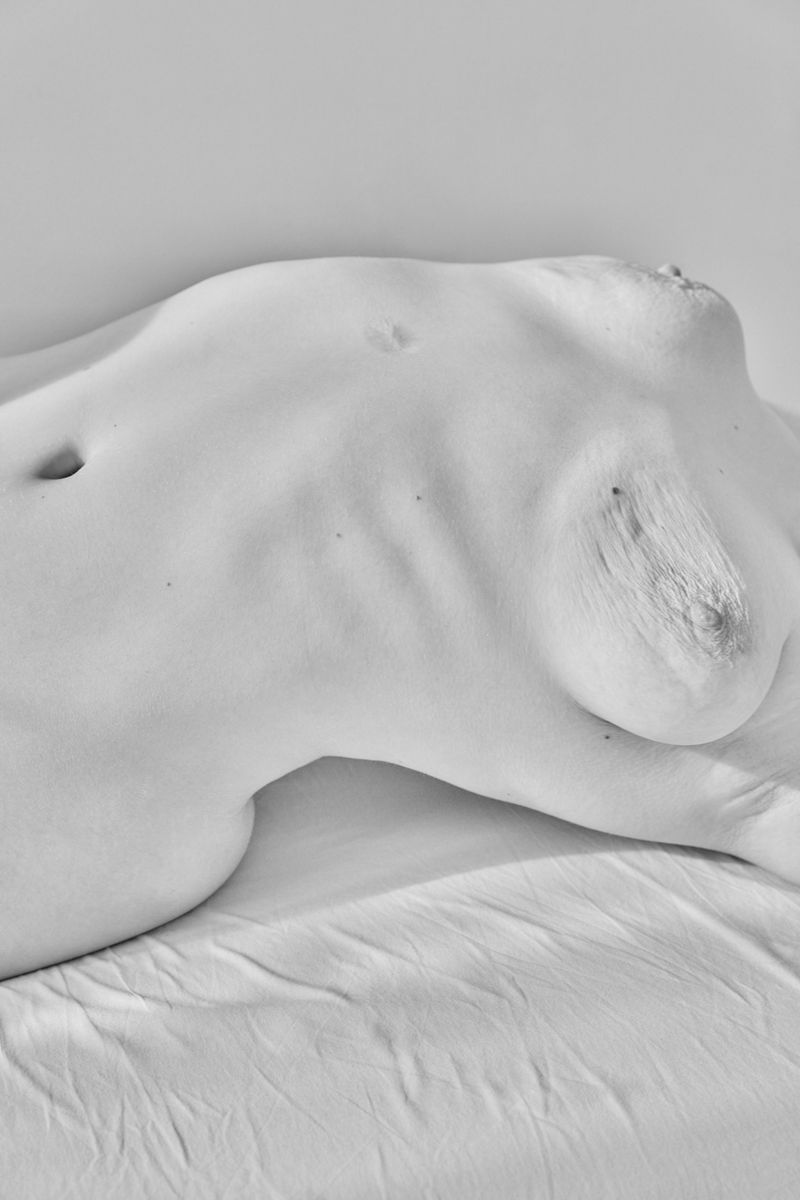
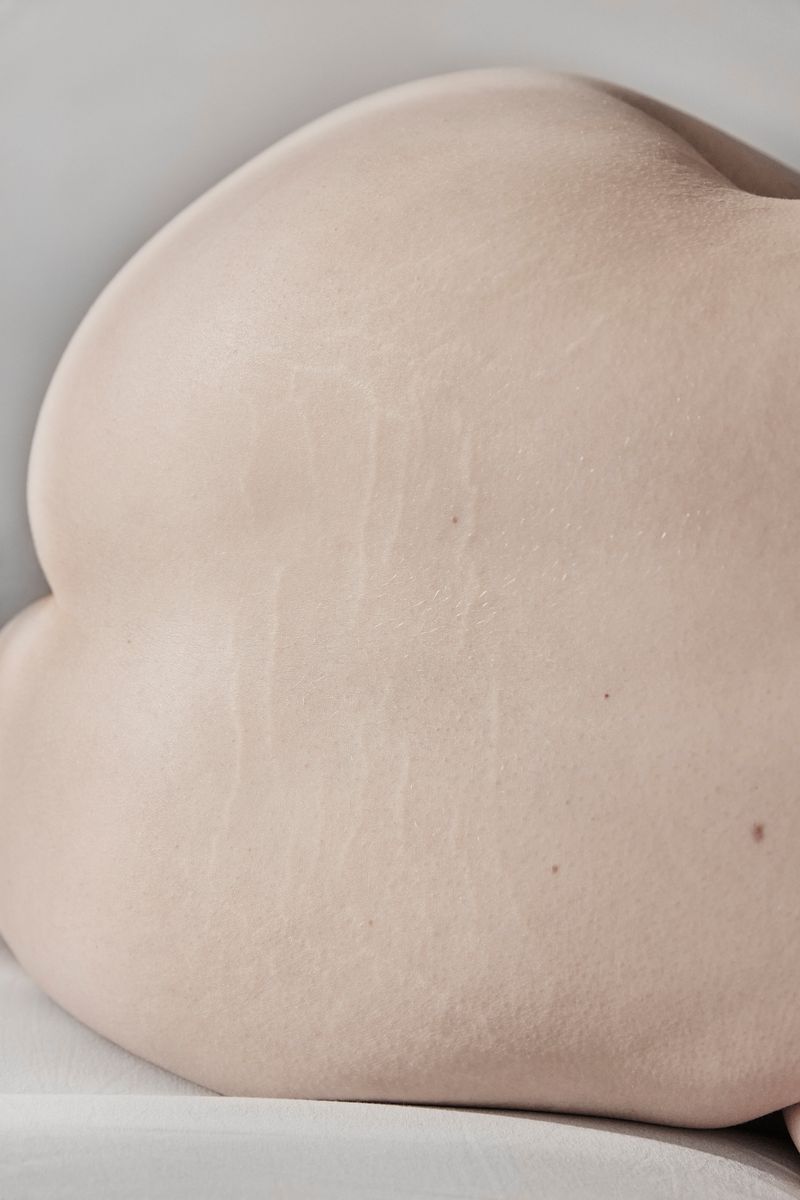
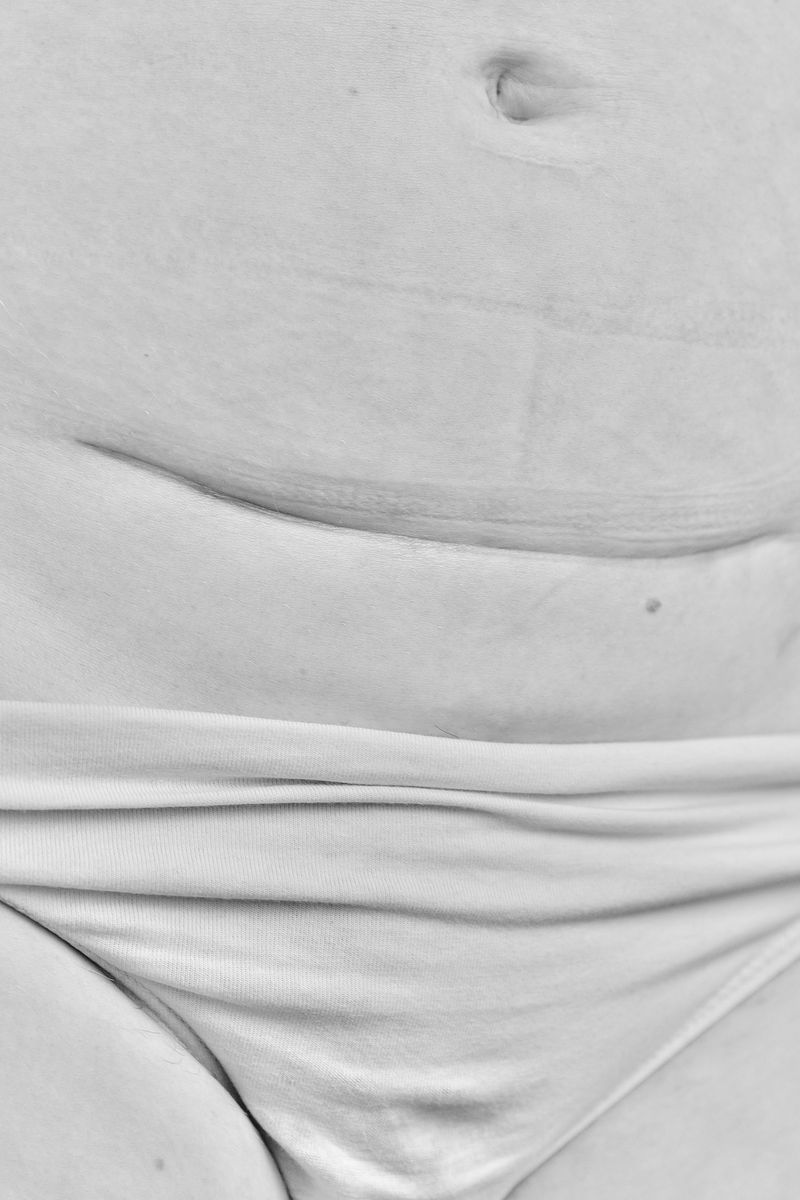
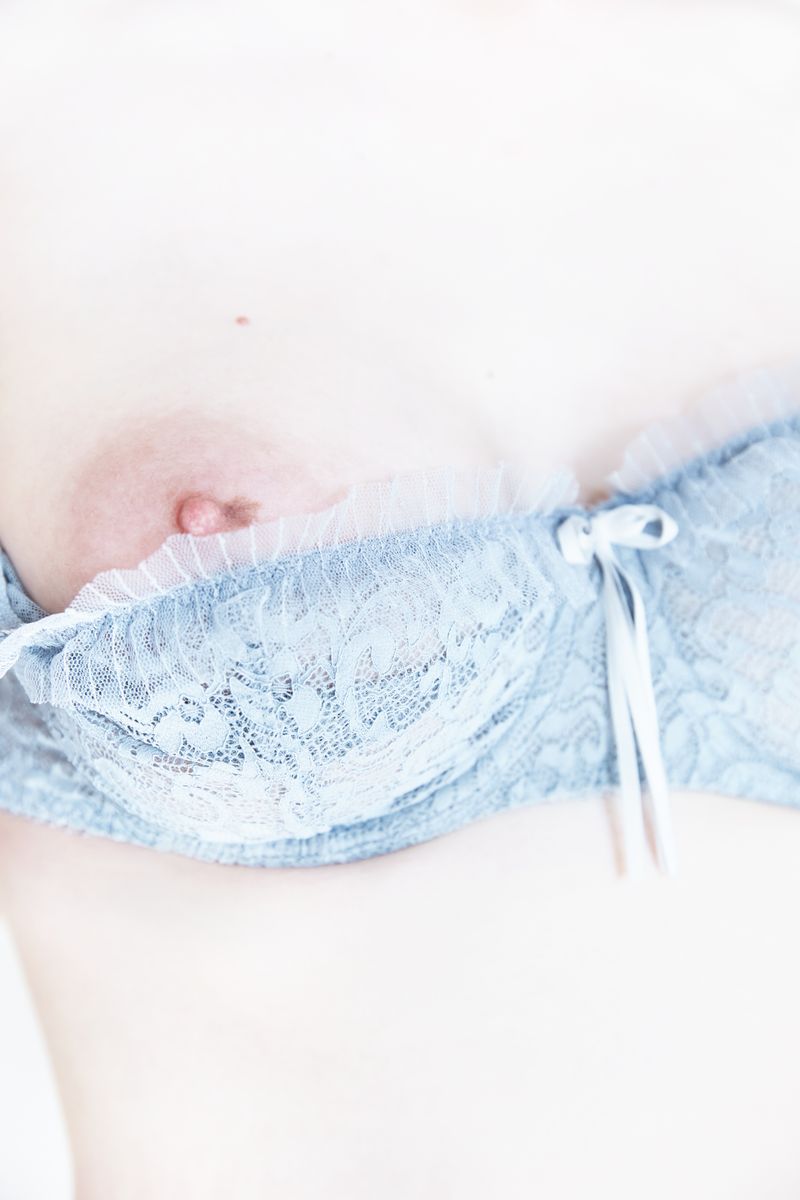
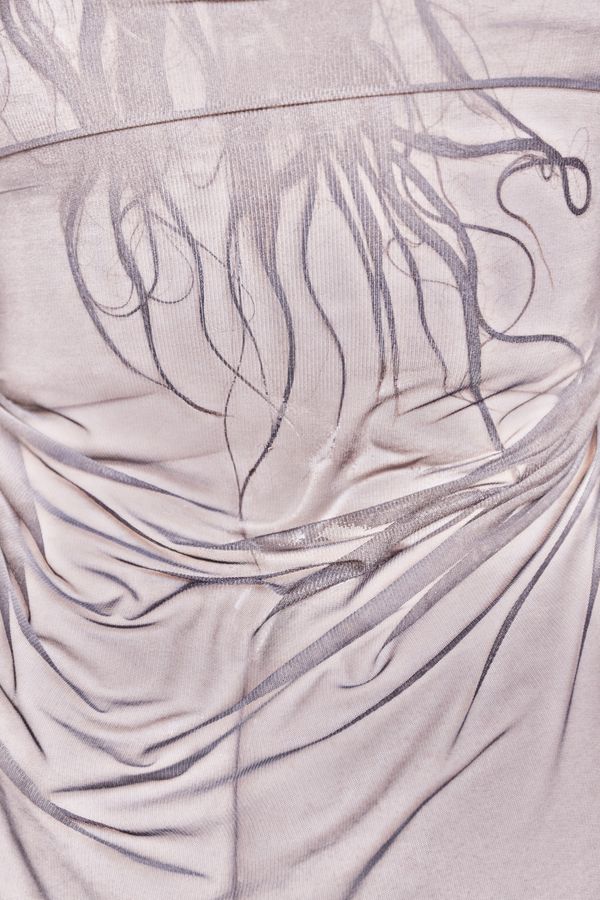
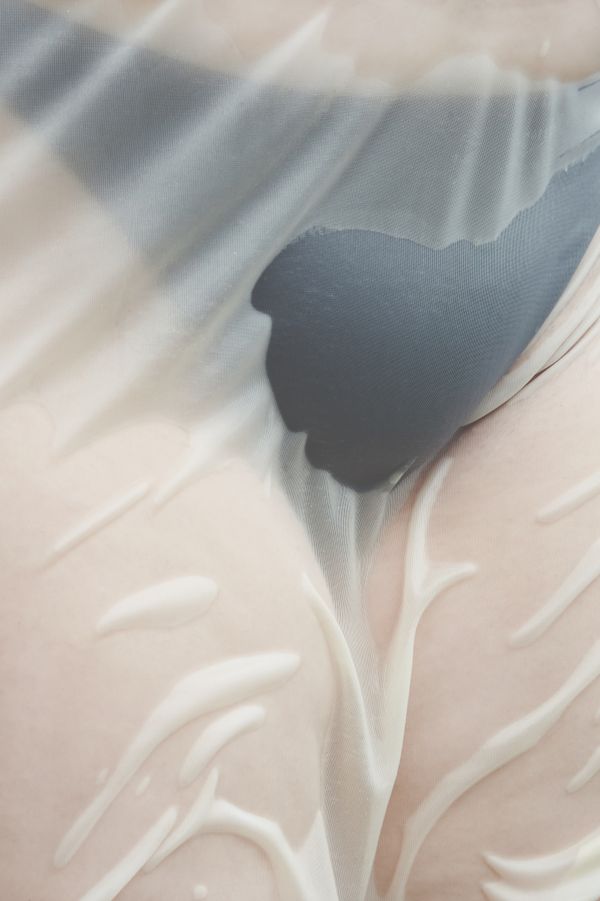
In this project, I approach the female body — cisgender and transgender — as an archive. Scars, stretch marks and wrinkles speak of joy, pain, labor and transformation. What women are taught to hide, I choose to look at with care and fascination.
I have been working with women’s bodies for many years, and as a queer visual artist, my perspective on the body is shaped by experiences of vulnerability, distance, and visibility.
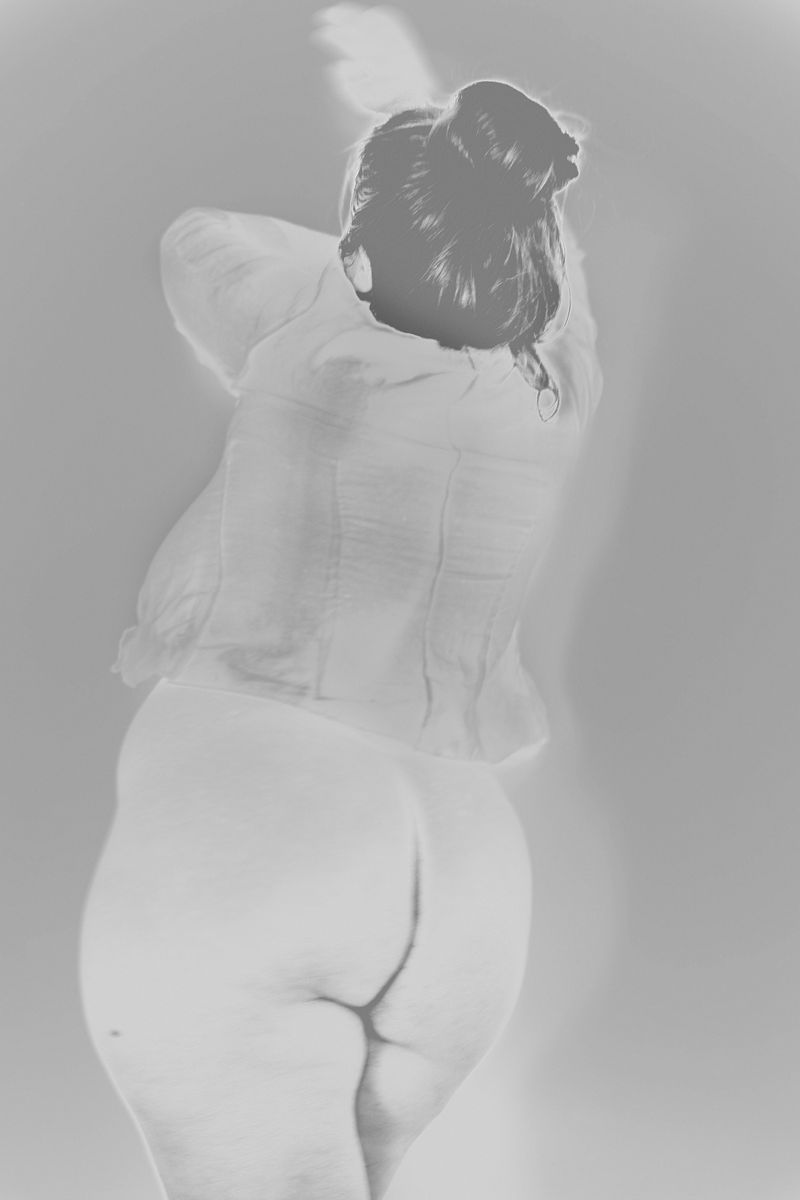
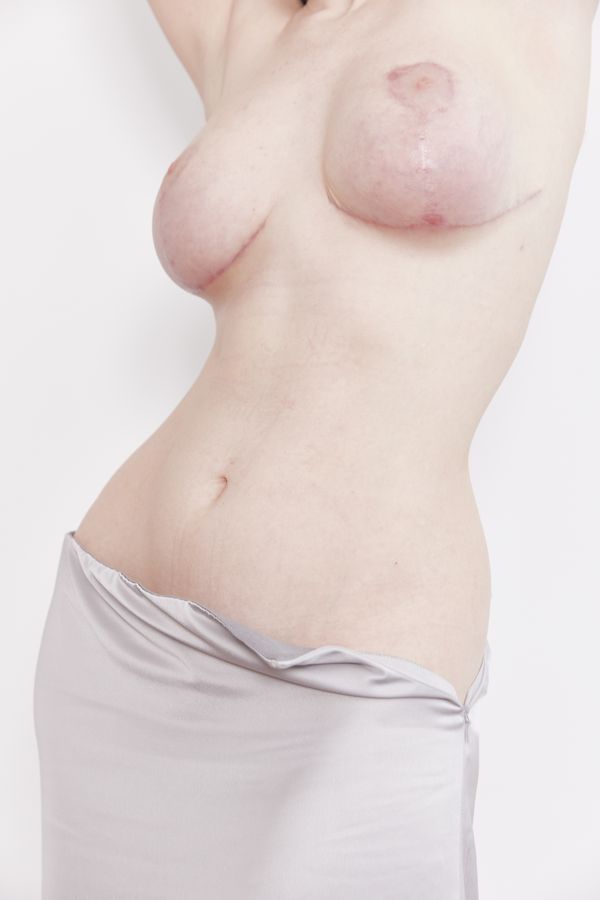
In this project, I approach the body as an archive. I focus on what marks our existence: scars, stretch marks, wrinkles, body fluids — everything that speaks of joy, pain, labor, and transformation. Shaped by beauty standards, medical interventions, desire, discipline, and time, the body becomes the narrator of singular human experiences. Yet under the pressure of media images, women are encouraged to erase these traces: to conceal, correct, or smooth them away. Even in front of the camera, we learn to contract our bodies, show our best sides, and perform an idealized version of ourselves. I noticed that my models felt more at ease and posed with greater confidence when they did not have to show their faces on camera. When the pressure of identification disappears, this “imperfect” body is allowed to exist as it is. This gesture of anonymity releases shame and gives the body back its voice.
The series focuses on bodies perceived as female — cisgender and transgender — including bodies transformed by surgery, hormones, aging, or trauma. Fascination with the naked female body is one of the oldest and most common human experiences, but the gaze that shapes it has constantly shifted. Today, more than ever, we need to continue transforming this gaze and adapting it to our contemporary realities. I believe that portraying the women I encounter, across different backgrounds, sexualities, and identities, is part of this ongoing process.
In my work, I seek to create this space and the tension between the viewer and the photographic subject, showing my models at their most vulnerable. We cannot meet their eyes, but their presence confronts us with our own bodies, inviting us to look back at ourselves not as idealized images, but as whole, fragile, human beings.