Things That Happen Inside And Outside Of Me
-
Dates2024 - Ongoing
-
Author
- Location Milan, Italy
Conscious and unconscious, present and memory blend in the work, shaped by psychoanalysis and EMDR. Intimate experiences expand into immersive, empathetic archives, enhanced by AI, where memory continuously transforms and reborns.
The concept of utopia is often understood as an idealized vision of a perfect society, free from suffering, conflict, and injustice. It represents a collective aspiration where the human condition is elevated beyond its current limitations. In the context of this project, which visually explores the EMDR therapy protocol, the relationship between these images and the notion of utopia is deeply intertwined with the transformative potential of art and therapy. Art becomes a space in which personal and collective healing intersect, a medium through which trauma can be externalized, reinterpreted, and shared, allowing viewers to reflect upon both individual and collective psychic landscapes.
Art often addresses the social dysfunctions of our time, prompting reflection and creating opportunities for new forms of understanding, empathy, and relational structures across different fields. The work acknowledges the capacity of visual practice to translate psychological processes into perceptible experiences, engaging viewers on sensory and emotional levels.
Invented in 1989 by psychologist Francine Shapiro, EMDR – “Eye Movement Desensitization and Reprocessing” – is a psychotherapeutic method developed in eight phases. It enables the desensitization of traumatic memories, anxieties, and phobias, addressing post-traumatic stress resulting from serious accidents, bereavements, violence, and abuse. EMDR operates by linking traumatic memories with chains of associations connected through sensory, cognitive, or emotional elements, facilitating a reorganization of the mind’s responses to trauma.
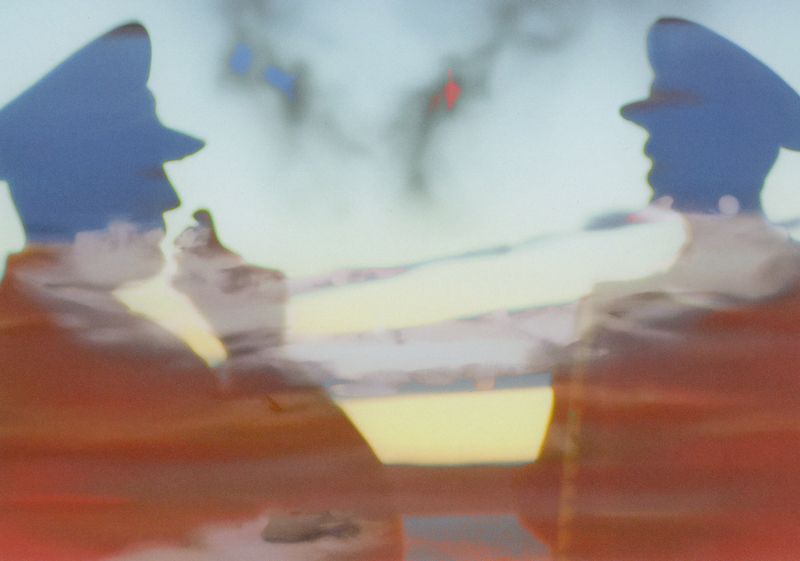
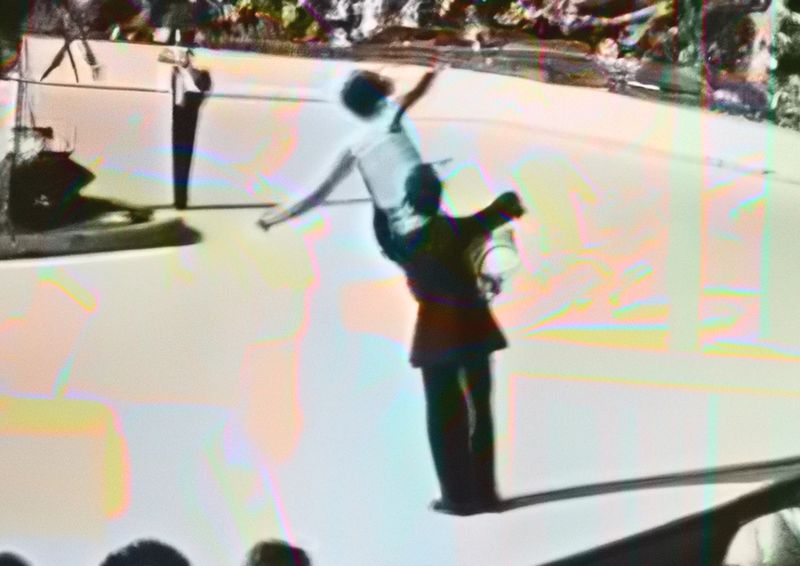
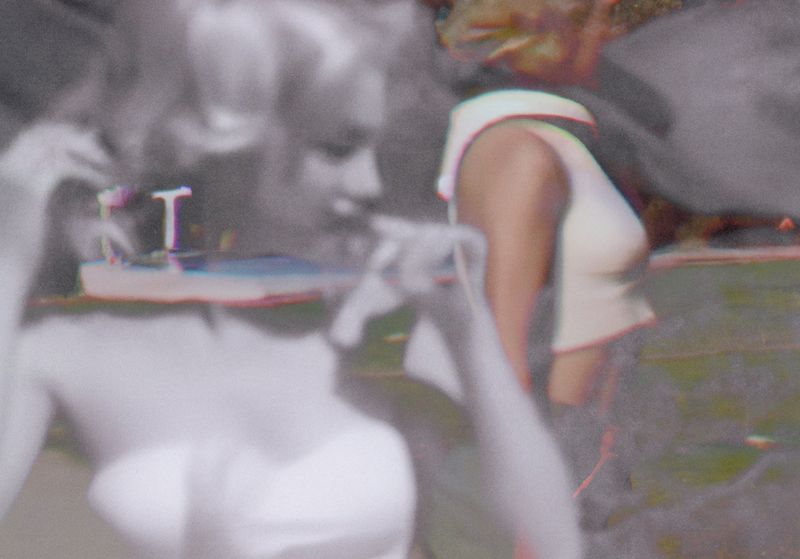
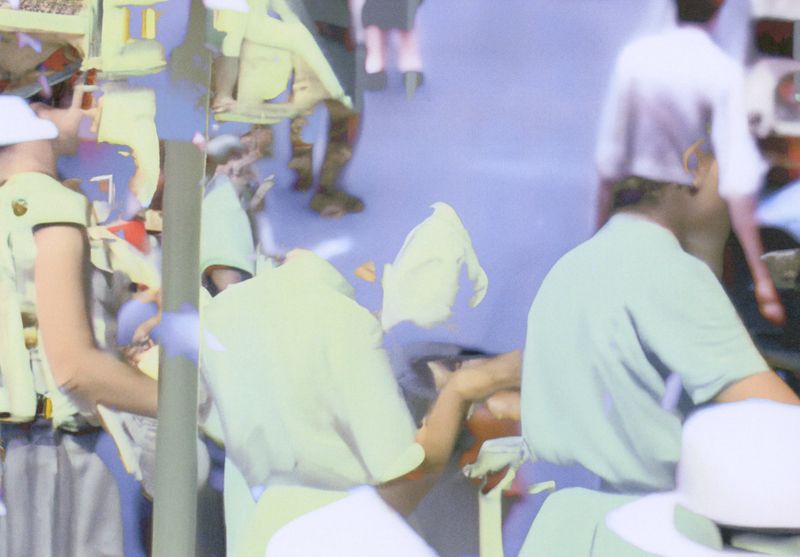
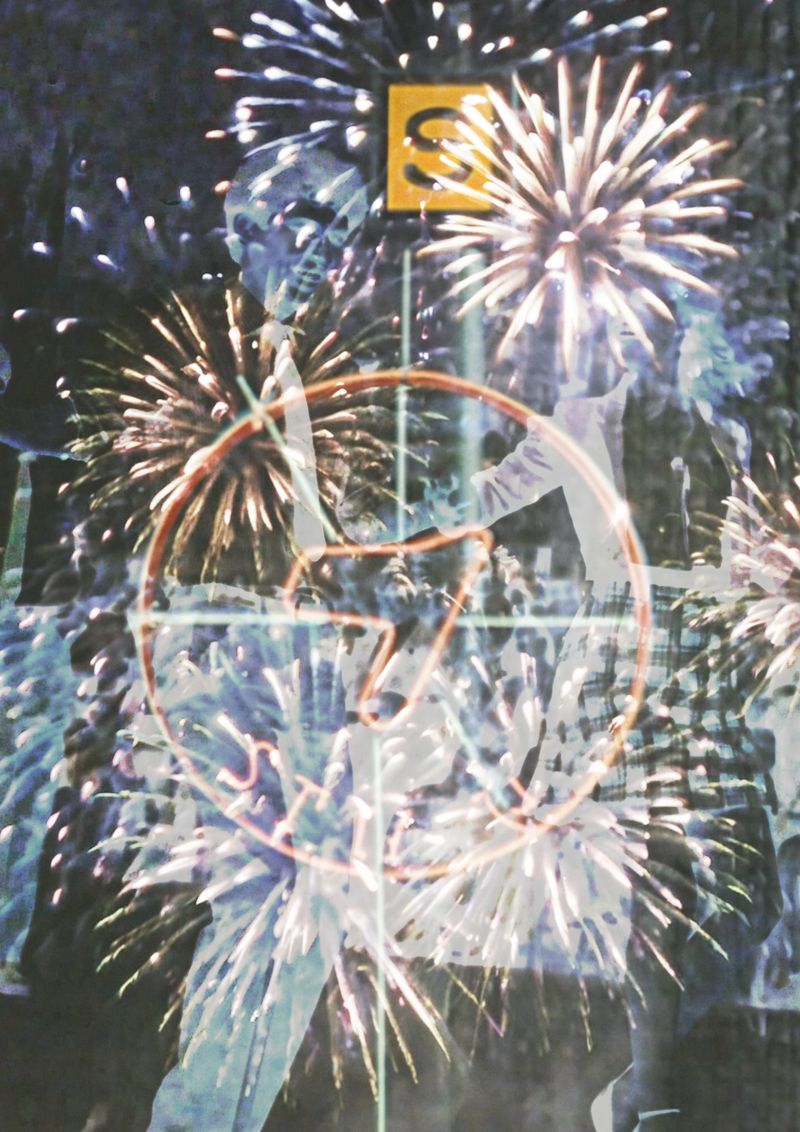
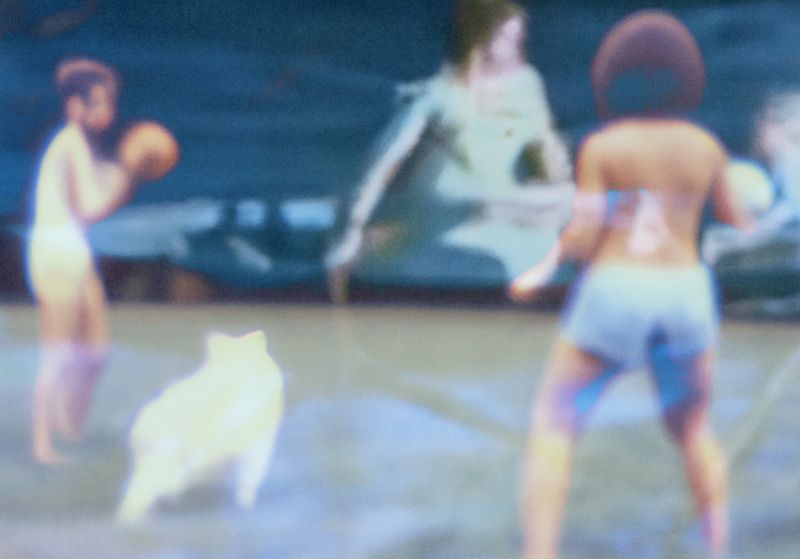
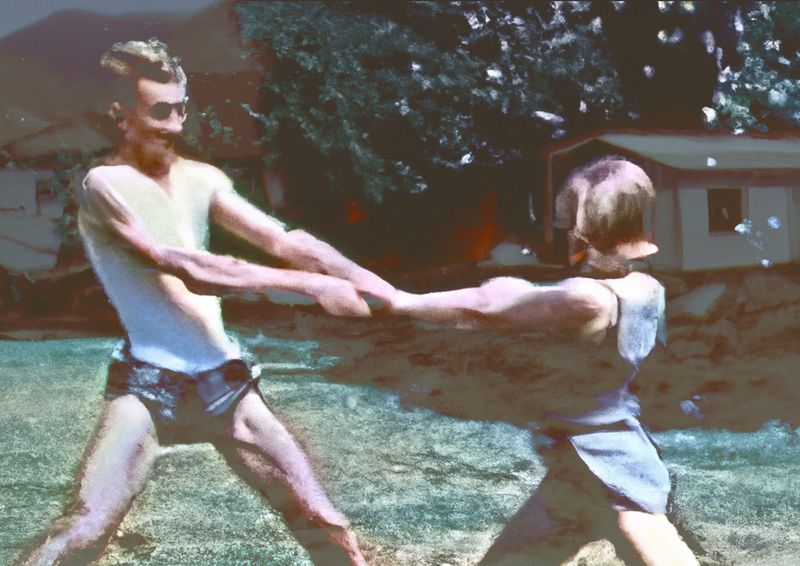
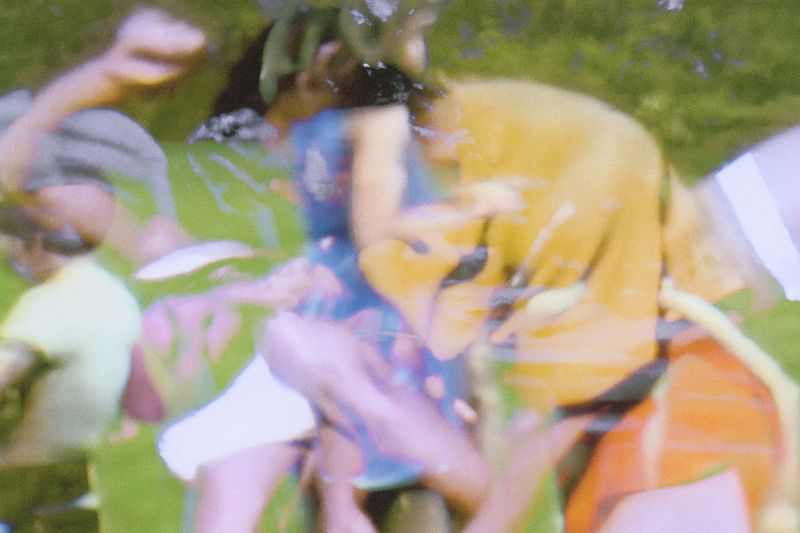
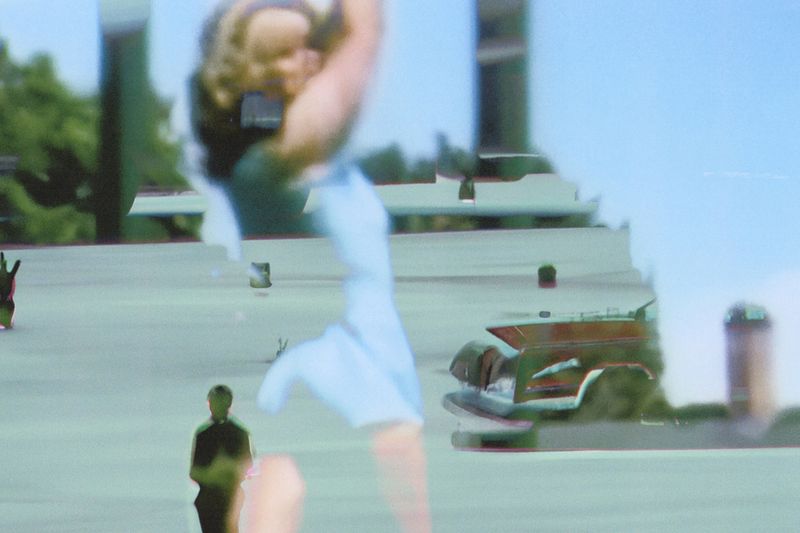
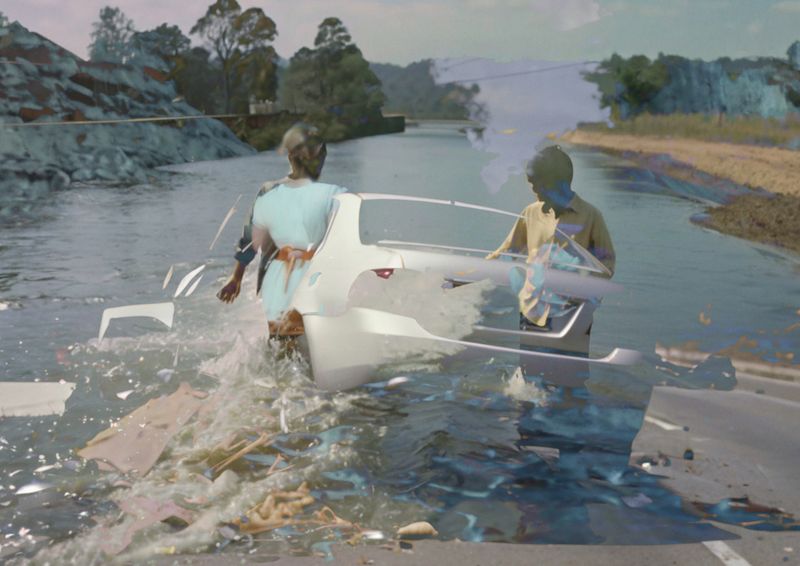
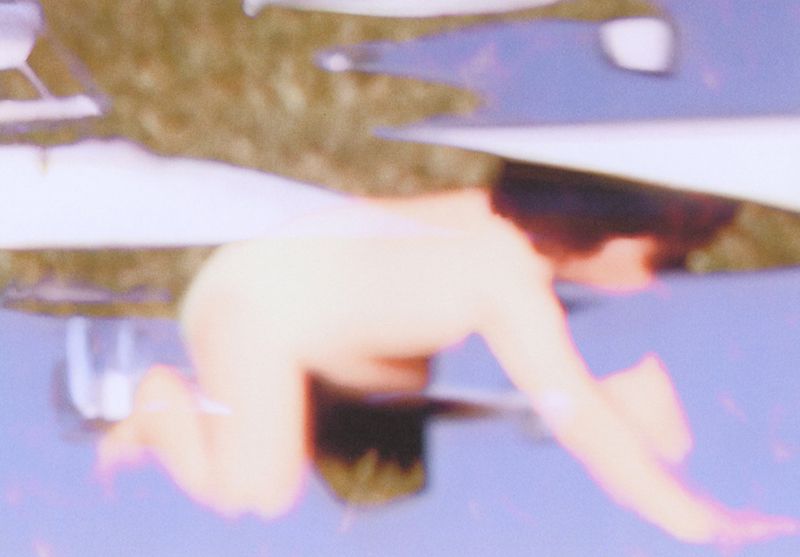
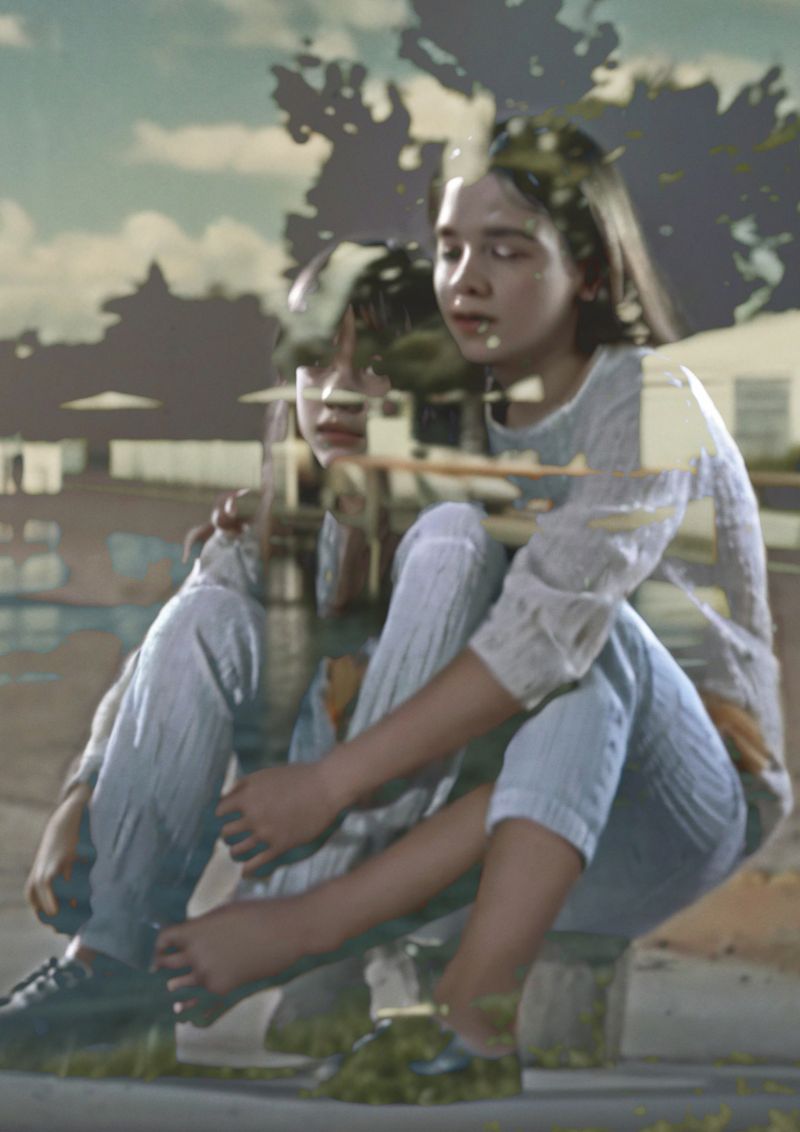
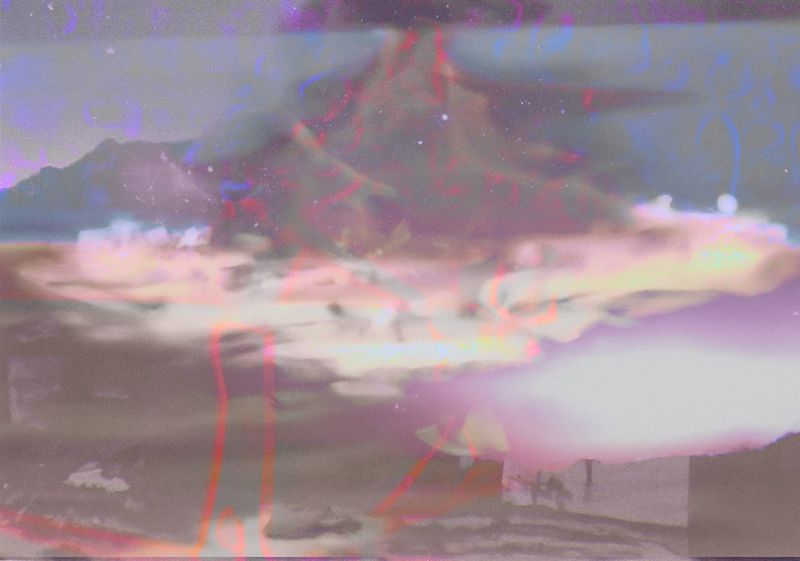
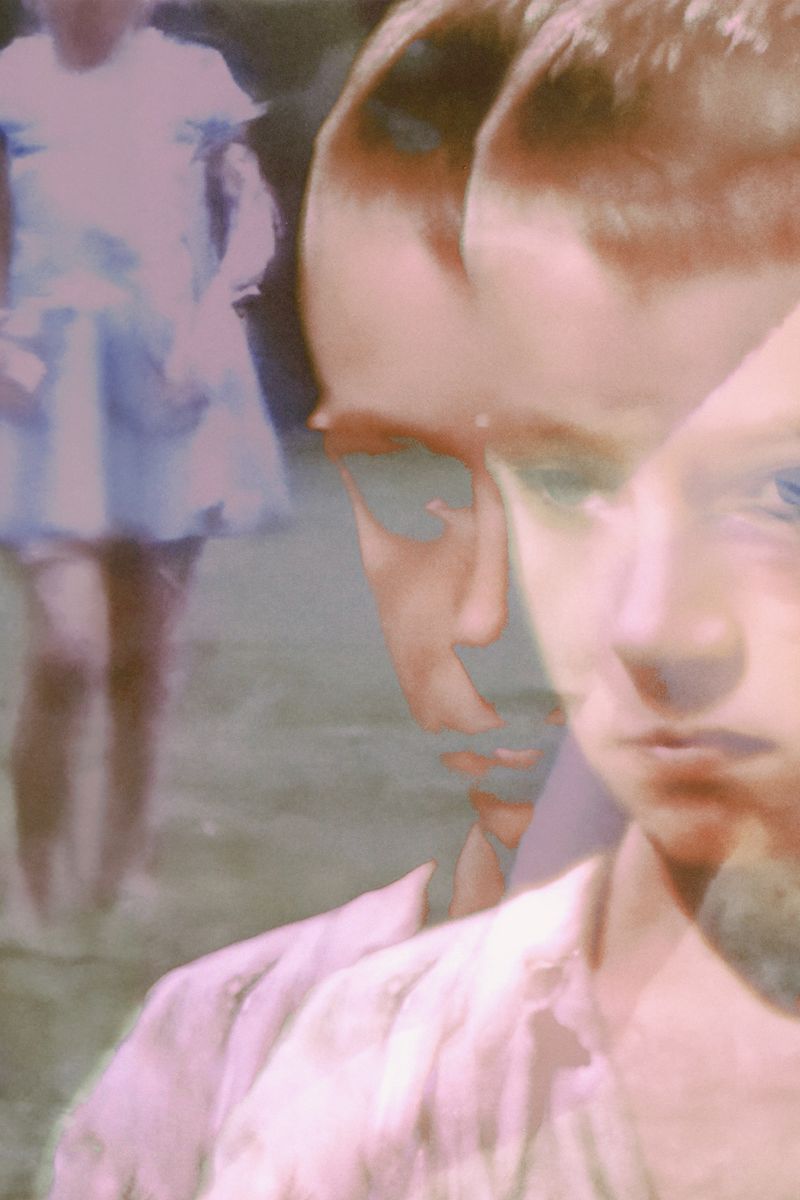
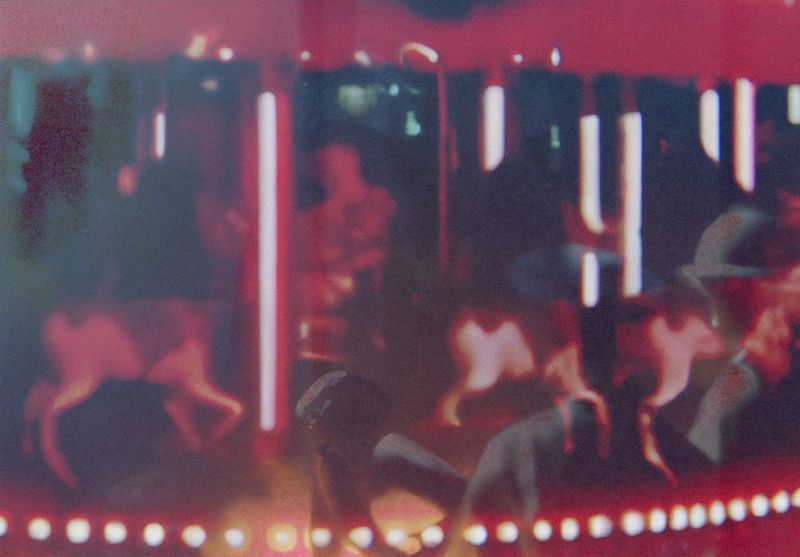
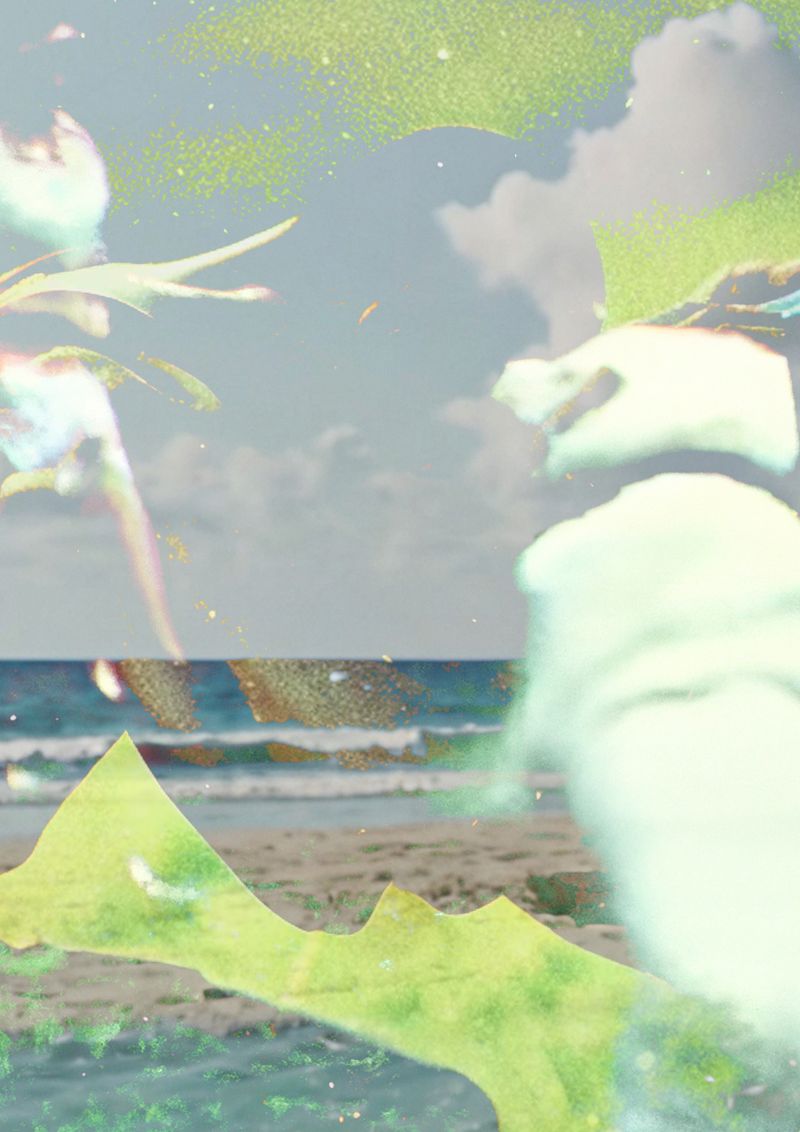
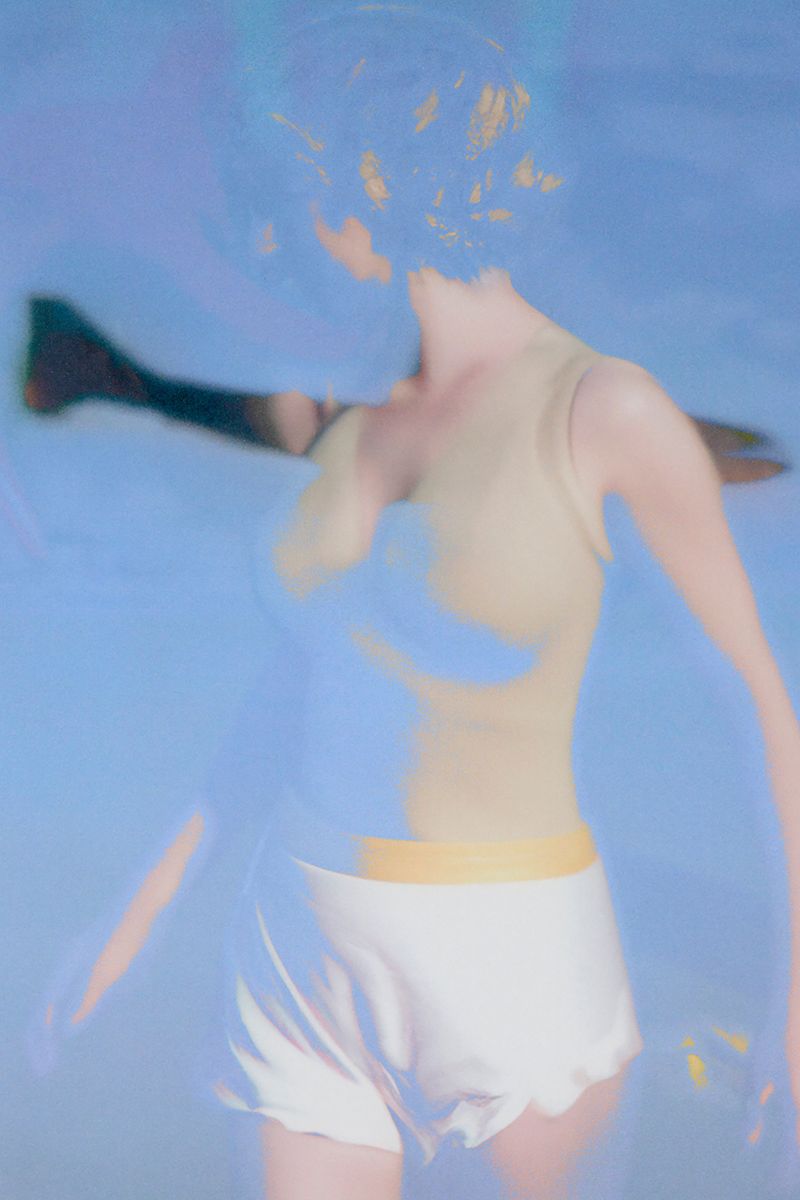
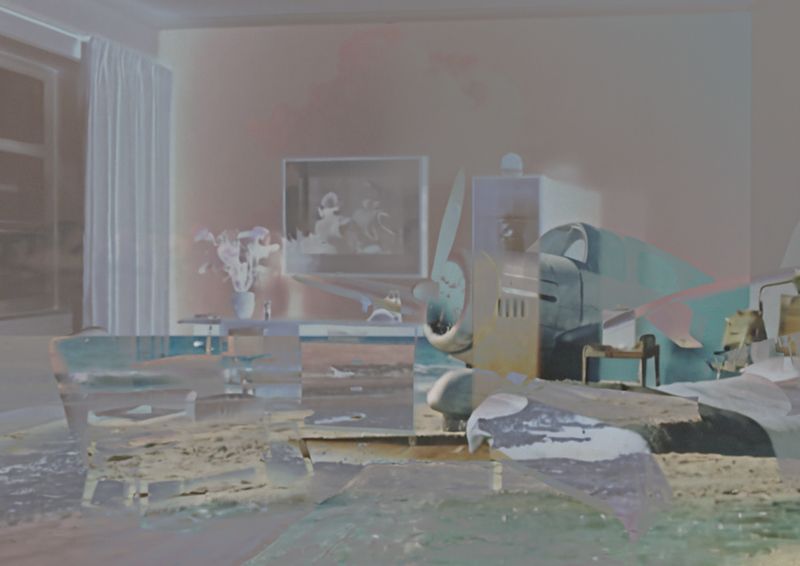
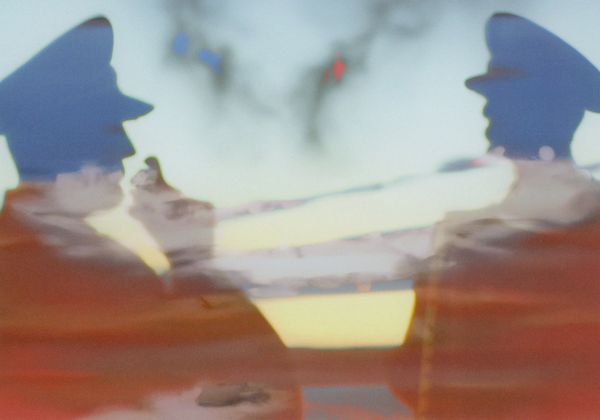
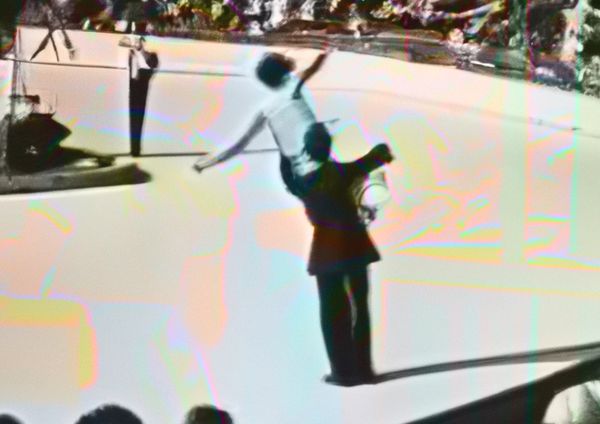
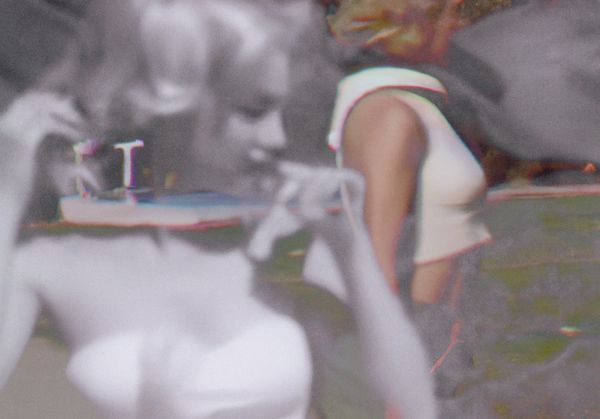
This project revolves around memory, trauma, and the potential manipulation of intuition to alter moods, feelings, and emotional responses connected to painful experiences. By visually exploring the EMDR protocol through images from the Prelinger Archives, I attempt to render the invisible structures of memory and trauma perceptible, highlighting the intimate mechanisms of the psyche. Photography and moving images crystallize moments of intensity and psychological resonance, capturing both vulnerability and resilience inherent in the human experience.
We live in a historical moment where, through newfound awareness, it is increasingly necessary to reconsider the world and the relationships we wish to establish with it. Utopia, in this sense, is not a fixed state but a processual horizon, an ongoing negotiation between personal experience and collective imagination. The project envisions art as a catalyst for reflection and transformation, demonstrating how aesthetic experiences can intersect with scientific research and therapeutic practice to expand understanding.
All archival material used is sourced from the public library of The Prelinger Archives, San Francisco. The images were generated by feeding screenshots of these archival videos into AI, which allowed me to reinterpret and recombine them into new compositions. This method foregrounds the interplay between memory, technology, and creativity, showing how historical material can be transformed through contemporary digital tools to evoke new meanings.
Ultimately, the project situates EMDR within an artistic framework, emphasizing the intersection of personal trauma, collective memory, and the aesthetic potential to imagine a more attentive and empathetic society. By visually translating therapeutic processes, the work demonstrates that art can act as a bridge between individual experience and social consciousness, fostering shared reflection that resonates beyond the personal into the collective sphere.