The White Fence
-
Dates1986 - 2026
-
Author
- Location Los Angeles, United States
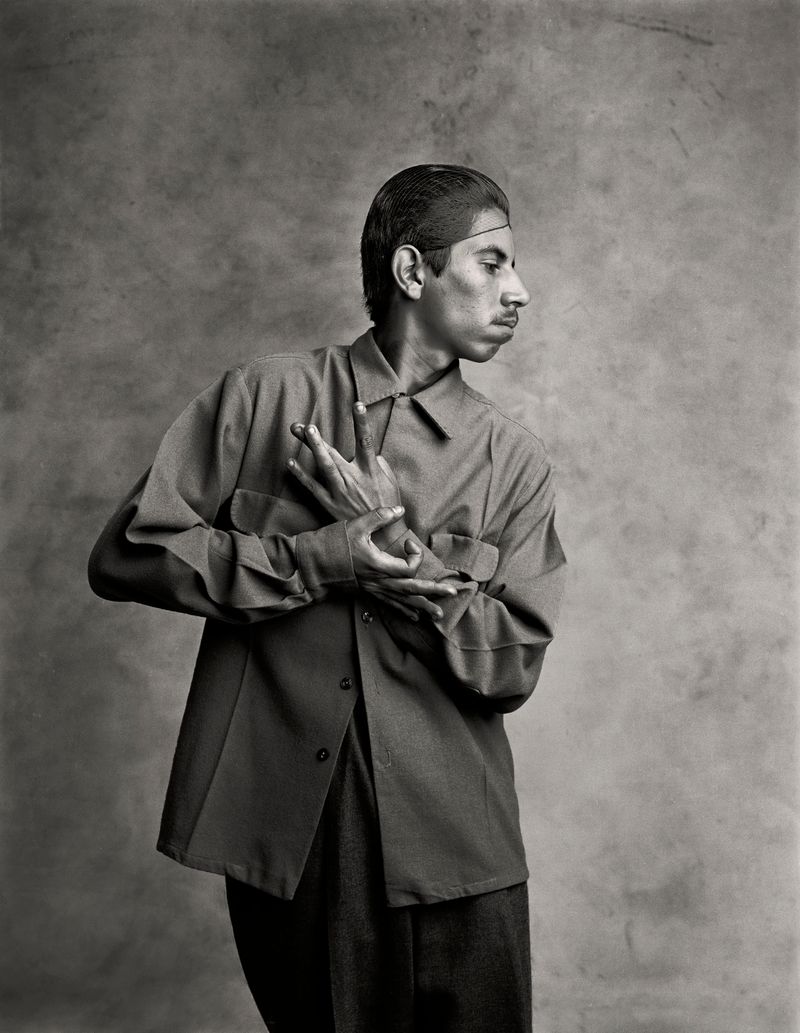
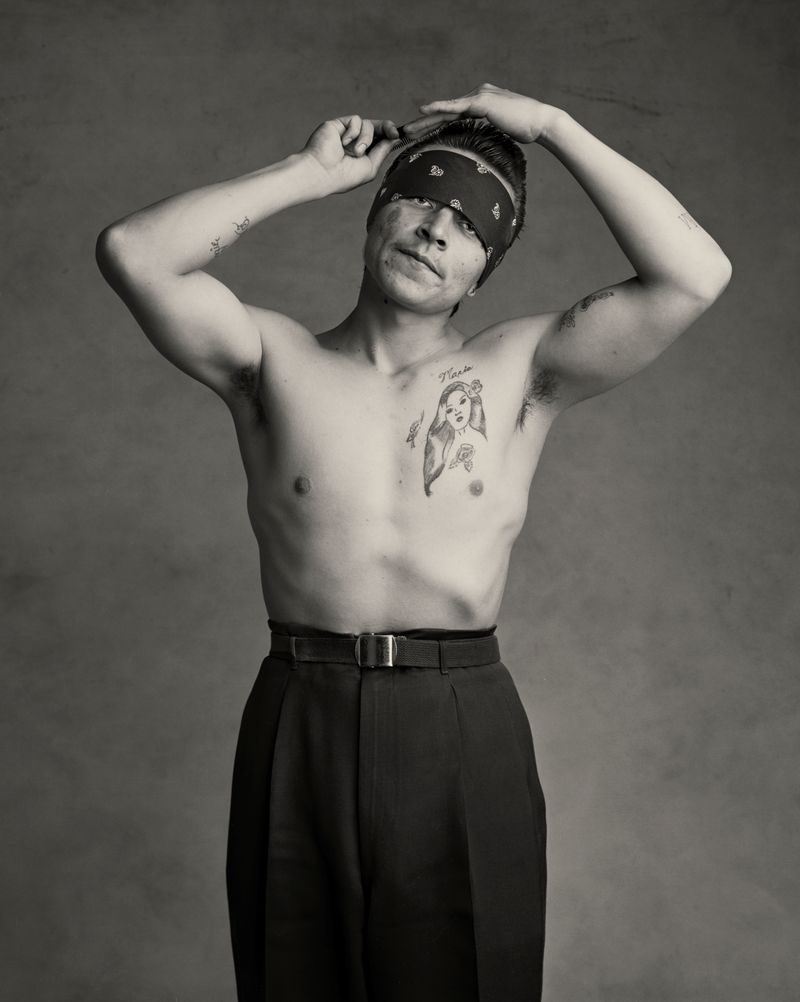
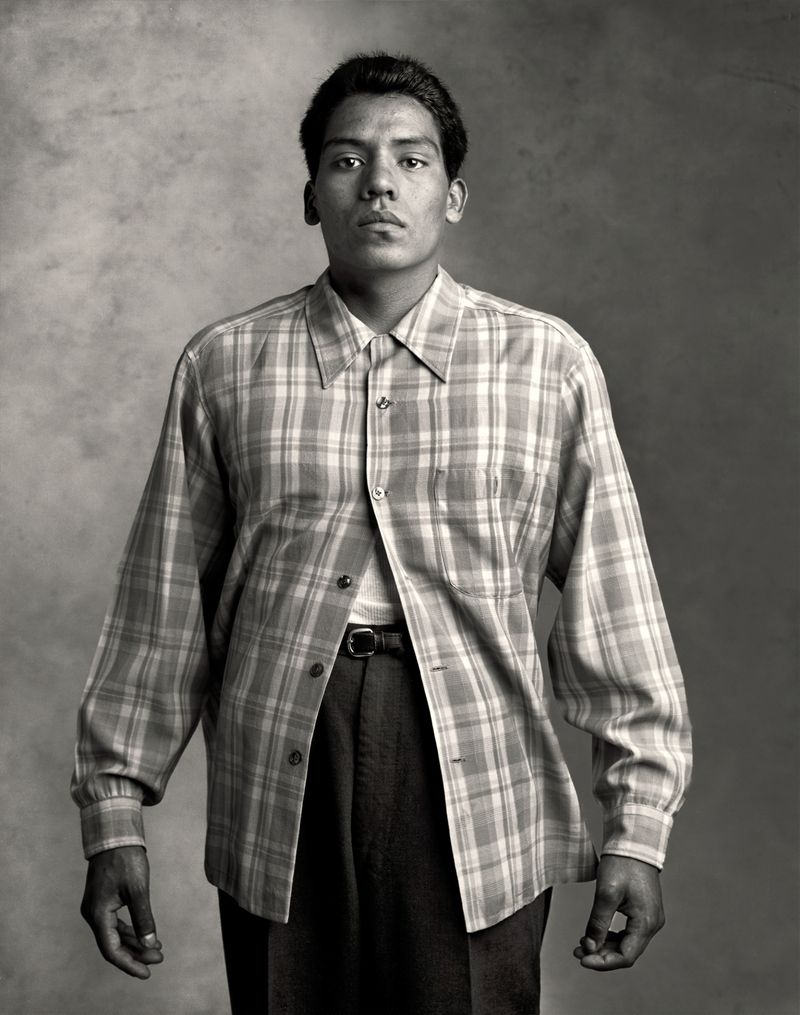
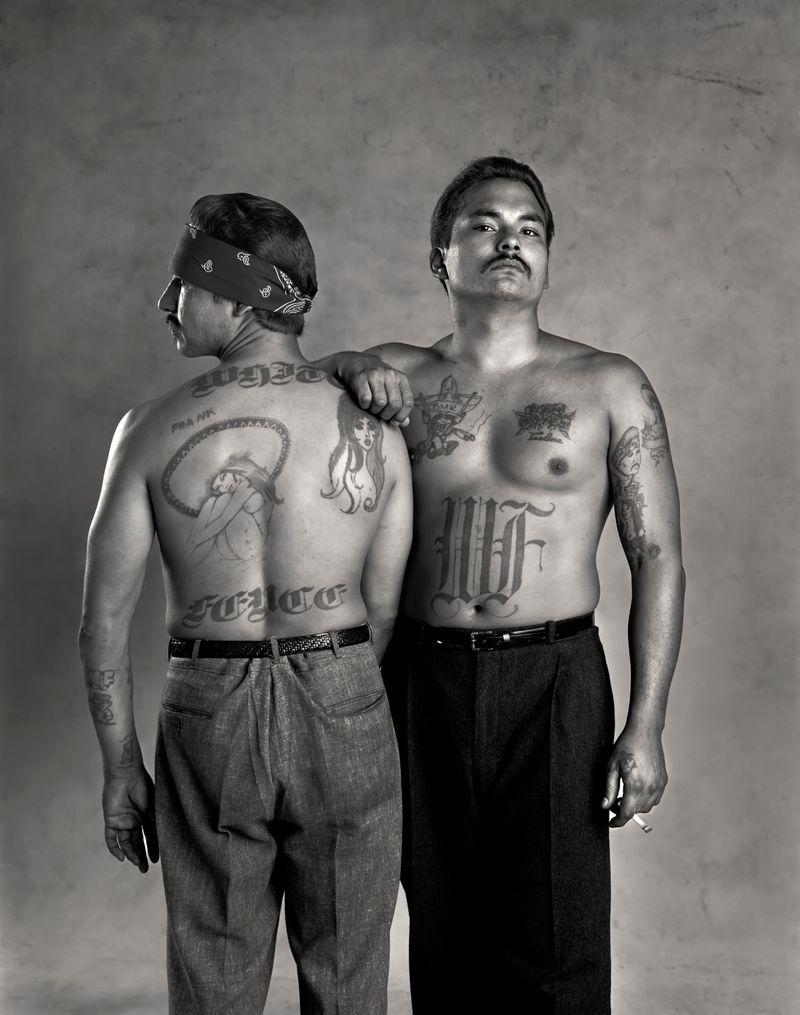
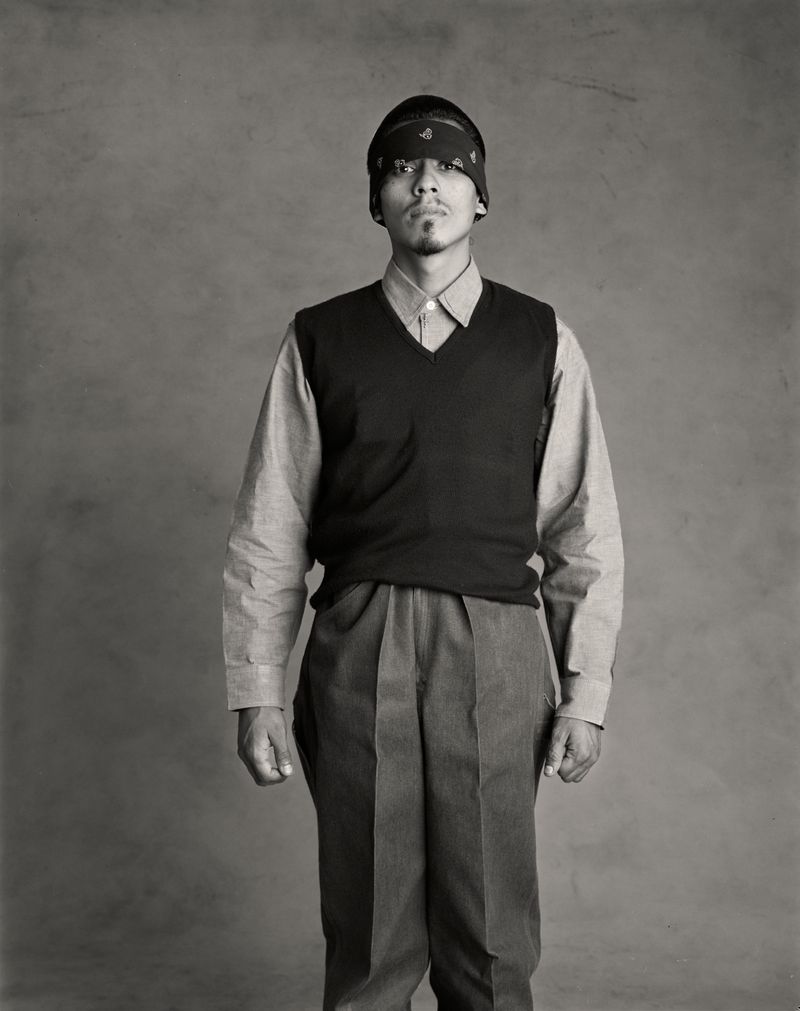
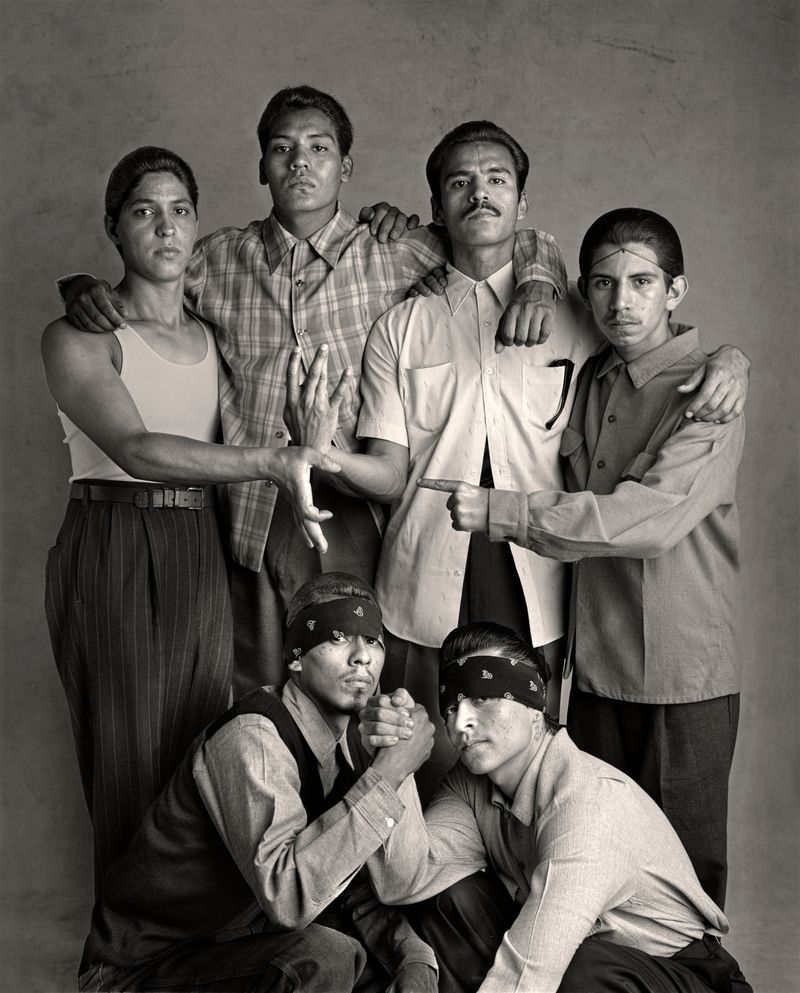
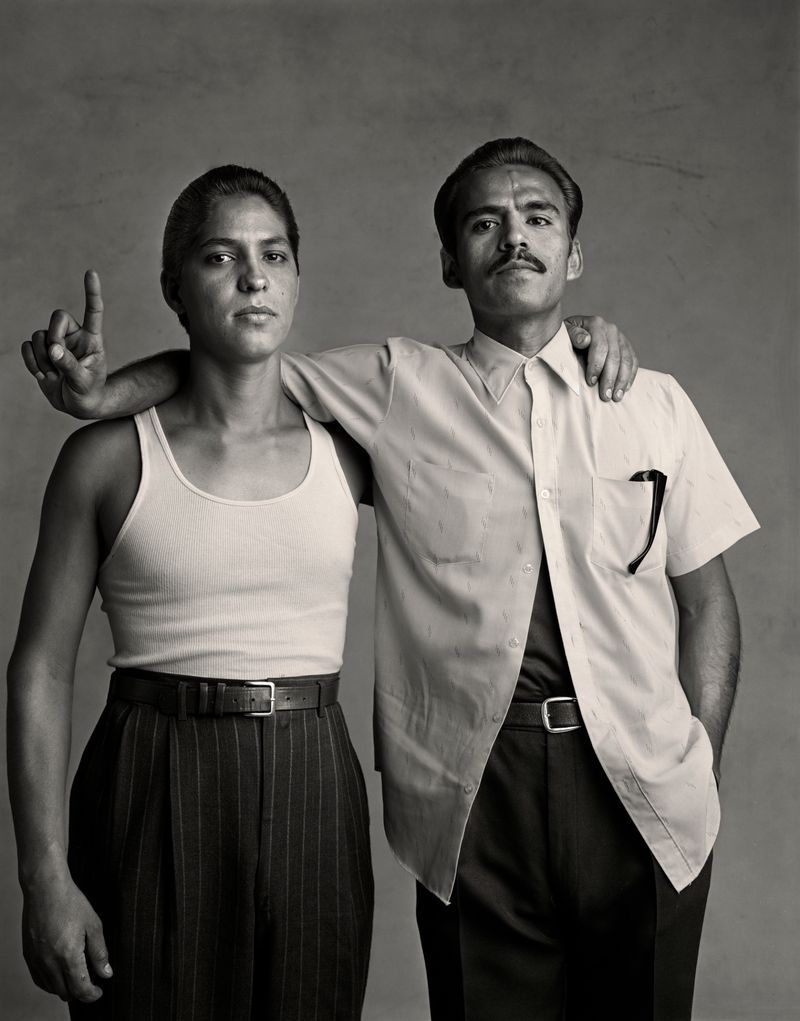
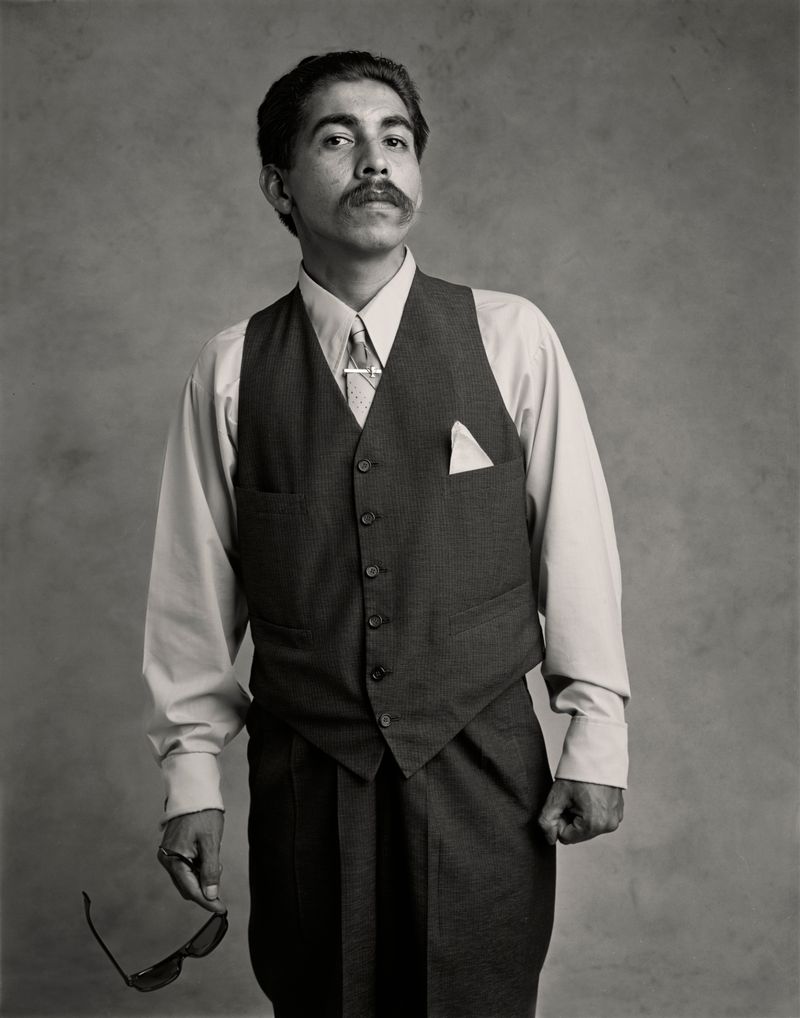
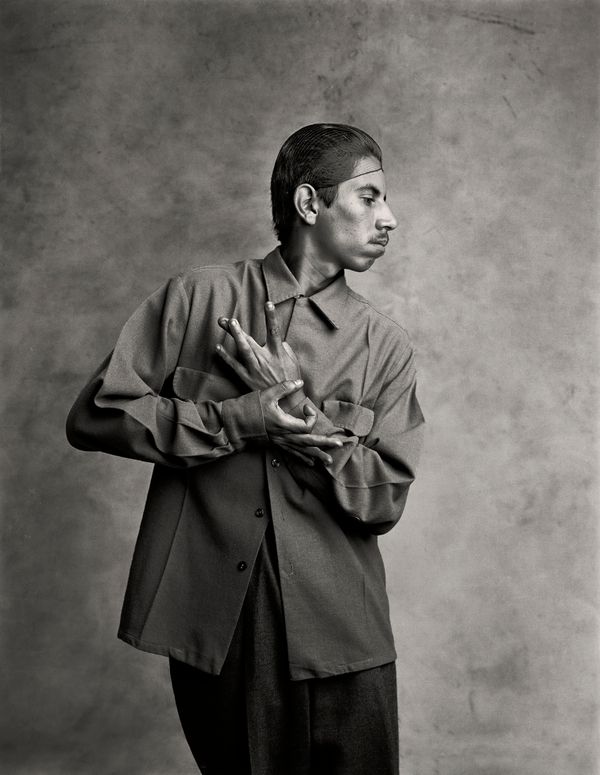
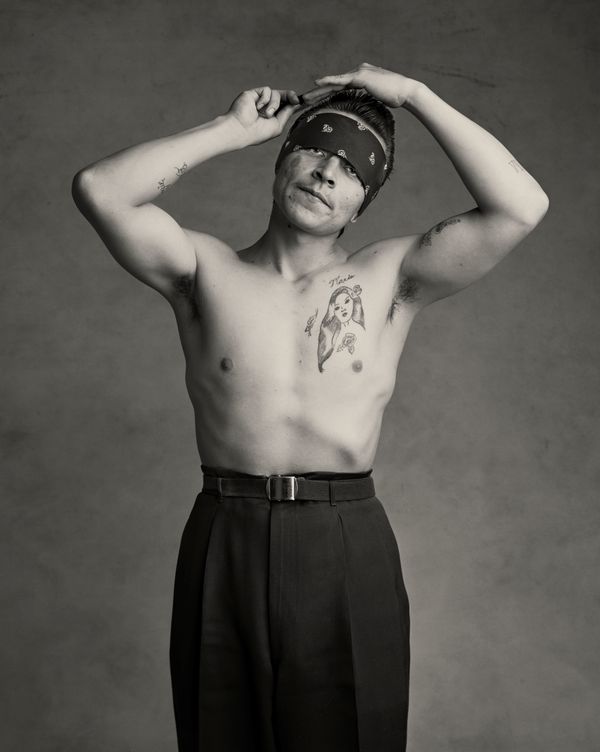
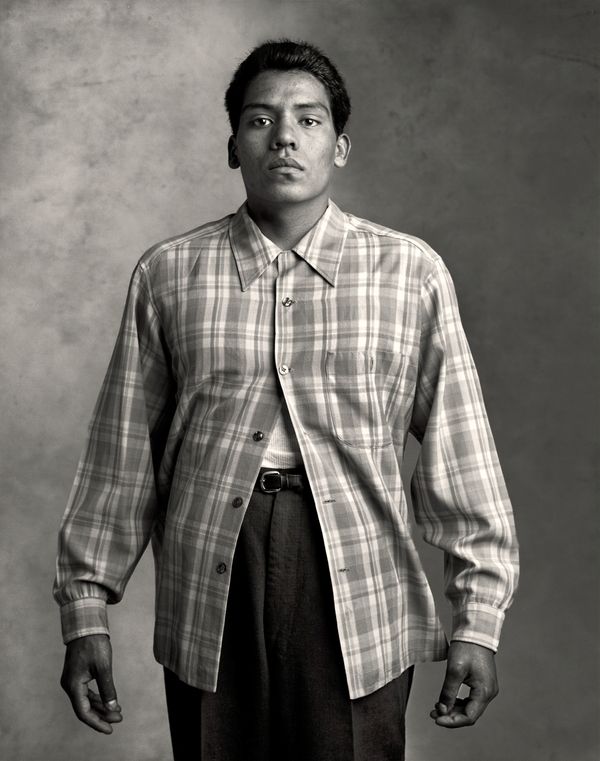
What struck me about White Fence, East L.A.’s oldest gang, wasn't menace, but their pride—a theatrical, self-curated, visual assertion of identity and razor-sharp grammar of style: wardrobe as semiotics.
The opportunity to make these studies arose while shooting a Time magazine assignment about Mexican-American immigrants in the East Los Angeles barrio of Boyle Heights, where I found myself getting eyeballed by The White Fence, L.A.’s oldest and most violent gang, dating back to 1900. Their history is as unforgiving as the streets they rule. But what struck me wasn’t menace; it was their pride—a theatrical, self-curated, visual assertion of identity and razor-sharp grammar of style: wardrobe as semiotics. I proposed portraits not on the street but in my studio, a neutral zone many miles from their turf,—closer to Beverly Hills than Boyle Heights.
Curiosity won out. On the appointed day at the appointed hour, I waited outside in front of my studio. Three old but beatifully maintained cars showed up and parked with indifference at the red curb. Eight White Fence homeboys got out. I ushered them inside.
I wished more had come. They hadn’t brought their wives and girlfriends as I had requested, which was also disappointing. They said the women stayed home in curlers because they were prettying up for some kind of fiesta. But that’s exactly what I had hoped to get on film: before and after big hair, exaggerated makeup, tattoos. Perhaps another time, they said. No apologies. No promises.
These young toughs endured the ritual of posing in front of an “old-timey” camera and a six-foot-tall lightbox. The big 4x5 with its accordion bellows, always on a tripod, slowed things down and demanded deliberation—on both sides of the lens. I stood the men in front of my camera, one by one and in small groups. It wasn’t trust, exactly, but performative participation. They let me see them, on their terms and mine.
Those who weren’t on camera drank beer, ate the pizza I had delivered, and wandered around curiously. They stayed about two hours before getting restless. I made a little speech about how we were just getting started and how I wanted to return to Boyle Heights to photograph them on their home turf, and later to bring the women back to the studio. They remained noncommittal. They took the hundred bucks I offered to fill their gas tanks and left.
I plan to continue this series of large-format portraits of White Fence by photographing these men's sons and grandsons—as well as the woman associated with the gang.