the specifics might be vague
-
Dates2025 - Ongoing
-
Author
- Location United States
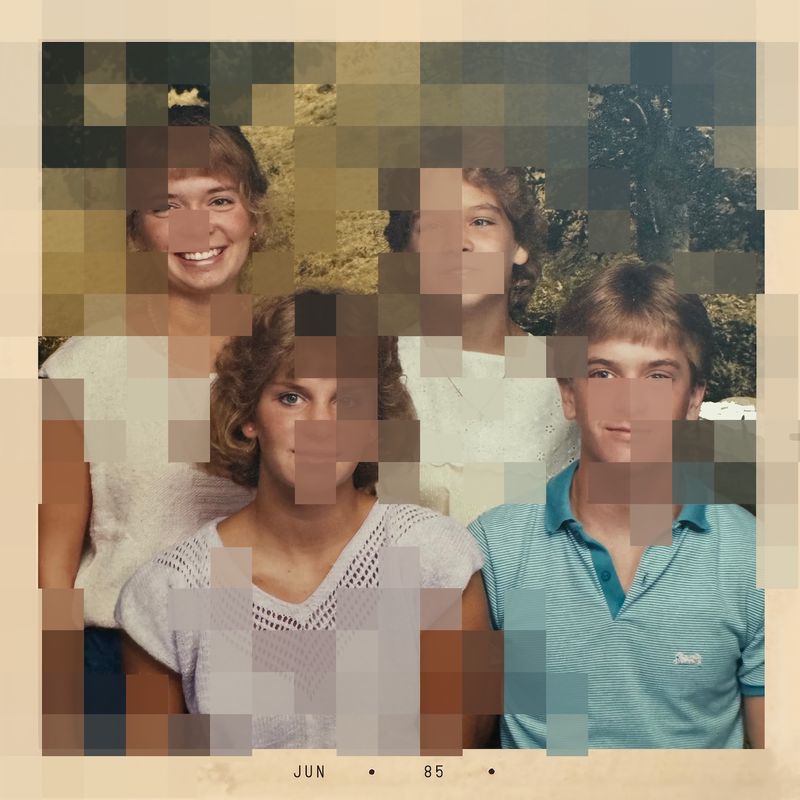
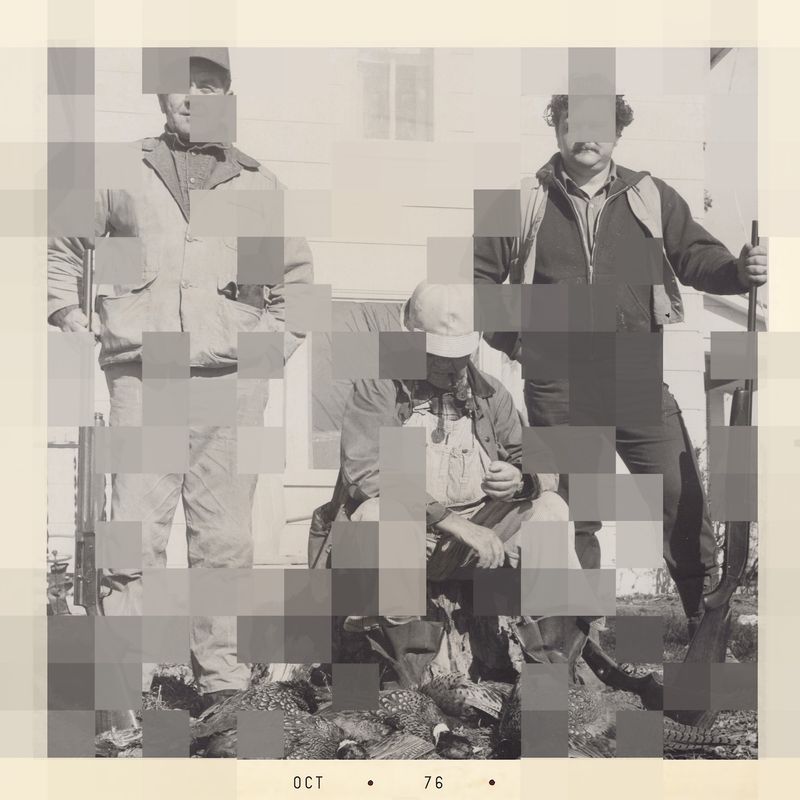
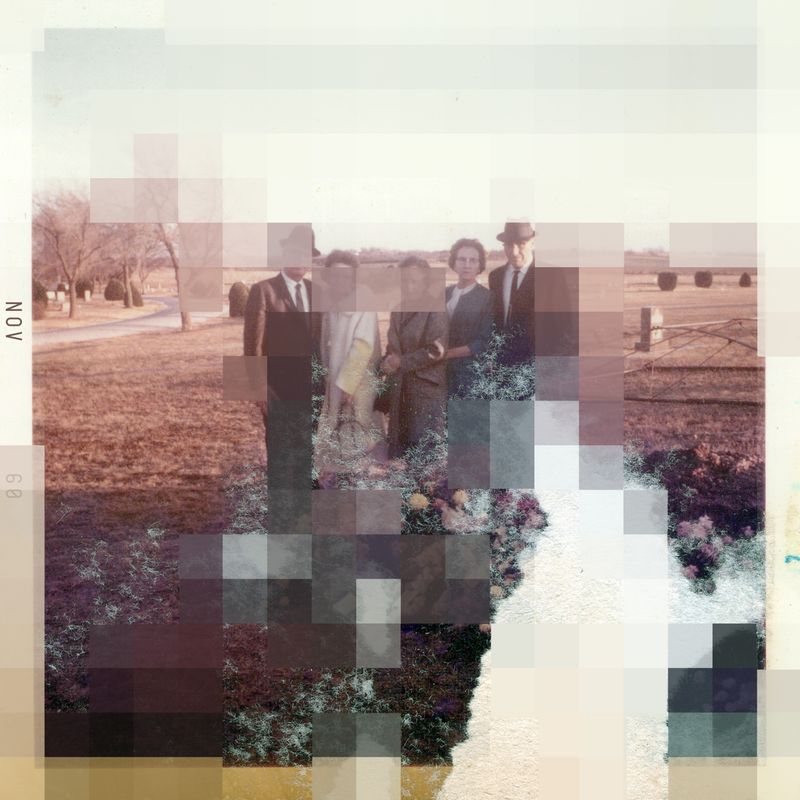
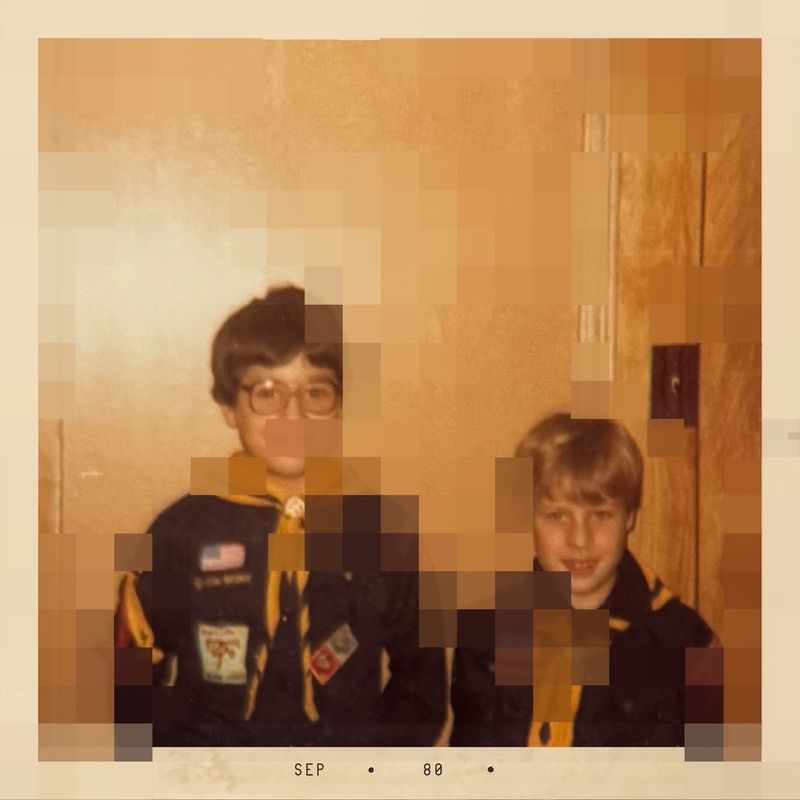
"the specifics might be vague" explores the role images play in truth and distortion within our memory.
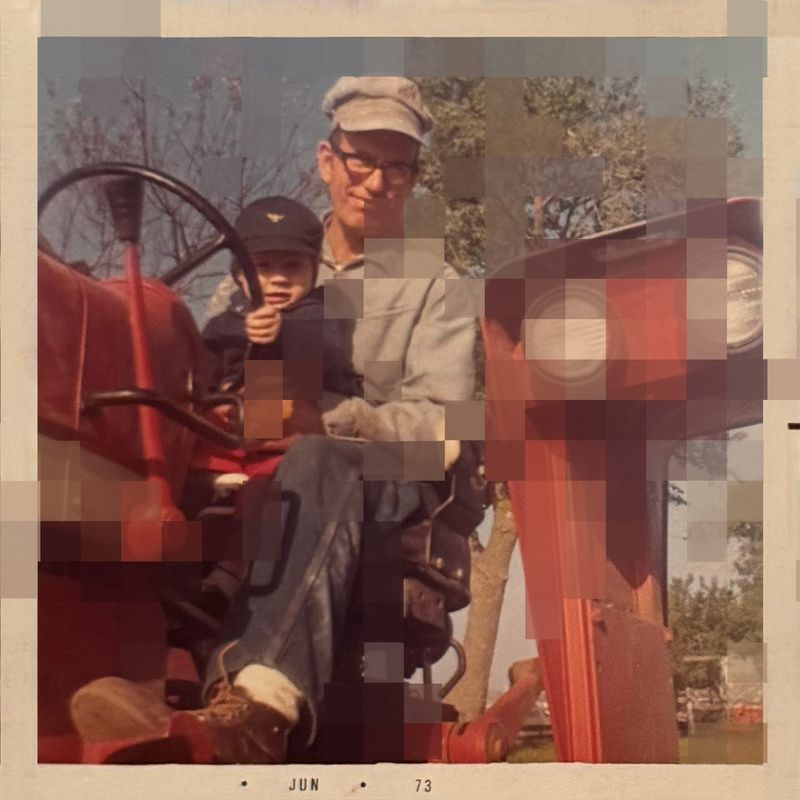
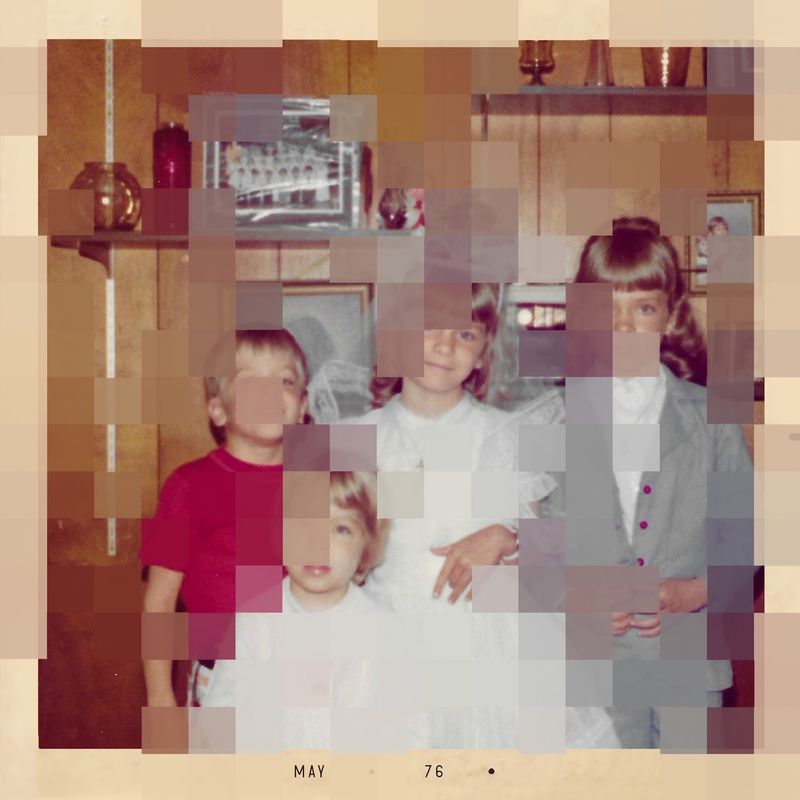
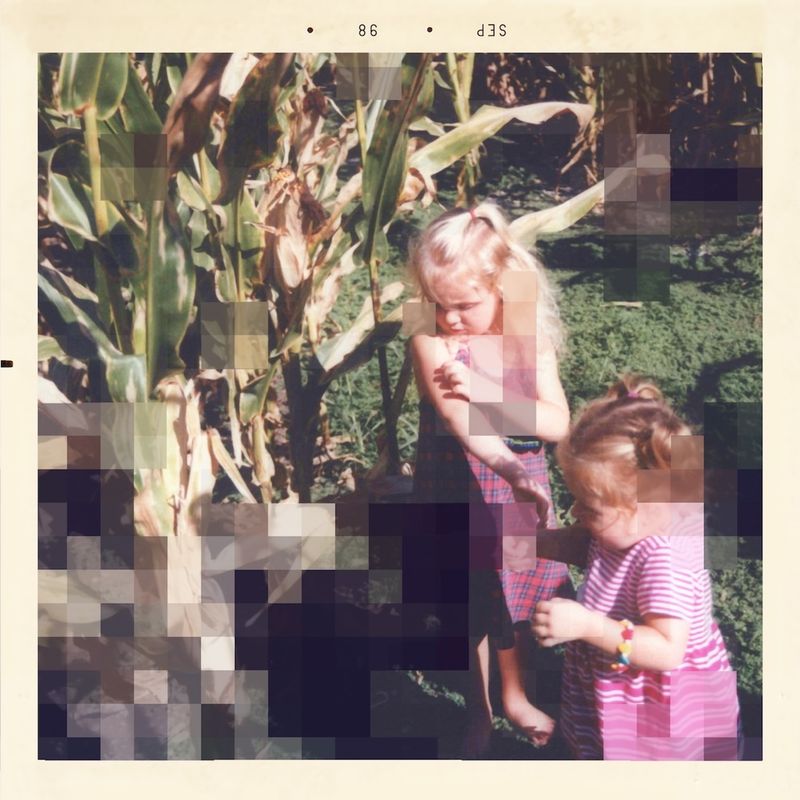
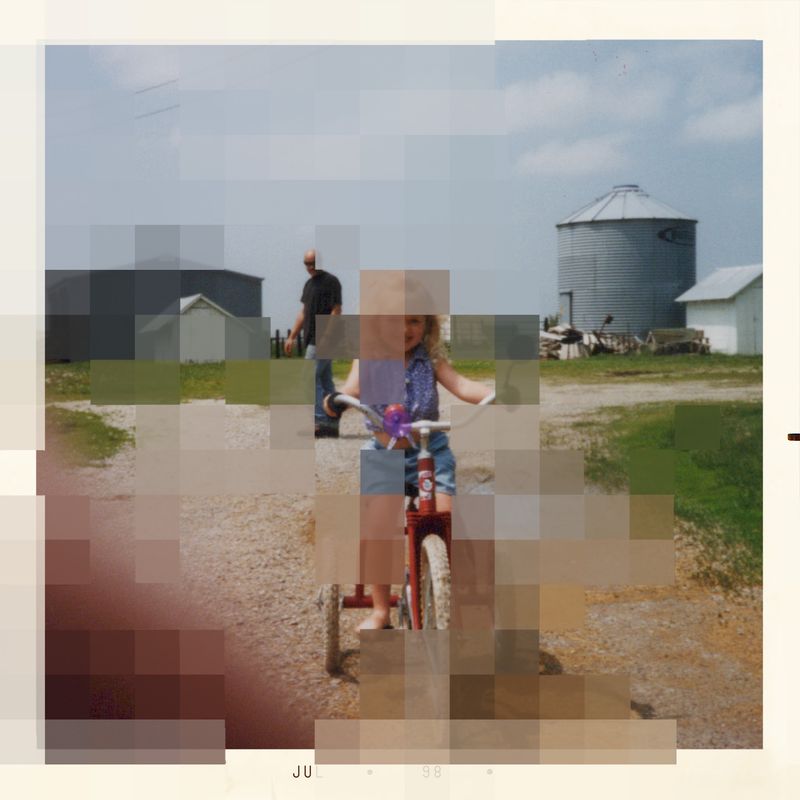
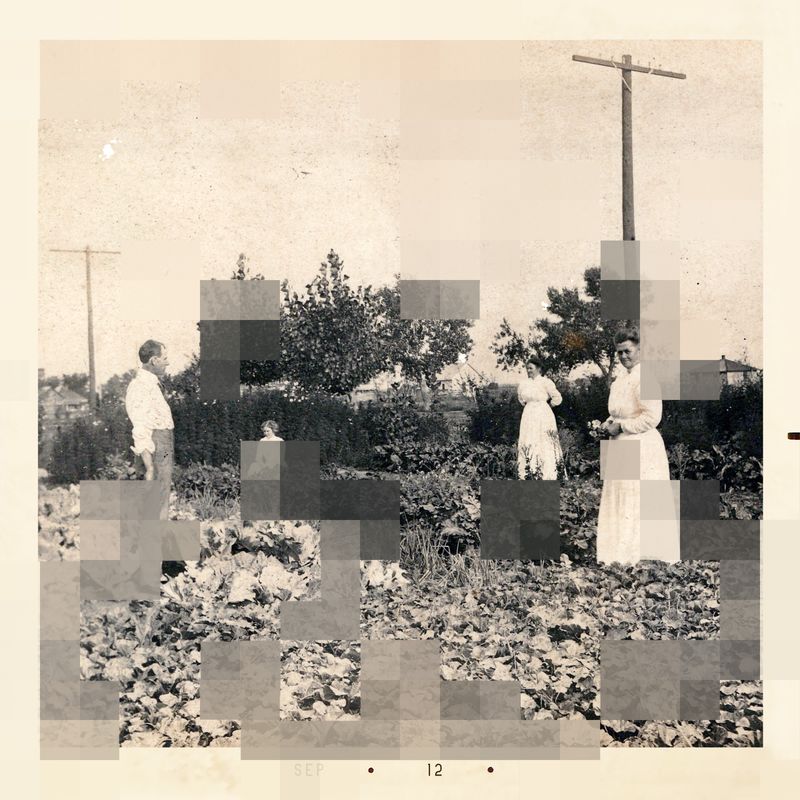
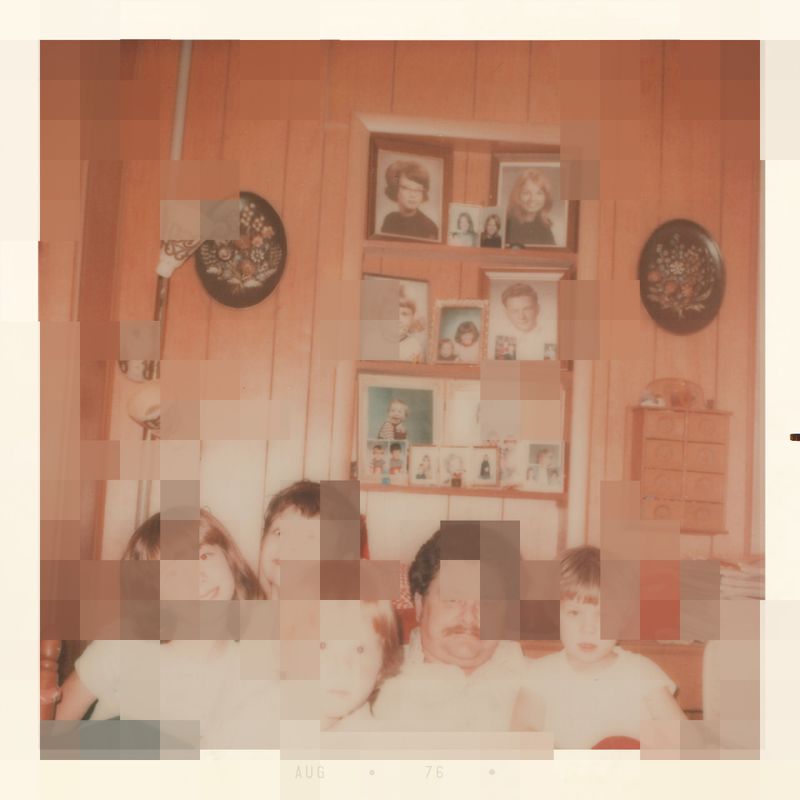
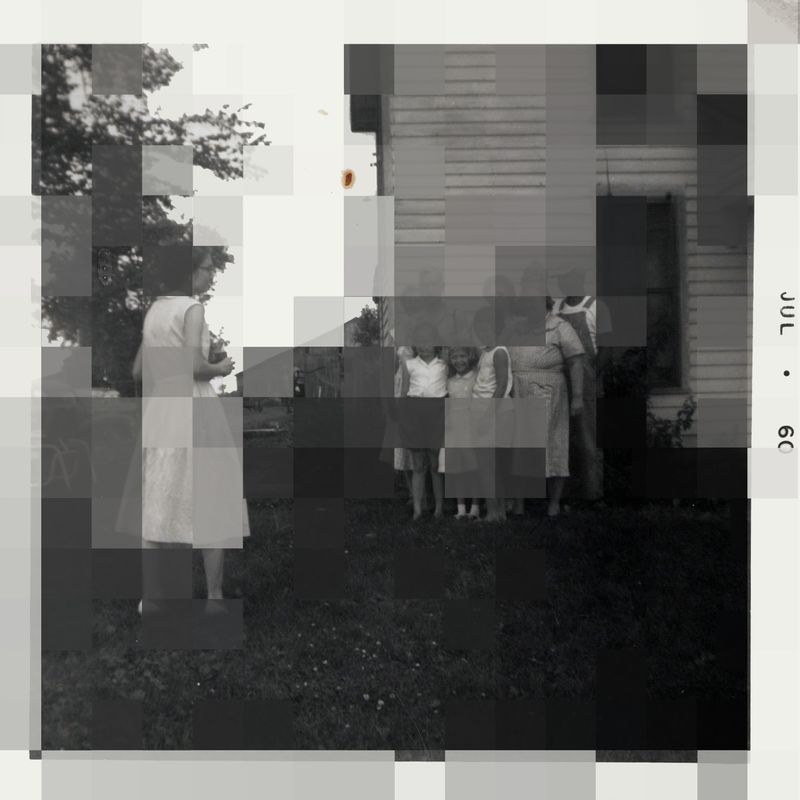
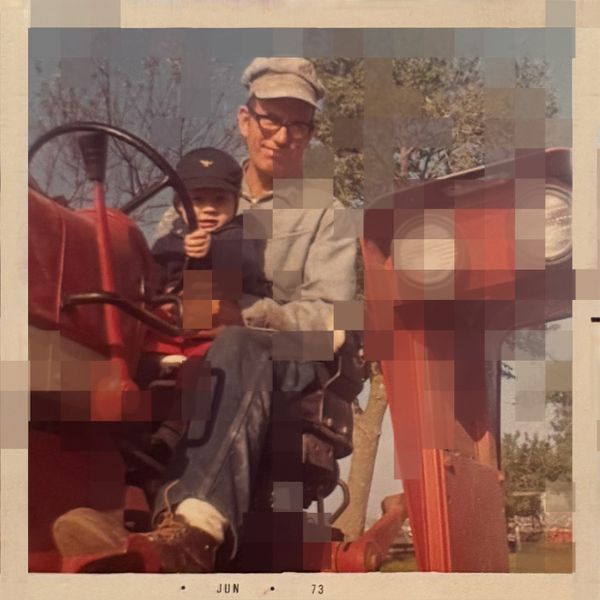
As a child, I remember spending time at the Farm. My great-grandparents kept a small family farm in Iowa where I would ride my bike down the dirt roads, “drive” the tractor, go fishing, listen to their player piano, watch the parade on Thanksgiving, and explore the fields with my siblings. A few of those memories may not belong to me but might belong to my father or grandmother from their childhoods at the Farm, yet each holds a visual in my mind.
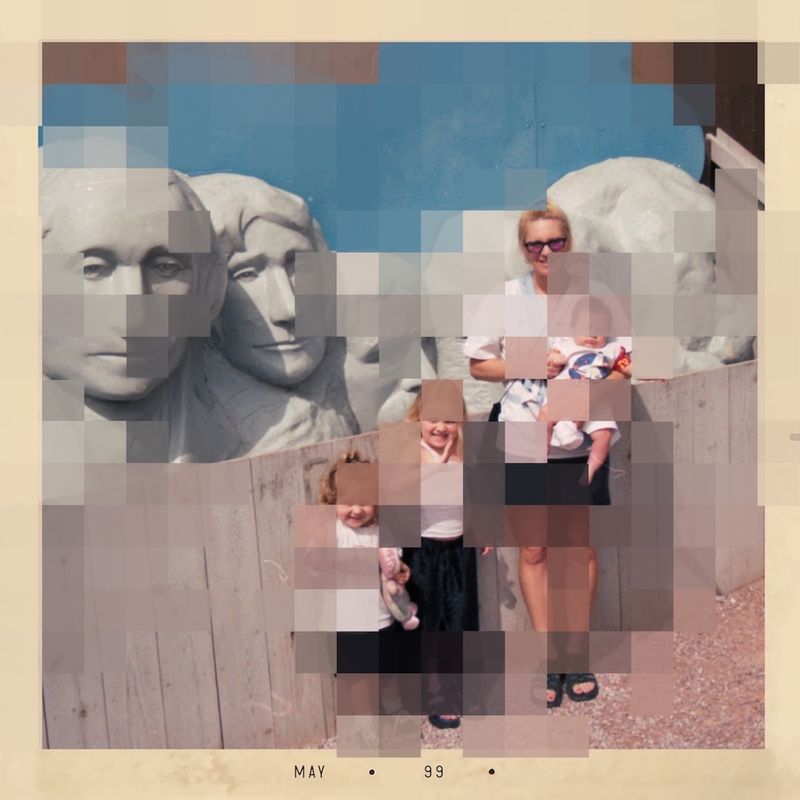
Each time we access a memory, we rewrite the moment. The very act of remembering alters the facts. This process, called reconsolidation, makes the image a bit more blurry and malleable, a retelling of the last time we shared the memory. This uncertainty lies at the center of the specifics might be vague, an ongoing photographic project that examines the relationship between memory, archives, and truth. My project uses photography to investigate this instability and asks a series of interconnected questions: How does memory change over time? What role do photographs play in shaping those changes? And in an era increasingly defined by digital manipulation and artificial intelligence, how do we determine what is authentic?
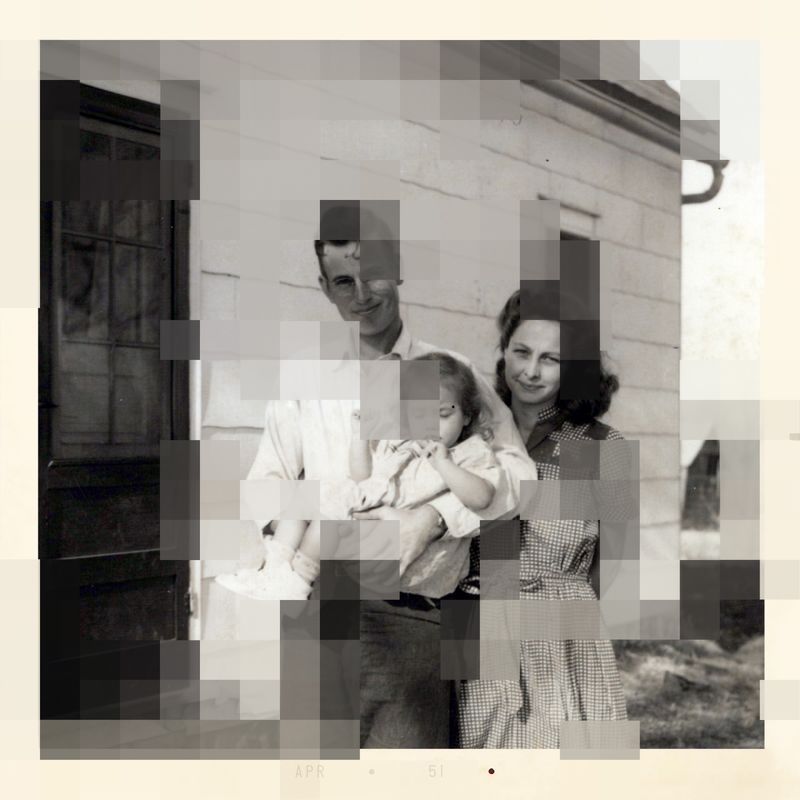
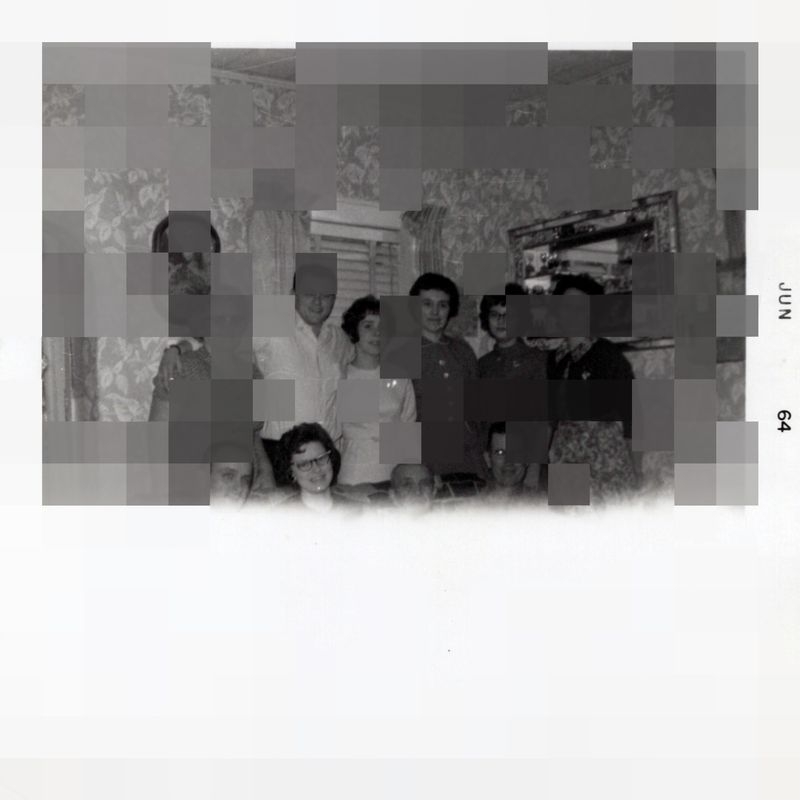
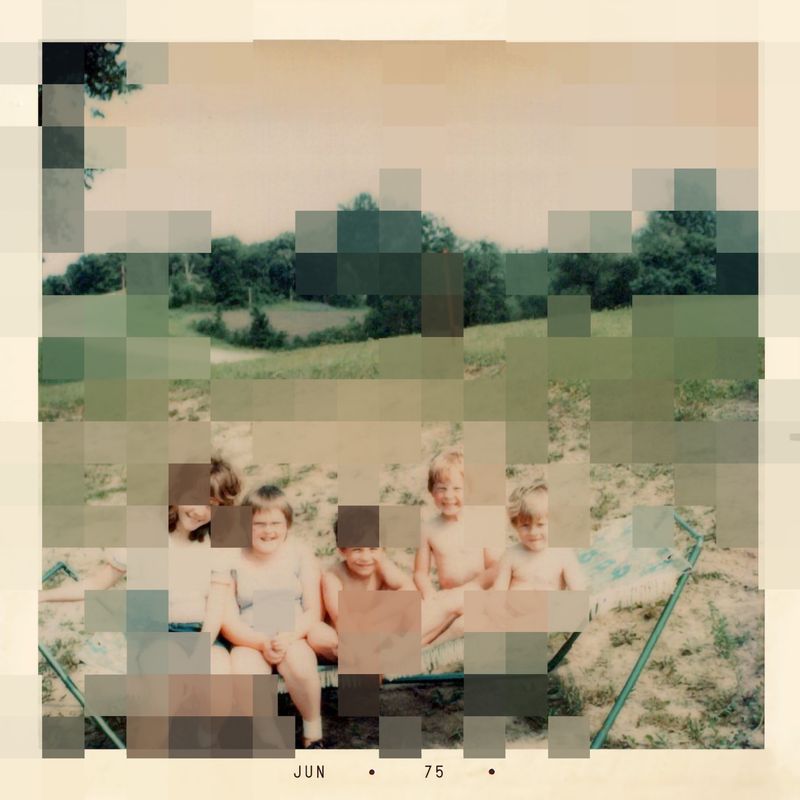
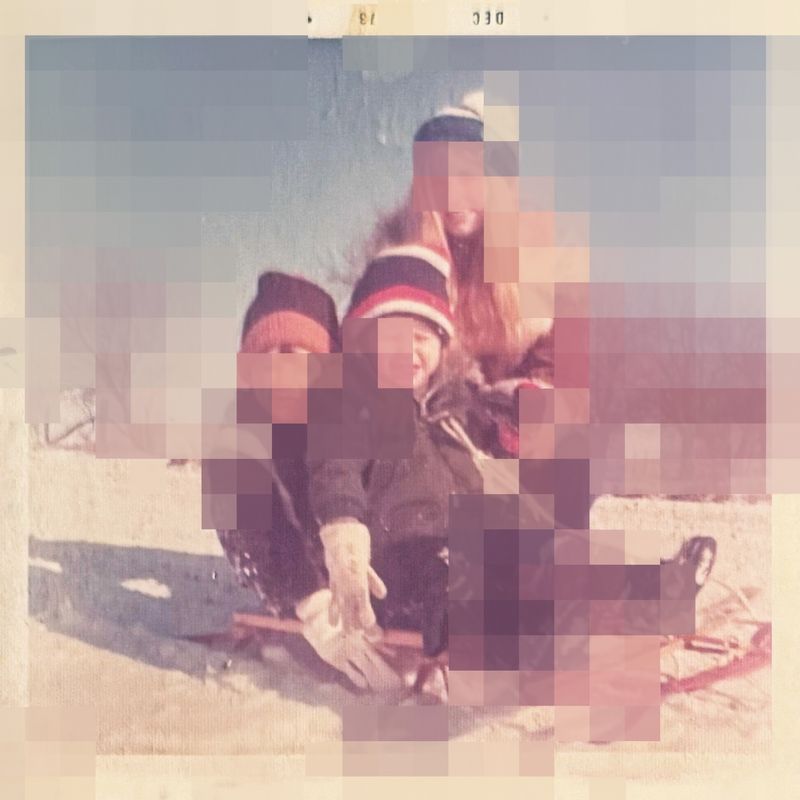
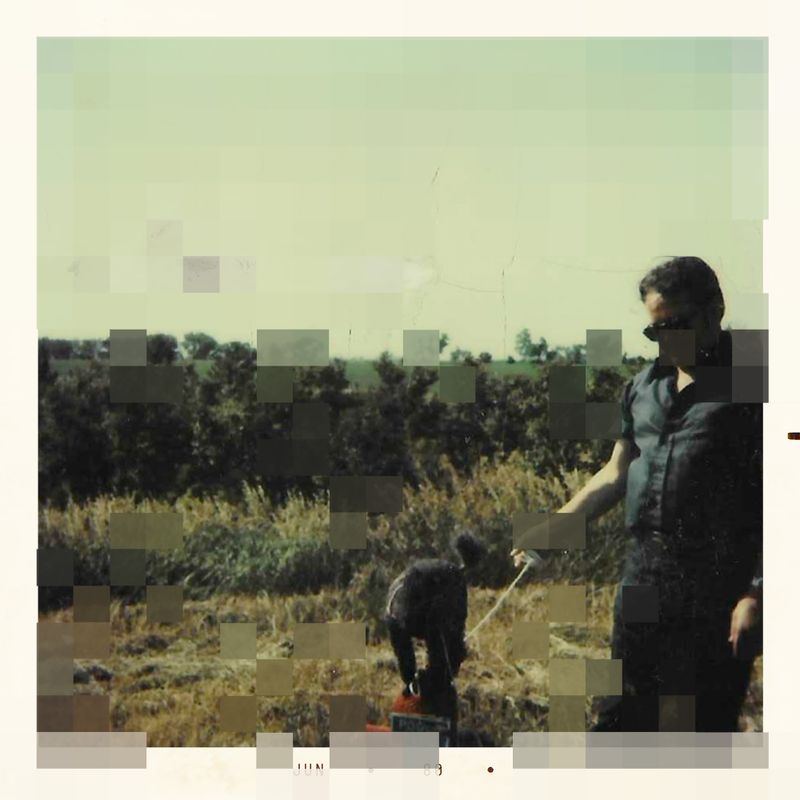
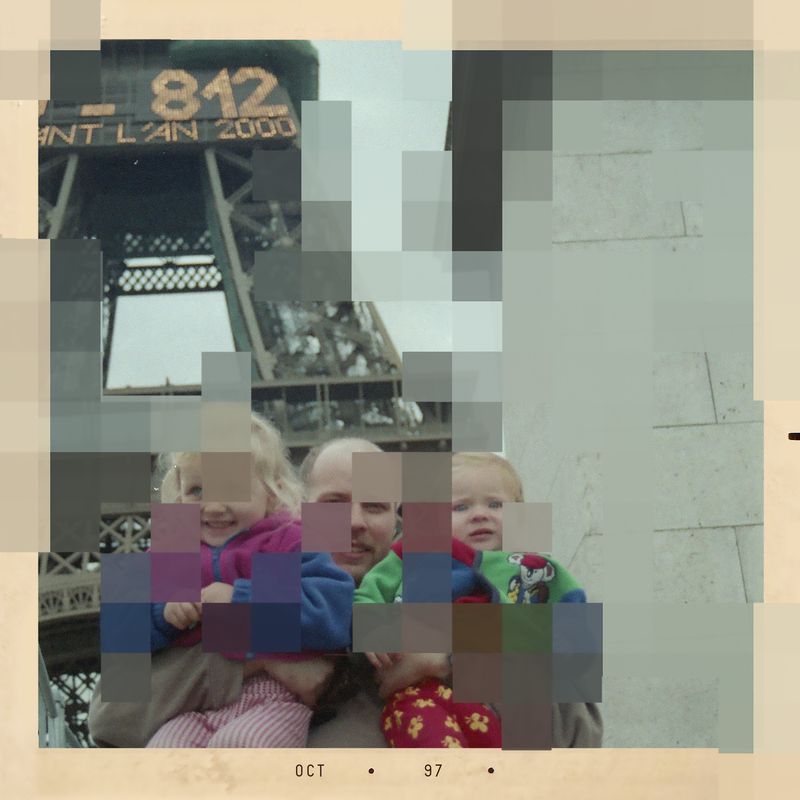
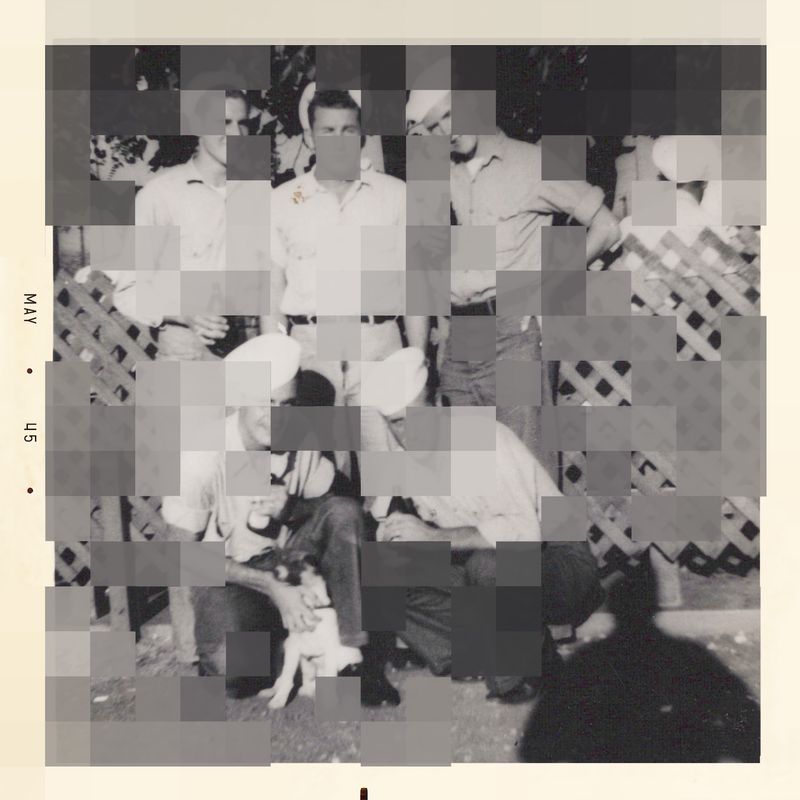
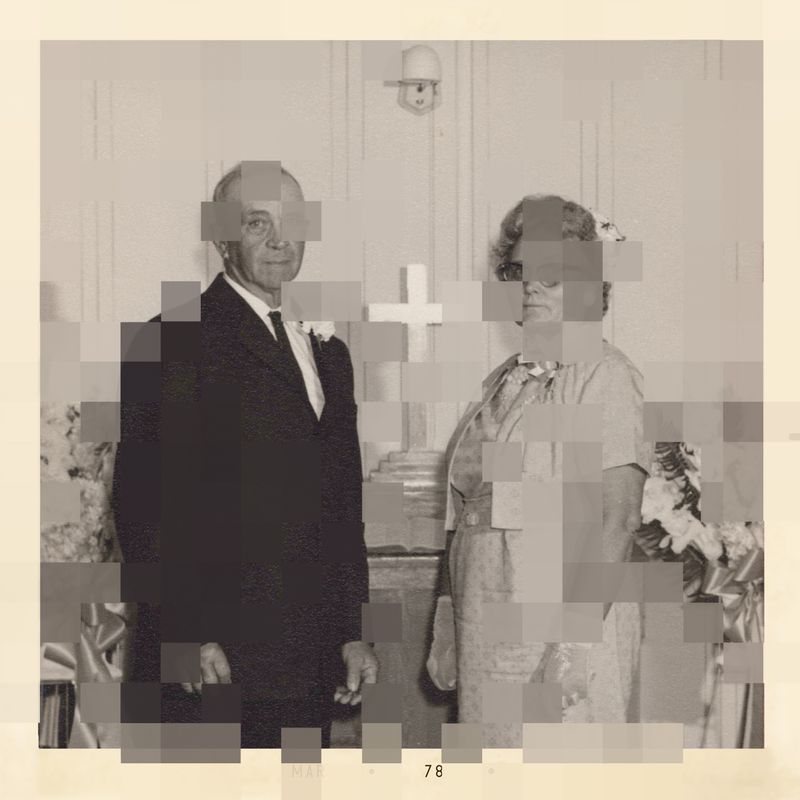
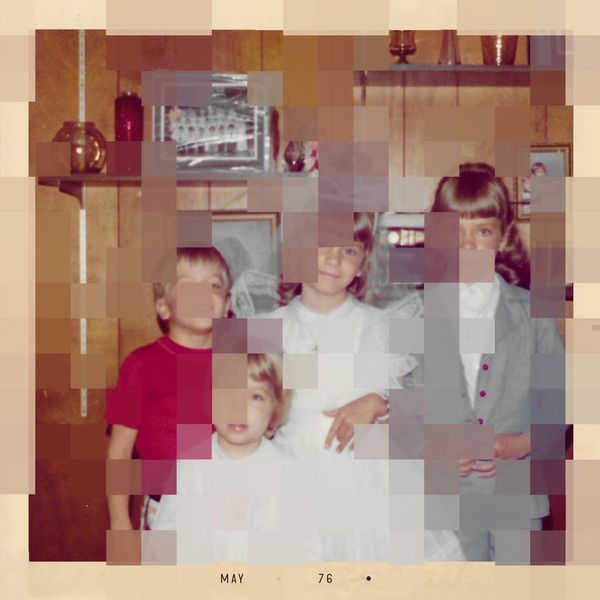
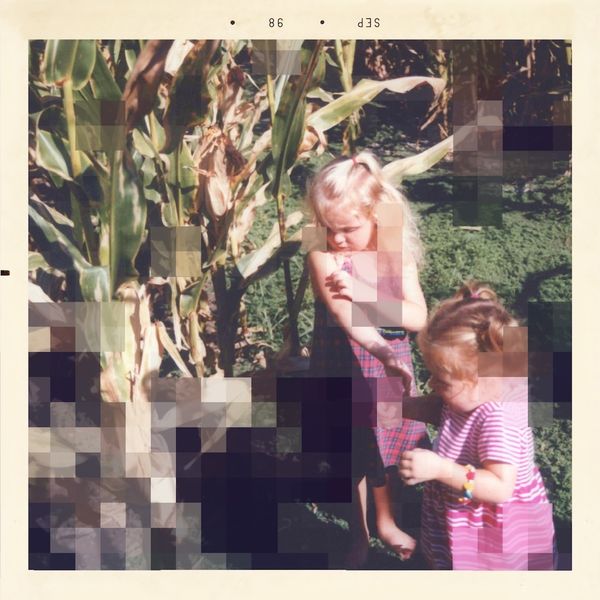
Truth and authenticity have always been entangled with photography. The photographer both conceals and reveals, curating the images of our lives. Family albums hold defining moments of our lives, like birthdays, graduations, and weddings. Images spark memories and stories, overwriting the truth we may seek. With the increasing ease in the use of artificial intelligence and digital manipulation, images help create your desired, synthetic memory. Using analog photographs from my family archive, I re-record them as digital files and pixelate each image by hand, blurring some areas while others remain visible, shaping the image into a new narrative. This process mirrors the reconsolidation process, altering the image and memory each time. Some become more abstract than others, with moments I can no longer grasp in my head, while others don’t belong to me at all; but the time spent with these images gives them new life.
the specifics might be vague began as a way to better understand my great grandmother’s life. After she passed at one hundred and two years old, we lost thousands of stories but gained over a lifetime of images. From enduring the Great Depression, to losing her first husband during World War II, to raising three kids in rural Iowa, and later losing her second husband to a battle with cancer, her stories were always authentic. While rooted in the story of one family, the specifics might be vague addresses a shared contemporary condition. We are inundated with images daily but truth and memory are increasingly unstable. Memory is flexible and always changing; the only constant is the stories we tell ourselves.