The Last Watch

The aging crisis hits rural China as young people migrate, leaving elders behind. A Zhejiang village faces this, with most youth gone. The government seeks to revitalize through tourism, but the impact on elderly residents is uncertain.

Rural China is experiencing an unprecedented wave of ageing, with a massive exodus of young and middle-aged workers, leaving many villages facing a hollowing-out problem. The elderly people left behind face many challenges in life, and the social structure and cultural heritage of traditional villages have also been severely affected. 

Gao Ban Ling Jiao, a hamlet in Zhuji, City in eastern China’s Zhejiang province, is a microcosm of this wave. The villagers are all descendants of the Yu, so they are all related to each other for miles. Most of the young generations have left the village, leaving the elders to guard the land of their ancestors. They rely on couples to help each other or stand-alone, struggling to make ends meet in an ageing village. 

In the face of a growing ageing crisis, the Majian Town government is attempting to revitalize the village by developing tourism, including building resorts and opening agritourism businesses to attract outside visitors and create jobs. However, whether these initiatives can truly improve the lives of the elderly, especially those unable to participate in the tourism industry due to physical limitations or lack of skills, remains uncertain. 

So, can these initiatives address the plight of the ageing population? And how will the village’s transformation affect the lives of these elders? Through this in-depth fieldwork, this story will explore the answers to these questions and present an accurate and profound picture of ageing in rural China. 
© Zifan Zhang - Image from the The Last Watch photography project
i

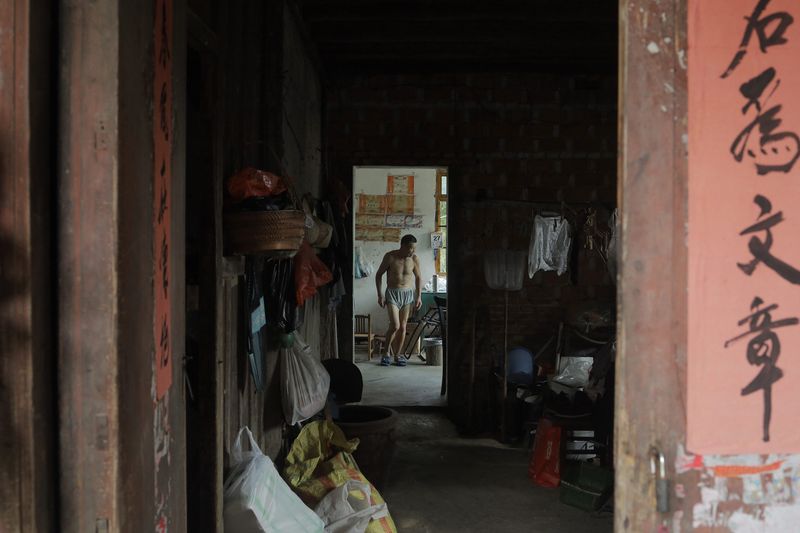
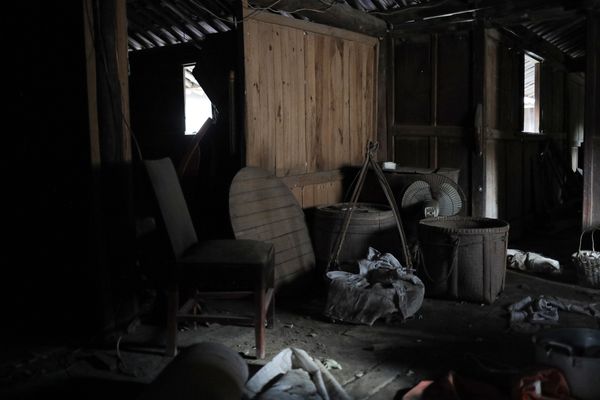
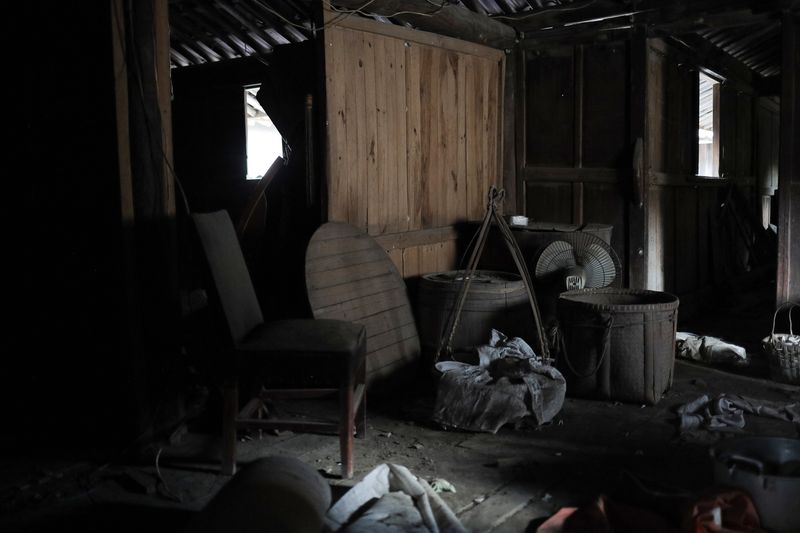
Households scattered all over the place in the oldest house in Gao Ban Ling Jiao, in Zhuji China, which has more than 100 years of history. Those residents in this house have either passed away or left for the city. This family had a history of catering for village banquets, so they had accumulated a large collection of spoons and bowls.

© Zifan Zhang - Image from the The Last Watch photography project
i

Yu Xueshun, 71, lives at his house with his wife in the village. The house built more than 80 years ago, even before the foundation of the PRC. A flood in the 1980s washed away some of the houses built in the same era.

© Zifan Zhang - Image from the The Last Watch photography project
i

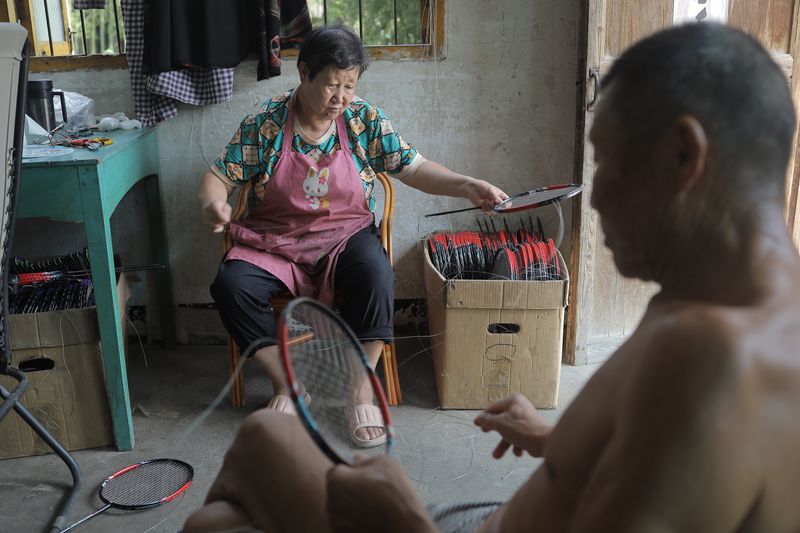
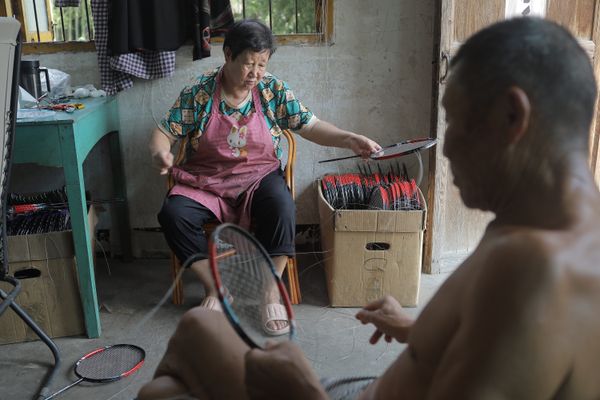
Tang Dongzhen, 66, and her husband, Yu Xueshun, assemble unfinished badminton rackets at their home in Gao Ban Ling Jiao, Zhuji, China. These rackets were shipped from the Fuyang Guanshan Badminton Court factory and were distributed directly to the villagers. The villagers can choose how many rackets to process based on their own pace.

© Zifan Zhang - Image from the The Last Watch photography project
i

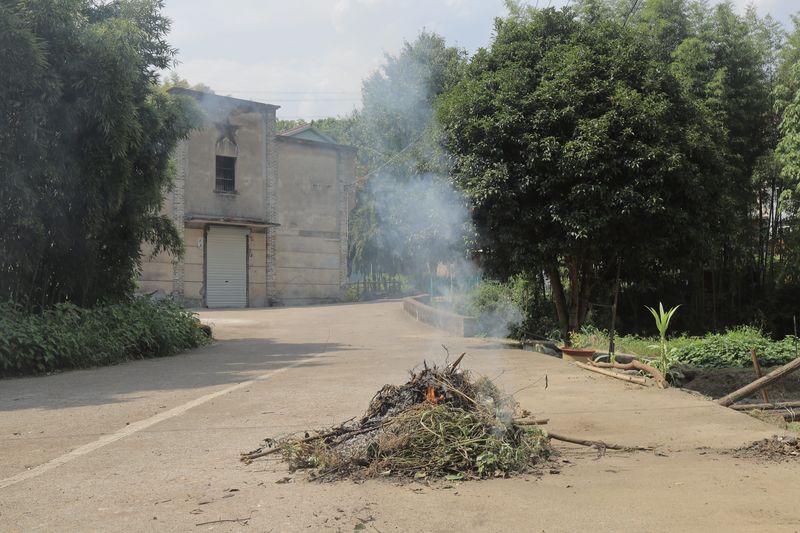
Villagers burn hay on the roadside in Gao Ban Ling Jiao in Zhuji, China. Ashes can be used as soil fertilizer for farming. The hay is usually corn stalks. The house behine is the village community center, where weddings, funerals, and festivals were once held. It’s rarely used nowadays.

© Zifan Zhang - Image from the The Last Watch photography project
i

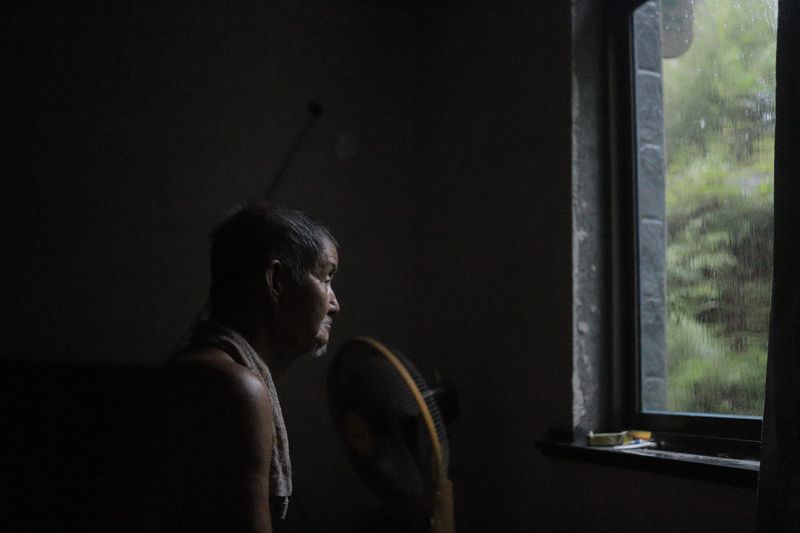
Yu Zhangfu, 84, deaf and mute, looks outside the window on a rainy day in his room in Zhuji, China. He is unmarried for life and lives alone in this village. Due to his inability to hear and speak, he grew up largely alone. His close relatives communicate with him in a unique sign language that they created since childhood.

© Zifan Zhang - Yu Zhangfu’s broken watch in a basket at home.
i

Yu Zhangfu’s broken watch in a basket at home.

© Zifan Zhang - Image from the The Last Watch photography project
i

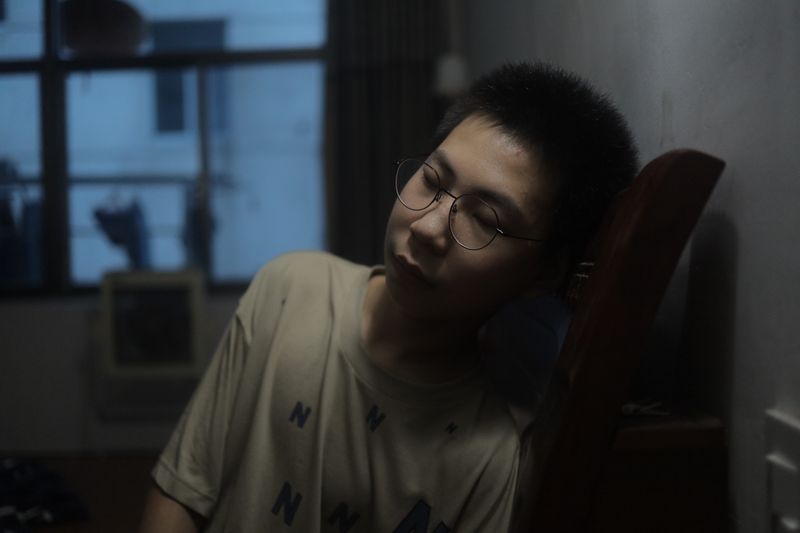
Chengcong Yu, 13, lies on the bed headboard. “I might don’t wanna go out of this town, because I’m an introverted person, and I’m afraid that I cannot make friends and get along well with them.”

© Zifan Zhang - Image from the The Last Watch photography project
i

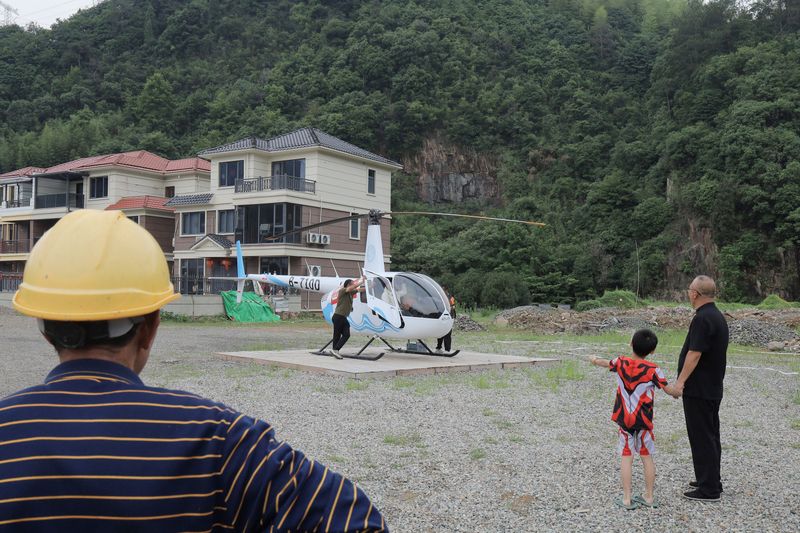
People stop to watch the helicopter rides, which are one of the entertainment facilities in the village in Gao Ban Ling Jiao in Zhuji, China.

© Zifan Zhang - Image from the The Last Watch photography project
i

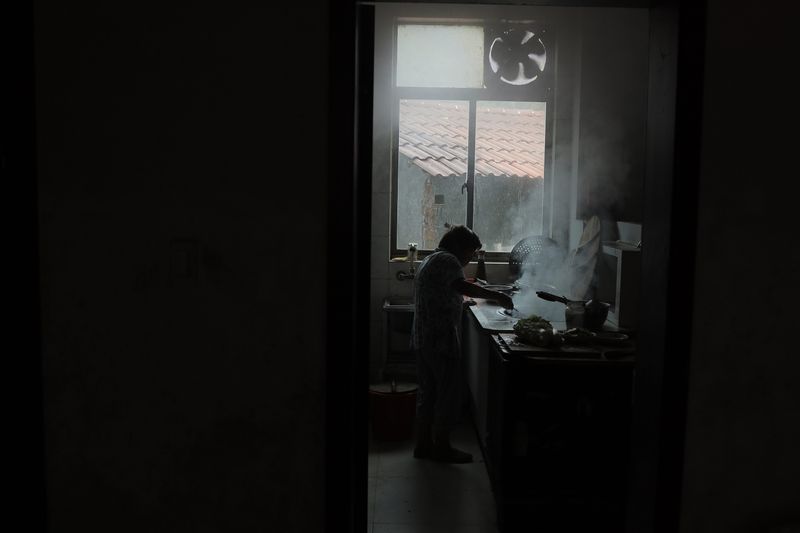
Tang Hezhen cooks at home, Zhuji, China. In the village, people still use firewood to cook. She spent her entire life in this rural village. For her, the land is the most precious thing in her life. It provides her with crops and sustains her. She fully understands why her children want to go to the big city: “Hangzhou is a good place. People there don't need to farm.”

© Zifan Zhang - Image from the The Last Watch photography project
i

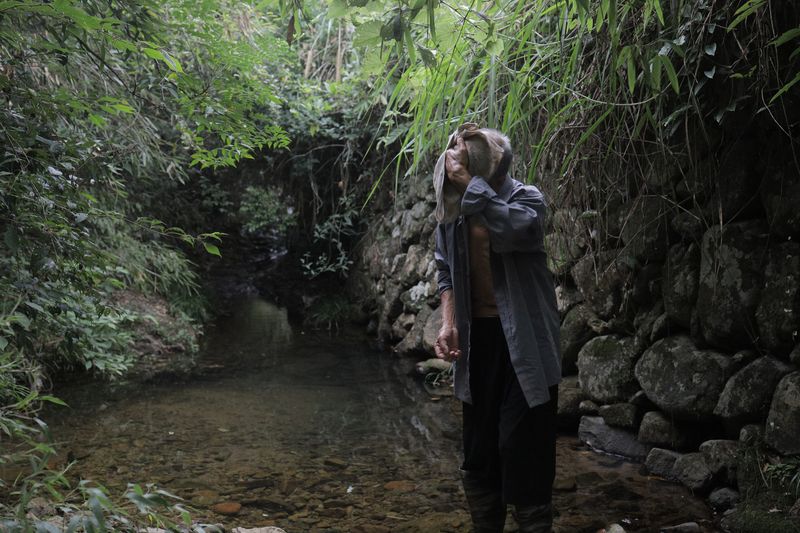
Yu Zhangfu washes his head after taking a shower in the river in Zhuji, China. It's a common practice in this village in the summer.

© Zifan Zhang - Image from the The Last Watch photography project
i

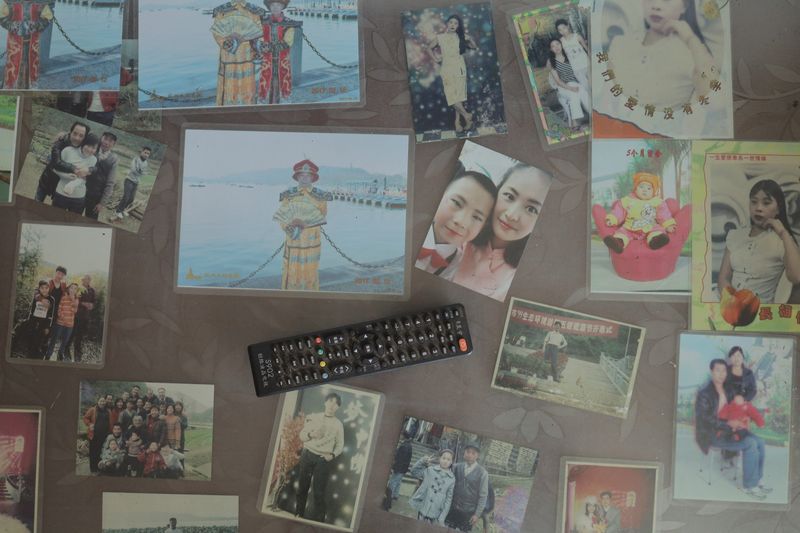
Yu’s family photos on the TV table at Yu Rongsheng’s home in Zhuji, China. Most of the people in the photos are not in the village anymore.

© Zifan Zhang - Image from the The Last Watch photography project
i

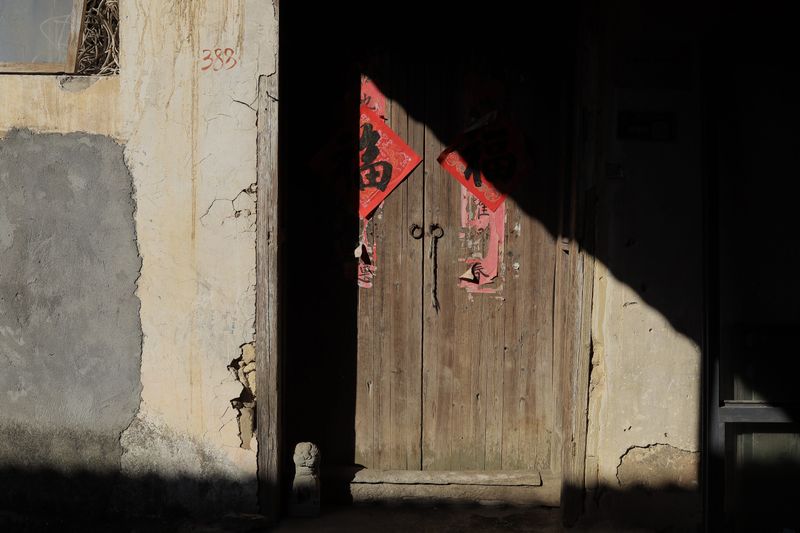
Two “fu” characters are pasted on one door of the village’s oldest house, now abandoned. In Chinese culture, the character “福” (fú), meaning “good fortune,” is considered auspicious and is often displayed on doors, windows, and other prominent places.

The Last Watch by Zifan Zhang

Prev Next Close