The Last Snowball
-
Dates2022 - 2024
-
Author
- Location Gryon, Switzerland
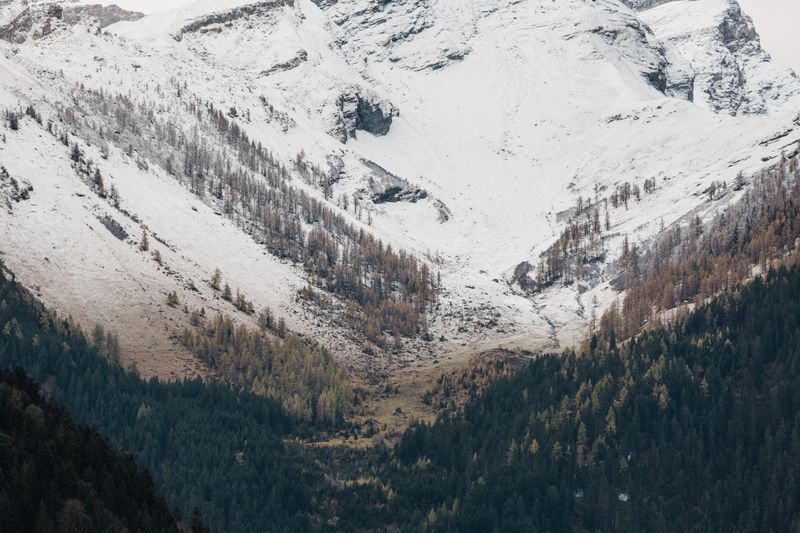
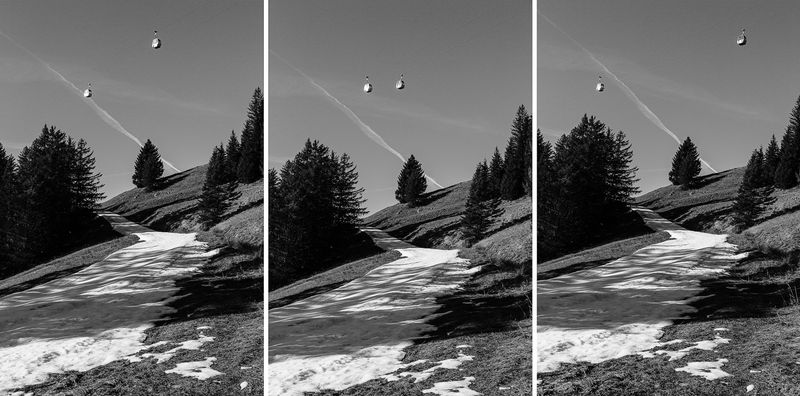
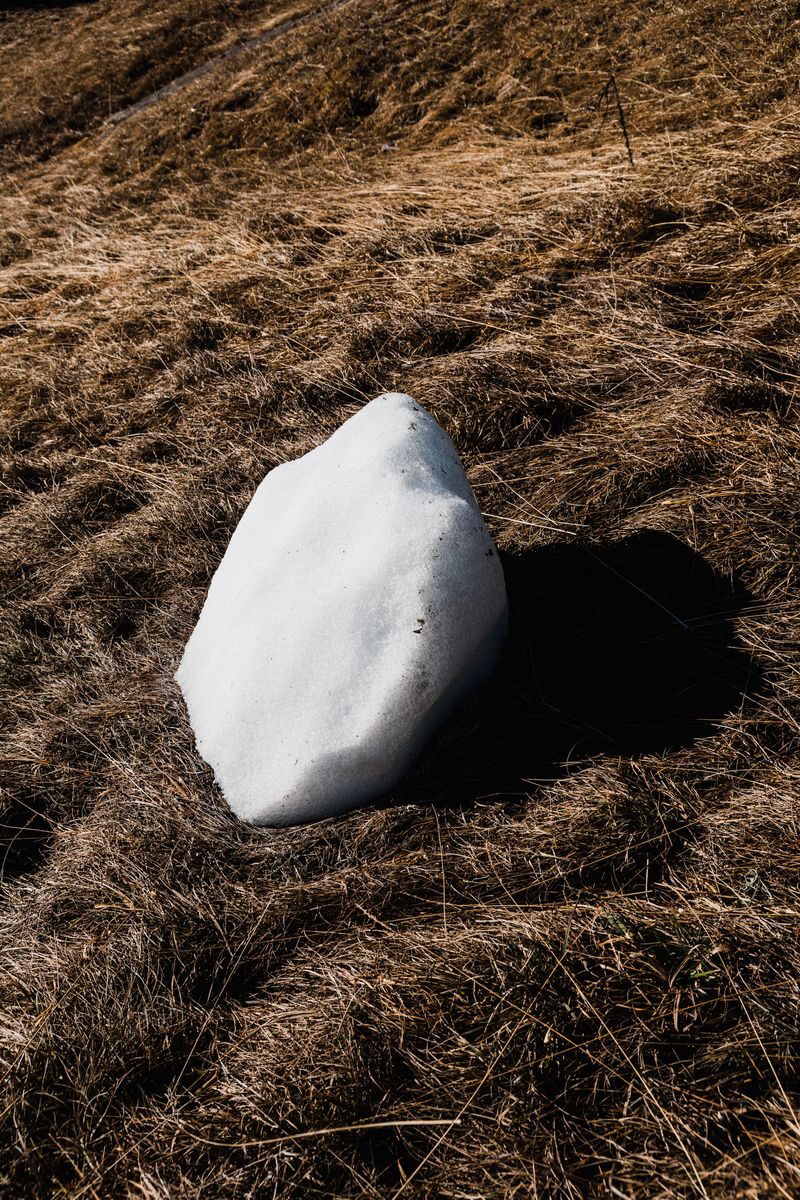
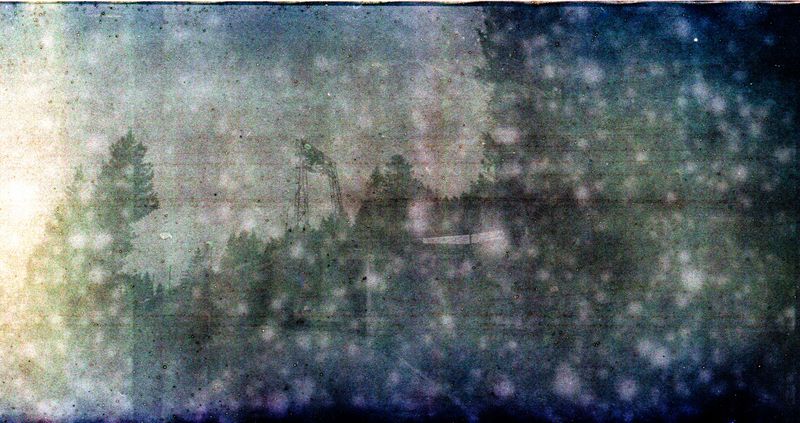
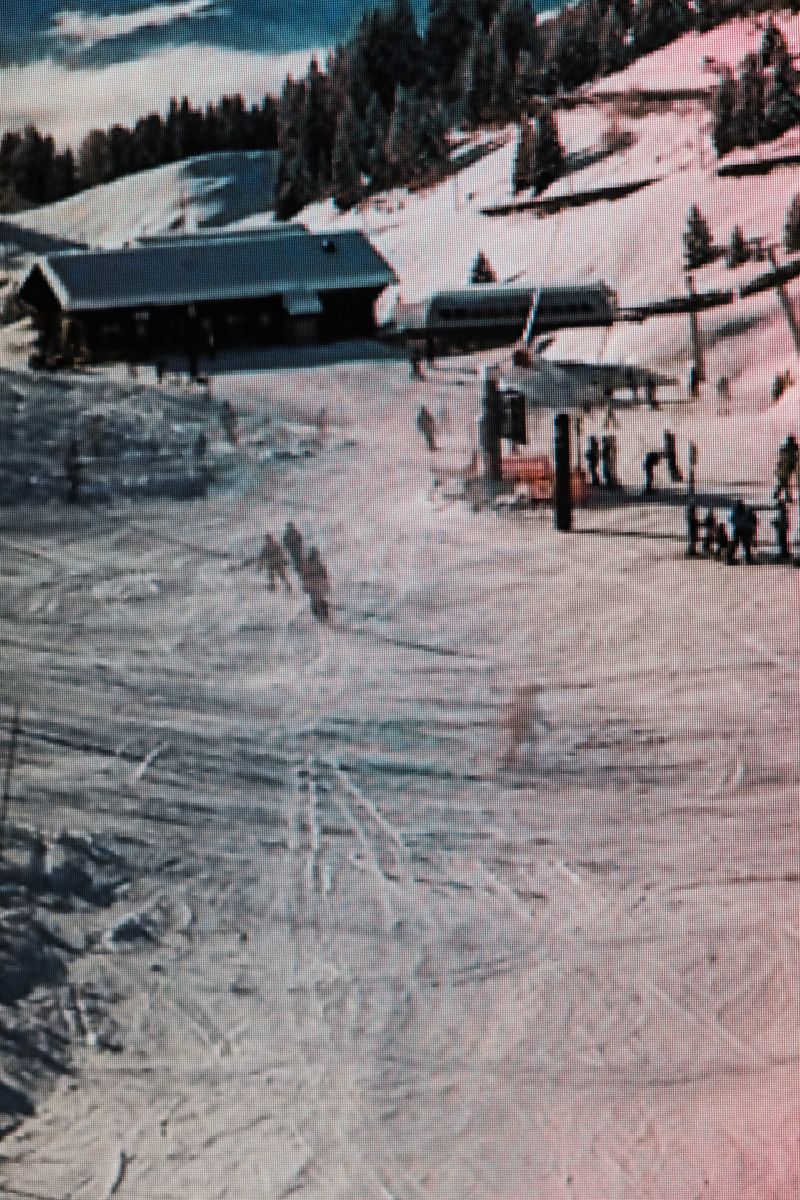
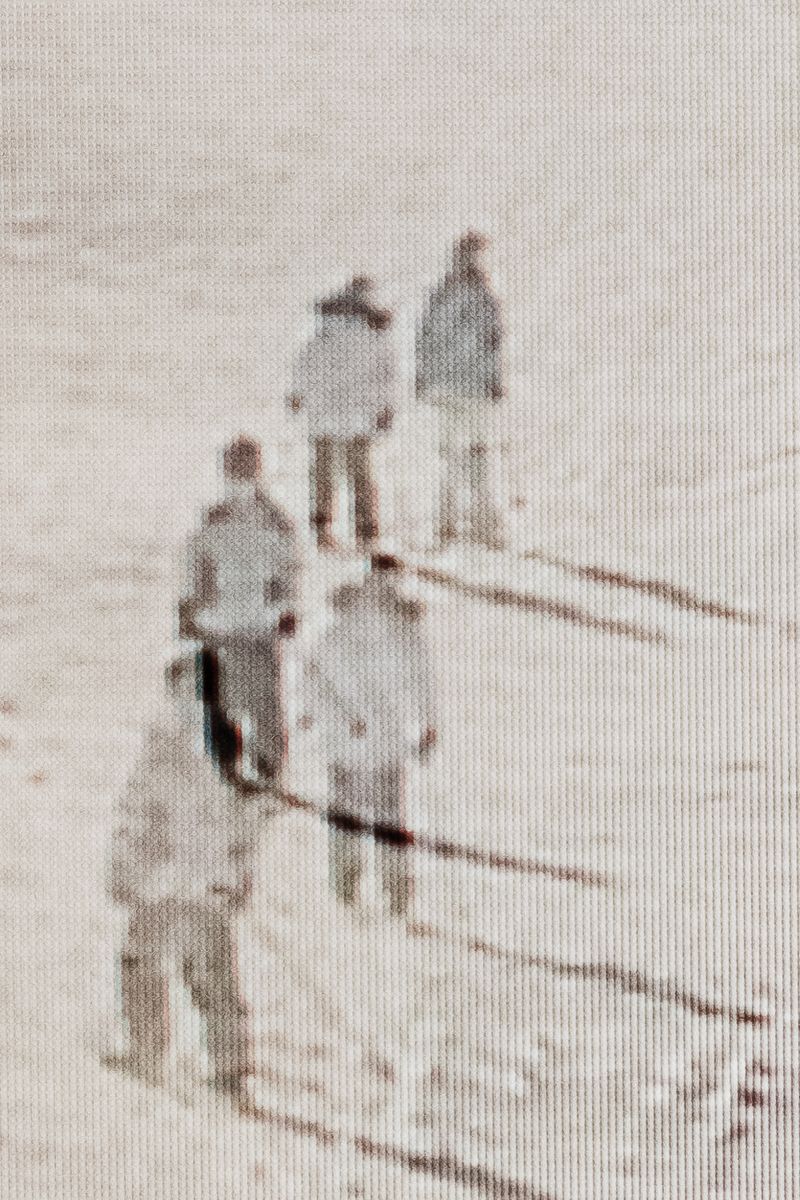
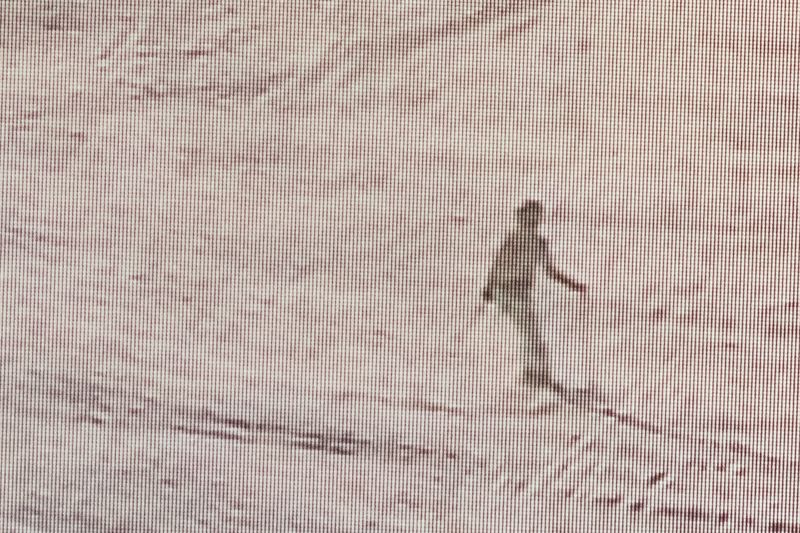
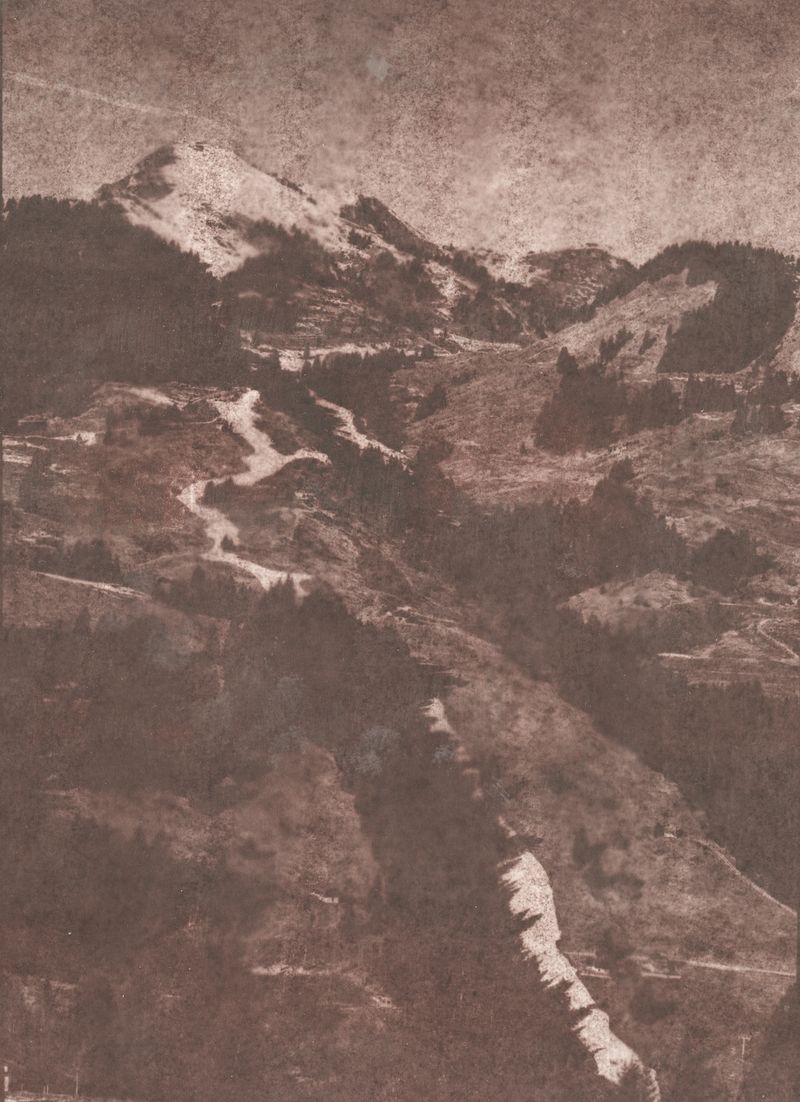
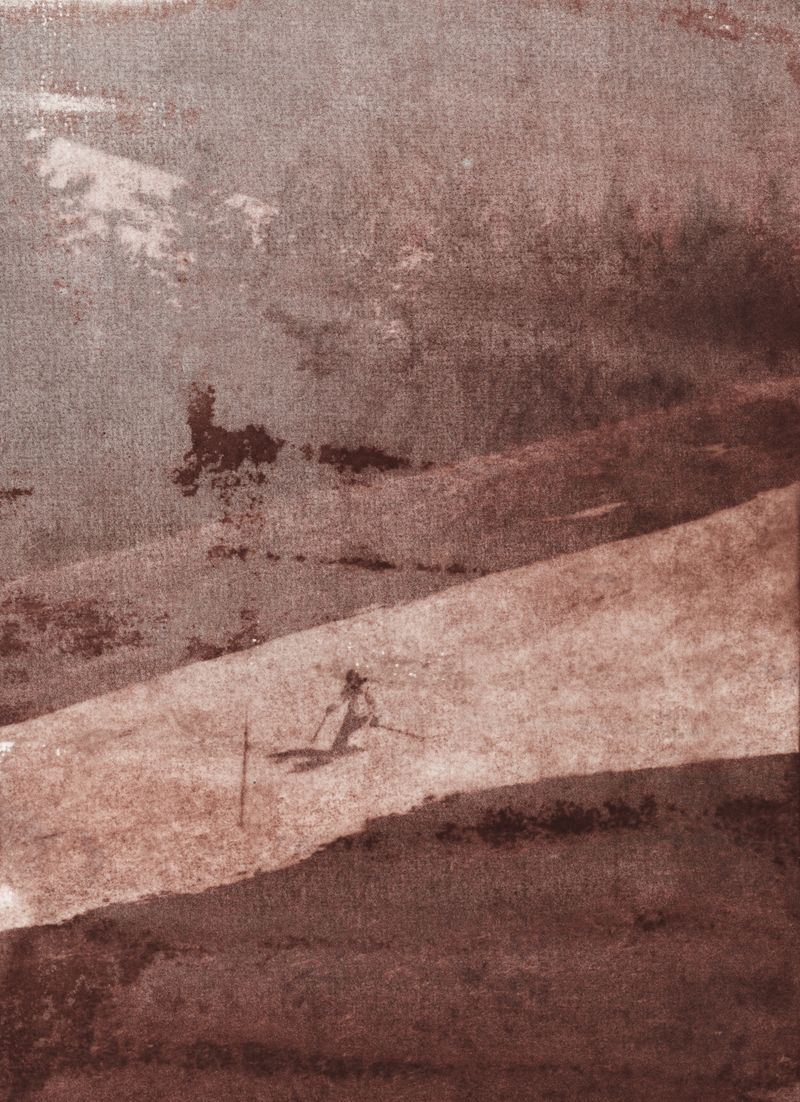
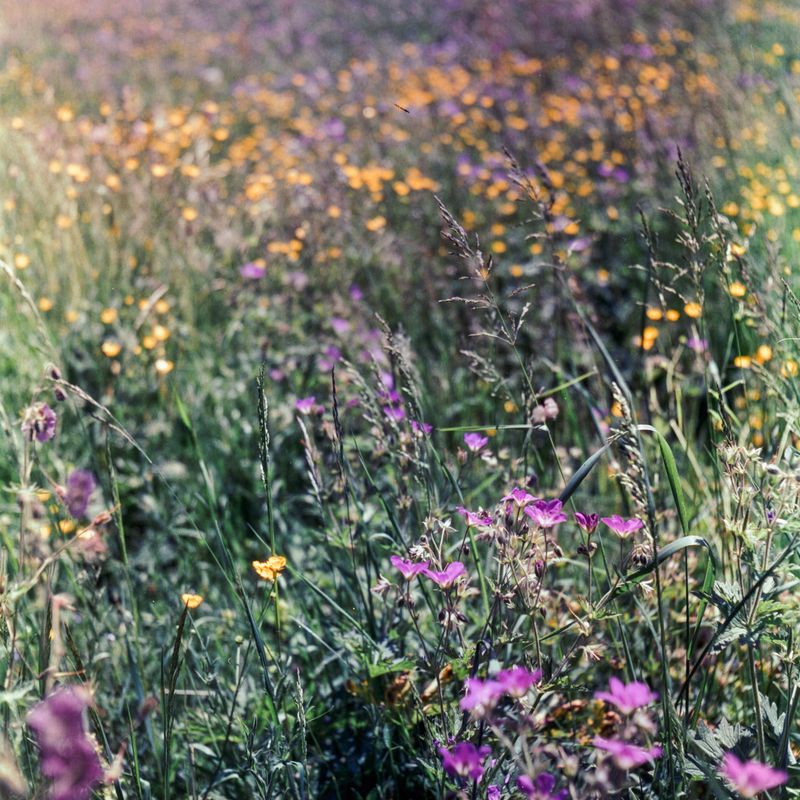
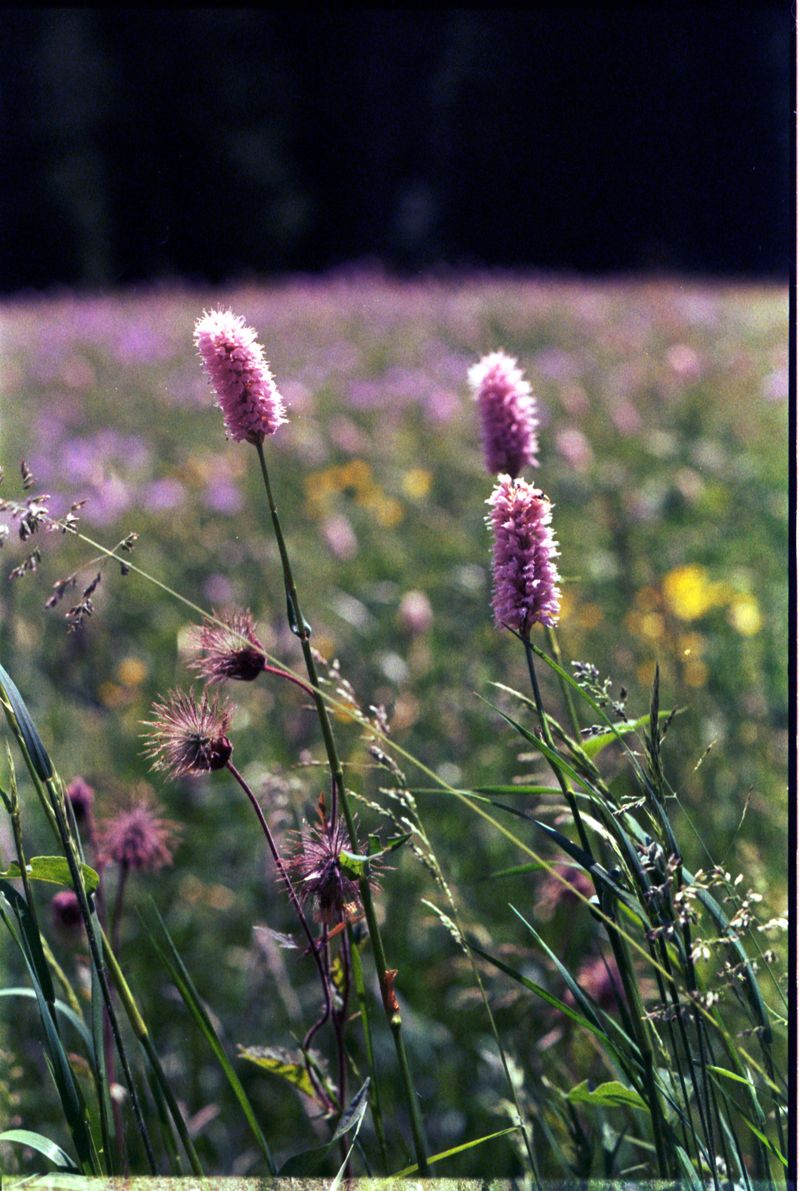
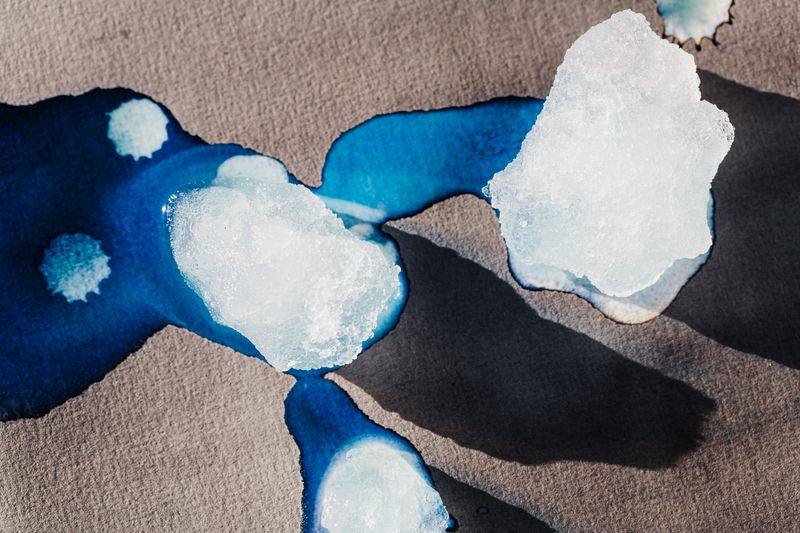
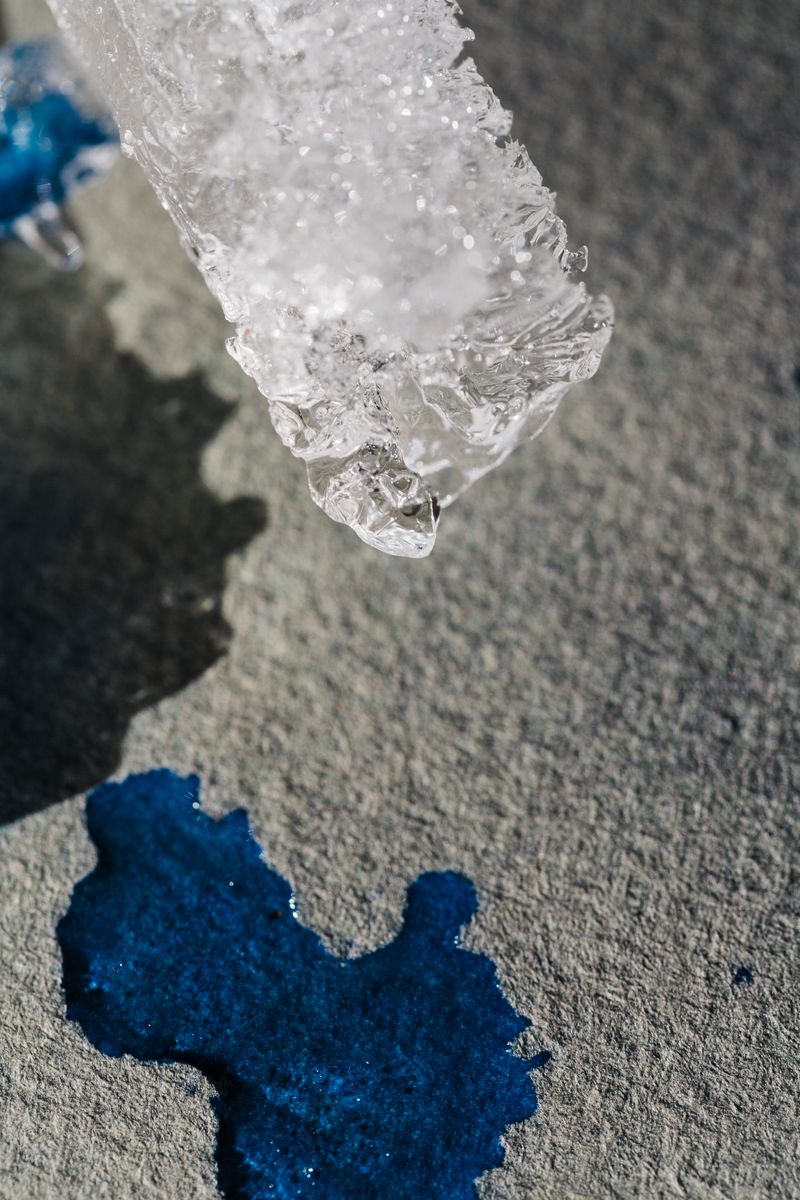
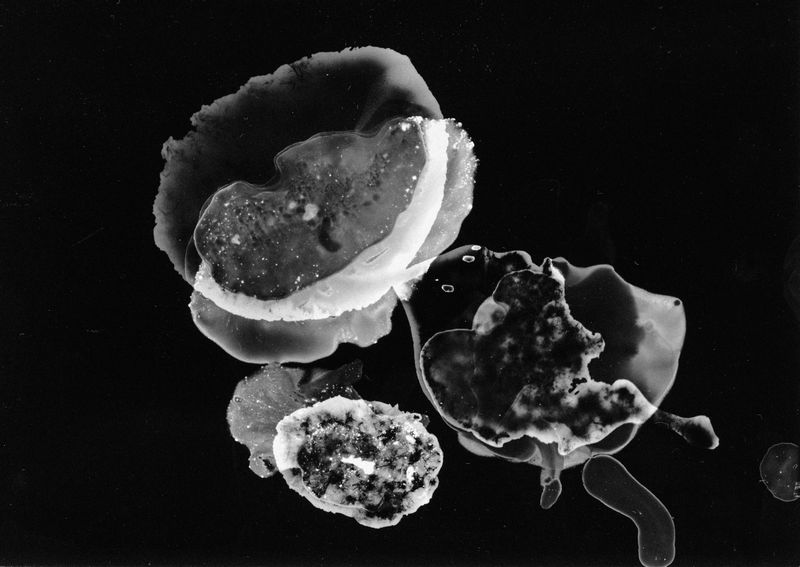
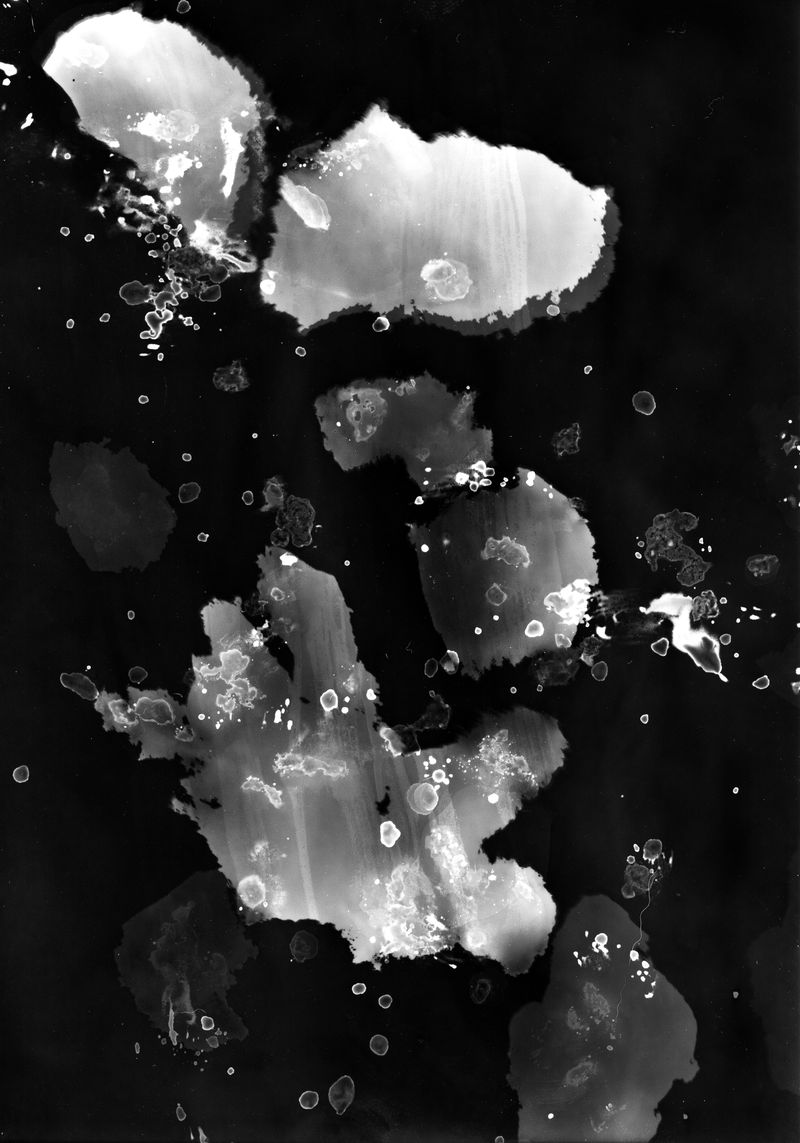
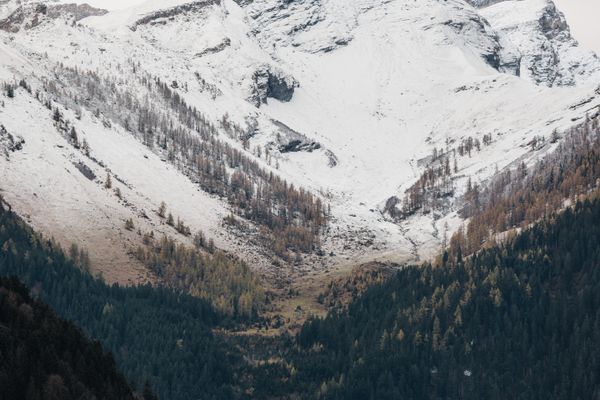
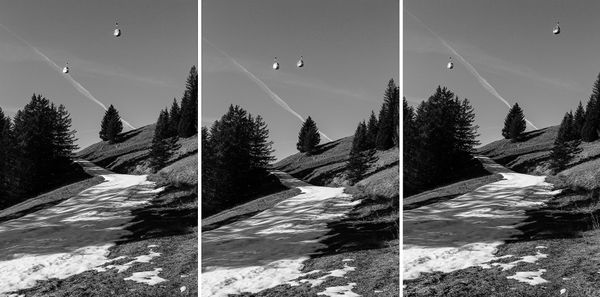
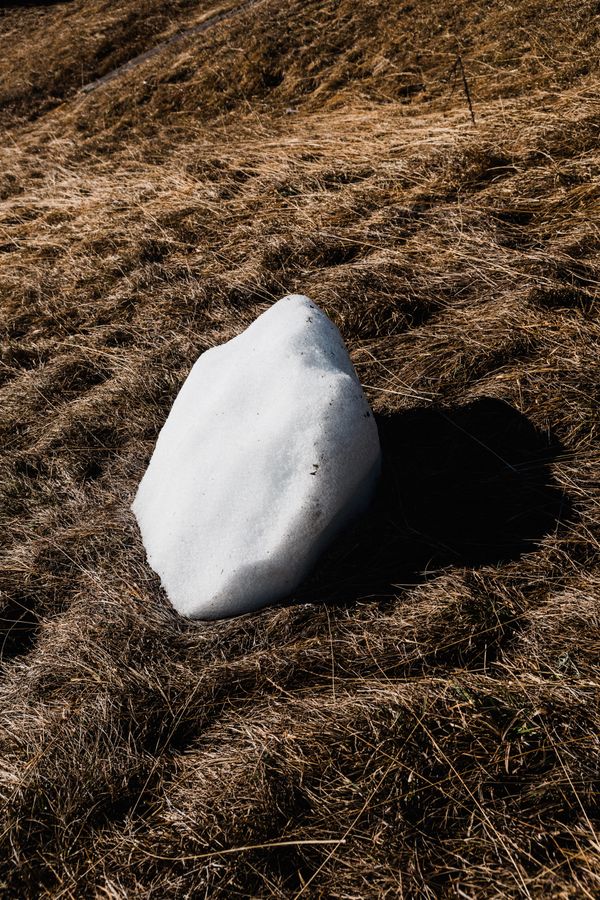
The Last Snowball takes the joyful image of a snowball and expands it to consider the effects of climate change on a Swiss Alpine environment. I combine experimental image processes to consider the challenges that climate change poses to the way we think.
The Last Snowball is influenced by New Materialism, and particularly the work of Karen Barad. It takes the premise that matter is active and has its own agency as a means to explore how this alternative way of thinking might help us make the changes needed to combat climate change. If we see matter as passive, then the world is a resource for our growth and pleasure. If matter has agency, then we are connected to it and how we use it has consequences for human life too.
Both Karen Barad and Donna Haraway suggest that viewing reality through a diffraction grating gives a more accurate representation of the extent of entanglement. A diffraction grating will take a beam of white light and split it into the seven colours which combine to make white. So, in this project do the different processes begin to consider the many aspects of connection involved in the relationship between humans and the mountain, between the photographic and the landscape.
Barad describes an apparatus as something that has the capacity to give meaning, to frame certain ideas or perspectives and exclude others, much like the lens of a camera. Choosing an apparatus means choosing a perspective. The Last Snowball looks to shared perspectives bringing different elements together to intra-act to frame the visual.
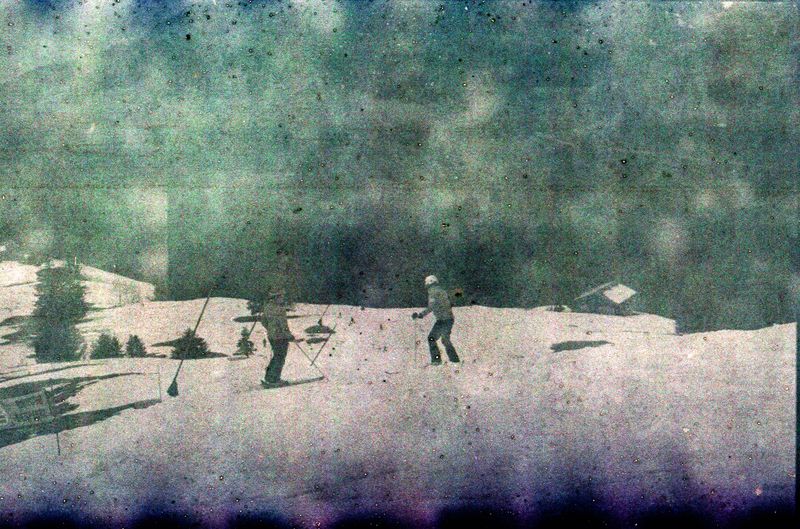
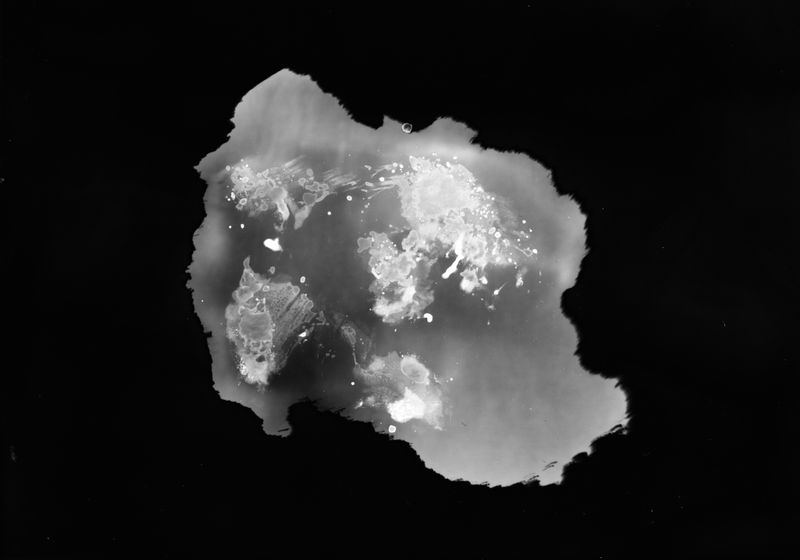
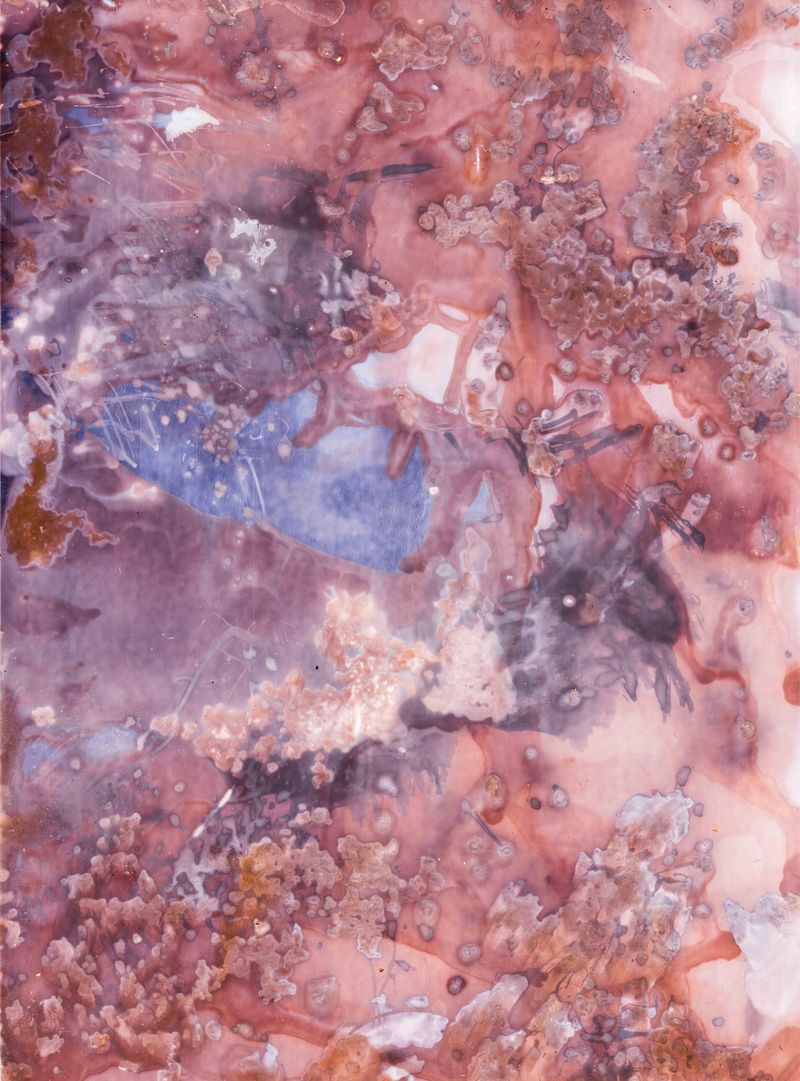
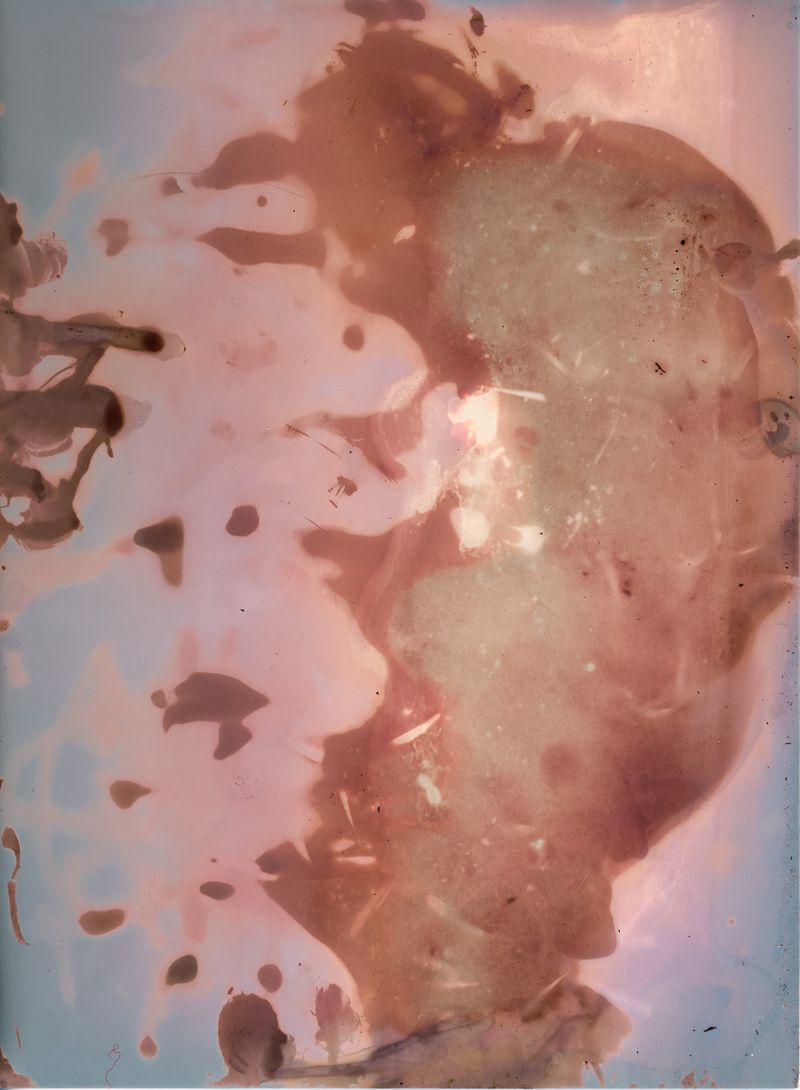
Intra-action acknowledges that we are all part of the same system—nature—and our encounters are meaningful. By creating photographic film developer with fir needles or introducing snowballs to different photosensitive materials, the project sets up the conditions needed for the human and more-than-human to intra-act. They enter dialogue with each other, opening our eyes to their dynamism. They allow us to listen for the response of the other.
This listening to the world is important for the times through which we are living. We are in a moment of transition where life as we know it is changing rapidly. The mountains are always prone to change with little warning but even here we can see the effects of a warming world. A part of the history of this region is disappearing, melting along with the snow. How we move forward, whether we cling to snow sports through the use of technology or invent new ways to take pleasure in the mountain is all down to the way we think about the problem. Are we ready to ‘relearn’ our being in the world as Ursula LeGuin says, to look through different eyes and listen to different voices.