The land of holes

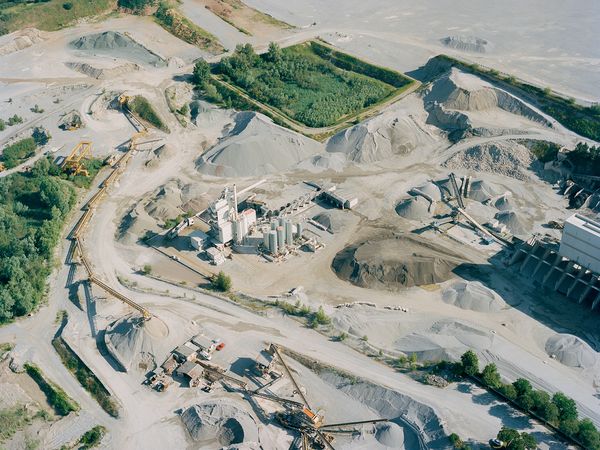
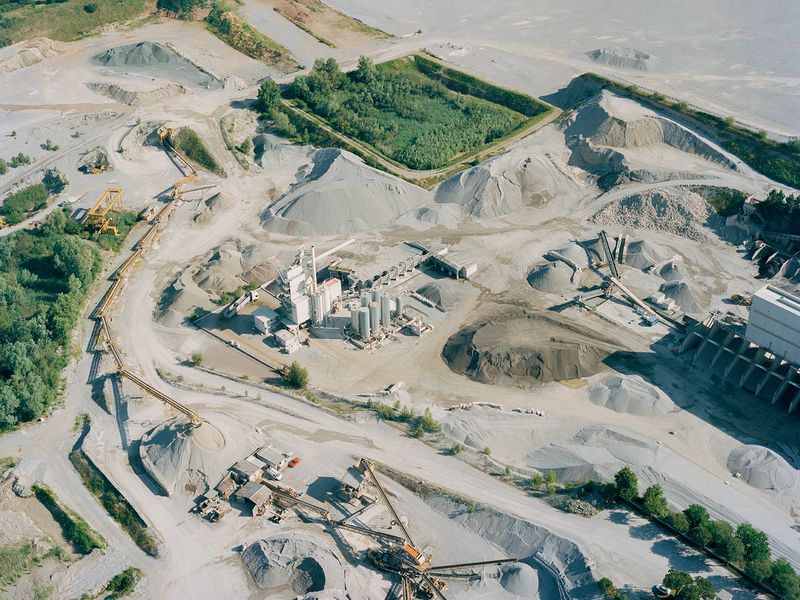
In the last hundred years the city of Brescia and its province have experienced an exceptional transformation and subsequent economic development, mostly thanks to the engineering and mining sectors (gravel, sand and marble) and it is to the latters’ quarries that we owe the name “land of holes”. Since the 1980’s the presence of these huge holes, ready to be filled, has been a major resource for the waste landfill business. The lack of laws regulating waste disposal, mafia infiltration and the search for maximum profit by industrialists have created a seemingly efficient economic system but with disastrous consequences for the territory and its inhabitants. The incidence of cancer and other pathologies is much higher here than in the rest of the country; the province boasts the presence of one of the largest incinerators in Europe, an enormous concentration of landfills, the highest number of radioactive sites and battery farms in Italy (there are more pigs than people) and one of the two widest and worst contaminations by PCB ever recorded in the world (the Caffaro case is still considered one of the worst environmental disasters in the Italian history). According to a study published by The Lancet Planetary Health journal in 2021, Brescia also ranks worst in Europe in fatalities related to fine particulate matter (PM 2.5). Over the past few months many studies have linked the exceptional spread and mortality rate of Covid-19 in this area to the pre-existing air contamination. Public committees and environmentalists, who are trying to fight these policies, have to face stiff opposition from institutions and the indifference of most of their fellow citizens. The province of Brescia concentrates an incredibly high number of environmentally critical issues in its territory and represents a significant example that helps to understand how the current development models are absolutely unsustainable and destructive for the environment and for the people.
© Mattia Marzorati - Image from the The land of holes photography project
i

Montichiari (BS), 13/06/2020. A mining area in Montichiari. The presence of these huge quarries that could be filled has given rise to the impressive waste business thus making Brescia a fundamental hub for countless legal and illegal waste trafficking activities. According to Fabio Cambielli, director of ARPA-Regional Agency for Environmental Protection, the municipality of Montichiari represents "a unique situation in Italy and probably in Europe because of the concentration of landfills". *All the aerial images were taken from a small plane with an analog camera.

© Mattia Marzorati - Image from the The land of holes photography project
i

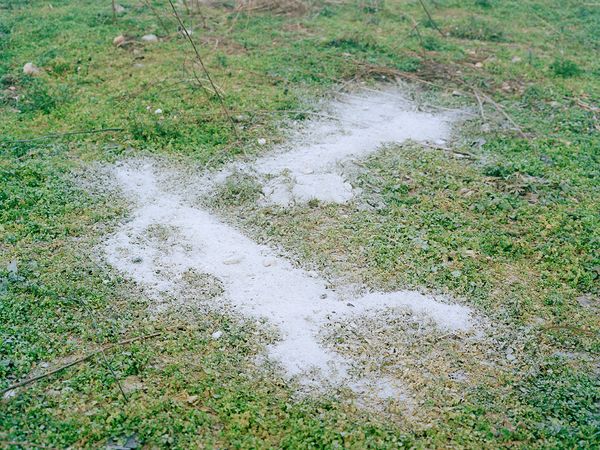
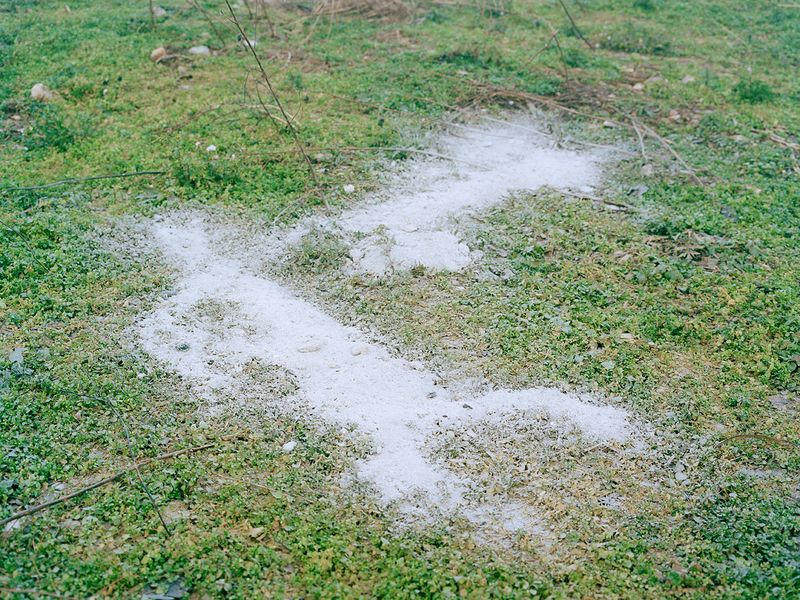
Vighizzolo (BS), 30/12/2019. Unidentified material scattered on a corn field a few meters from Gedit and Plurimetal landfills which contain special and hazardous waste. The inhabitants of the area regularly report irregularities in the transport and storage of waste, which is sometimes dispersed by the wind. In this area a much higher rate of tumors, respiratory diseases and premature births were recorded than in the rest of the province.

© Mattia Marzorati - Image from the The land of holes photography project
i

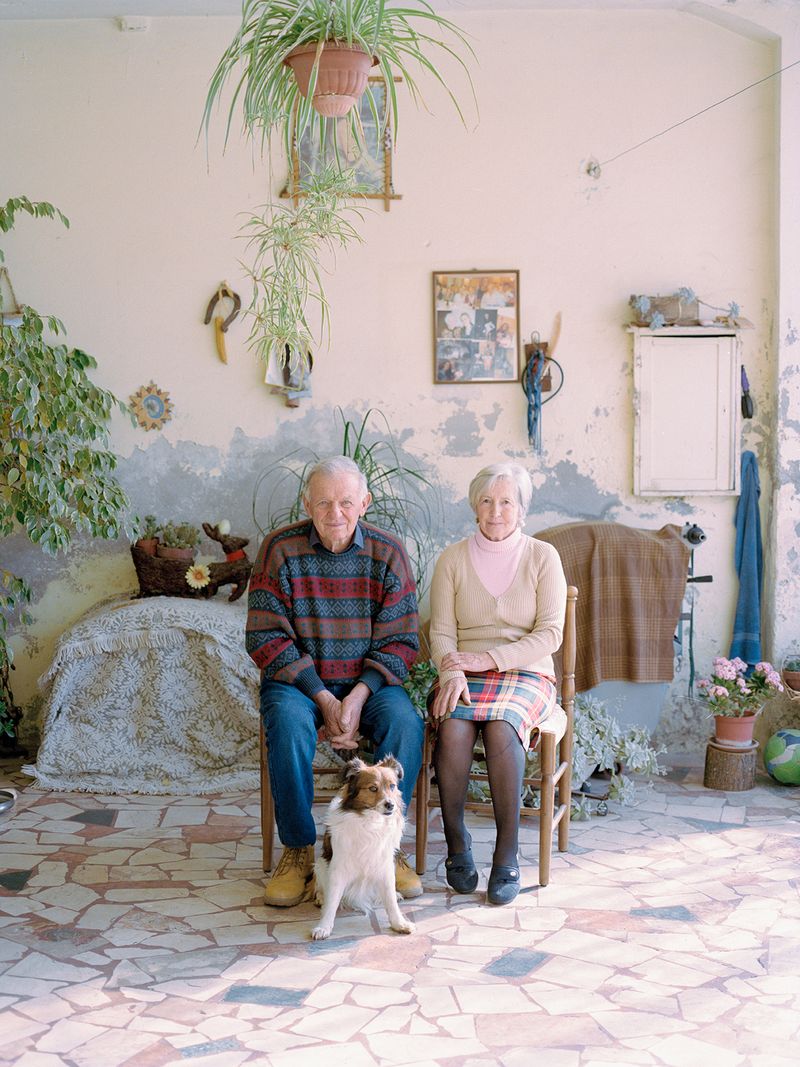
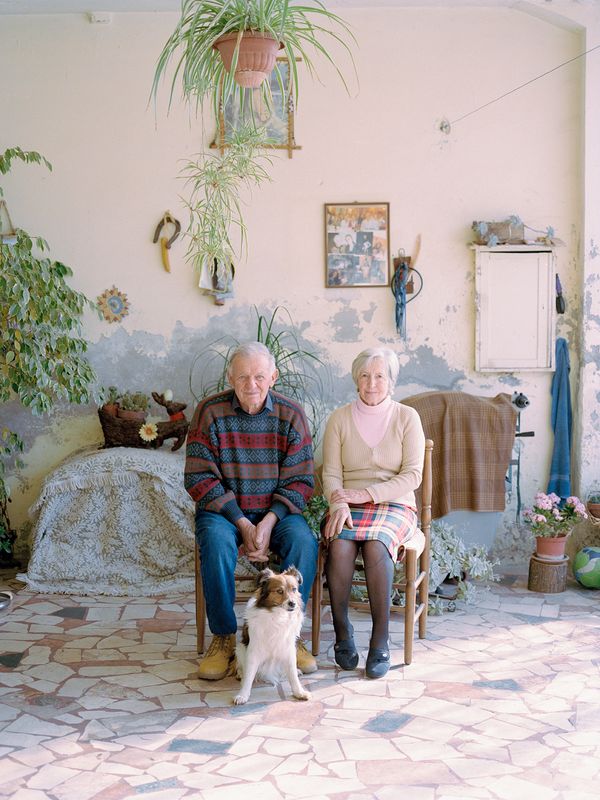
Brescia (BS), 01/02/2020. Pierino Antonioli and Franca Bresciani. In 2001, after some analyses were carried out on the milk produced on his farm, all Pierino's cows were seized and killed because they were contaminated with PCB (polychlorinated biphenyls) produced by Caffaro chemical industries; for the same reason they were banned from cultivating their fields. The subjects were posing for me in their home.

© Mattia Marzorati - Image from the The land of holes photography project
i

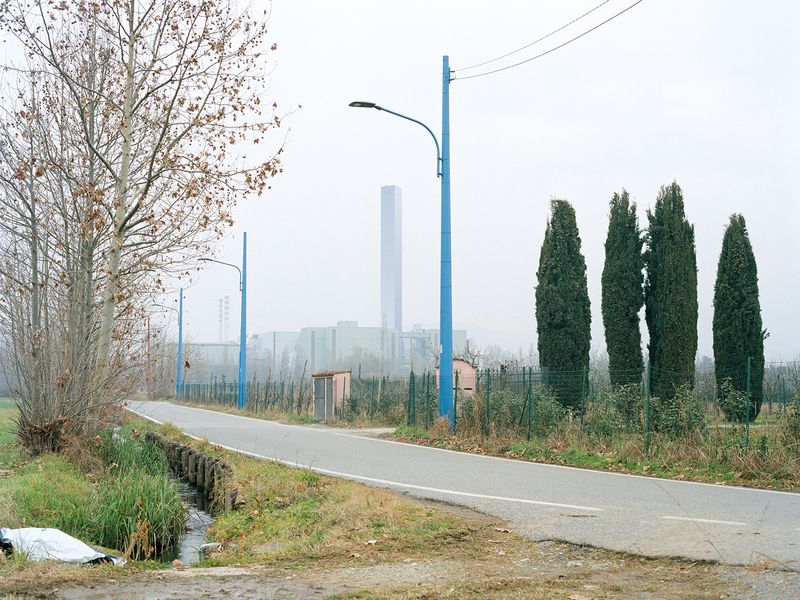
Brescia (BS), 01/02/2020. The incinerator in Brescia, the largest in the whole of Italy. In 2007, the European Court condemned Italy for not having submitted the project, to add a third line to the incinerator, to an environmental impact assessment and for thus not having allowed public opinion to express its observations before the decisions of the competent authority. According to environmental historian Marino Ruzzenenti, this plant, capable of burning over 700,000 tons of waste per year, has significantly contributed to expanding the waste business in the area.

© Mattia Marzorati - Image from the The land of holes photography project
i

Nunzio Perrella, former Camorra member and justice collaborator. In 1992 he was the first to talk about mafia infiltrations into the waste business. The Adelphi operation have identified Brescia as a land of origin of the waste but the report drawn up by the DIA-Anti-Mafia Investigation Directorate in 2019 also underlined that “even in the north, waste is disposed of in unauthorized landfills; often quarries on which, once covered, crops are cultivated. There have been numerous judicial inquiries which in recent years have confirmed how the mafia groups have reversed the direction by projecting the illicit trafficking of waste from southern to northern Italy”. Sandro Raimondi, Assistant Prosecutor of Brescia, affirms that “this illicit trade and illicit treatment is carried out from south to north, making Brescia and the surrounding areas, a new Land of Fires”. The subject was posing with a balaclava so as not to be recognized.

© Mattia Marzorati - Image from the The land of holes photography project
i

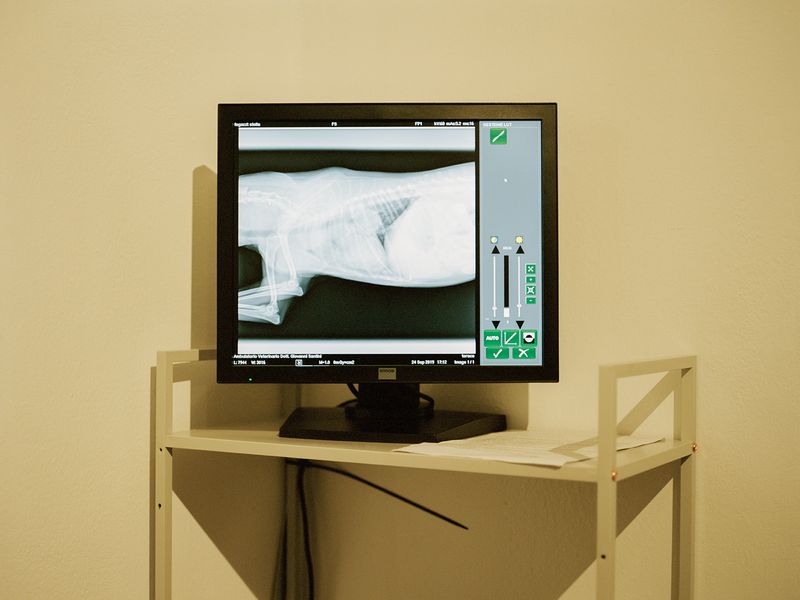
Bagnolo Mella (BS), 06/12/2019. X-ray showing a cat's tumor. In this clinic in Bagnolo Mella veterinarians find an abnormal incidence of leukemia and tumors in animals. In the same municipality an illegal dump has been discovered in a former water pit. It contained foundry slag and dust, oily stains, industrial sludge, asbestos panels, as well as municipal waste.

© Mattia Marzorati - Interior of a bar not far from Alfa Acciai. The subject was posing for me.
i

Interior of a bar not far from Alfa Acciai. The subject was posing for me.

© Mattia Marzorati - Image from the The land of holes photography project
i

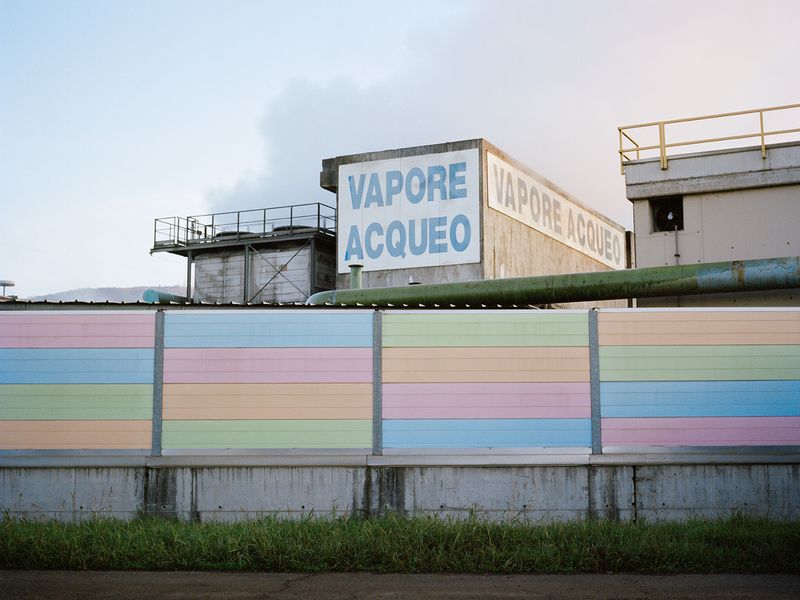
Brescia (BS), 26/11/2019. Alfa Acciai, one of the most important steel production centers in Europe, located in San Polo district, Brescia. Over the years, the company has been accused of the dispersion of dioxins and other contaminants and it has been responsible for two accidents which involved radioactive material. Alfa Acciai is one of nine sites with radioactive waste in a province that holds the national record.

© Mattia Marzorati - Image from the The land of holes photography project
i

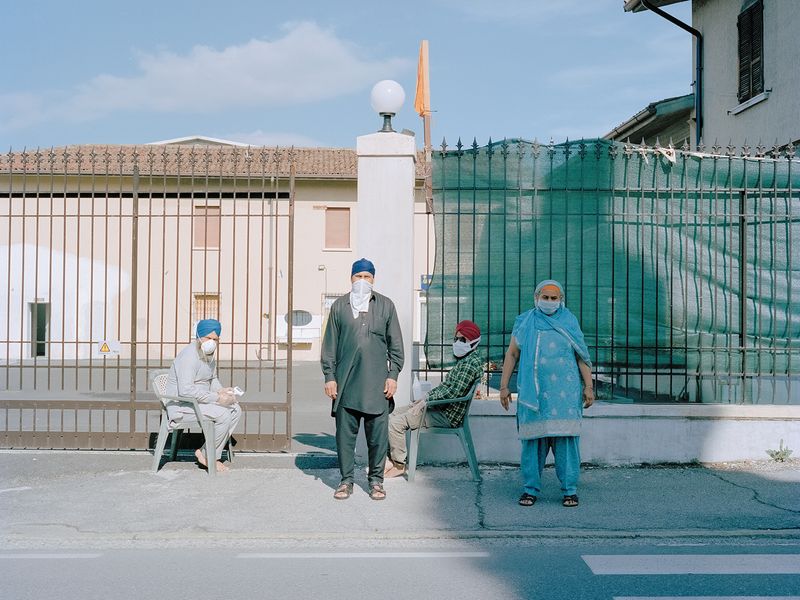
Members of the Sikh community of Brescia are taking their temperature outside the temple. The province of Brescia has been one of the hardest hit by the Covid-19 pandemic. Many studies have connected the more significant spread and mortality of the virus to areas with high air pollution. The magazine The Lancet Planetary Health ranks Brescia as first in Europe for mortality rates related to the exposure to fine PM 2,5. The subjects were posing for me.

© Mattia Marzorati - Image from the The land of holes photography project
i

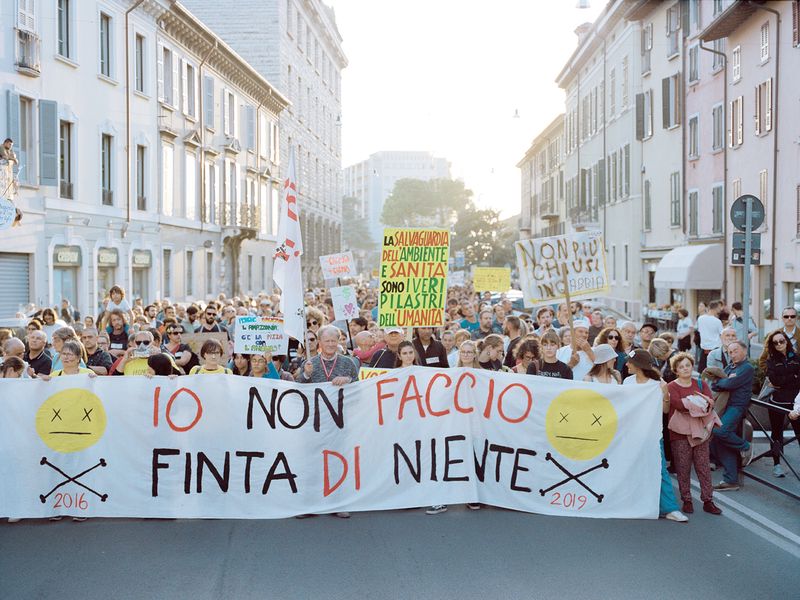
March organized by Basta Veleni in the center of Brescia on October 27th, 2019. The working party brings together dozens of local associations and committees with the aim of combating the environmental degradation of the territory.

© Mattia Marzorati - Image from the The land of holes photography project
i

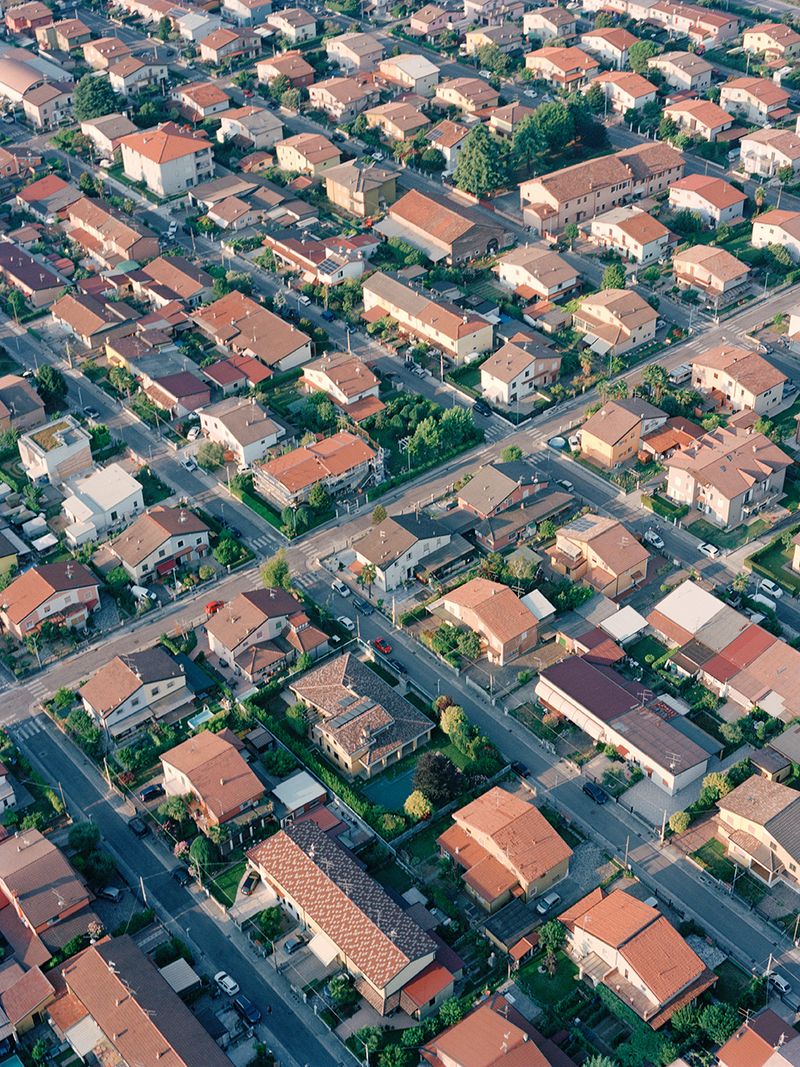
Brescia (BS), 30/07/2021. The Villaggio Sereno district in the southern part of the city of Brescia. Here and in other districts, PCB and dioxin contamination has affected several public and private gardens where it is forbidden to touch the grass. *All the aerial images were taken from a small plane with an analog camera.

© Mattia Marzorati - Image from the The land of holes photography project
i

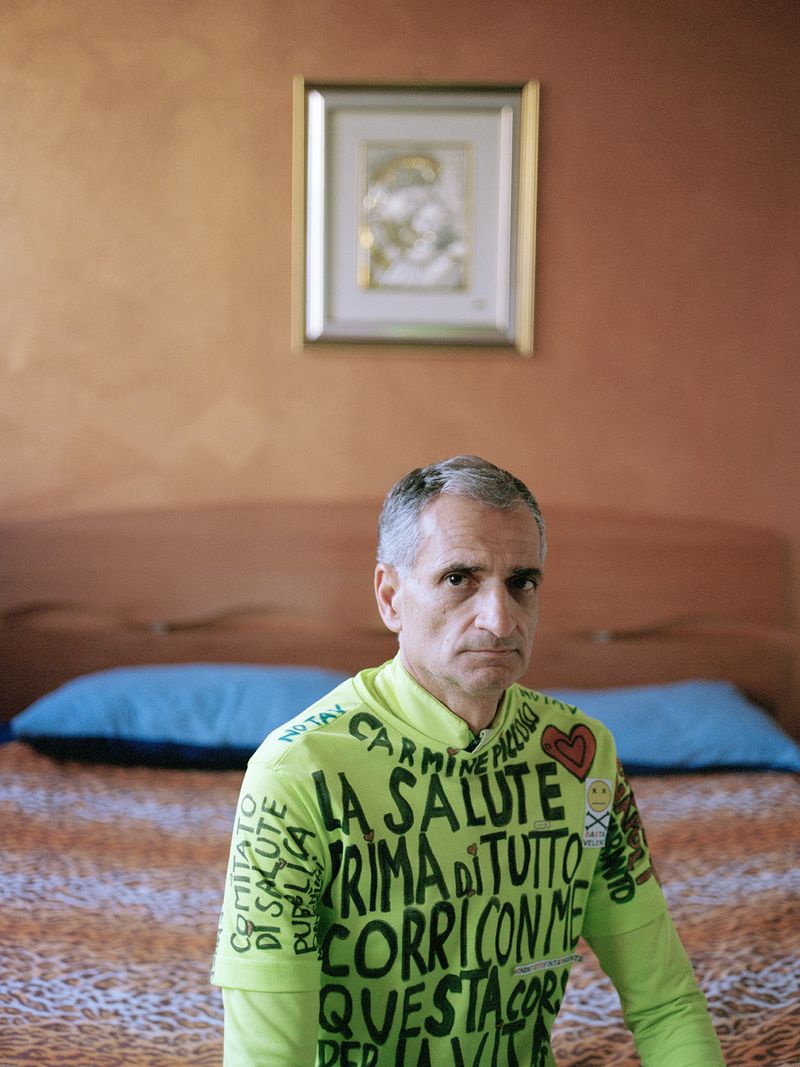
Ghedi (BS), 08/12/2019. Carmine Piccolo lost his wife to leukemia in 2014. Since then he has been running, reaching contaminated places to raise awareness of the environmental risks and spreading messages that are written on his shirts. He is one of the founders of the Basta Veleni working party. The subject was posing for me in his home.

© Mattia Marzorati - Image from the The land of holes photography project
i

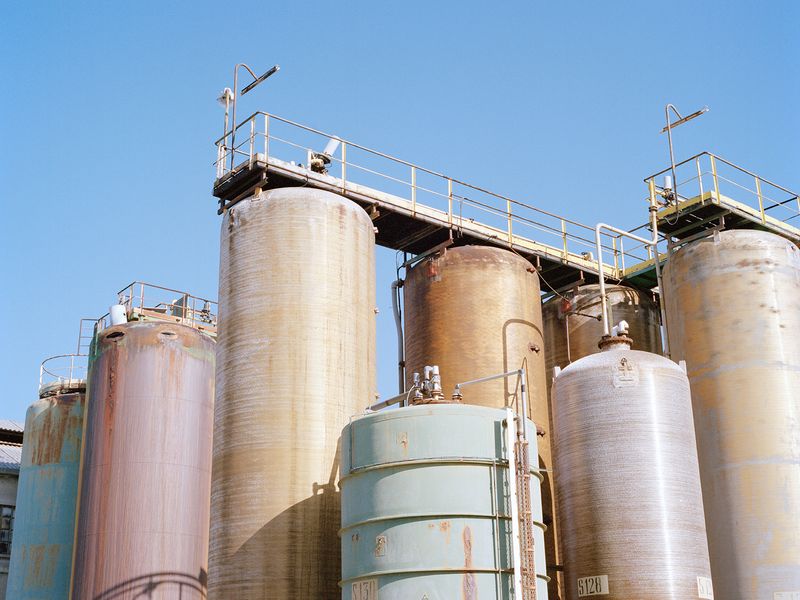
Some tanks inside the Caffaro industries. Since 1906 its environmental impact has been very heavy: the toxic fumes of soda and chlorine have literally burned surrounding fields and forced students from nearby schools to flee on several occasions. Production has changed over the decades, passing from organic chlorine compounds to DDT, and in particular PCB, toxic and carcinogenic chemical compounds. Transported by canals, tons of PCBs, dioxins and other pollutants have spread southwards in an area that has 25,000 inhabitants. The investigations revealed “soil pollution with values ​​up to thousands of times above the limits. In the area of ​​the plant, the pollutants have penetrated into the subsoil to a depth of over 40 meters, consequently also causing the contamination of the underground water resource ". The Brescia-Caffaro site of national interest, struck by what is considered to be one of the most serious environmental disasters in Italian history, is still awaiting remediation.

© Mattia Marzorati - Image from the The land of holes photography project
i

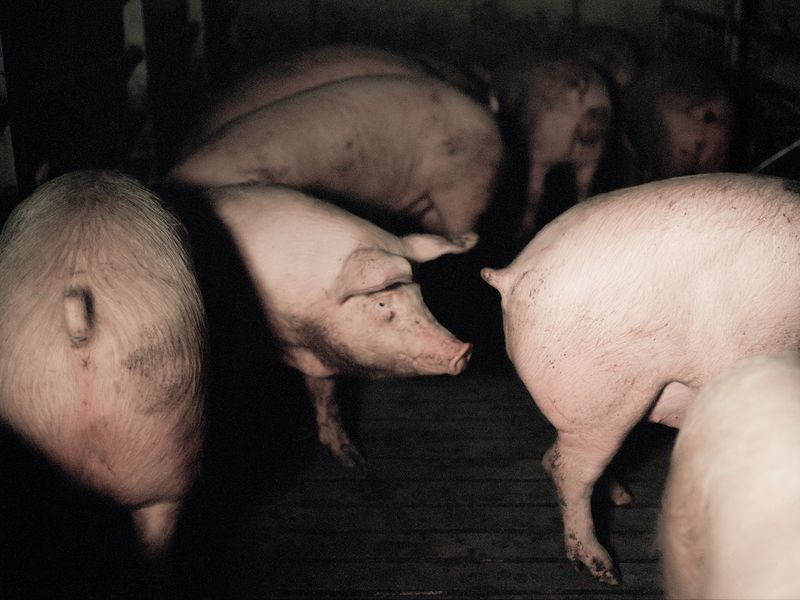
Castenedolo (BS), 24/05/2020. Internal area of an intensive livestock farm. The province of Brescia has the largest number of intensive pig farms in Italy and has more pigs than people. Intensive farms are among the major causes of pollution due to the emission of methane, ammonia, nitrous oxide and carbon dioxide. Furthermore, failure to comply with the regulations for the disposal of sewage compromises the quality of air, soil and aquifers. The photo was taken at night thanks to the help of the members of Essere Animali collective.

© Mattia Marzorati - Image from the The land of holes photography project
i

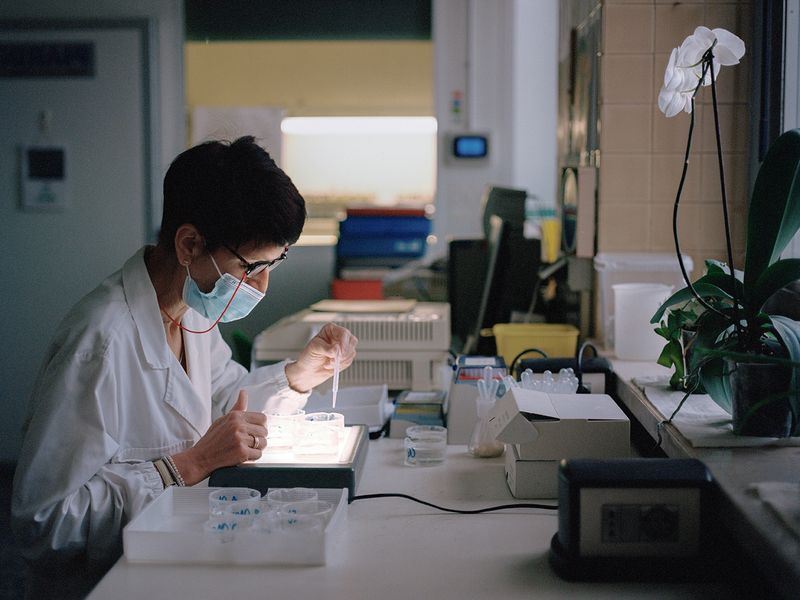
Brescia (BS), 29/04/2021. A laboratory technician from the ARPA-Agenzia Regionale per la Protezione Ambientale (Regional Agency for Environmental Protection) analyzes a water sample to check its quality. The agency plays a crucial role in the fight against pollution and eco-crimes by way of a constant monitoring of the territory.

© Mattia Marzorati - Image from the The land of holes photography project
i

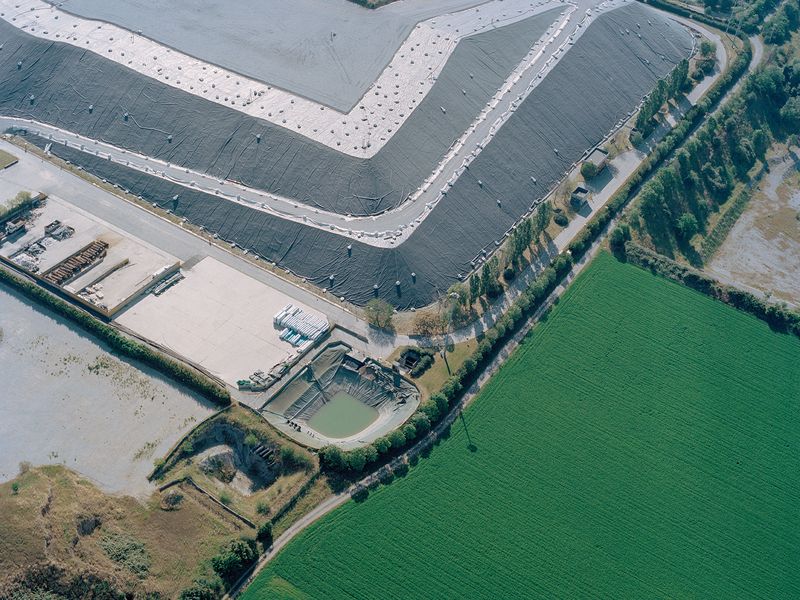
Montichiari (BS), 13/06/2020. The Cava Verde landfill in Montichiari is only one of the 21 concentrated in an area inhabited by about 23,000 people. In just a few square kilometers it is estimated that there is an accumulation of over 12,000,000 cubic meters of industrial waste, ashes and sewage sludge, asbestos panels and other materials. This photograph was taken in the summer of 2020 before it was completely covered. *All the aerial images were taken from a small plane with an analog camera.

© Mattia Marzorati - Image from the The land of holes photography project
i

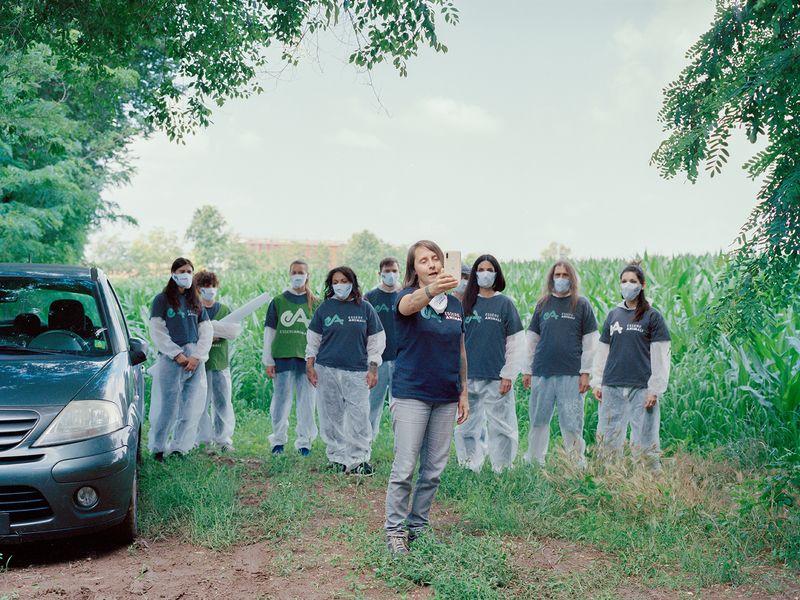
Castenedolo (BS), 06/06/2020. Members of the Essere Animali collective record a video before a protest inside a factory farm in the southern part of the province of Brescia.

© Mattia Marzorati - Image from the The land of holes photography project
i

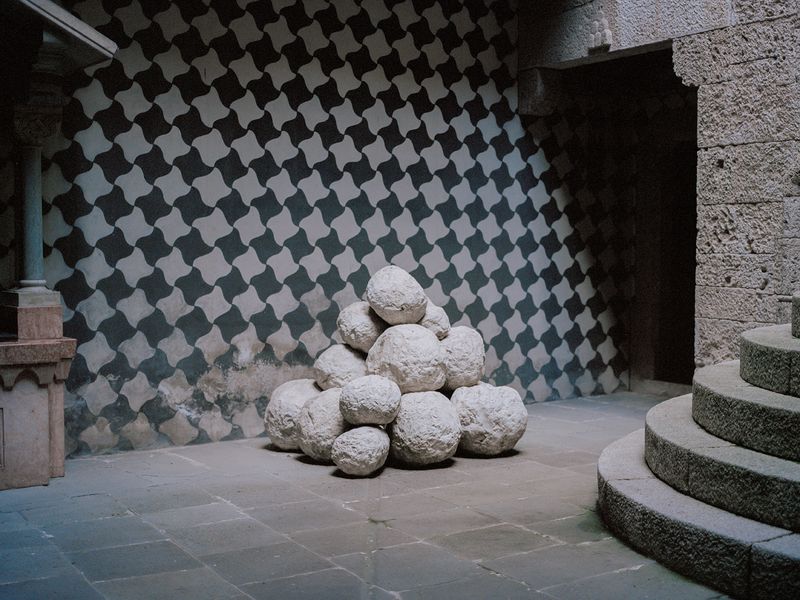
Interior of Bonoris Castle, purchased by the municipality of Montichiari in 1996. Thanks to the waste business, many municipalities in the province of Brescia have been able to make huge investments for the embellishment of their public spaces and the expansion of their cultural heritage.

© Mattia Marzorati - Image from the The land of holes photography project
i

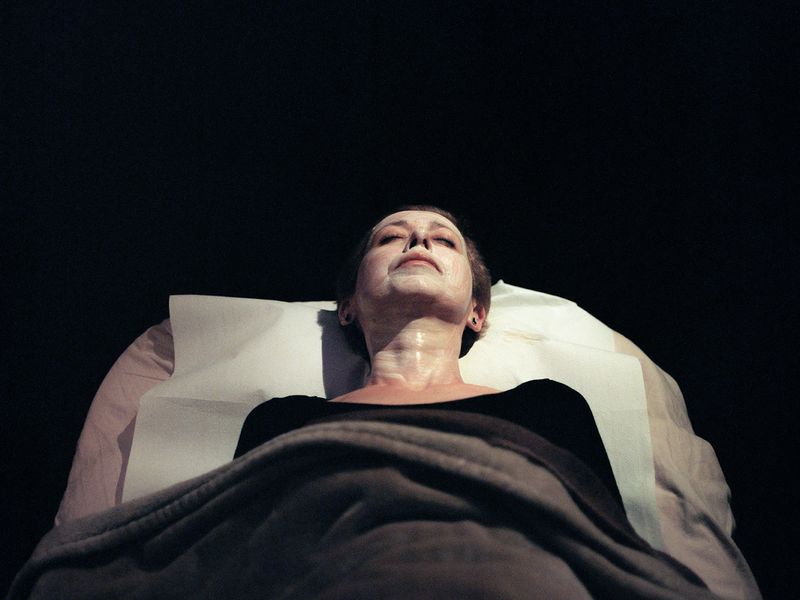
Brescia (BS), 01/02/2020. Stefania during a free beauty session. Some beauty salons in Brescia do not charge women who are suffering from cancer. As highlighted by SENTIERI-Studio Epidemiologico Nazionale dei Territori e degli Insediamenti Esposti a Rischio da Inquinamento (a series of epidemiological studies), in the province of Brescia there are significantly higher death rates, tumor incidence and hospitalizations due to the critical environmental situation. Stefania died on 15th December 2020.

© Mattia Marzorati - Image from the The land of holes photography project
i

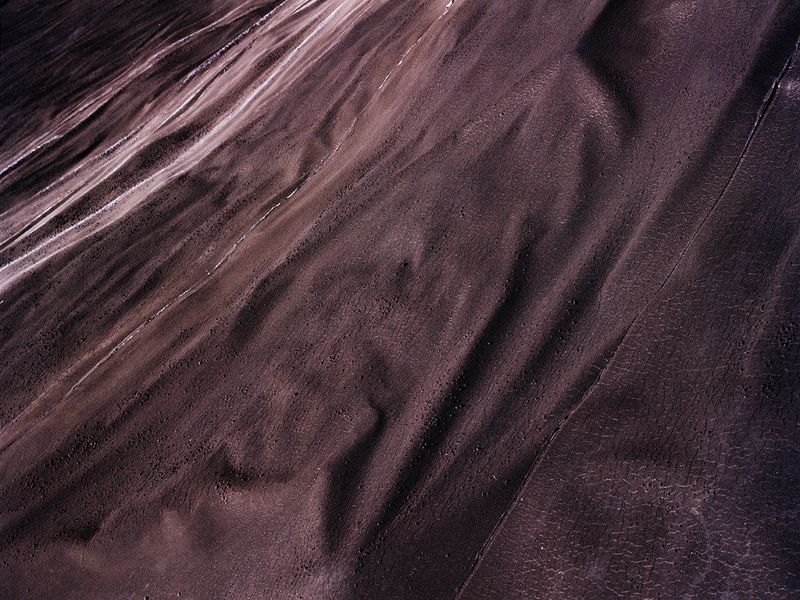
Berzo Demo (BS), 01/06/2021. Tarps covering the slag left by the former Selca industries in the municipality of Berzo Demo in Camonica Valley. The company operated in the recovery cycle of special hazardous waste that was treated in order to be put back into the marketplace. Together with Ucar Carbon S/A, specialized in the production of graphite electrodes, it abandoned tons of toxic waste from all over the world on the “hill of poisons”, leaving them exposed to atmospheric agents for years. The site is still awaiting clearance following the bankruptcy of the company in 2010.

The land of holes by Mattia Marzorati

Prev Next Close