THE INVISIBLE HAND
-
Dates2016 - 2023
-
Author
- Location Japan
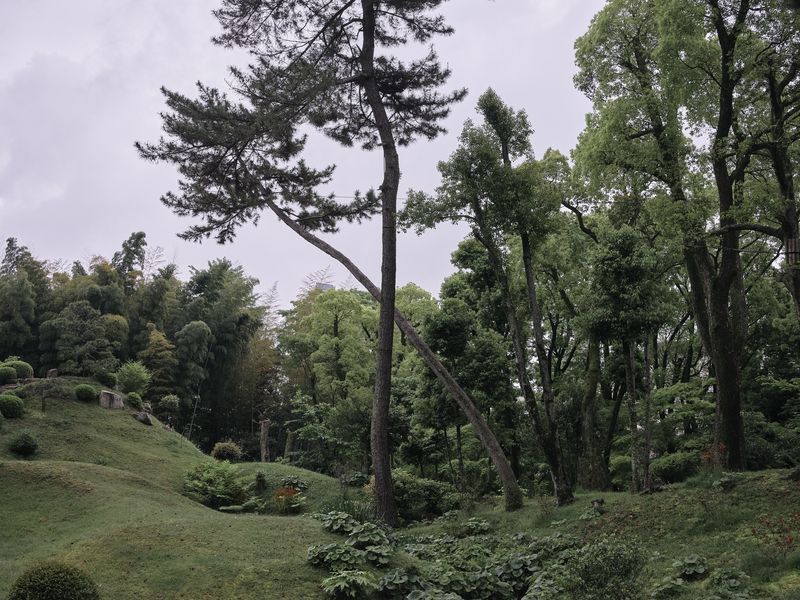
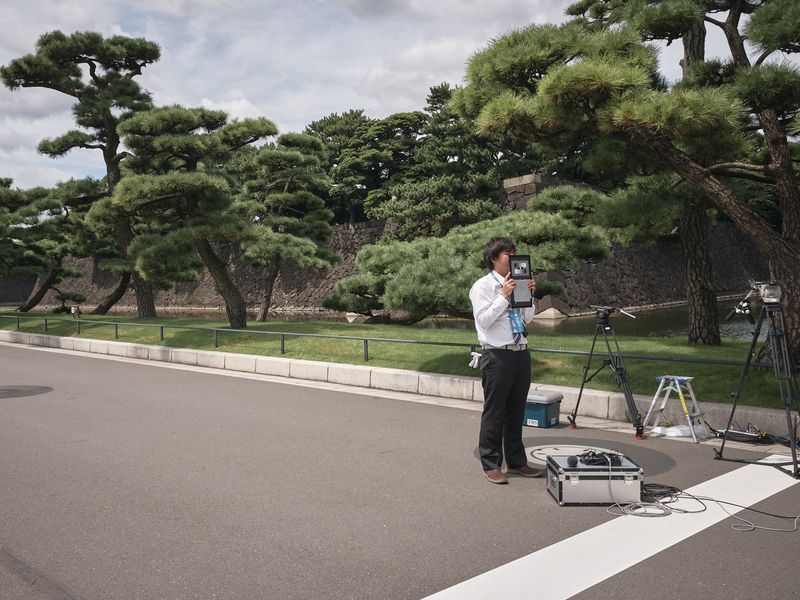
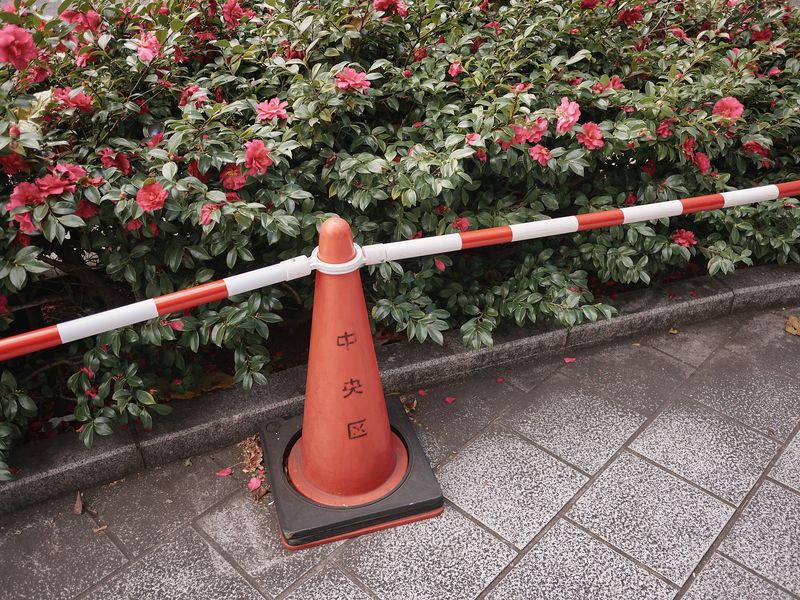
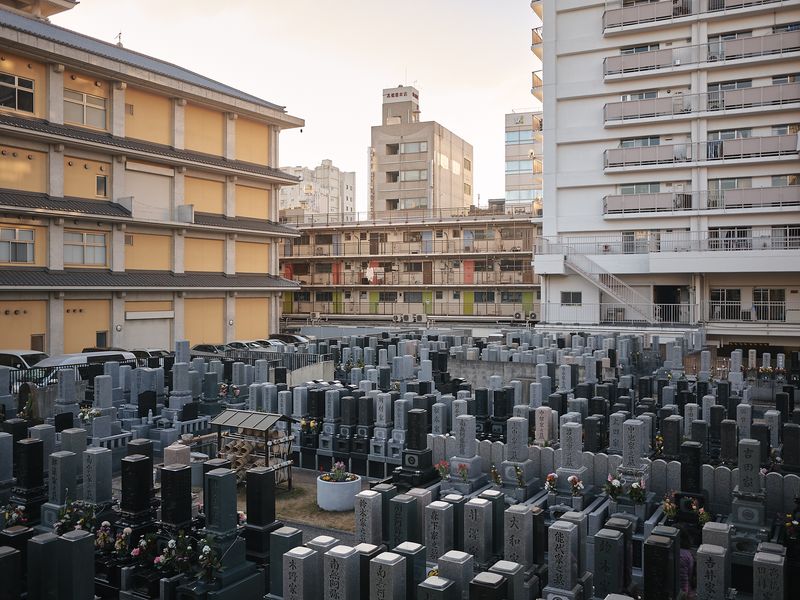
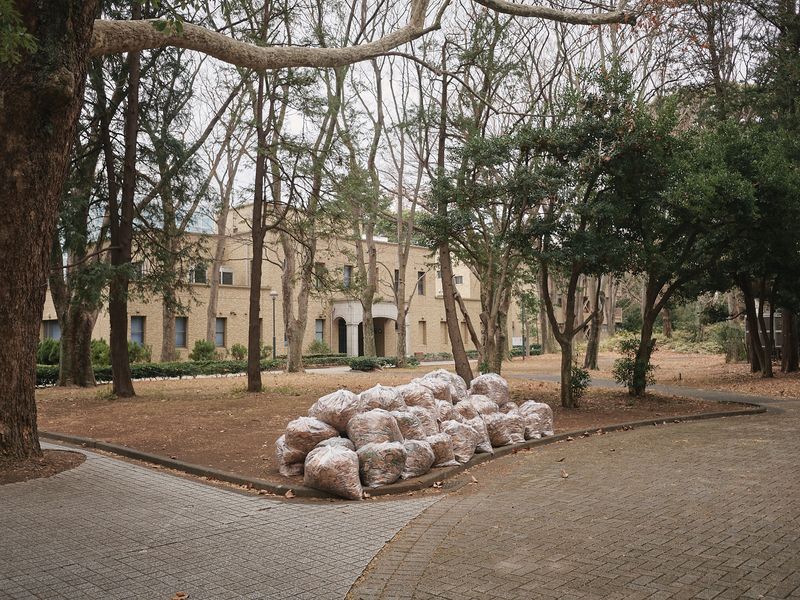
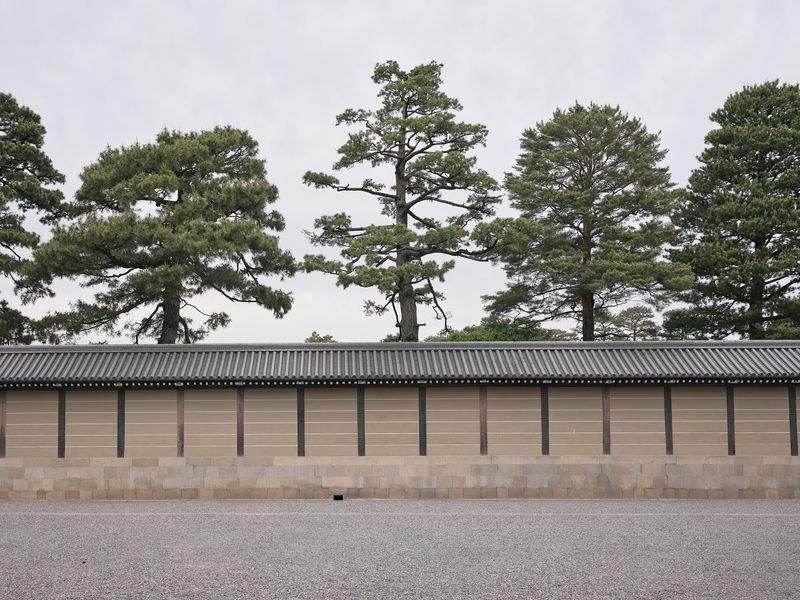
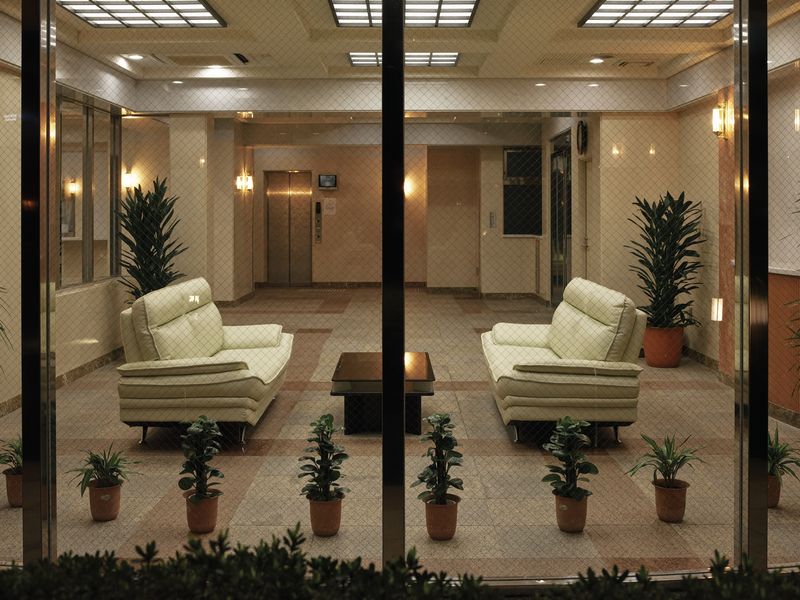
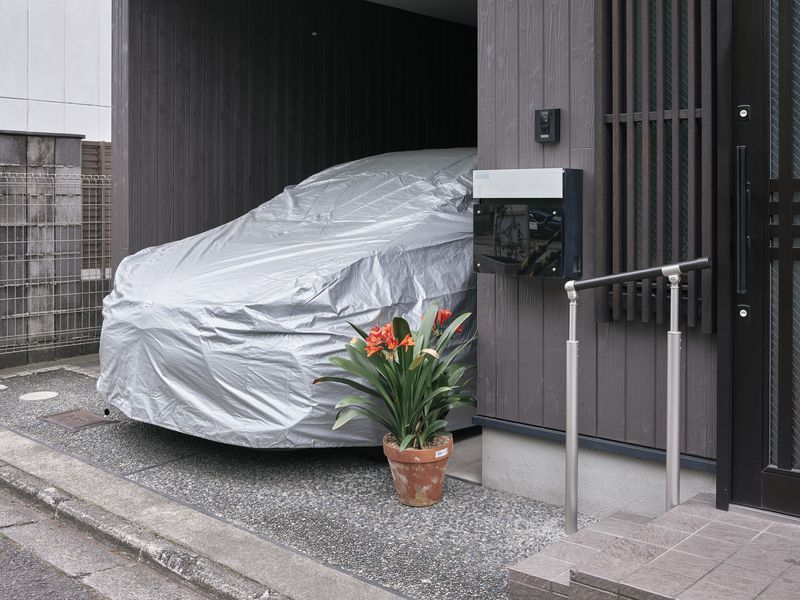
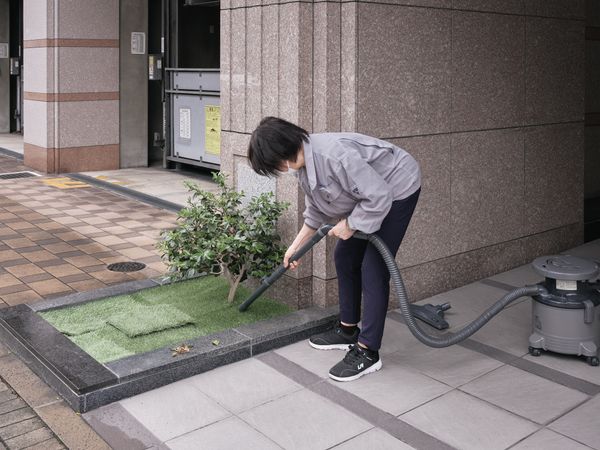
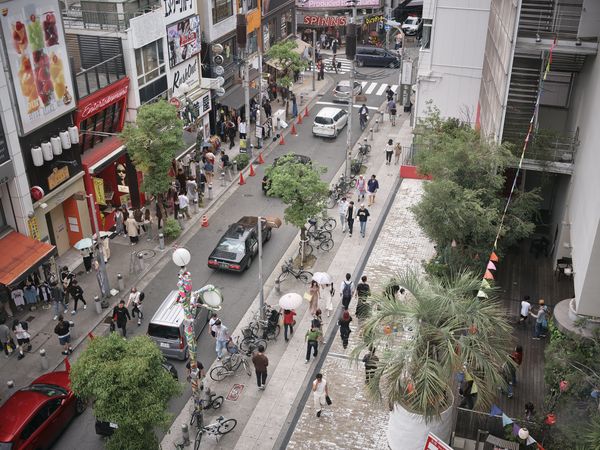
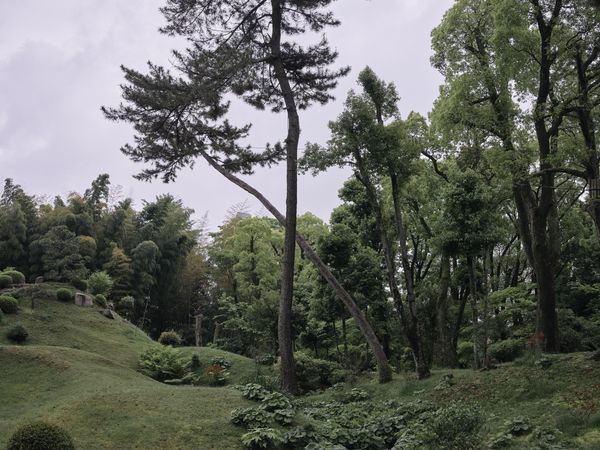
In Japan, nature often appears through control: framed, pruned, contained. The Invisible Hand observes the tension between what grows and what is ordered, where artifice shapes nature, and life still resists.
Author’s Note
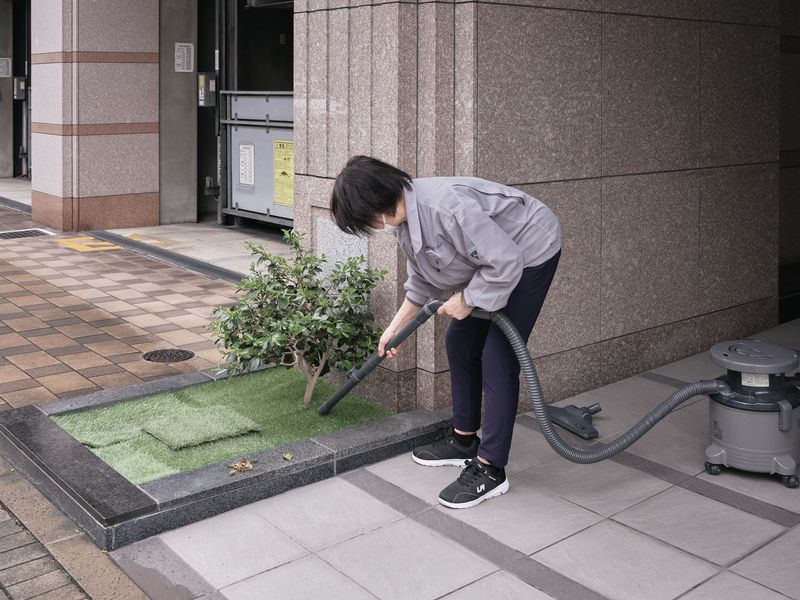
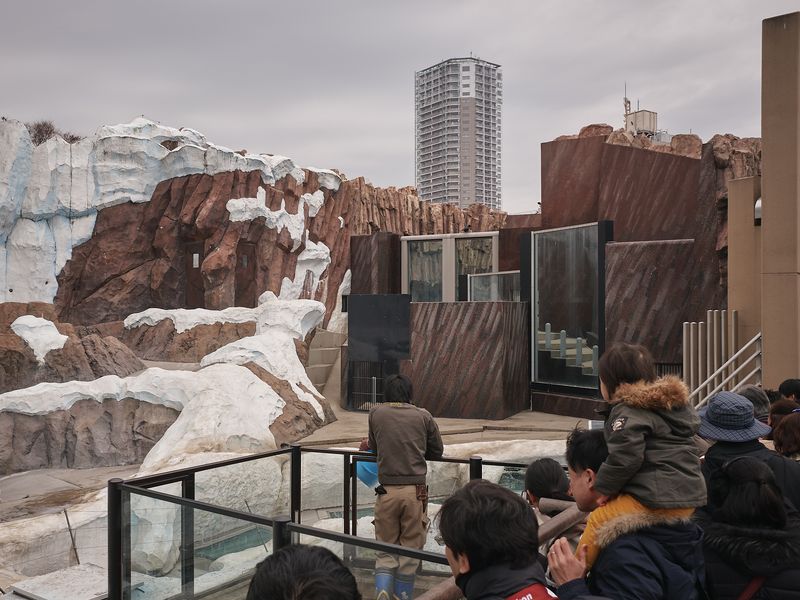
There is an invisible force that moves through space, that arranges and organizes, shaping the world with nothing left to chance. You can see it in the subtle geometries of the cities, in the borders drawn by a fence, in a perfectly raked flowerbed. You can sense it in the tension of a flower beneath glass, in a hedge held back by a boundary, in the small gestures of those who each day restore order to the city’s surfaces.
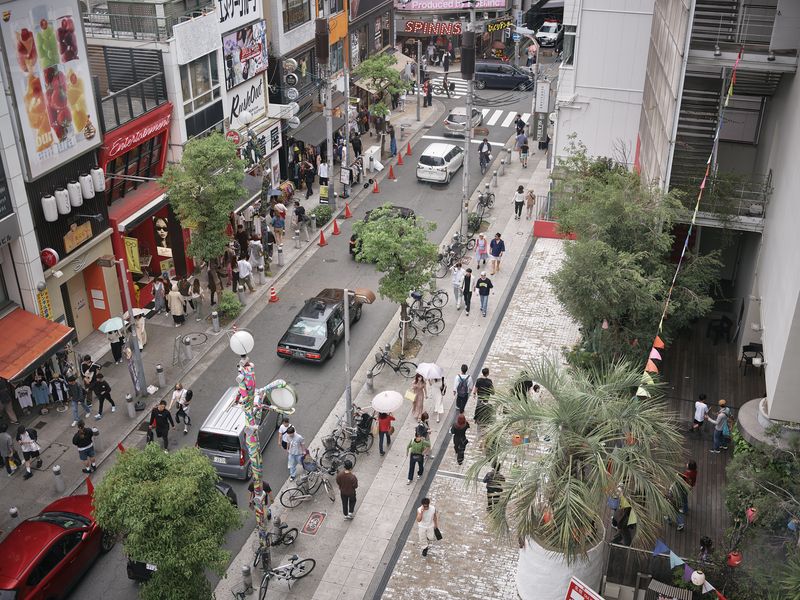
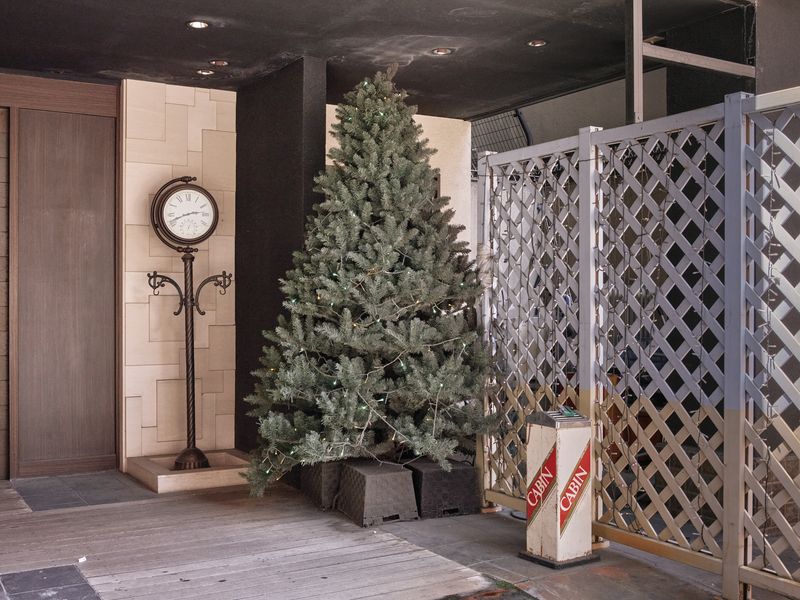
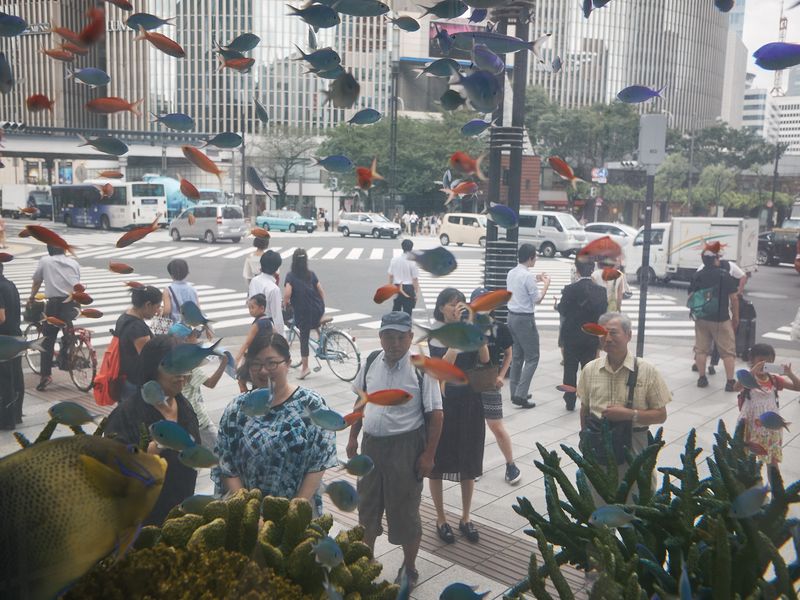
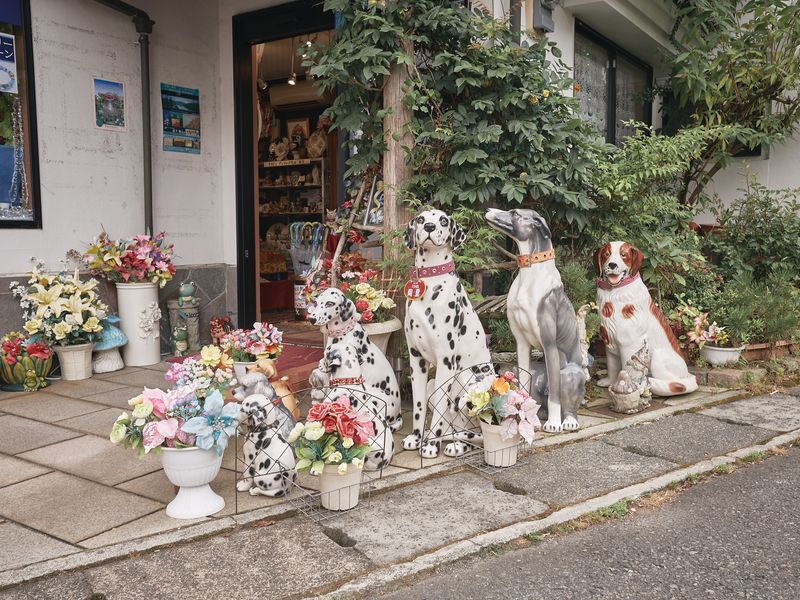
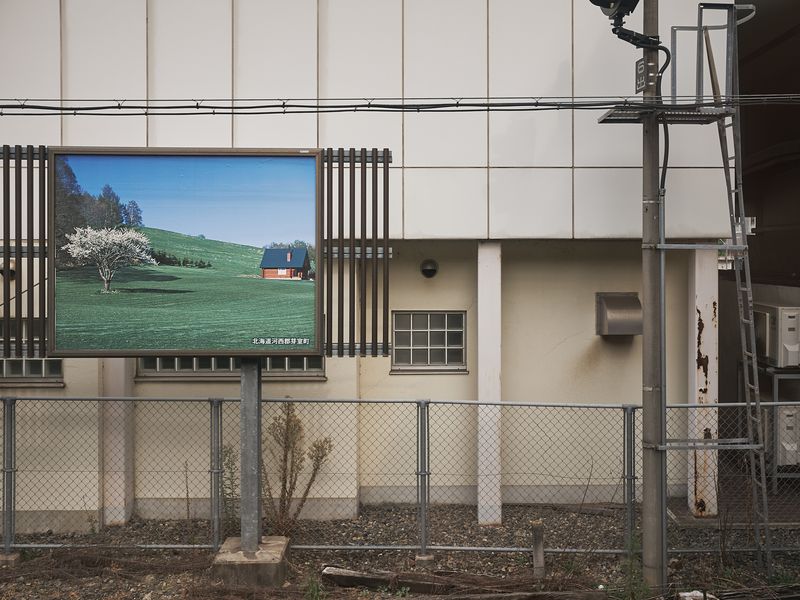
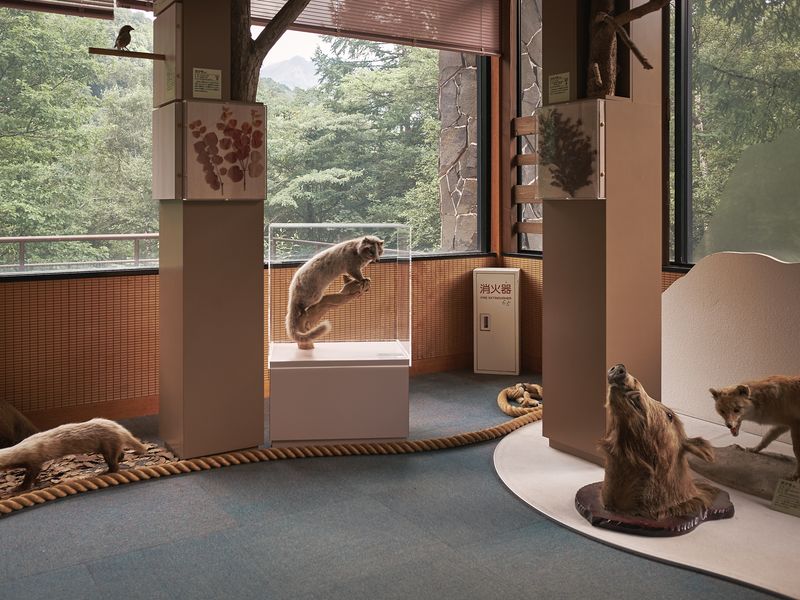
In Japan, this invisible hand acts with almost imperceptible elegance. The streets follow a silent logic, the plants are pruned with millimetric precision, nature is integrated and contained, channeled into a carefully studied balance. And yet, despite this ongoing negotiation between the landscape and human will, something always escapes. A detail out of place, a crack in the symmetry, a corner where life seems to want to breathe again. Like a plant left by the entrance of a house, like a garden printed on a billboard that promises a landscape that may not exist, like a fish swimming in a display window while the city flows beyond the glass.
I often thought of Naoya Hatakeyama’s work, of his ability to depict the landscape not as a backdrop, but as a living organism in constant transformation. In his images, the boundary between the artificial and the natural dissolves. His gaze accompanied me as I walked through a Japan made of small urban choreographies, of corners arranged with care, of edges where disorder appears as a temporary residue, destined to be reabsorbed.
I was also reminded of Yoshinori Mizutani’s TSUTAYA series, with its building façades covered in vegetation, emerging from Tokyo’s darkness. Those images reveal another layer of meaning: in Japan, climbing plants are often grown on homes to invite the protection of spirits. Once again, a human gesture that seeks dialogue with nature, disciplining it, yet allowing it to tell something deeper.
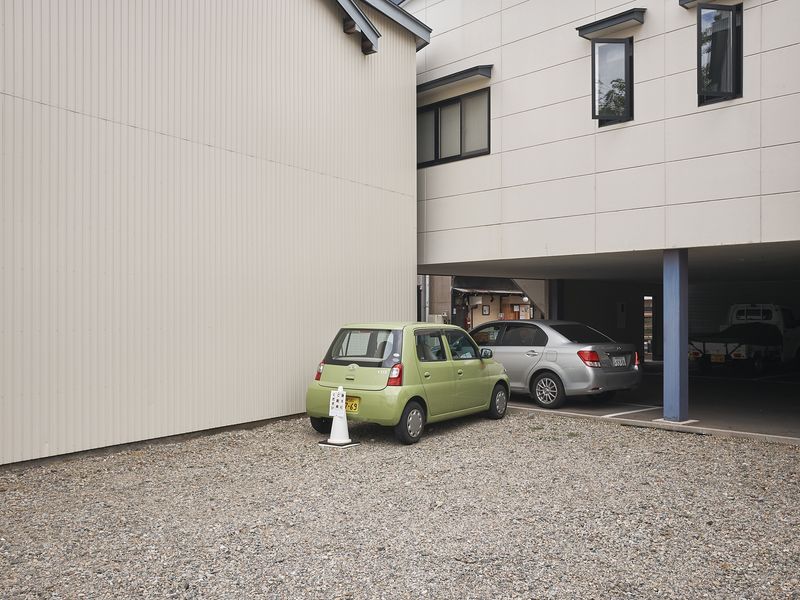
Photographing this world was an exercise in attention, a slow walk through the landscape, observing its signs. Objects, plants, buildings are never just what they seem: a garden is not just a garden, a display is not just a reflection, a barrier is not just a limit. What we see is the result of a series of choices, of an order that doesn’t always ask us direct questions, but that shapes our gaze.
This project began in 2016, during a journey from Tokyo to Kanazawa. In 2018, I returned, this time staying in Tokyo, and in 2024 I explored the area between Kyoto and Hiroshima, reaching the nearby islands. Each step marked an evolution in my way of photographing. The project’s initial title was Surface, a reference to the surface of things, to what is shown, but always hides something beneath.
Over the years, through exchanges with friends and colleagues, I found the synthesis I was looking for, allowing the project to mature and take its final form.
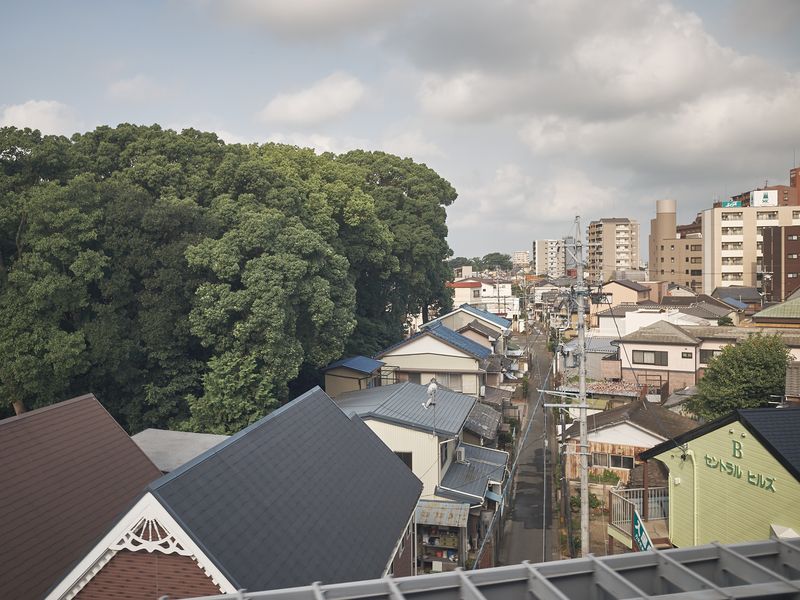
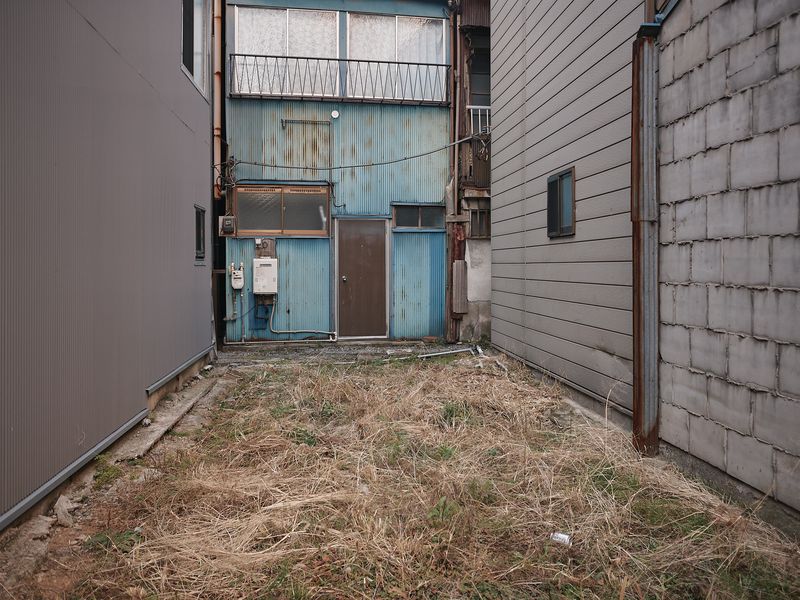
The last image in the book is one I carry with me with particular intensity: a small urban space, compressed between buildings, where vegetation grows freely, yet is still contained. It captures the tension of this journey, the constant balance between what is spontaneous and what is regulated. Japan and its landscape have deeply influenced my way of seeing, my way of understanding photography. This book is a tribute to that land and its invisible harmony, made of order and resistance, of control and freedom.
These images are not an answer, but rather an invitation. To look more closely. To read between the lines. To ask what remains, once everything has been put in its place.
Emanuele Tortora