The Graveyard of a Dictator
-
Dates2022 - 2026
-
Author
- Topics Daily Life, Documentary
- Location Taiwan
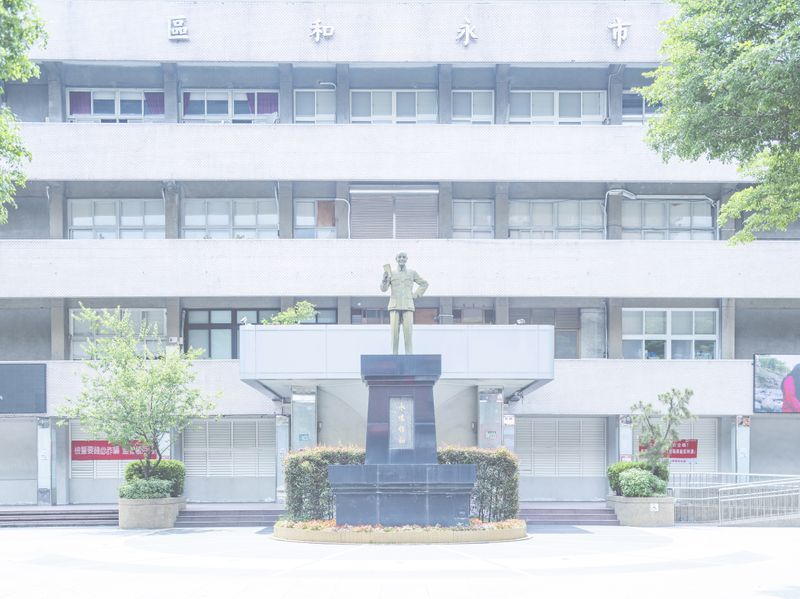
Chiang Kai-shek’s statues, once towering over Taiwan’s public spaces, now linger in history’s shadows, symbols of a society confronting its past.
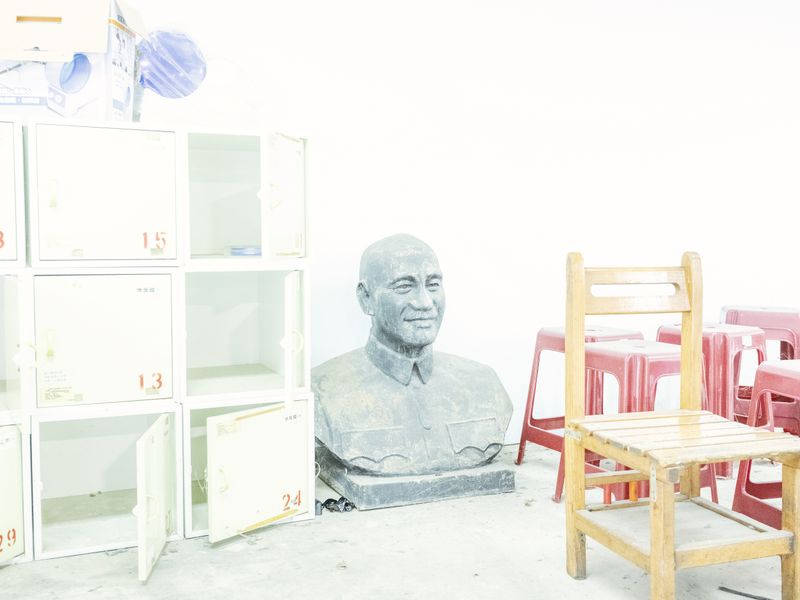
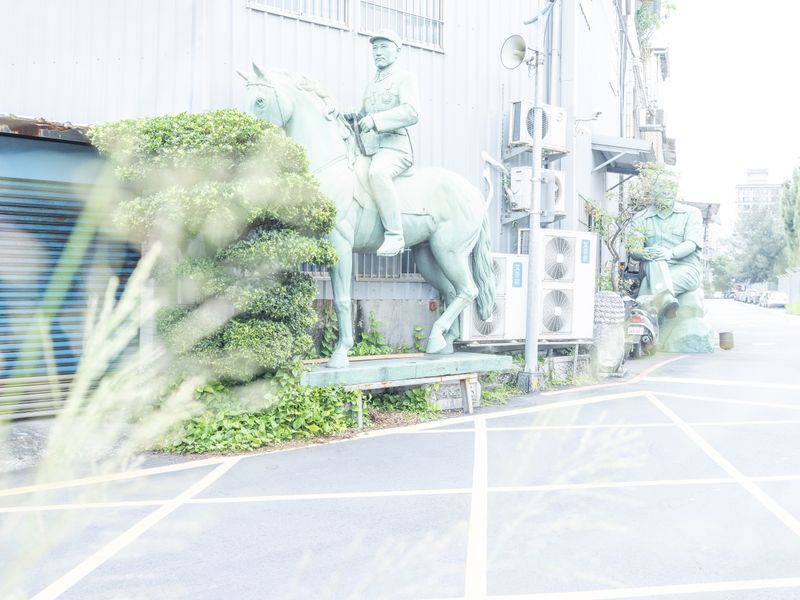
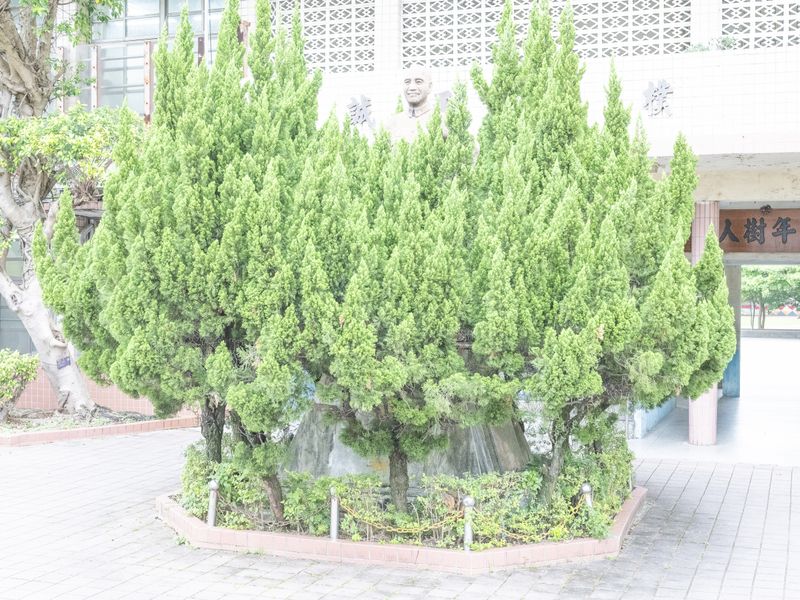
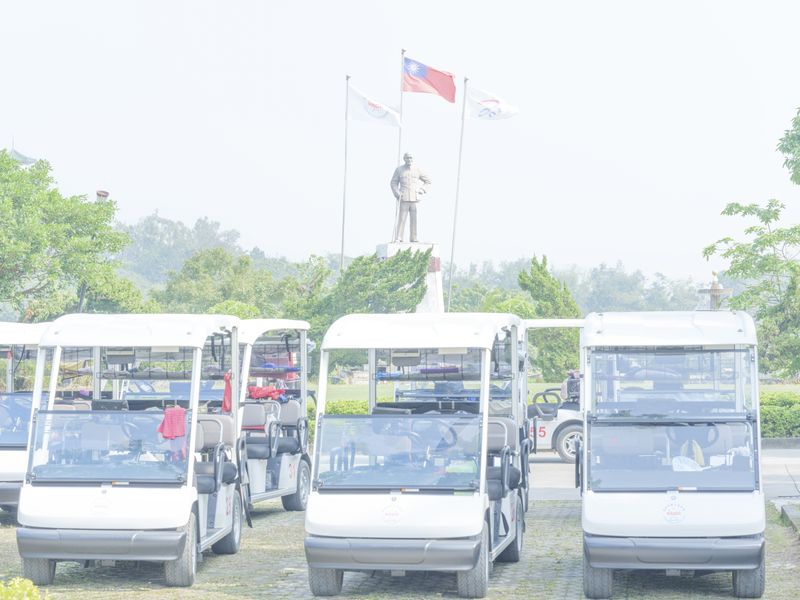
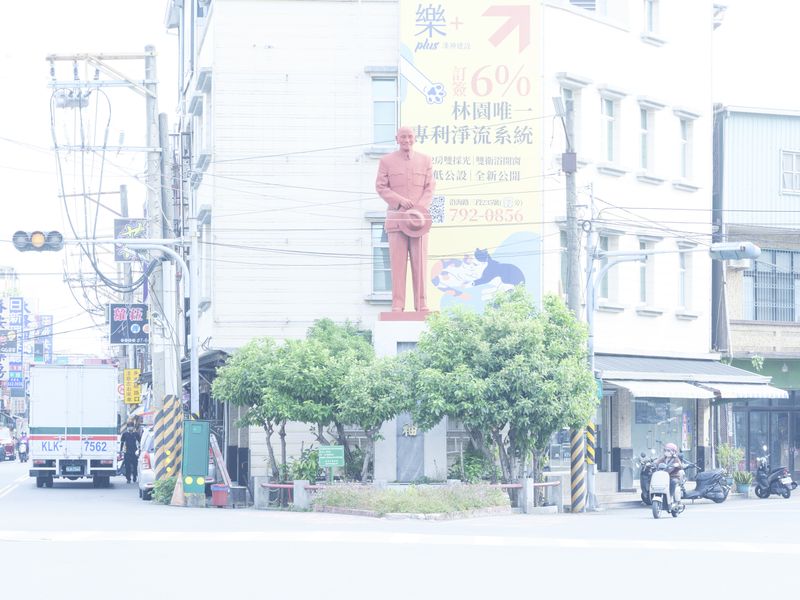
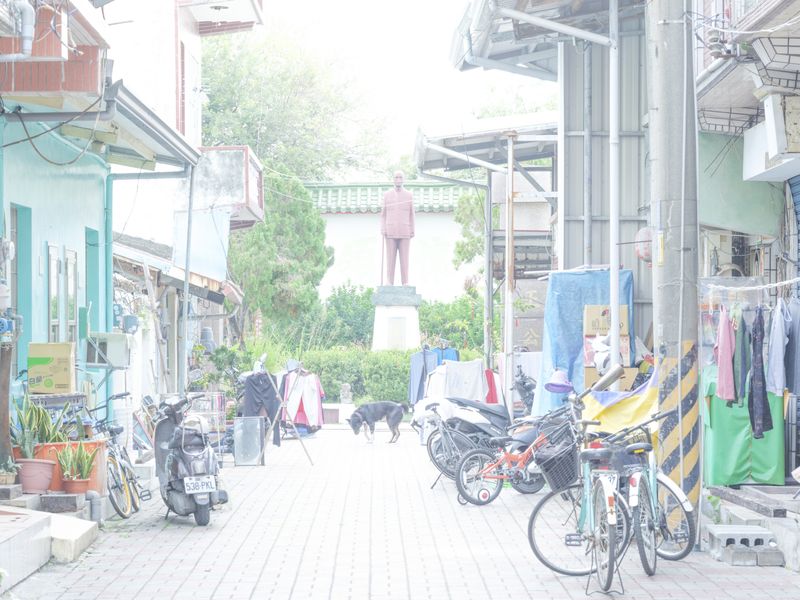
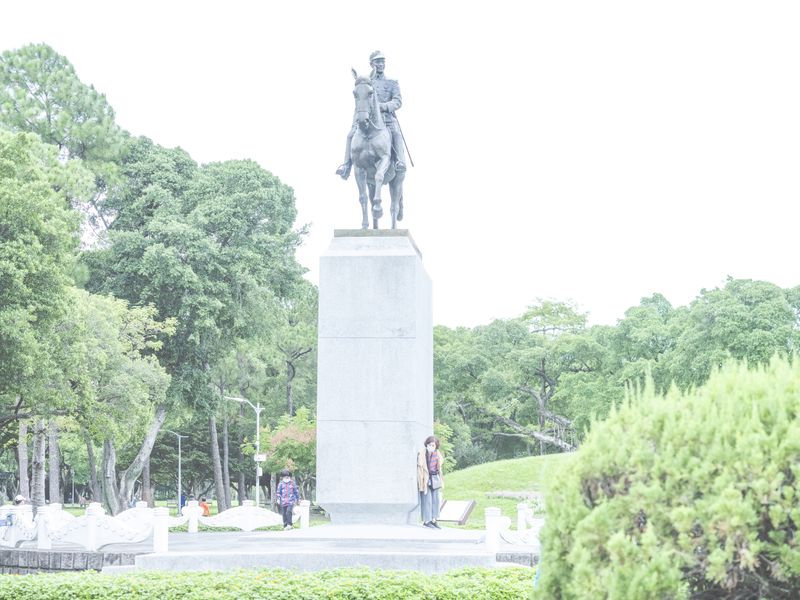
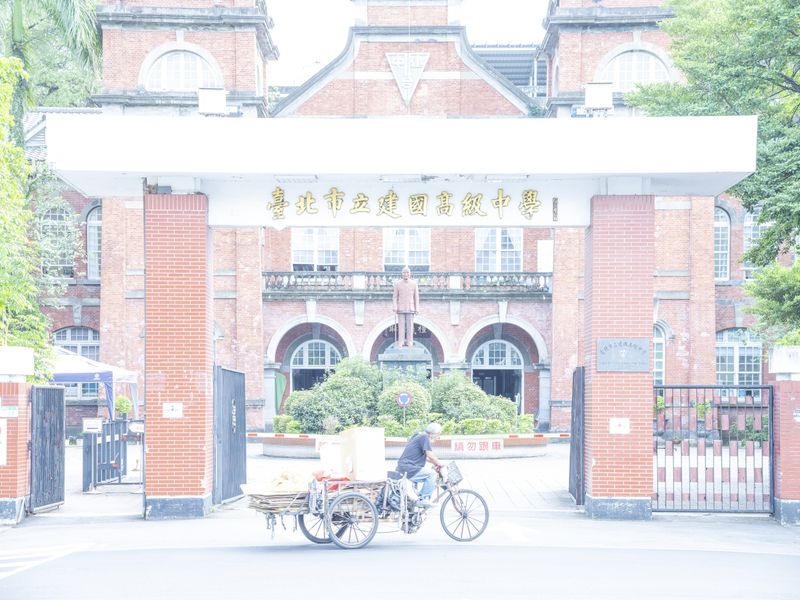
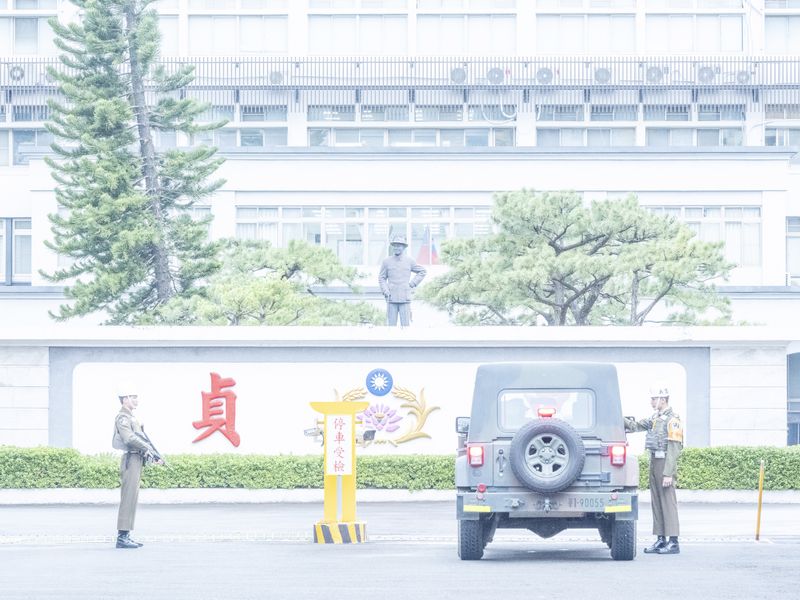
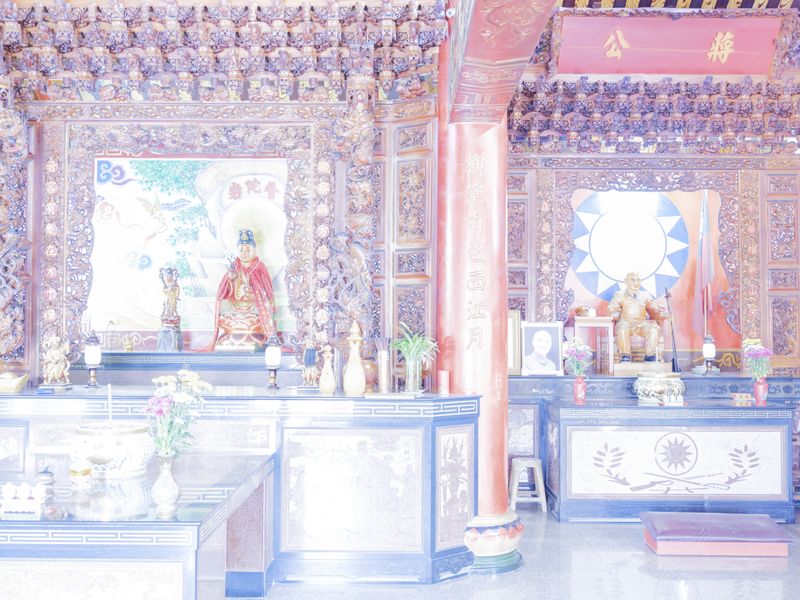
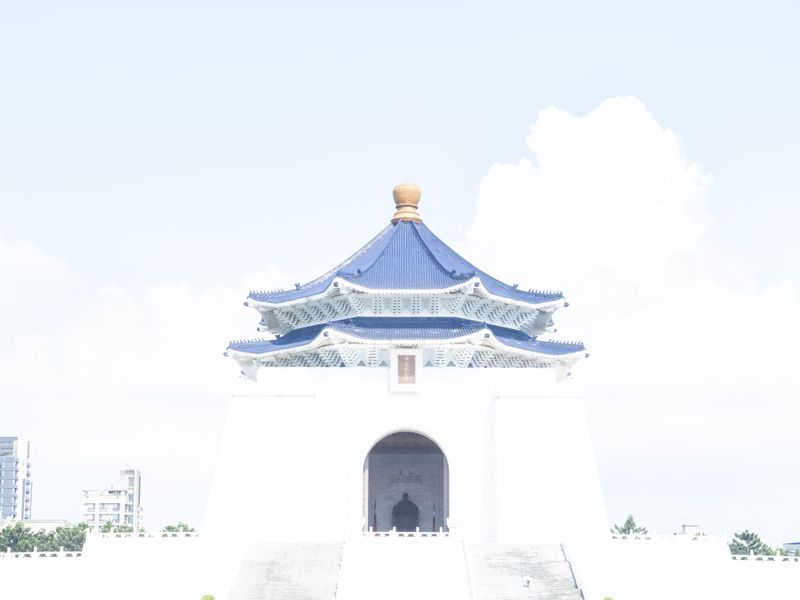
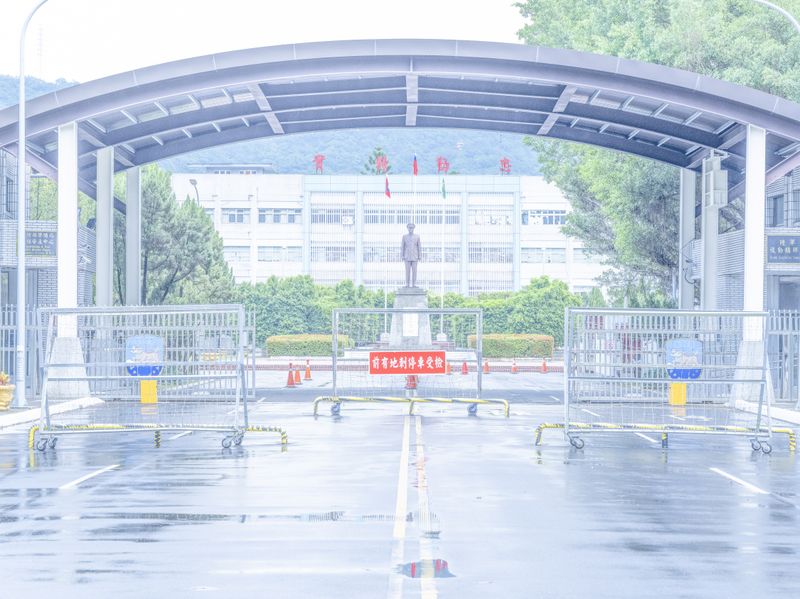
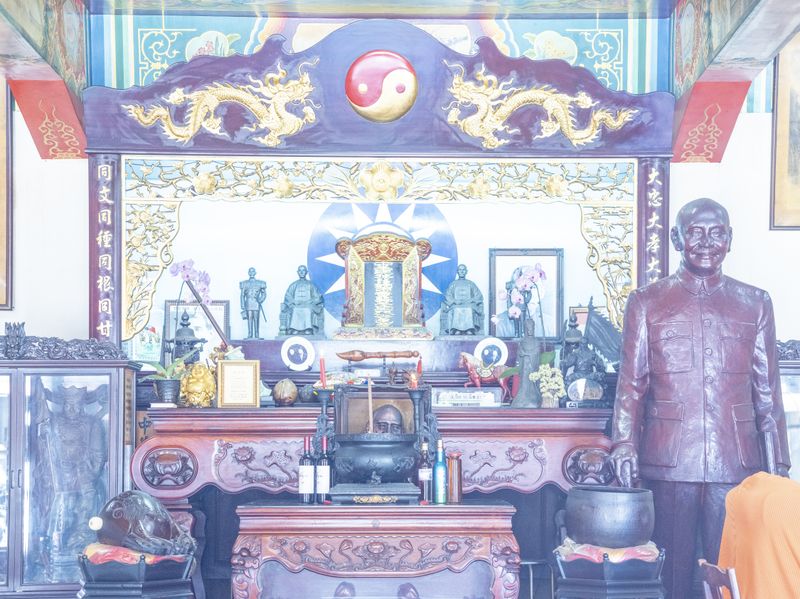
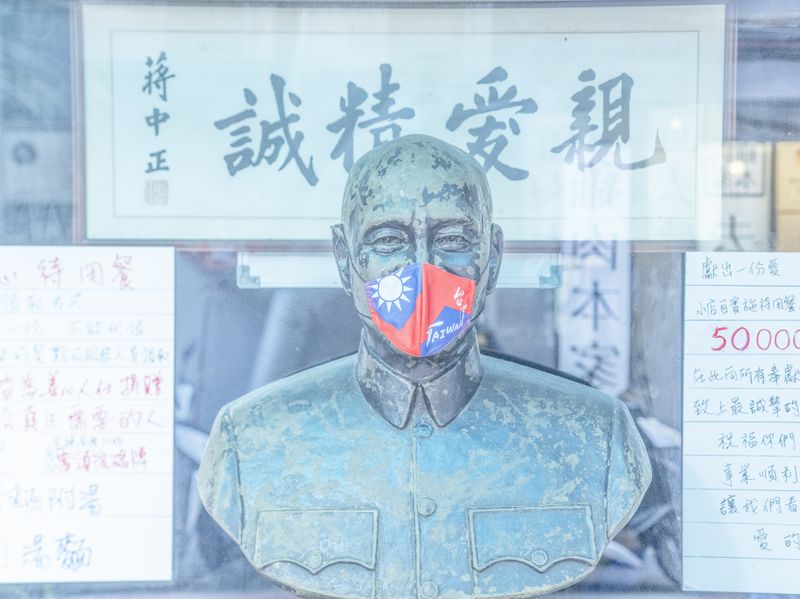
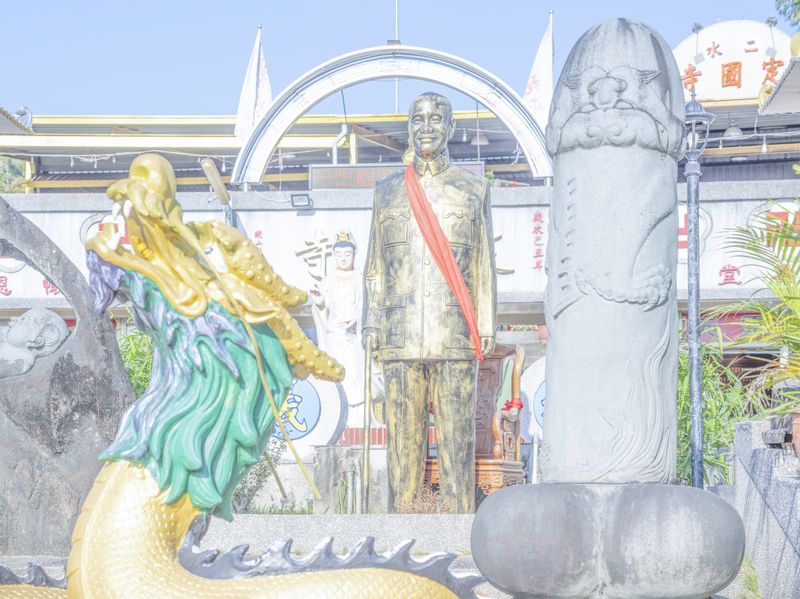
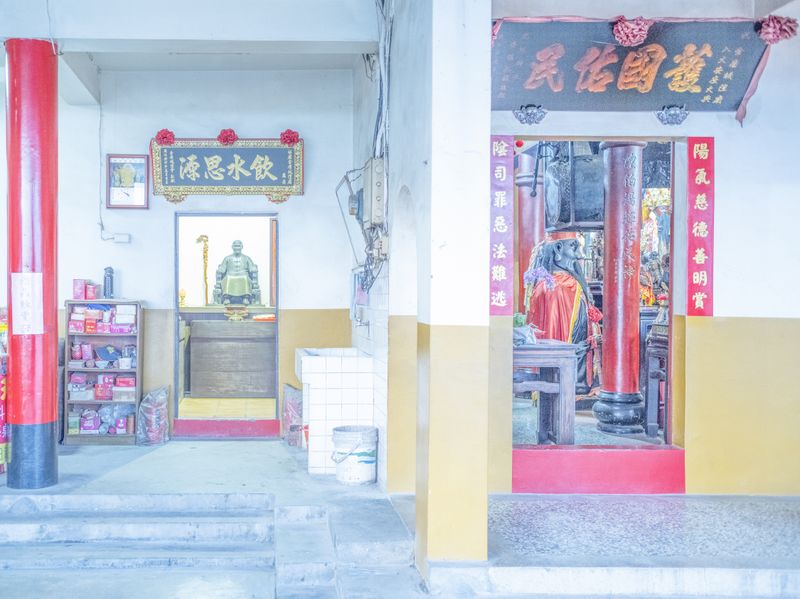
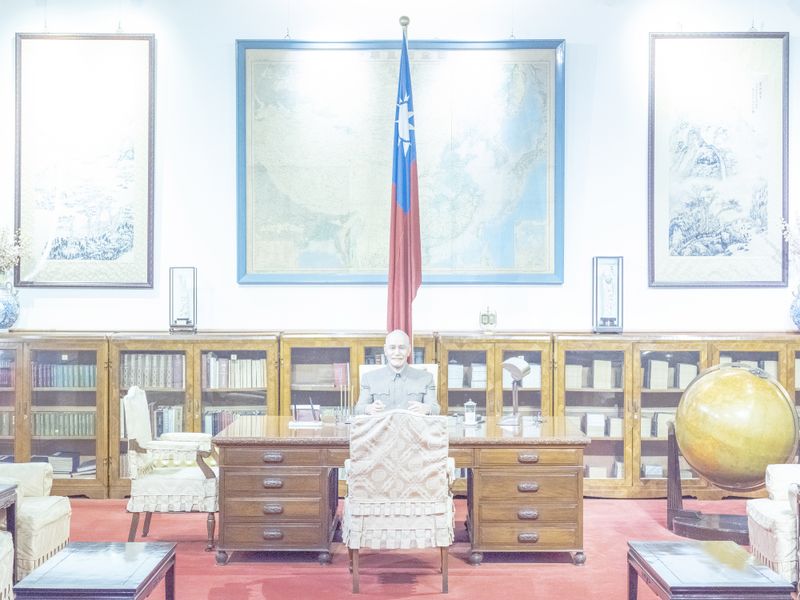
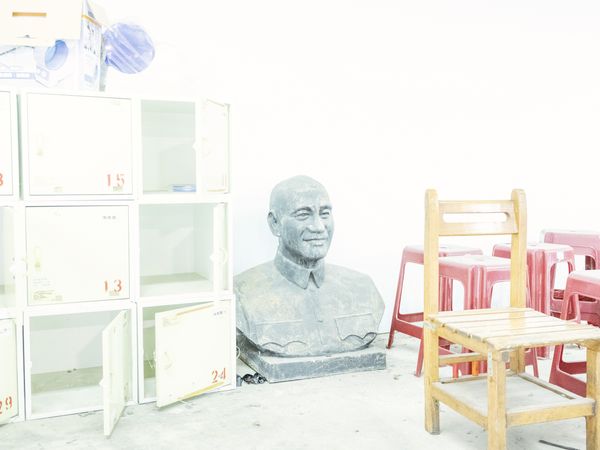
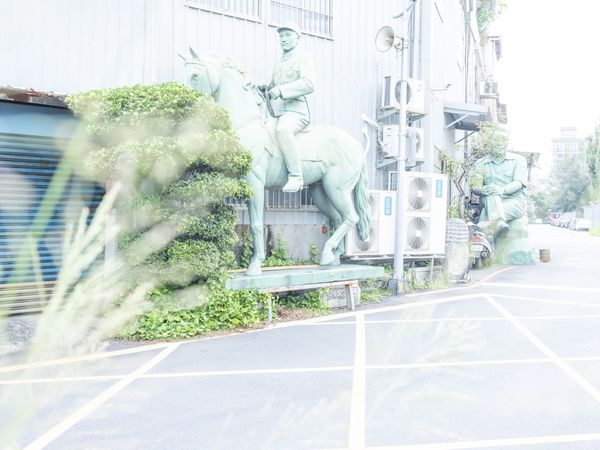
Chiang Kai-shek’s statues, once towering over Taiwan’s public spaces, now linger in history’s shadows, symbols of a society confronting its past. This photographic project captures these monuments and Taiwan’s evolving journey through transitional justice.
The fall of authoritarian regimes often features the dramatic toppling of statues. Taiwan, however, took a quieter approach. Under former President Lee Teng-hui’s “quiet revolution,” its democratic transition was a "soft landing," avoiding widespread bloodshed. The gradual removal of Chiang’s statues reflects this measured transformation—eschewing theatrics but signaling profound change.
Chiang’s legacy is deeply entwined with Taiwan’s mid-20th-century history. After retreating from China in 1949, he ruled Taiwan under martial law, an era marked by political repression and the "White Terror." Statues of him became ubiquitous, serving as instruments of ideological dominance. Yet today, the Kuomintang (KMT), the party that once venerated him, now aligns closely with the Chinese Communist Party (CCP). This shift, seen by many as a betrayal of Chiang’s staunch anti-Communist stance, underscores Taiwan’s evolving political landscape.
The process of "de-Chiangification" has spurred protests and acts of resistance. Statues have been painted, dressed, or altered to critique authoritarianism or mourn White Terror victims. Some acts, like decapitations, highlight the charged emotions Chiang’s legacy still provokes.
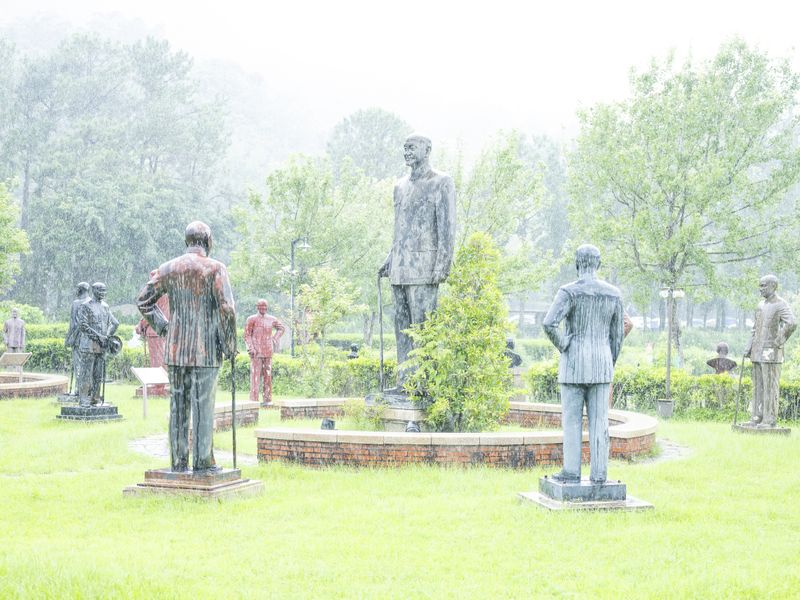
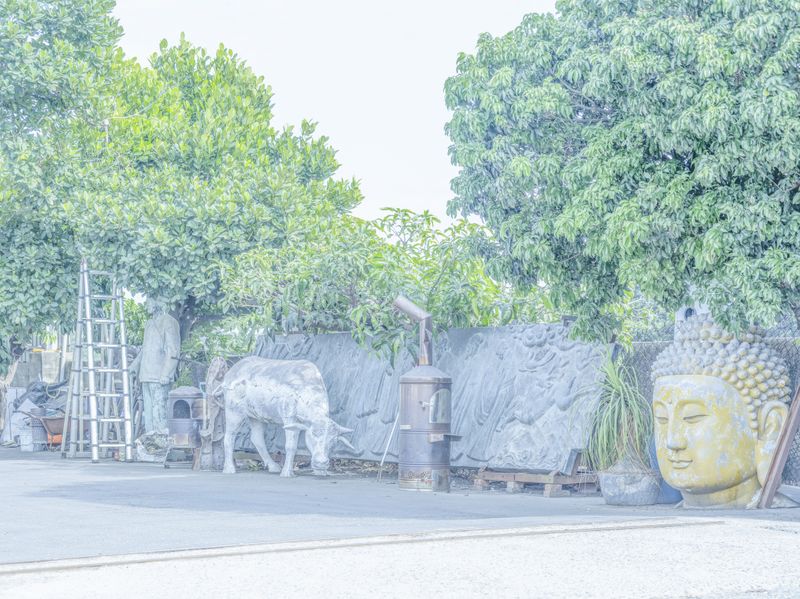
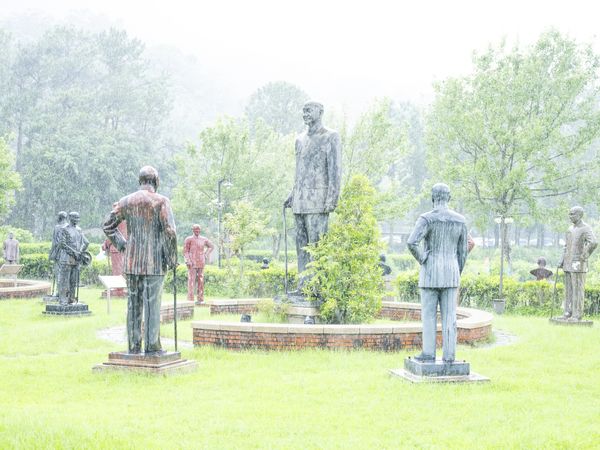
One striking site is the Cihu Memorial Sculpture Park in Taoyuan, where Chiang’s statues from across Taiwan are collected. Repainted in muted tones, they form a surreal, almost postmodern tableau near his mausoleum, juxtaposing displaced monuments with his embalmed body. This park encapsulates Taiwan’s complex and often contradictory relationship with its history.
The removal of Chiang’s statues is emblematic of Taiwan’s broader shift toward de-Sinicization—emphasizing Taiwanese language, history, and identity. Educational reforms reinforce this narrative, reframing Taiwan’s story as distinct from China’s. Public debates over these statues further highlight Taiwan’s participatory democracy.
As these statues vanish, they leave behind more than empty pedestals. They create space for new narratives and symbolize a future unbound by authoritarian legacies—a Taiwan charting its own path of democracy, resilience, and self-determination.