The Feather Collector
-
Dates2021 - Ongoing
-
Author
- Topics Nature & Environment, Documentary
- Locations Italy, Spain, Florida
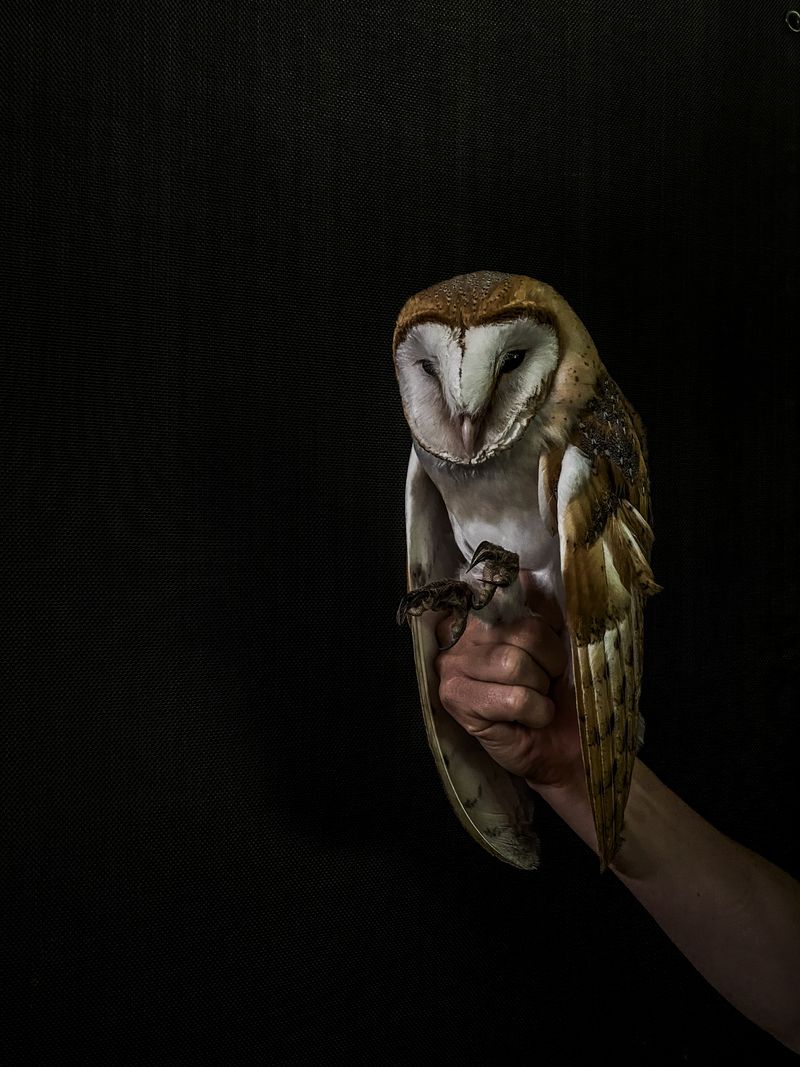
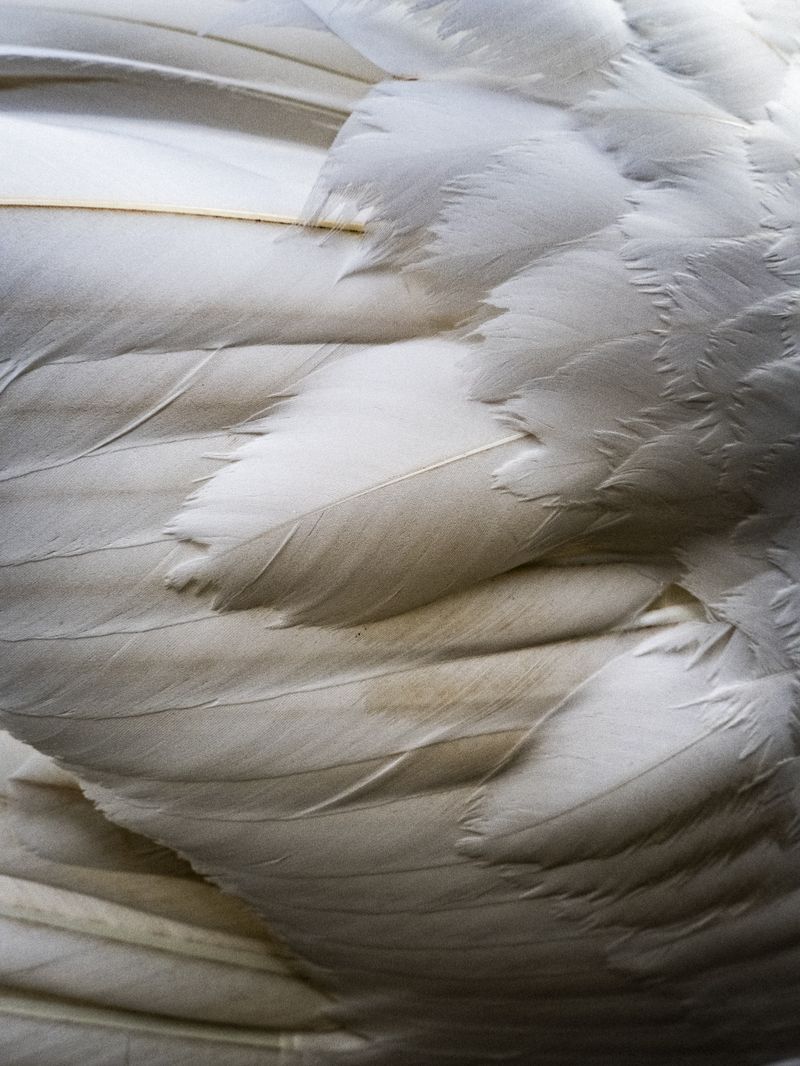
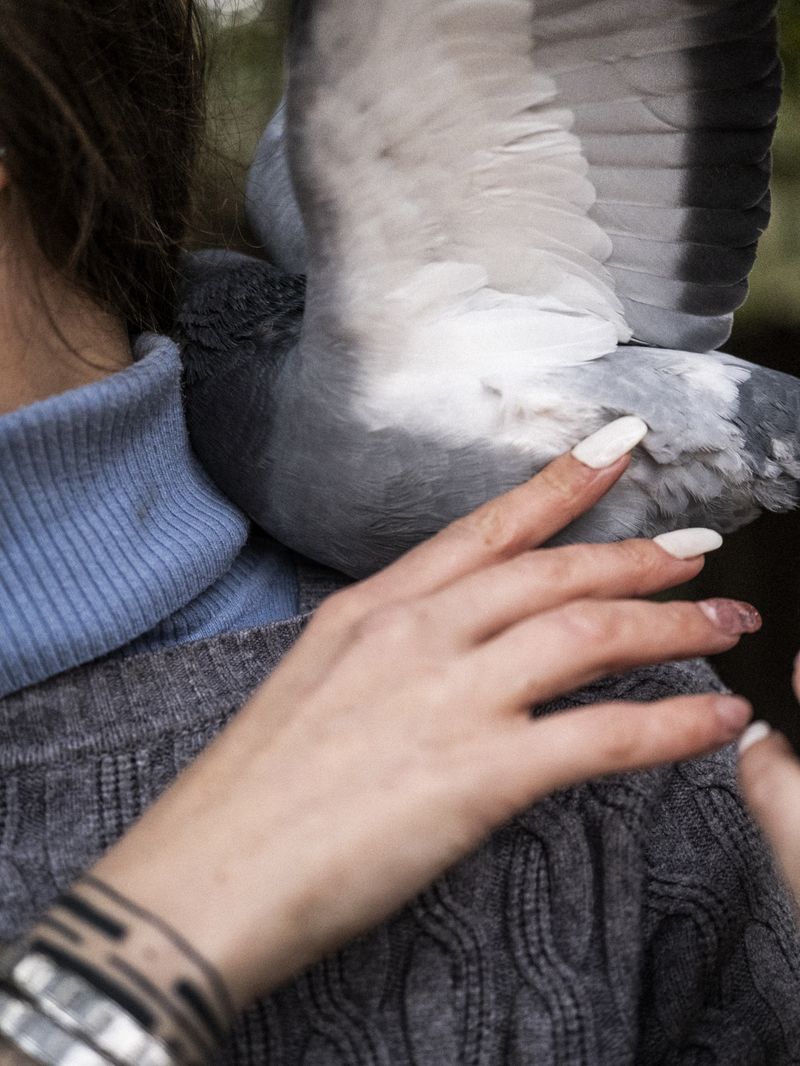
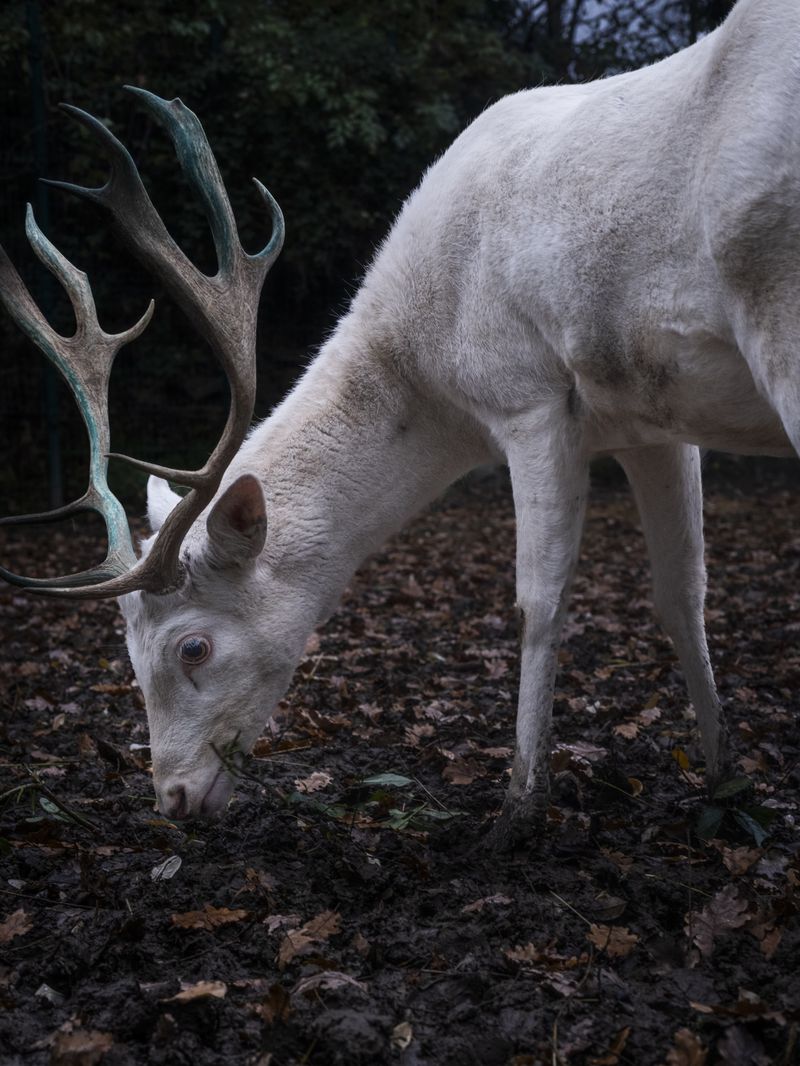
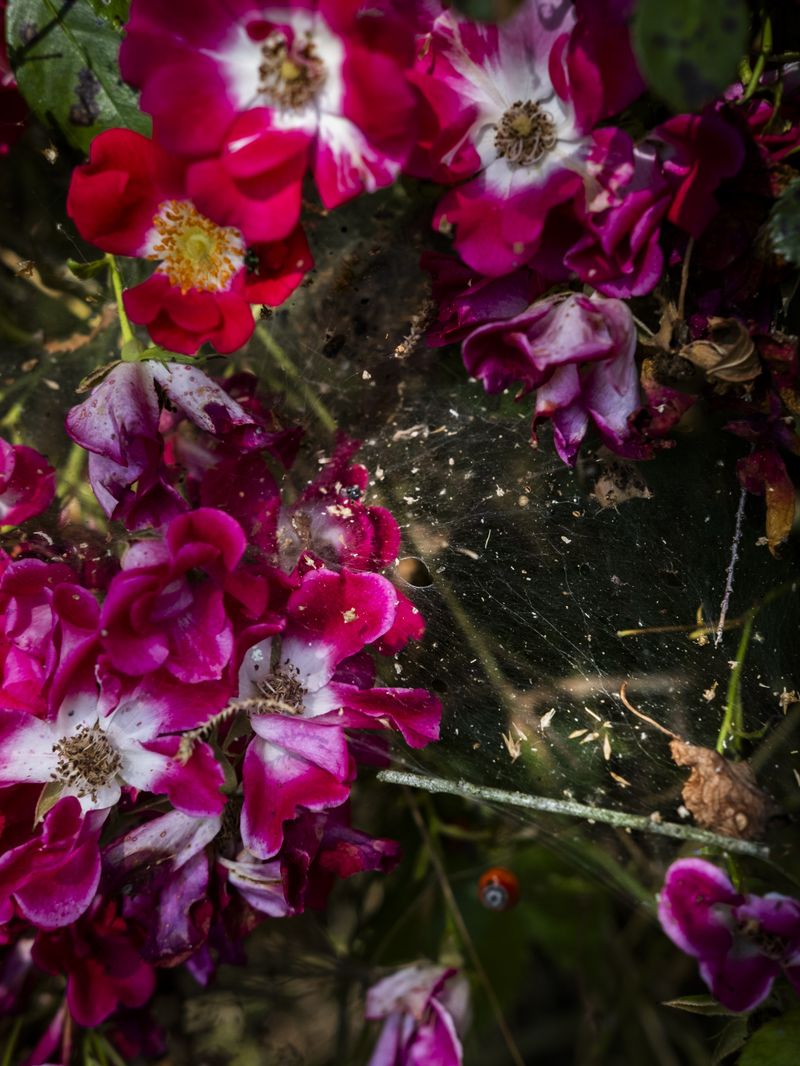
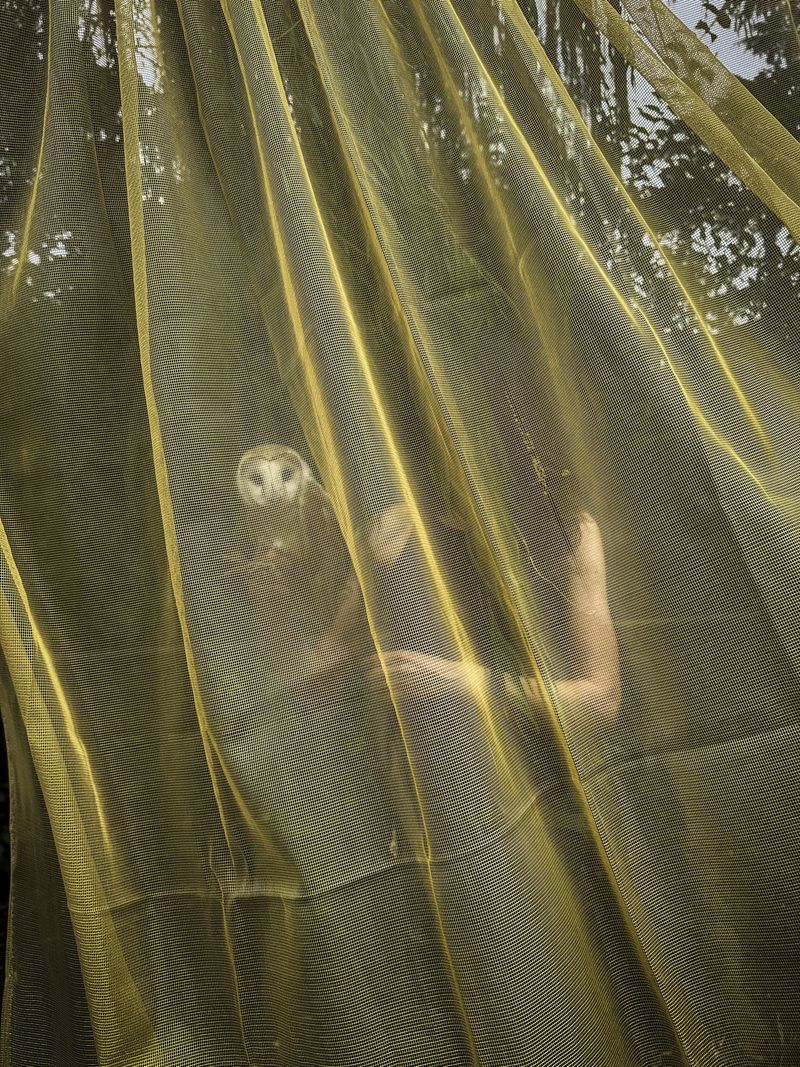
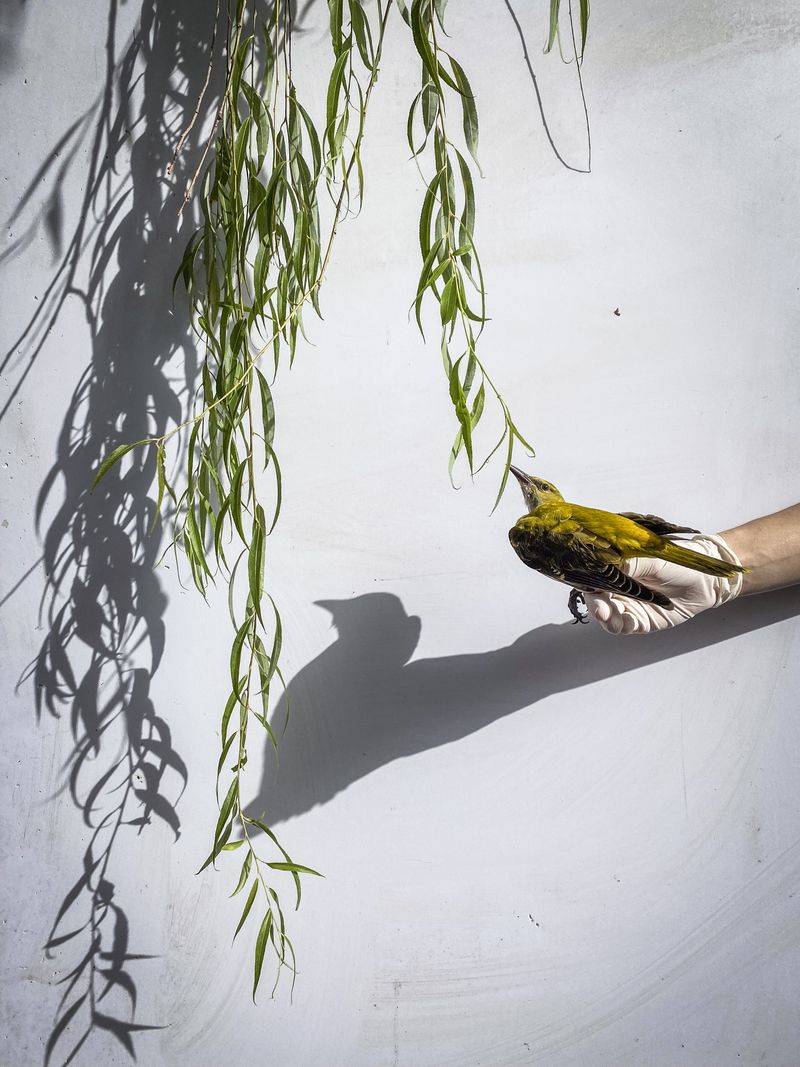
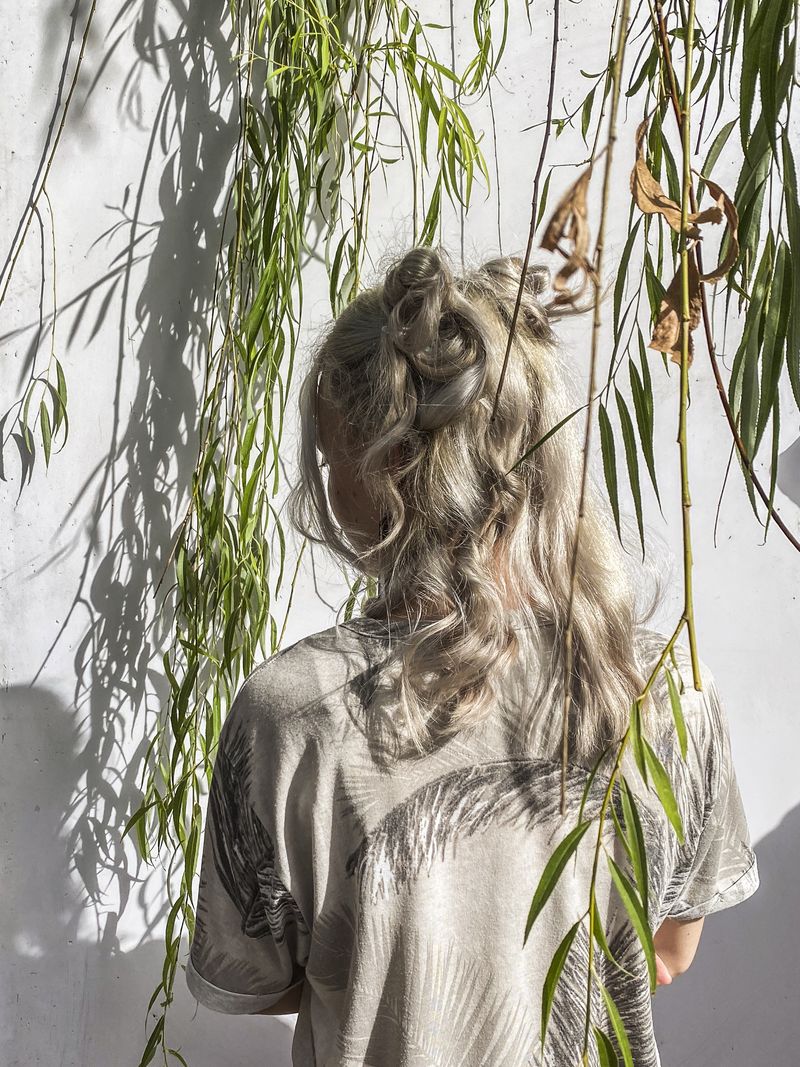
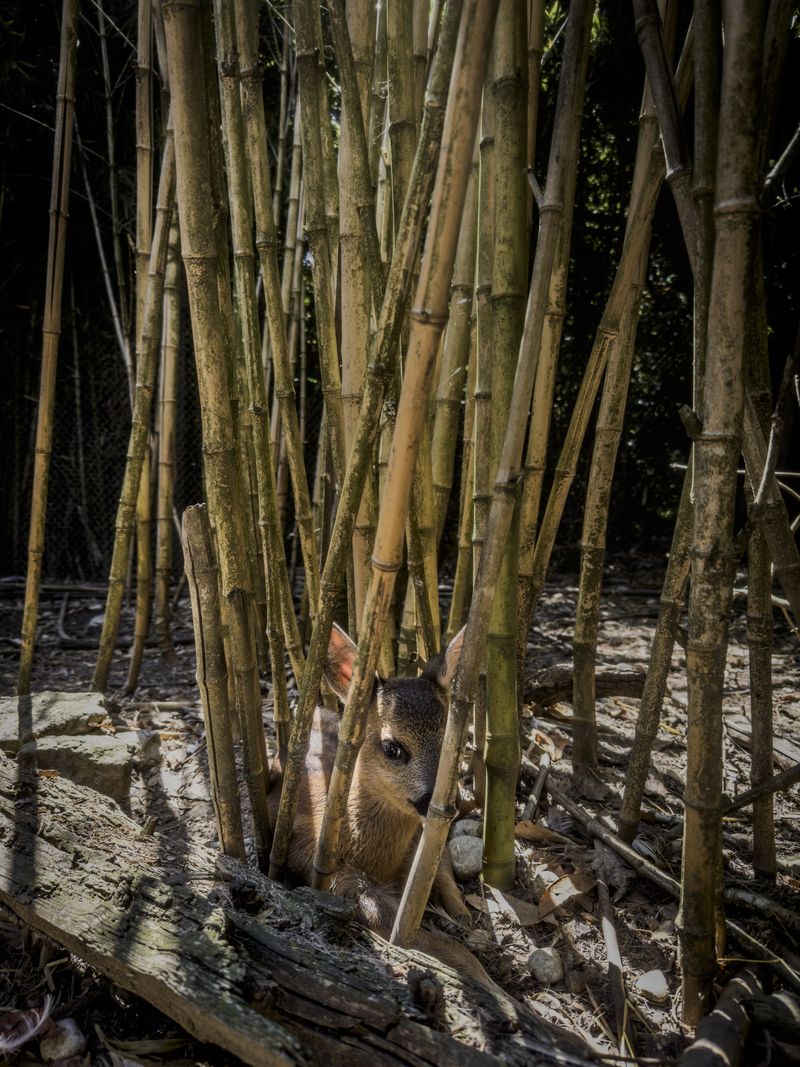
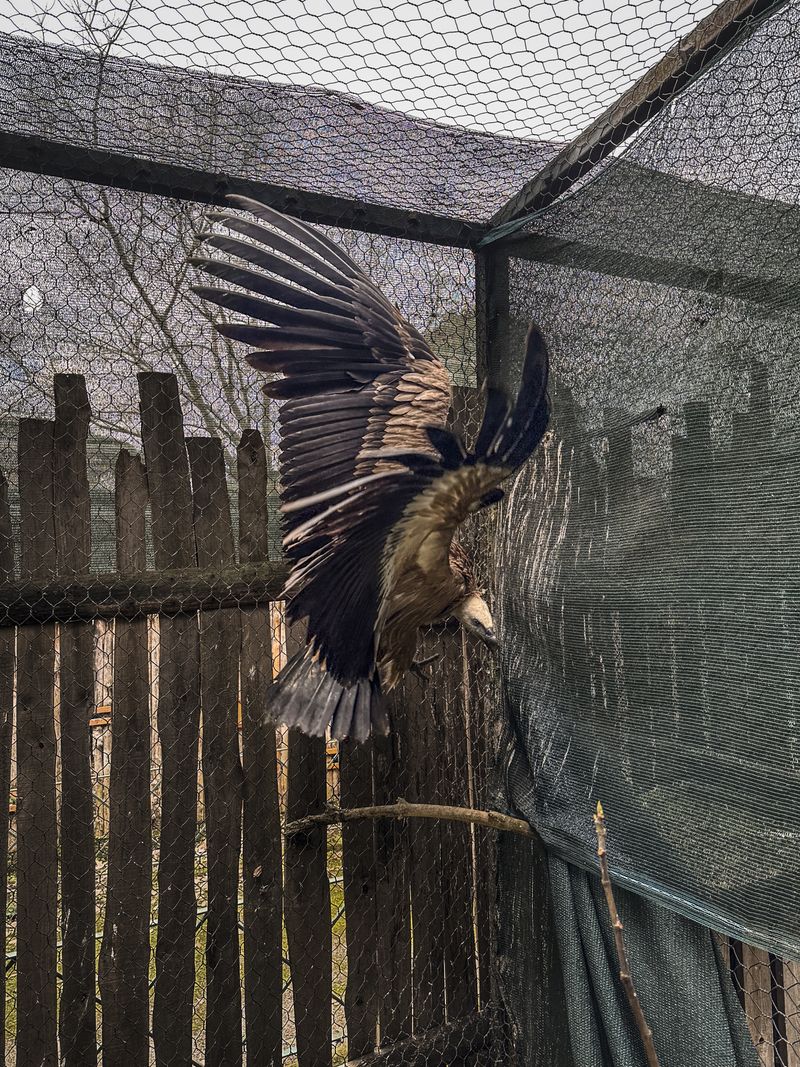
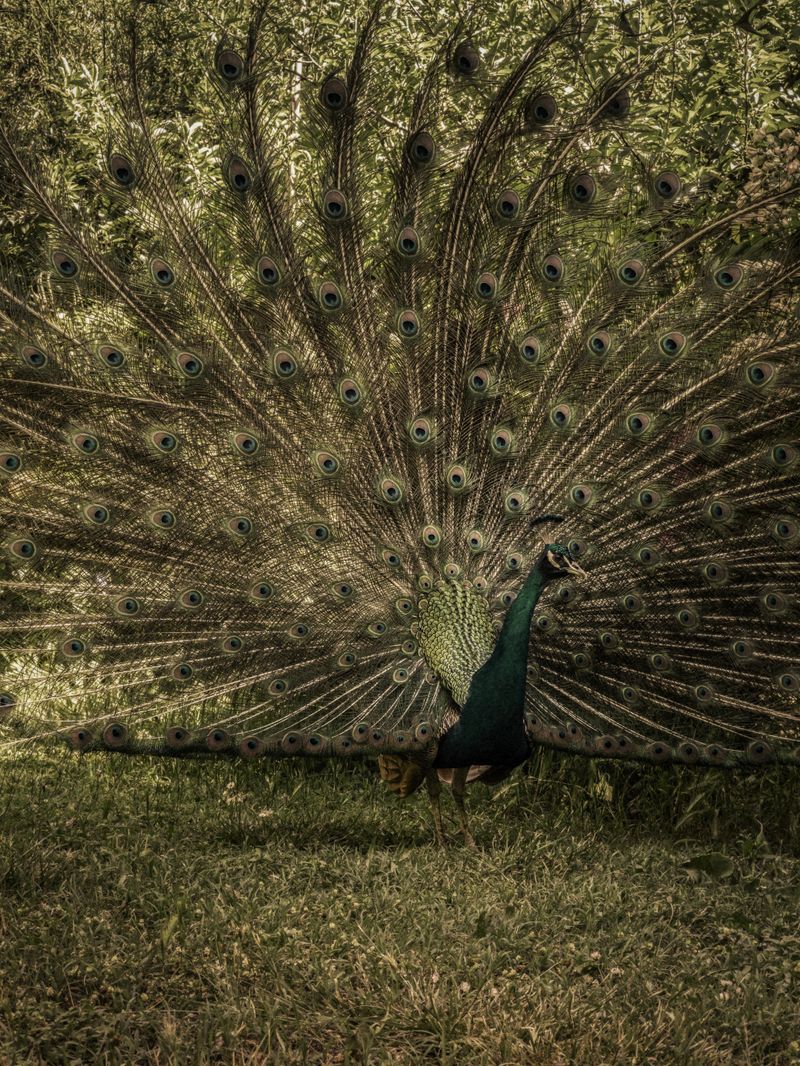
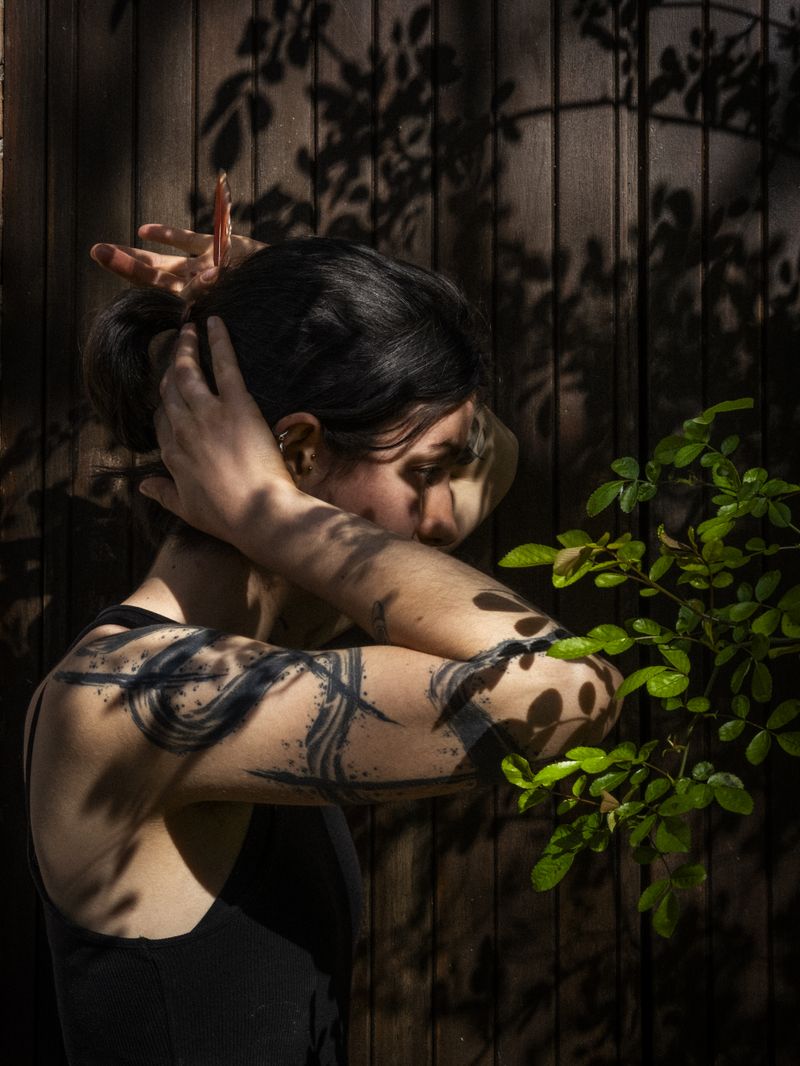
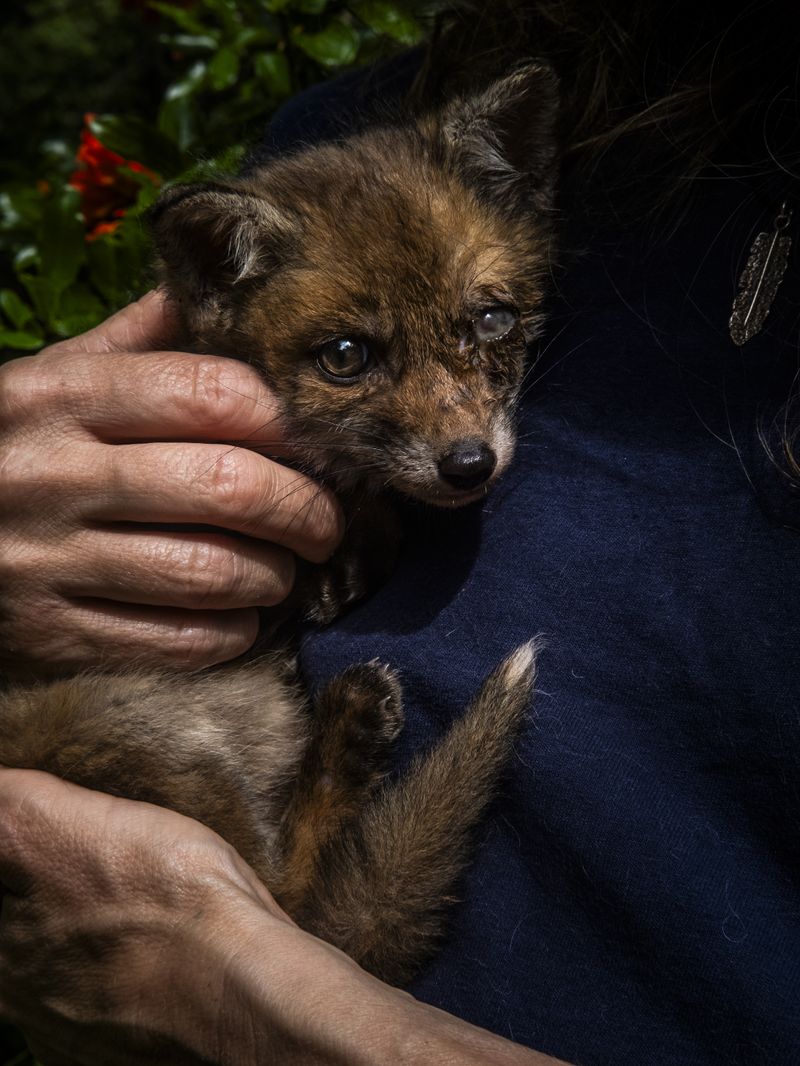
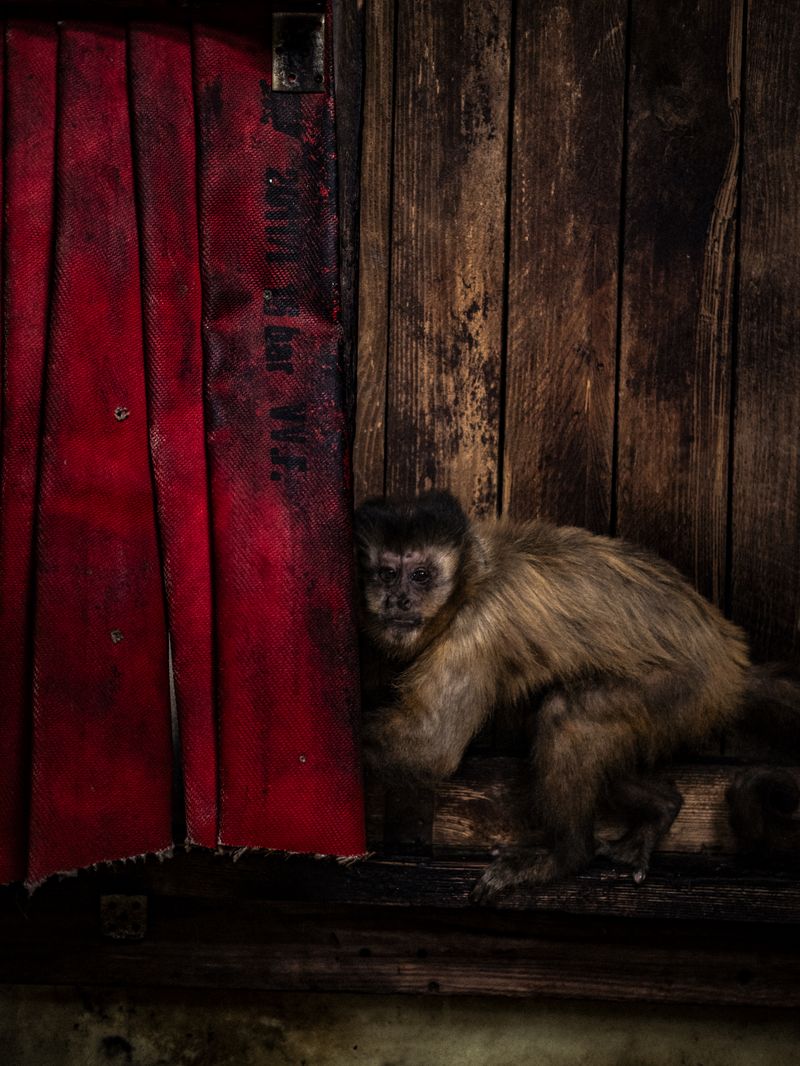
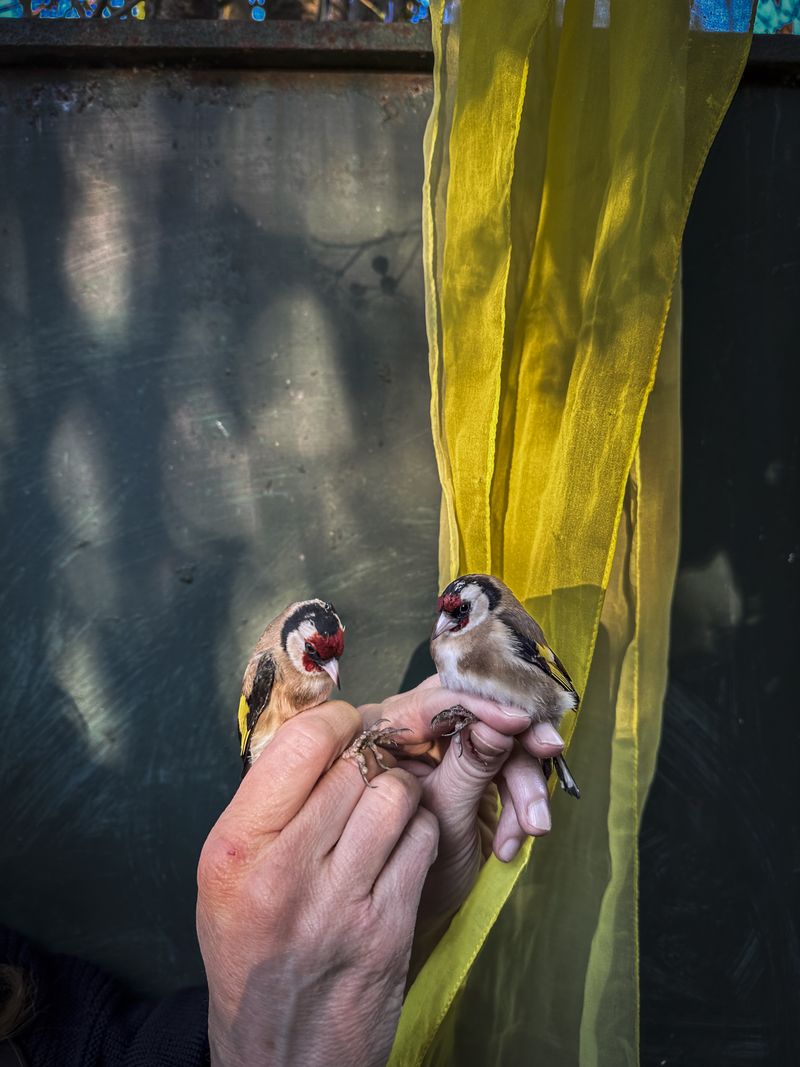
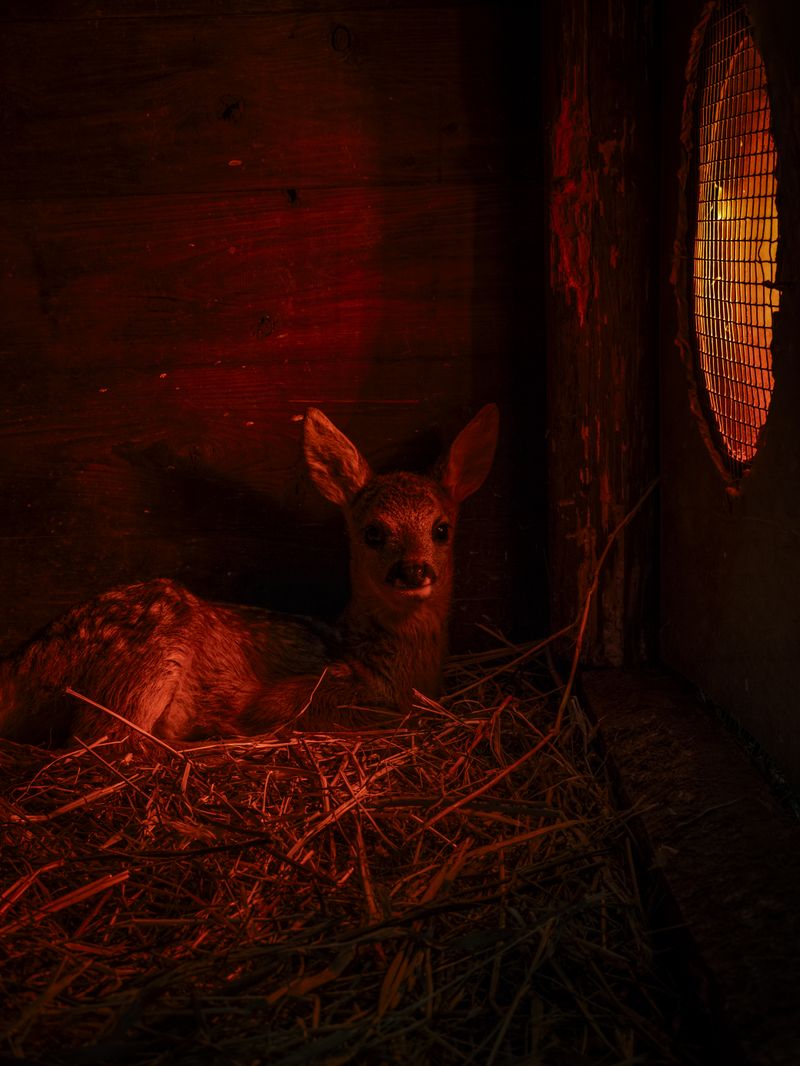
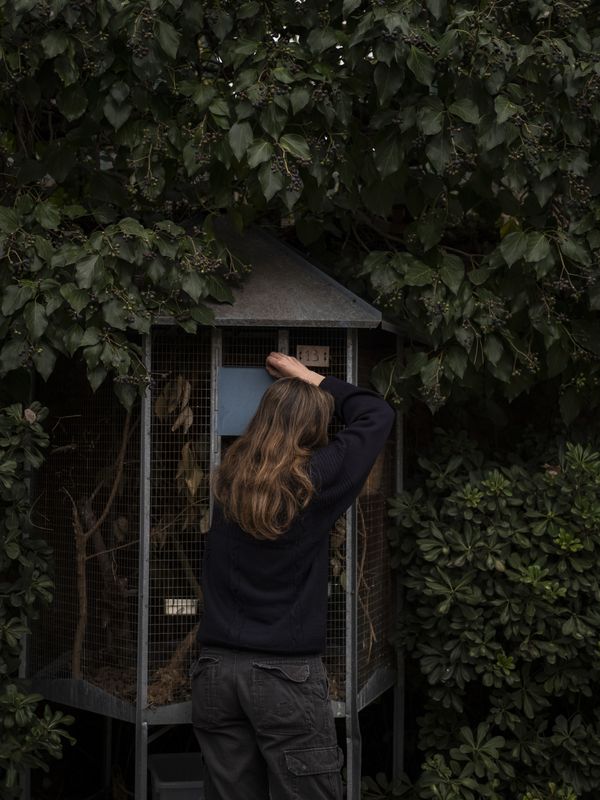
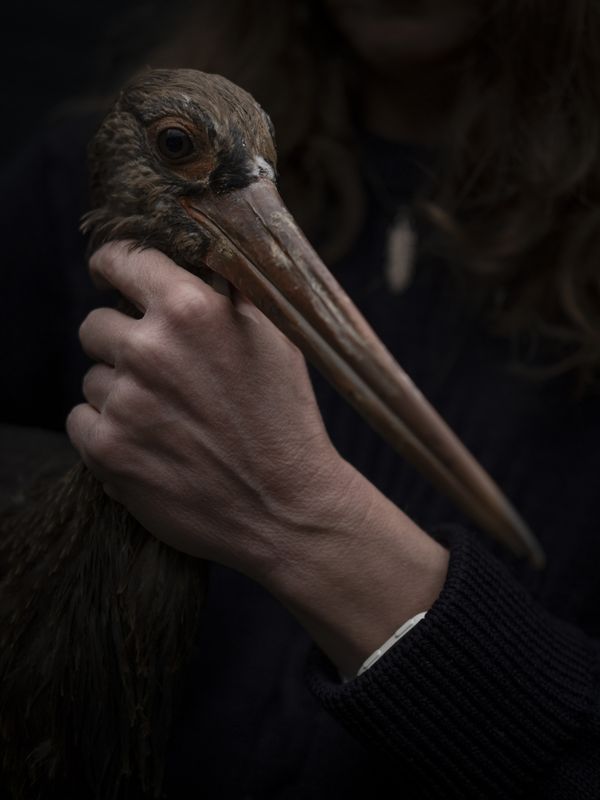
A visual journey into wildlife rehabilitation, where women and animals share a common resistance. The Feather Collector captures a profound act of restitution: a female solidarity that heals the wounds of exploitation and returns the wild to the Earth.
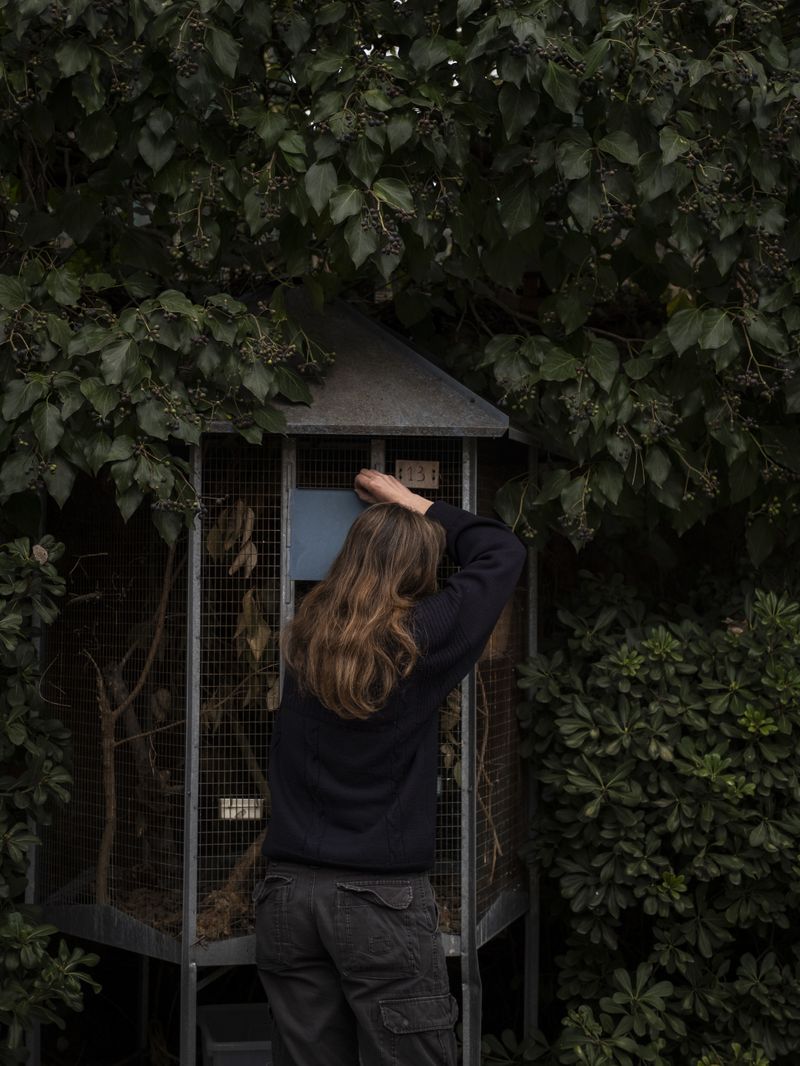
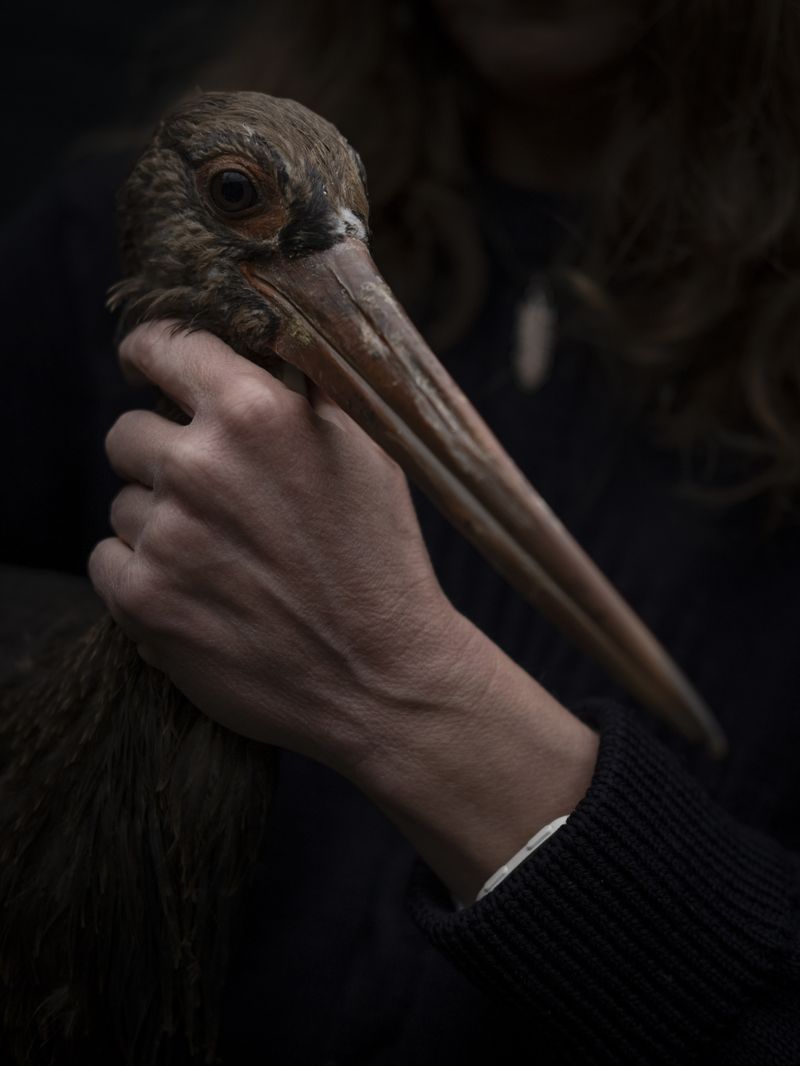
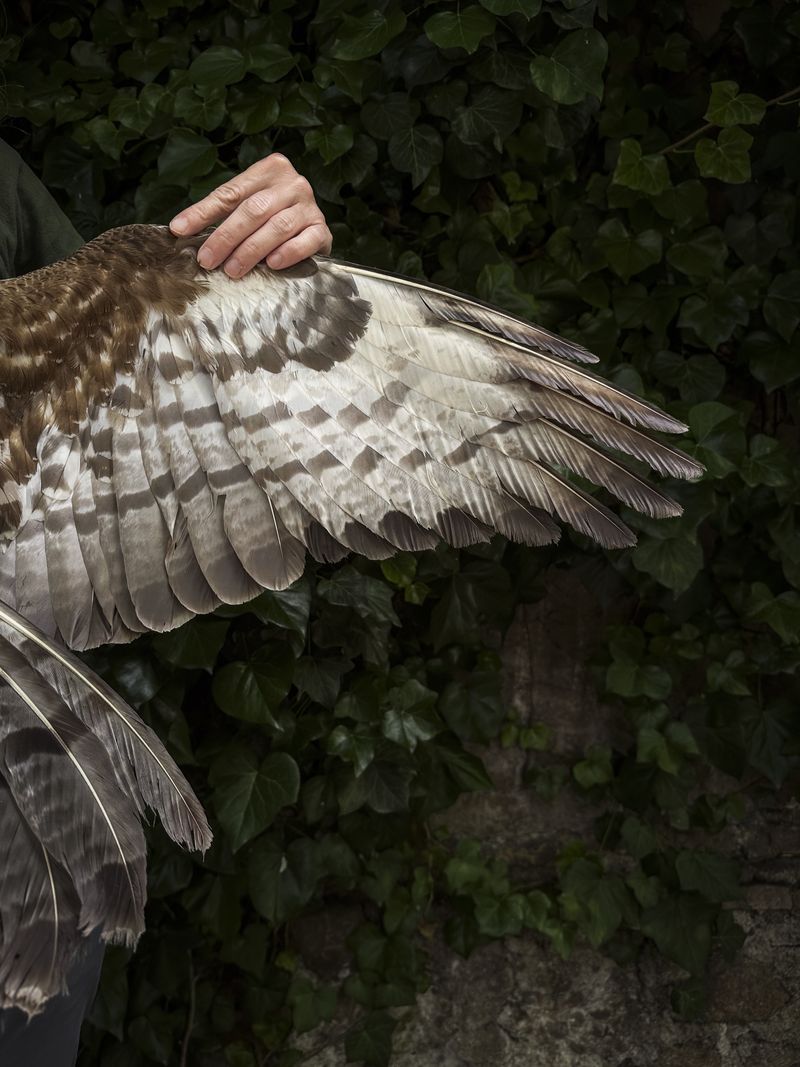
During the last four years I have documented the work of wildlife hospitals, spending a lot of time in various facilities. I began to see hospitals for wildlife rehabilitation as battlefields where the clash between natural and artificial, wild and domesticated, urban and extra-urban is being fought.
Collateral victims of a conflict bigger than themselves, the animals find, in the place of care, people, especially women, engaged in a complex process of restitution: giving back to animal what was taken from it and returning the animal to the Earth.
This extraordinary connection between women and animals impressed me deeply. As written by Josephine Donovan in her text Animal Rights and Feminist Theory, women and animals are traditionally considered non-rational beings, to be controlled and subjugate, by the hegemonic logic of patriarchal science. From a feminist point of view, domination over nature, rooted in male, post-medieval and Western psychology, is the underlying cause of animal abuse and natural resources exploitation as much as women’s oppression. Speciesism - which arbitrarily assumes that humans are more valuable than other forms of life - is analogous to sexism and racism because it privileges one group (human, male, white) over another.
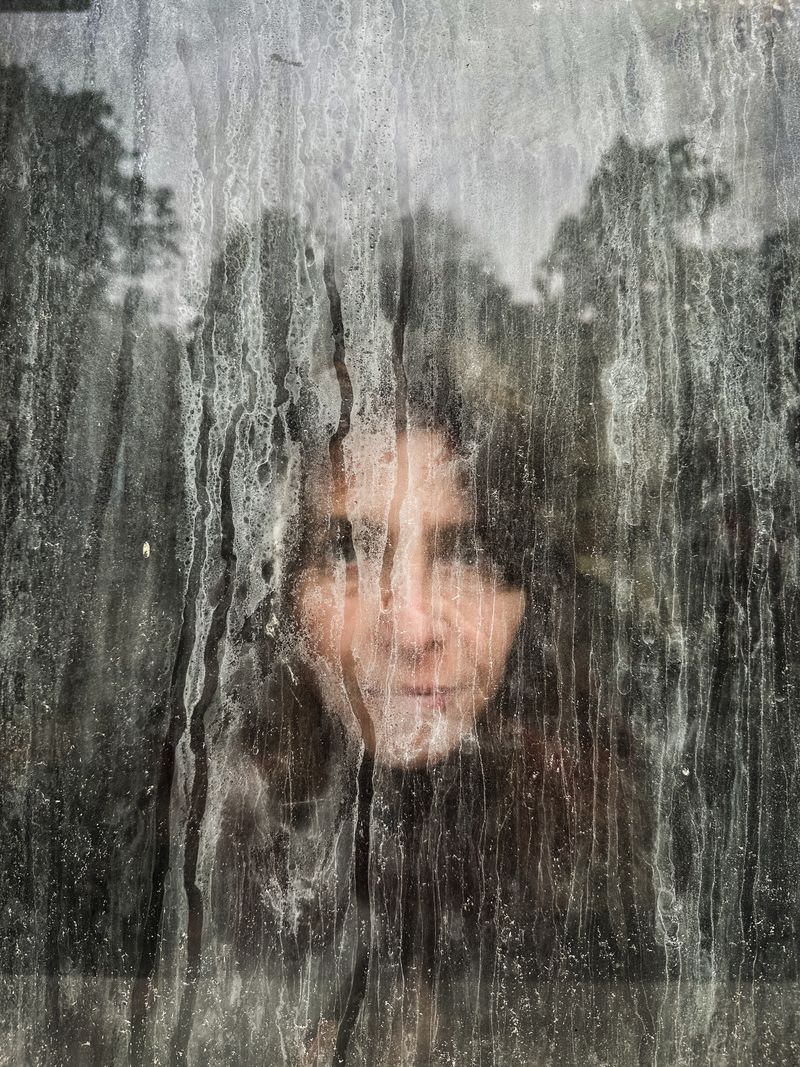
The link between women and animals is therefore addressed both in women’s literature and in various feminist studies: and it is no coincidence that, since the nineteenth century, when women became the main activists of the antivivisectionist movement, the history of feminist thought is closely intertwined with animalist philosophy. If male culture rests its foundations on man’s control over nature, the two bodies, that of the woman and that of the animal, can instead be united.
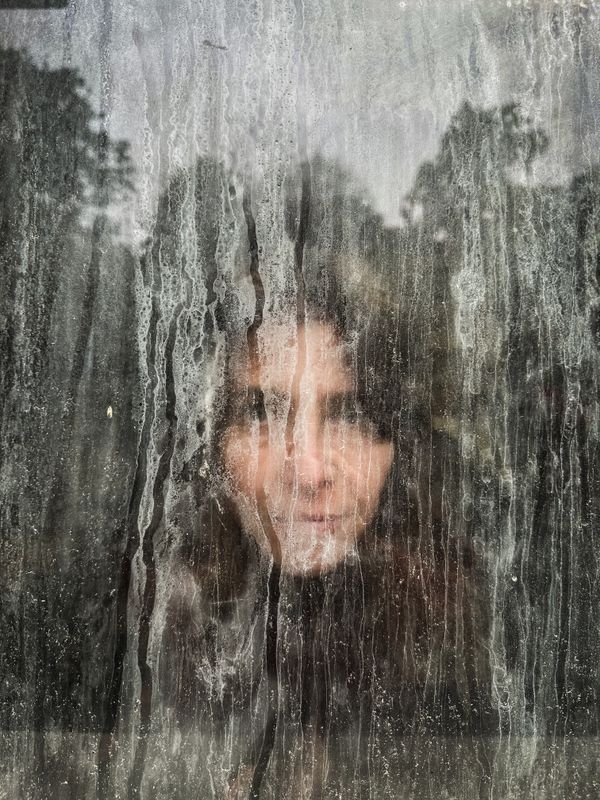
This solidarity is what my project explores, to celebrate the extraordinary strength of the women and animals I met on this journey.