
the distance within

  • Dates
    2024 - Ongoing
  • Author
  • Topics Contemporary Issues, Documentary, Fine Art, Social Issues
  • Location Germany, Germany

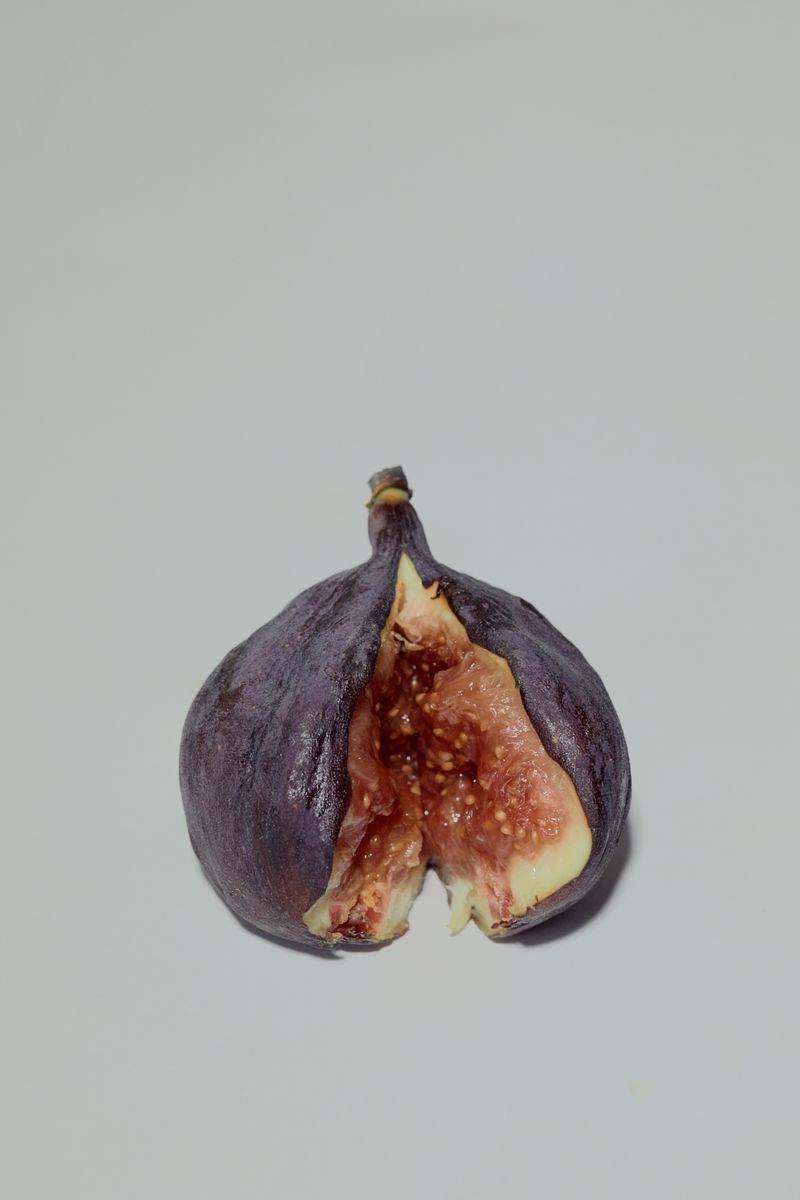
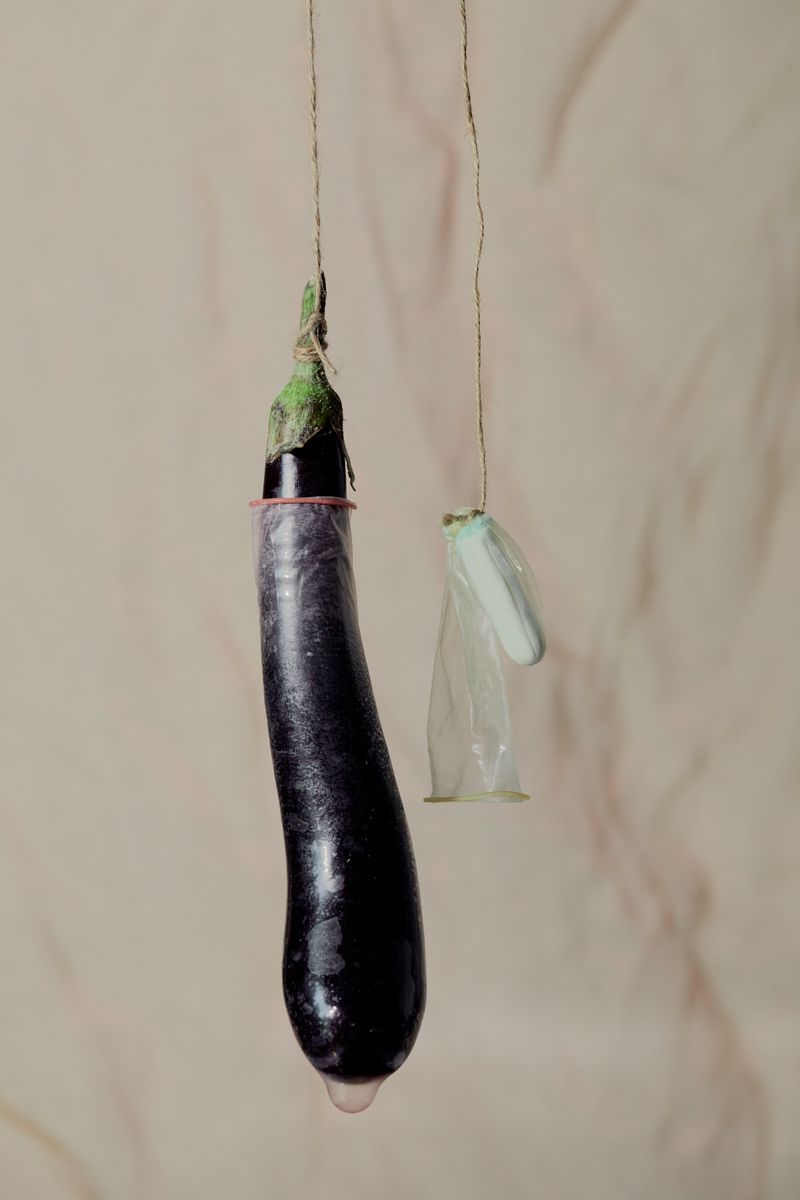
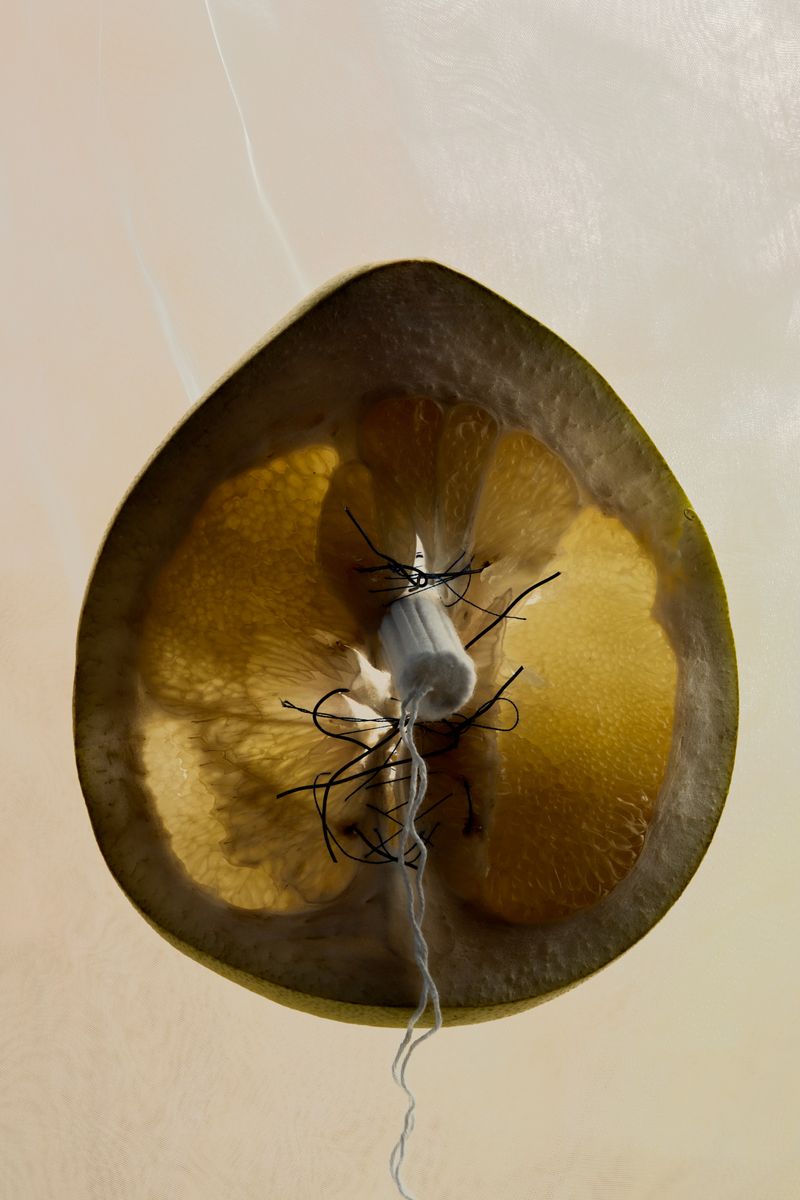
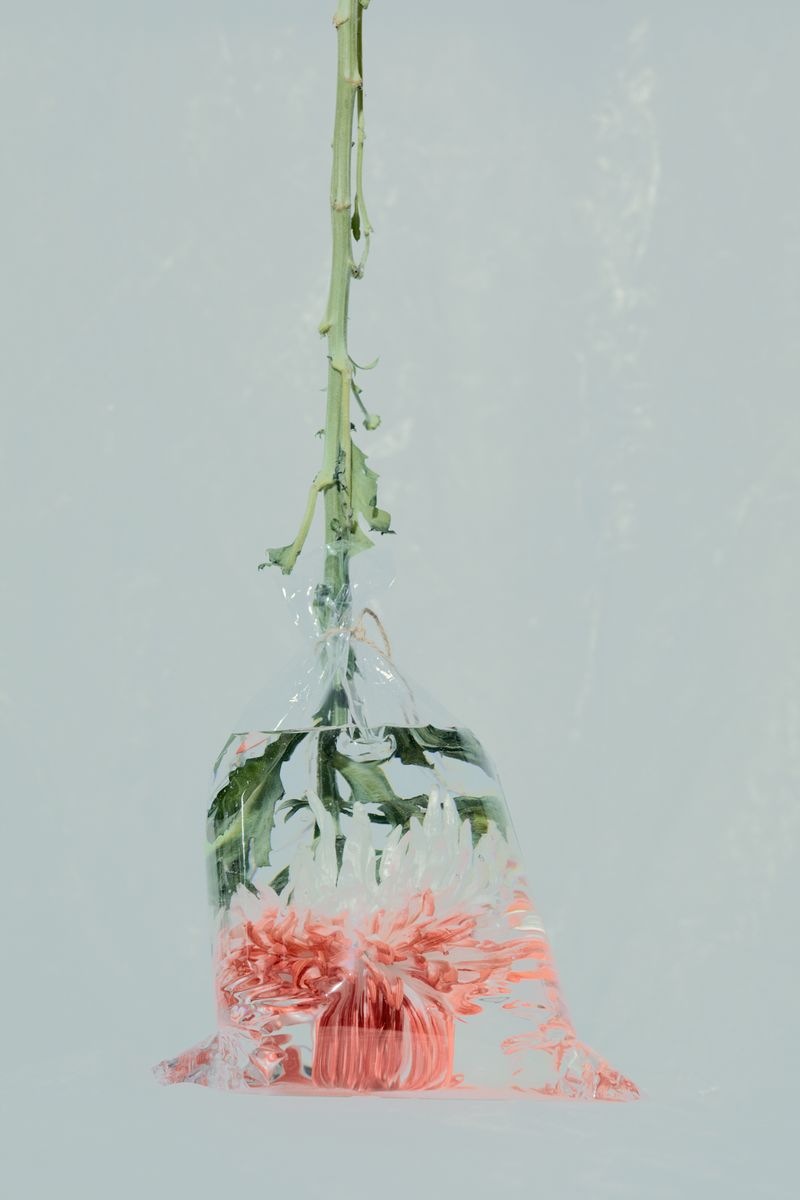
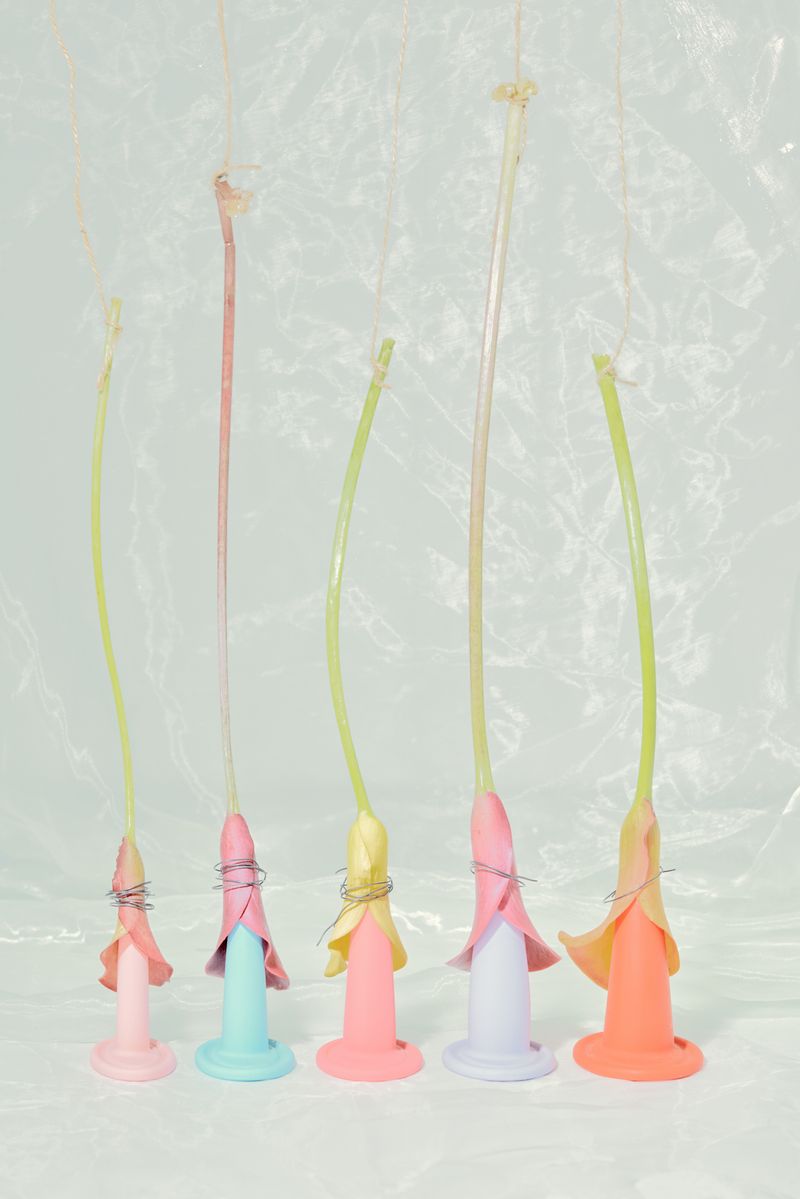
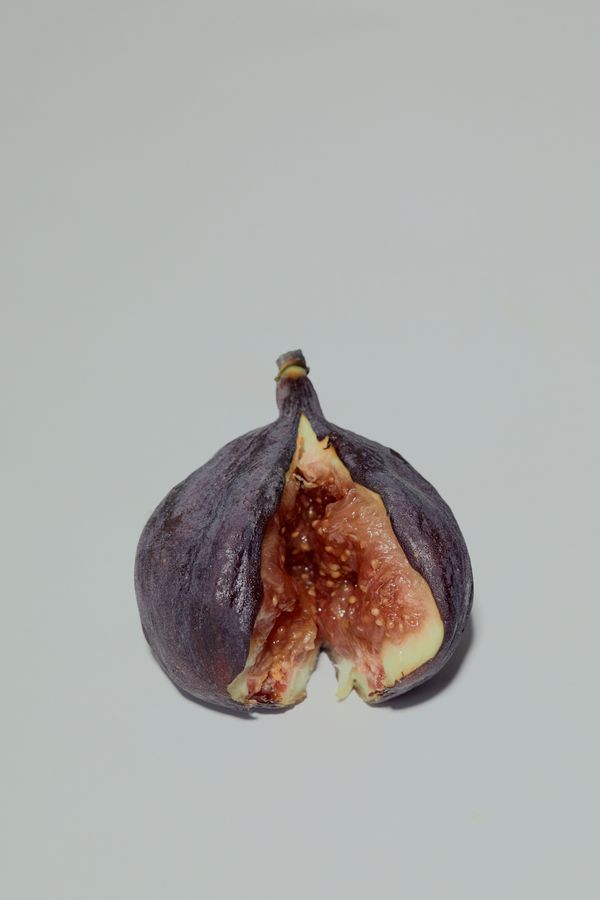
The distance within explores vaginismus and the silence surrounding it. The work reflects on pain, intimacy and the psychological impact of a body that withdraws from closeness, creating visual space for experiences rarely represented in public.

Pain during penetrative intercourse is rarely discussed openly. The fact that millions of people worldwide suffer from vaginismus often remains hidden in our society. The diagnosis affects not only the physical but also the emotional well-being of those affected. It is frequently accompanied by shame, insecurity, and social withdrawal.

Vaginismus is a sexual dysfunction that can cause involuntary spasms of the pelvic floor muscles. As a result, intimacy, the insertion of tampons, or gynecological examinations become painful or impossible. Vaginismus can affect people regardless of their gender identity or sexual orientation and often occurs at a young age or later in life. Despite the high number of people affected, vaginismus is often diagnosed late or not taken seriously.

Many affected individuals report that they lack the words, images, and social points of reference to make sense of or communicate their experiences. The silence surrounding the topic reinforces the feeling of being alone with one’s own body. Public discourse, medical education, and visual representation remain limited to date.

This photographic work explores these states of pain, protection, and vulnerability. It focuses on what eludes us: on intimacy that cannot be realized, on closeness that becomes painful, and on the psychological consequences of a body that defies one’s own will.

the distance within is intended as a contribution to destigmatizing mental and physical diagnoses in the context of sexual health, as well as educational work addressing the injustices and lack of knowledge surrounding the female-identified body. The project creates images for experiences that have had little public representation to date and conveys a clear message:

You are not alone on your journey with vaginismus.

© Kate Kuklinski - Image from the the distance within photography project
i

Vaginismus is an uncontrolled spasm of the pelvic floor muscles. It is a sexual function disorder that can be divided into primary and secondary forms. Primary vaginismus occurs when those affected have never been able to insert anything into the vagina, while secondary vaginismus can be caused by certain triggers such as anxiety, depression, or traumatic experiences.

© Kate Kuklinski - Image from the the distance within photography project
i

When Pia was 12 years old, she noticed during her first period that she couldn't use tampons. At the time, she didn't think anything of it, but today she knows that she has primary vaginismus. She suspects that growing up in the church and in a very religious, Christian environment was the trigger.

© Kate Kuklinski - Image from the the distance within photography project
i

When penetration or the insertion of tampons becomes impossible and even the thought of touching the genital area causes the affected women to tense up their vaginal and pelvic floor muscles. Some have never had a gynecological examination, or even a smear test for the early detection of cervical cancer is painful or impossible.

© Kate Kuklinski - Image from the the distance within photography project
i

Culturally, sex is often equated with vaginal penetration. Sex without penetration can be just as fulfilling, and what sex is can be defined individually. It is important to understand that not all people seek or need the same sexual experiences and that there are many ways to experience pleasure and intimacy without vaginal penetration.

© Kate Kuklinski - Image from the the distance within photography project
i

Amelie, name changed, suffers from secondary vaginismus. It was triggered by a panic fear of becoming pregnant. Four years ago, Amelie had an abortion, after which her body developed a kind of protective mechanism, vaginismus, to protect itself from her fears and further trauma. Since then, her mind and body have been speaking two different languages.

© Kate Kuklinski - Image from the the distance within photography project
i

Pain during sexual intercourse is often hidden due to shame. It affects almost one in five people, but only about one in three talk to their doctor about it, which can lead to chronic, untreated problems. This can create a vicious circle of pain, anxiety and negative expectations, affecting sexual desire, and is often accompanied by other gynaecological complaints.

© Kate Kuklinski - Image from the the distance within photography project
i

The vagina is naturally stretchy, but the tightness in the lower third is often caused by tension in the pelvic floor, a protective reaction similar to closing the eyelids when a foreign object enters the eye. However, this reaction can be overcome by changes in thinking and experience, especially when penetration is experienced as pleasurable and arousing.

© Kate Kuklinski - Image from the the distance within photography project
i

Sophie suffers from a very mild form of vaginismus; she has always had severe menstrual cramps, which led to spasms during her period, but since the birth of her daughter, she also experiences pain during sexual intercourse.

© Kate Kuklinski - Image from the the distance within photography project
i

Cramping of the pelvic floor and vaginal muscles can lead to narrowing or closure of the vaginal entrance and is often triggered by fear of pain. This cramping can occur at the mere thought of sexual intercourse or intimate touching, even if the person desires penetration.

© Kate Kuklinski - Image from the the distance within photography project
i

The causes of Anni's suffering were profound. Power manipulation by men and traumatic experiences of abuse and rape had exacerbated her vaginismus, causing her severe psychological distress. The symptoms were immediately noticeable: tightness, pain, burning, and bleeding. It felt as if everything was tearing apart. Anni dismissed her pain as a normal, but today she knows that it was vaginismus.

© Kate Kuklinski - Image from the the distance within photography project
i

Dilatators can help treat vaginismus by relaxing and desensitizing the pelvic floor muscles. They are used gradually, and success depends on the patient's mental state and a relaxed environment. Those affected can also have dilators prescribed by their gynecologist.

© Kate Kuklinski - Image from the the distance within photography project
i

Buffer rings are flexible rings that provide protection and control during penetrative sex by controlling penetration and preventing pain. They allow you to determine the depth of penetration yourself and are a helpful option for a pain-free sexual experience.

the distance within by Kate Kuklinski

Prev Next Close