The consequences of love
-
Dates2023 - Ongoing
-
Author
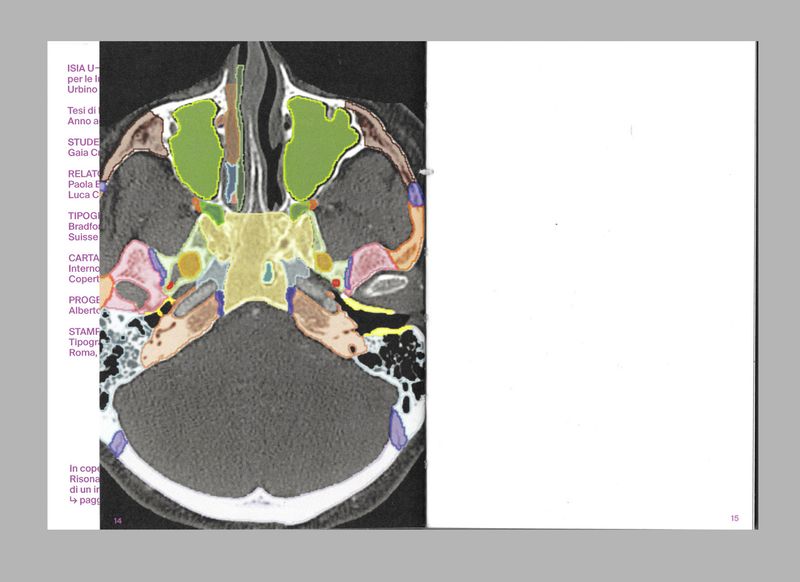
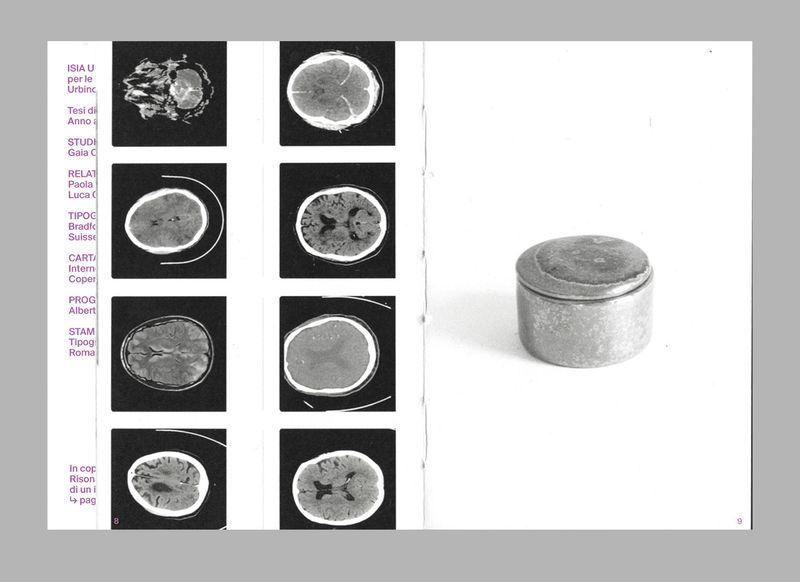
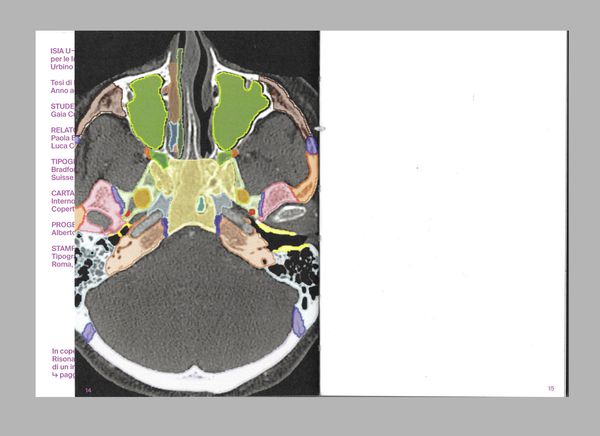
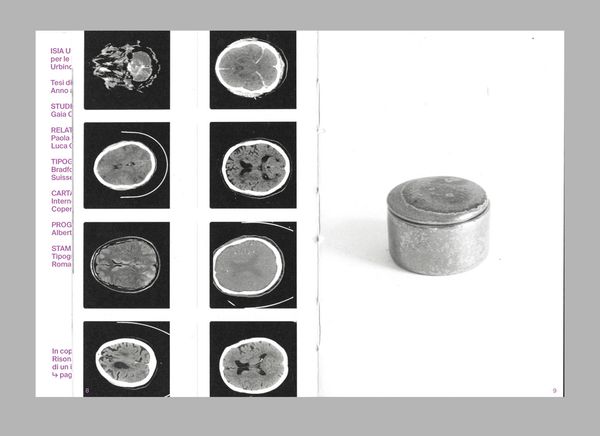
Using a noninvasive biomedical imaging technique,FMRi, a group of Oxford scholars were able to scan the brain activities of subjects engaged in a loving relationship.
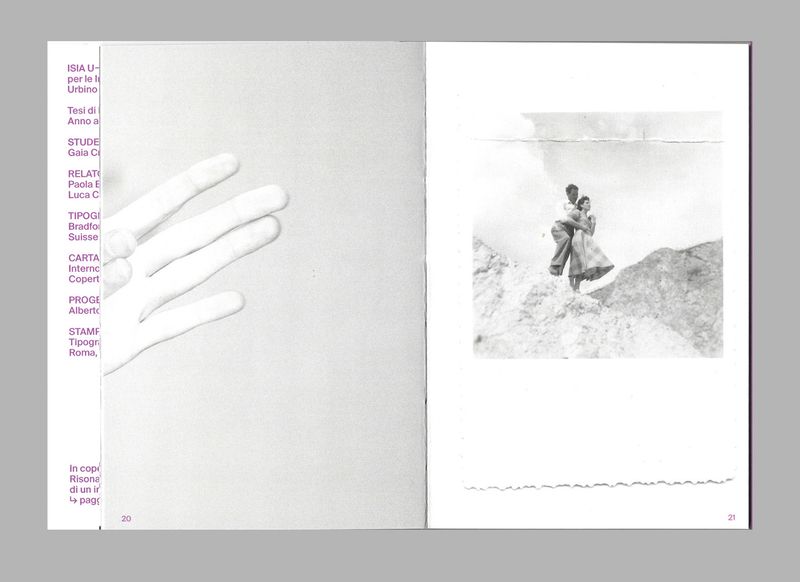
“The worst thing that can happen to a lonely man is to have no imagination” so begins Paolo Sorrentino's film ”The Consequences of Love.” A monologue that leaves no room for considerations regarding the focus of the entire story, which is loneliness. A feeling that devours the human soul making the person a dead man walking. Titta De Girolamo, the film's protagonist, who “of frivolity has only the name,” is a man who, because of poor choices toward business of dubious legitimacy, is an outcast. He lives far from everyone, has been separated from his wife for ten years, and no longer has a bond, neither with his parents nor with his children, who have moved away believing him to be an underworld man. Titta is abandoned, isolated. He lives in a hotel room and the only human interaction he has is with the hotel manager and an elderly gentleman couple. Although the cause that forces Titta into total alienation from the world is his illicit activity, his estrangement is also due to something moral, more visceral and intimate, namely the fear of not being loved.
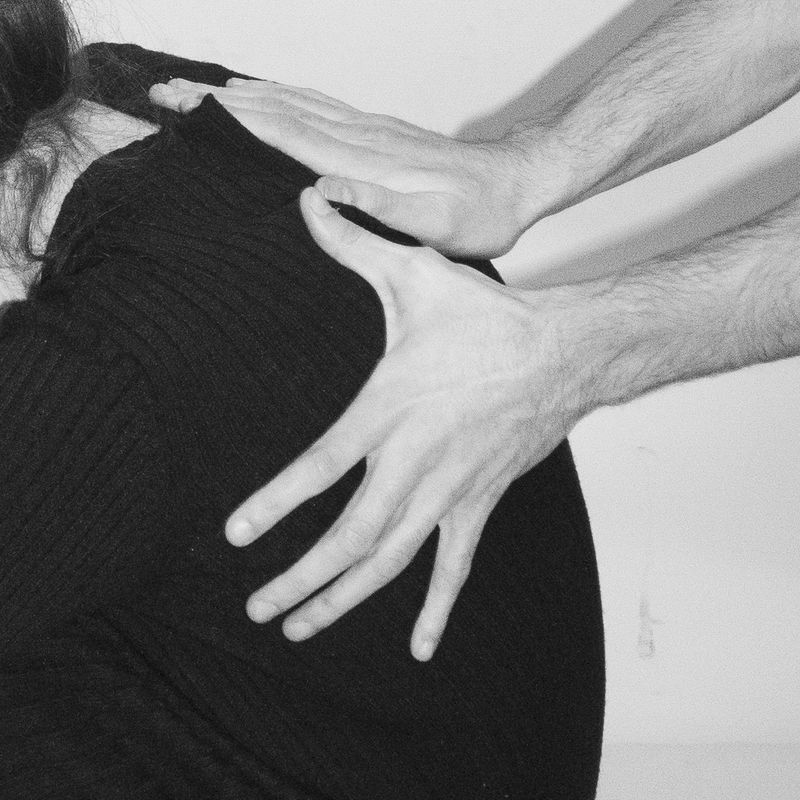
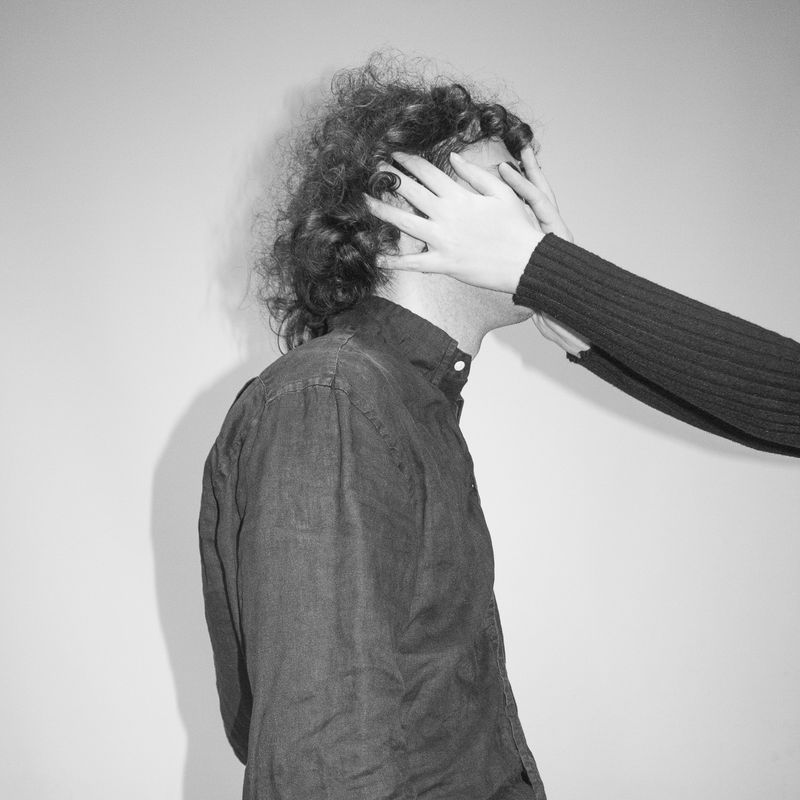
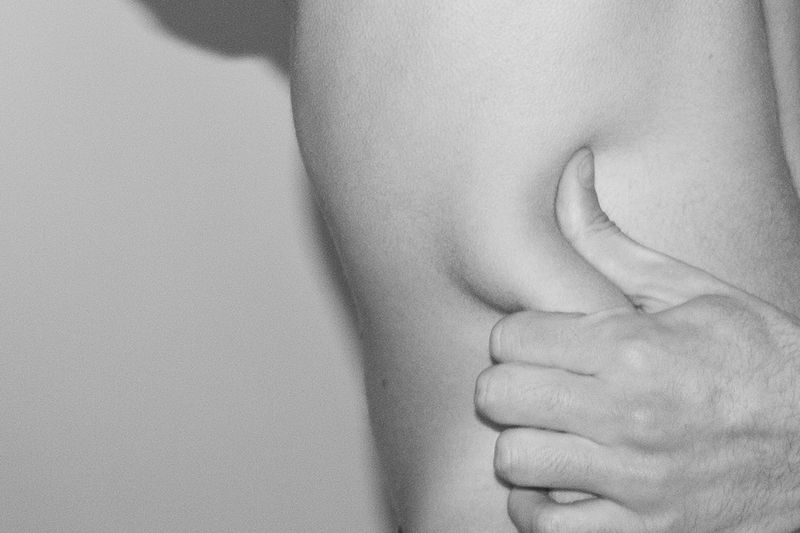
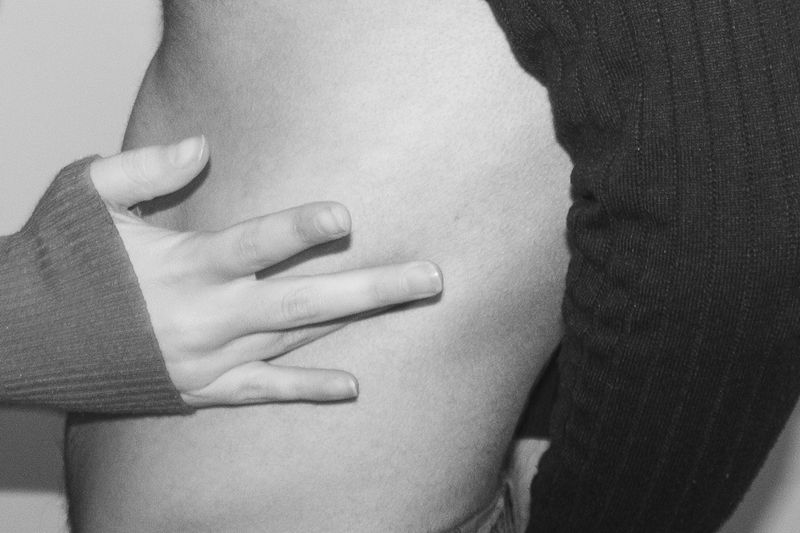
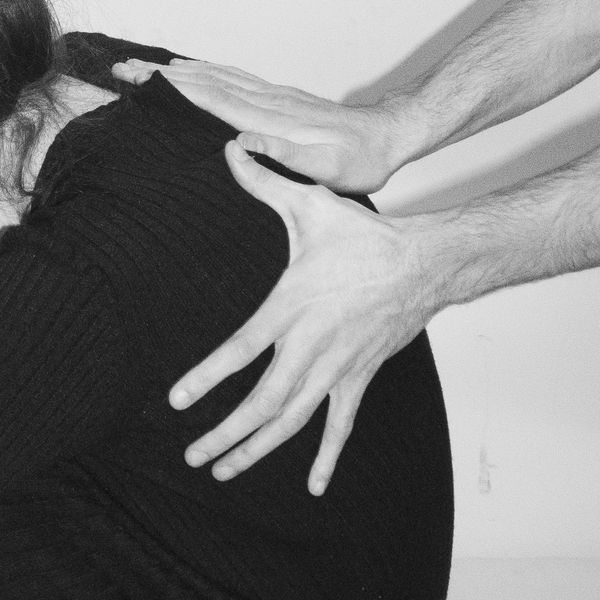
And love the consequence of everything, even a conflicting feeling like loneliness. By scanning the brain activities of a lover, it is possible to delineate a kind of “love map” and consequently its internal motion. And from the outside, how do we appear? The body, matter delineated, binds to Love's internal motion and that is how it is activated, The visceral becomes space in which Love turns on itself.