The Bride in the Maze
-
Dates2023 - Ongoing
-
Author
The work explores the psychogeography of the West Bank, challenging dominant narratives and offering a fragmented yet intimate portrayal of Palestinian life. Through evocative imagery, it reframes perceptions of apartheid and resilience.
This work explores the psychogeography of the West Bank, challenging dominant narratives and offering a fragmented yet intimate portrait of Palestinian life. Through quiet, deliberate imagery, it seeks to reframe perceptions of both apartheid and resilience.
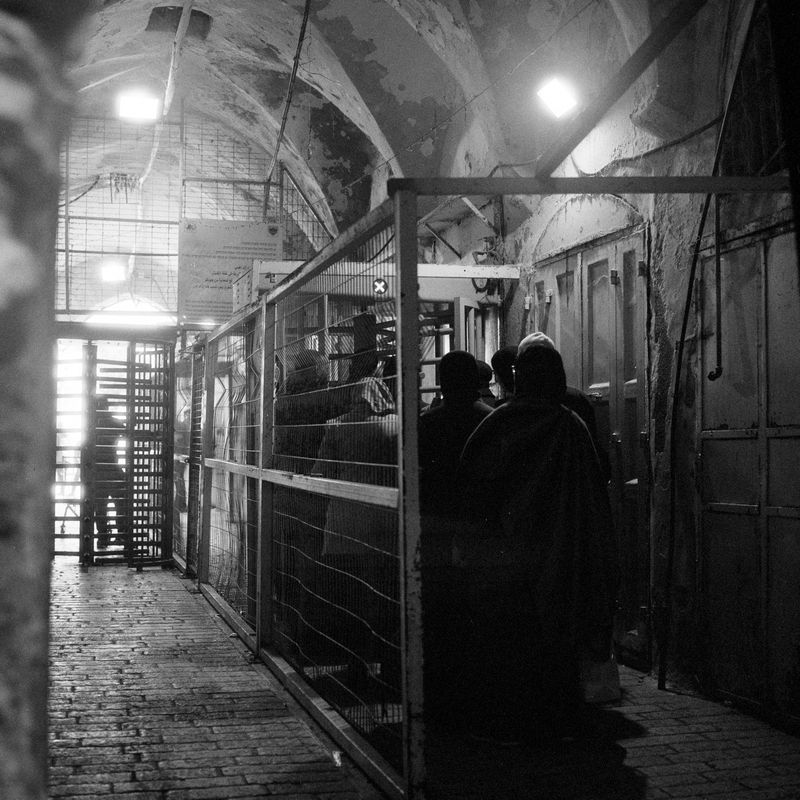
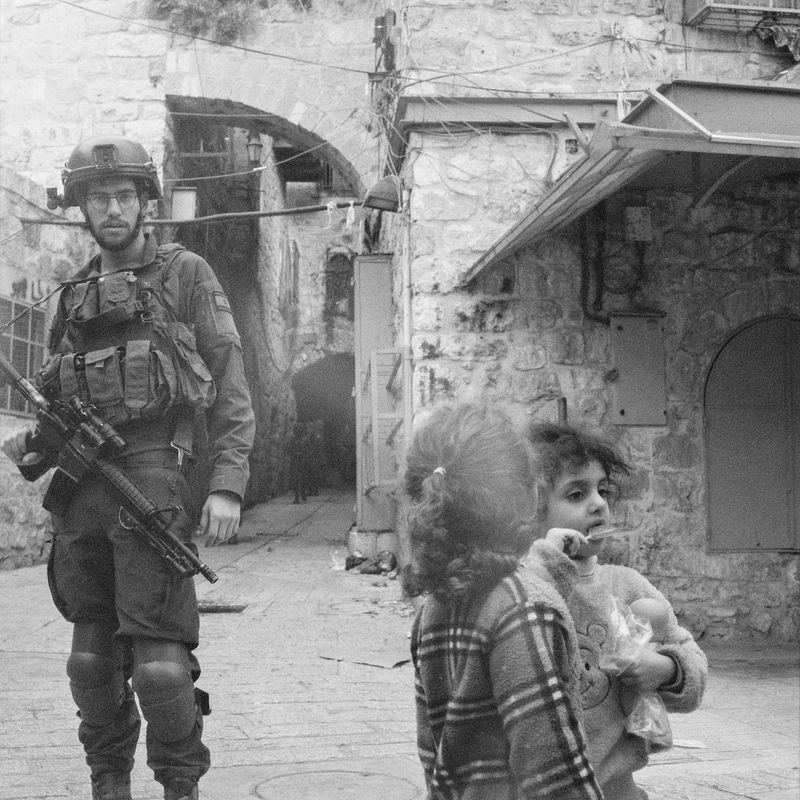
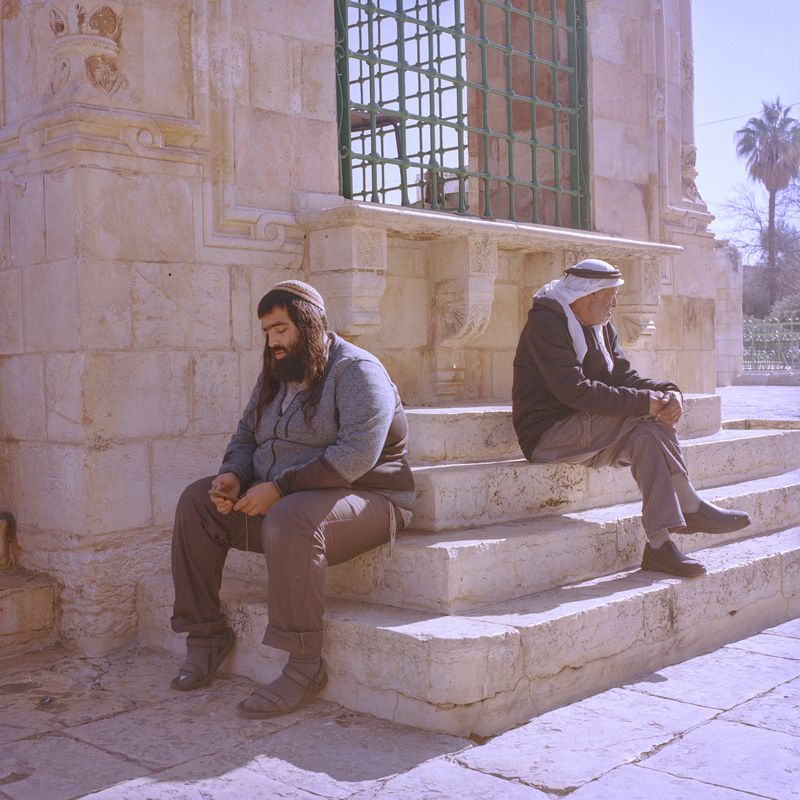
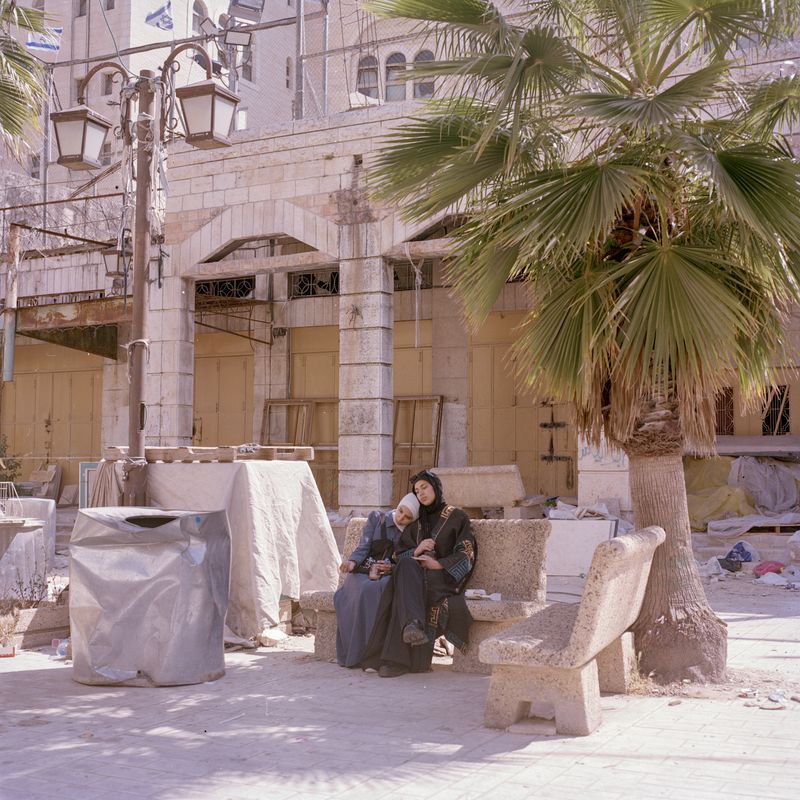
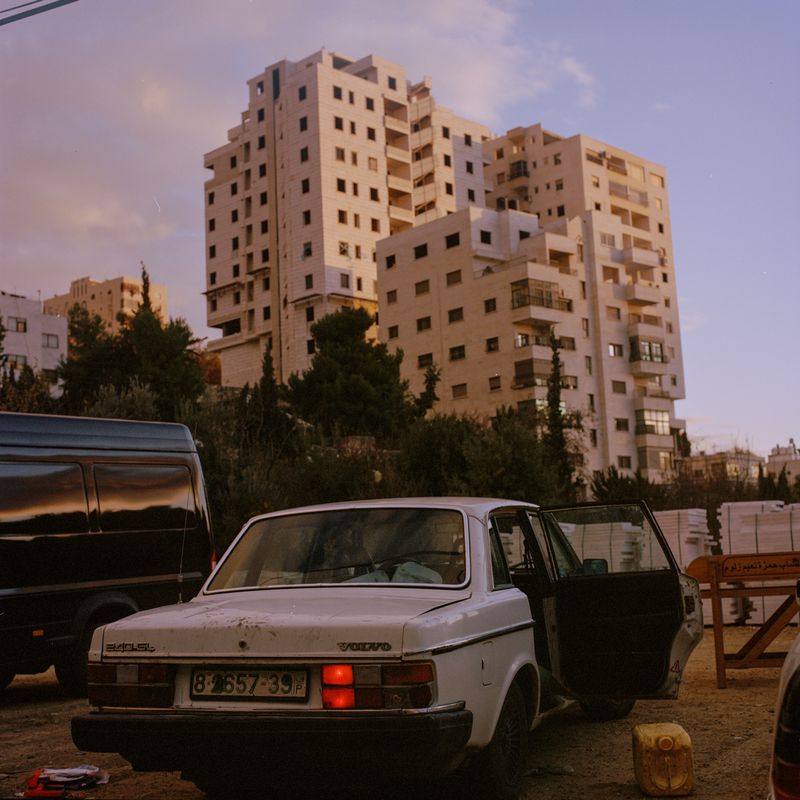
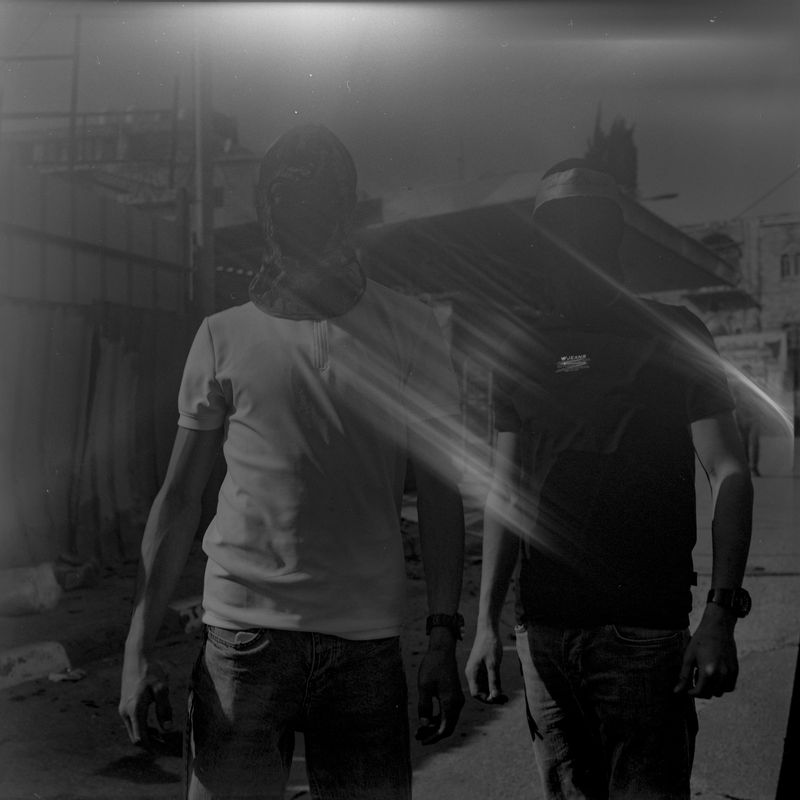
Born from time spent walking the streets of the West Bank and listening to those who have known nothing but the walls that enclose them, the project is an attempt to trace the emotional and spatial contours of life under occupation—to understand what it means to grow up in a place that is both home and a labyrinth of checkpoints, watchtowers, and imposed constraint.
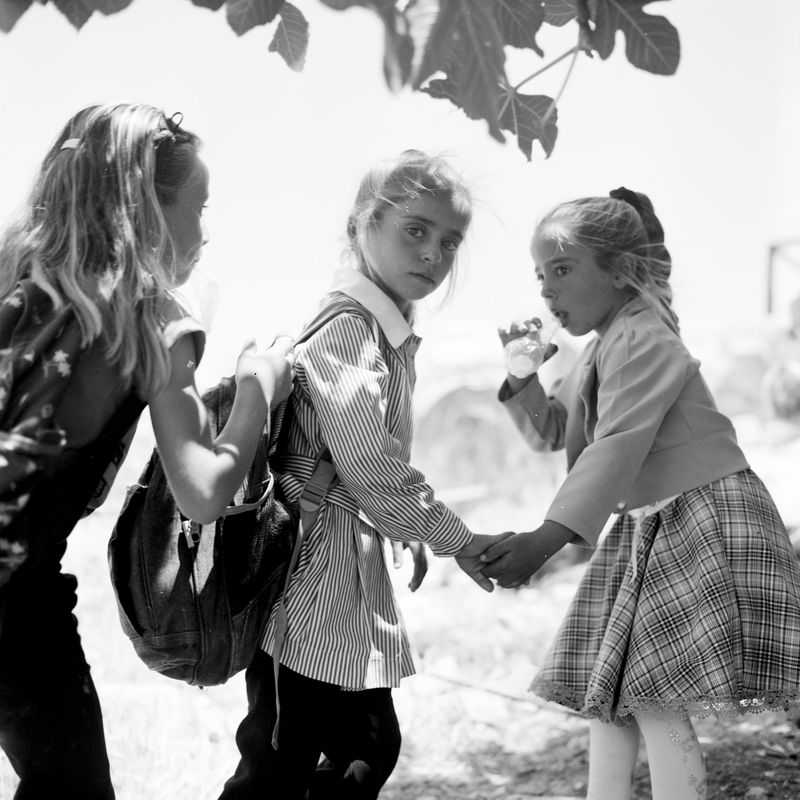
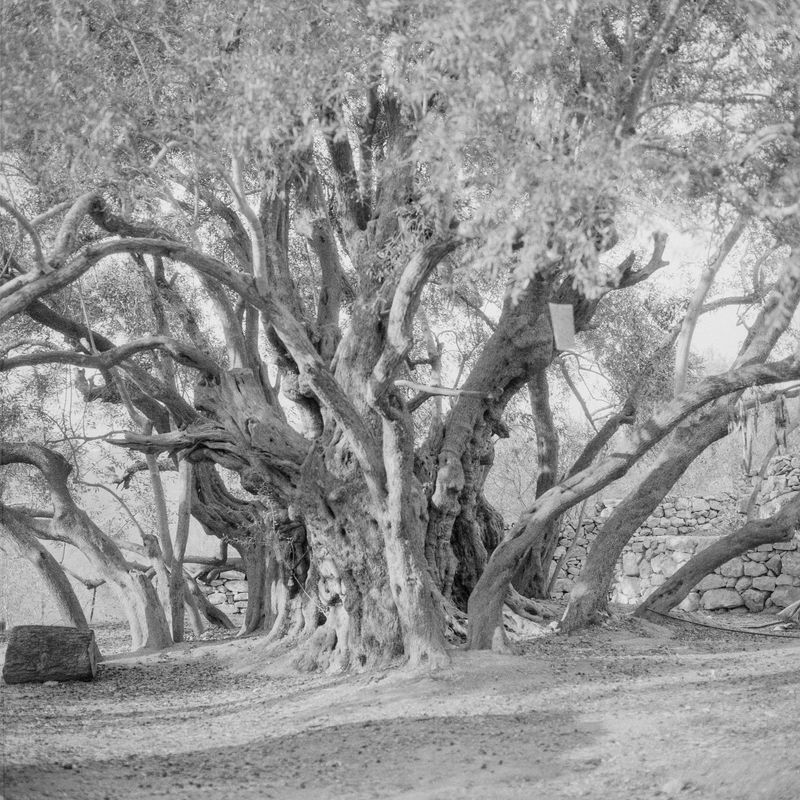
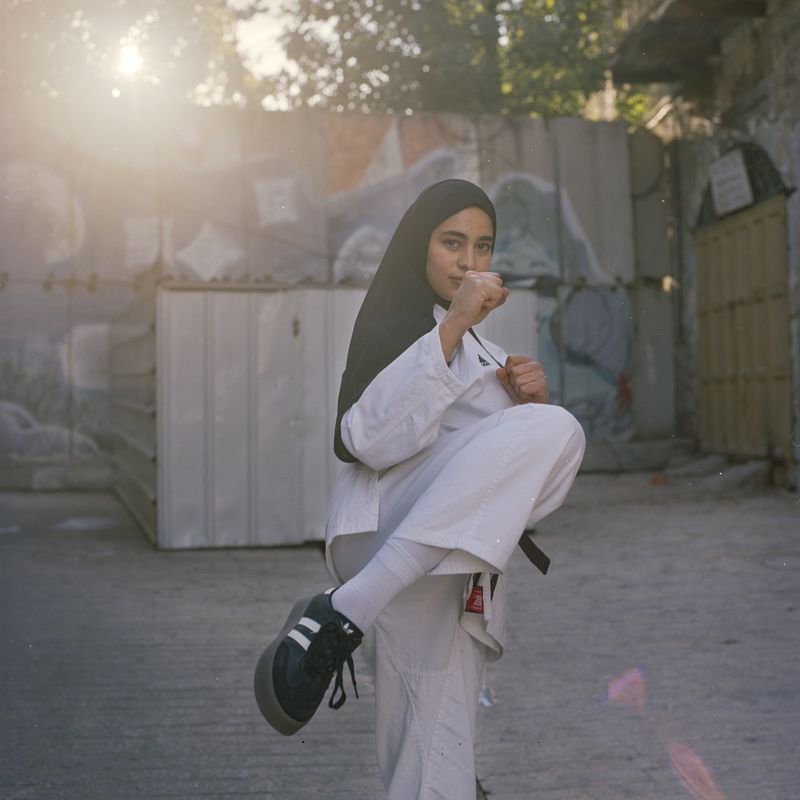
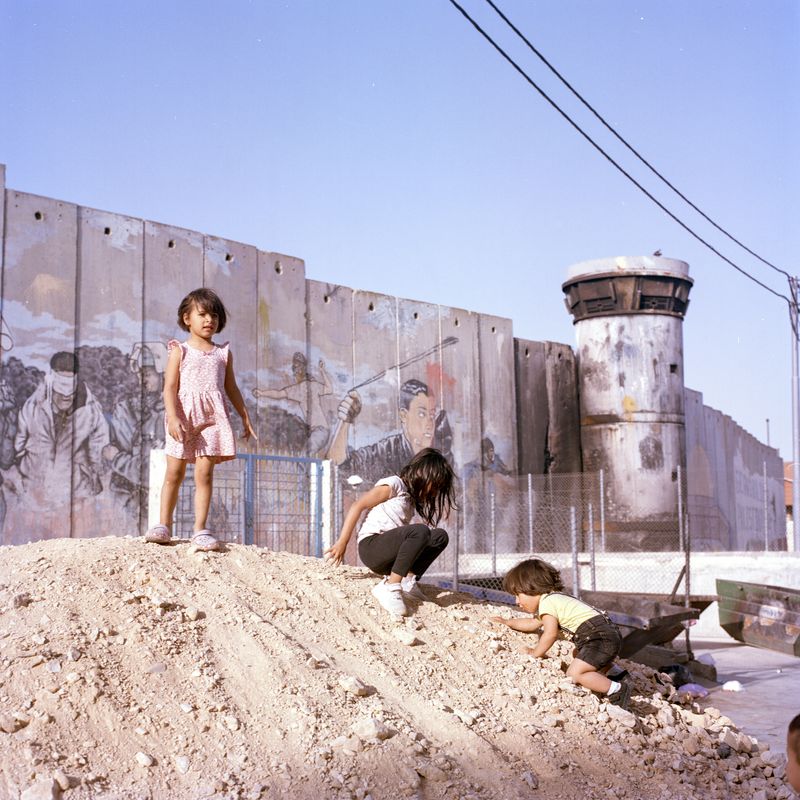
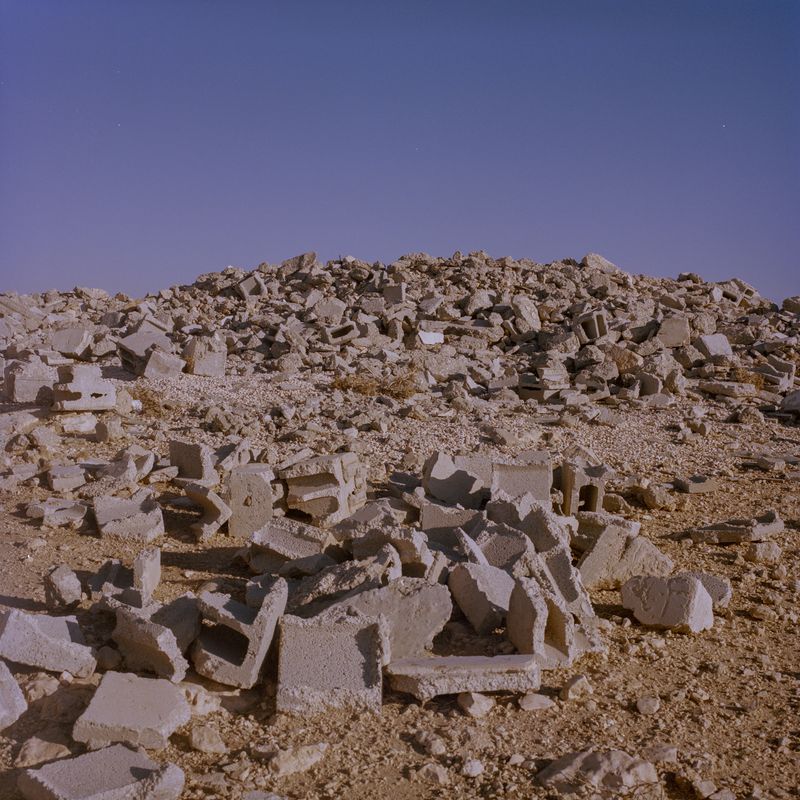
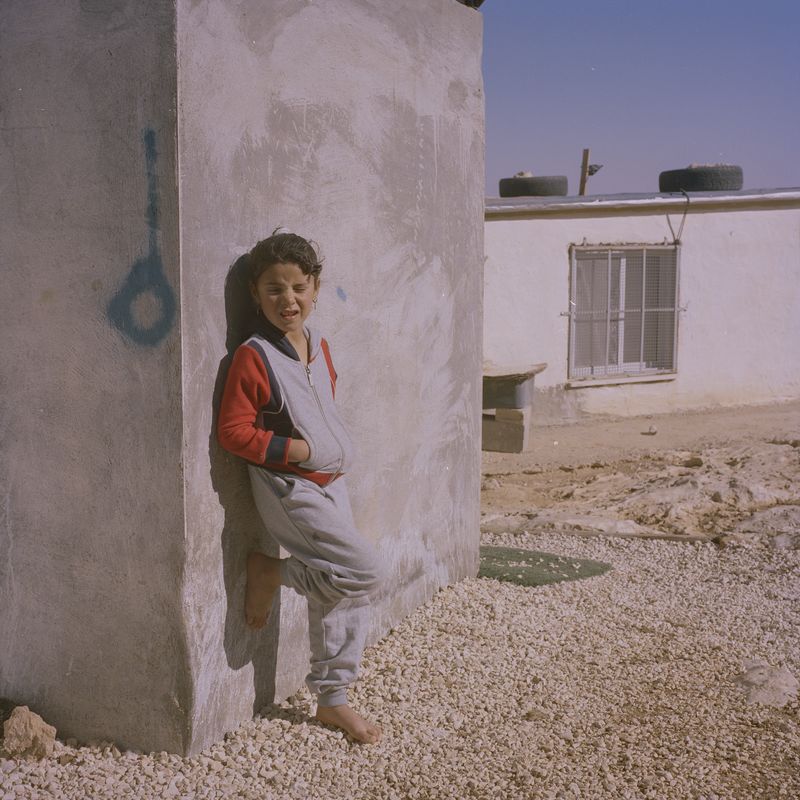
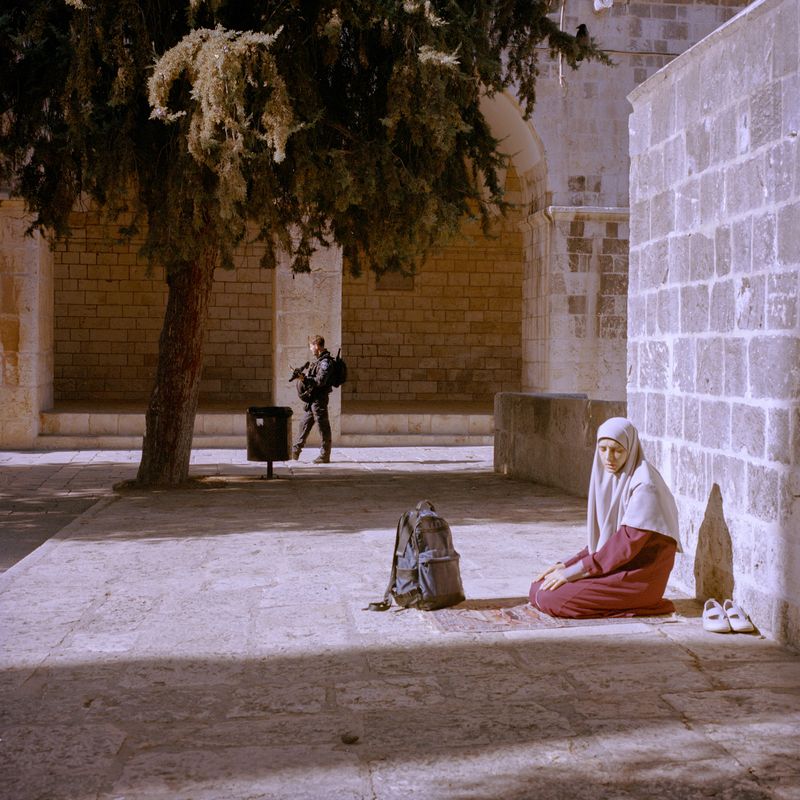
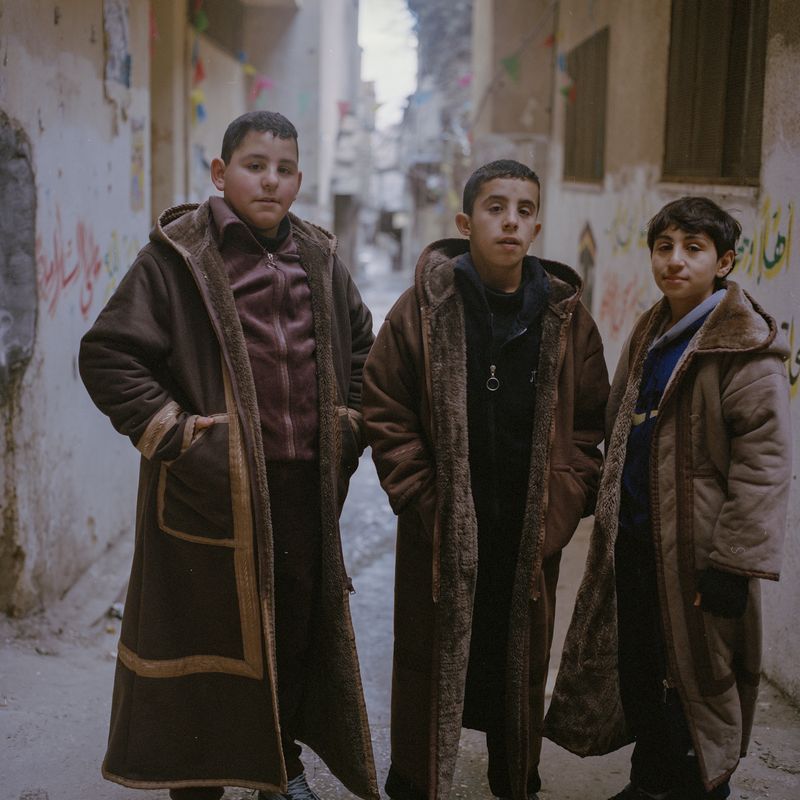
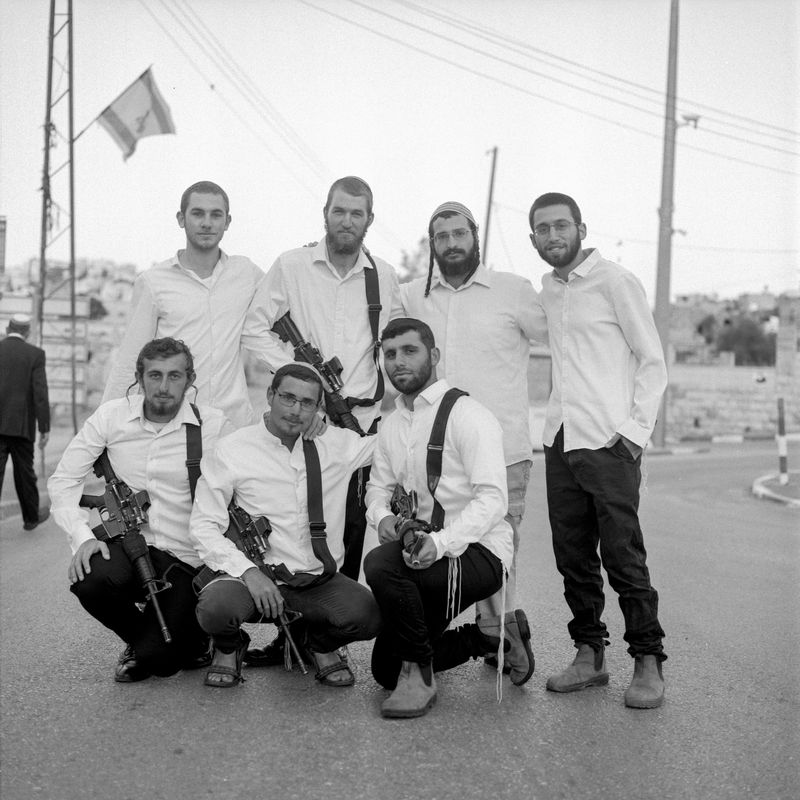
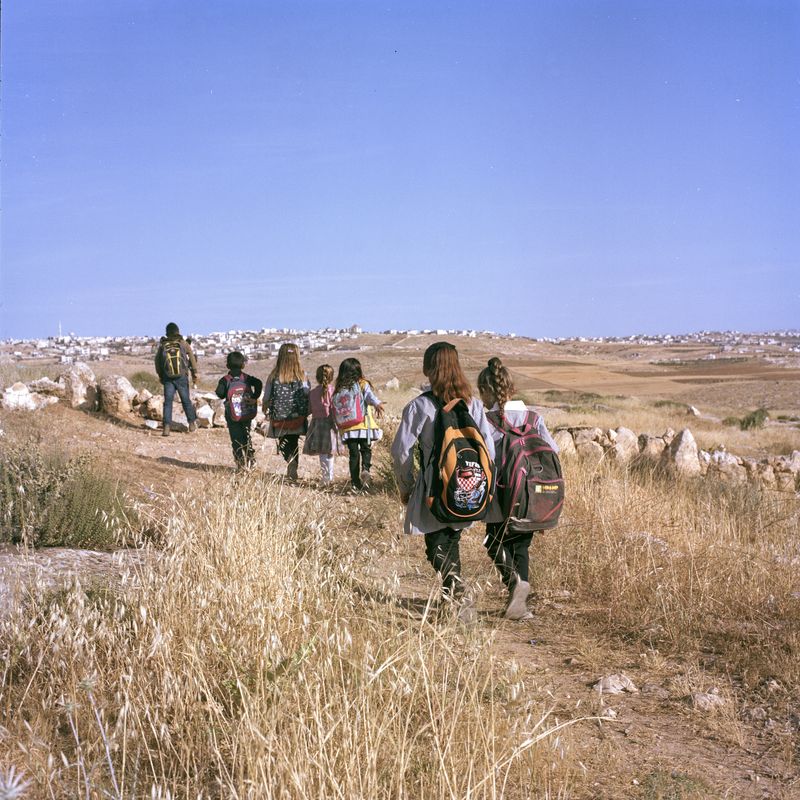
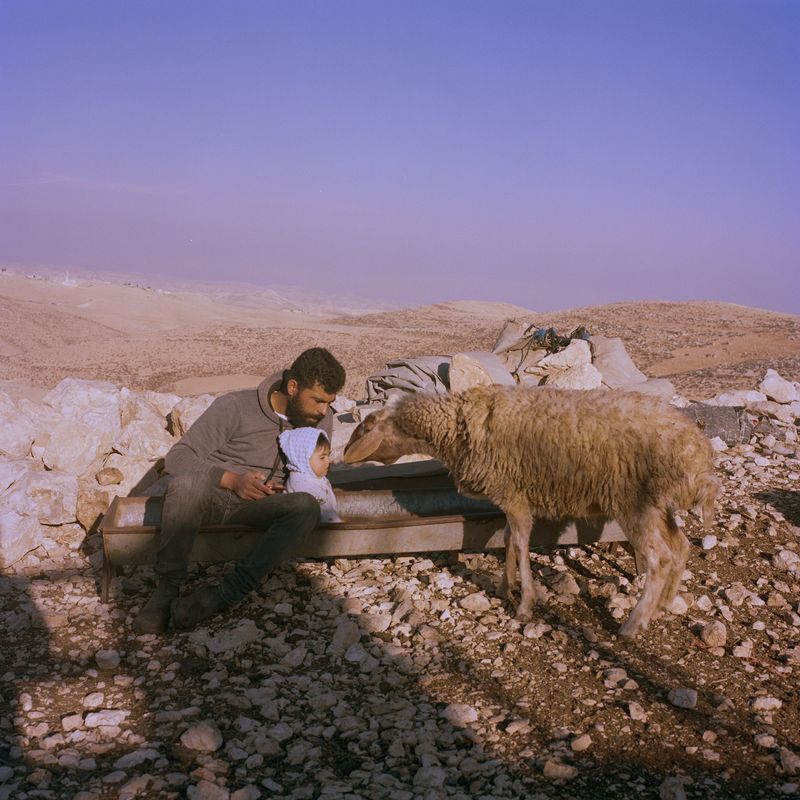
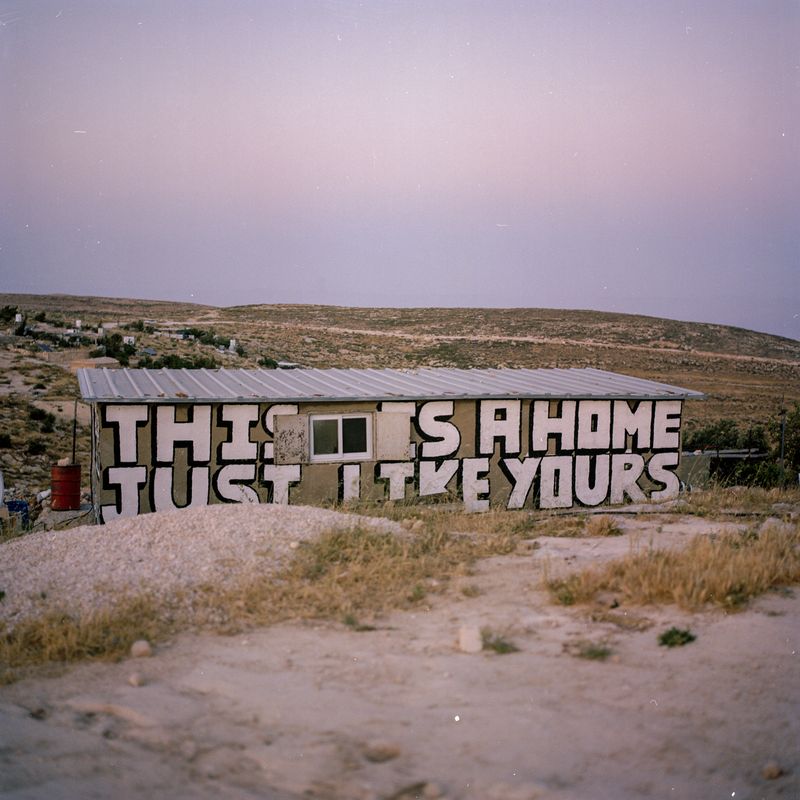
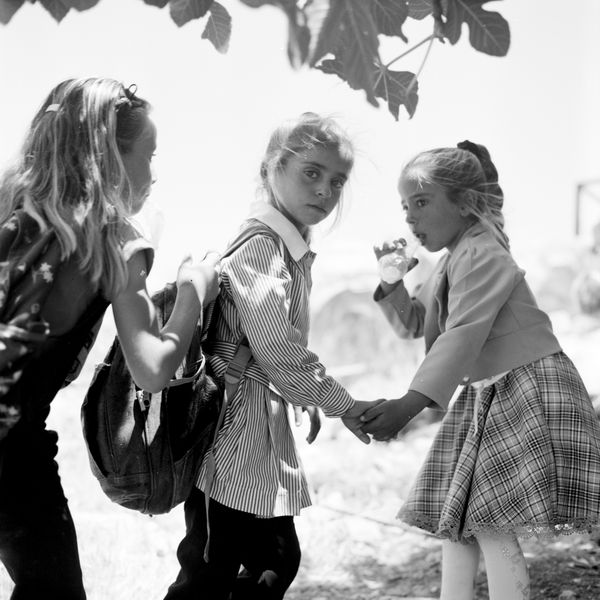
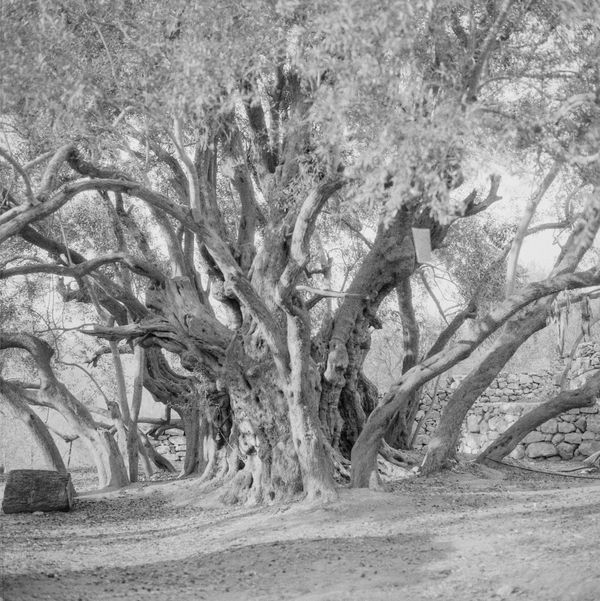
Across a series of photographs and field notes, the work reveals the everyday architecture of control: children playing in the shadow of a 700-kilometer wall; a young girl practicing Jiu Jitsu, her fist raised in quiet defiance; a demolished school, a bulldozed mosque; settlers patrolling newly claimed land. These fragments form a shattered mosaic—one that mainstream media too often reduces or ignores. And yet, within the rupture, something else remains: dignity, endurance, and a deep, unbroken bond between the people and their land.
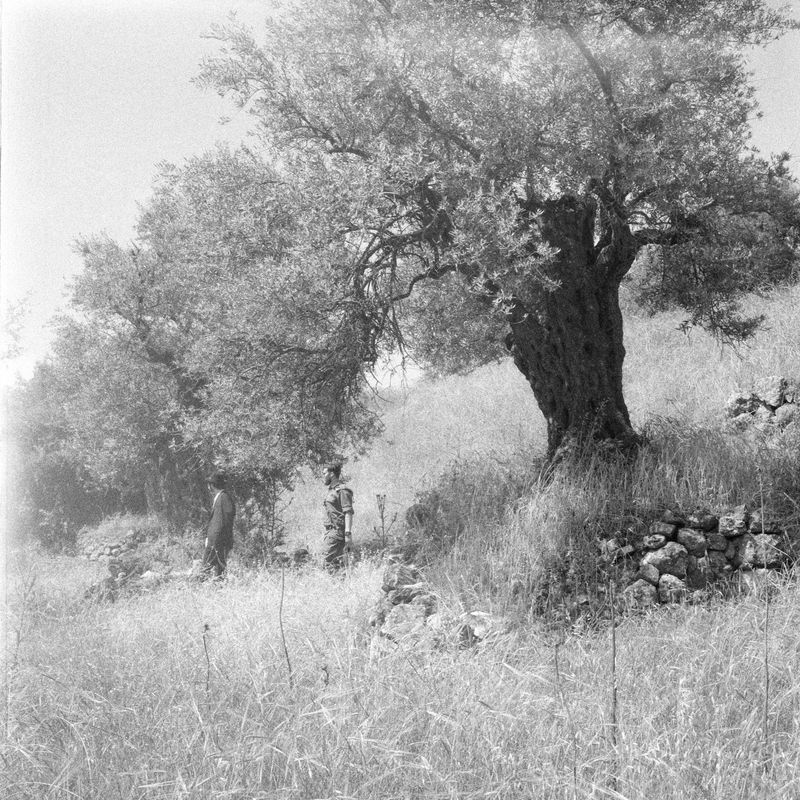
The title references a phrase—“The bride is beautiful, but she is married to another man”—allegedly spoken by British Zionists in the 19th century as they surveyed Palestine. It captures both admiration for the land and a willful disregard for the people already living there. That tension lies at the heart of the work: a desire to interrogate the mythologies surrounding the State of Israel, and to acknowledge the colonial logic that continues to shape the region.
The maze in this work is both literal and metaphorical. It is the physical infrastructure of apartheid—walls, fences, segregated roads—but also a psychic structure: the recursive nature of history, where roles of victim and oppressor shift, yet systems of domination persist. To walk through this maze is to feel the weight of repetition, the disorientation of injustice left unresolved.
And still, life continues. Children laugh. A girl trains. Families gather. Resistance takes many forms—not only in protest, but in the everyday insistence on presence, on joy, on survival. This work does not attempt to explain or resolve. It invites the viewer instead to slow down, to look closely, and to witness the complex terrain of a place too often abstracted.