Tales of Minimal Significance
-
Dates2023 - Ongoing
-
Author
- Topics Fine Art
- Locations Ireland, Sweden, Czechia
Tales of Minimal Significance marks a departure for artist Josef Kováč from his previous work. It´s not a huge step, but still a distinct move in a new direction.
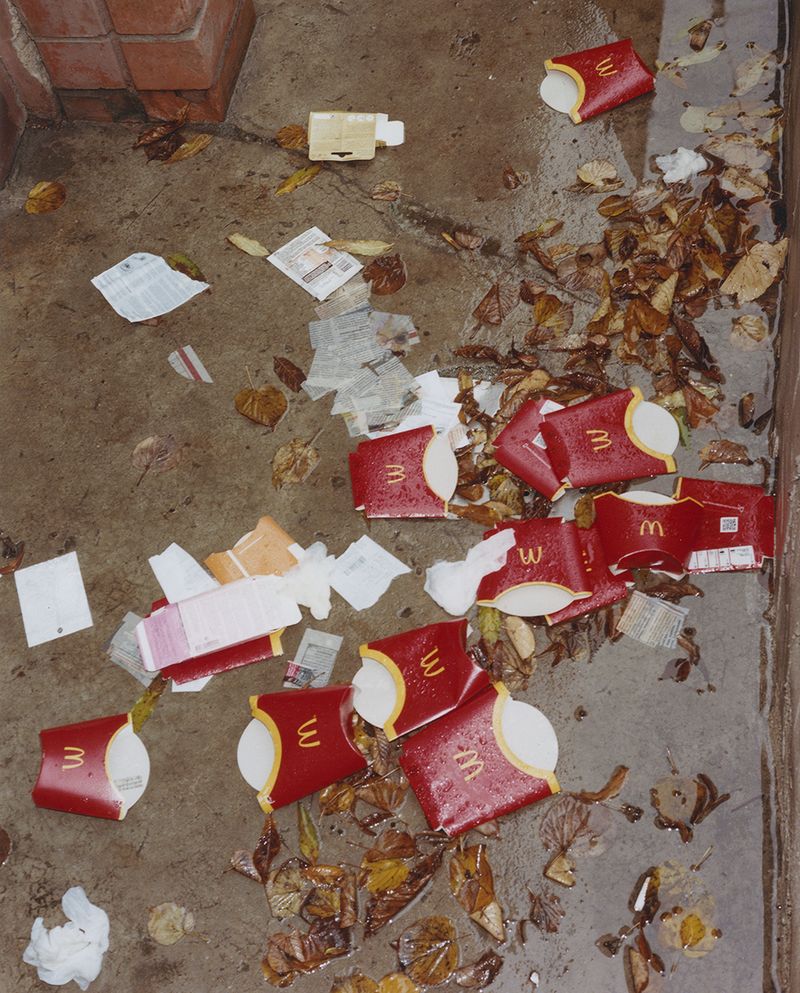
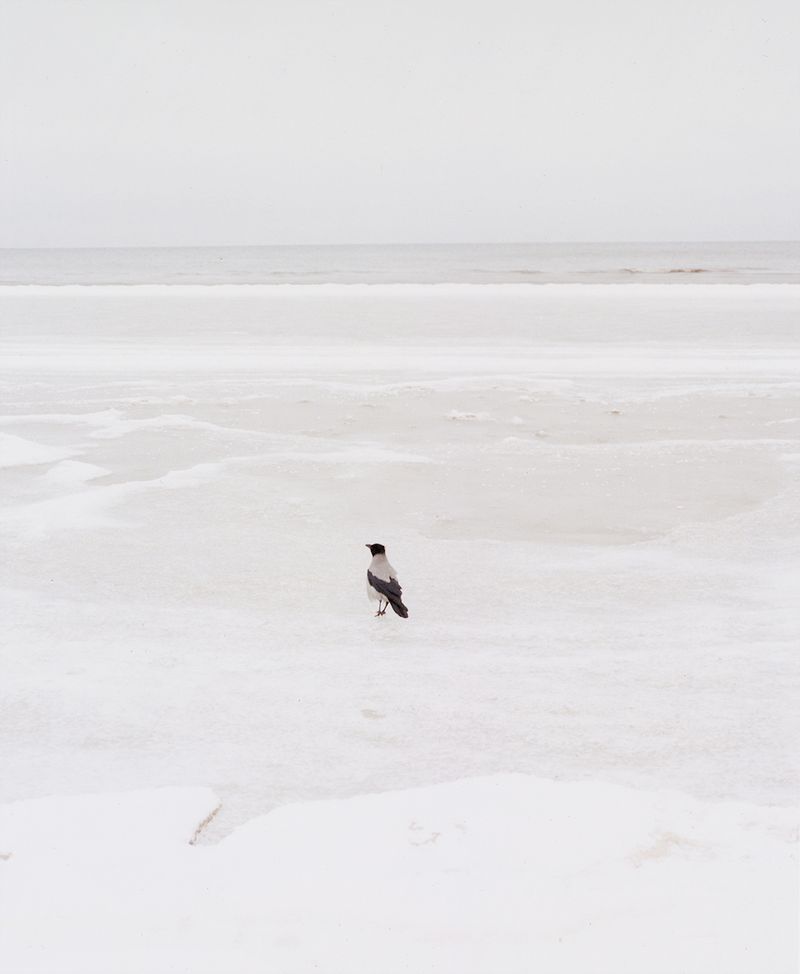
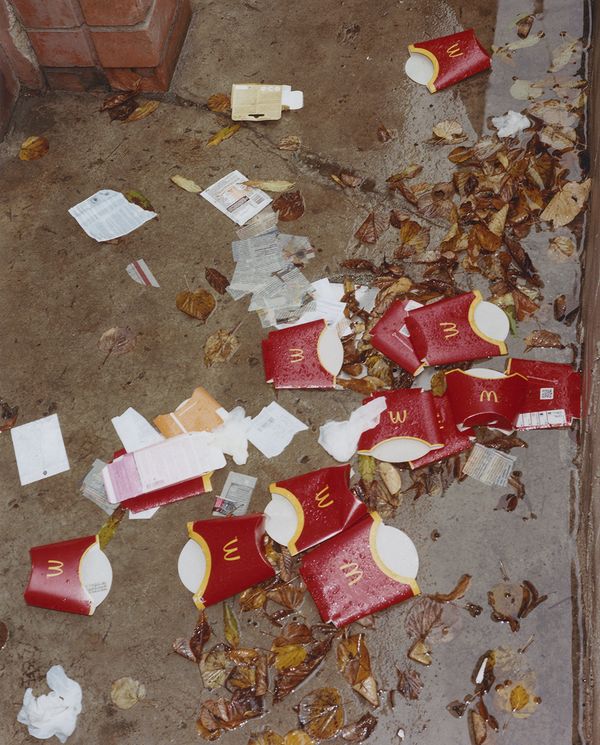
In works like Searching for Sergei (2020) and Wavering (2022), a post-apocalyptic landscape has been rendered through austere black-and-white images. Now the unsentimental gaze has shifted somewhat and the familiar greyscale has been replaced by vibrant colour. What were once dead ends have become openings and what was barren has miraculously taken root and is pushing up through the asphalt; the resignation replaced by a brittle hope. But the imagery is recognisable. The images are investigative by nature with the flash directed straight towards the subject, which is almost always centred. There is still a bleakness to the work, which is not so strange considering that its theme seems to be existential vulnerability, sprinkled with a dash of post-humanism. Despite this, there are elements of humour, often with a sly twinkle in the eye.
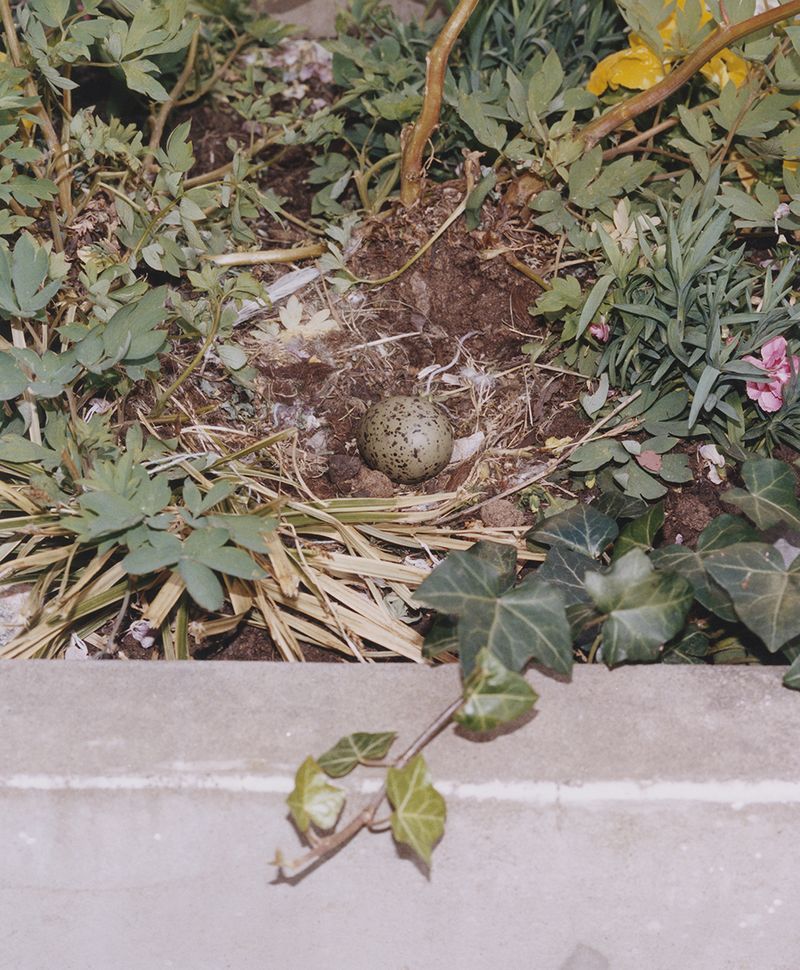
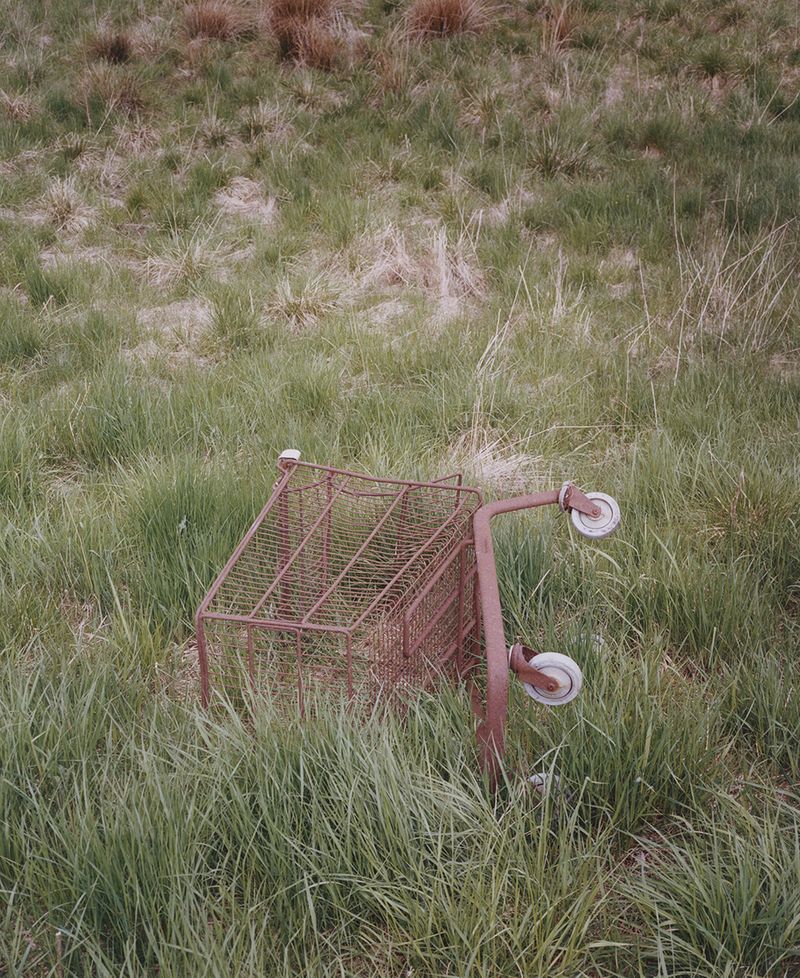
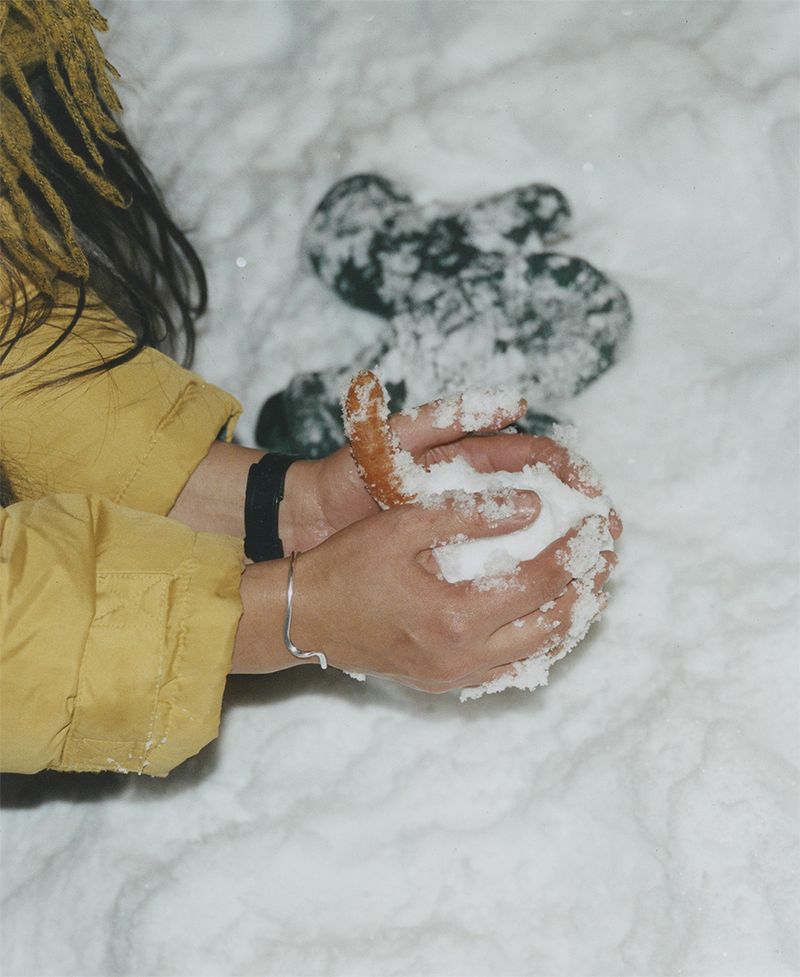
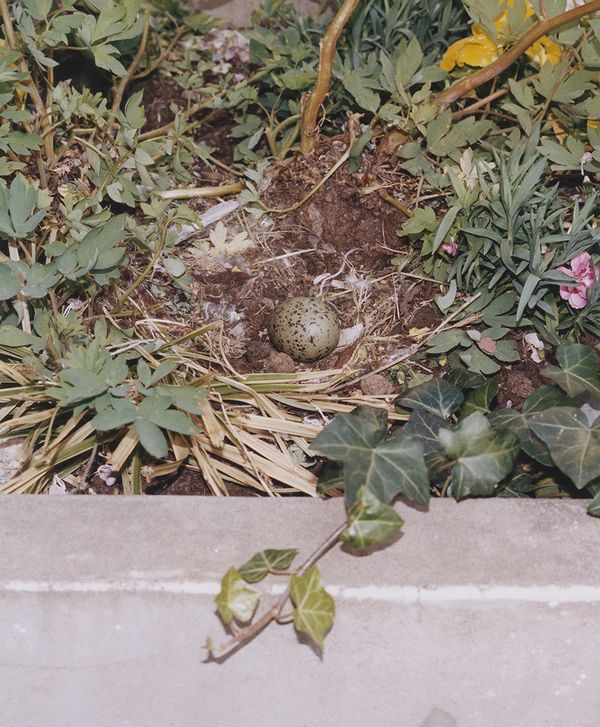
You don't have to spend a long time with the images for the title, Tales of Minimal Significance, to appear ironic. The themes of the images are, as I said, anything but trivial. It’s nothing less than the effects of consumer society and the fate of humanity that interest Kováč. It’s easy to miss the fact that Kováč is a political photographer. There is a kinship with the British photographer and artist Martin Parr, who from the 1980s and onward has showed the grotesque abundance of consumption in the west and how it visually shapes our surroundings. Lars Tunbjörk undertook a similar task here in Sweden. But where Parr moves close among the people, Kováč’s imagery exists in the fringes of human existence. It has mainly been the traces of consumption that have interested Kováč. This together with the idea of a world where humanity has perished and only the traces of us remain. The look has previously been uncompromisingly hopeless. But with Tales of Minimal Significance comes a creeping interest in that which is alive, or rather that which carries the seed, the hope of life and rebirth. The egg in its nest, soft hands cupped around crackling snow. A tenderness has made an entrance. Whether the hope is for a new start with humans or without is not always clear. I want to interpret the images hopefully, as if there is still a viable path for our survival in harmony with our surroundings.
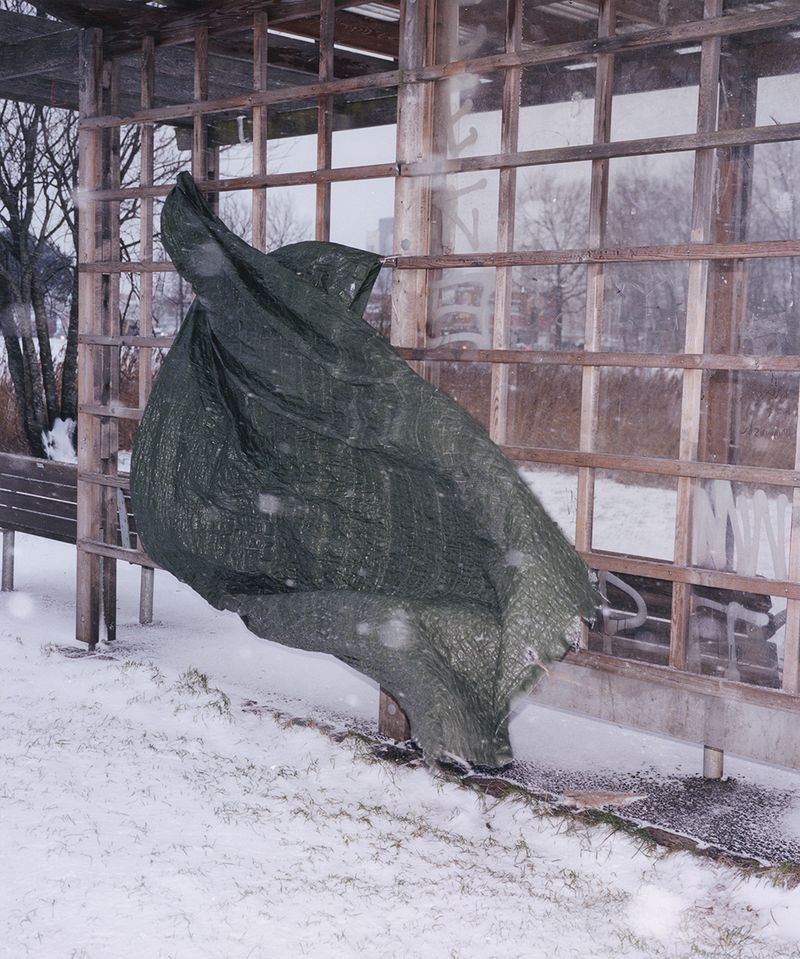
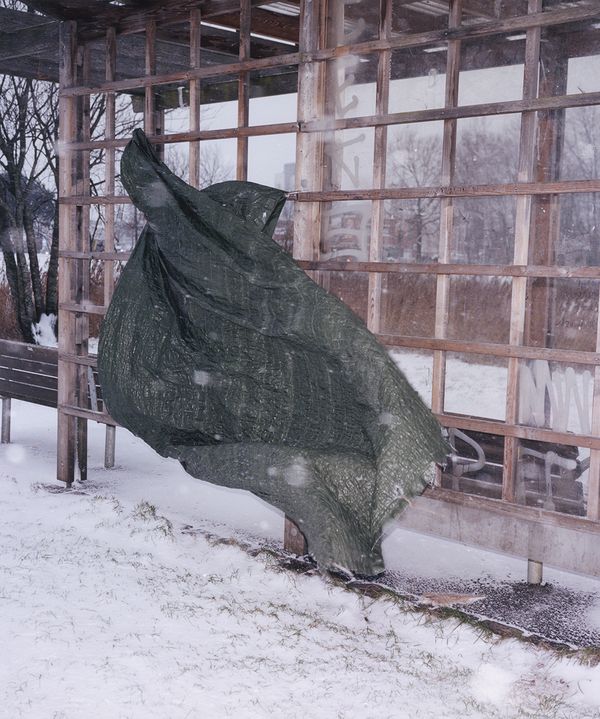
It is just this disharmony between man and nature that Kováč puts his finger on, and thereby comments on one of the great questions of our time, a question that in the dawning era of the Anthropocene has gained existential explosiveness. One of those questions are how we in good conscience can reproduce when we know that another child means another consumer, another strain on our natural resources? The drive to have children is fundamentally selfish, no child has asked to be born. Together with the post-humanist strokes that run through Kováč’s work, the despair and self-loathing of our time is evident. How are you supposed to build a home, how are you supposed to form a family under these premises? In one image the wind blows through a pergola where a tarpaulin beats wildly against the joists. It is the silhouette of a dwelling, the shape of a house but without being able to keep the cold out, offering only minimal protection from rain. A symbol for a dismal future or the outline of something in the process of being built?
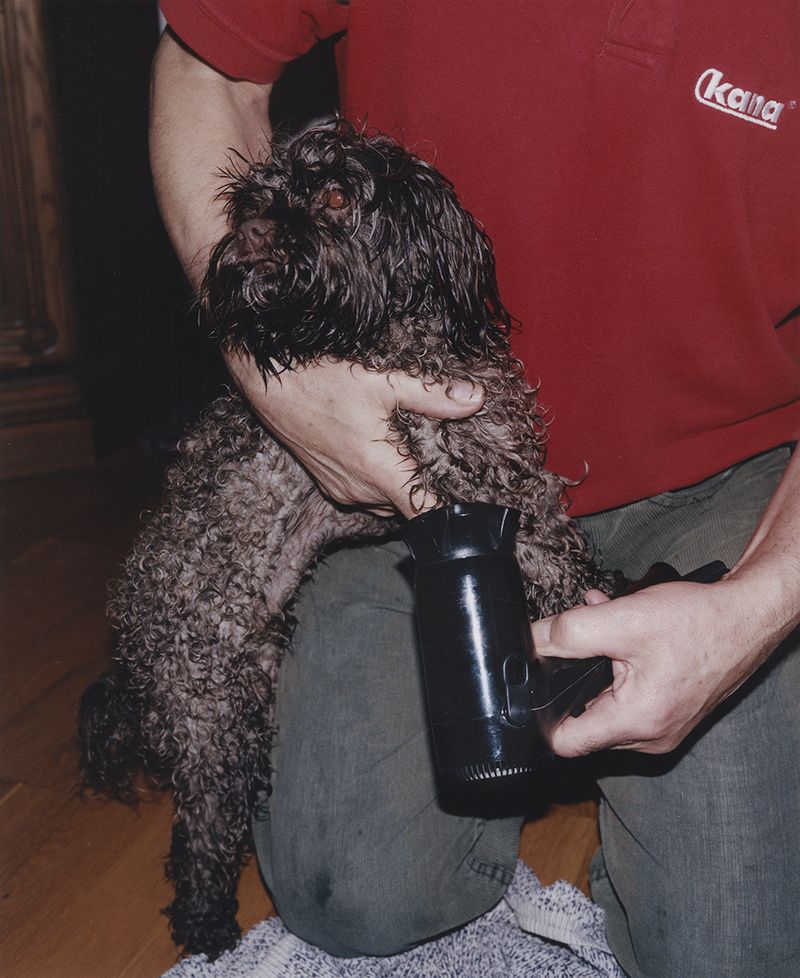
There is no getting away from the fact that there is something aggressive about flash photography. The subject is shocked, as a friend of mine put it. It undresses, peels away and leaves something suddenly revealed. The strong light gives a sense of hyper-realism, so realistic that it goes full circle and becomes unreal again. The flash gives us a version of reality beyond the one we otherwise see, says Martin Parr. The harshness of Kováč's images is softened by the humour, a droll and slightly cynical kind of humour where the laughter is redemptive, like when life becomes so gloomy that all you can do is laugh.
The flash also allows you to get a feel for the depicted surfaces, what it would be like to run your hand over them. In Renoir, My Father filmmaker Jean Renoir writes wonderfully about his father, the impressionist painter Auguste Renoir and his aversion to anything that could be considered intellectual. The idea that the intellect should be superior to the senses infuriated the painter. For him, the hand was the most essential part of the body. The hands want to get to know their surroundings, not through the intellect, instead the hands strive for a different knowledge, a tactile experience of the world. These are the hands we see in Kovac's work, the hands that search for a physical connection with the world, that seek a deeper understanding.
Just like with other photographers who are rooted in black-and-white photography and then switch to colour I get the feeling that every colour has been added deliberately in Kovac's new work, as if the images have been hand-coloured and there is a certain excitement and vigour to the hues. The colour adds to the tactile and sensual nature of the images. Kováč seems to seek a comprehension where a sensitive understanding of nature informs how we relate to our surroundings. Our hands need to sink into damp green moss, to touch what is threatened, to get to know it, to care.
Despite glimmers of light, the series' many small misfortunes ultimately form a greater tragedy, that of being alive on a planet where mankind is threatened with extinction. But despite their melancholy, the images are by no means apathetic, weak or will-less. They have teeth, and beneath the surface, longing and rebellion bubble. It is a quiet kind of rebellion, a rebellion that relentlessly and patiently pecks at our attention. Maybe the post-punk band Lebanon Hanover said it the best in one of their song titles - Sadness is Rebellion.
------------
Josef Kováč is a photographer and artist currently situated in Gothenburg, Sweden. He pursued his photography education at the Institute of Technology in Dublin, Ireland, as well as at the HDK-Valand Academy of Art and Design in Gothenburg, Sweden. Kováč’s artistic focus lies in exploring the dynamic between photographic images and fiction. He achieves this by transforming everyday objects and spaces into new narratives, thereby prompting a reevaluation of how these elements interact.
Oskar Kardemark is an artist and writer based in Gothenburg, Sweden. As an artist he works primarily with analogue photography and received his MFA in photography from HDK-Valand in 2020.