Sponde (Ostia is Rome, Rome is not Ostia!)
-
Dates2022 - 2023
-
Author
- Location Rome, Italy
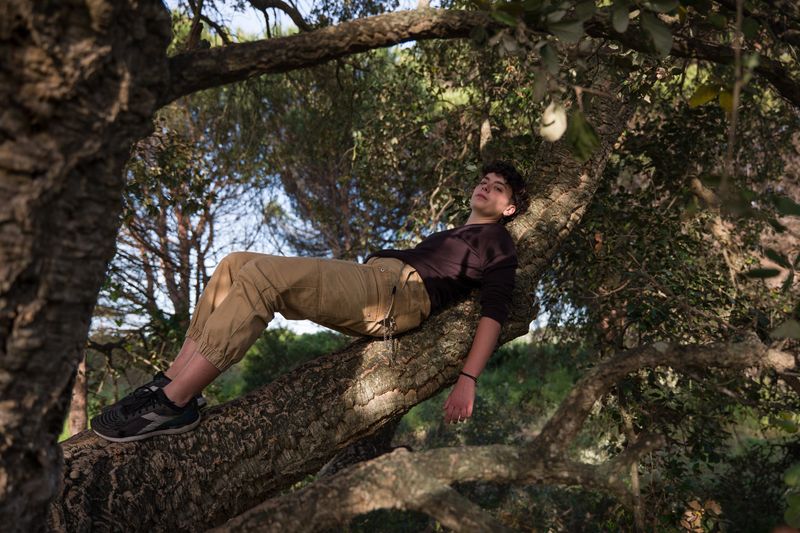
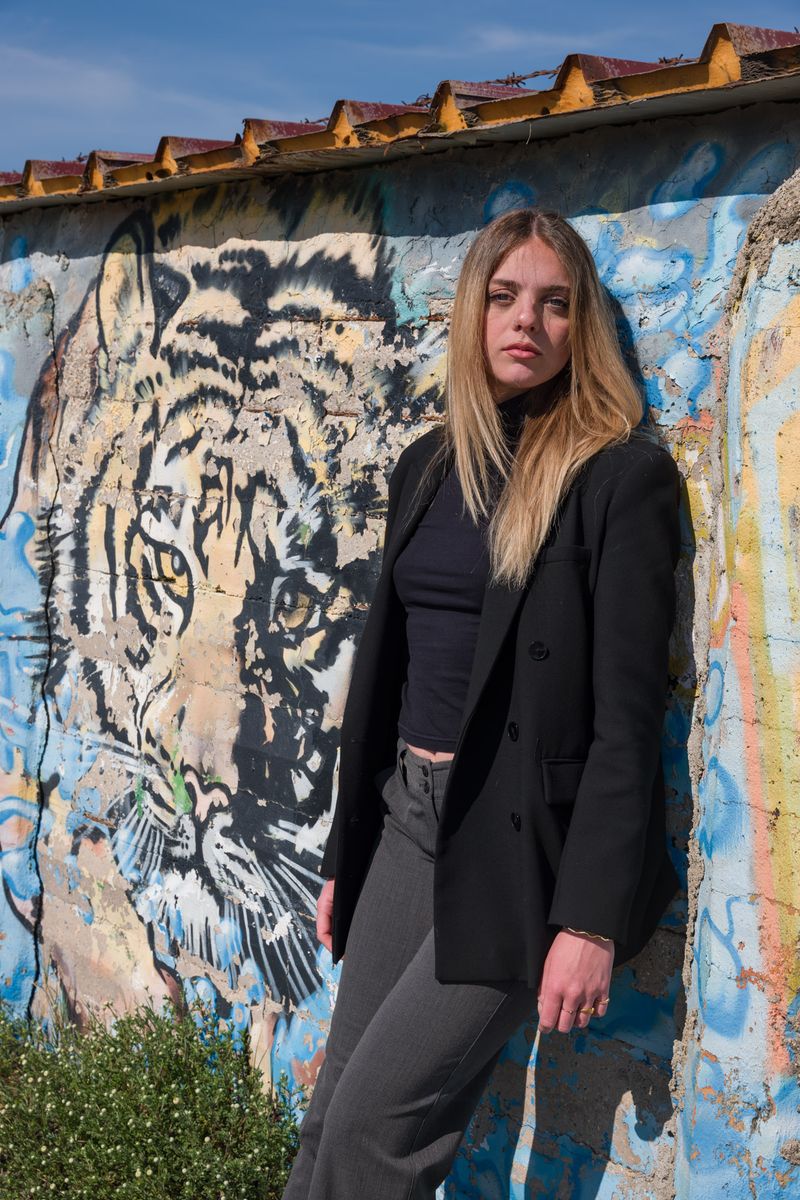
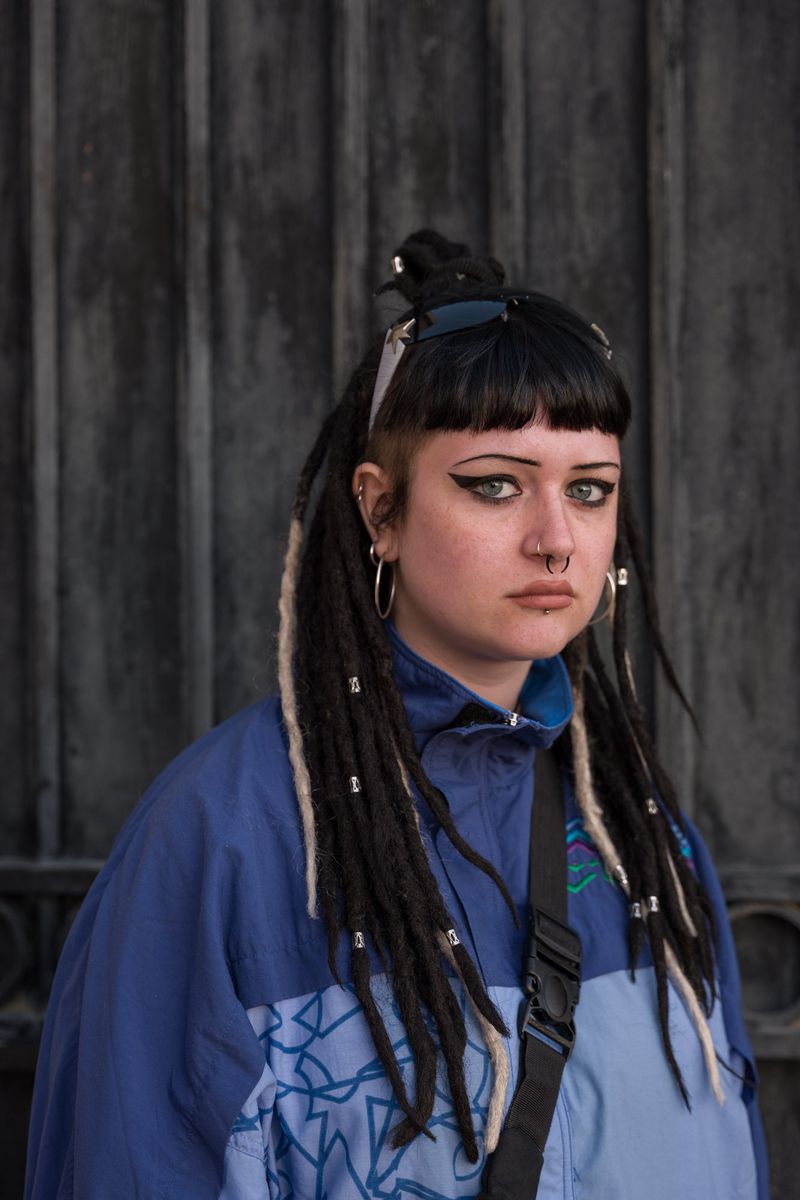
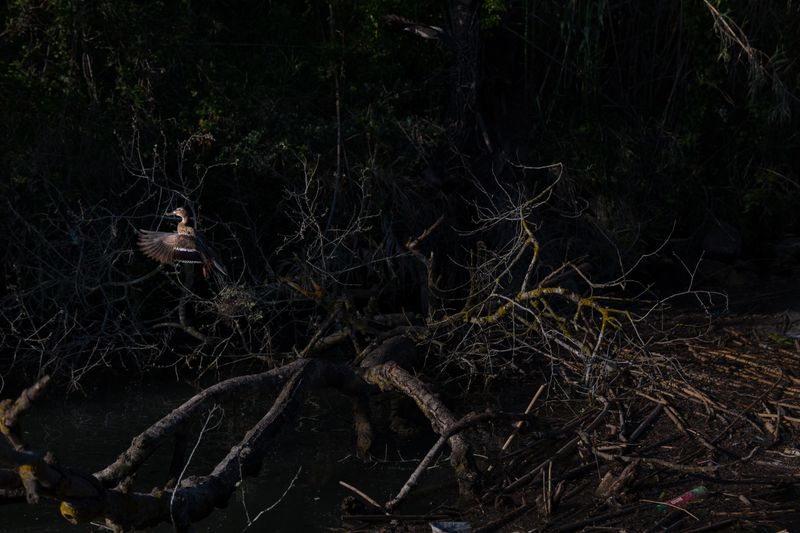
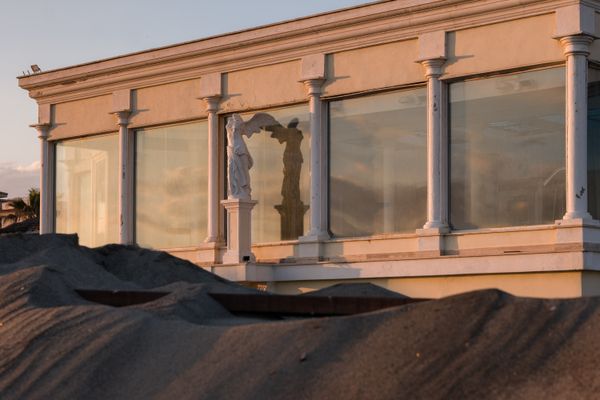
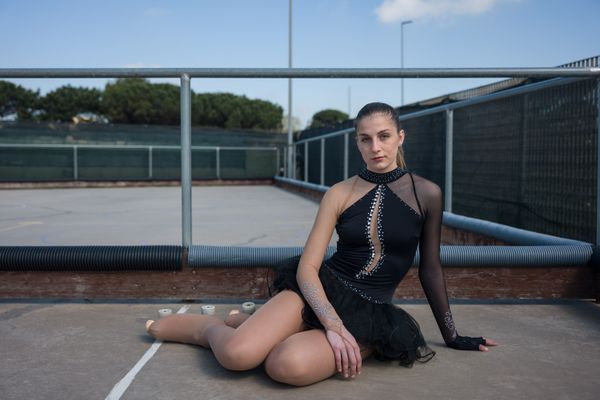
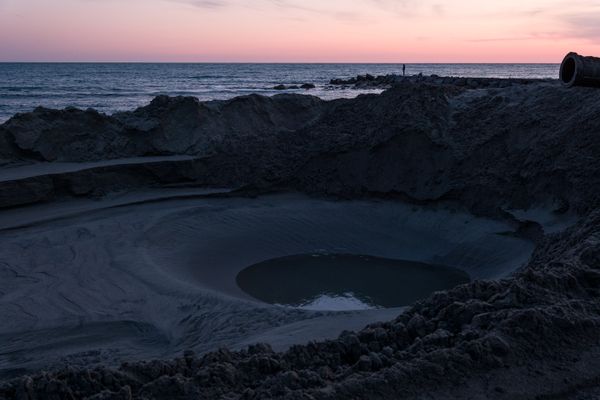
To grow up in a remote neighbourhood of a chaotic and monumental city like Rome is not an easy task. Through the eyes of the teenagers and the details of the landscape I represented Ostia, the seaside of Rome.
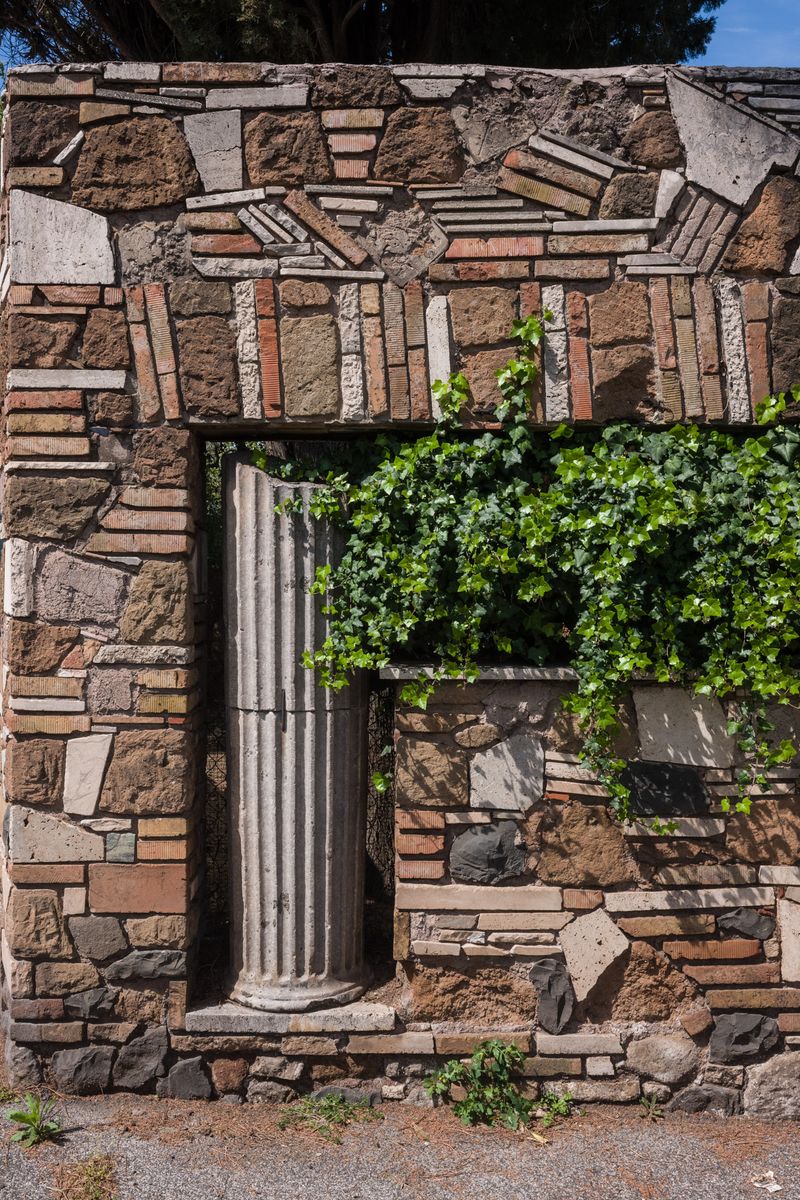
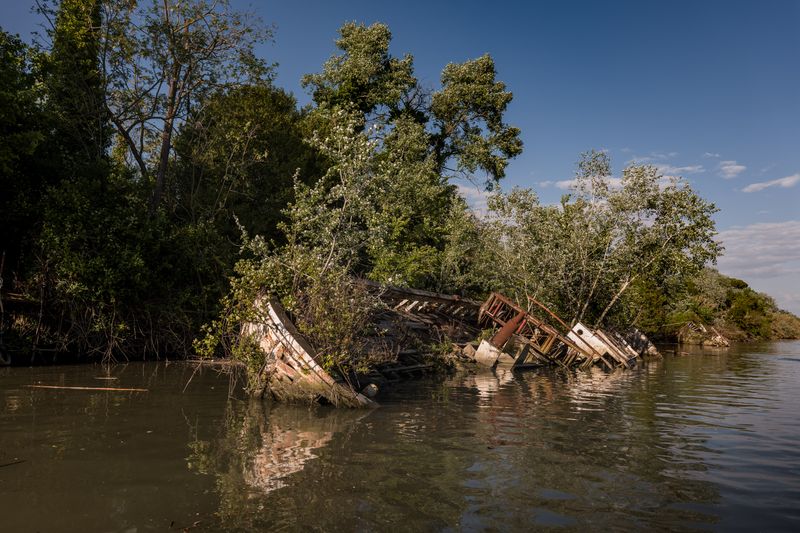
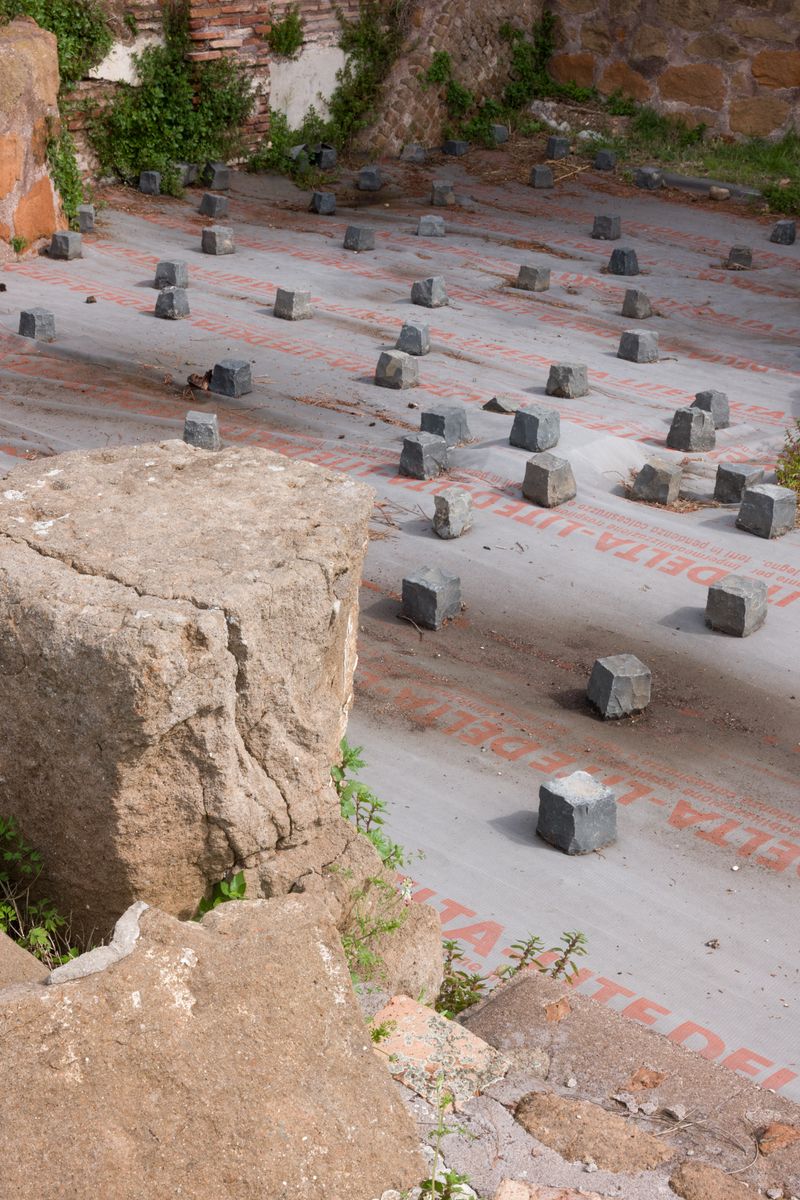
Ostia, the seaside of Rome, is the third most populated neighbourhood of the city, nonetheless it is one of the most remote from the centre. In Ancient Rome, Ostia used to be the commercial harbour of Rome and it became a huge multi-ethnic city. When the Roman Empire decayed the harbour of Ostia followed the same destiny: the whole area, progressively abandoned, came back to its natural state, a swamp.
The brackish water has taken possession of this place and the earth has submerged what remained of the imperial vestiges.
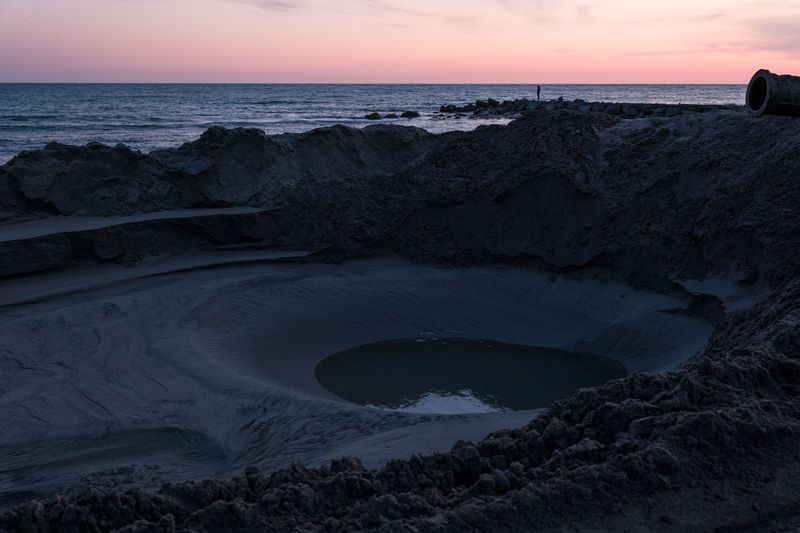
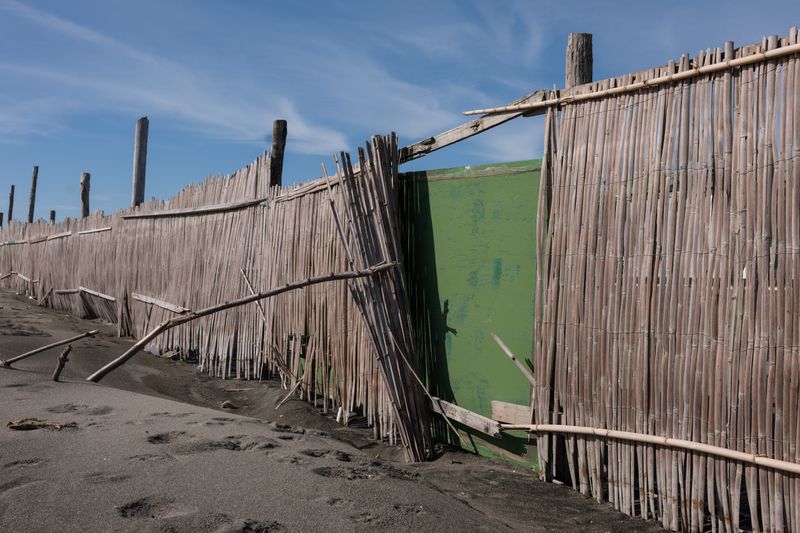
Nowadays Ostia is a strip of sand surrounded by the sea, the Tiber River and pinewoods. These natural borders seclude the borough to the city centre, public transports, oases in the desert, increase its distance enormously and traffic blocks its main roads.
I come from Ostia, I know by heart almost every corner of this place. My memories, and those of many other people who have travelled the same paths, are inextricably linked. Who grows up here belongs to the boredom broken by a few glimmers, to the salty air, the pine needles and the immense places left empty. Those who belong to Ostia know that they are not romans, but define themselves as Lidense, person from the lido.
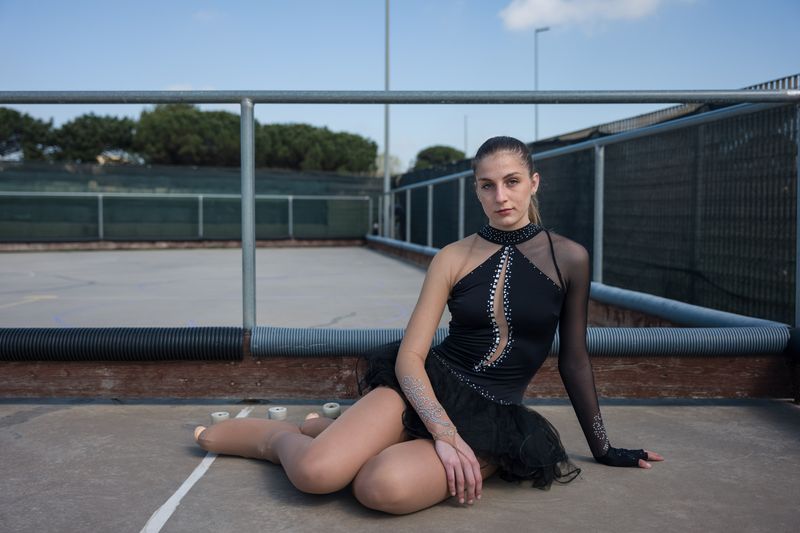
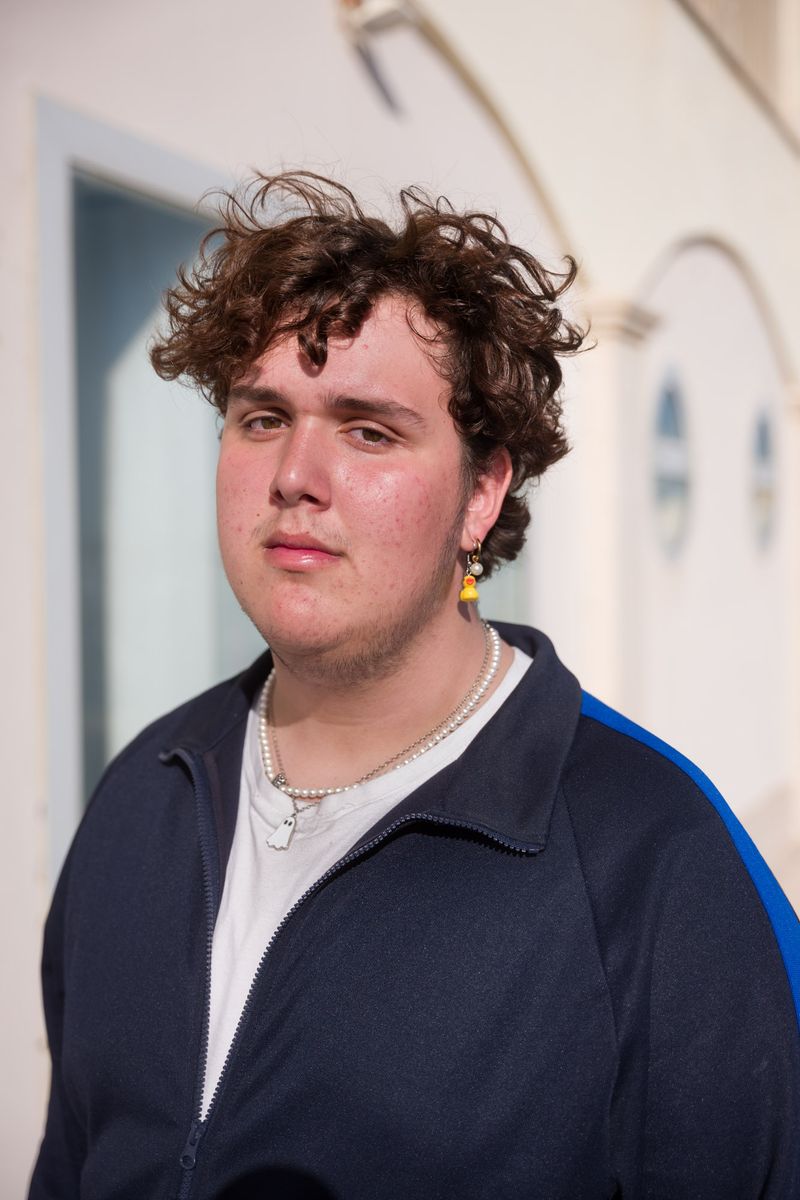
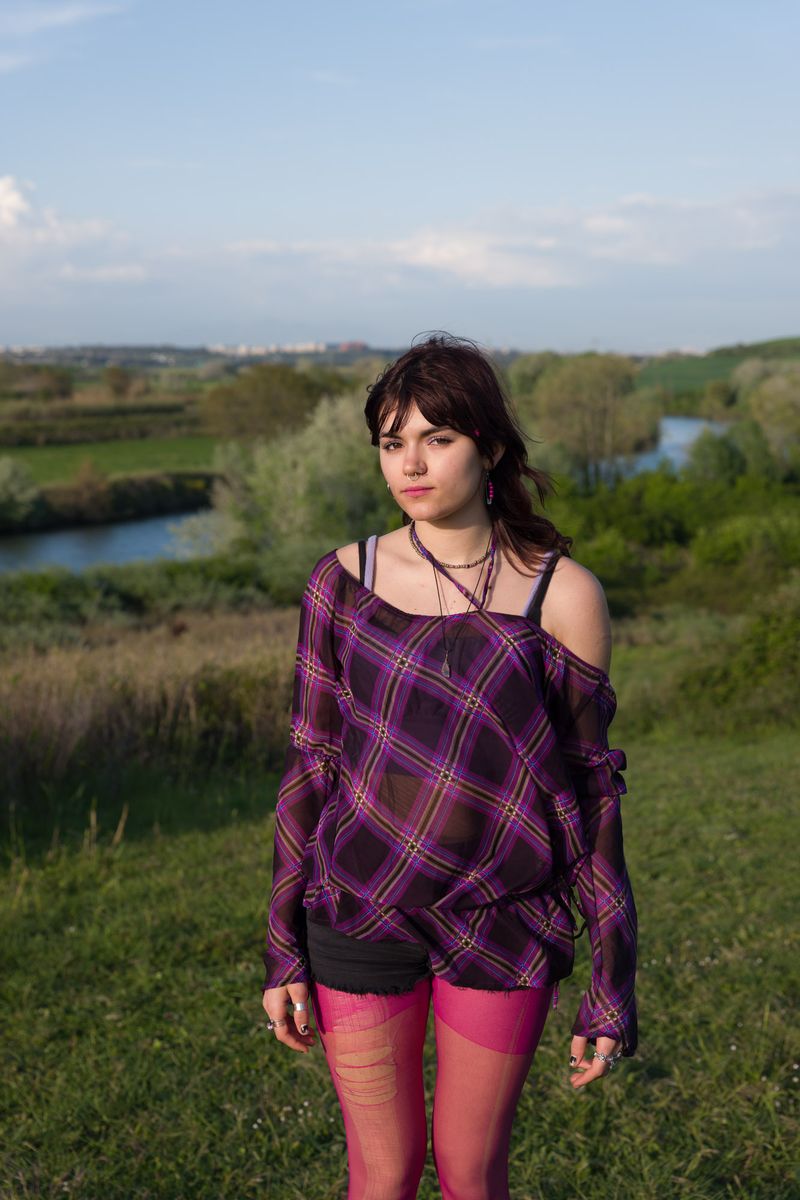
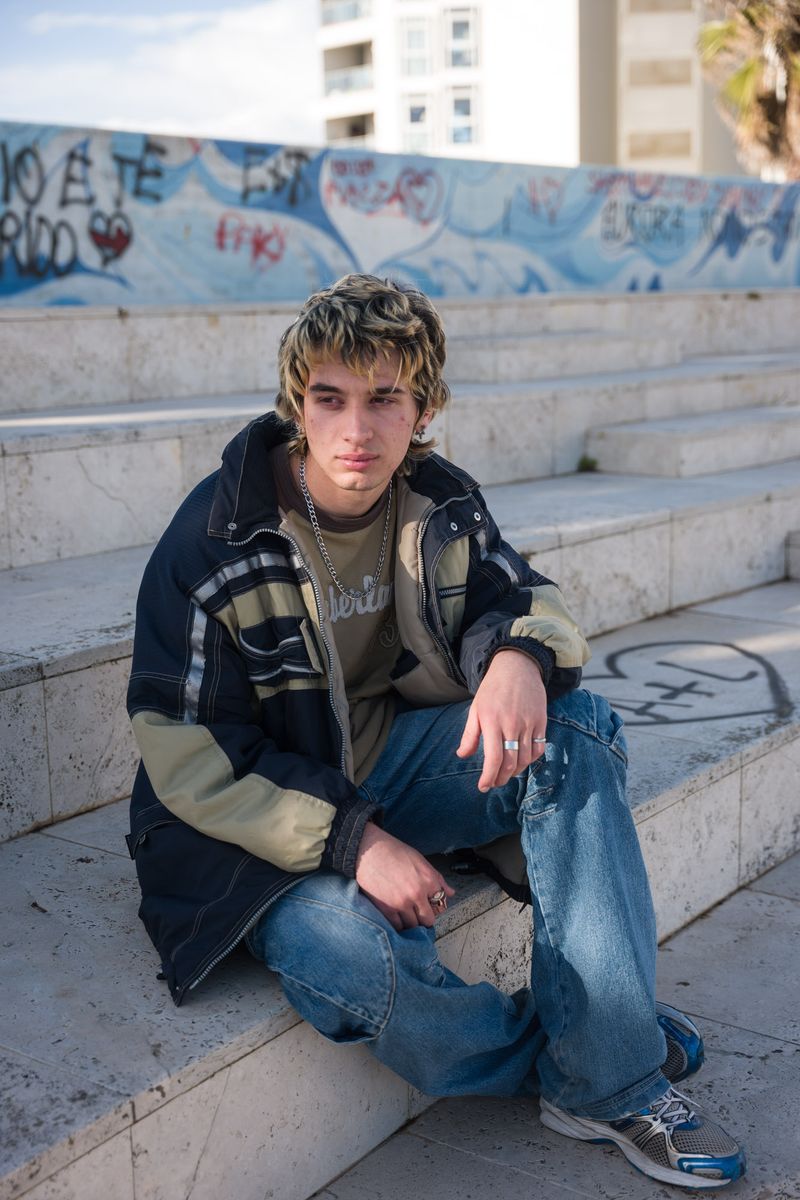
I speak with the teenagers I photographed, to each one I ask to bring me to “their” place in Ostia, the place where they feel the most at ease, where they spent most of the time. I ask the same questions: What does Ostia represent to you? What do you love the most and makes you feel at home? What would you like to change?
They are the real inhabitants of the neighbourhood, they study, go out, do activities here, building a network of people and places.
This place is a crossroads, many people of different backgrounds meet here, Valerio tells me.
Totta speaks to me about the pinewood, how she managed with her friends to find alternatives to get together and have fun:
Ostia is rebirth, Ostia is an elder who, sitting on a bench, finds peace from the chaos of the big city, it is a group of youngsters who organise themselves not to get caught into boredom. I always say that Ostia is Rome, but Rome is not Ostia…however, just like little villages, sometimes everything starts to get too tight and people like me start feeling a strong will to evade.
This place wouldn’t be the same without my friends, that’s what Giorgia and many others think. It’s the people who create the place. To be able to bond ourselves to a place, to know it by heart, it’s what makes this place a home, the sense of belonging spreads out of the domestic walls.
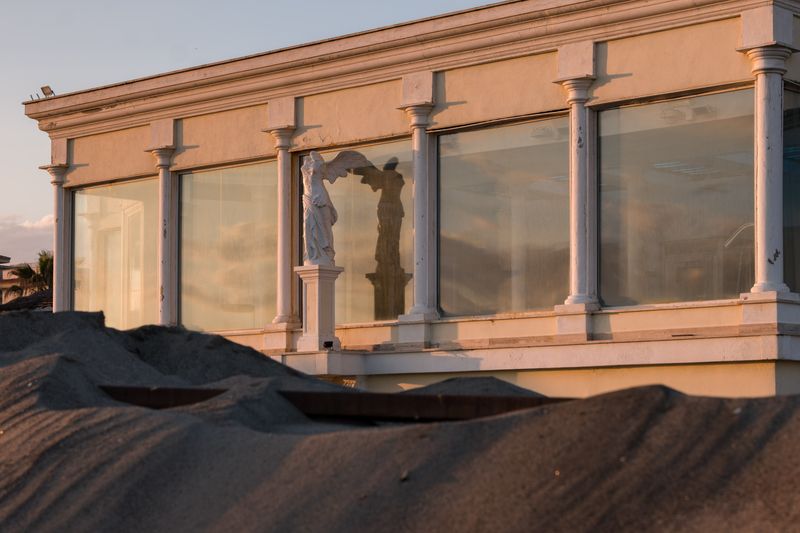
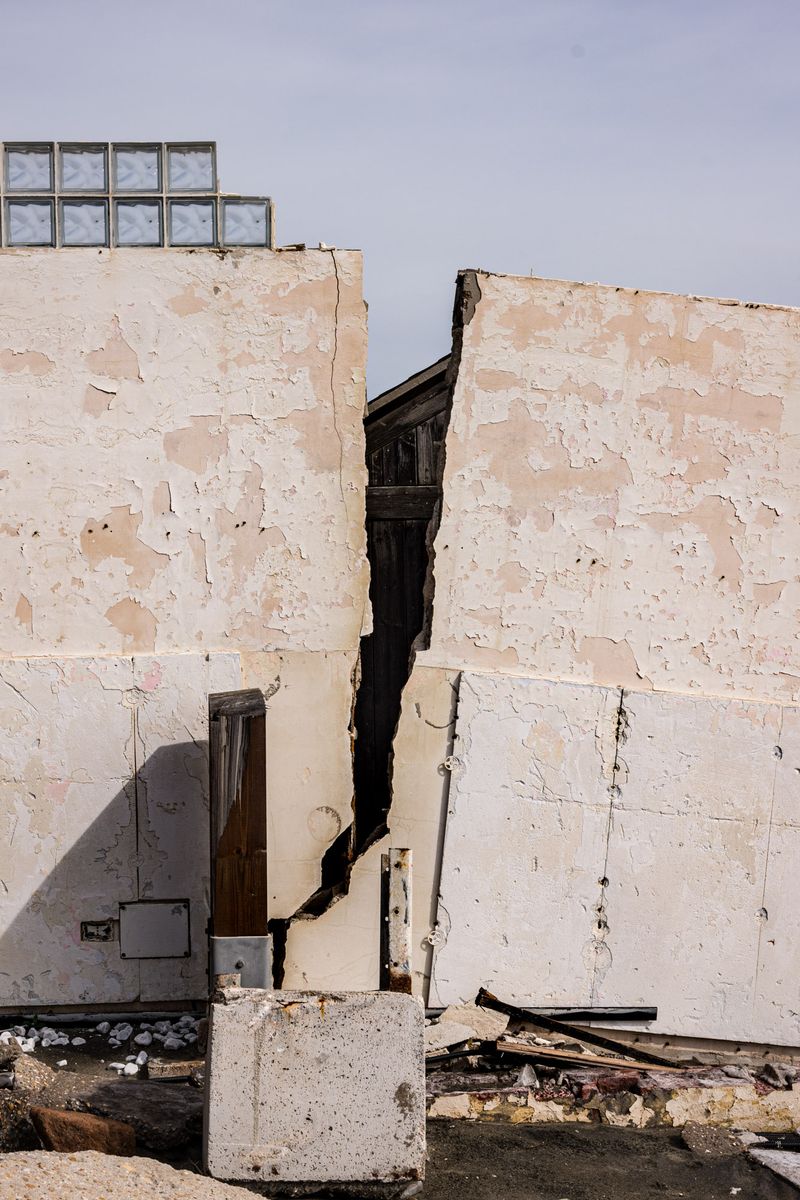
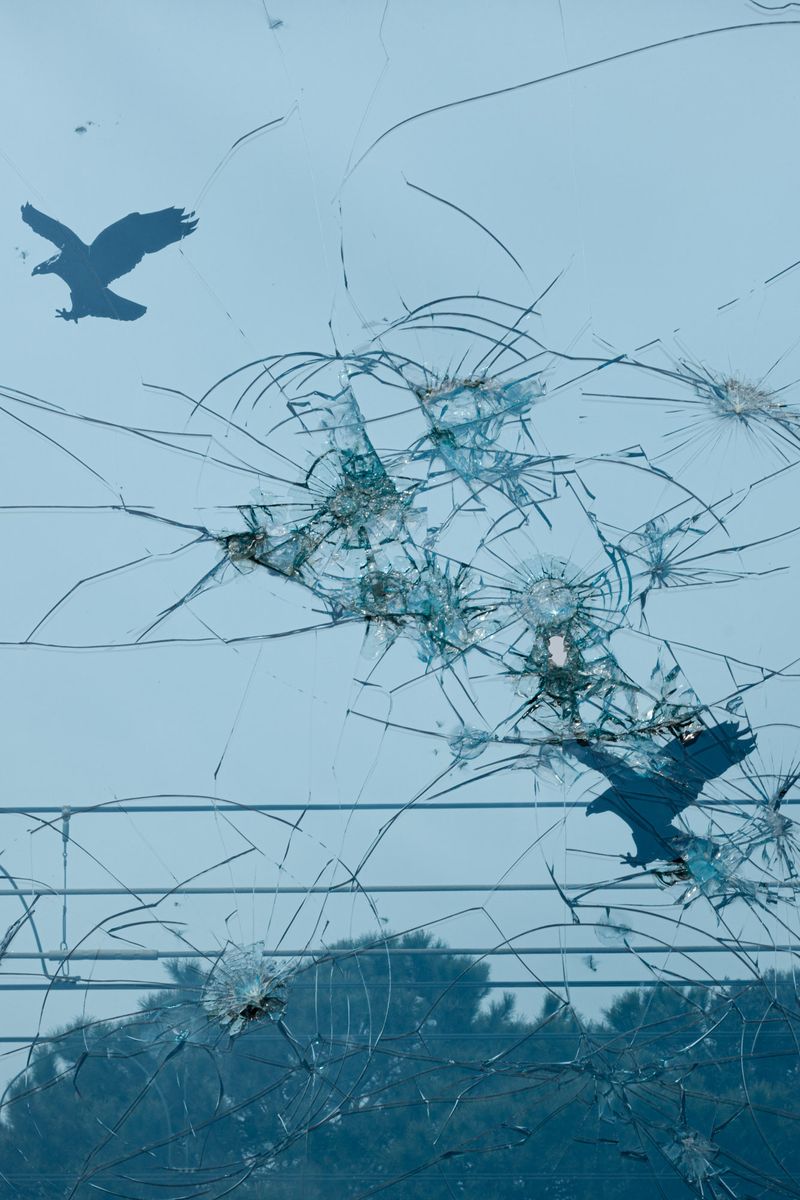
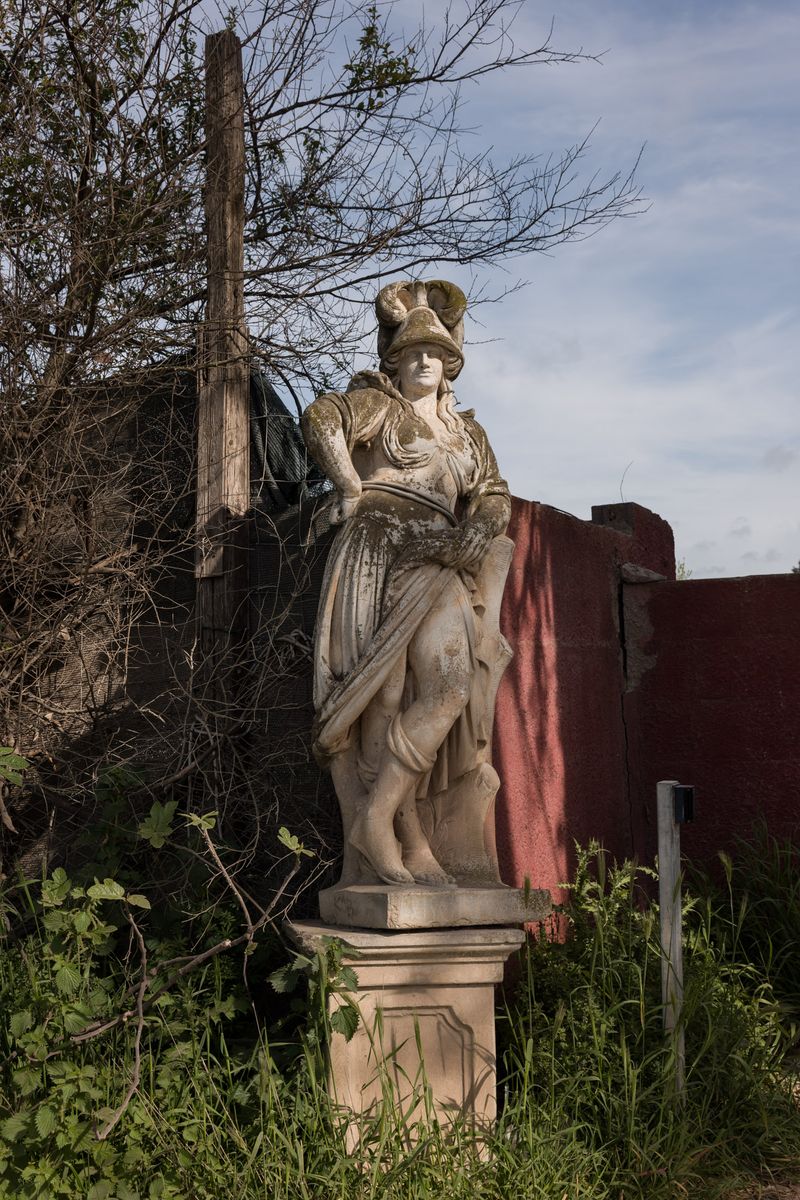
However, this house is decaying, the negligence of the public administration and its inhabitants make Ostia look like a ghost city. The debris grow more and more, as if history wants to remind us about its cycles, the heart doesn’t forget. I speak about it with Massimo and he adds: Everyone leaves and it creates a huge and desertic hole. I see a wasted emptiness that could be filled by something different, if only it would be possible.
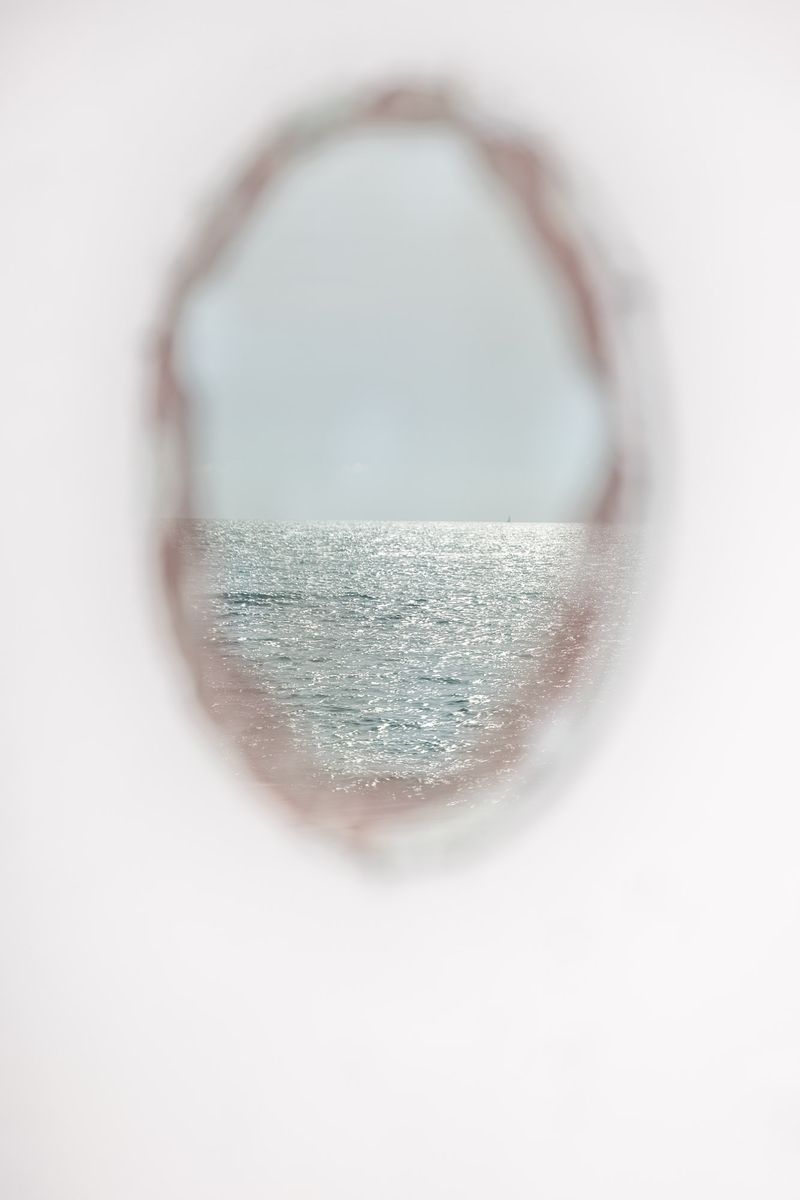
Adriano reminds me that Ostia is also freedom, it’s the salty air you feel getting off the metro, it’s the extended sight in front of the sea horizon and the body that finally can breathe and find peace.