Solaris
-
Dates2026 - Ongoing
-
Author
- Location Salvador, Brazil
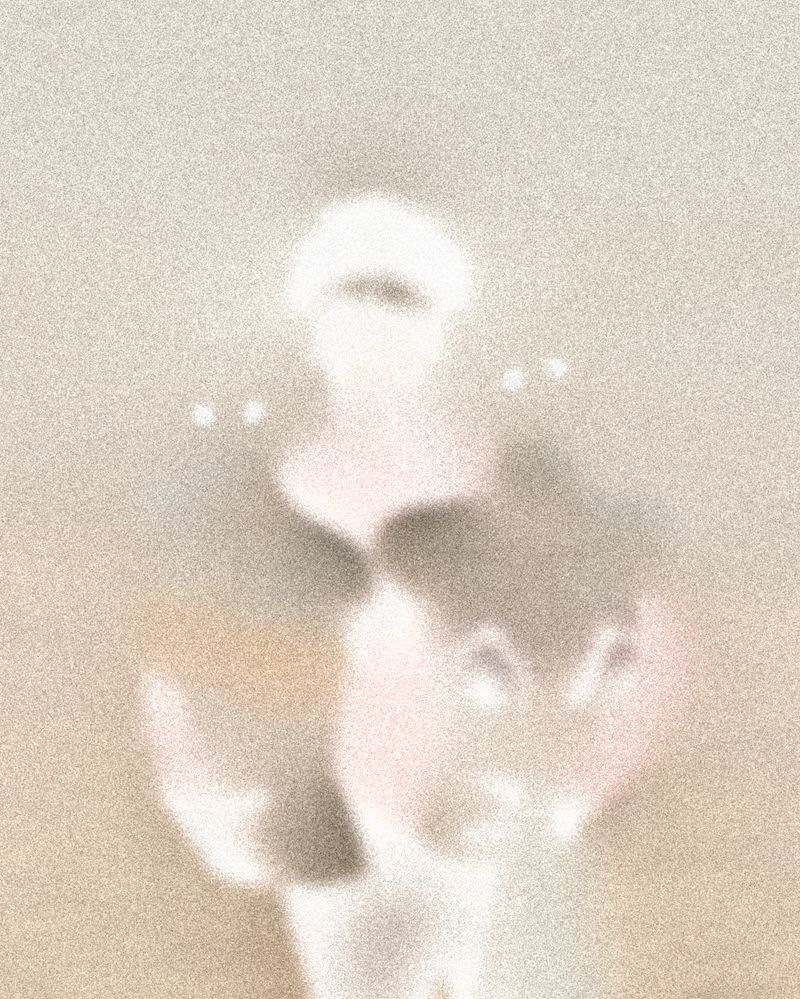
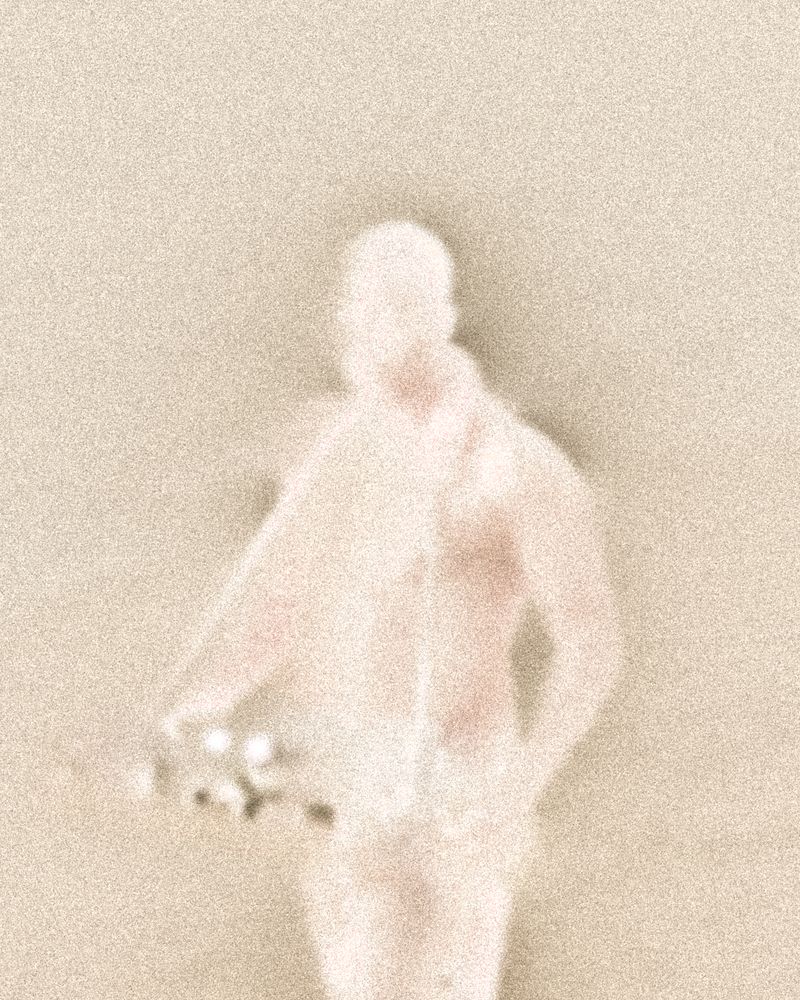
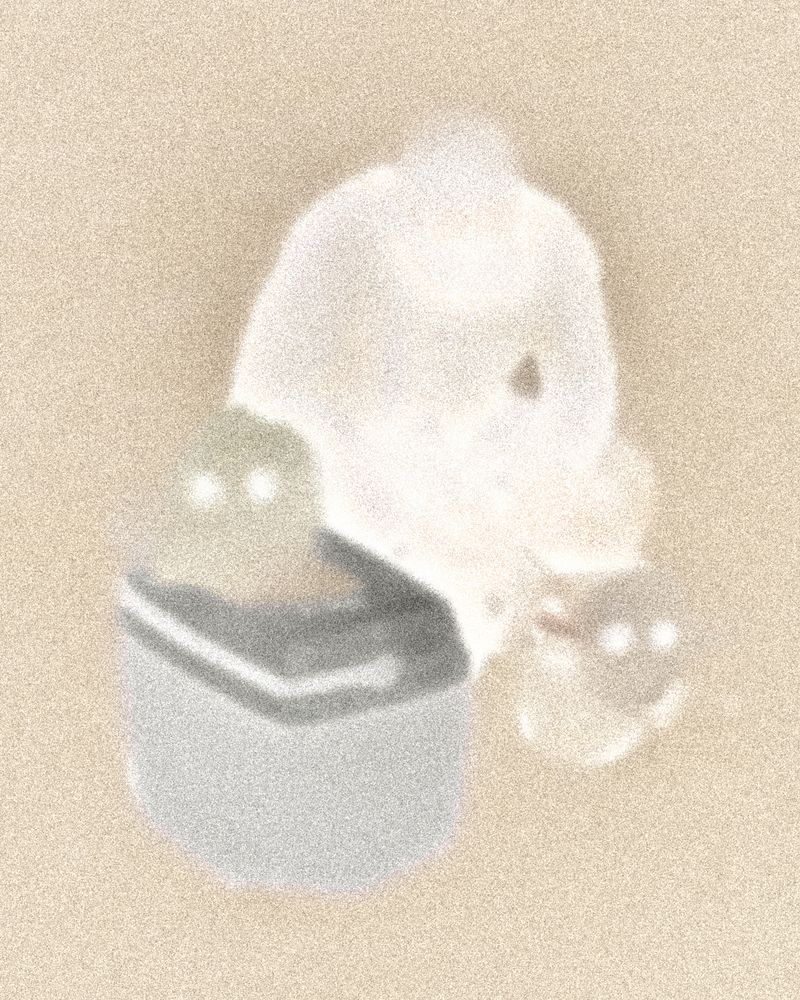
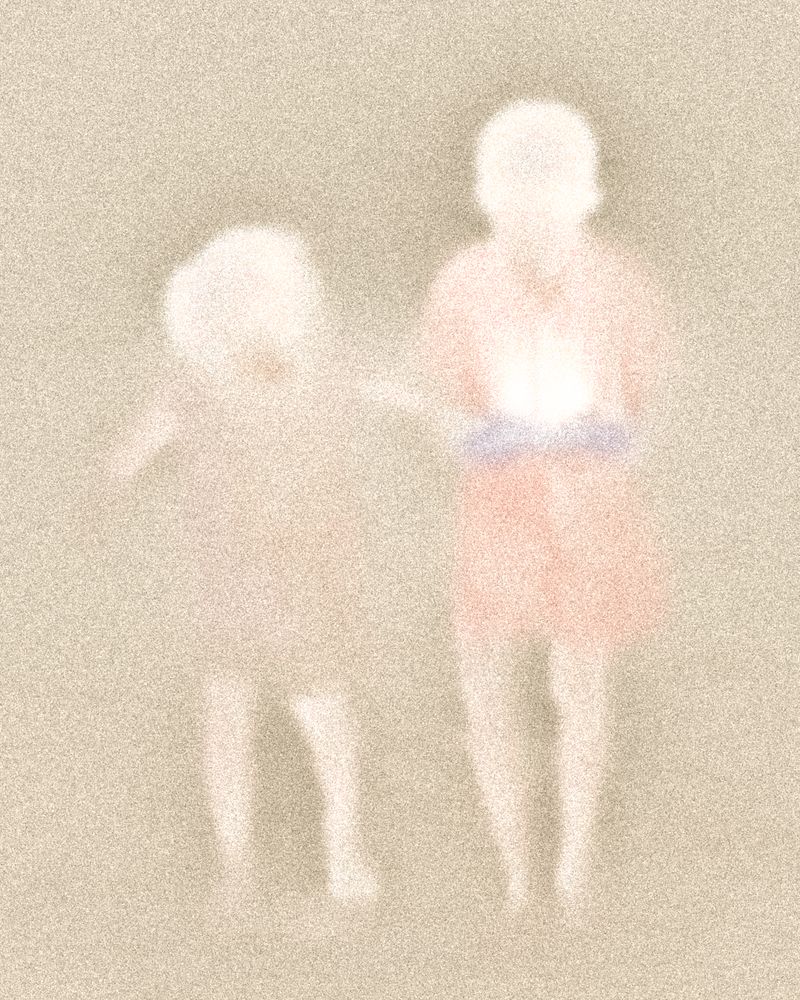
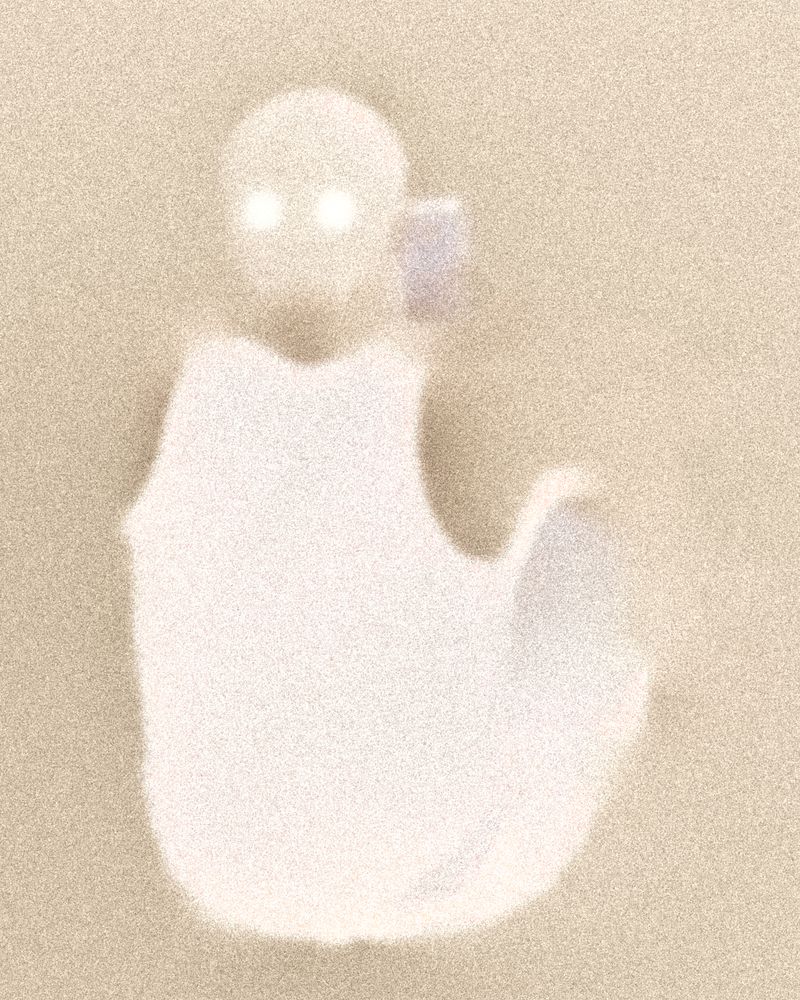
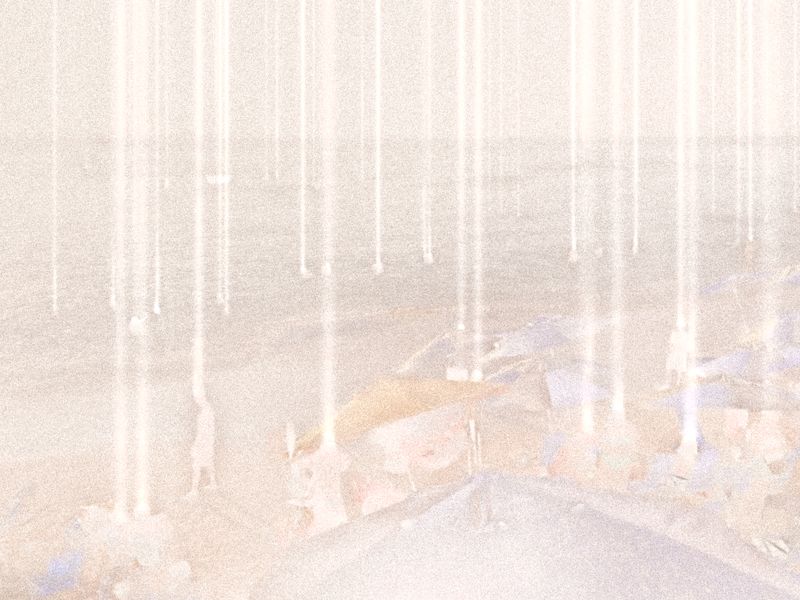
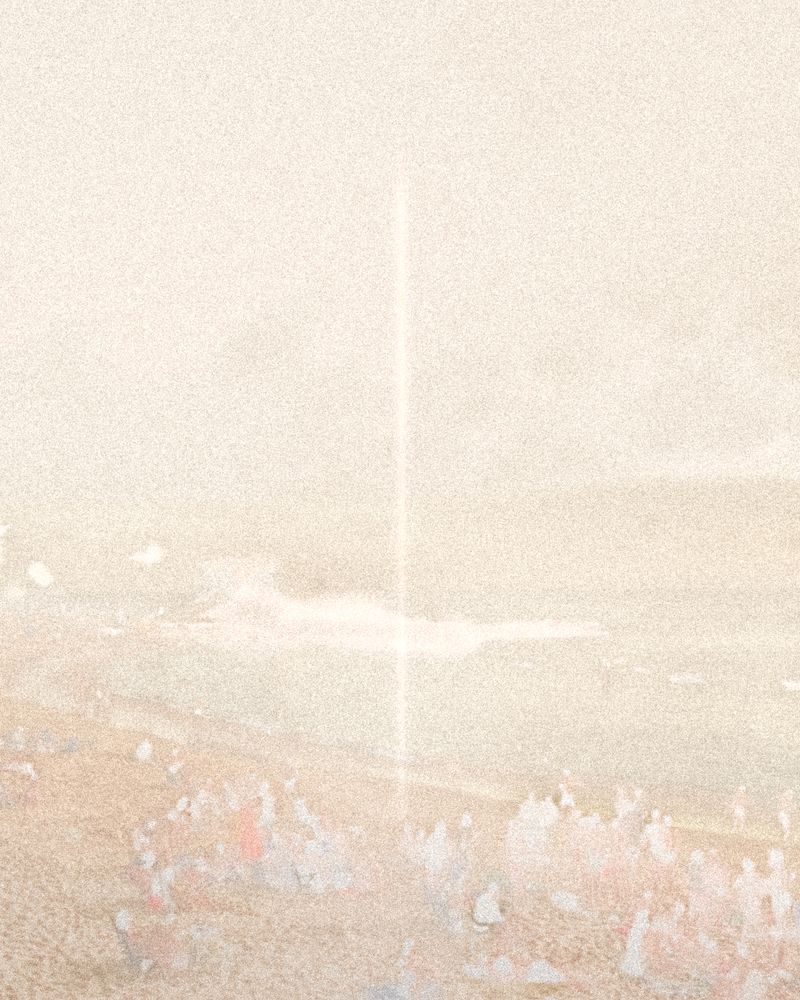
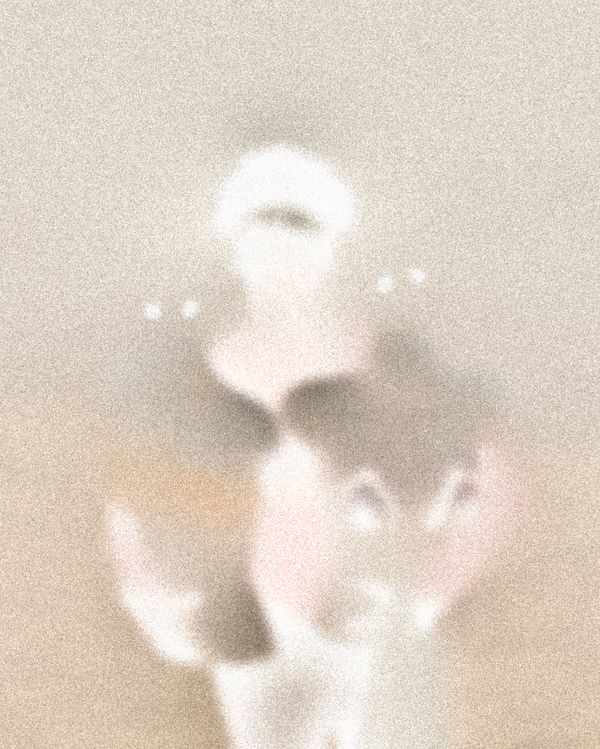
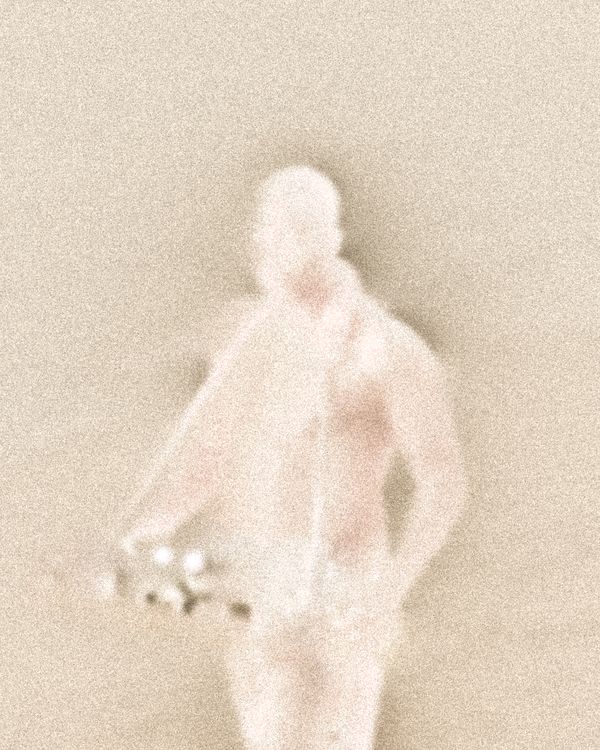
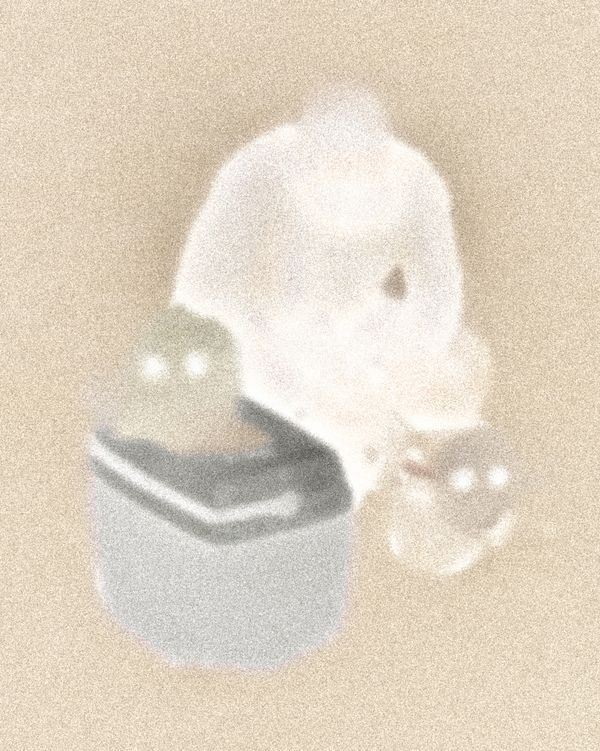
Solaris documents the remains of a failed surveillance state. Born from repurposed naval sensors to protect citizens in Salvador, the system instead reinforced algorithmic bias through thermal distortions. These images expose the ghosts of a broken gaze.
Solaris was a state surveillance software developed to identify civilians at risk of heatstroke.
Originally presented as a preventative public health tool to monitor civilians at risk of heatstroke, the system repurposed obsolete maritime sensors designed for naval target acquisition, integrating facial recognition with live thermography. Field tests were conducted on the beaches of Salvador, Bahia, to risk-profile individuals, specifically informal street vendors identified as vulnerable due to their socioeconomic status.
During these trials, the software’s clinical objective was frequently compromised by its environment: the maritime sensors suffered from thermal saturation, unable to resolve biological signatures against the extreme infrared radiance of the sand. This resulted in persistent optical distortions and anomalous detection markers being anchored in empty noise.
What began as a protection program faced allegations of covert intelligence-gathering and algorithmic bias. While public scrutiny led to the program's suspension, its core architecture was quietly integrated into active police surveillance, targeting unsuspecting individuals who are unknowingly indexed as criminal suspects, which resulted in documented cases of misidentification.
Following its decommissioning, obsolete Solaris hardware was sold as government surplus. These units resurfaced among paranormal researchers who sought to exploit the system’s technical instability. They interpreted the software’s propensity for sensor noise as a capacity to register spectral presences, a phenomenon now recognized as digital pareidolia.
The artist spent two years excavating decommissioned drives and decoding the proprietary encryption of the Solaris processing engine. This series presents the reconstructed original images, retaining their original analytical overlays and corrupted digital artifacts.