Si las paredes callaran (If walls were silent)
-
Dates2021 - Ongoing
-
Author
- Topics Social Issues
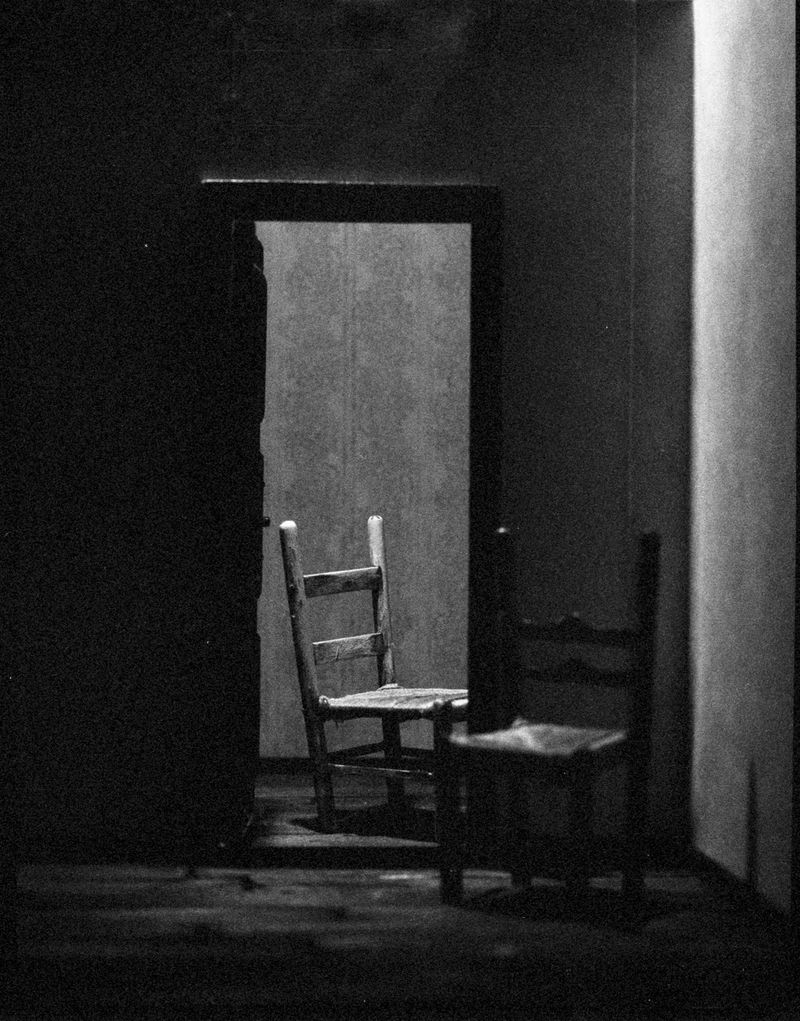
Si las paredes callaran is an ongoing project, that addresses the relation between domestic violence and the idealization of domestic space, through a story that took place more a century ago.
Victorina -29 years old- was murdered in June 1889, during the night, at home, in her bedroom, by her husband Mariano -39 years old- during an argument, in which he accused her of disobedience and adultery. A couple of weeks before the murder, she asked for a divorce.
She shared life between the walls, with an individual to whom, according to several testimonies described in the news, was afraid of. Victorina -to whom her husband forbade to work- had fled home several times, and being obliged to return to it after he denounced her of abandoning the house. In the press from that period of time, other cases appear sharing similarities: Mariana had fled home as well; she was murdered by her husband on the street. A week earlier she had been returned to the abuser's house by the police. The same day of her arrest, another woman, Leonor, was also arrested for having escaped from her father’s house. I reactivate the story of Victorina, as a singular case on the treatment of domestic violence, that relevant personalities, such as the thinker and writer Emilia Pardo Bazán (1851-1921), repeatedly denounced through the press and through her writings at the time.
The domestic interior destined for women, which during that time took on considerable relevance due to the debate on the feminine matter, or the place that women should occupy in society, was projected as a feminine domain that was peaceful and protective. The fictitious protection of ceilings, walls, doors and windows - in this case, and in others of the time- served as a container of violence. During the two trials that were held against Victorina's husband, two different jurors found the aggressor "not guilty"; the coroners said, after performing an autopsy, that she was hysterical, and a portrait photograph served to certify an alleged loving relationship.
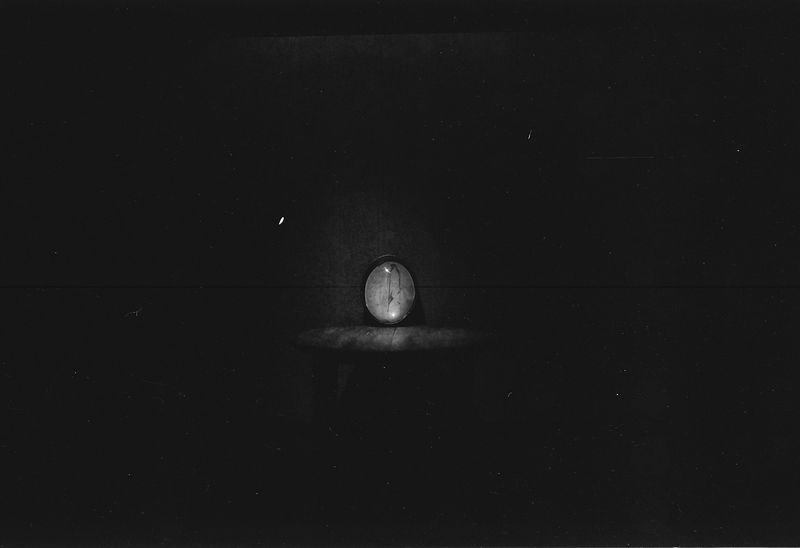
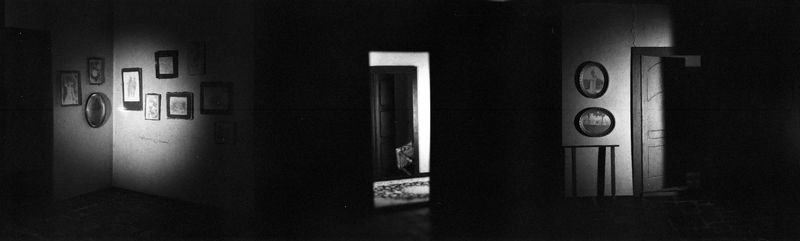
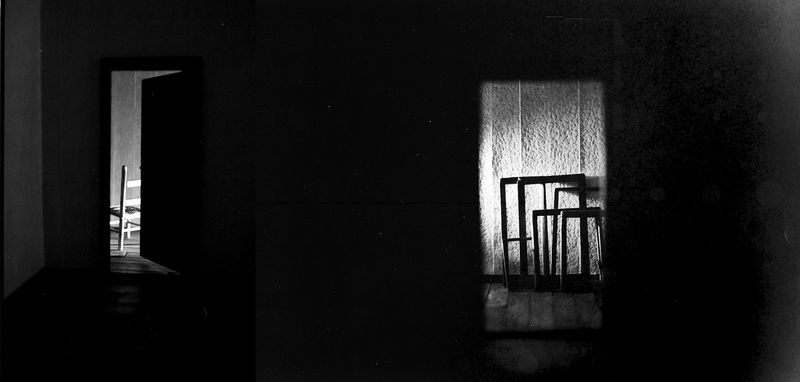
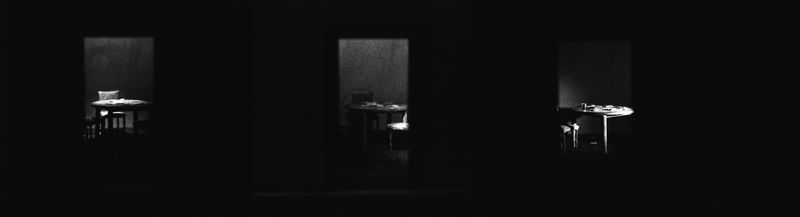
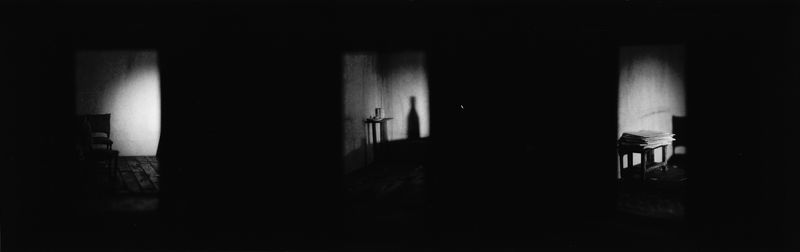
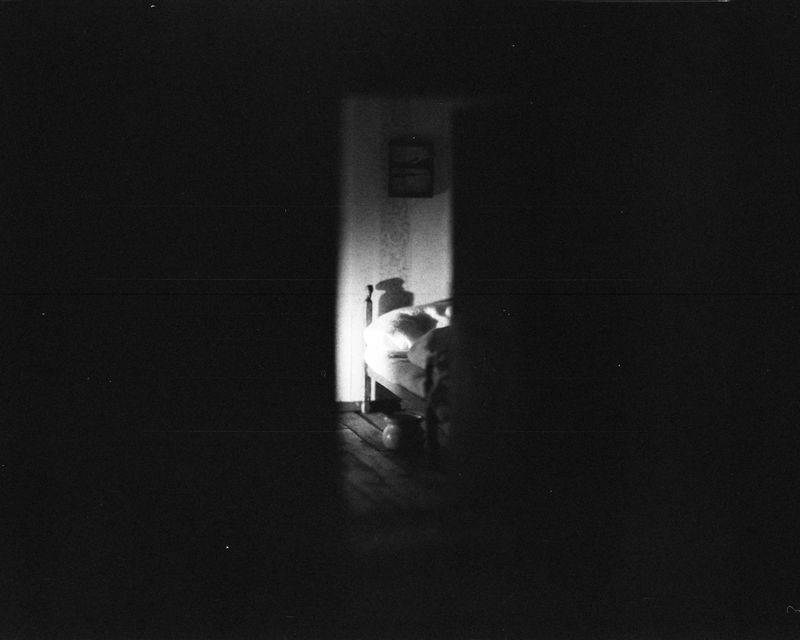
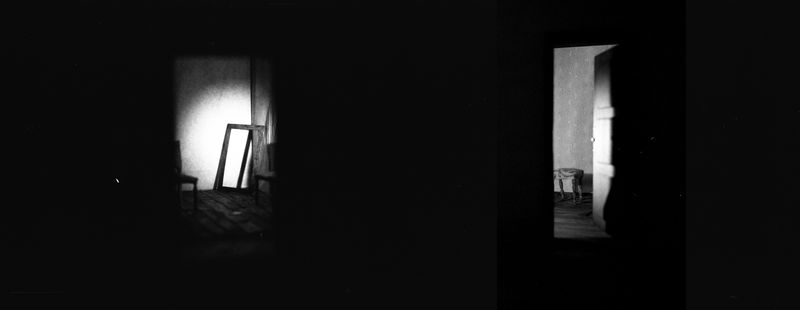
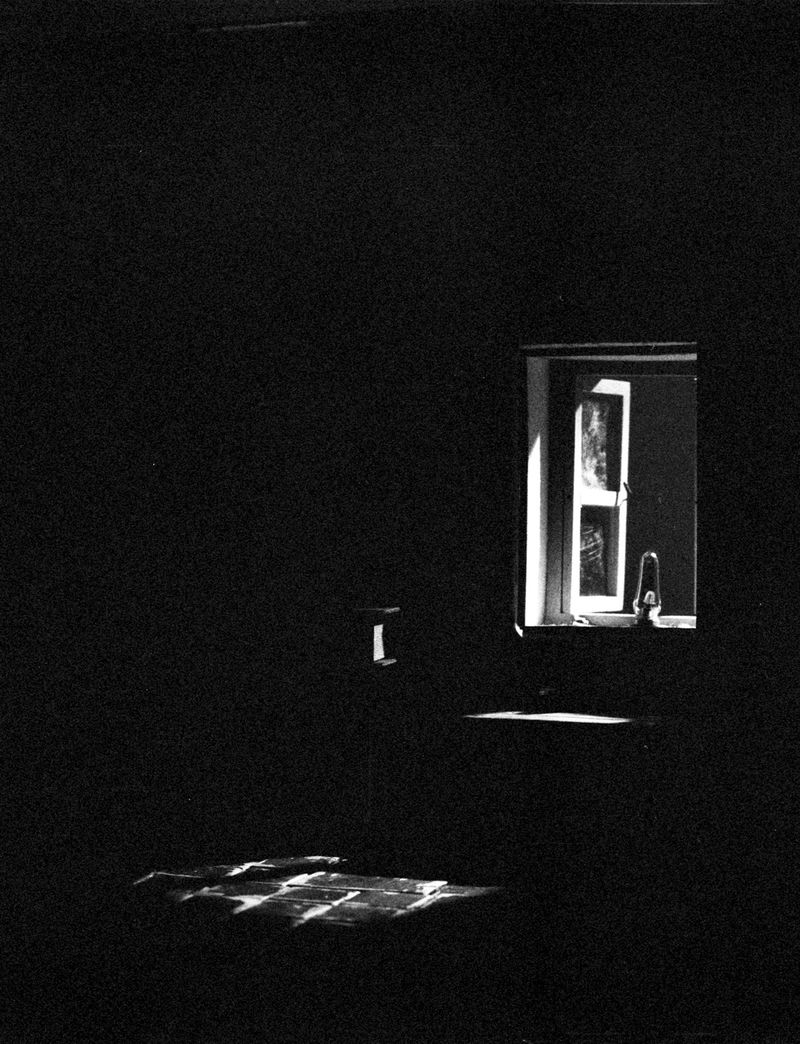
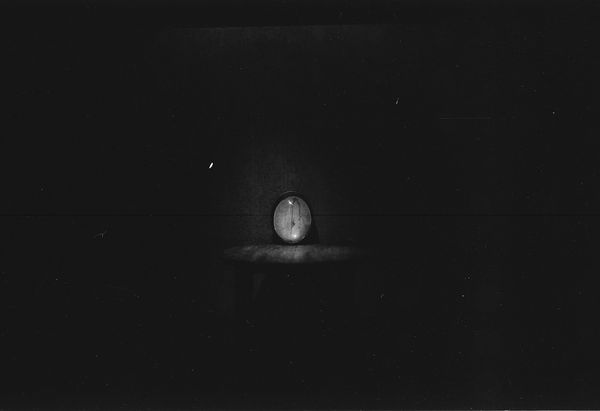
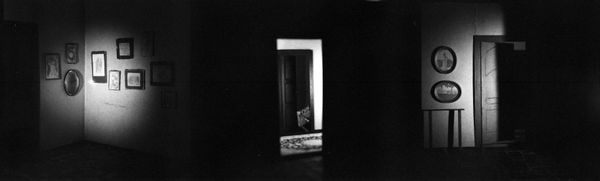
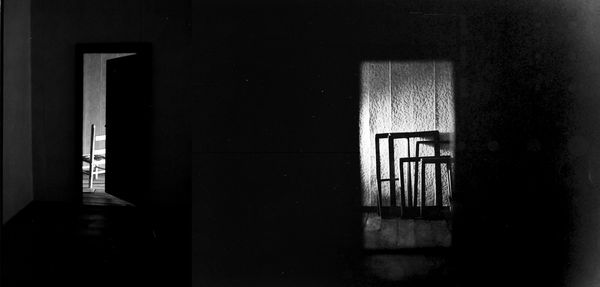
Si las paredes callaran (If the walls were silent) explores -based on the news published on the press during 1889 and 1890, and through scenarios- the tensions and violence of those situations in which, for example, he reproached her for not having the food ready, or for having made signs through the window to a man of her age, with whom she was supposedly emotionally involved. Through these images, domestic interiors that recreate a disturbing labyrinth bathed in the conflict between fear and the desire to escape, I propose a rereading of this type of mistreatment and crime -called at the time "passionate crime”.
This photographic series is part of an on-going project about the history of Victorina, which emerges from my interest in exploring, through fictional strategies and from historical and archival research, punishment and mistreatment against women.