Shields Under A Wounded Sky
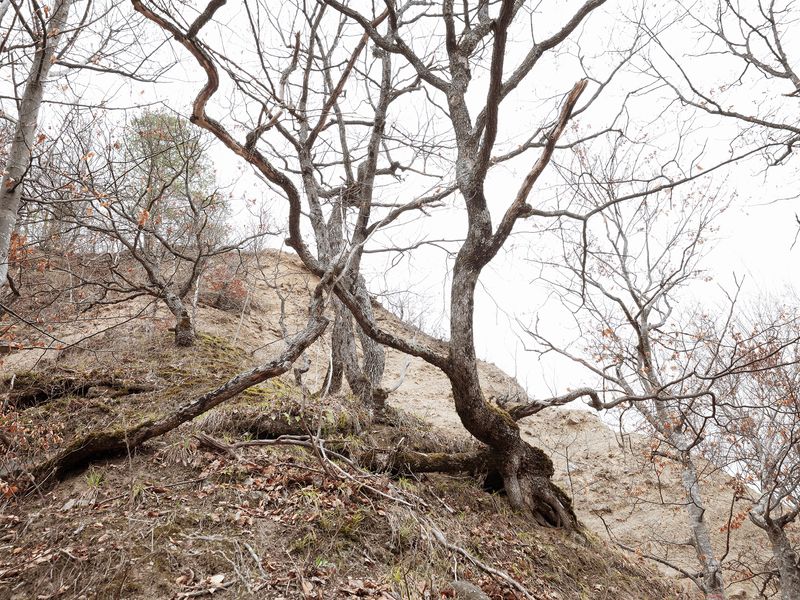
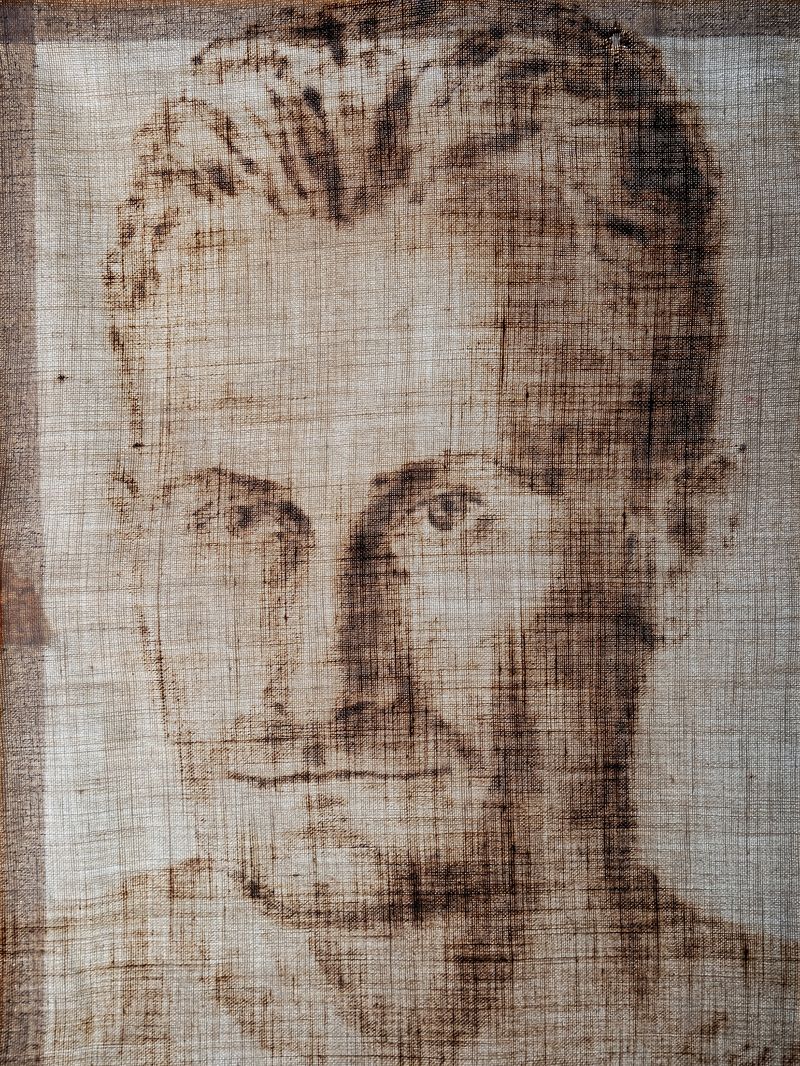
Shields Under A Wounded Sky explores Romania’s Communist legacy, tracing the enduring scars of 45 years of oppression. Through personal stories, archival materials, and evocative textiles, the project honours the resilience of those who resisted.
Shields Under A Wounded Sky is an elegy that weaves together stories of resilience, examining the far-reaching effects of 45 years of Communist oppression in Romania. The establishment of Communism began in 1944 with the arrival of the Soviet Red Army, and its consequences remain deeply ingrained in the region's cultural and political fabric.

After a secret agreement between Winston Churchill and Joseph Stalin divided Europe into spheres of influence, Romania fell almost entirely under Soviet domination. With nearly complete control, the Soviets imposed an oppressive regime marked by deportation, persecution, and brutality to subordinate the nation. Resistance emerged in response to harsh measures like forced collectivization, but it weakened over time under the weight of propaganda, terror, and repression. Those who stood against the regime faced intimidation, imprisonment, torture, or execution.

Historians estimate that between one and three million people fell victim to Communist persecution in Romania. The deep scars left by this era, along with its ongoing repercussions, continue to shape the region’s political landscape.

This project retraces and memorializes the narratives of resistance through the documentation of significant historical sites, portraits, artefacts, and the unique textiles of resistance. The blend of personal stories, archival material, and reimagined oral histories serves to honor the courage of those who defied tyranny. The work offers a tribute to the past while creating a bridge to the future, ensuring that these voices continue to inspire.

My commitment to this project stems from a profound connection with Romania’s textile heritage and the emotional impact of the textiles of resistance I discovered, such as the sewn bandages with poems, and letters made by political prisoners. These textiles, created in defiance of oppression, are powerful vessels of memory, preserving the stories of courage.

I believe it is crucial to document the impact of Communism in my country and Eastern Europe. This exploration invites viewers to reflect on the current climate, as witnessed over the past two decades, and the future challenges in the region, including potential political unrest. I hope these stories resonate deeply, inspiring a commitment to safeguarding freedom and ensuring that the lessons of the past inform our present and future.
© Simona Ciocarlan - Image from the Shields Under A Wounded Sky photography project
i

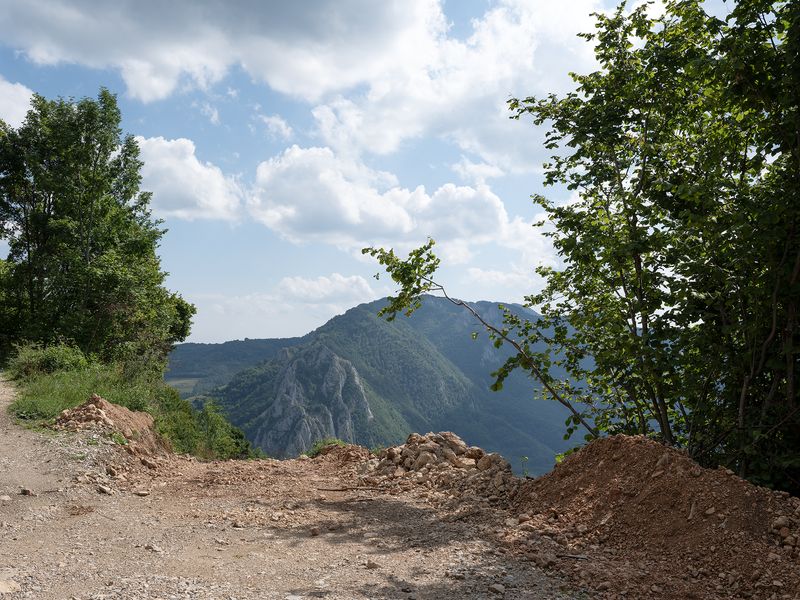
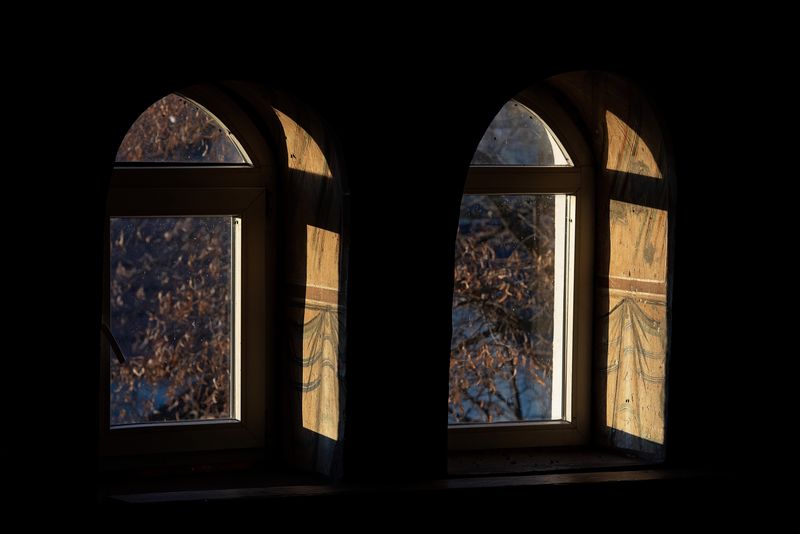
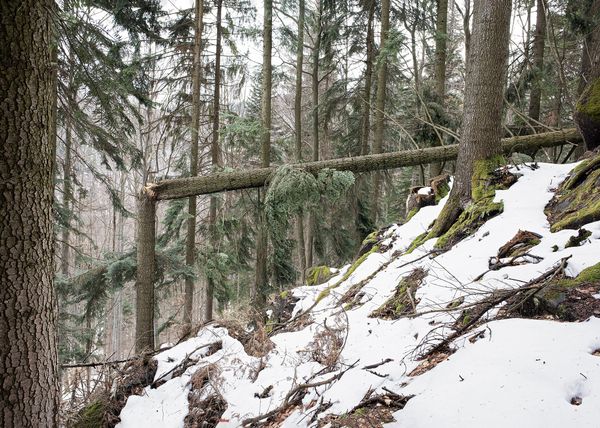
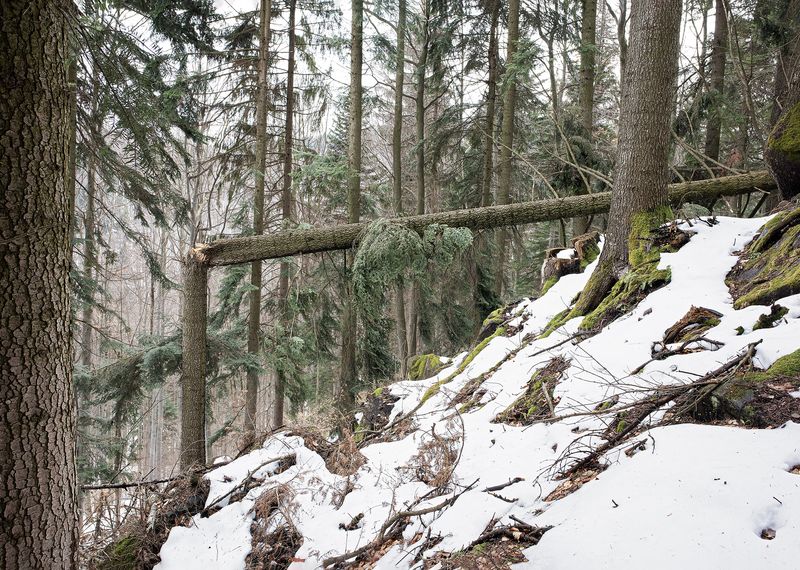
Forest in Bucovina de Nord, bordering one of many hiding places, served as a refuge for individuals who were forced to live as outlaws due to the relentless persecution by soviet and communist authorities beginning in 1944. These woods witnessed their arduous struggle for survival against systemic oppression, providing shelter in an environment permeated with fear and uncertainty.

© Simona Ciocarlan - Image from the Shields Under A Wounded Sky photography project
i

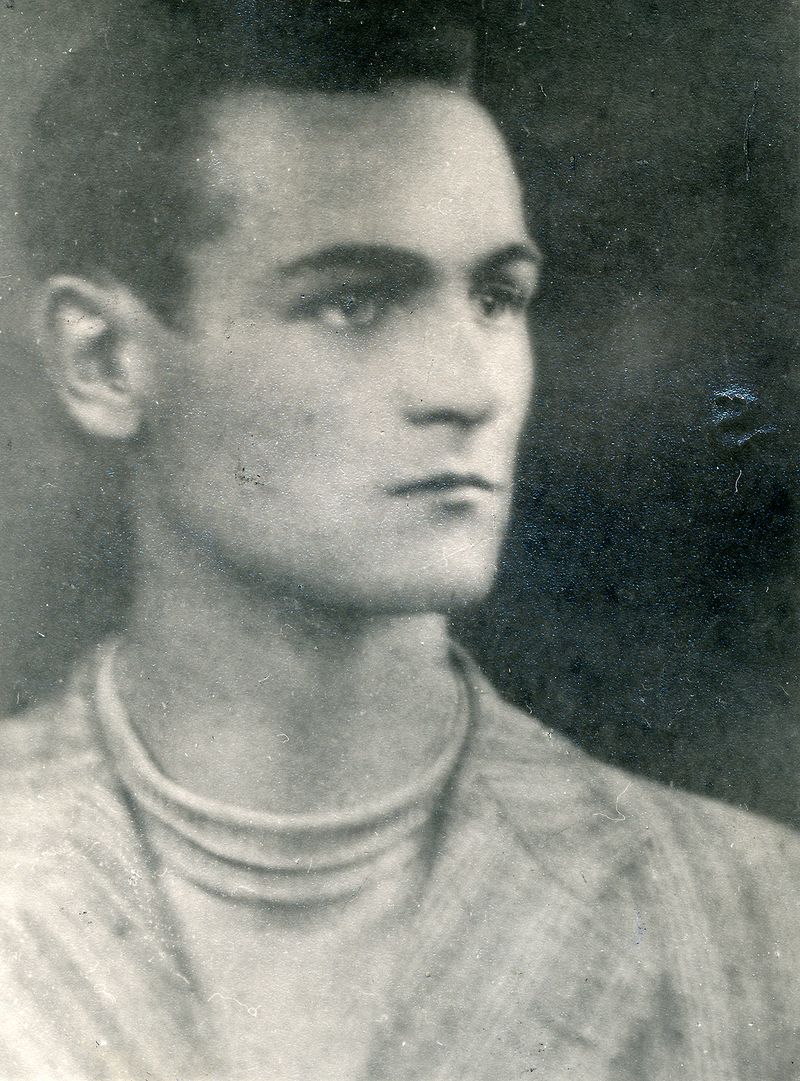
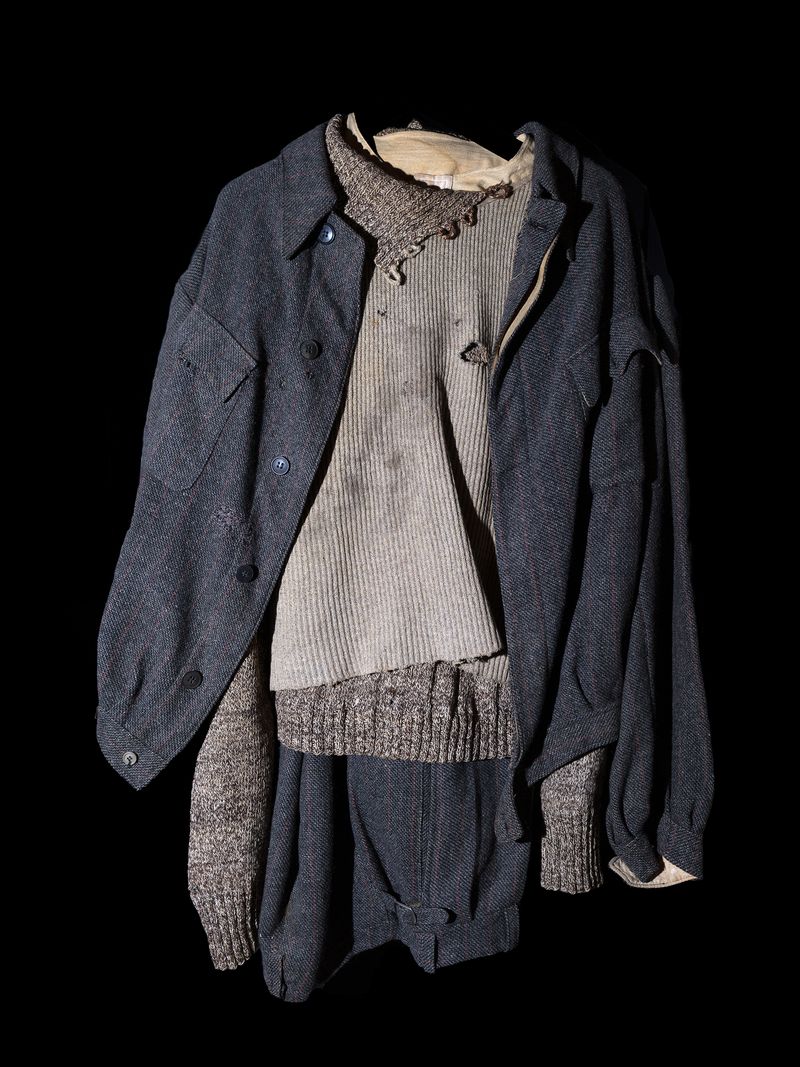
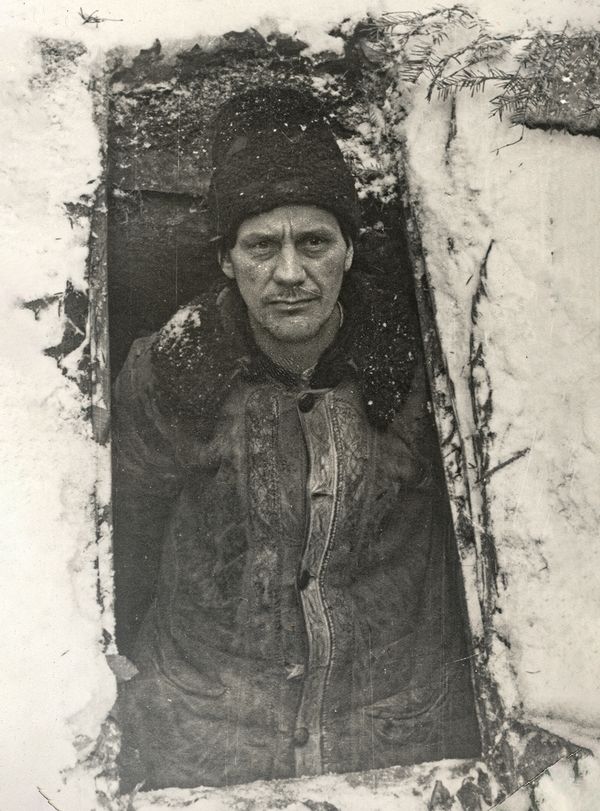
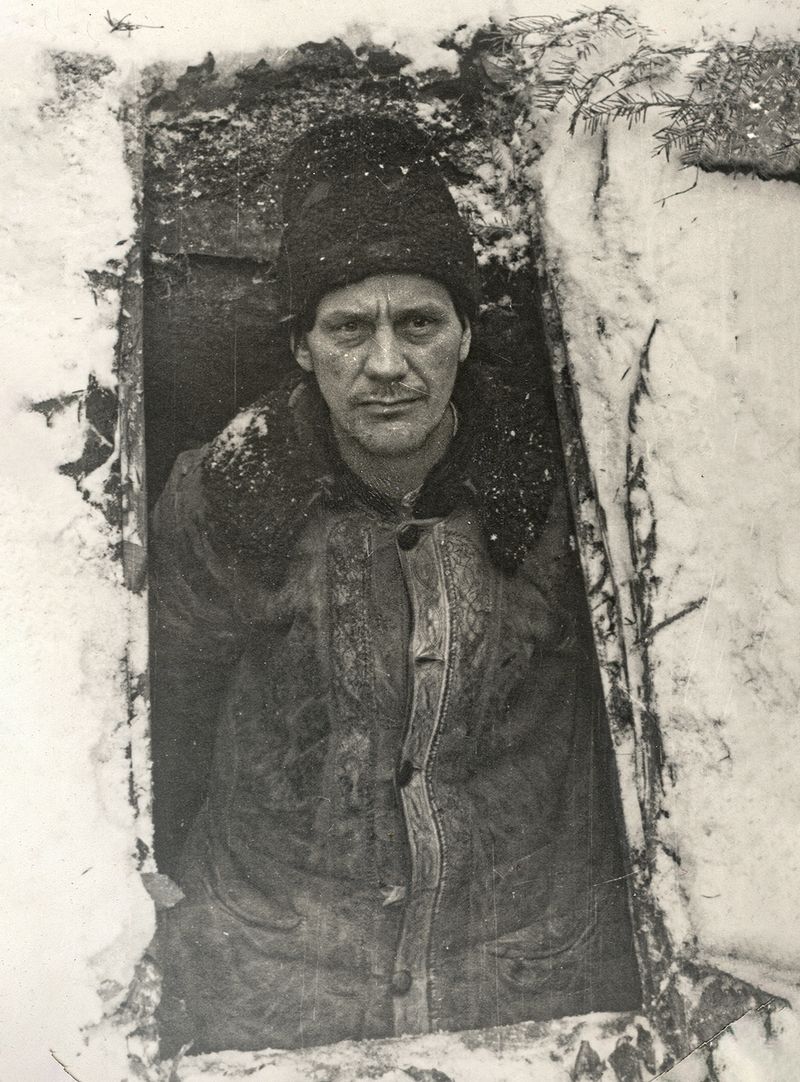
Vasile Motrescu, a notable partisan resisting Soviet control in northern Romania. Threatened by the oppressive communist regime and the Securitate, the political police established in 1948, he sought refuge in the dense Bucovina woods, living as an outlaw from 1944 until his execution in 1958. During this time, he faced relentless persecution, constantly on the run and struggling to survive.

© Simona Ciocarlan - Image from the Shields Under A Wounded Sky photography project
i

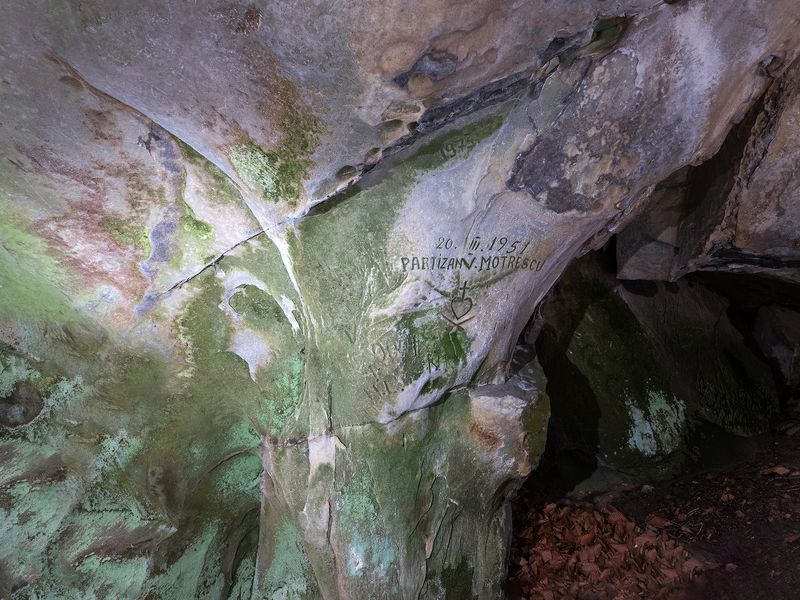
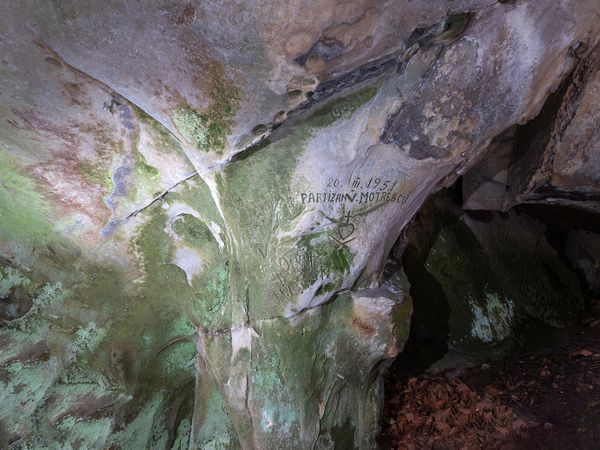
In the wilderness, Vasile Motrescu's rocks remain, where his name is carved—a silent witness to his fight against tyranny and his quest for liberty.

© Simona Ciocarlan - Image from the Shields Under A Wounded Sky photography project
i

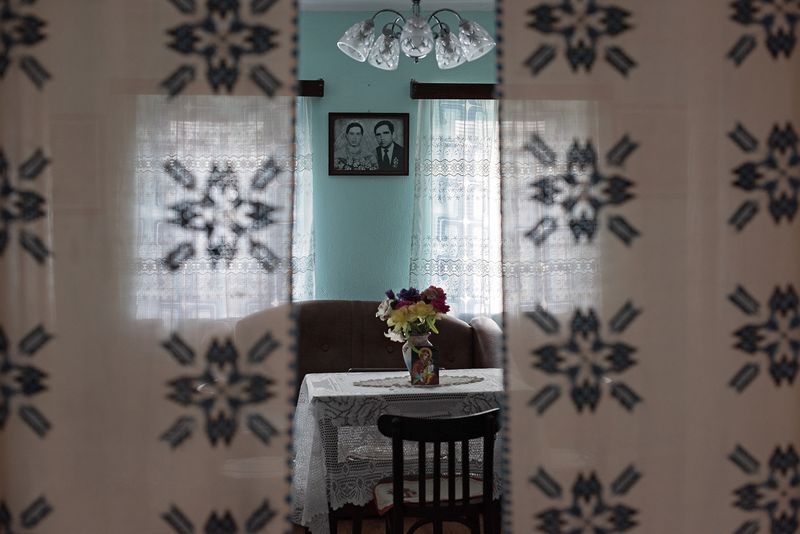
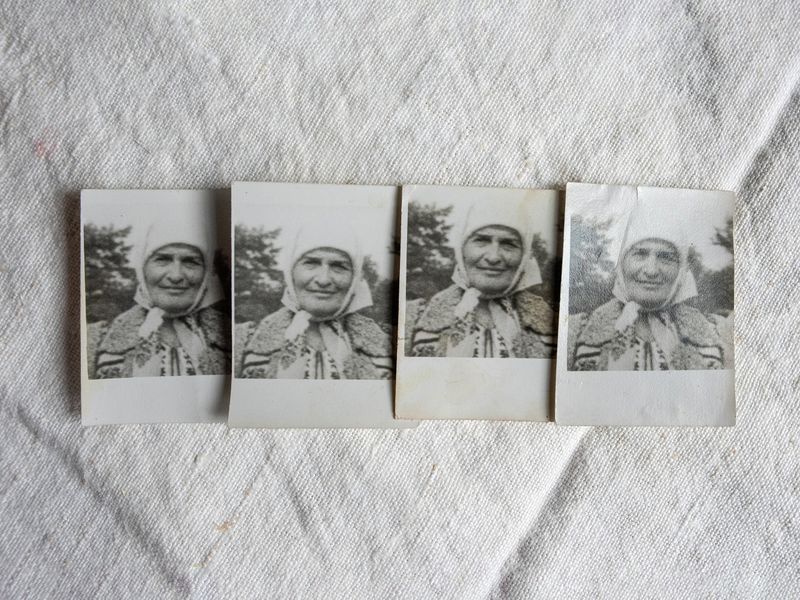
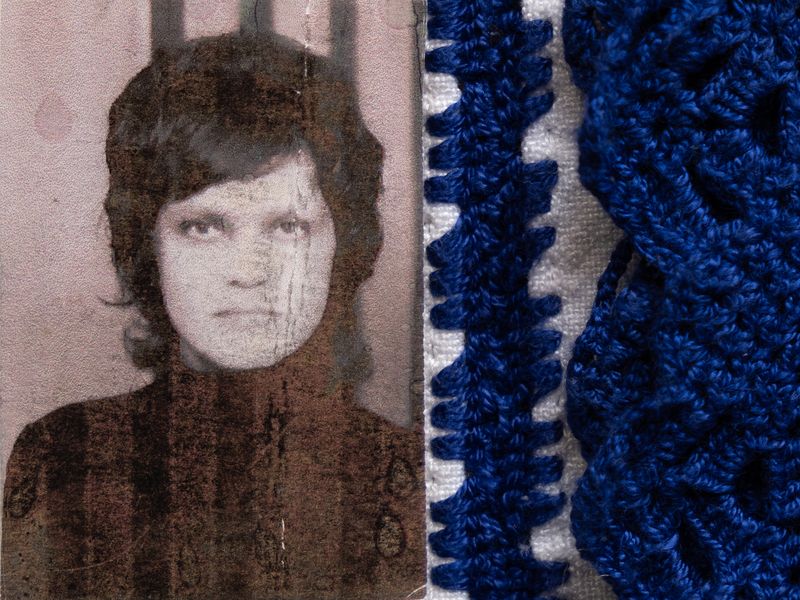
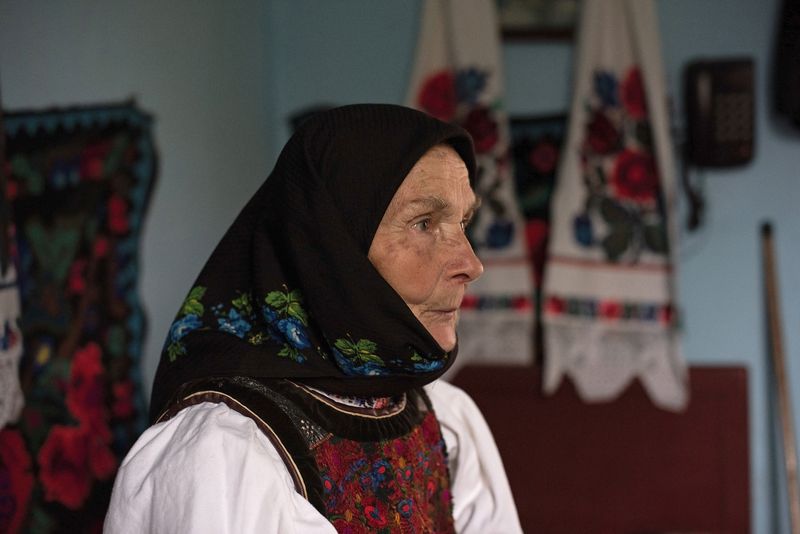
Maria Motrescu was sentenced to six years in prison for aiding her husband by providing food while he was in hiding from the communist authorities.

© Simona Ciocarlan - Sofia, Vasile Motrescu’s daughter suffered the consequences of her father’s anti-communist actions.
i

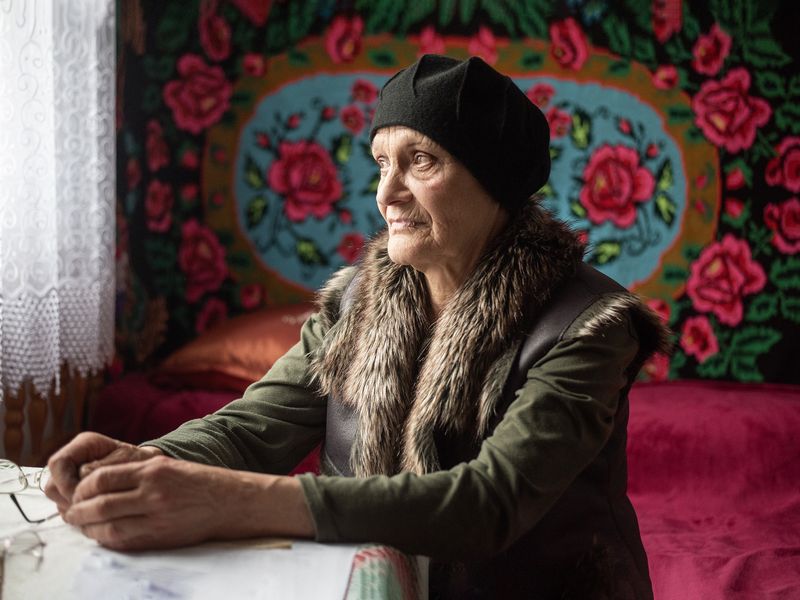
Sofia, Vasile Motrescu’s daughter suffered the consequences of her father’s anti-communist actions.

© Simona Ciocarlan - Image from the Shields Under A Wounded Sky photography project
i

Apuseni Mountains, home to several partisan groups that fought against the communist regime in Romania after World War II. Among the most prominent were Major Nicolae Dabija’s anti-communist group and the resistance led by the Șușman family.

© Simona Ciocarlan - Image from the Shields Under A Wounded Sky photography project
i

Traian Marinescu Geagu, witnessing the blatant manipulation of the vote at one of the polling stations under communist control, takes the ballot boxes into the courtyard and sets them ablaze. This act of defiance would ultimately cost him his life.

© Simona Ciocarlan - Image from the Shields Under A Wounded Sky photography project
i

Hunted down and captured by the Political Police, Traian Mainescu Geagu was demonstratively assassinated. He was shot and stabbed by the Securitate, who then displayed him in the middle of the road in his native village to serve as a warning to others.

© Simona Ciocarlan - Image from the Shields Under A Wounded Sky photography project
i

Anuca Nichita’s family was among the 44,000 forcibly deported by the Romanian Communist regime between 1951 and 1956. The brutal Bărăgan deportations occurred overnight in June 1951, targeting political opponents and perceived threats. Stripped of their homes, these deportees—including men, women, children, and the elderly—were relocated to remote plains, where they faced severe hardships.

© Simona Ciocarlan - Image from the Shields Under A Wounded Sky photography project
i

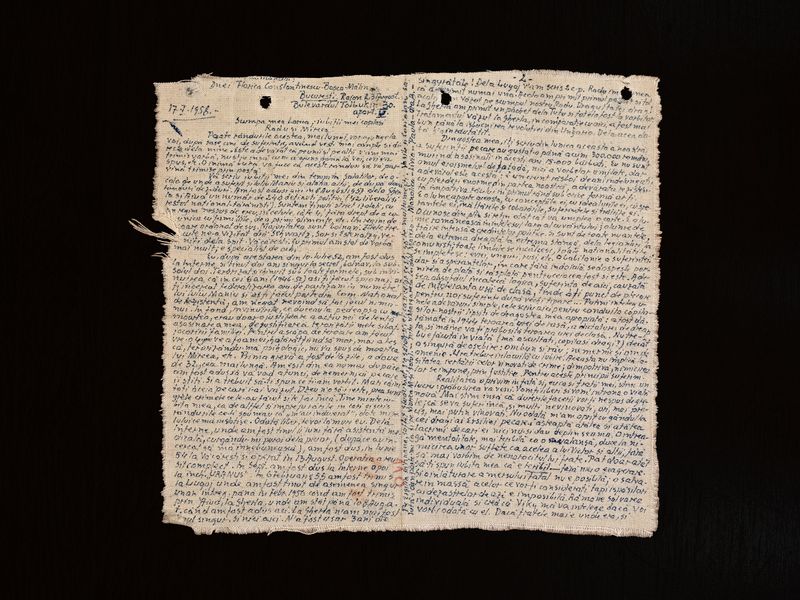
Emil Boșca Malin's letter to his family, written in secret on a piece of cloth from his prison blouse. A lawyer, journalist, and member of the National Peasant Party, he was sentenced in absentia to life imprisonment in 1946 for his involvement with the anti-communist organization “Black Coats.” His sentence was later commuted to 25 years of hard labour.

© Simona Ciocarlan - Image from the Shields Under A Wounded Sky photography project
i

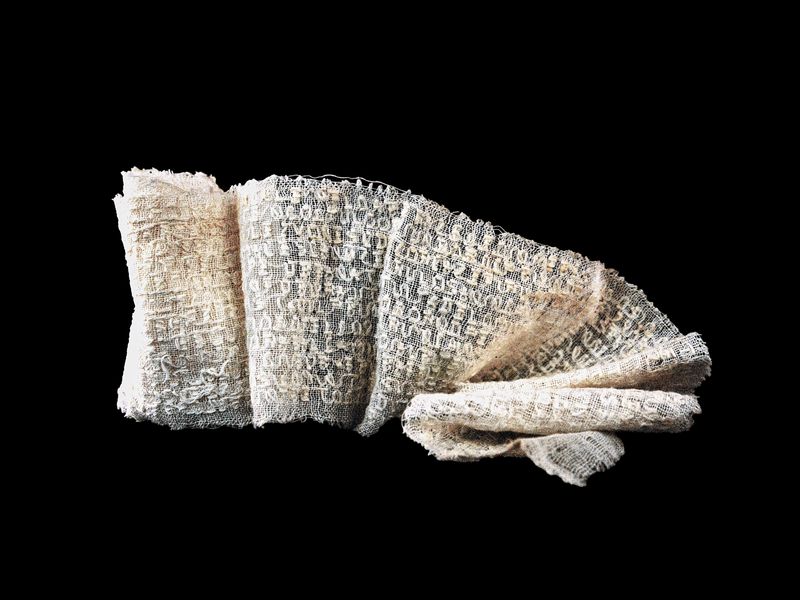
Textiles of resistance - medical bandages upon which Dr. Serafim Pâslaru meticulously stitched lyrics while incarcerated in the prison’s infirmary. Dr. Serafim Paslaru was arrested and subsequently imprisoned for offering medical assistance to an individual escaping the political police.

© Simona Ciocarlan - Image from the Shields Under A Wounded Sky photography project
i

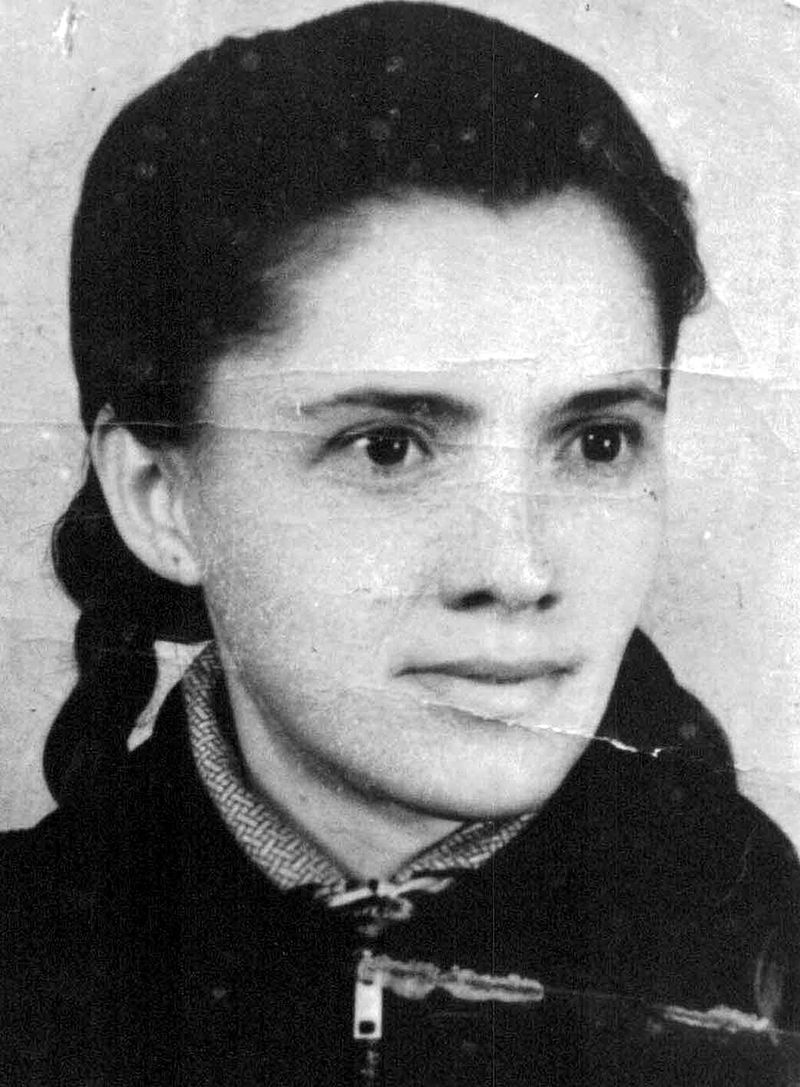
Iuliana Preduț was a history teacher in Cobadin until her arrest on June 21, 1958, while seven months pregnant. She received a 12-year sentence of forced labor for “failure to report.” On September 18, 1958, she gave birth in Văcărești hospital prison, naming her daughter Libertatea (Freedom). Three months later, her infant was placed in an orphanage. Iuliana was released in 1964.

© Simona Ciocarlan - Image from the Shields Under A Wounded Sky photography project
i

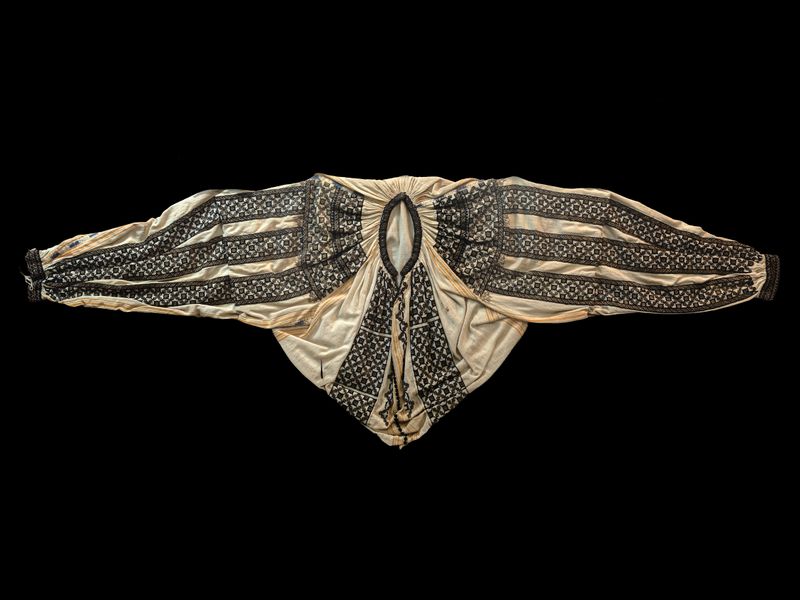
Romanian blouse, made and worn by Elisabeta Rizea, a key member of the anti-communist resistance, carries her legacy. Arrested and tortured by the communist authorities in 1952 and 1961, Rizea was sentenced to 12 years in prison.

© Simona Ciocarlan - Image from the Shields Under A Wounded Sky photography project
i

Râpele cu Brazi, where partisans Maria Plop and Toma Arnăuțoiu sought refuge from the Securitate, became the birthplace of their daughter, Ioana, amid danger. After Maria's capture and Toma's execution, the infant was taken to an orphanage in Câmpulung-Muscel. This tragic separation marked a profound loss for Maria, who endured harsh imprisonment and never saw her daughter again.

© Simona Ciocarlan - Image from the Shields Under A Wounded Sky photography project
i

Self Portrait in blood, Jilava 1955 - Painter Nicolae David, arrested and sentenced to 7 years of hard labour for the so-called “crime of conspiring against the social order”. Under the communist regime, the arts, including literature, faced severe restrictions. Artists were pursued, arrested, and condemned for challenging the regime, whether as private citizens or through their work.

Shields Under A Wounded Sky by Simona Ciocarlan

Prev Next Close