Sedated Atoms

-
Dates2022 - 2024
-
Author
- Locations India, Andhra Pradesh, Srikakulam
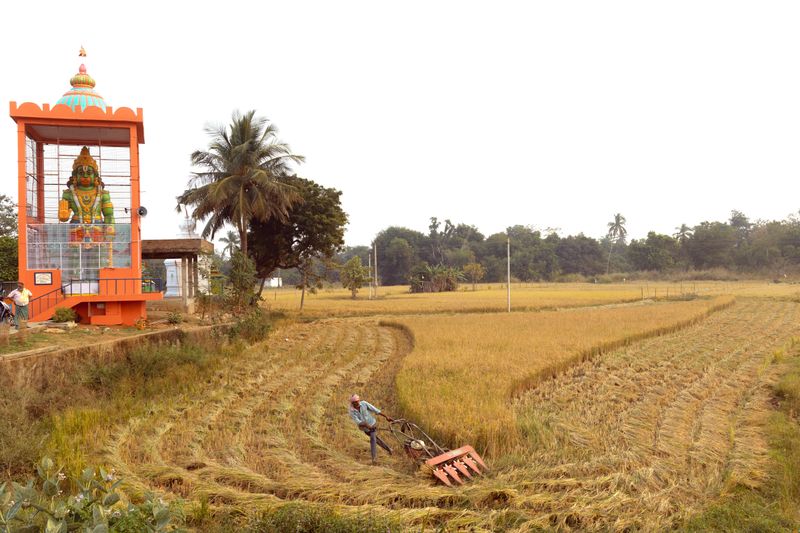
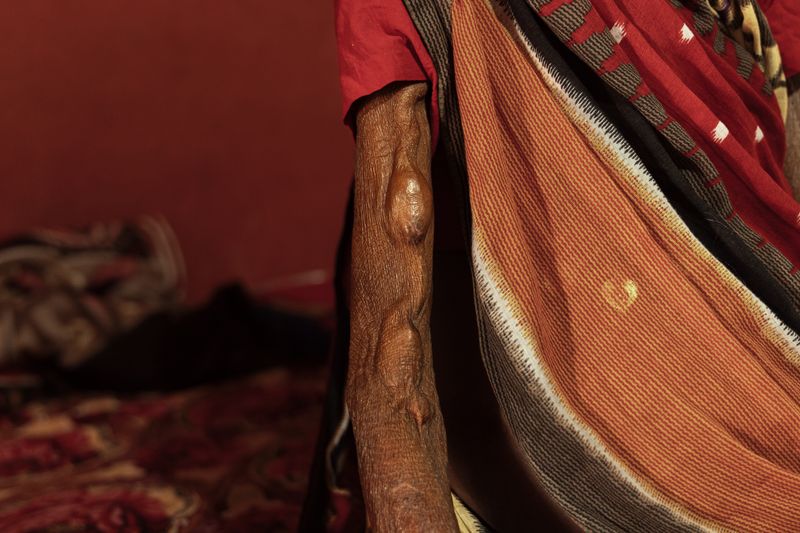
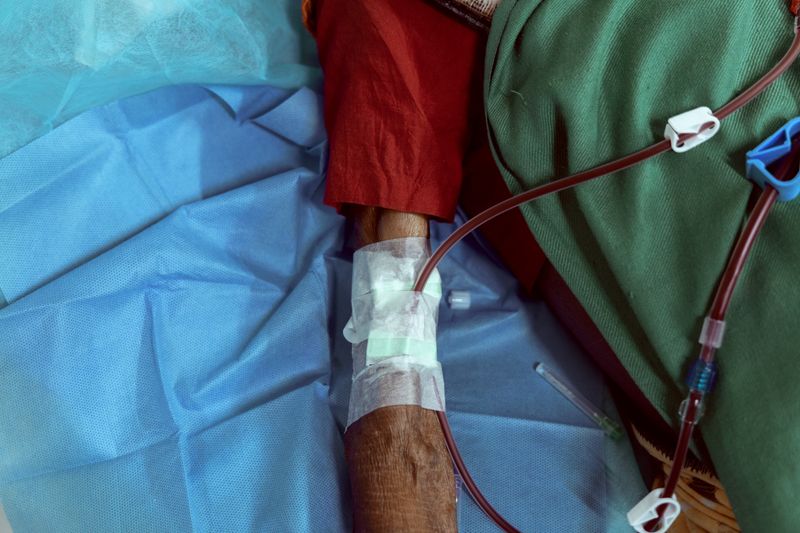
For 3 decades, the Uddanam region in Andhra Pradesh, India, has battled a mysterious Chronic Kidney Disease with the world’s third-highest mortality rate. Despite research efforts, its cause remains elusive, leaving residents in ongoing uncertainty.
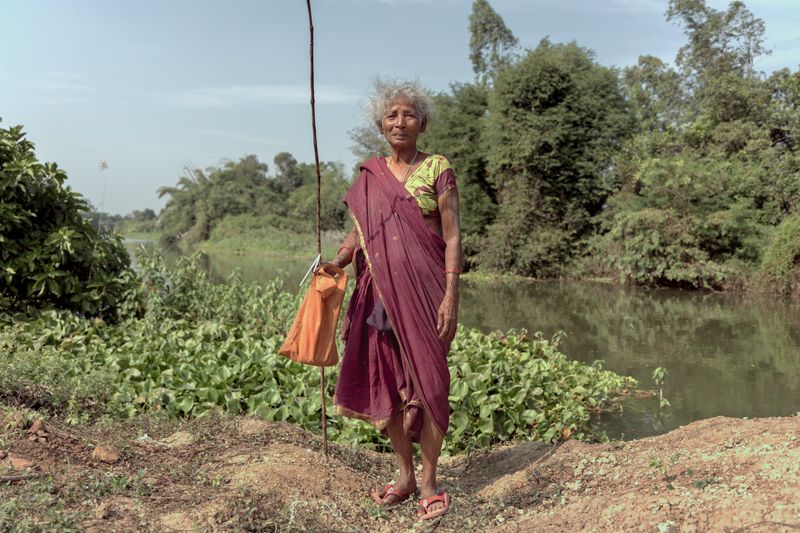
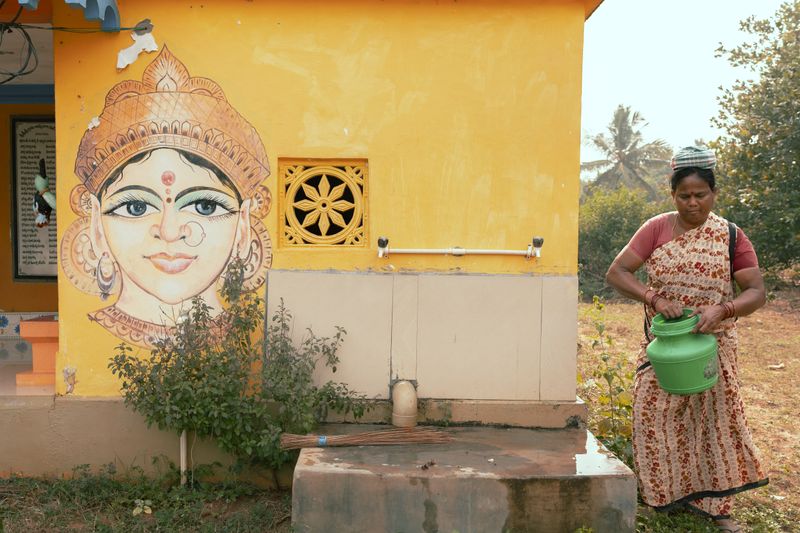
For approximately 25 to 30 years, the remote Uddanam region consisting of at least half a million people and situated along the northern coastline of Andhra Pradesh, India, has grappled with a lethal and enigmatic Chronic Kidney Disease of unknown etiology (CkDu), which ranks third worldwide in mortality. Despite significant advancements in global research and technology, no one—including leading scientists—has conclusively identified the disease’s root cause. Community members, alongside researchers, physicians, and academics, have proposed various theories, yet none have been definitively substantiated.
My interest in this crisis is deeply personal, as the affected area lies close to my birthplace. The central question that has haunted me since first learning about Uddanam’s plight is straightforward yet urgent: What is killing these people, or more precisely, what is causing this disease? My understanding of the problem intensified when I visited Uddanam, witnessing firsthand the enduring struggles its residents face. Because my approach to this project is entirely research-based, I quickly recognized that large-scale chronic illnesses can trigger a chain reaction within communities—one that is exceedingly difficult to arrest. Consequently, my work does not seek to offer immediate solutions but to highlight the necessity for meticulous, multifaceted attention.
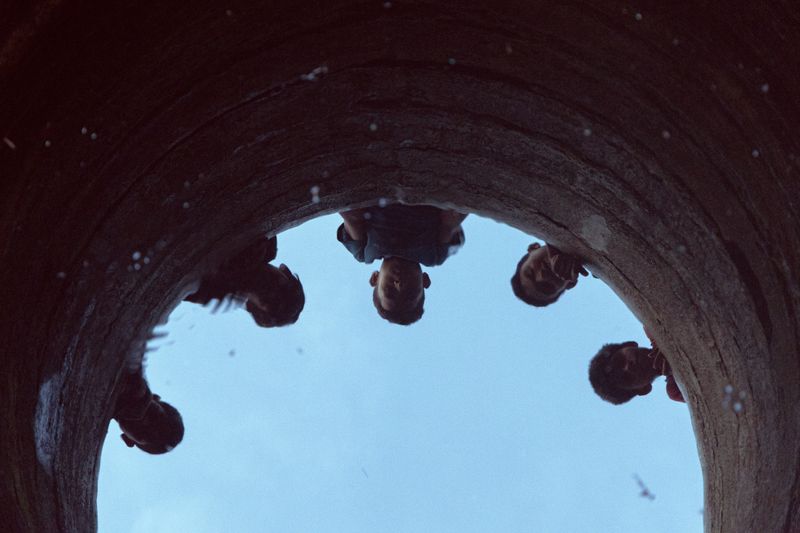
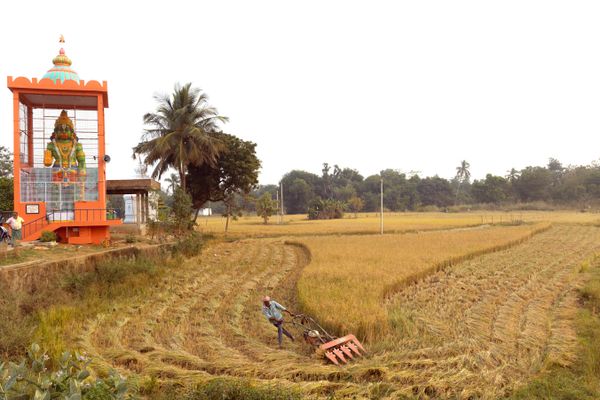
Guided by research as my principal method, I concentrated on patients and the multitude of intersecting factors that magnify their vulnerability. Historical parallels in Sri Lanka and South America reveal similar outbreaks of widespread Chronic Kidney Disease with devastating outcomes. In Uddanam, potential causes include the extensive use of pesticides and insecticides, hereditary predispositions, overuse of pharmaceutical drugs, toxic metal exposure, and reliance on uncertified medications. Yet this issue transcends local boundaries: it underscores how collective human decisions can reshape ecology, vegetation, and epidemiological dynamics, often with dire consequences.
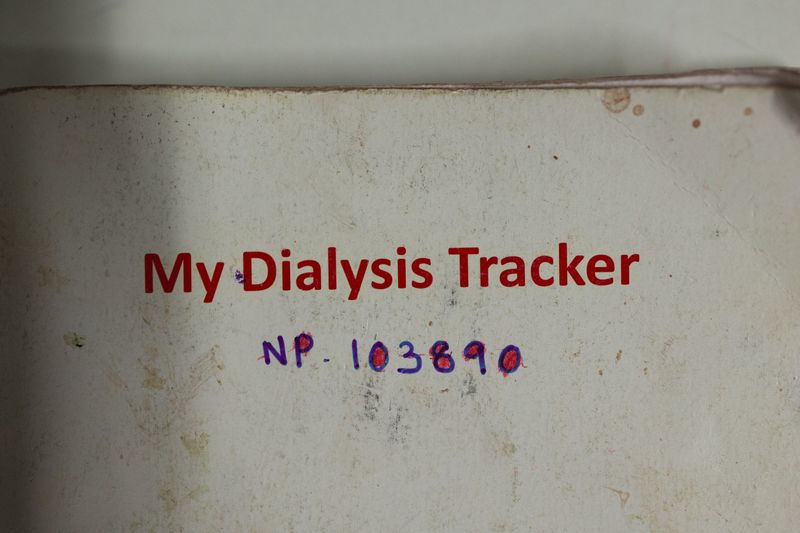
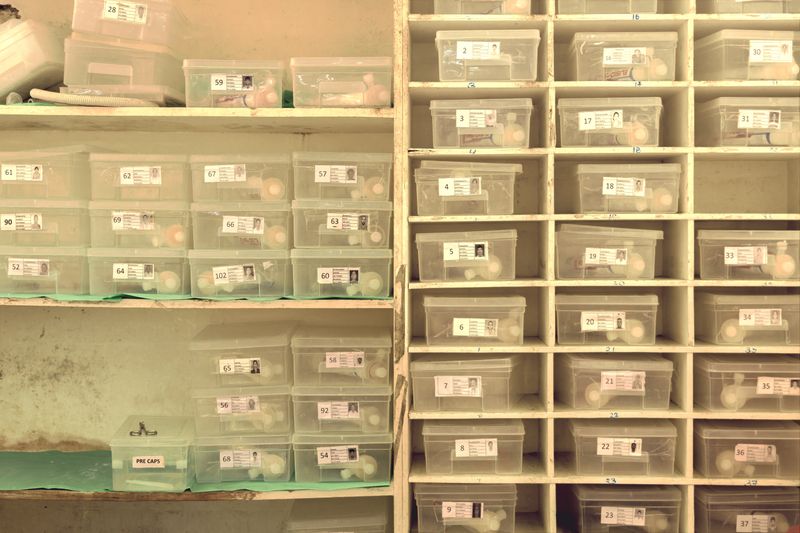
To complement my photographic documentation, I collected medical records, diagnostic test results, details on medications and alternative treatments, information on dialysis centers, patient surveys, and personal testimonials—all of which serve as compelling evidence. Ultimately, this project aims to illuminate the lived realities of an extreme epidemiological crisis, the coping mechanisms of those affected, and the long-term implications for future generations. It also raises critical questions about how to contain—and, if possible, eradicate—a disease that has persisted unchecked for decades.