Railway line 801
-
Dates2025 - 2025
-
Author
- Topics Documentary
- Location Romania
Line 801 uses a small railway in southern Romania as a thread through which to examine mobility, neglect and social change in communities shaped by their proximity to, and distance from, the capital.
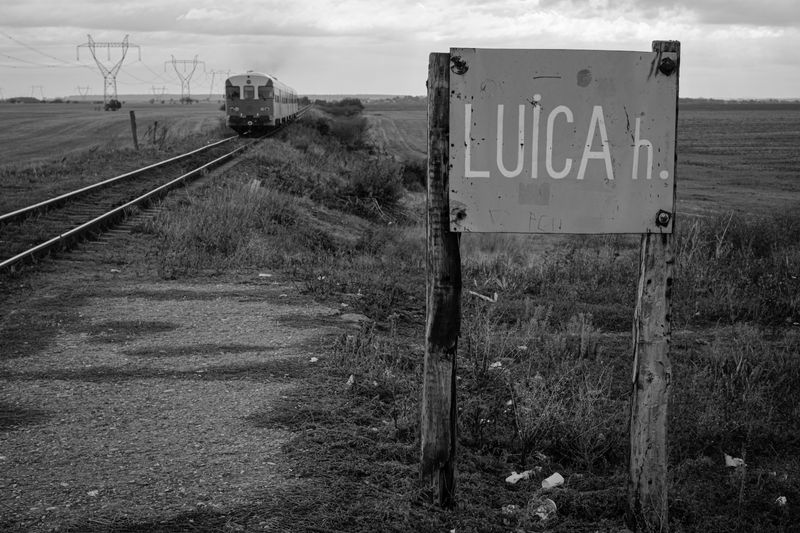
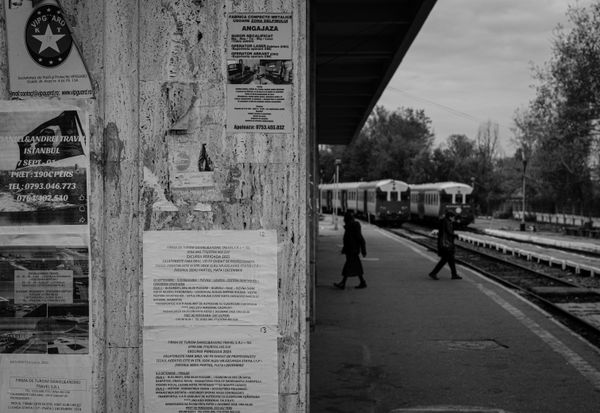
Line 801 follows a small railway connecting Titan Sud Station in Bucharest to the town of Oltenița, near the Romanian-Bulgarian border.
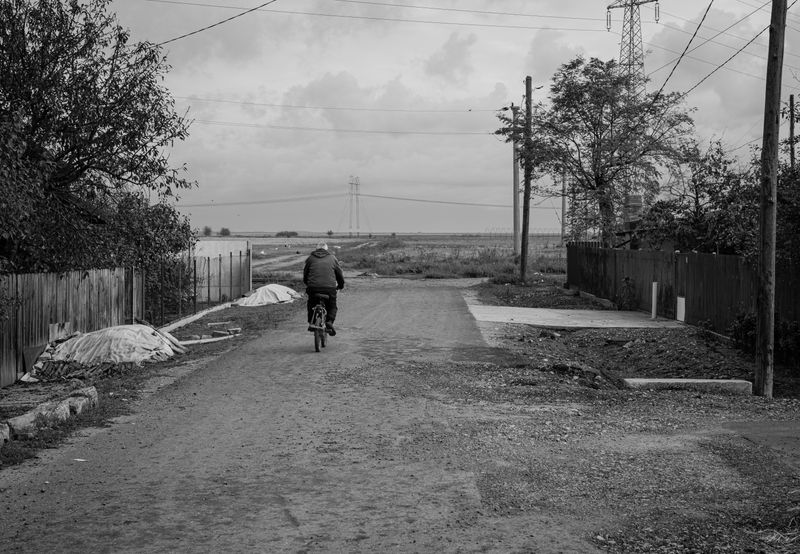
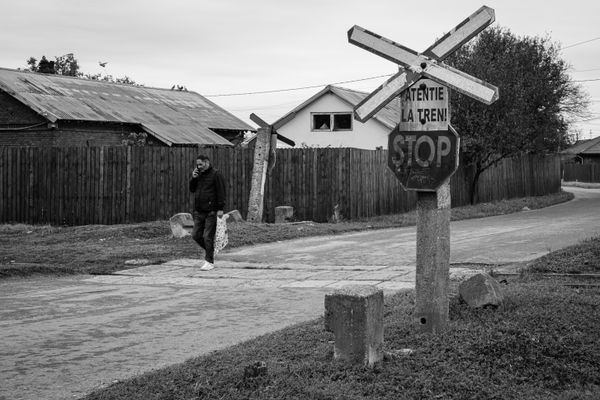
Stretching for only sixty kilometres, the line passes through villages and small settlements located remarkably close to the capital. Yet despite their proximity, many of these places feel disconnected from the rapid development that has transformed Bucharest over recent decades.
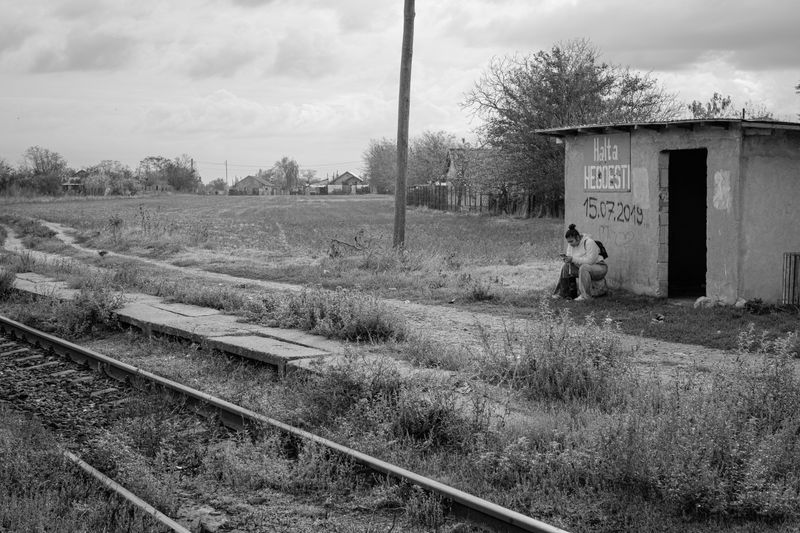
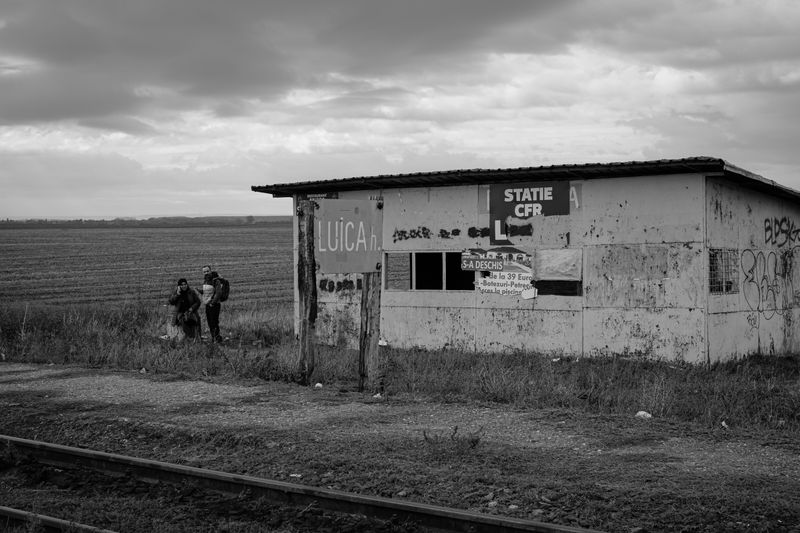
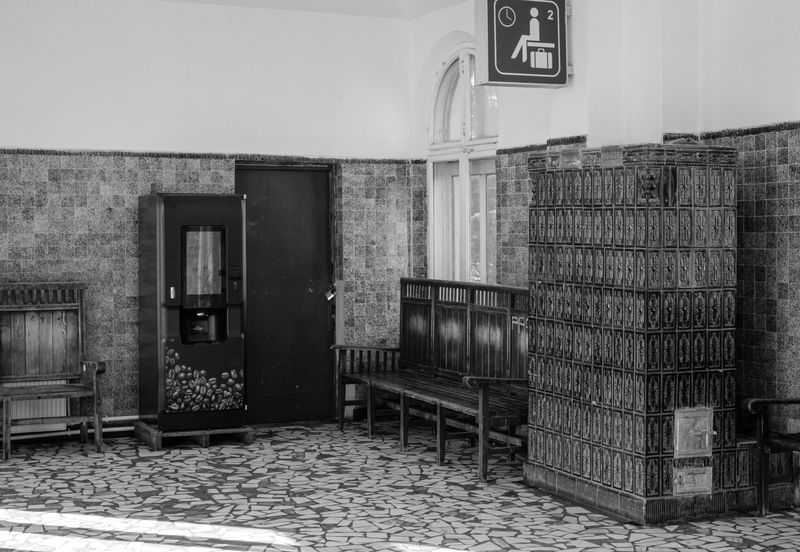
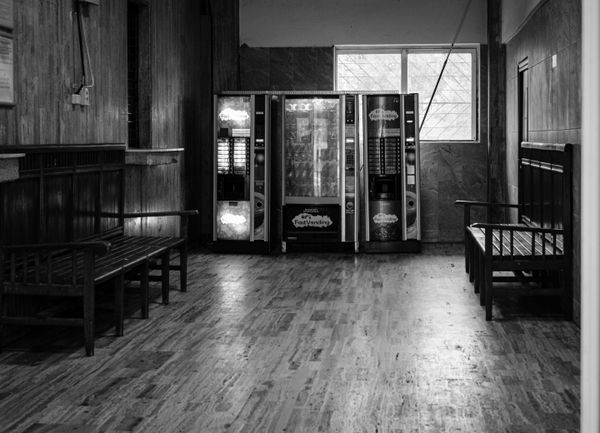
The project began as an attempt to document the railway itself: the stations, halts and infrastructure that shape daily movement along the route. Repeated visits gradually shifted the focus elsewhere. The line became a way of observing the communities that depend on it and the landscapes through which it passes.
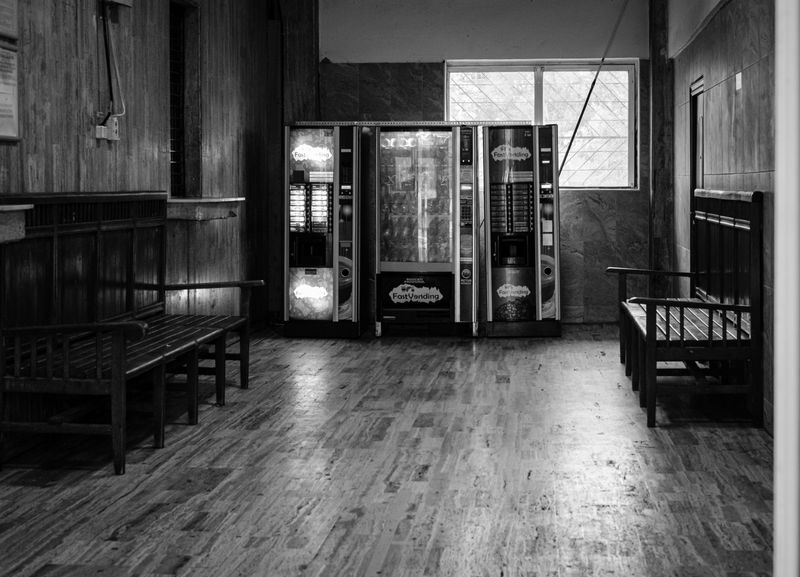
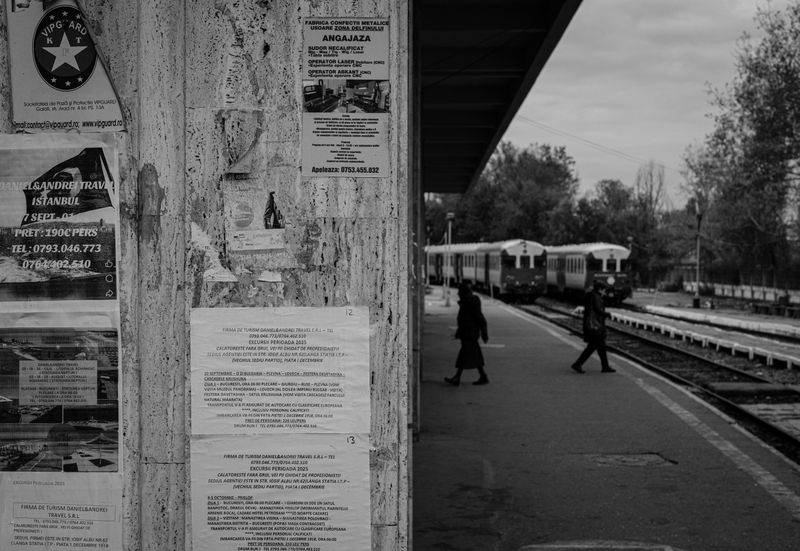
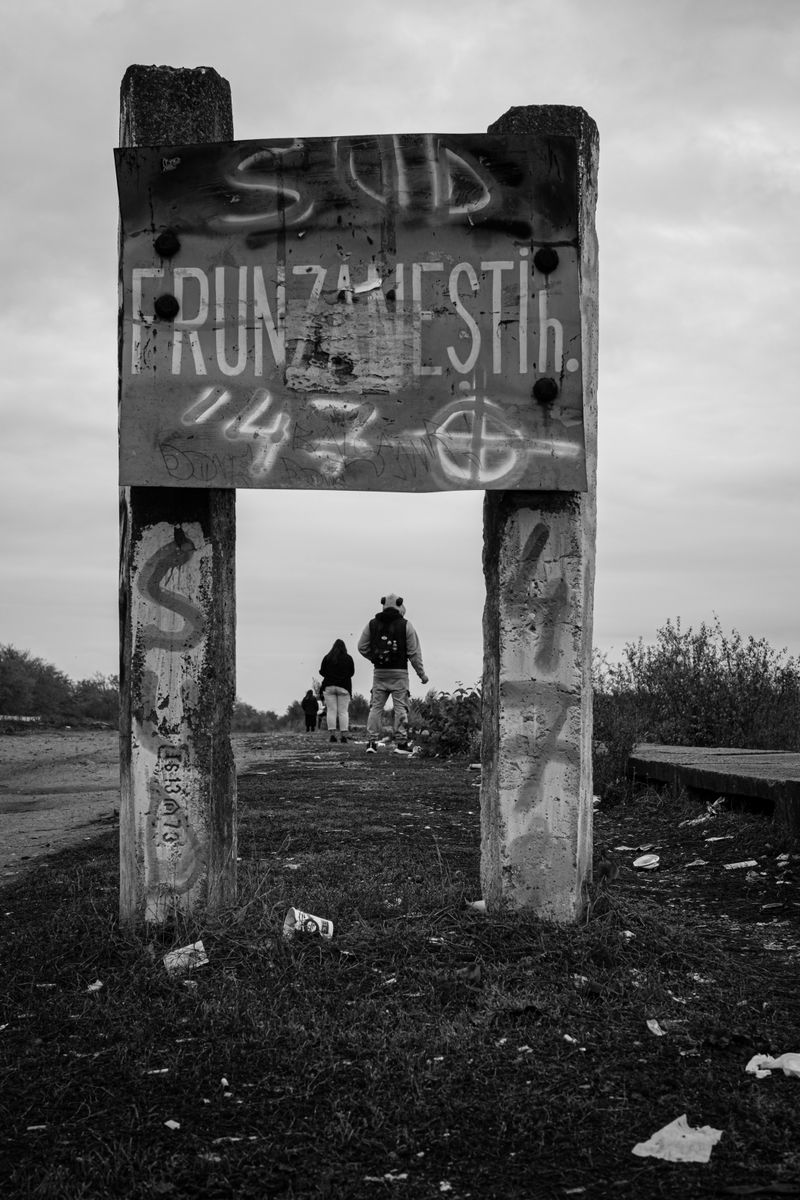
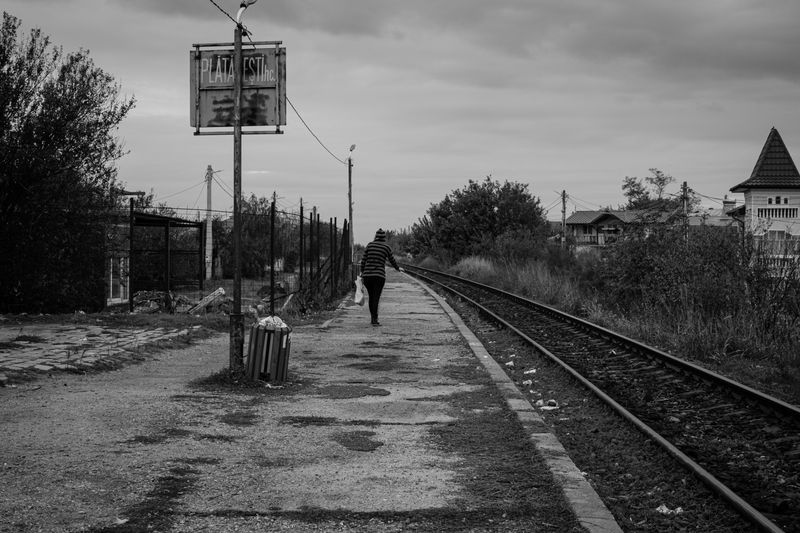
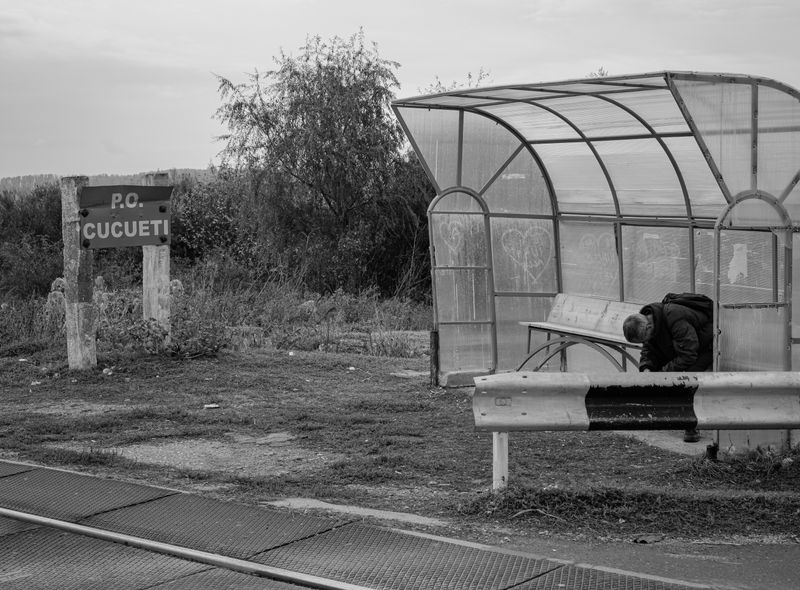
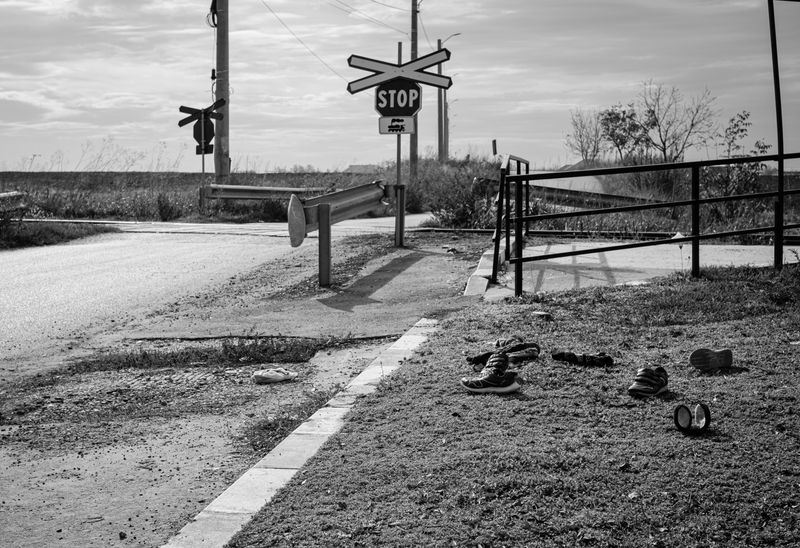
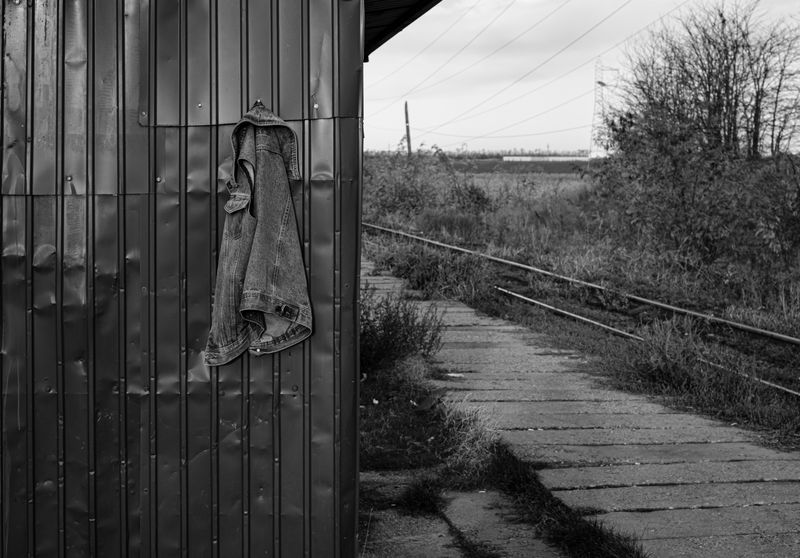
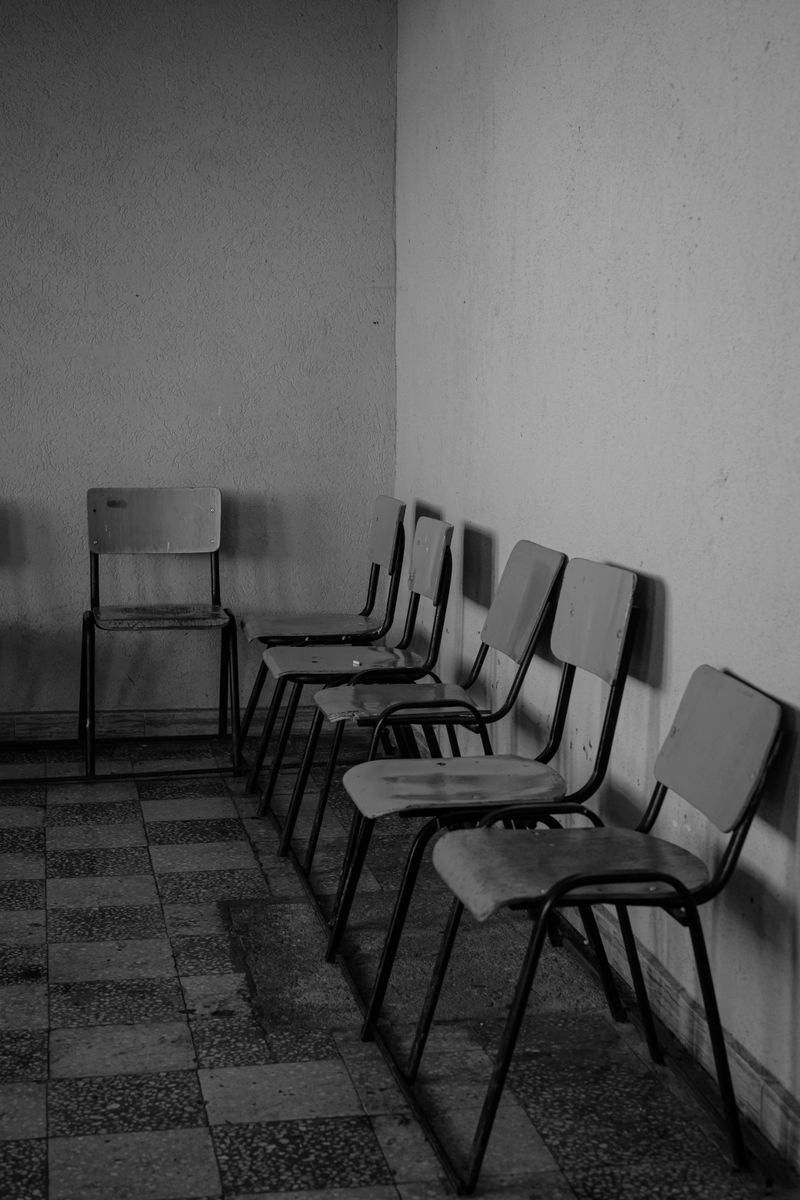
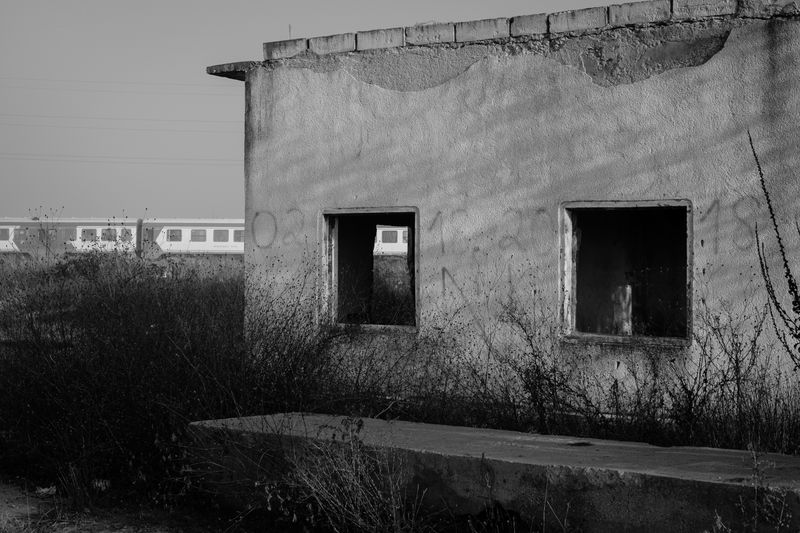
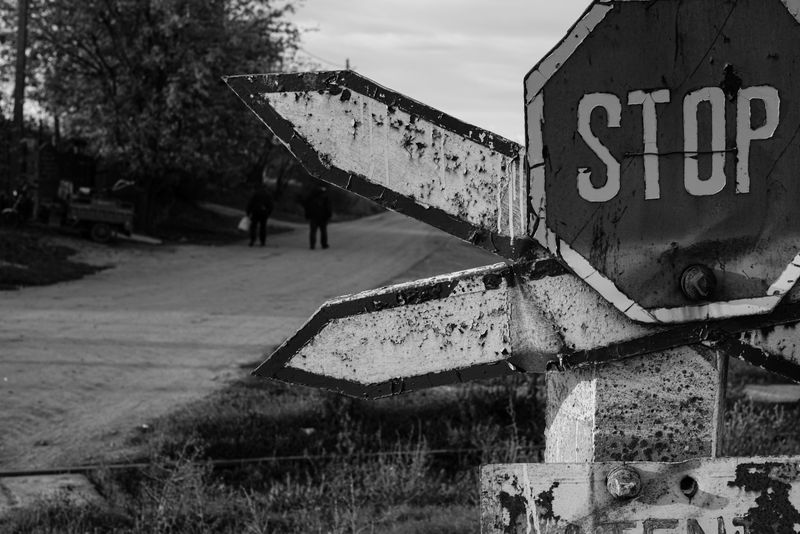
Along the route, commuters wait on bare platforms exposed to rain and winter cold. Trains connect people to jobs, schools and services in Bucharest, making the railway an essential part of everyday life. At the same time, the surrounding environment reveals signs of long-term neglect: abandoned structures, deteriorating public spaces, broken fences, informal dumping grounds and traces of a declining rural infrastructure.
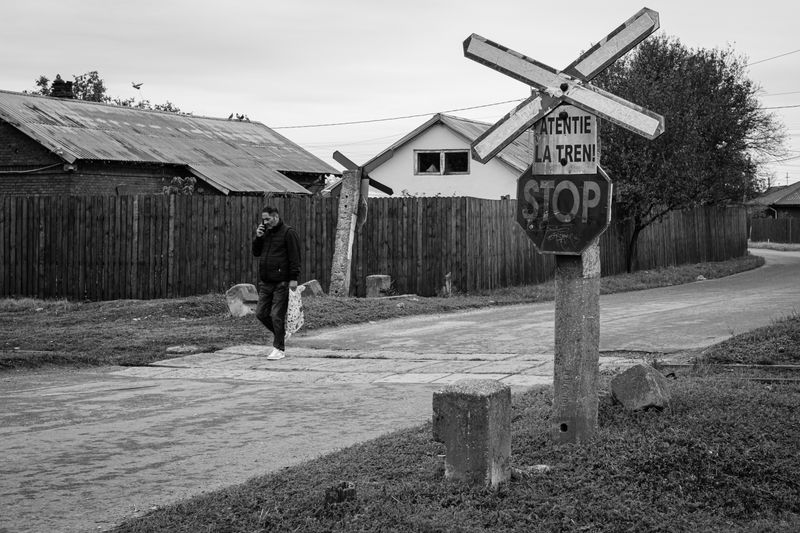
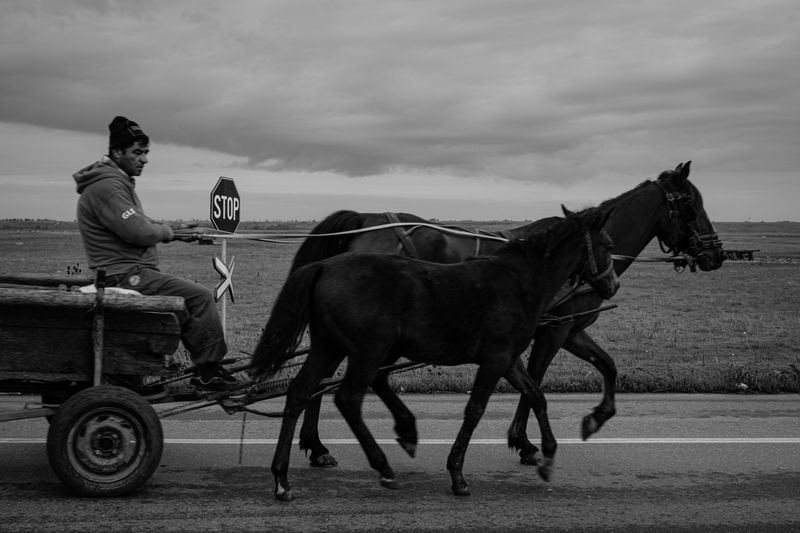
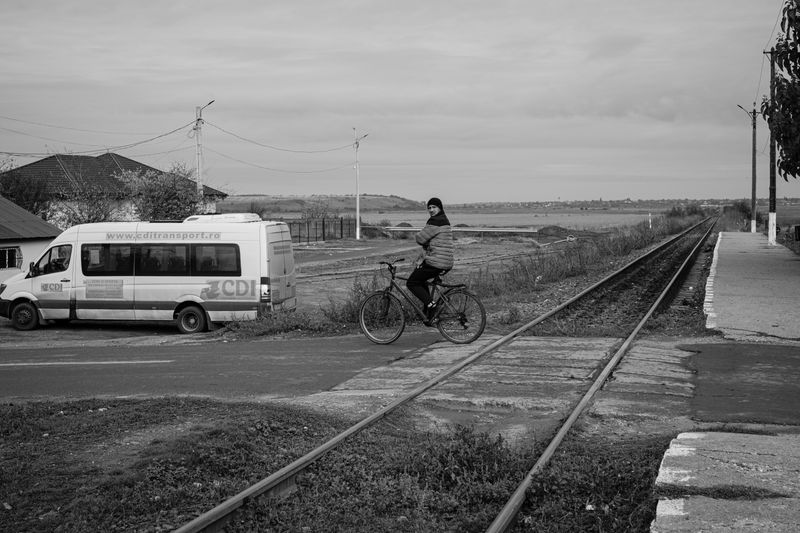
Running through the flat plains south of Bucharest, Line 801 exposes a series of contrasts that define contemporary Romania. Within a short distance, expensive residential developments give way to depopulated villages. Horse-drawn carts share the landscape with modern vehicles. New construction exists alongside decay and abandonment.
The railway serves as both subject and metaphor. It connects places that are geographically close but often separated by economic opportunity, public investment and expectations about the future.
While rooted in southern Romania, the conditions encountered along Line 801 are not unique to this route. Similar landscapes can be found across parts of Eastern and Southeastern Europe, where communities continue to navigate the uneven realities of development, mobility and change.
Rather than documenting a train journey, Line 801 examines the spaces, people and realities found along its path. It is a project about transition, inequality, neglect and resilience, observed through a corridor that links one of Romania’s fastest-growing urban centres with a quieter and often overlooked rural world.