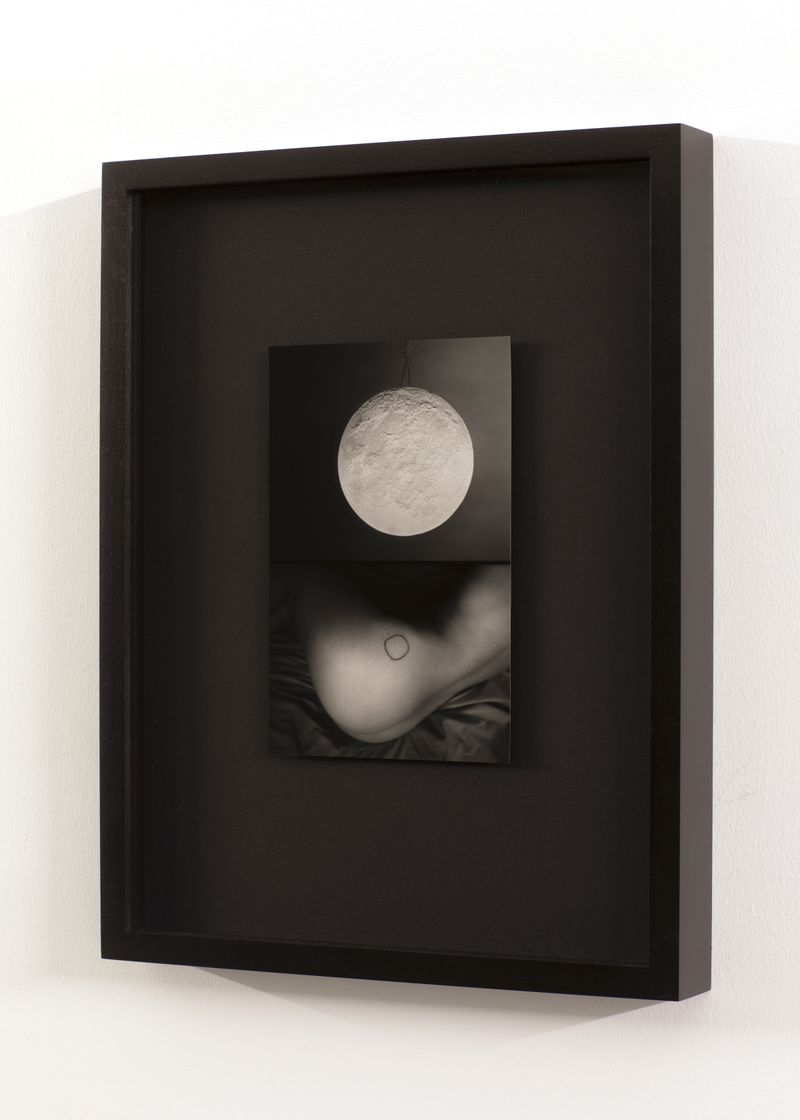
Portrait of a Woman



-
Dates2021 - Ongoing
-
Author
- Location Iowa City, United States
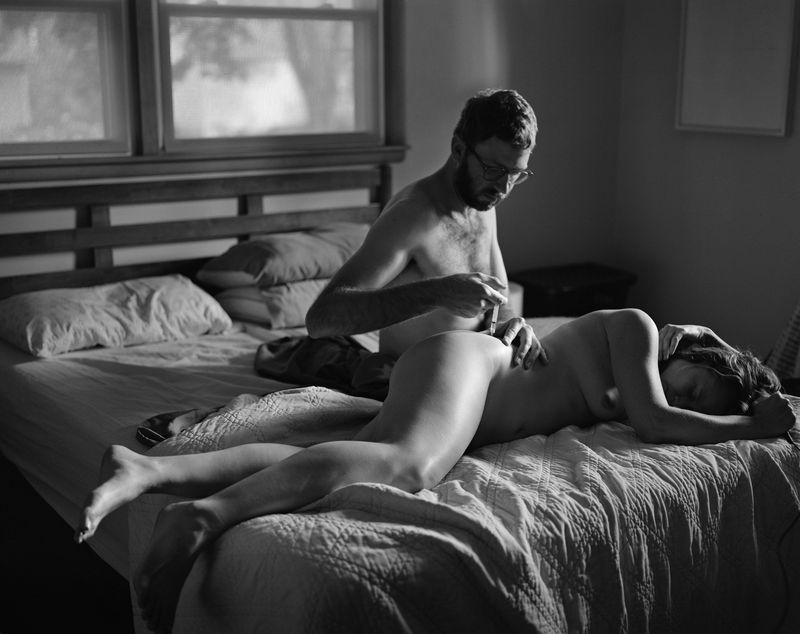
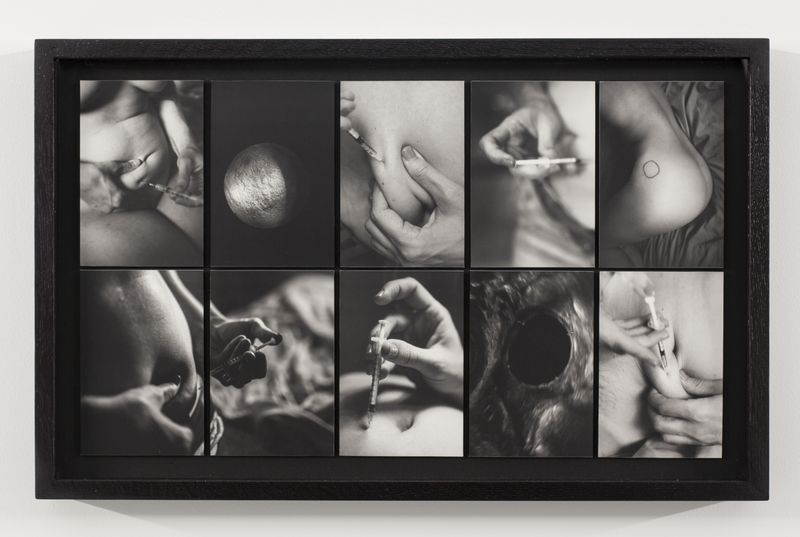
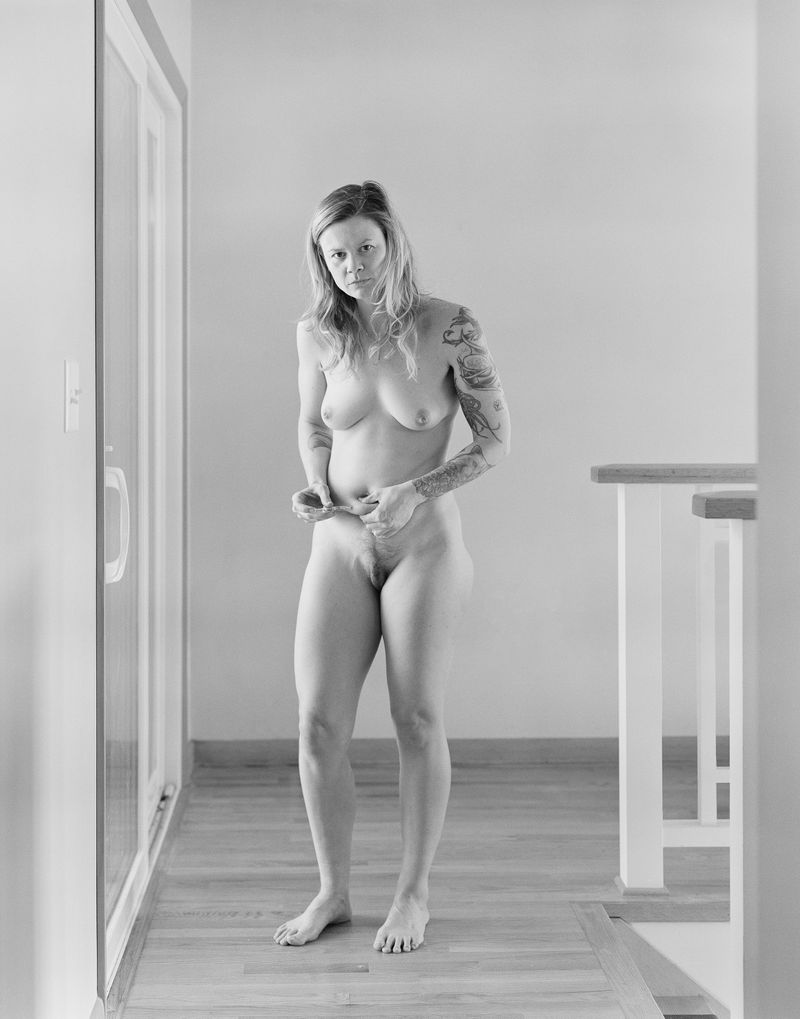
My work examines the personal and cultural stigmas associated with female infertility. This narrative is told through the lens of my own experiences with miscarriage, abortion, in vitro fertilization, and eventual birth of my daughter via a donor egg.
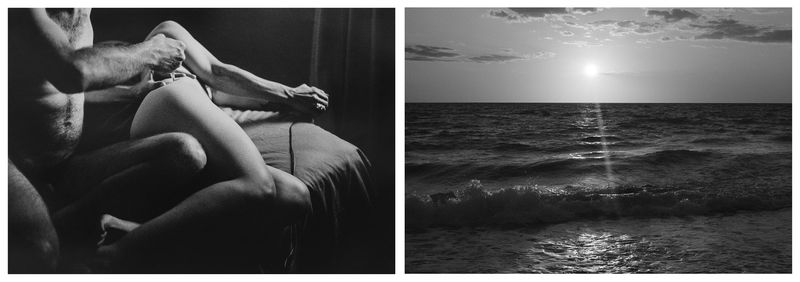
In 2021 I had my first miscarriage. Over the next few years, I underwent multiple rounds of in vitro fertilization (IVF), needed access to emergency abortion care, and eventual gave birth to my daughter via a donor egg. Through photography I continue to find ways to process these experiences, transforming grief and loss into a celebration of love and beauty.
My work, Portrait of a Woman, employees a variety of analog processes and capture mechanisms. Rather than working solely in a traditional serial format, I make small groupings and individual pieces which respond to photographic questions and problem solving. I am interested in the power of self-portraiture as a catalyst for radical change in the ways femme bodies are depicted and defined. Miscarriage and infertility are still discussed in private, shared amongst friends, and is a taboo subject to bring into a public dialogue. However, according to the Center for Disease Control and Prevention, in the United States almost 20% of birthing people 15-49 will have difficulty becoming pregnant, representing a minimum of 13 million individuals who will experience some form of infertility[1]. This extremely common reproductive health event is still veiled in shame and secrecy.
Through image making I can share a version of family planning that is rarely seen. The pictures celebrate profound intimacy, examine gender expectations, and eventually become a mode for empowerment. Making this work teaches me that women are more than their reproductive potential, and meaningful connections with those you love can still thrive through loss. I use my body as a site to reclaim a sense of self, and as a tool to reposition the conversation around reproductive rights. The resulting dialogue provides space for viewers to learn more about women’s bodies, beginning to dismantle institutional and cultural gate keeping that still prevents us from effectively managing basic reproductive healthcare needs.
1. https://www.cdc.gov/reproductive-health/infertility-faq/index.html