Point Reyes Station: A Community in Transition
  • Dates
    2025 - 2026
  • Author
  • Location Point Reyes Station, United States

Portraits as cultural archaeology, tracing individuality within a community shaped by geologic time, now experiencing sociological and environmental rupture—preserving a collective memory of place.

Portraits of a Community in Transition

Consider portraiture as cultural archaeology: excavating individuality to preserve the brief trace of human presence within an environment shaped by geologic time—telling stories that mirror worldwide themes of transformation where land, labor, and identity press against each other like tectonic plates, shifting slowly until—suddenly—rupture. Appropriately, the Point Reyes Peninsula straddles the San Andreas Fault.

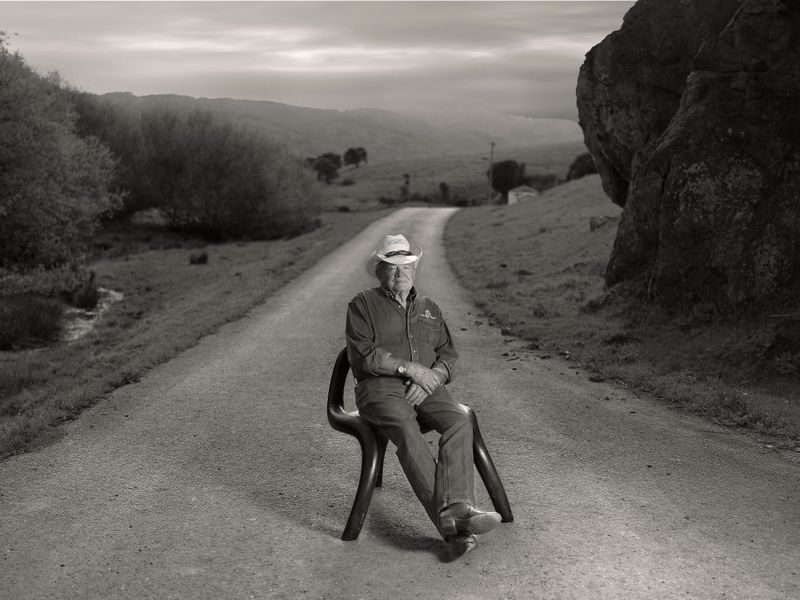
Point Reyes Station—a town so small it down’t even have a stoplight—is already coming undone by forces of wealth and displacement. As the gateway to Point Reyes National Seashore and Tomales Bay, forty miles north of San Francisco, an influx of outsiders and an economy tilting toward tourism are hollowing out its working core. A compelled legal settlement with the National Park Service and The Nature Conservancy has mandated the removal of time-honored cattle ranches, dairy farms, and oystering operations—some established by Mexicans and European immigrants long before California statehood, others by descendants of the Coast Miwok people. For locals, the cost of transformation is not abstract: barns converted into vacation rentals, businesses shuttered, workers displaced. For conservationists, it’s ecological restoration. For families who built livelihoods here generation after generation, it’s cultural erasure.

Since first visiting in 1987—including the equally tiny towns of Inverness and Marshall that hug the Tomales Bay shoreline—I have watched these changes unfold. I hope to join some of the local people’s efforts to preserve the region’s historical and cultural legacy by creating these portraits of local inhabitants whose lives are inseparable from this treasured littoral landscape.

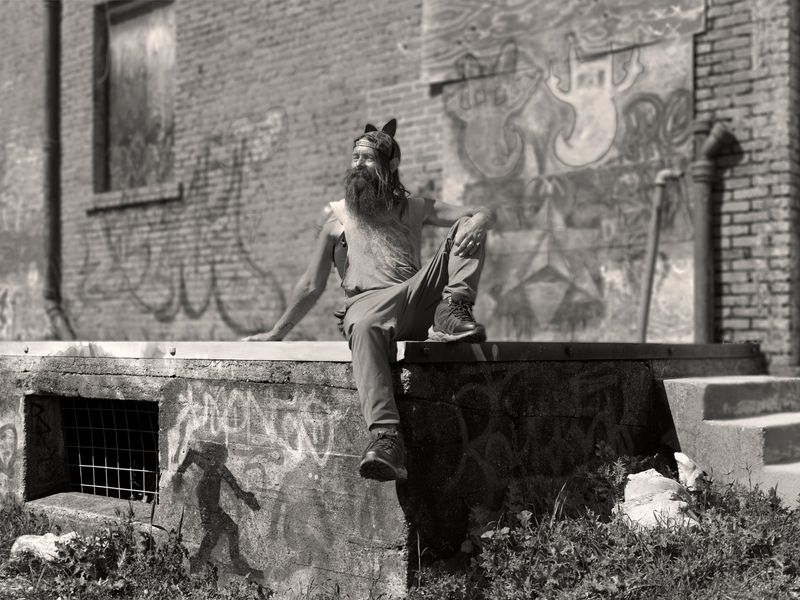
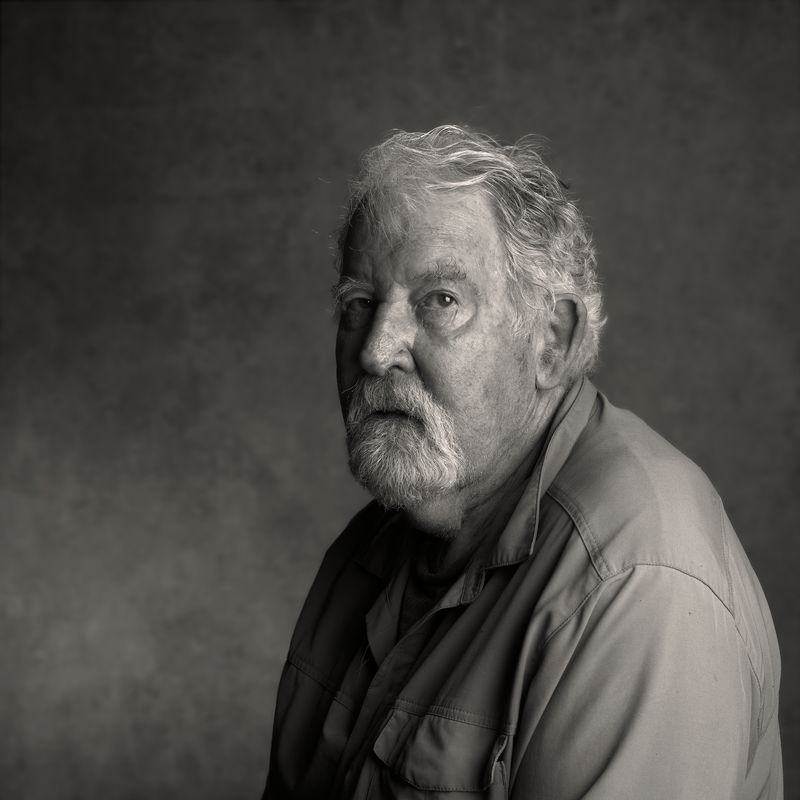
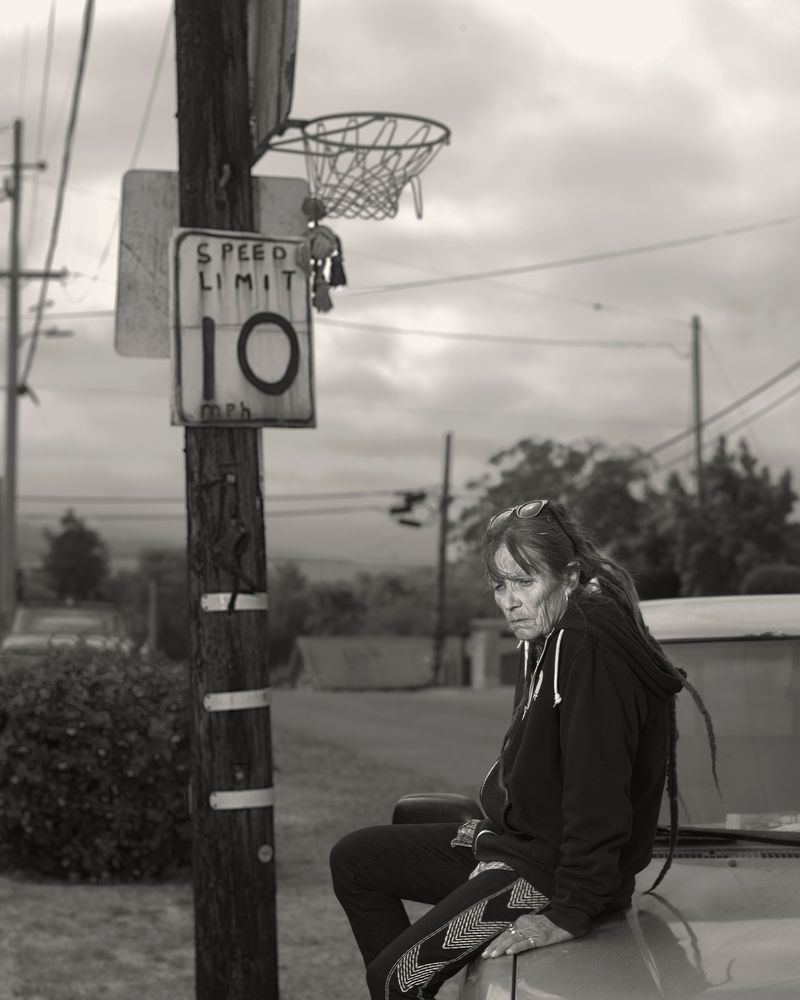
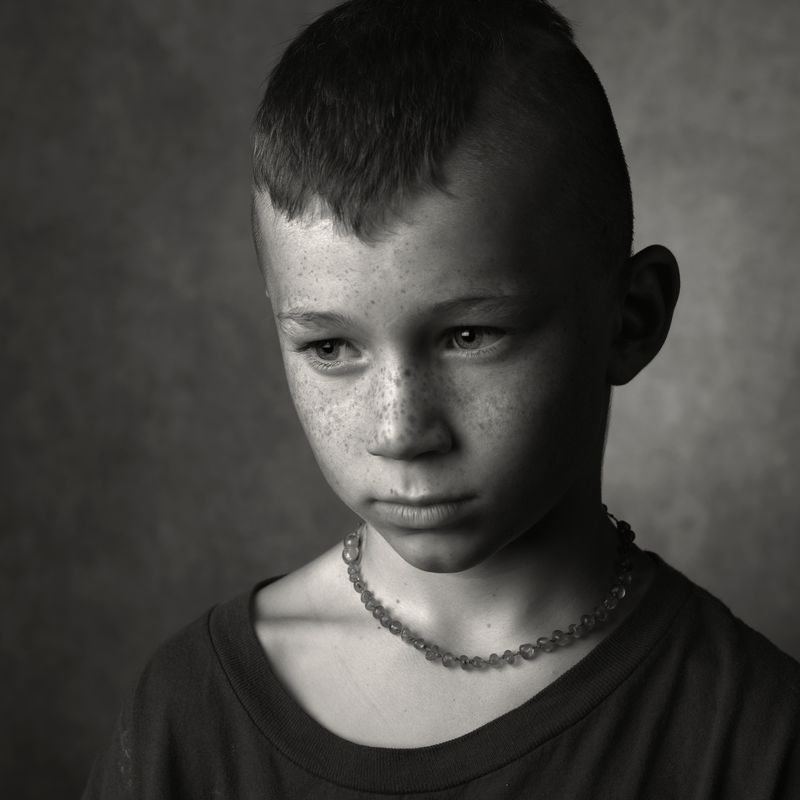
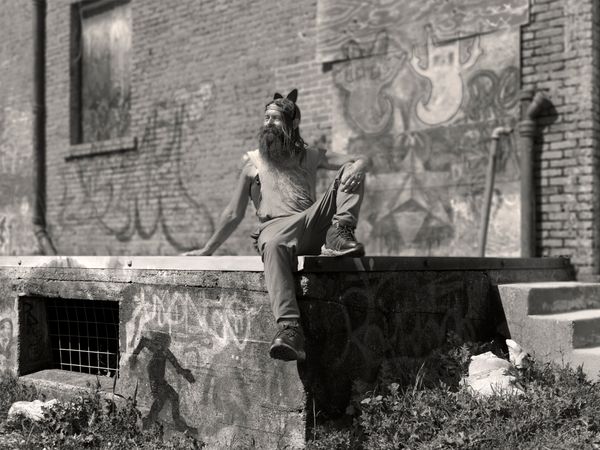
Some of the people I have—and will continue to—photograph in this series will be familiar characters in any small town: the guy who dances on street corners and talks to the moon, the woman in a feathered hat at the grocery store—maybe, too, the scion of a dairy-farming family that’s worked this land for more than a century, or the granddaughter with Coast Miwok antecedents who still harvests oysters. The population spans poverty, inheritance, and eccentricity. Each portrait in this series pins someone down within the larger story of belonging to a place in flux.

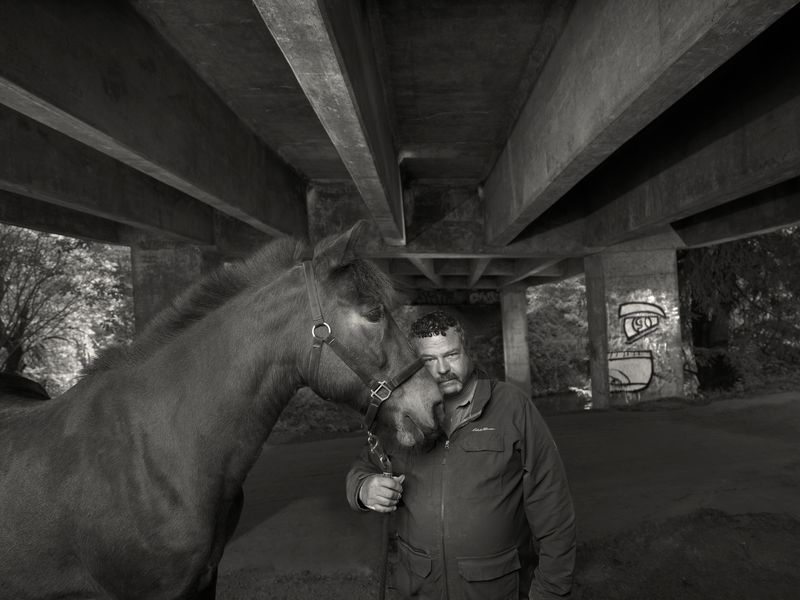
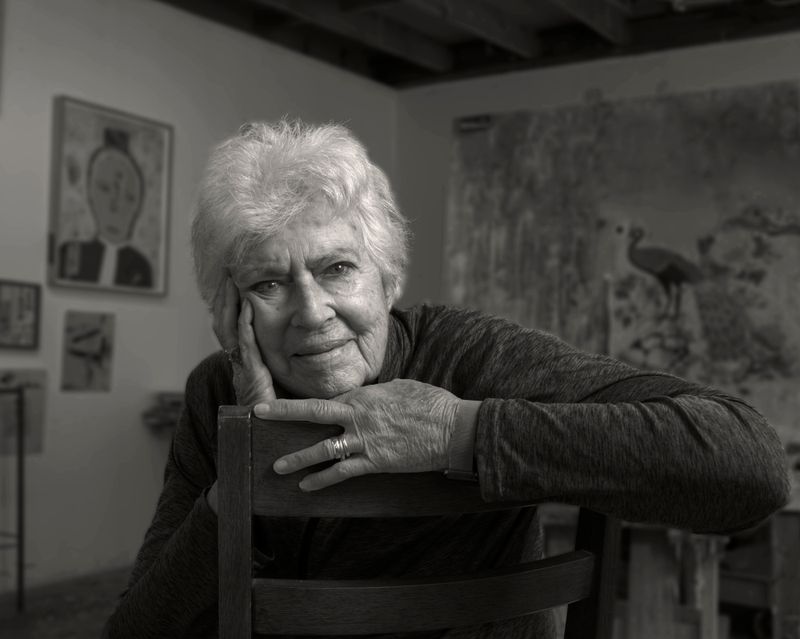
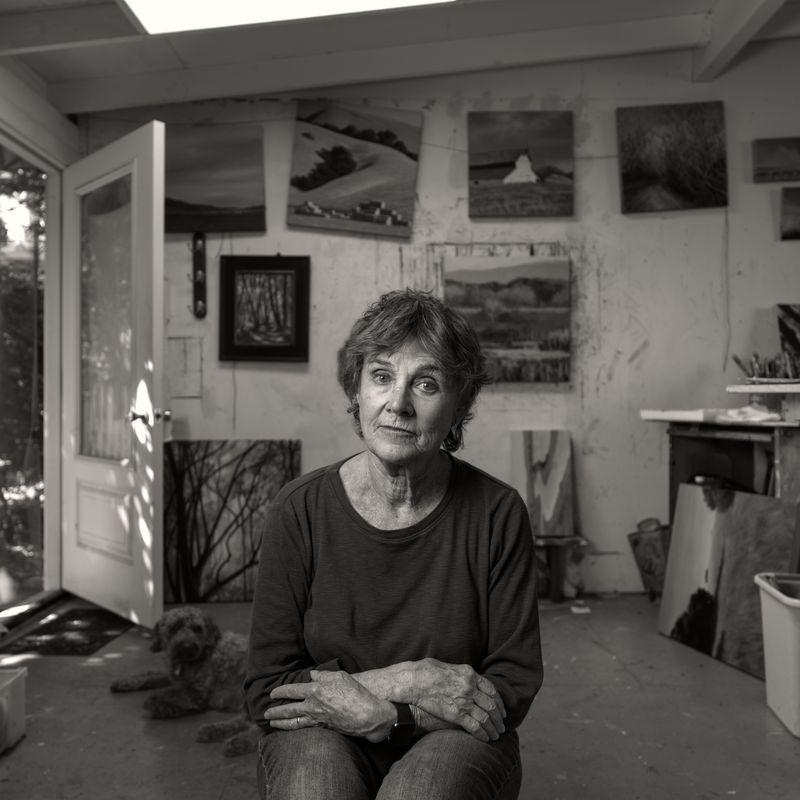
For both aesthetic and practical reasons, some of these portraits employ a neutral backdrop; others are made within a workplace or a home. But as often as I can, I situate people within the contested marshes, mudflats, and meadows surrounding Tomales Bay and the Point Reyes National Seashore. There, the entanglement of lives with landscape is undeniable. Taken together, the Point Reyes portraits reveal a community balanced between resilience and uncertainty, building a collective memory on the edge of change.

I cannot—and would not—photograph everyone in a regional population approaching 2,500, but I have identified several hundred who have left their stamp. I intend to expand this series to represent the breadth of the community: elders, children, and newcomers alongside families rooted here for generations, tying together diverse cultural backgrounds. By including a landscape/seascape component, I aim to illustrate the fragility of people’s right to remain alongside the fragility of the environment itself.

This story is not an elegy but an act of cultural affirmation—ensuring that the memory of people and place will be celebrated. Through these portraits, the story of rural gentrification, environmental policy, Indigenous displacement, and the precarity of working-class communities under global capital will echo across America. The images of the people themselves, rendered with both documentary weight and—equally important—aesthetic beauty, will give these issues a visual presence powerful enough to resonate beyond the immediate locale, compelling others to notice what is at stake.

This project is a candidate for PhMuseum 2026 Photography Grant

Learn more Present your project
© Tom Zimberoff - Image from the Point Reyes Station: A Community in Transition photography project
i

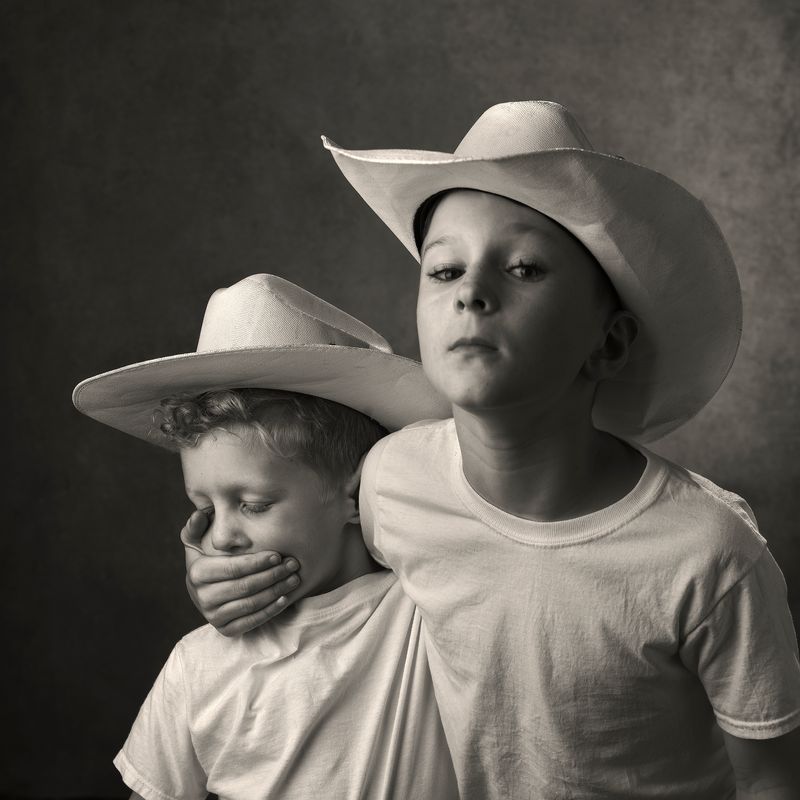
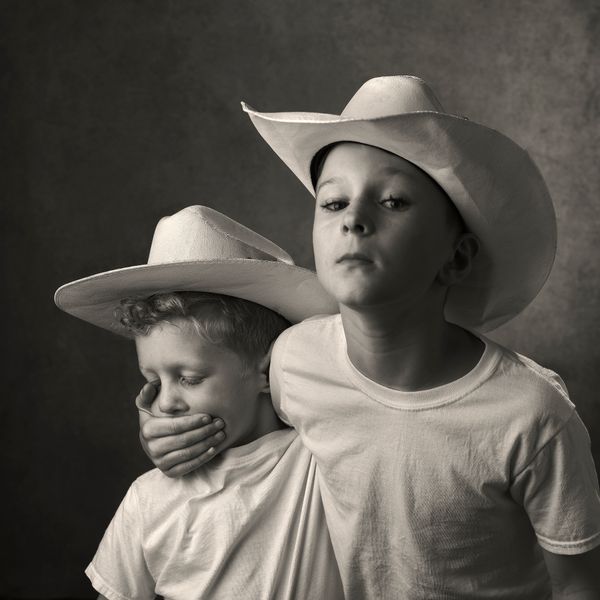
Brothers Enzo & Cooper Raffo are the scions of a generationally ensconsed familiy. From a series recently begun called "Point Reyes Station: Portraits of a Community in Transition"

© Tom Zimberoff - Image from the Point Reyes Station: A Community in Transition photography project
i

FlynQ: Every small town has a charcter who philosophizes on street corners and talks to the moon. That's FlynQ, formerly known as Flynn Austin Nicol. From a series recently begun called "Point Reyes Station: Portraits of a Community in Transition"

© Tom Zimberoff - Image from the Point Reyes Station: A Community in Transition photography project
i

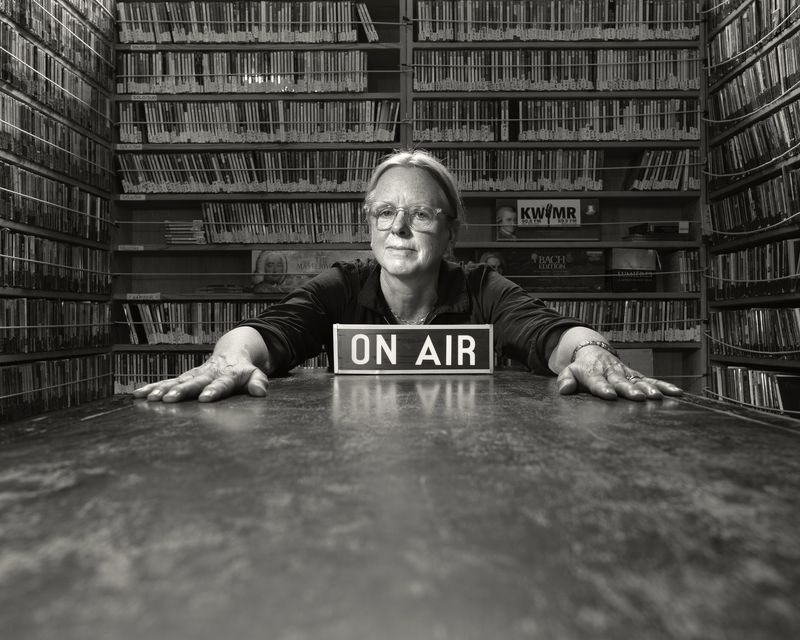
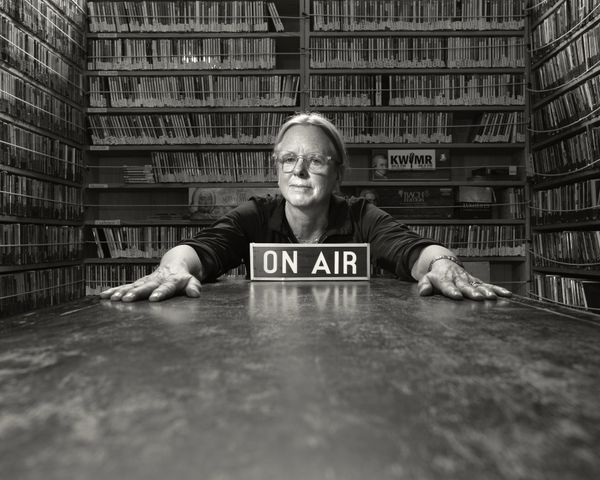
Amanda Eichstaedt is the owner of the town radio station. From a series recently begun called "Point Reyes Station: Portraits of a Community in Transition"

© Tom Zimberoff - Image from the Point Reyes Station: A Community in Transition photography project
i

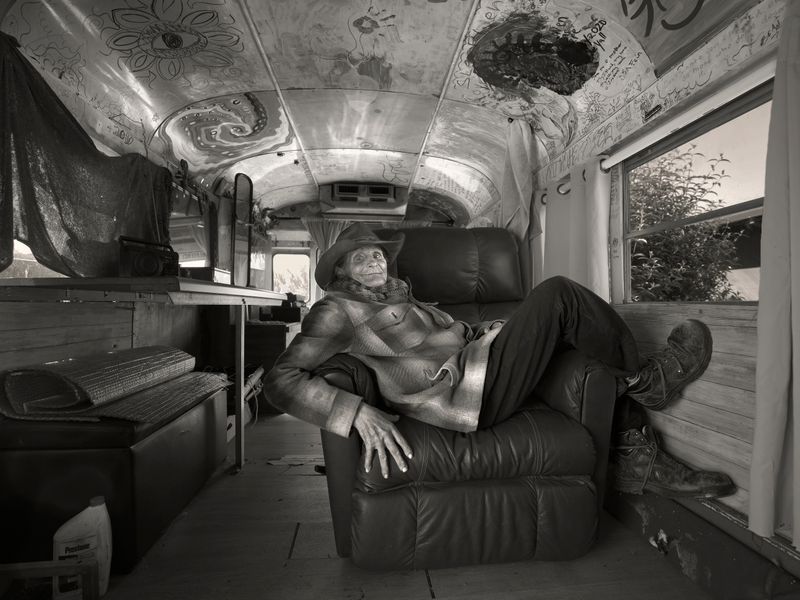
Bruce Stevens is a local handyman who lives in a converted school bus. From a series recently begun called "Point Reyes Station: Portraits of a Community in Transition"

© Tom Zimberoff - Image from the Point Reyes Station: A Community in Transition photography project
i

Andrew Nichols is a local restauranteur, and he loves his horse, Rosie. From a series recently begun called "Point Reyes Station: Portraits of a Community in Transition"

© Tom Zimberoff - Image from the Point Reyes Station: A Community in Transition photography project
i

Bruce Mitchell is a local artist with international renown as a sculptural artist in wood. From a series recently begun called "Point Reyes Station: Portraits of a Community in Transition"

© Tom Zimberoff - Image from the Point Reyes Station: A Community in Transition photography project
i

Iniz STorer is a local painter of international renown. From a series recently begun called "Point Reyes Station: Portraits of a Community in Transition"

© Tom Zimberoff - Image from the Point Reyes Station: A Community in Transition photography project
i

Cheryl Keltner is a local bartender at the Western Saloon. From a series recently begun called "Point Reyes Station: Portraits of a Community in Transition"

© Tom Zimberoff - Image from the Point Reyes Station: A Community in Transition photography project
i

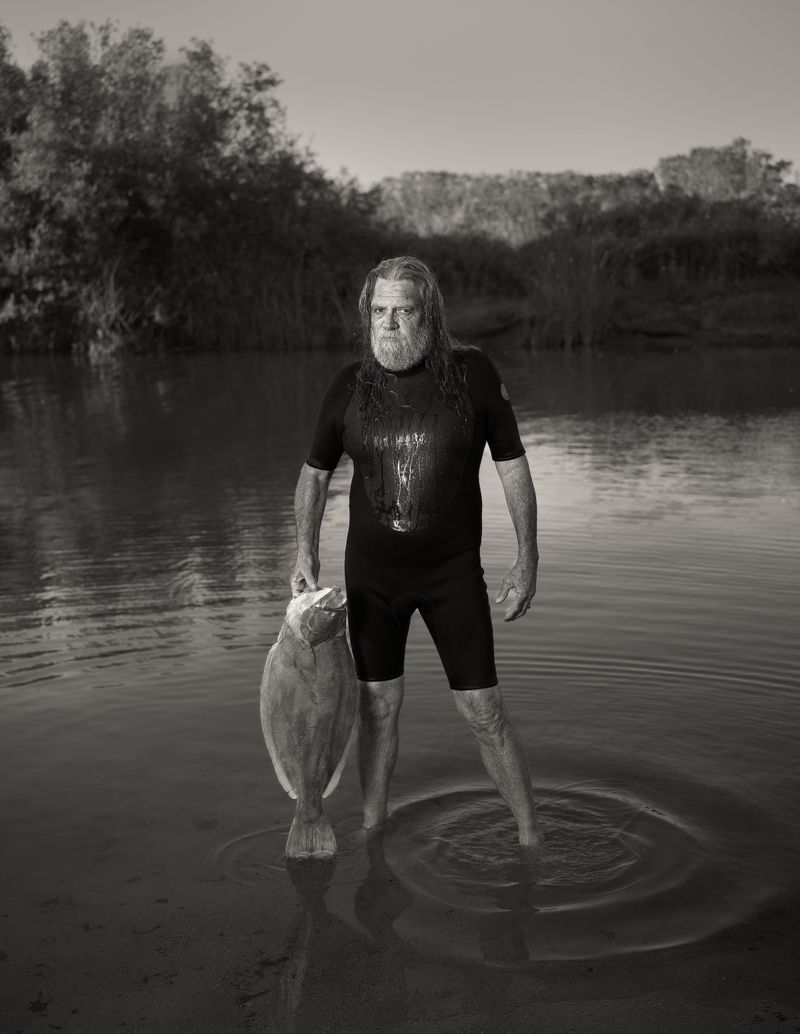
Dave Cook is a local chef. From a series recently begun called "Point Reyes Station: Portraits of a Community in Transition"I can't help myself: we shot this portrait just for the halibut.

© Tom Zimberoff - Image from the Point Reyes Station: A Community in Transition photography project
i

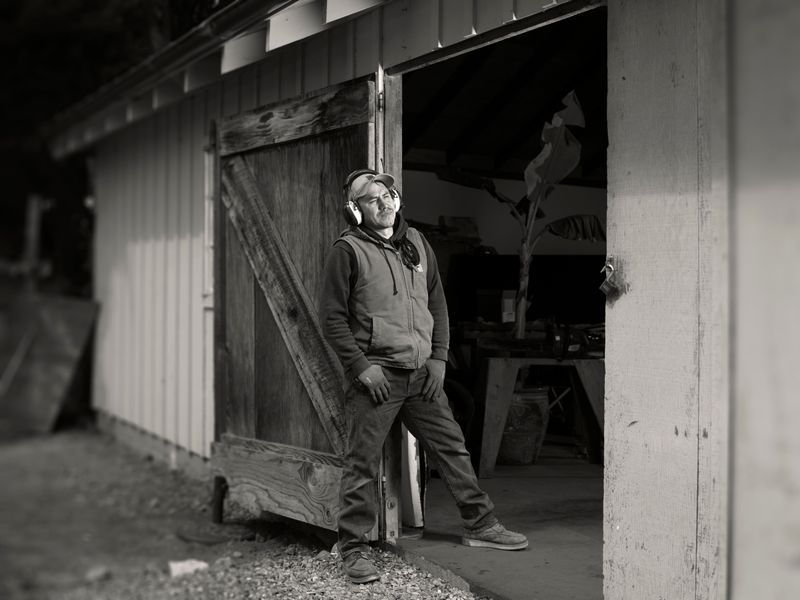
Kiko Manza is a local construction worker who is about to be displaced. From a series recently begun called "Point Reyes Station: Portraits of a Community in Transition"

© Tom Zimberoff - Image from the Point Reyes Station: A Community in Transition photography project
i

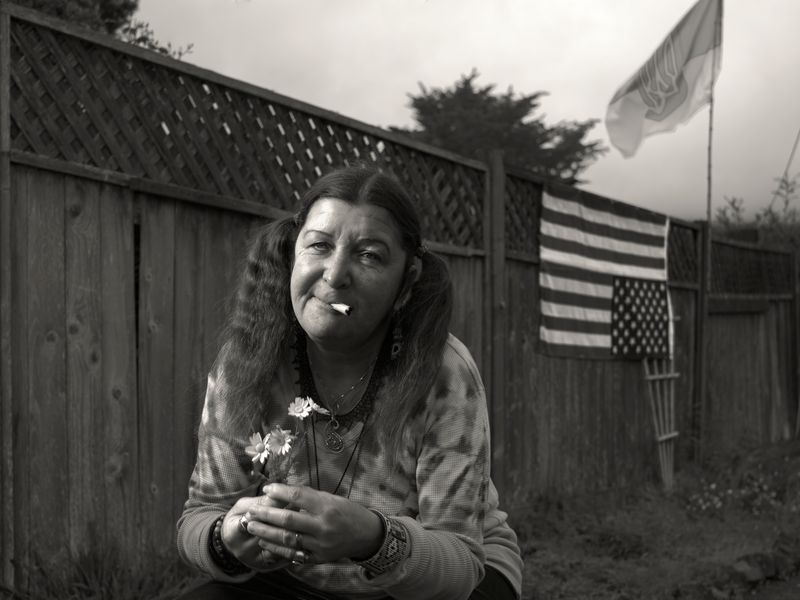
Known locally as the Jam Lady, Maddy Sobel sells her own homemade jams (with or without a little something added) at the roadside, where CA Hwy 1 passes through town. She calls herself as a Jewkrainian. From a series recently begun called "Point Reyes Station: Portraits of a Community in Transition"

© Tom Zimberoff - Image from the Point Reyes Station: A Community in Transition photography project
i

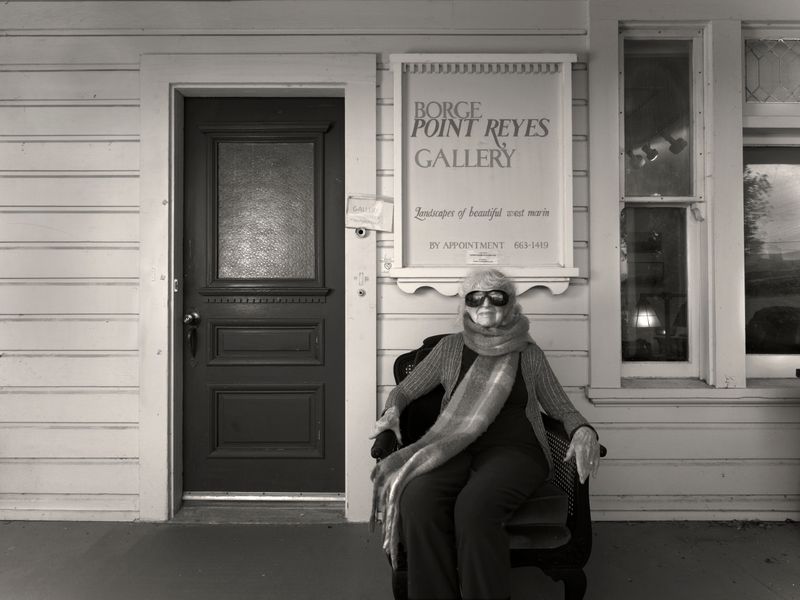
Martha Borges is a 97-year old painter who runs a gallery out of her home. From a series recently begun called "Point Reyes Station: Portraits of a Community in Transition"

© Tom Zimberoff - Melissa Riley is a local grammar school teacher.
i

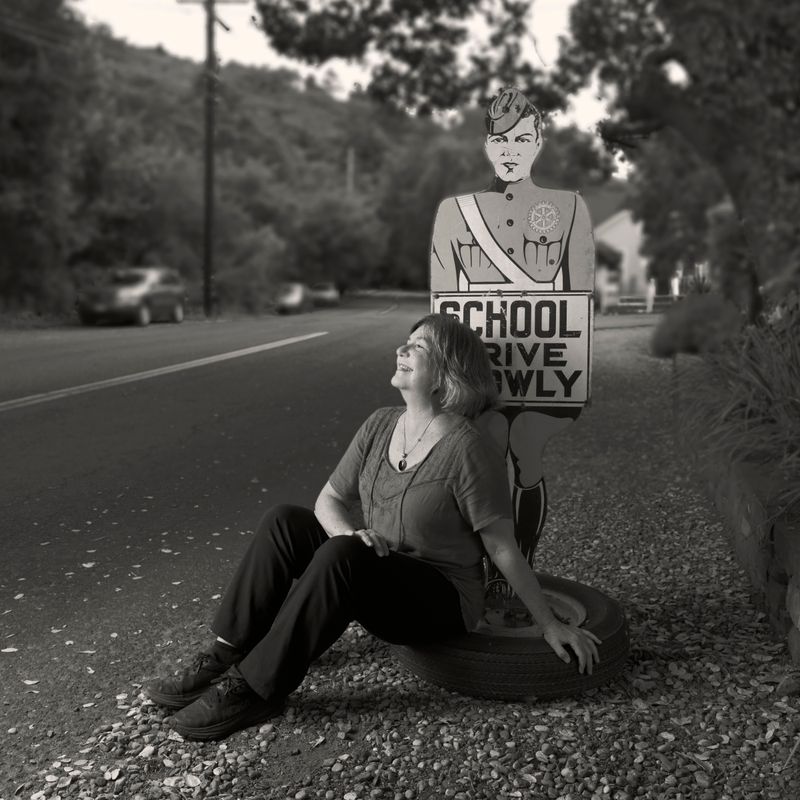
Melissa Riley is a local grammar school teacher.

© Tom Zimberoff - Image from the Point Reyes Station: A Community in Transition photography project
i

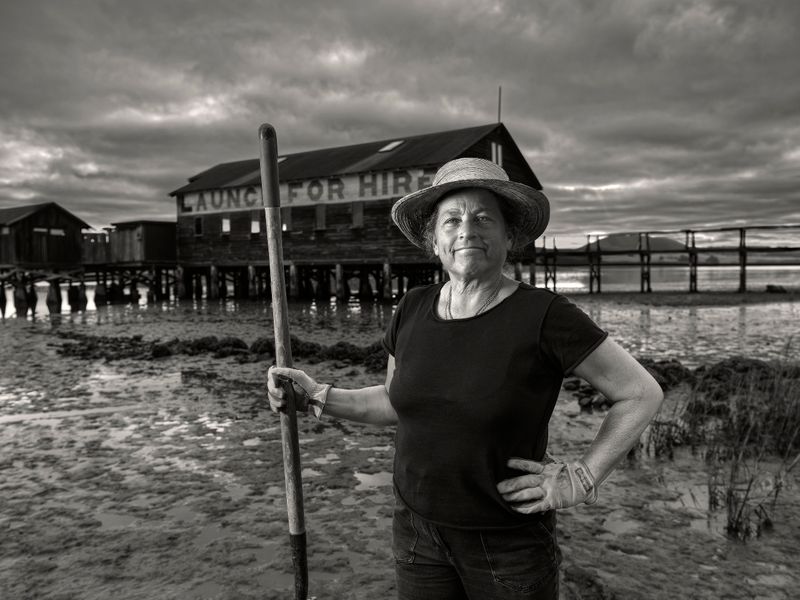
Madelyn Nieto Hope comes from a family that dates back many generations in Point Reyes Station. She's been a practicing artist since 1989, working with sculpture as a transformative process for social change and community engagement.

© Tom Zimberoff - Image from the Point Reyes Station: A Community in Transition photography project
i

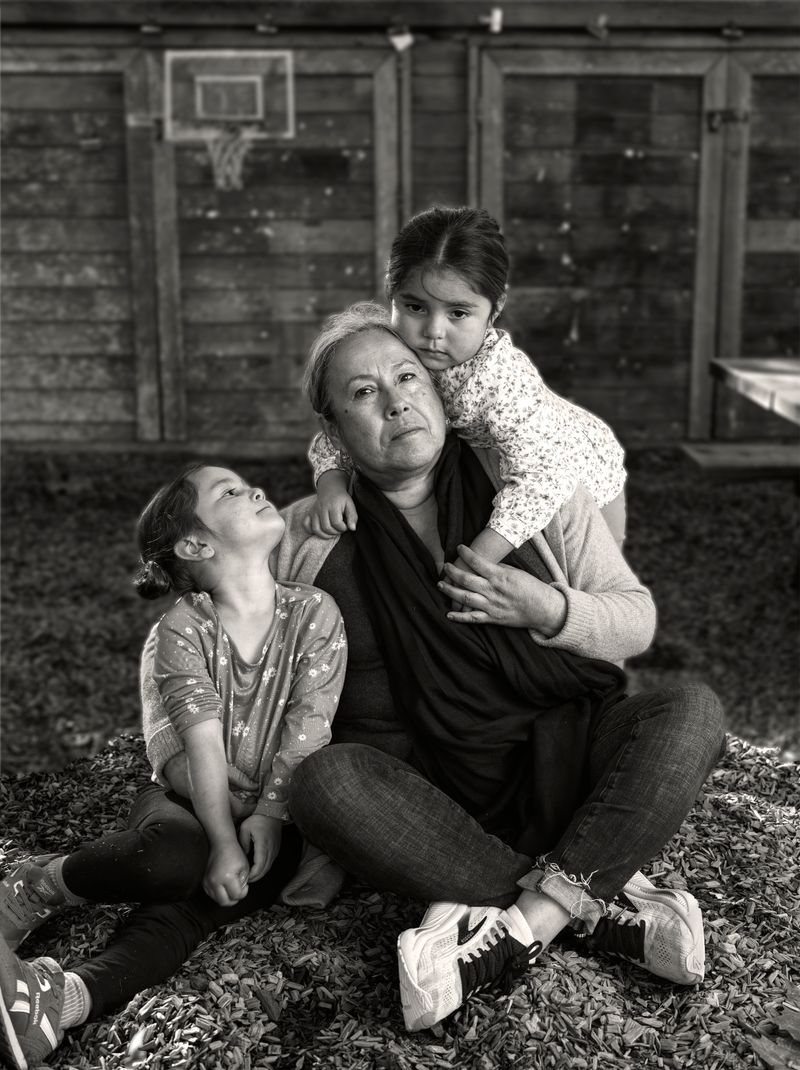
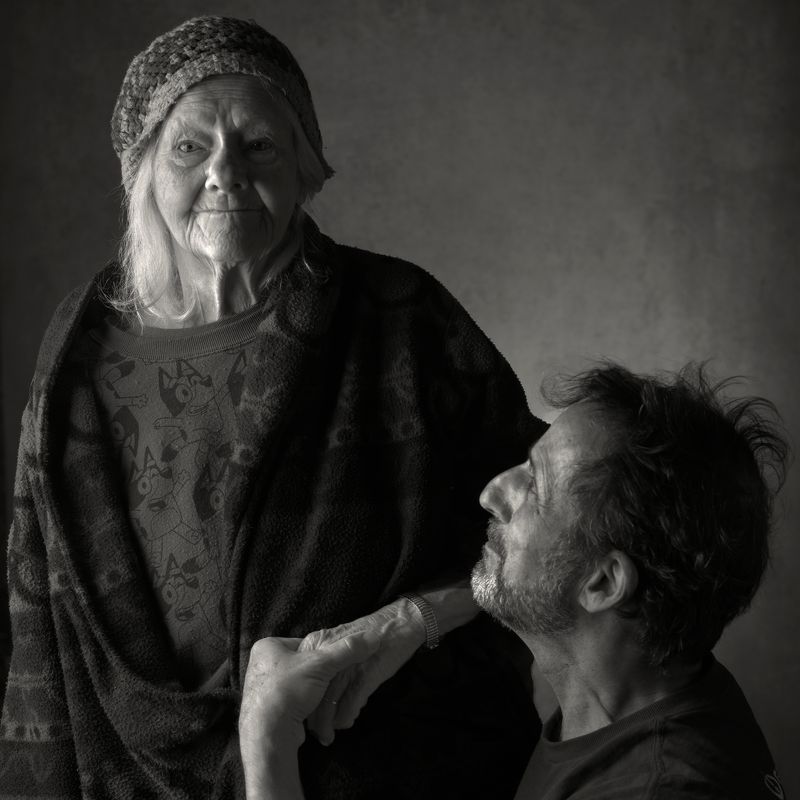
Mother & Son. I afraid I didn't get their names yet, despite all of my existing model releases. But I'm still working on this project and will retrieve teir IDs. Kiko Manza is a local construction worker. From a series recently begun called "Point Reyes Station: Portraits of a Community in Transition"

© Tom Zimberoff - Image from the Point Reyes Station: A Community in Transition photography project
i

Steve Doughty is a local rancher and farmer. From a series recently begun called "Point Reyes Station: Portraits of a Community in Transition"

© Tom Zimberoff - Image from the Point Reyes Station: A Community in Transition photography project
i

Palo Pruitt is the scion of a longtime local ranching family. Kiko Manza is a local construction worker. From a series recently begun called "Point Reyes Station: Portraits of a Community in Transition"

© Tom Zimberoff - Image from the Point Reyes Station: A Community in Transition photography project
i

Wendy Schwartz paints the local landscapes. From a series recently begun called "Point Reyes Station: Portraits of a Community in Transition"

© Tom Zimberoff - Image from the Point Reyes Station: A Community in Transition photography project
i

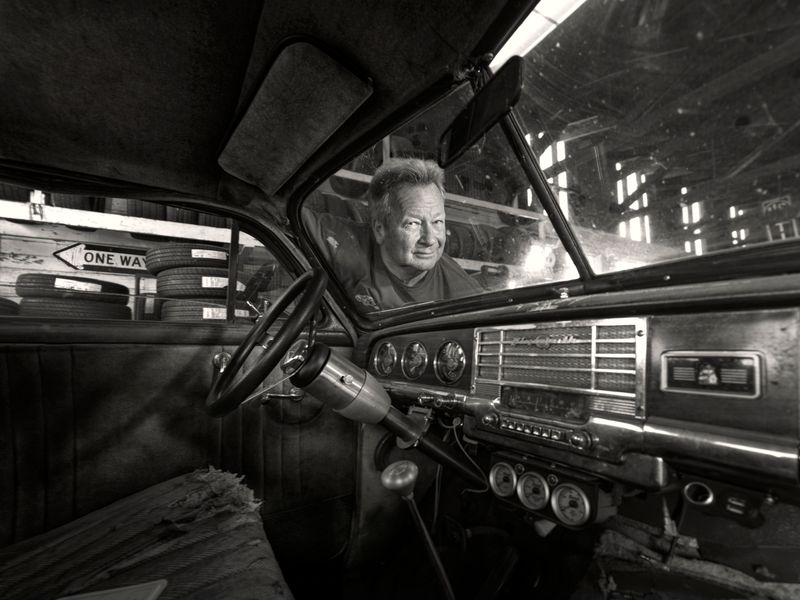
Curtis is the manager and chief mechanic at Cheda's Garage. From a series recently begun called "Point Reyes Station: Portraits of a Community in Transition"

Point Reyes Station: A Community in Transition by Tom Zimberoff

Prev Next Close