Plima
-
Dates2022 - Ongoing
-
Author
- Topics Daily Life, Social Issues, War & Conflicts
- Location Croatia
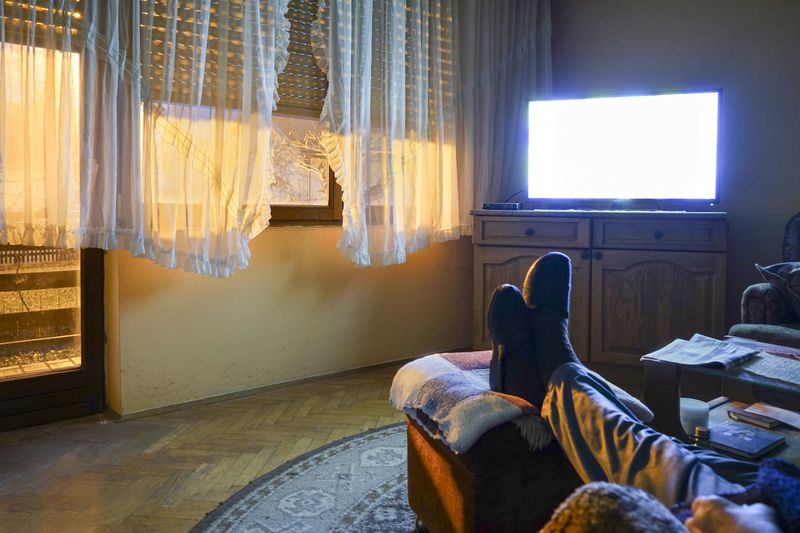
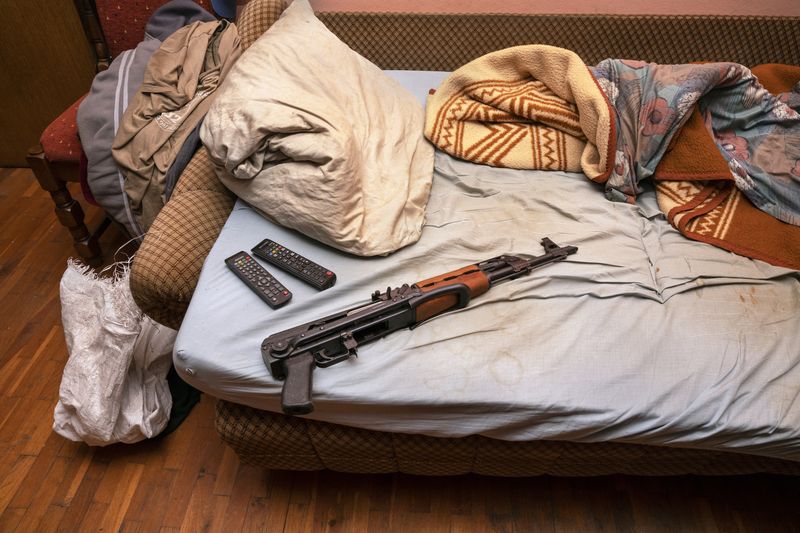
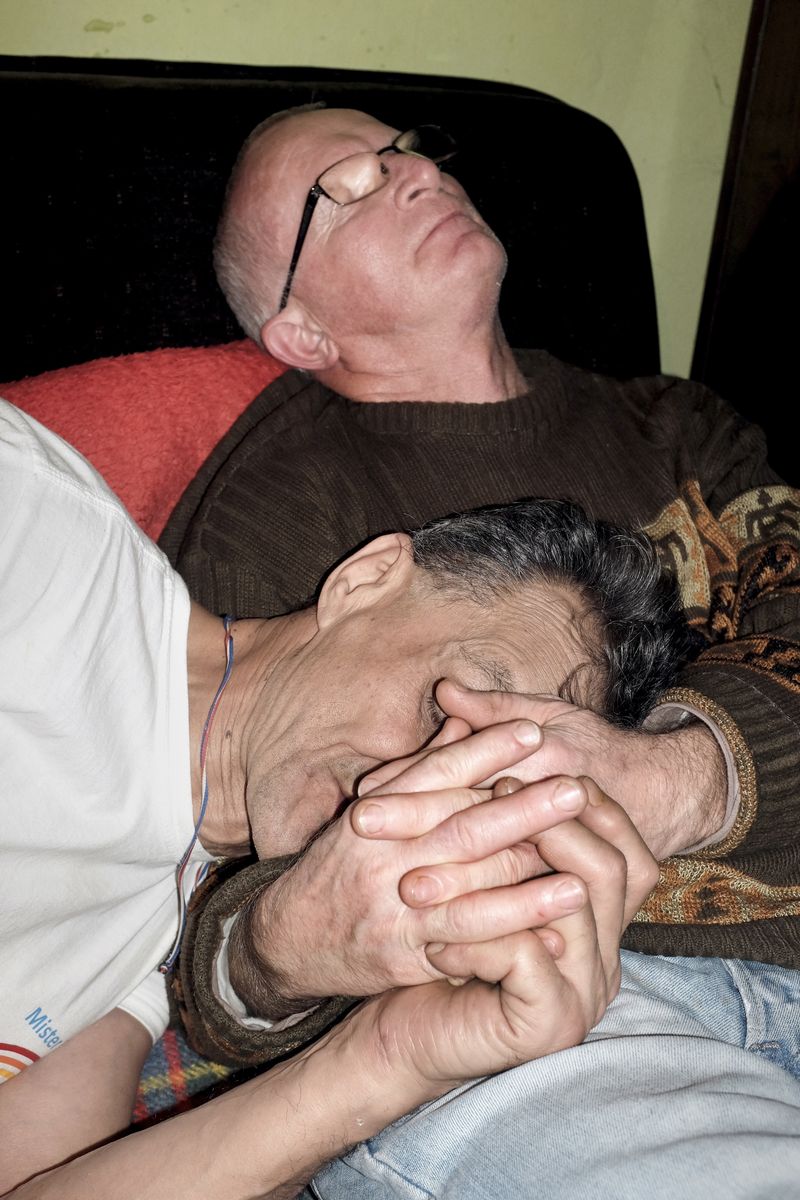
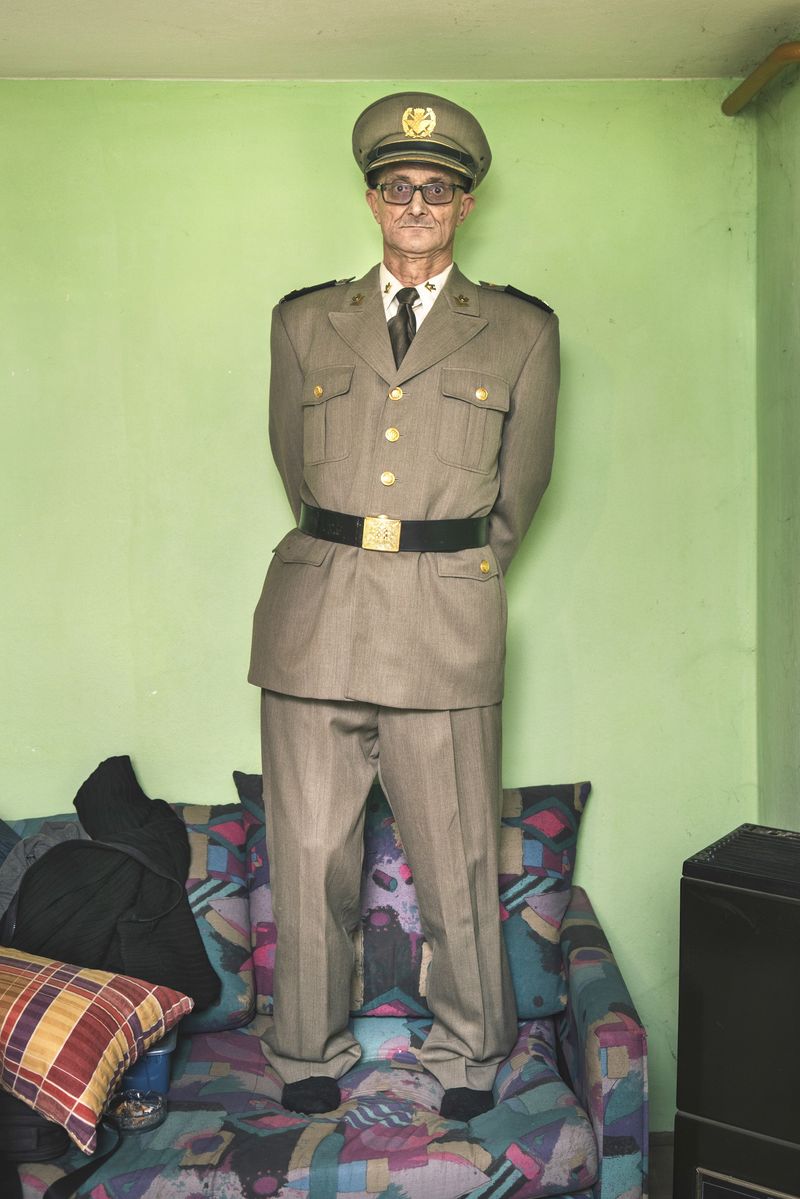
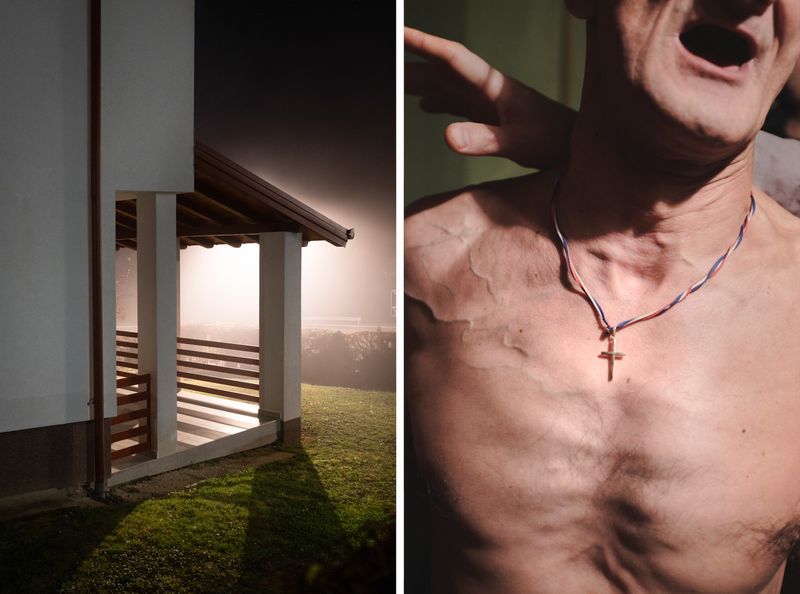
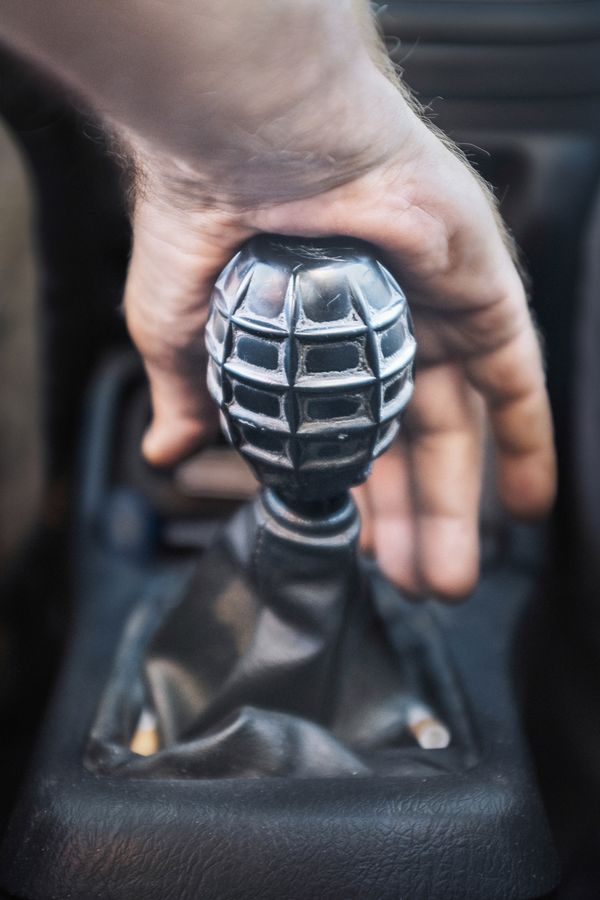
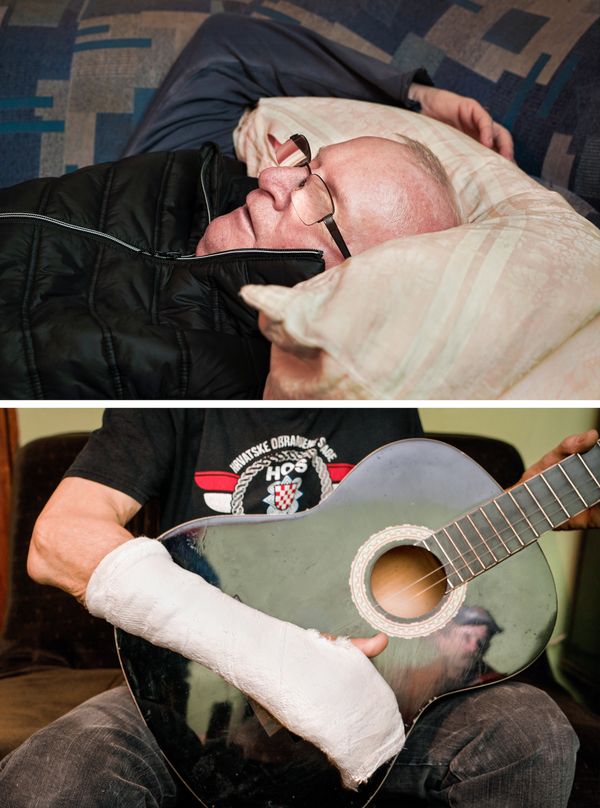
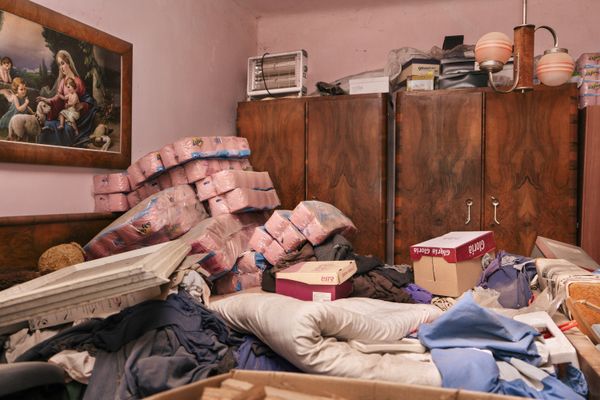
Plima turns attention to the quieter, often overlooked ways war veterans carry the lasting consequences of the Yugoslav wars into daily life, showing how trauma and memory circulate through their intimate spaces and relationships.
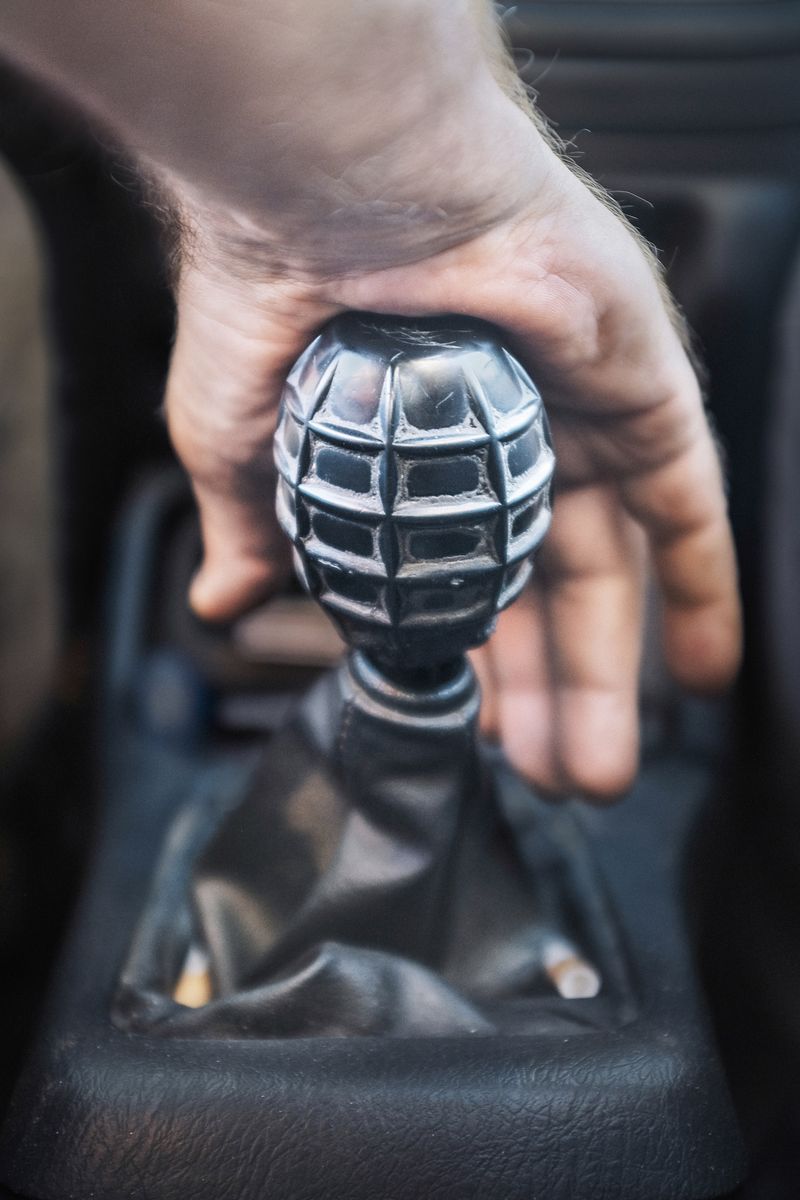
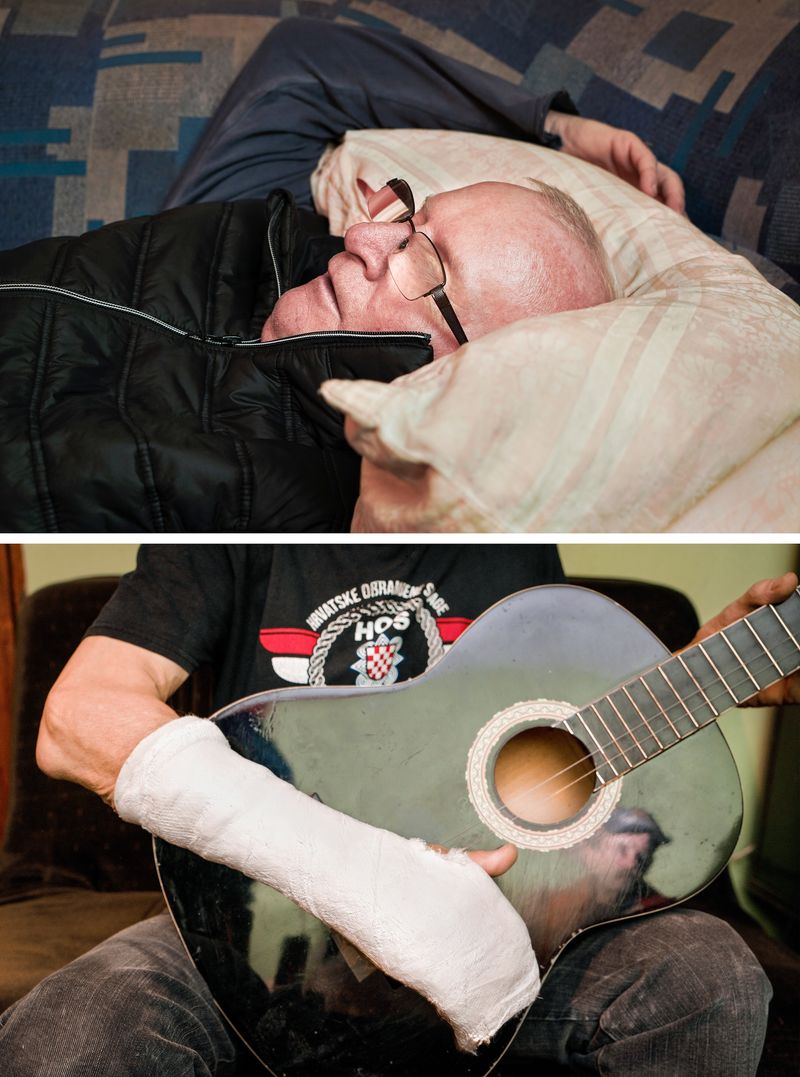
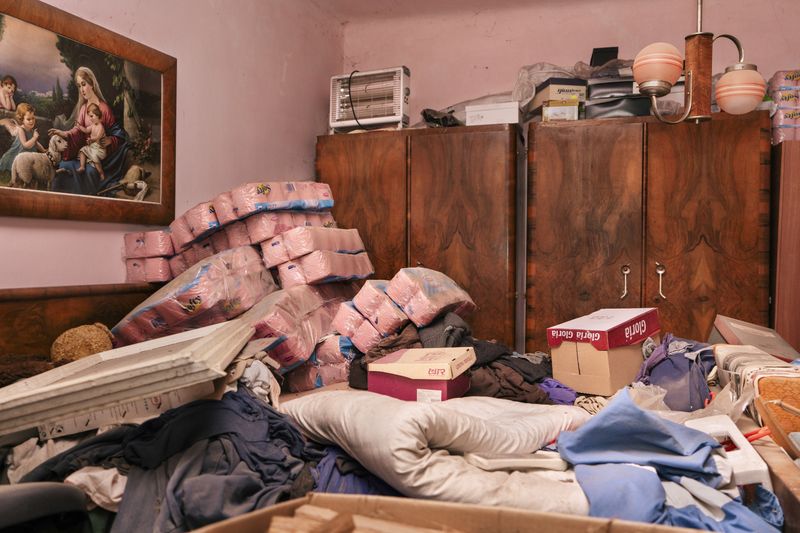
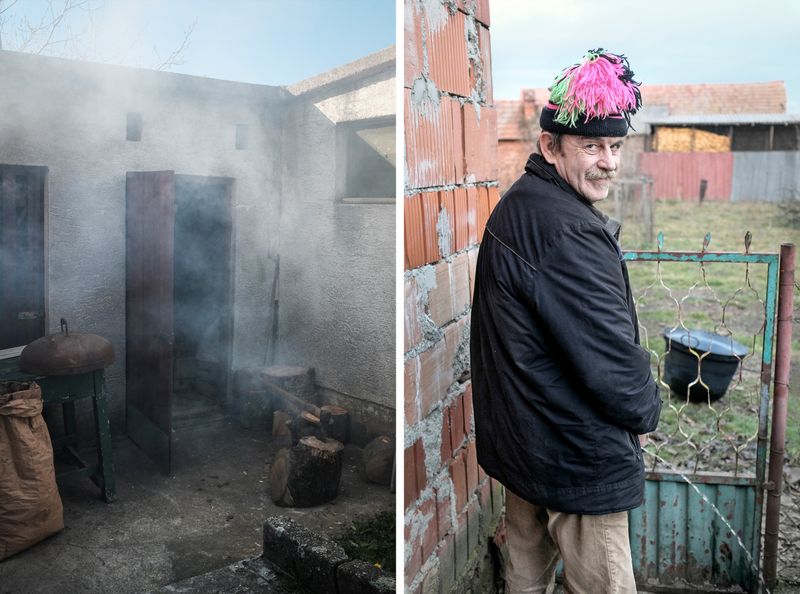
The consequences of the Yugoslav wars remain deeply inscribed in Croatian society. While monuments and political narratives preserve official memories, the everyday realities of veterans are less visible. Many face untreated trauma, economic hardship, and social marginalization, finding ways to get by without much institutional support. Plima turns attention toward these quieter and often overlooked forms of endurance. The project focuses on a small circle of war veterans, including my father, tracing how they carry the past into daily life within the intimate spaces of home. Rather than seeing trauma as a closed event, Plima approaches it as a living condition, circulating through bodies, conversations, and family bonds. My position as a son gives both proximity and tension: access built on love, but also the weight of witnessing. Through this lens, the project reflects how memory and emotional inheritance move across generations. Rooted in a region still shaped by the legacy of war, the project speaks to broader questions of how individuals and communities live on after conflict — how they rebuild forms of belonging, carry unhealed memories, and find moments of humour and connection amid endurance.
Plima - Croatian word for “High tide”, used as a radio signal during the Croatian Independence War.