Palace
-
Dates2020 - Ongoing
-
Author
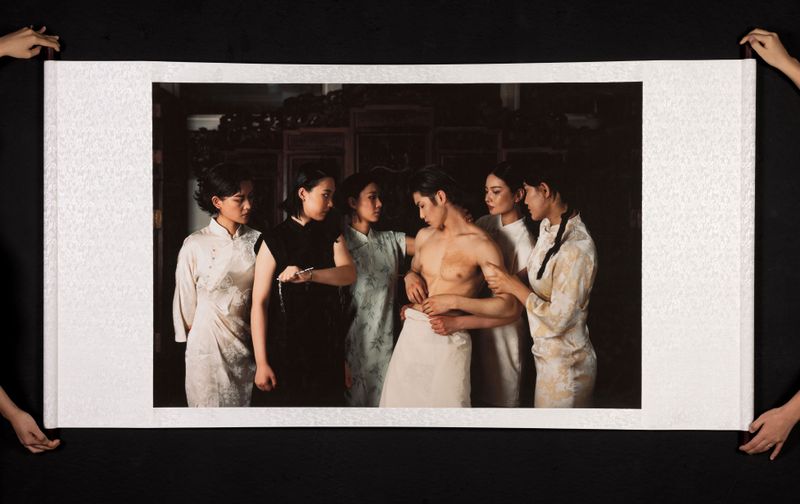
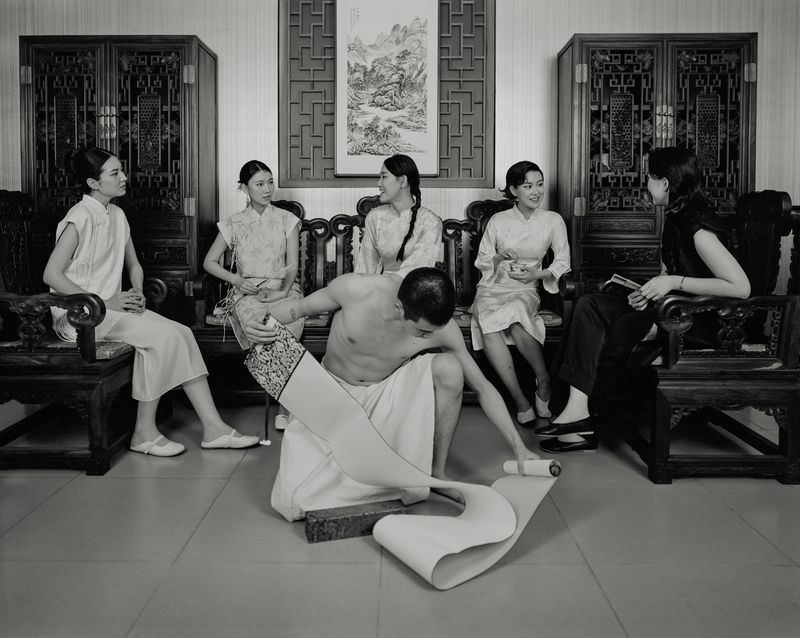
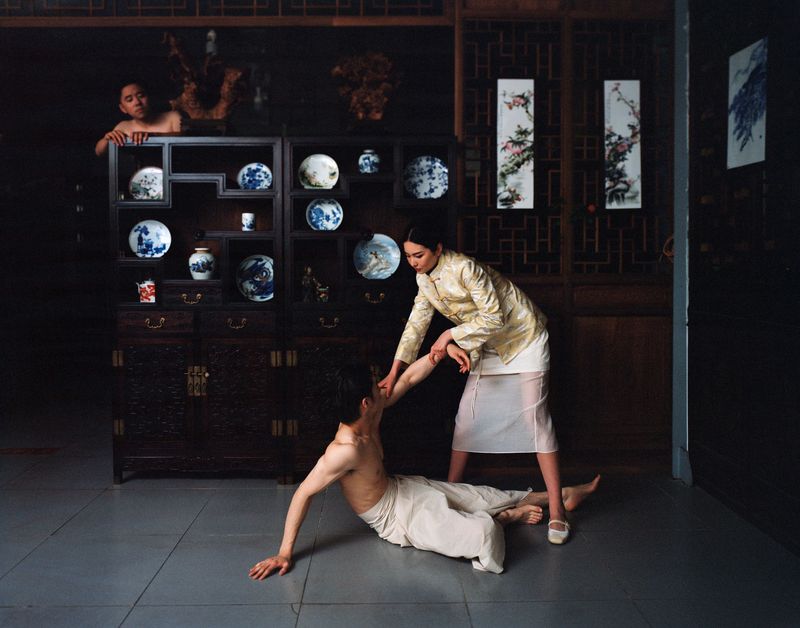
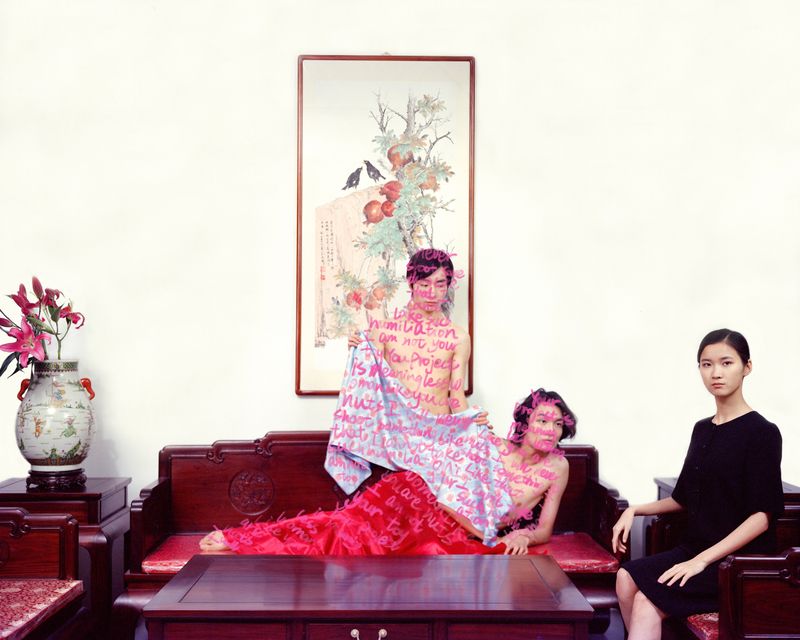
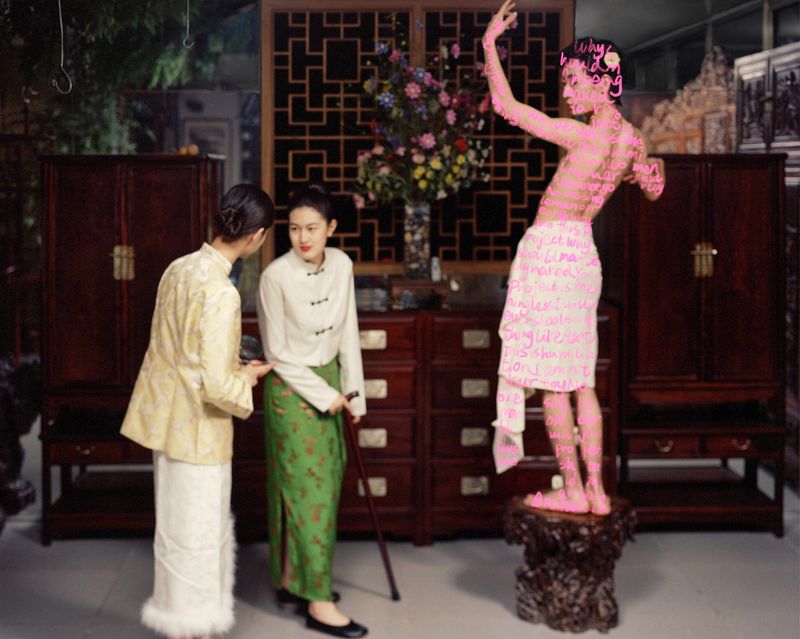
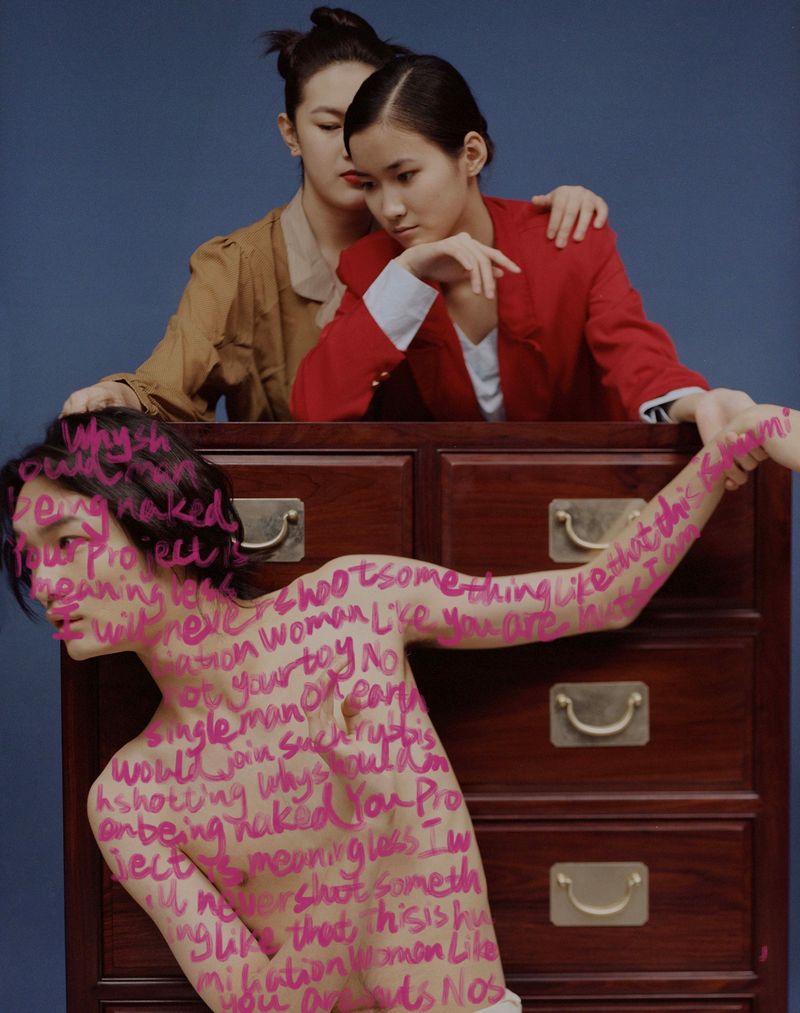
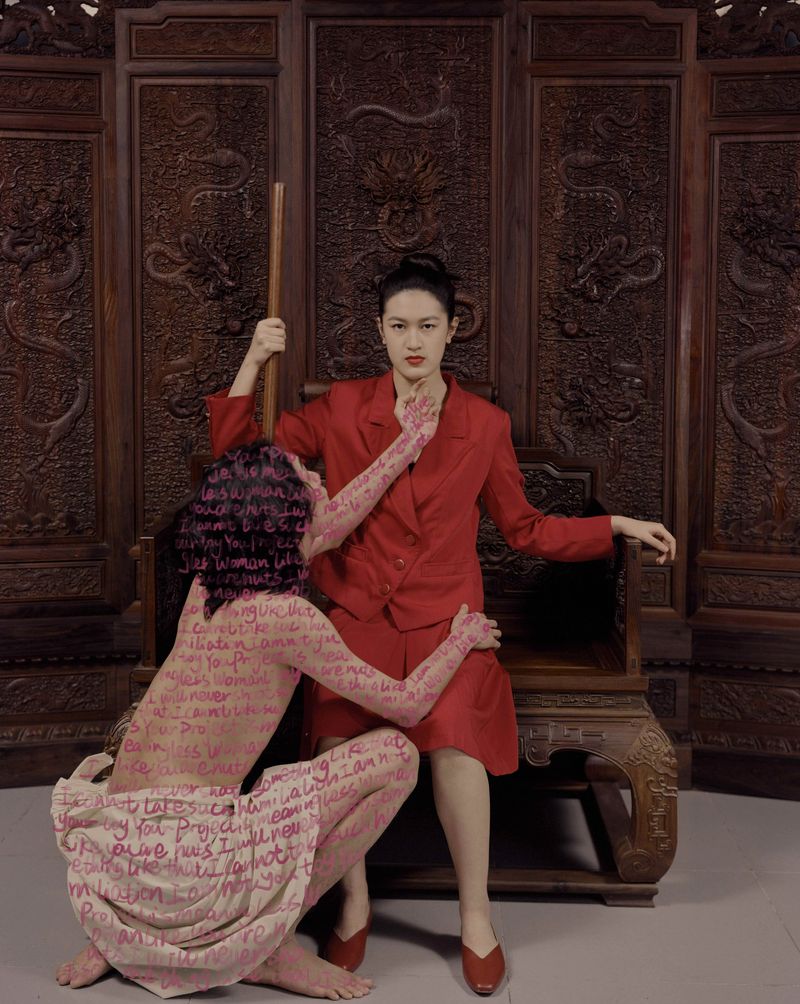
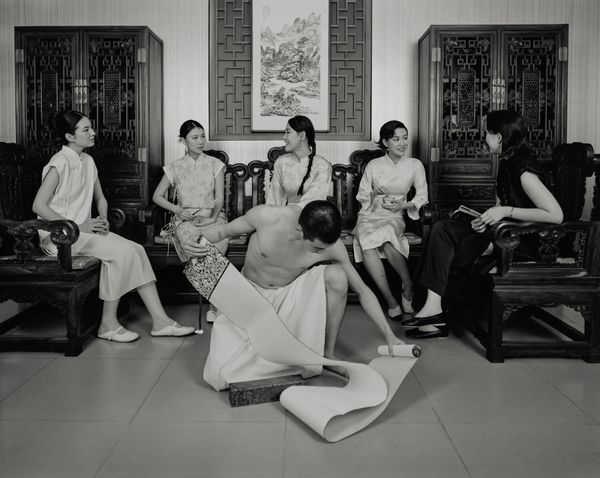
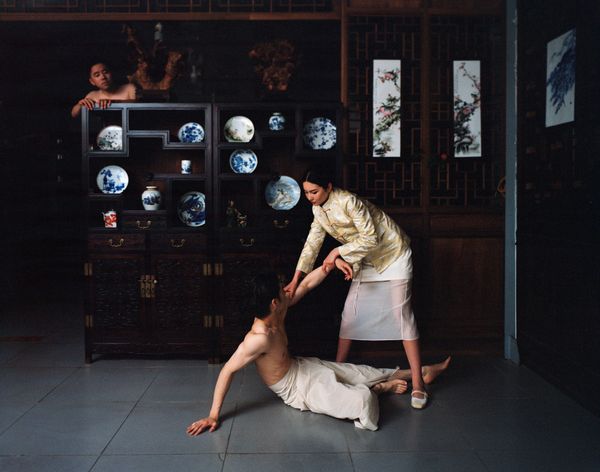
"Palace" examines the ways in which gender narratives are constructed and reimagined. This reflects a broader cultural belief, captured in a traditional Chinese saying: "女人不可登大雅之堂" ("A woman does not belong in the halls of power").
"Palace" examines the ways in which gender narratives are constructed and reimagined. This reflects a broader cultural belief, captured in a traditional Chinese saying: "女人不可登大雅之堂" ("A woman does not belong in the halls of power"). Such values have relegated women to roles of passivity and objectification, shaping their identities and bodies as subjects to be scrutinized and controlled.
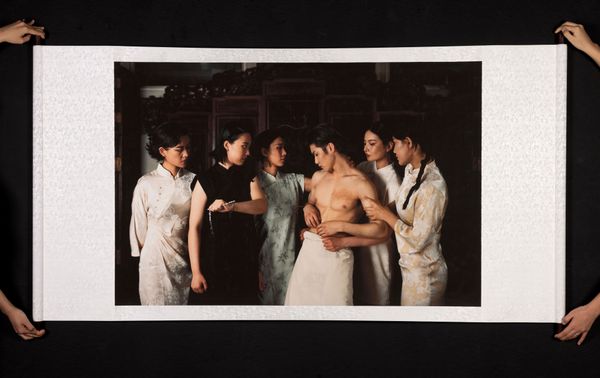
The nearly nude male figure makes the image feel both familiar and strange, evoking reflections on the long-standing role of women in art history. Their bodies have often been presented for consumption rather than celebrated for their agency. As the Guerrilla Girls have critiqued, female figures frequently appear nude in art, yet female artists themselves are rarely acknowledged within institutional spaces. This imbalance exposes the deeply entrenched gender norms that have persisted throughout history and continue to influence power dynamics in art and culture today.
Here, photography becomes an imaginary extension of the original painting, serving as a true documentation of chronology and offering a new perspective on the relationship between power and gender. This reimagining moves beyond mere representation, providing a critical view of how gendered power structures are not only portrayed but constructed through history. It invites viewers to rethink these narratives and reconsider the lasting influence they have on the perception of gender roles today.