ONE HUNDRED TRILLION DOLLARS
-
Dates2022 - Ongoing
-
Author
- Location Zimbabwe
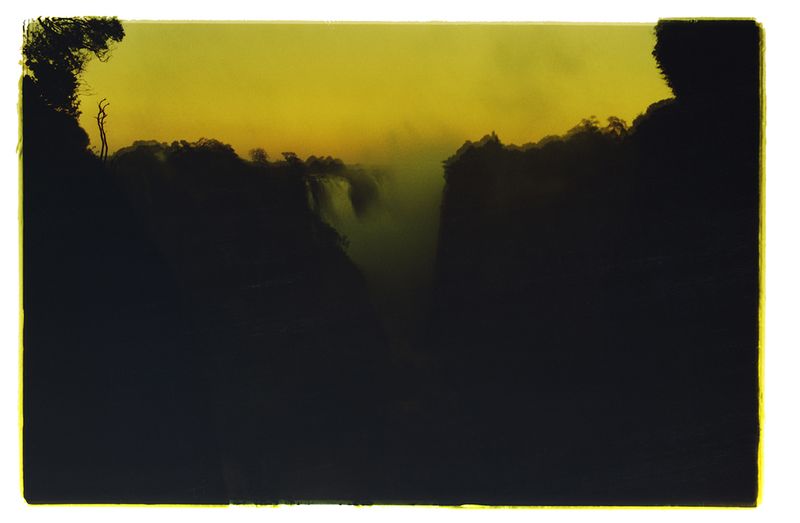
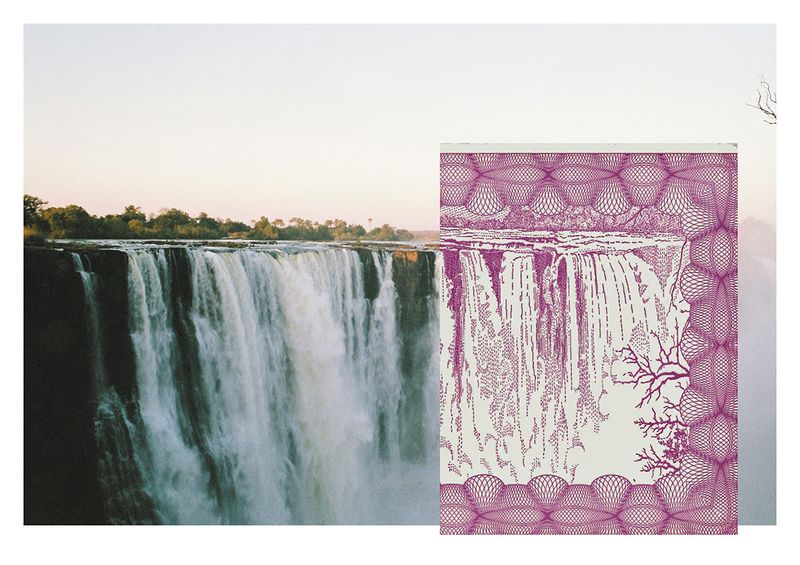
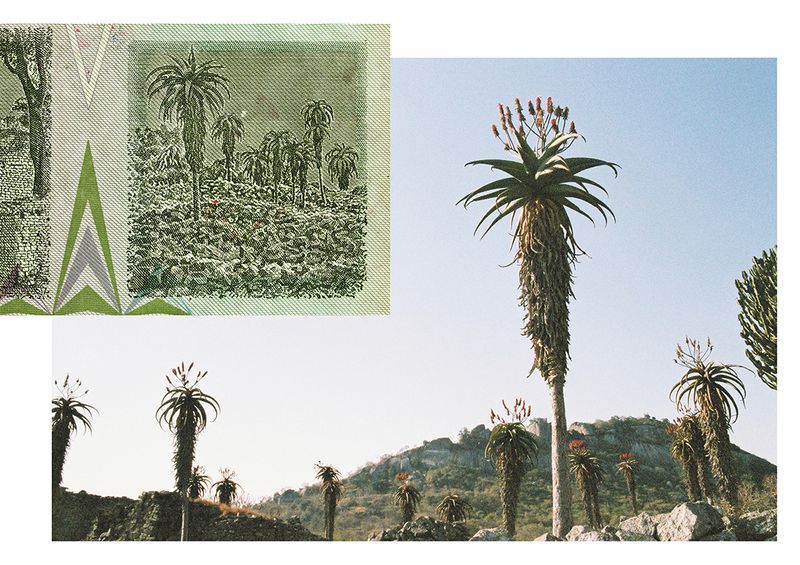
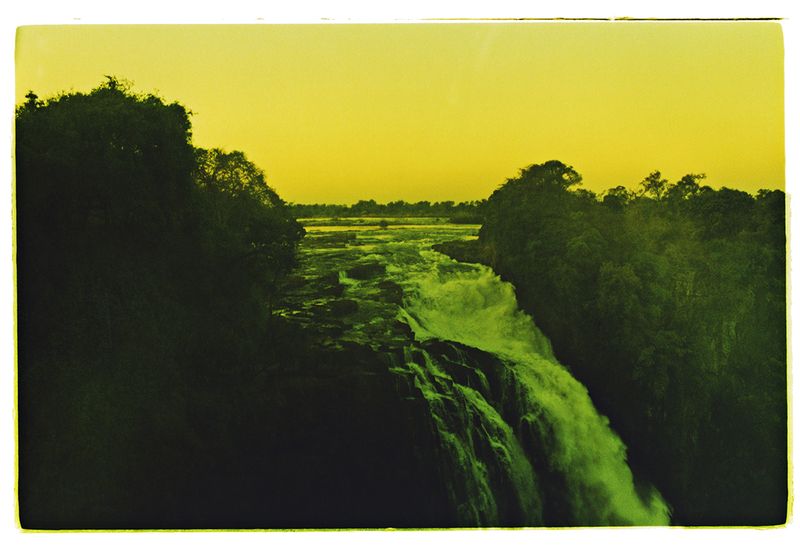
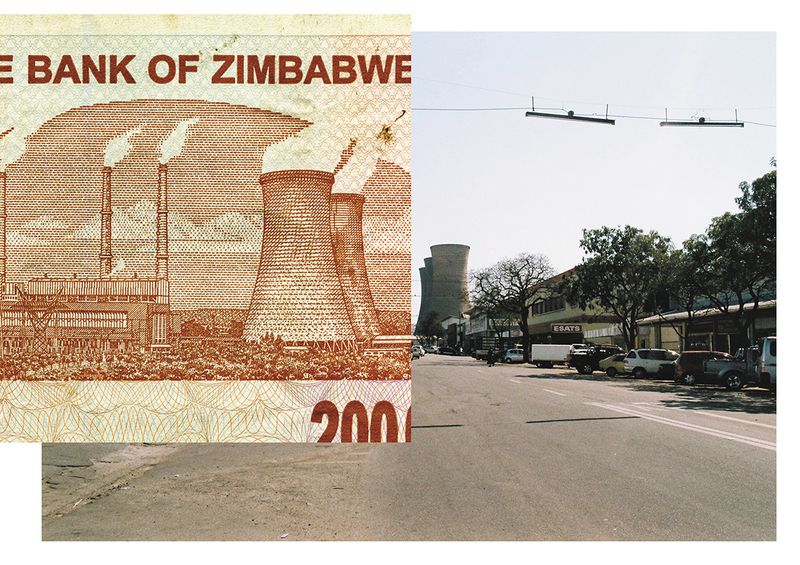
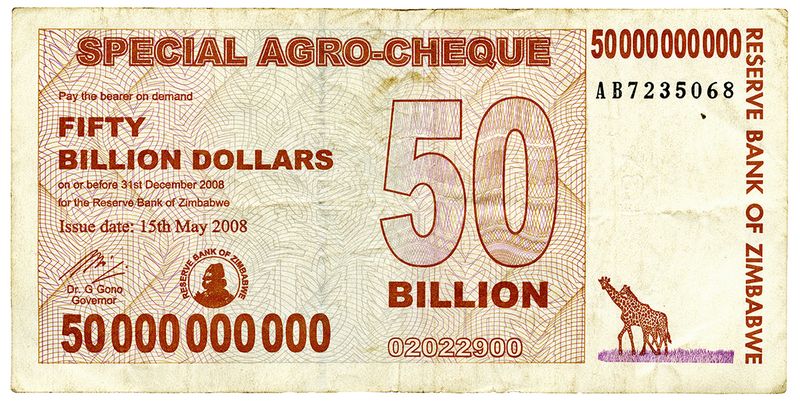
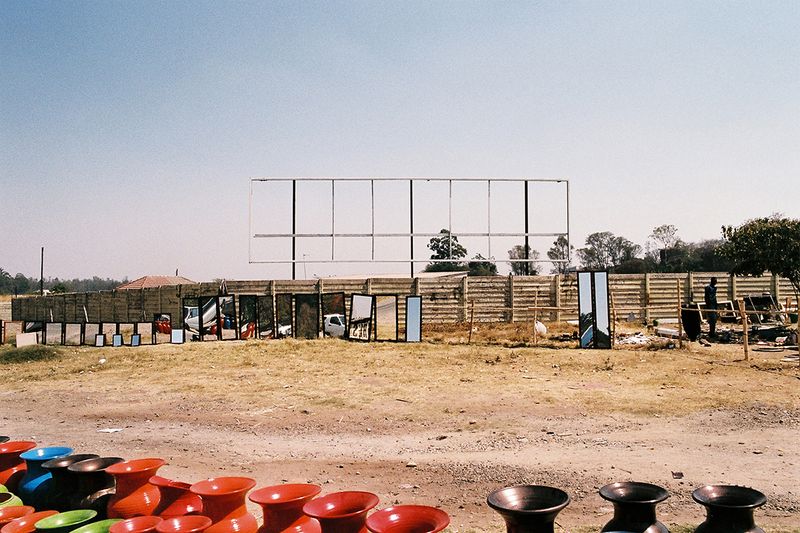
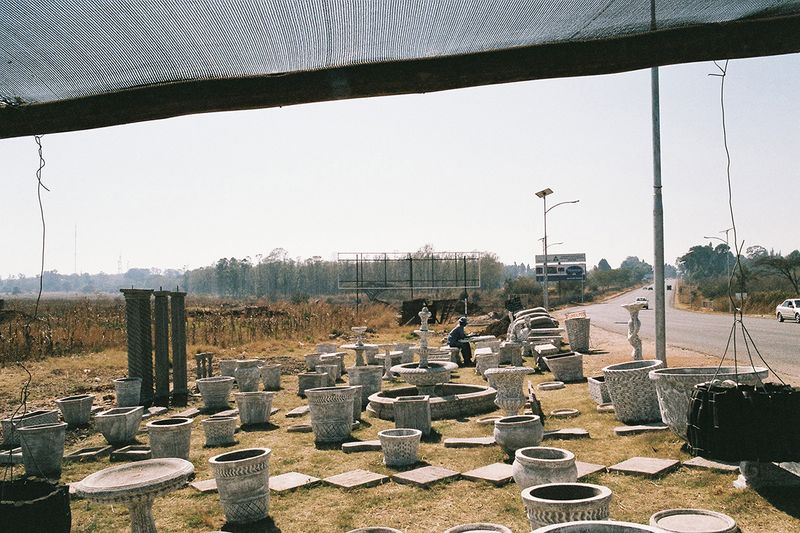
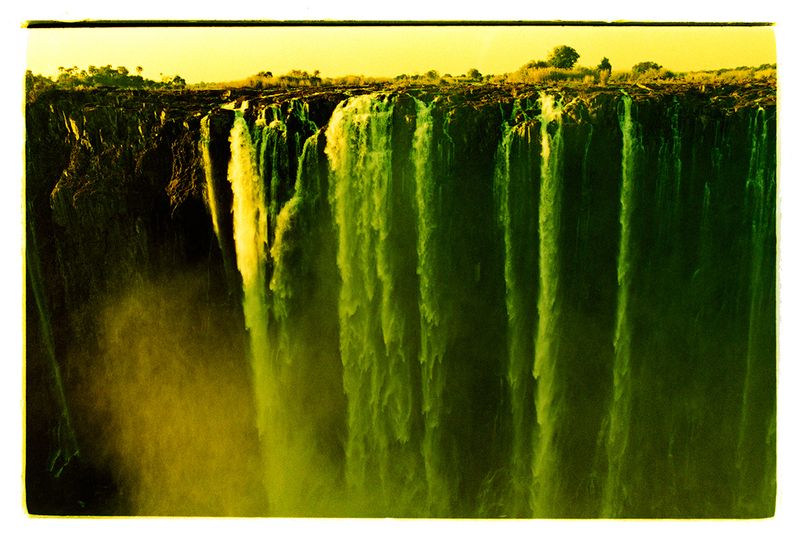
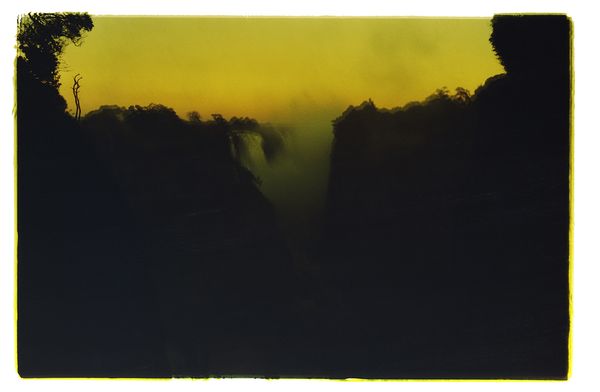
This series focuses on traces of the hyperinflation that hit Zimbabwe in 2000s, mixing my analogue photographs of the area with archives of banknotes issued at the time.
This series focuses on traces of the hyperinflation that hit Zimbabwe in 2000s, mixing my analogue photographs of the area with archives of banknotes issued at the time.
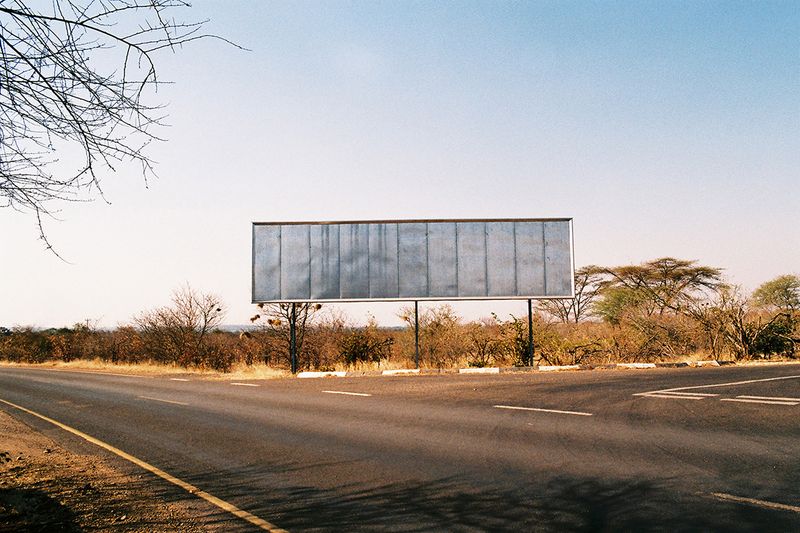
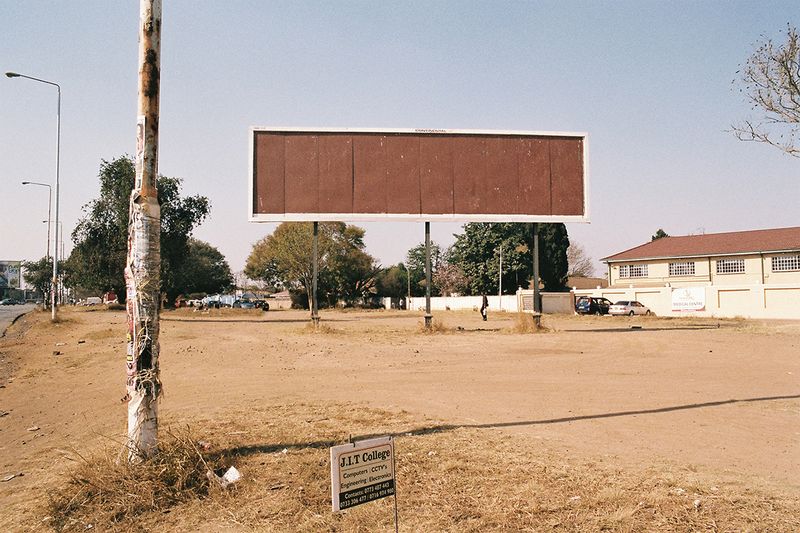
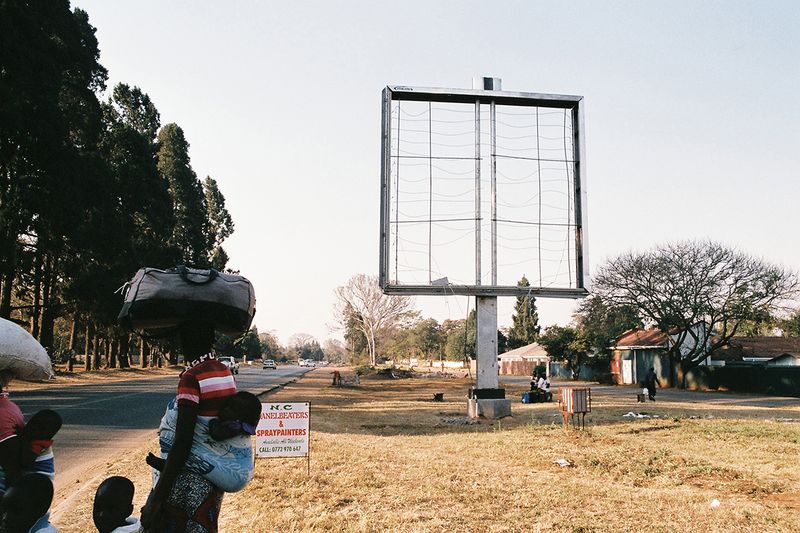
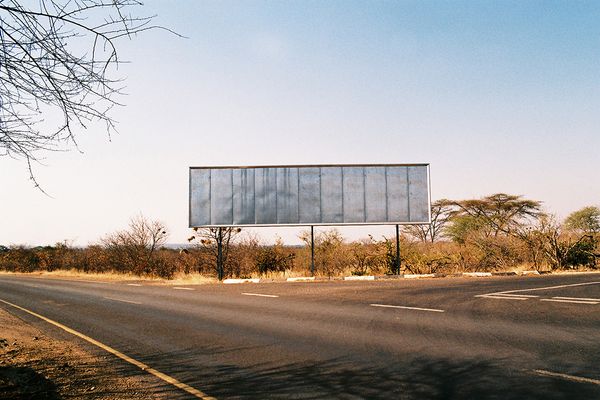
In 2015, I travelled to Zimbabwe to see my father, who worked there, and we went on a road-trip. As the scenery was unfolding ahead of me, I noticed large empty billboards and I photographed them. I started there, and my intuition made me wonder why there were no images on these billboards.
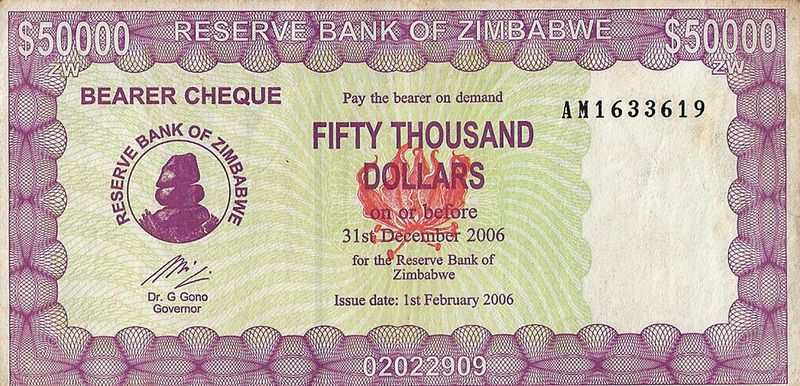
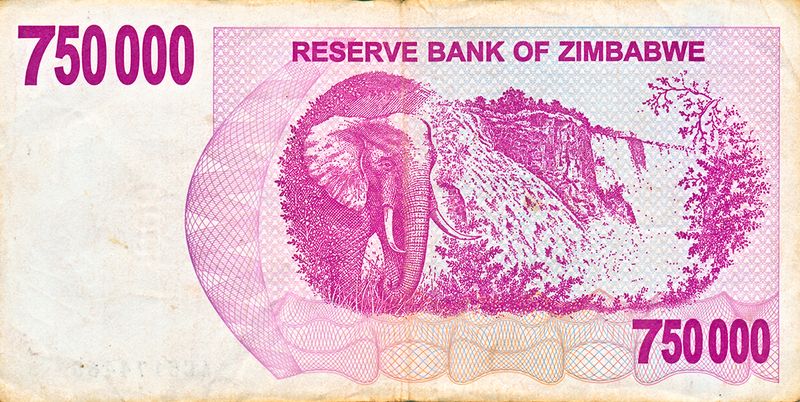
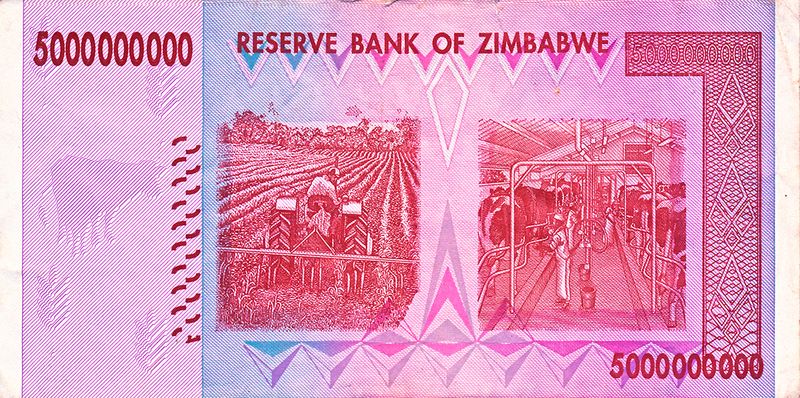
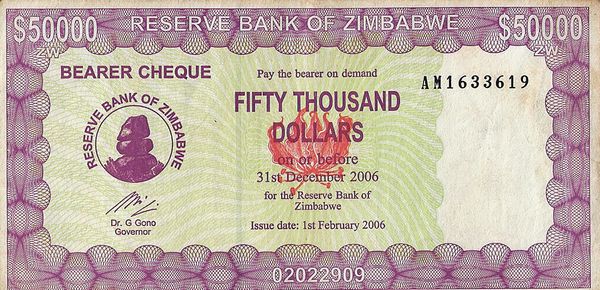
I started researching and learned that Zimbabwe had experienced one of the worst global economic crises, due to hyperinflation resulting from a series of political decisions taken under the reign of Robert Mugabe, who took office in 1980. Swinging between the hope of a new world at the end of the apartheid regime and repressive policies against his opponents, Robert Mugabe changed the destiny of an entire country that was once the granary of southern Africa. Hyperinflation began in the early 2000s, and it continued to soar until 2008, when it reached its peak. Throughout this period, unhinged amounts of currency were printed in an attempt to halt the economic tsunami. Some of these notes even had expiry dates to encourage people to circulate the money.
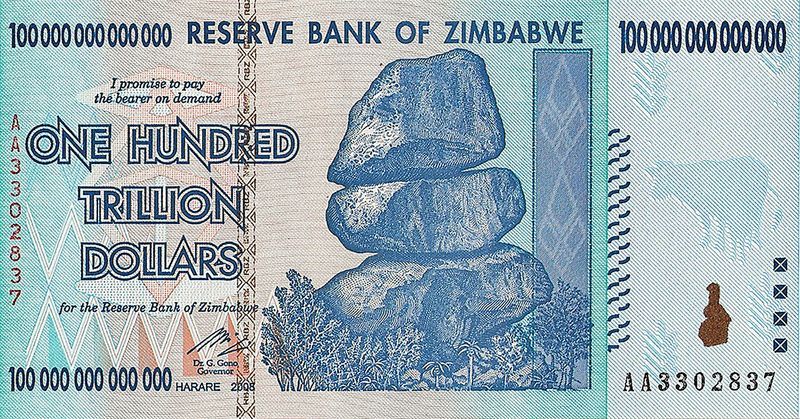
The title of this series, 'One hundred trillion dollars', is the highest banknote I was able to find.
What happened in Zimbabwe is certainly the result of an economic, social and political context, but it is a striking example of what capitalism can produce in terms of the absurdity of the banking game.
The issue is still topical in Zimbabwe (to a lesser extent than in 2008). It is also a mechanism that characterizes other countries and continents, as is the case for parts of Latin America at the moment.
At this very moment, Zimbabwe is issuing a new gold-indexed currency in an attempt to stem the various episodes of inflation. Supposed to be more stable, the ZIG is an attempt to restore confidence in the country's currency, 50 years after the end of the Bretton Woods Agreement. This suject "One hundred trillion dollars" provides an insight into this decision, an incursion into the economic and political history of this Austral African country, but also a warning of what bad political decisions in a capitalist context can lead to.
This project, consolidated during my residency at the ENSP (Ecole Nationale Supérieure de la Photographie) in Arles in 2022 with the creation of a dummy book.
In 2024, it has been selected for several prestigious festivals, including the Dummy Awards in Cologne, the Belfast Photography Festival, the Photométria Festival in Athens, the APHF Athens Photography Festival, the Revela't Festival in Barcelona, the I Star Award from the Photographic Social Vision Foundation in Catalonia, the Encontros Da Imagem Festival in Braga and the Singapore International Photography Festival, which awarded me a grant to come and present this work at the end of October 2024.
This year, I am the winner of the Biennale des Rencontres Photographiques du 10ème in Paris, where this subject will be exhibited from the beginning of October in the Mairie du 10ème and until the end of Paris Photo.
Thank you for your attention.
Chloé Nicosia