ONCE UPON A TIME: A BAD DREAM TO FORGET Behind the Closed Doors of Quarantine
-
Dates2020 - Ongoing
-
Author
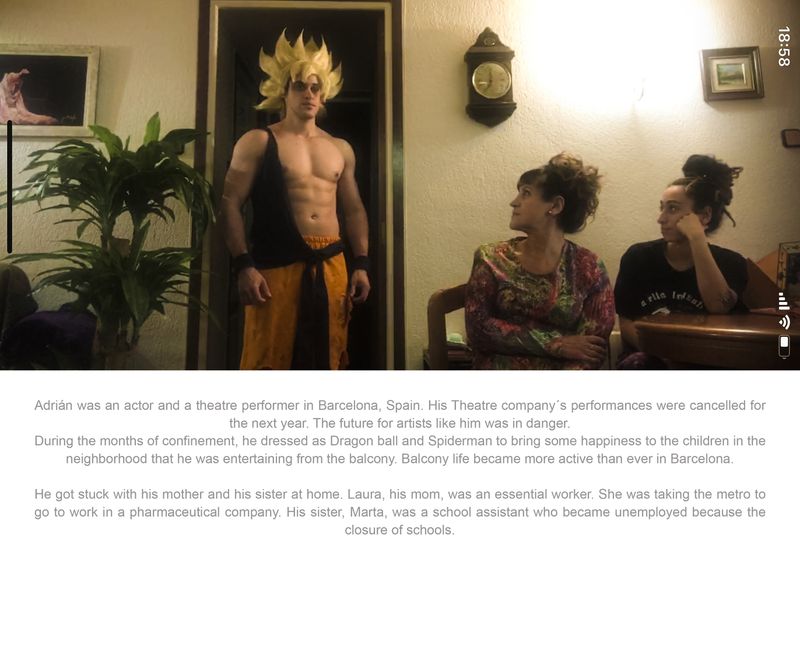
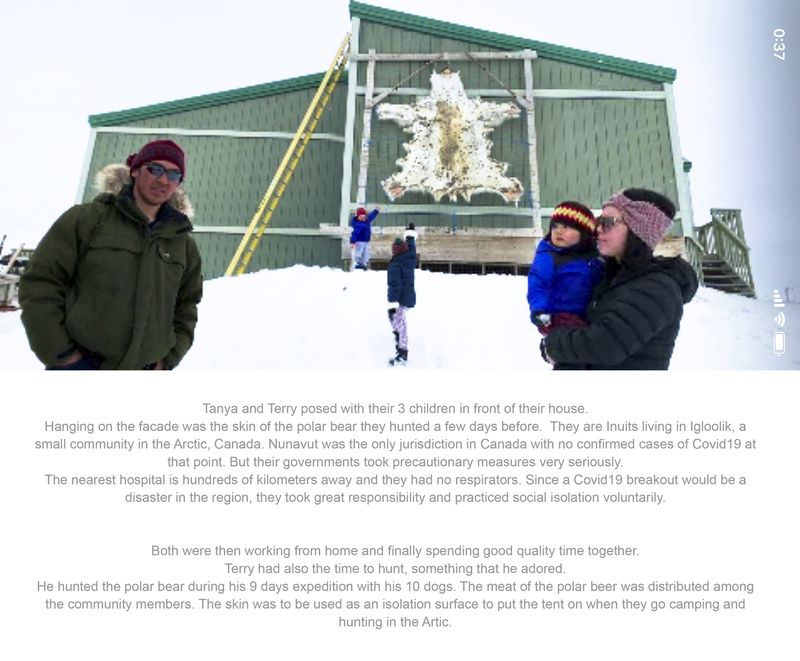
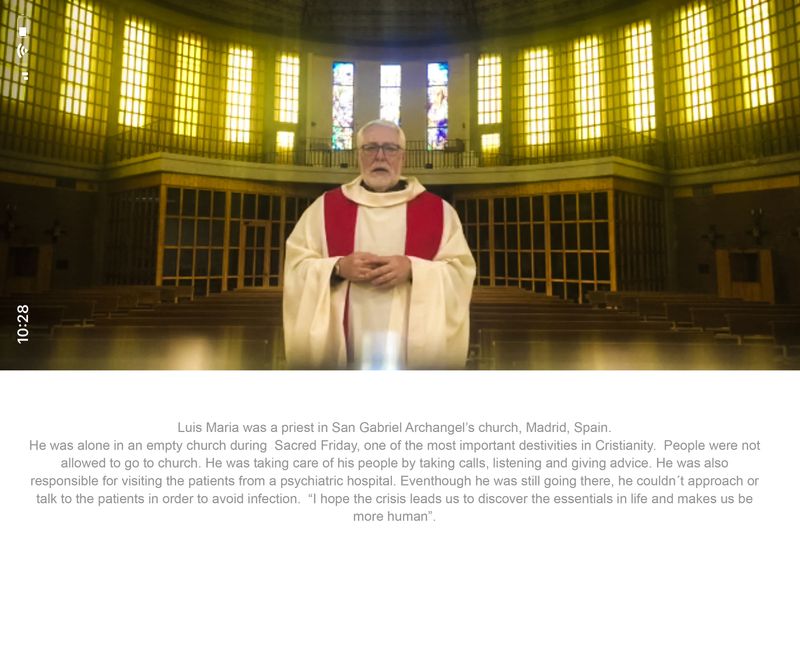
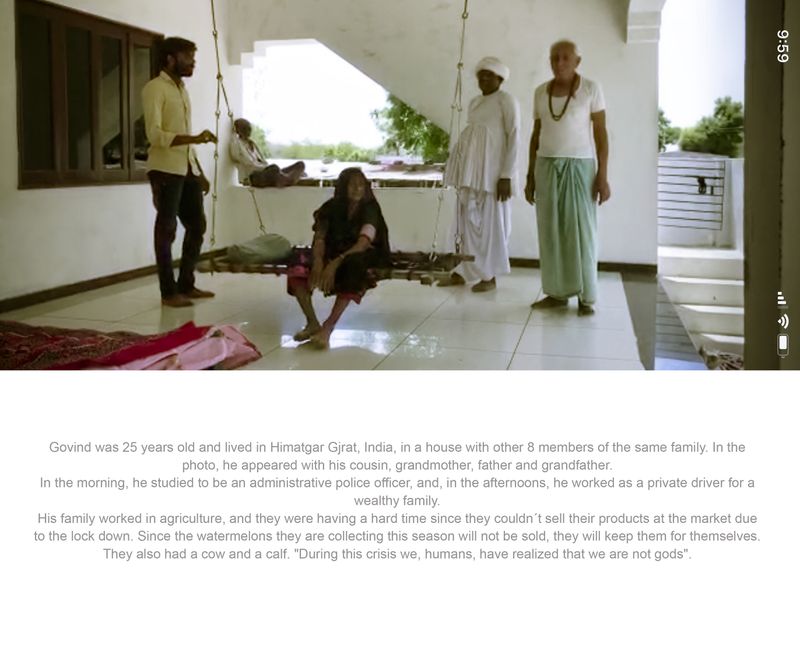
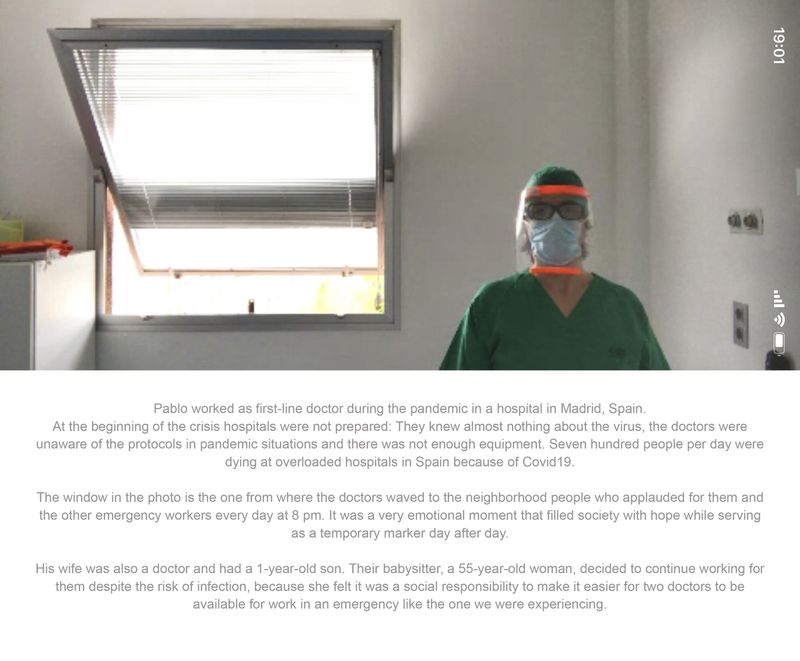
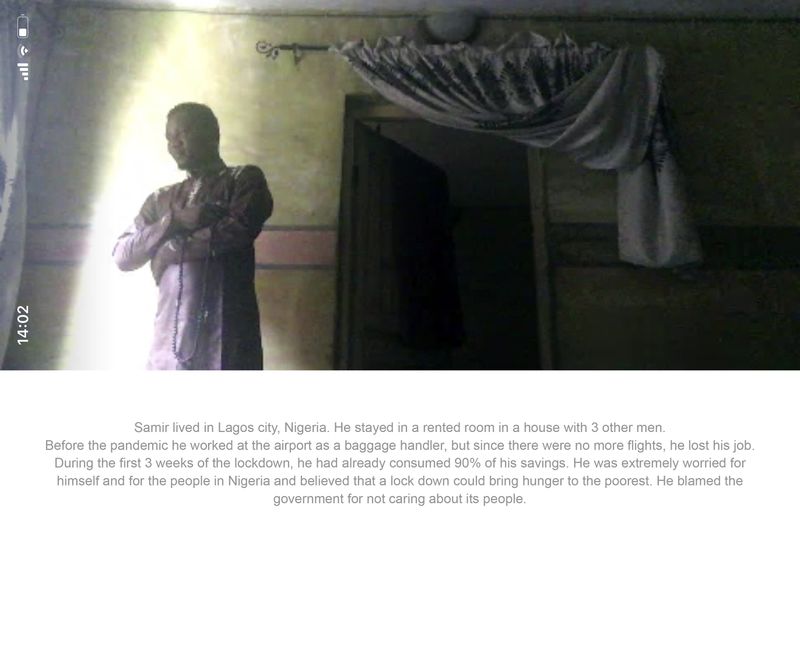
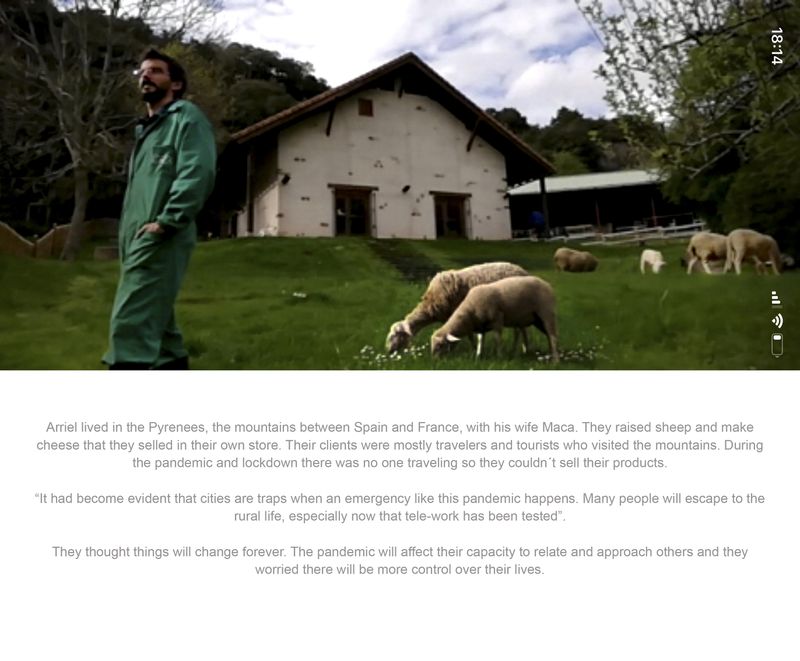
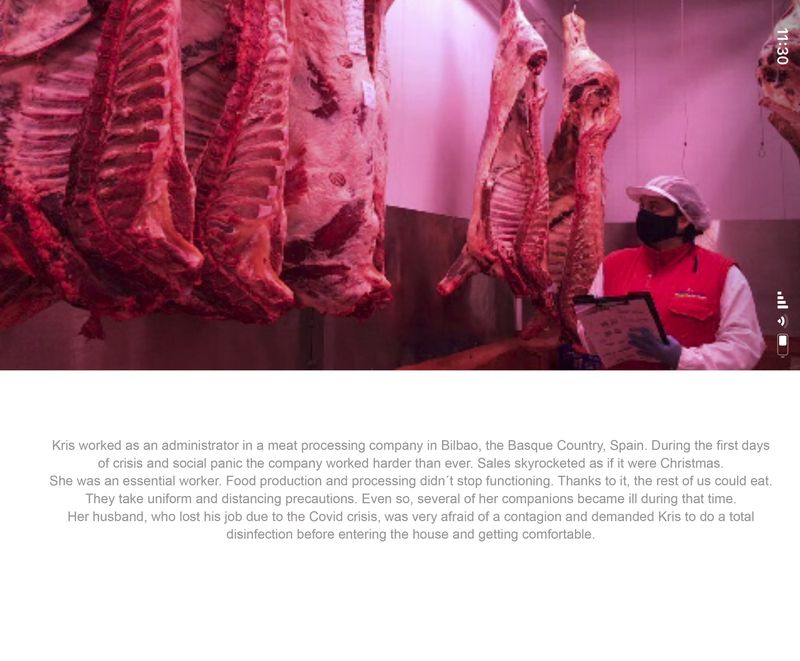
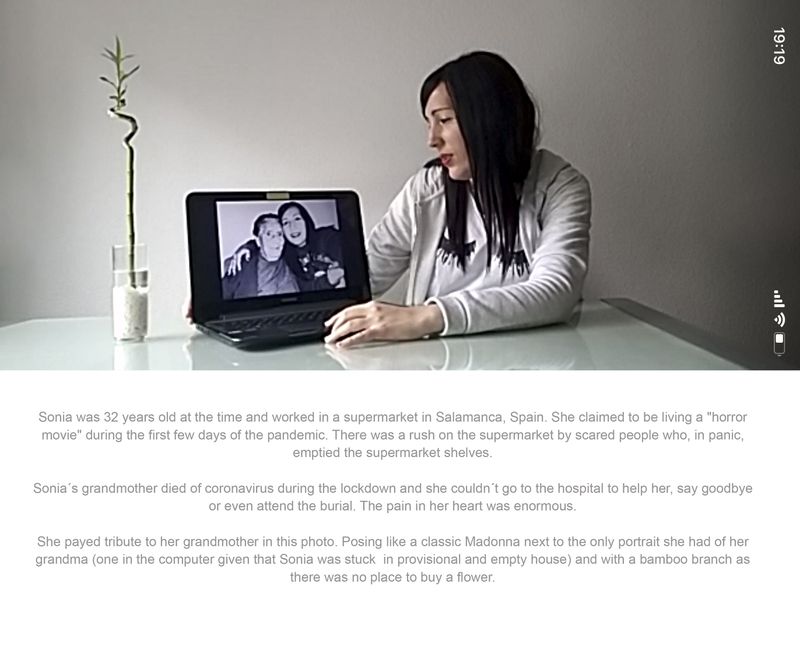
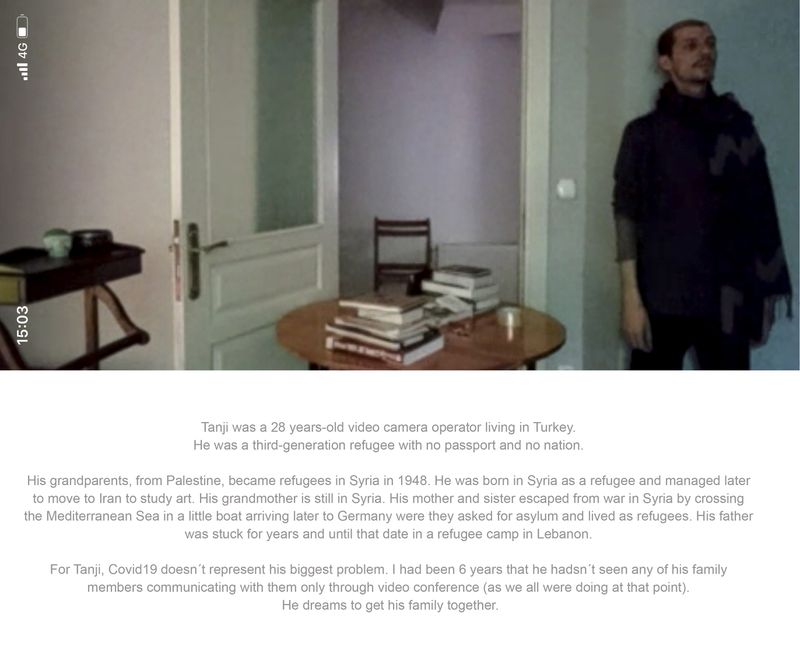
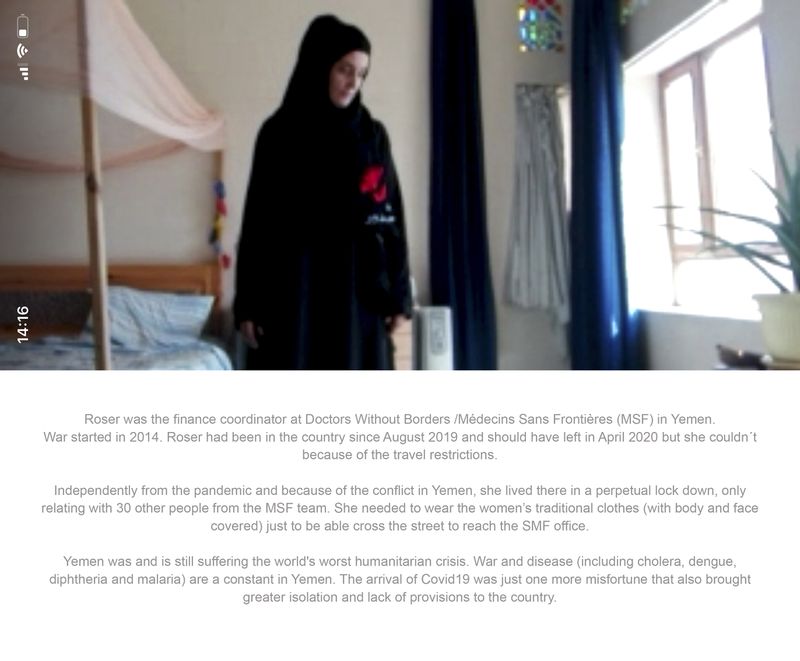
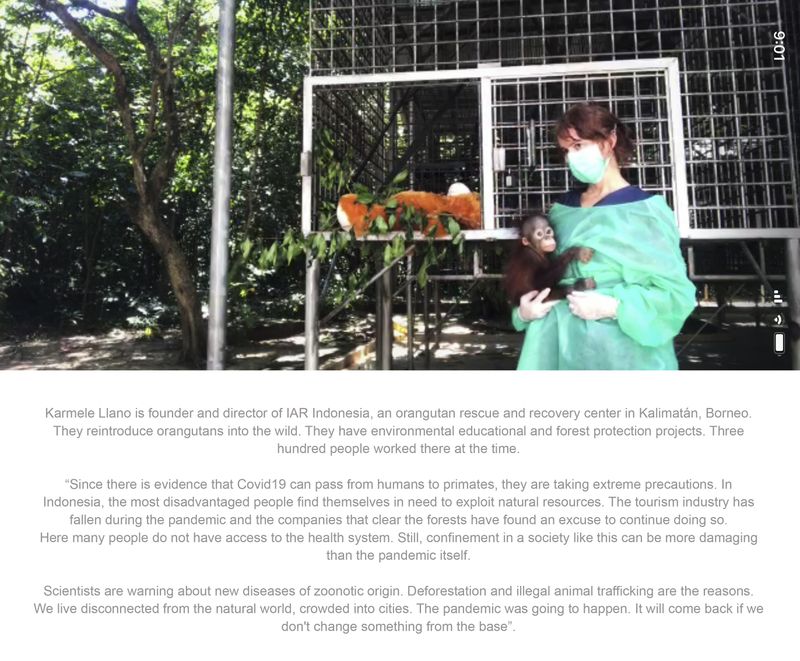
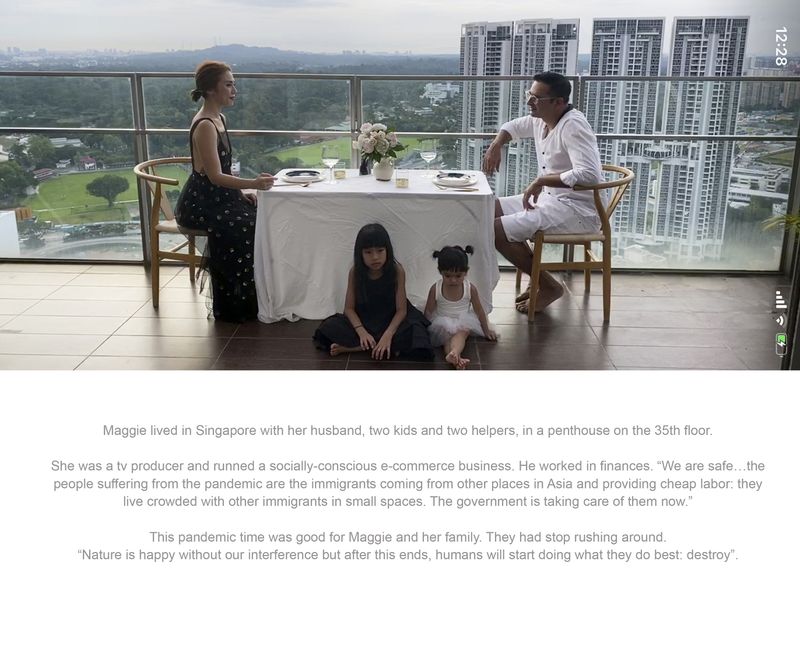
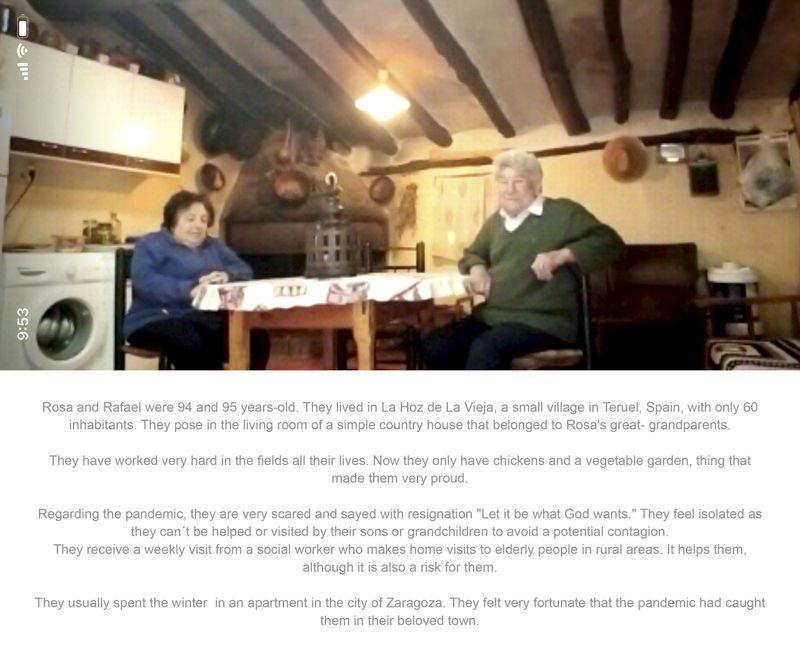
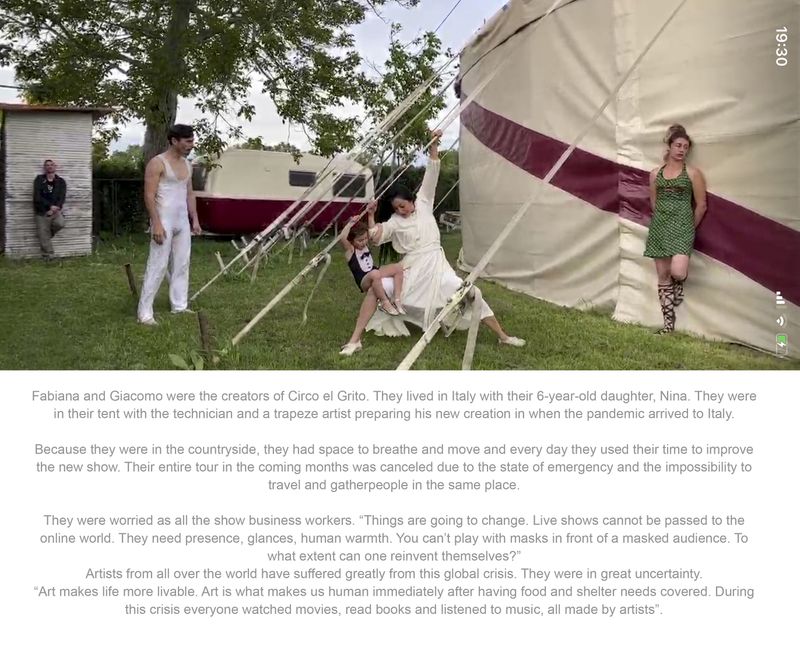
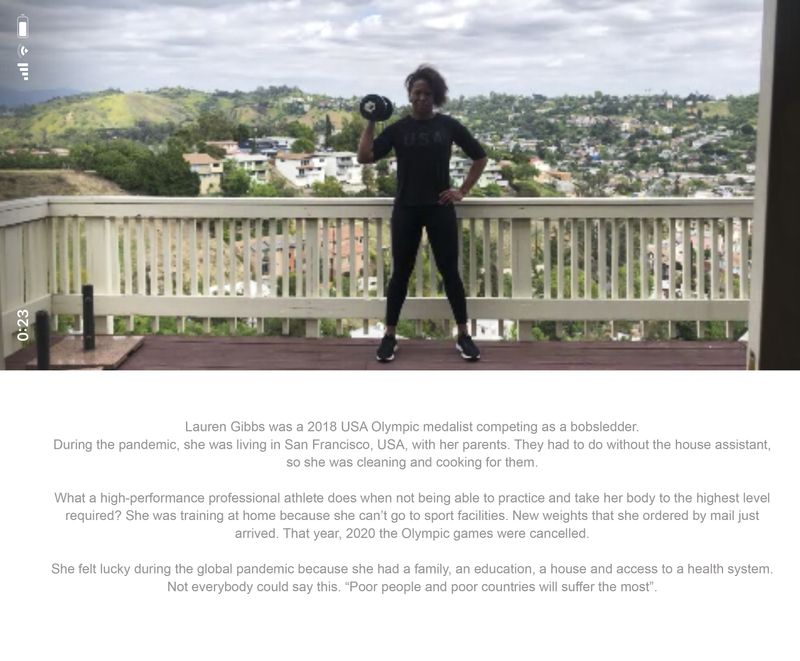
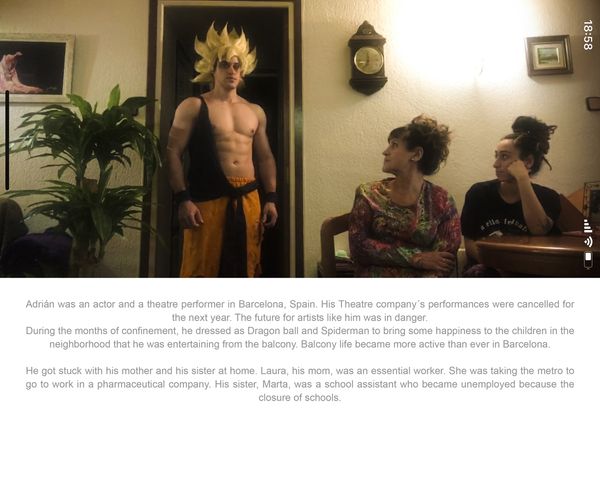
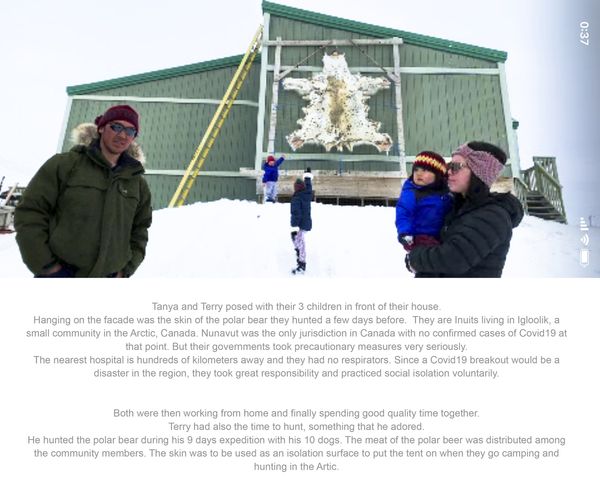
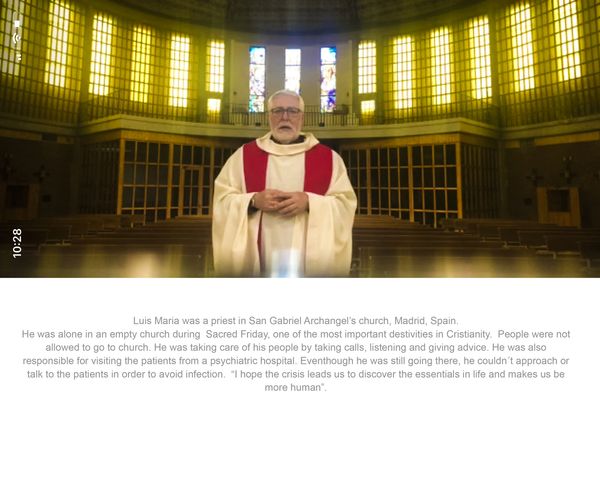
During 80 days of quarantine, Lucía photographed the world. Her camera traveled to where her body was not allowed, entering the confined homes of strangers, captured as video-call SCREENSHOTS.
A story or a legend is based in a certain degree of truth. They have the ability to make us dream and suffer fear from the comfort of a sofa or the light of a fireplace.
Once upon a time there was a world without people. They were all lock down in confinement. From the largest overpopulated city to the most remote island in the Pacific Sea, people were at home.
Once upon a time, there was a woman photographer. She was confined in a flat in Barcelona, scared by a lethal virus and fearing that the world would collapse.
The world was shifting towards digitalization of work. She decided to dematerialize herself as a photographer.
During 80 days of quarantine, she photographed the world in a display of technical and social virtuosity.
Society was divided in what was called “essential workers” and “the rest of us”. The search for truth became a desperate and unfruitful action.
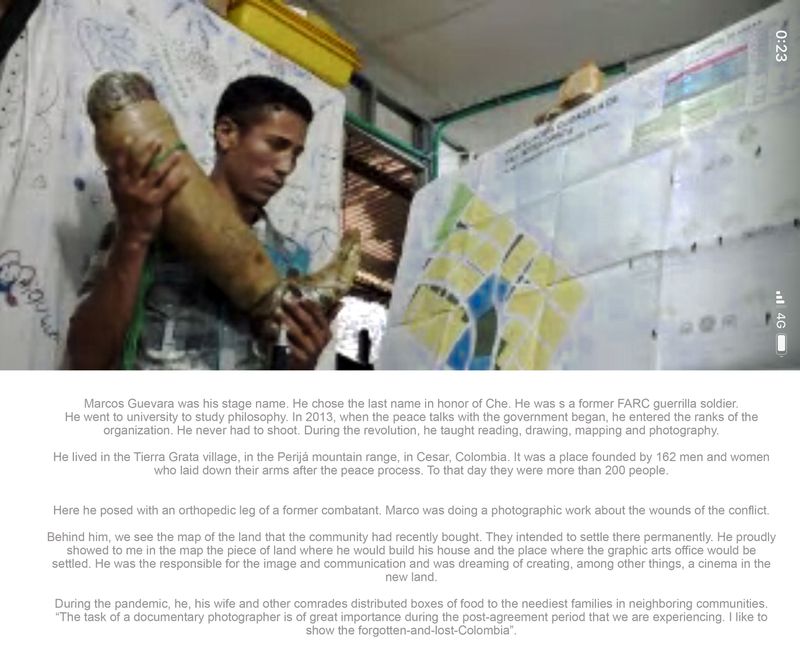
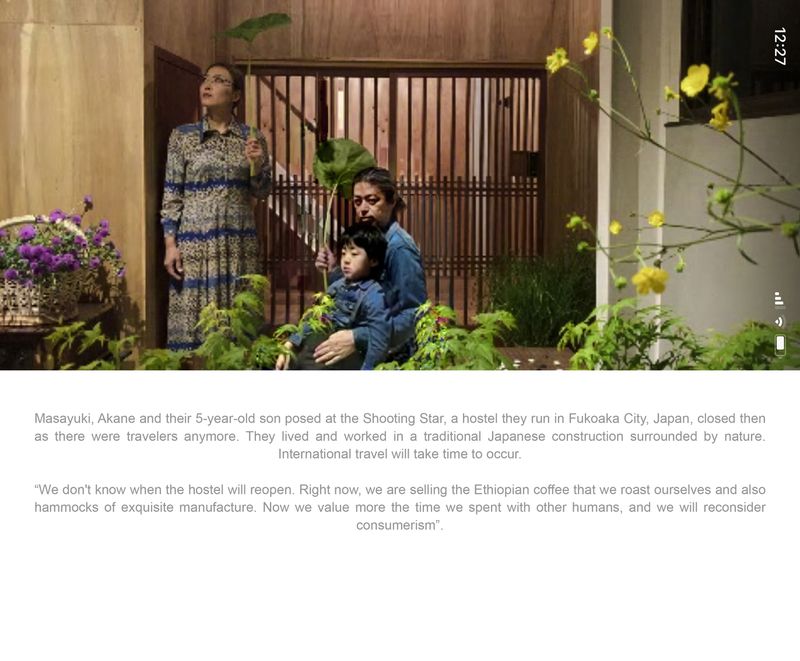
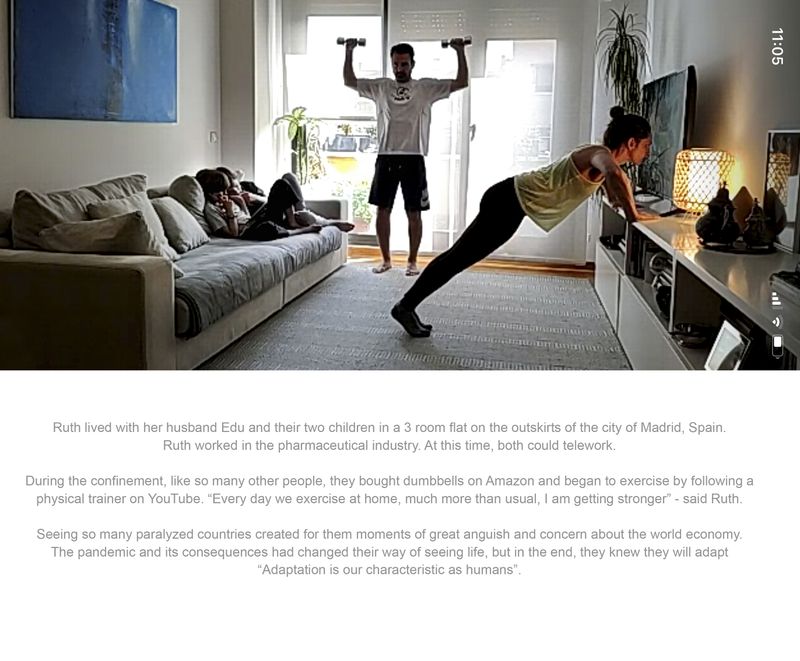
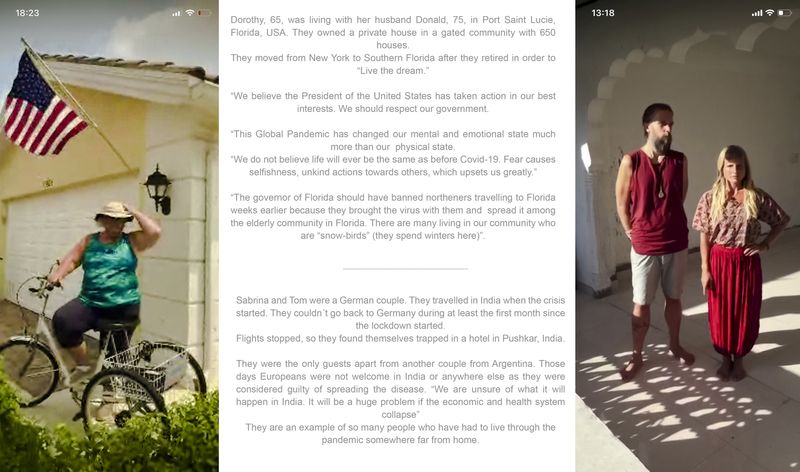
Her camera traveled to where her body was not allowed, entering the confined homes of complete strangers: Innuits in Canada, doctors and essential workers, refugees, Italian circus performers, activists, disarmed guerrilleros in Colombia, a priest in an empty church, doctors in Yemen or Olympic champions training at home… etc
She got a photographic collection of 120 stories from 5 continents, all captured as video-call SCREENSHOTS from her living room.
The composition is delicate and cinematographic. Not easy to direct it from so far. Pixelation here is a signifier of distance and technology.
Her eyes moved freely during a time of physical immobility. This is her logbook, a way to understand through a great puzzle made of complex mini pieces.
She remotely lifted the roofs of distant and unknown houses and looked inside.These strangers looked at her, motionless like animals surprised by the headlights of a car at night.
This is a letter from the aftermath. A blurred memory drawn with perfect imperfection and pixelated by a questionable report of doubtful facts.
-----------------------------------------
This is a philosophical and experimental approach to photography storytelling. How much control over one´s work and vision can a documentary photographer have when she can´t even be on site or touch the camera?
A game triggered the idea: During the first week of confinement, Lucía and her daughter played from the balcony with a mirror. They reflected light from the sun inside of the neighbor’s apartments. Lucía realized that she could also get into their homes through another immaterial essence: The Internet.
MATERIALS:
The art pieces are presented in the shape of a lightbox of about 20x10 cm, pretending to be the backlight of the screen from the mobile phone. It is an installation.
The explanation of each picture goes in a different place, on the wall as a side panel.
The project is formed by a collection of “main images” and their captions explaining who and where these persons were and the effect the pandemic was having on them.
Lucía also has compiled other materials that are meant to become a book:
- The preparatory photos and videos she received from the subjects showing their houses, families, activities. An amazing
- The views from their windows. Germany, New York, Polinesya, a Spanish village, the Colombian Jungle, the Sky from a skyscraper from Singapore, Paris, a market in Ghana …
- The drawings and sketches the artist sent to the models to guide them into the process of setting their mobile phone using improvised tripods and facing the chosen frame.
- Their correspondence and interviews.
- There is also a map of the tracking of contacts that echoes, in format and style, the ones used to track the virus spread around the world.