On la natura s'esvaeix / Where nature fades away
-
Dates2021 - 2025
-
Author
- Location Barcelona, Spain
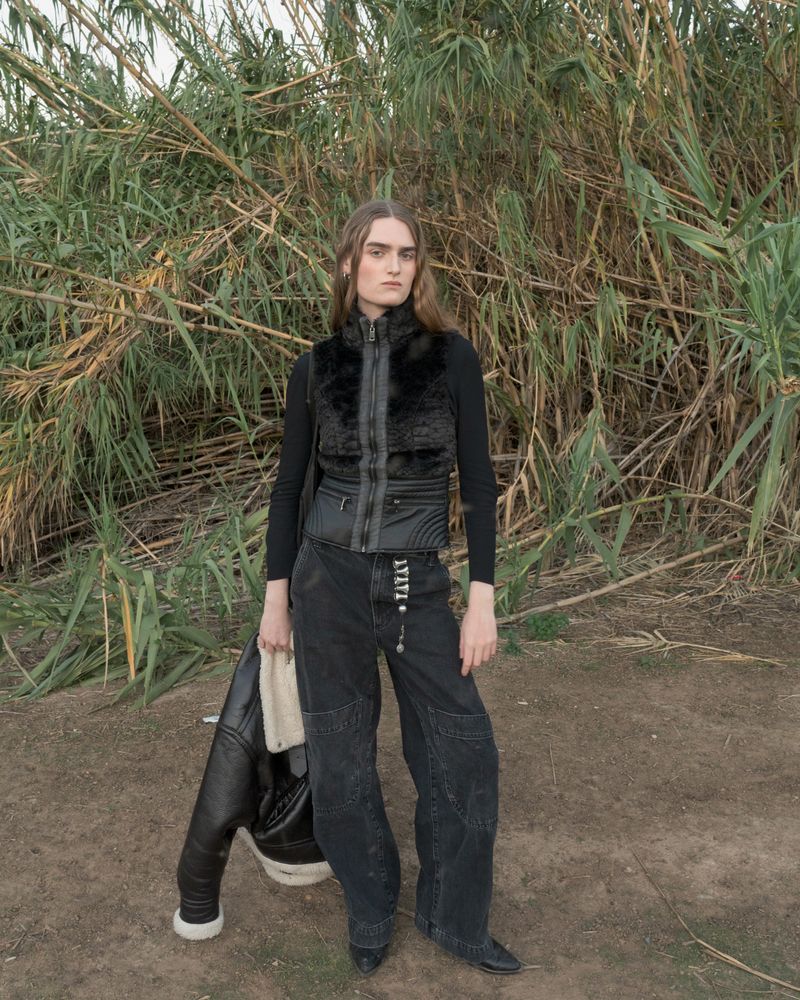
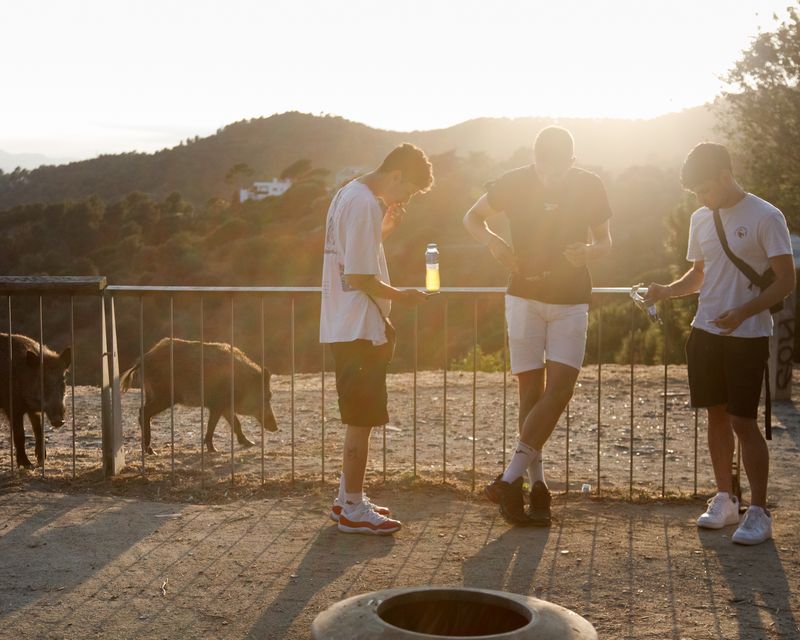
On la natura s’esvaeix is a project that, using Barcelona as a case study, reflects on the unstable balance between cities dwellers —facing the challenges of the climate crisis— and the nature that surrounds them and continues to resist.
On la natura s’esvaeix is a photographic project in progress that began in 2021. Through it, I reflect on how contemporary cities confront the climate crisis and how, from the asphalt, we relate to the nature that surrounds us.
I have taken the city of Barcelona as an example, not only because it is my city, but also because, according to Eurostat data from 2018, it is the most densely populated city in Europe. Sixteen of the twenty square kilometers with the highest population concentration on the continent are located within Barcelona or its metropolitan area, all with more than 40,000 residents.
Barcelona has a particular geography: it lies between the sea and the mountains, flanked by two rivers. These natural elements limit it, yet due to the lack of green spaces within the city, they also give it room to breathe.
How do those of us who live in cities relate to the nature that surrounds us? Are we merely visitors? And conversely, how does that environment perceive being surrounded by millions of people?
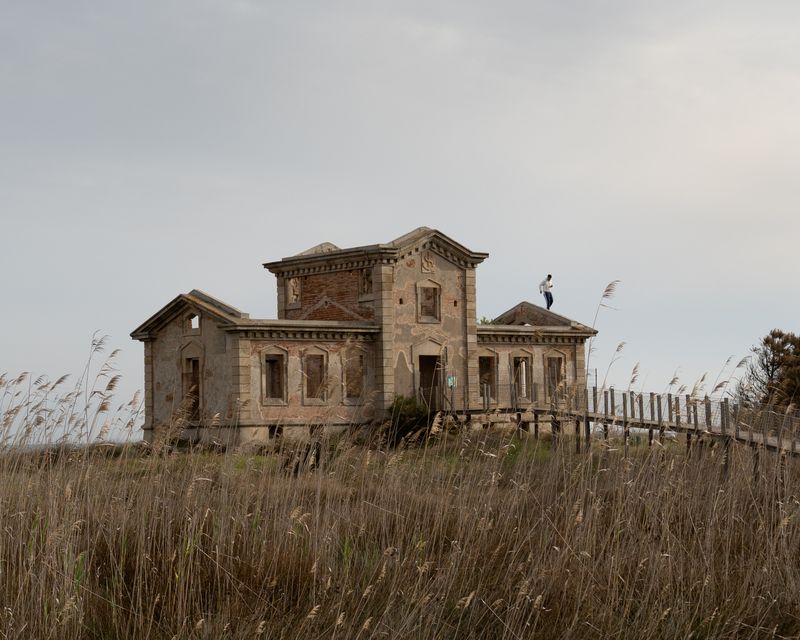
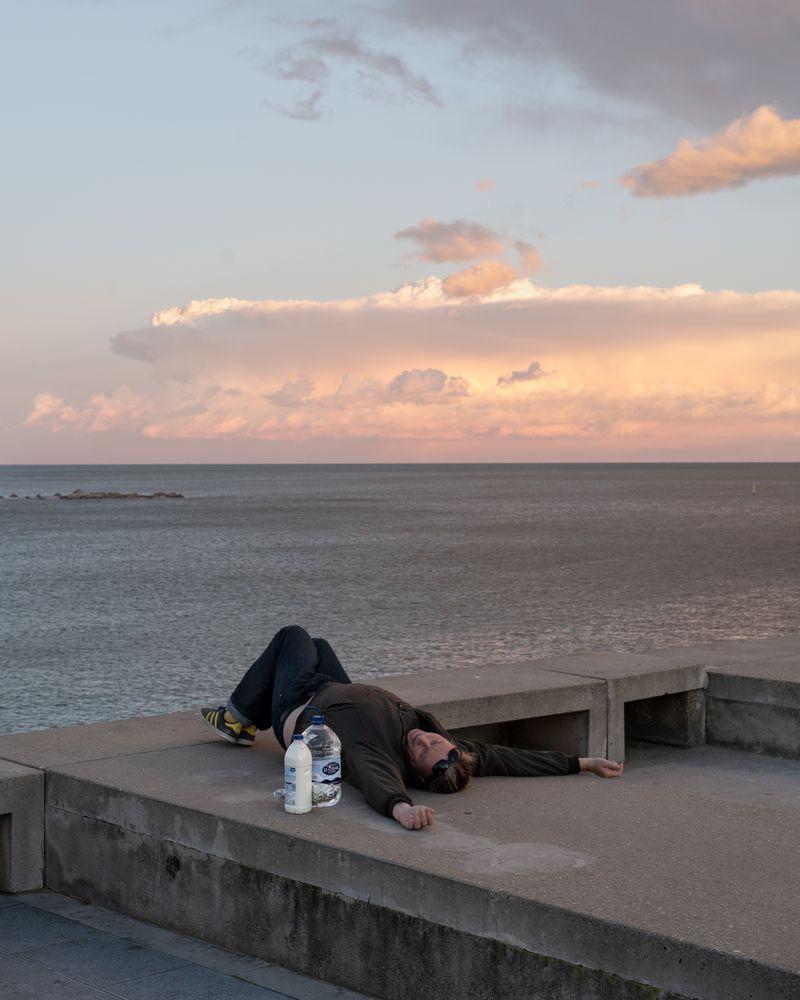
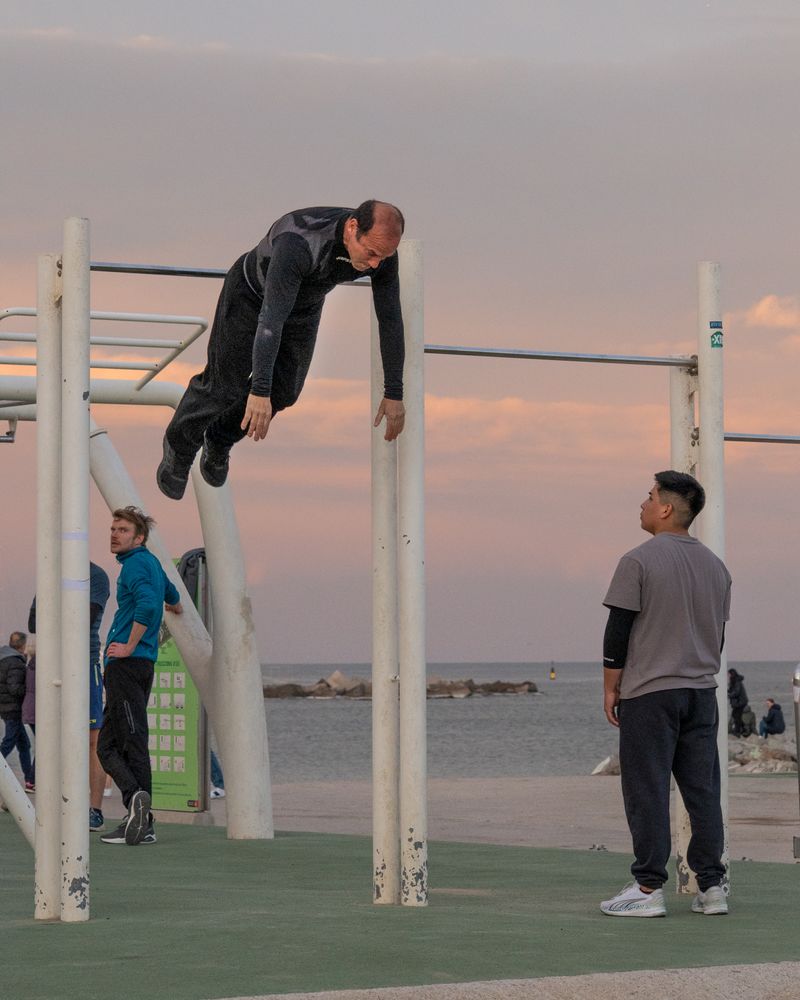
These questions have been the driving force that has led me to explore these frontier spaces. On la natura s’esvaeix observes these border territories, paying attention not so much to those who inhabit them, but to those who pass through them.
_________________________________________________________________________________________________________
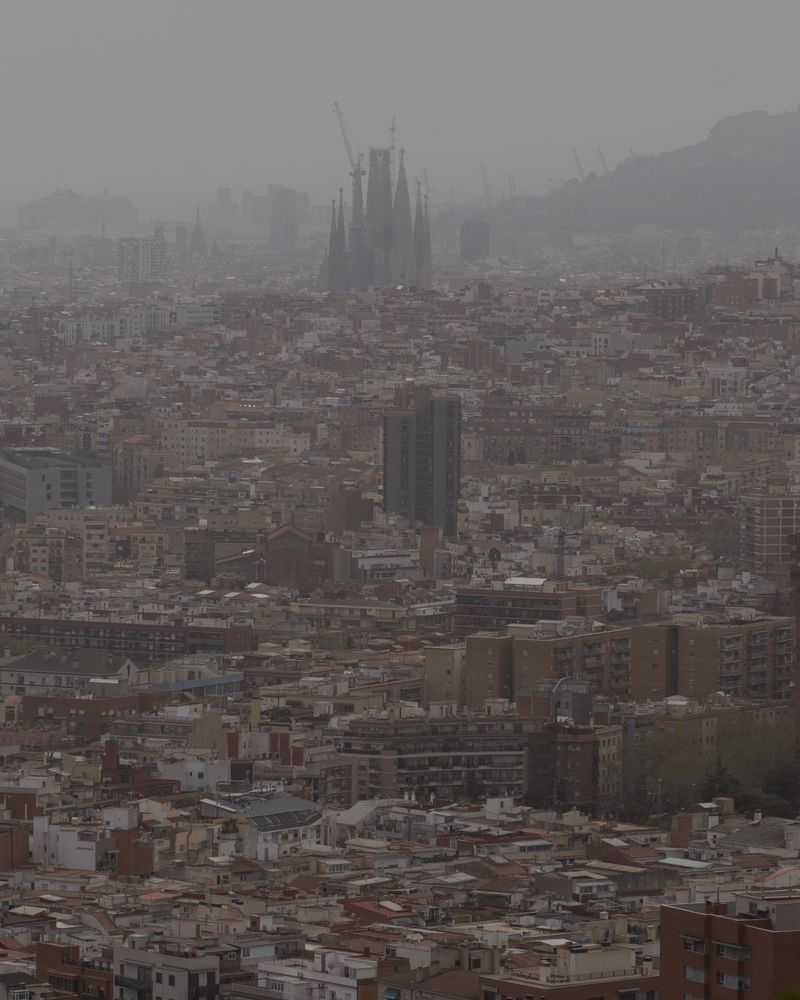
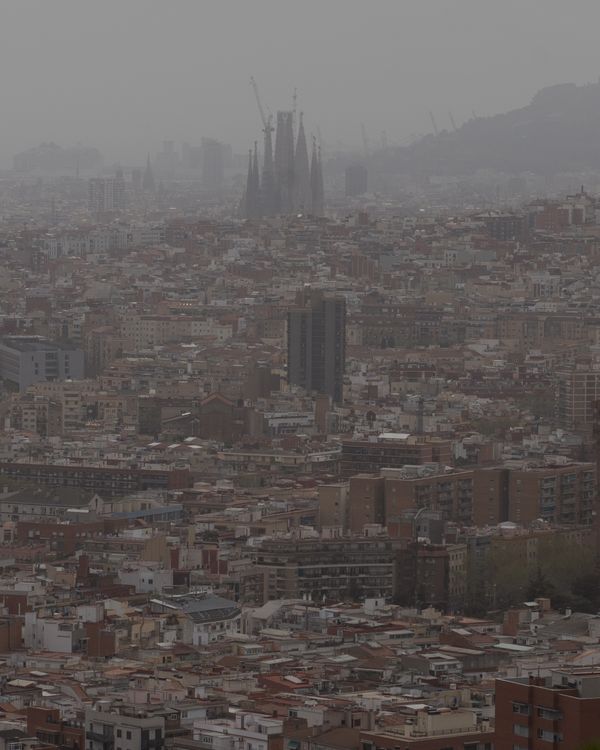
"The dense, compact, almost nauseating city suffocates beneath a veil of smoke.
Which city? Eugeni Gay Marín began this project quite some time ago, initially to photograph the gigantic expansion of Barcelona (there, lost in the gray, I recognize the Sagrada Familia), a city nestled between the sea, the mountains, and two rivers.
Yet this work is not, strictly speaking, a documentary series devoted to the urban planning schemes that led to the expansion of the Catalan metropolis. In this body of work, there are none of the expected images: high-rise buildings, construction sites, mass tourism, crowded streets, throngs of people…
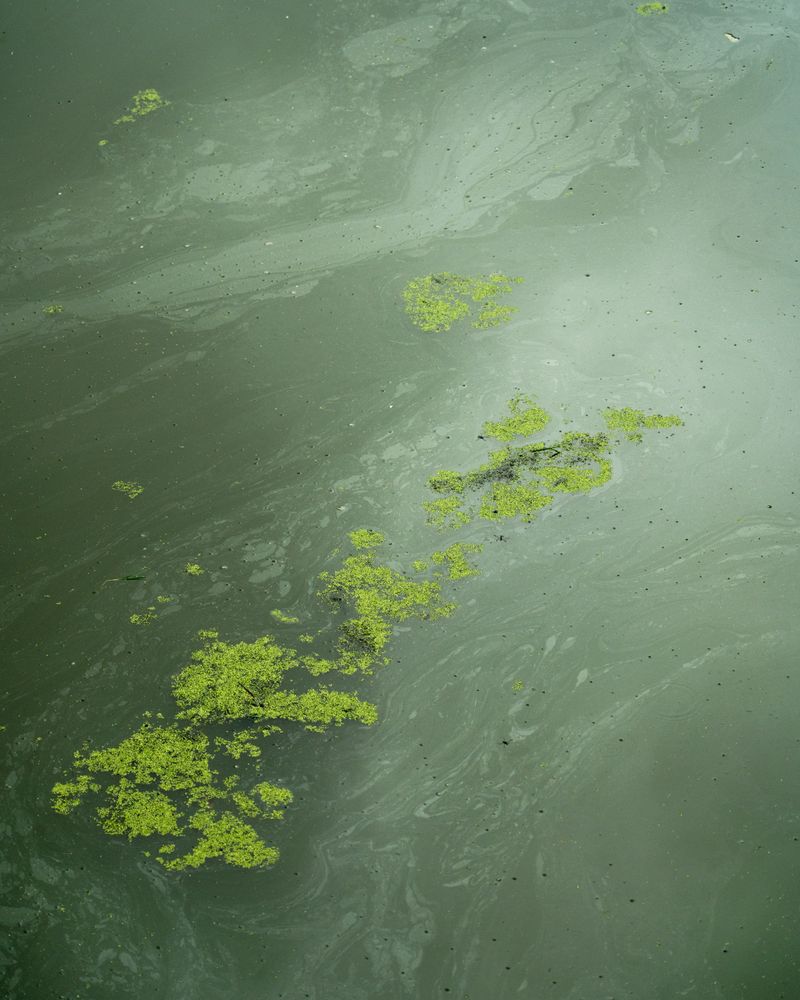
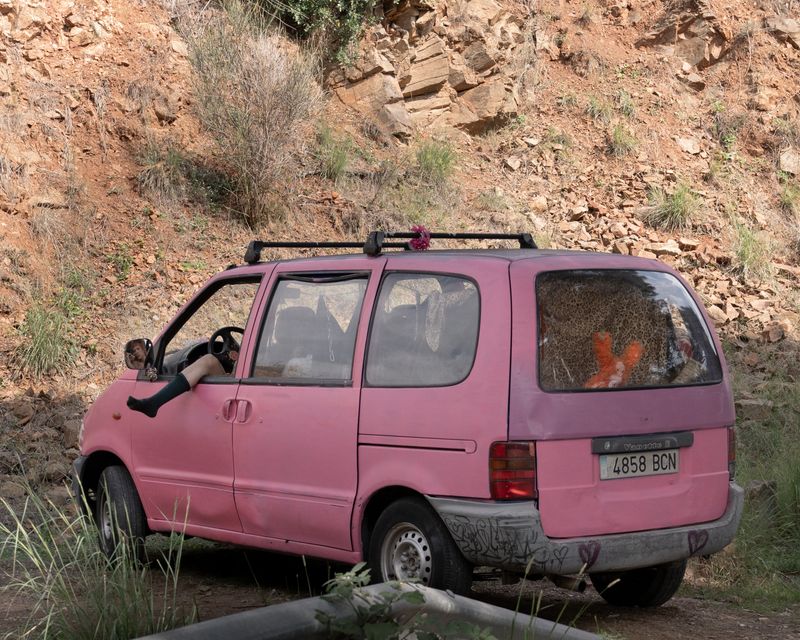
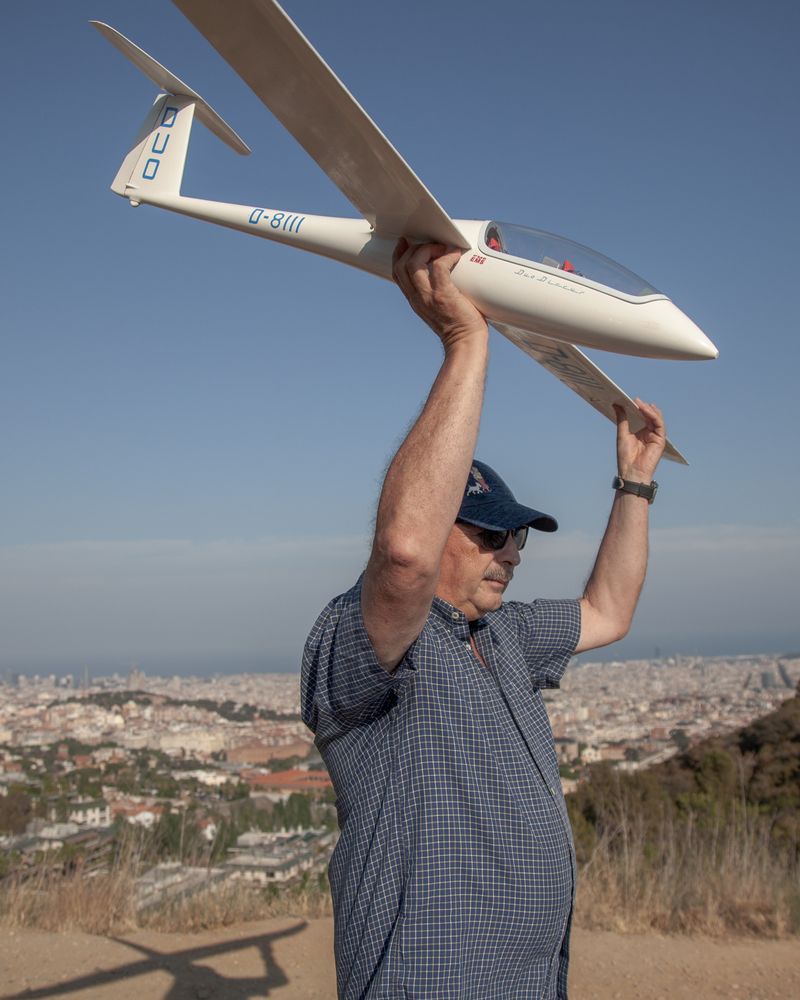
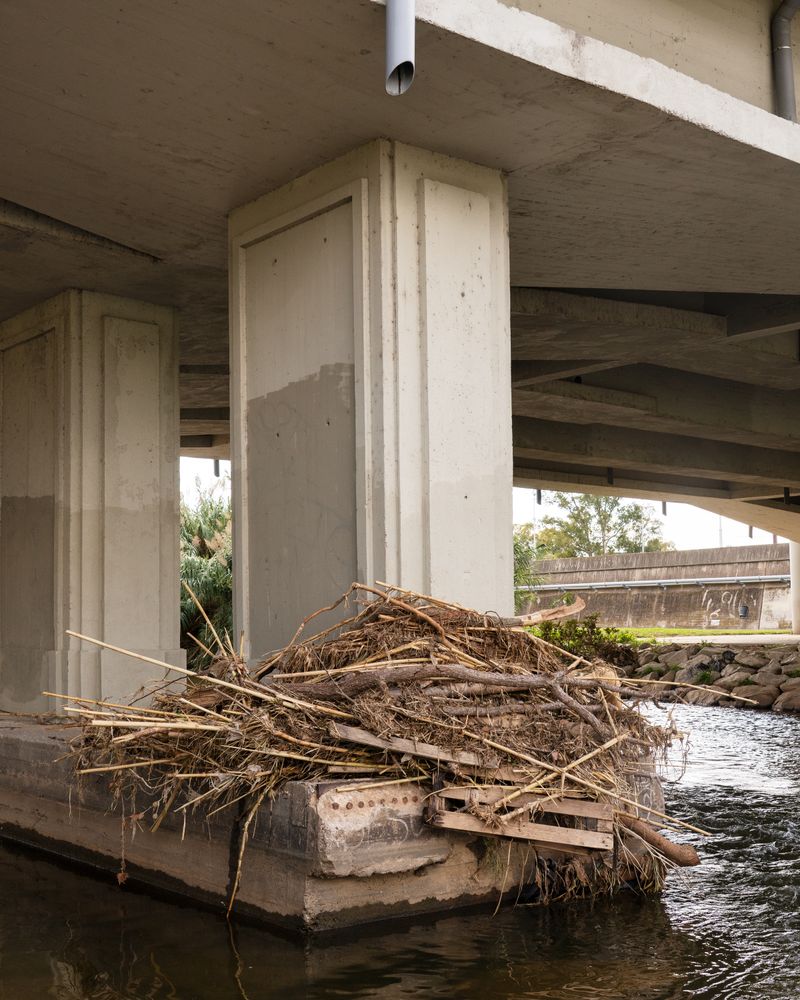
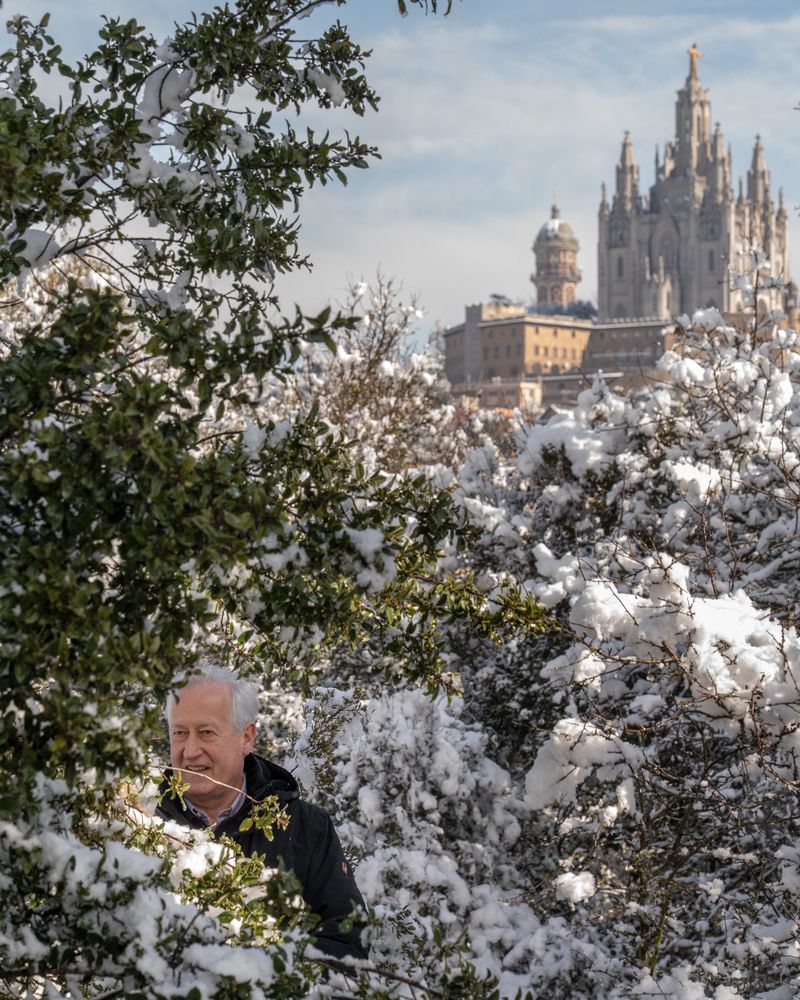
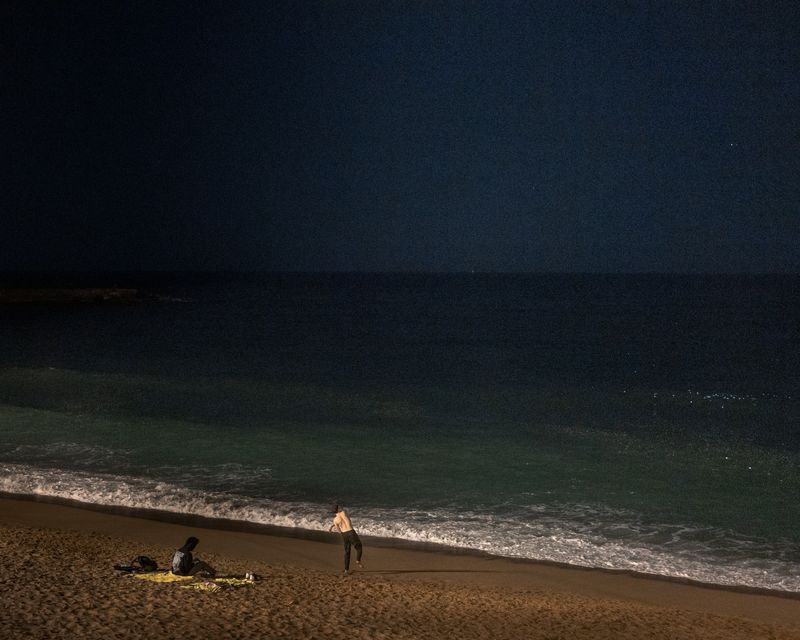
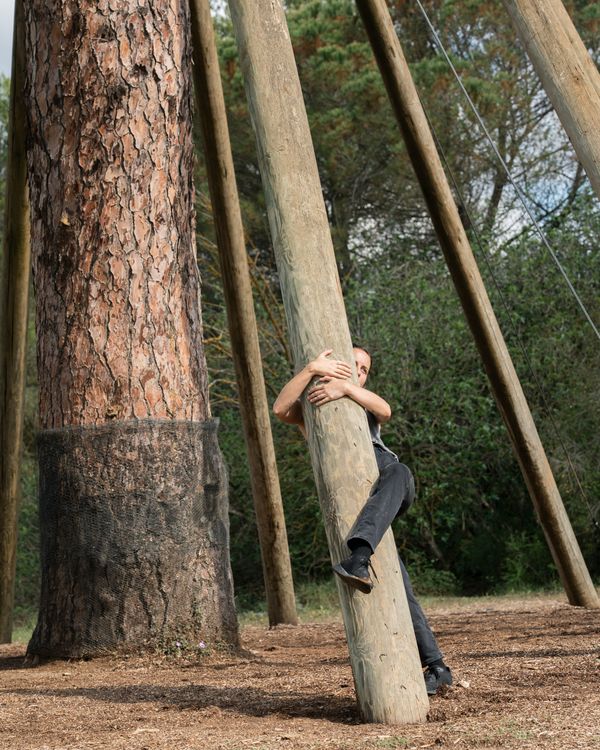
In Barcelona, Eugeni Gay Marín photographs parks and the city’s edges. He explores places that feel like parentheses, breathing spaces, forms of refuge where urbanization does not overflow. Ultimately, although Barcelona is the point of departure, this series speaks to all our contemporary major cities and our ways of life. As a counterpoint to runaway urbanization, it questions the place of nature, which still survives and resists. In doing so, it also invites us to question our own place, our relationship to the spaces we inhabit and to our environment.
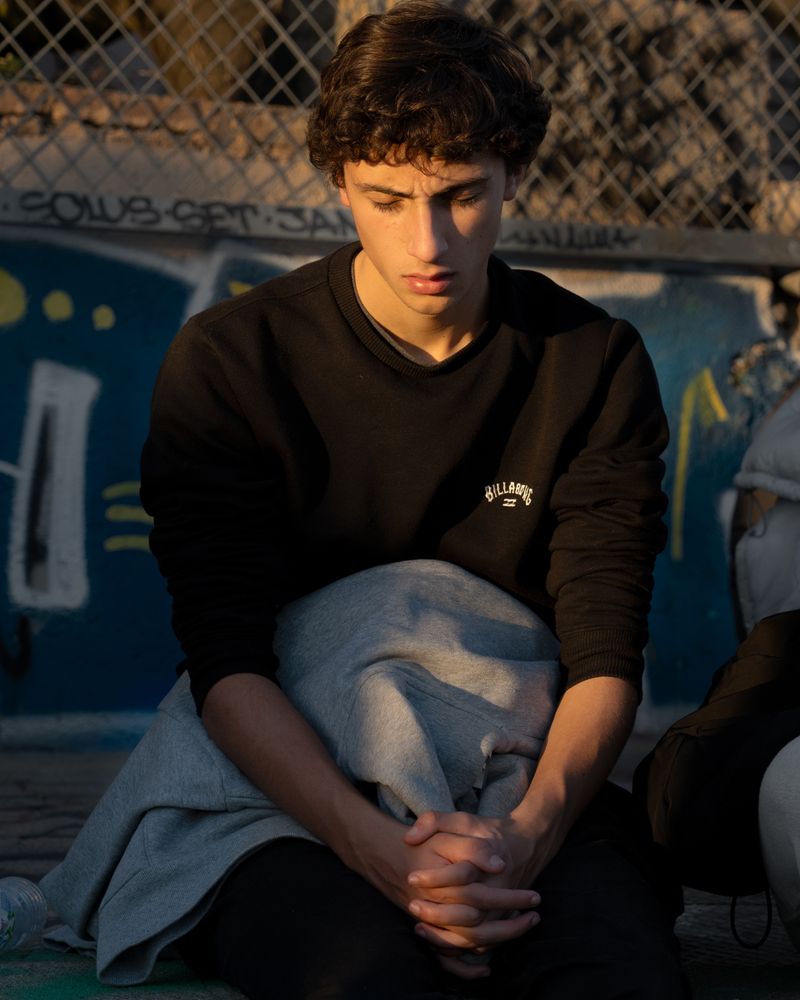
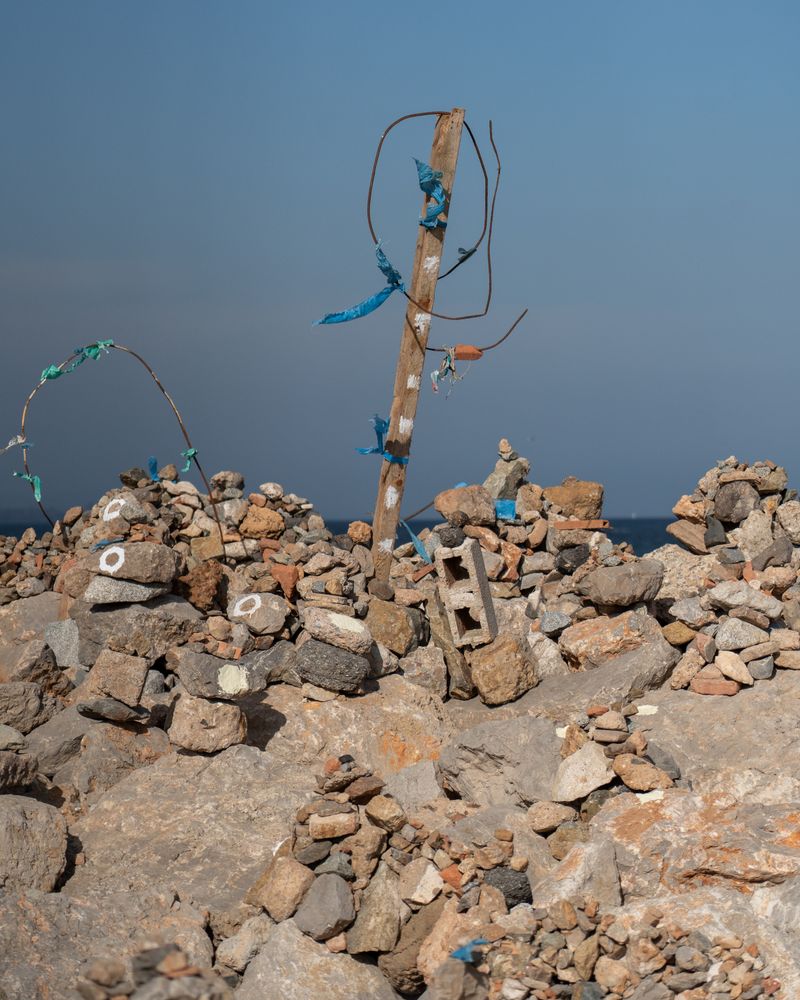
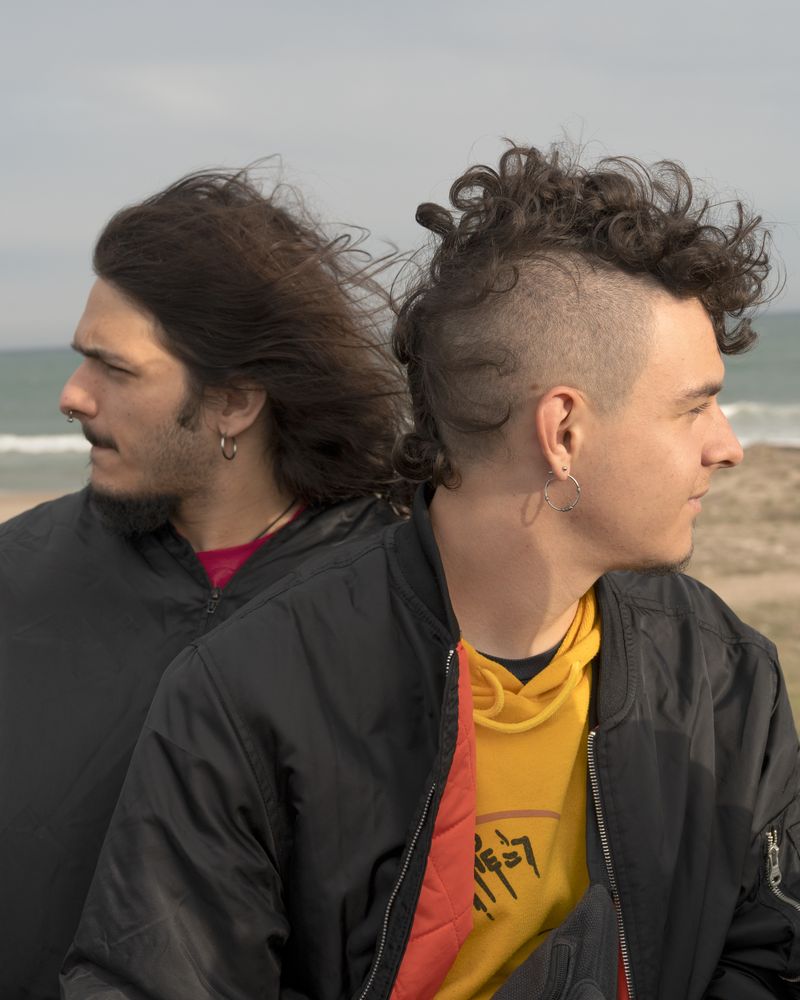
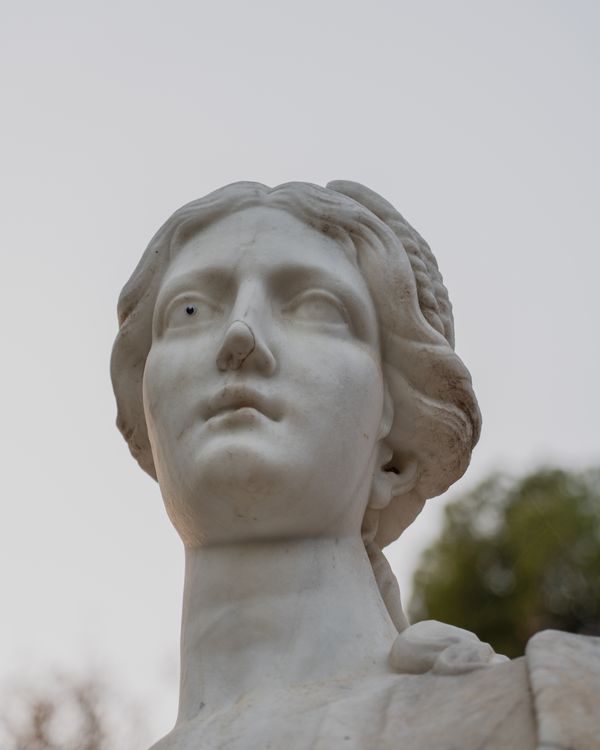
Here, humans and the few animals that remain seem caught in a form of unstable balance, a kind of tension, as if they were no longer entirely sure of their place or of the world to which they belong. The photographer’s gaze gently captures traces here and there—dreamlike or lost looks, half-formed smiles, flights. He detects signs and records remnants, sometimes of human constructions, sometimes of a nature that refuses to be overtaken by the city. Nature fades; it does not disappear.
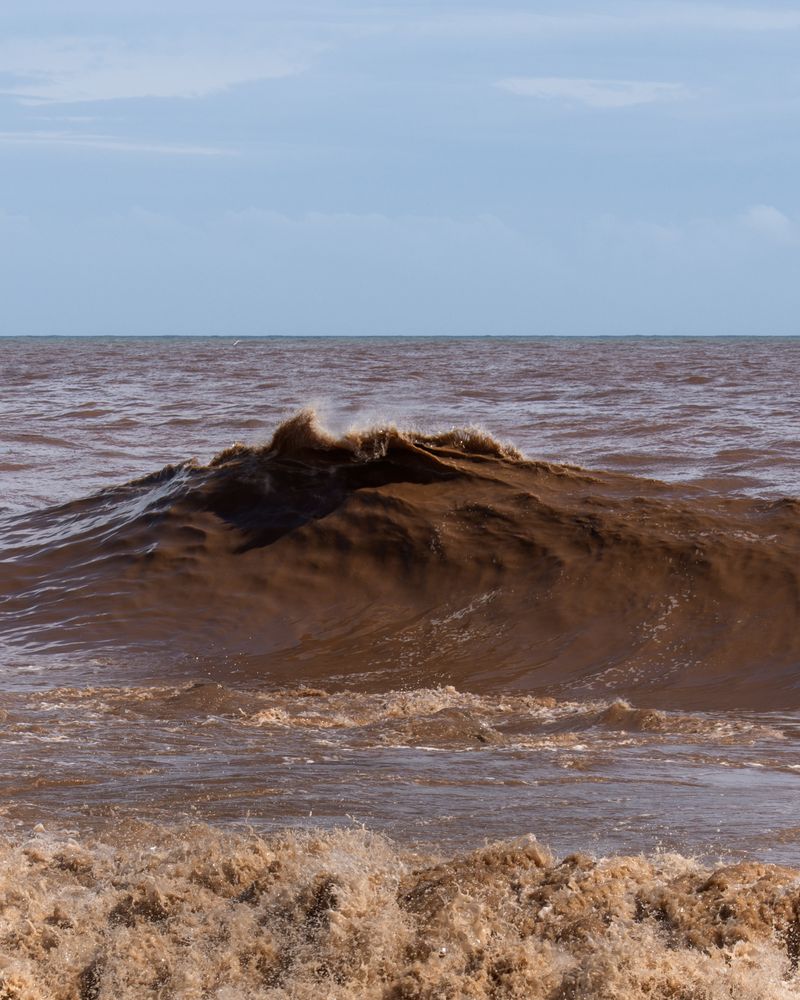
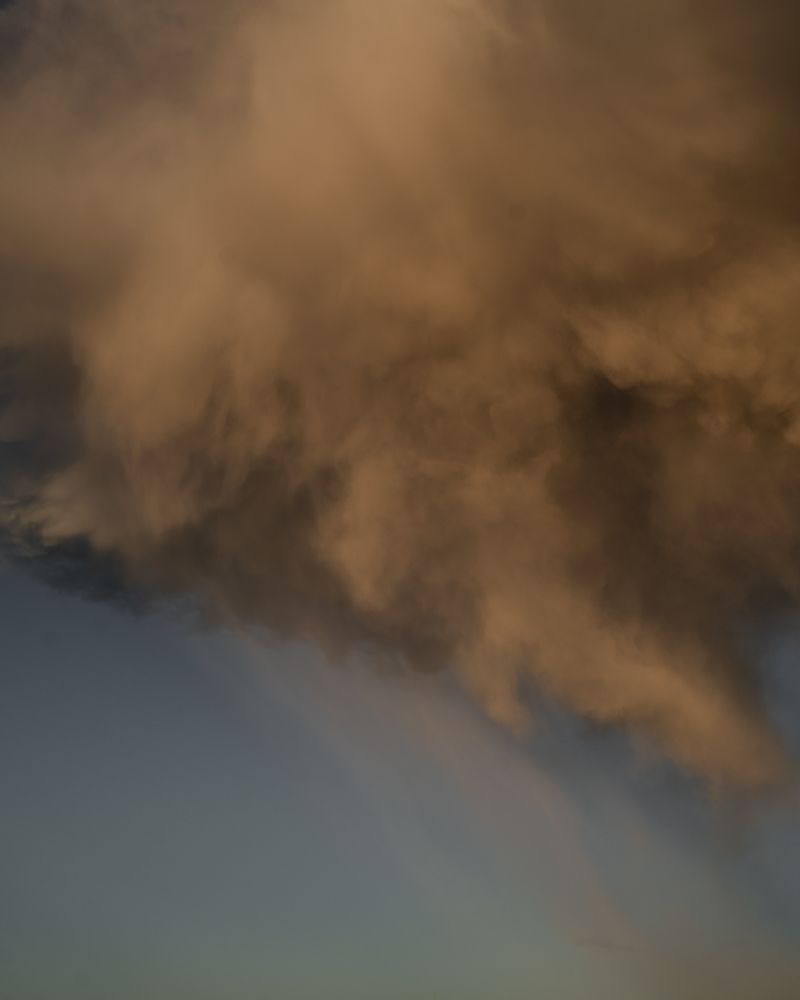
On closer observation, the four elements are omnipresent in this series: the sea, the arid or muddy earth, the sometimes heavy sky, and above all the blinding or muted light of a fire that still burns."
Caroline Bénichou