Olympic Village
-
Dates2022 - Ongoing
-
Author
- Locations Adelaide, South Australia
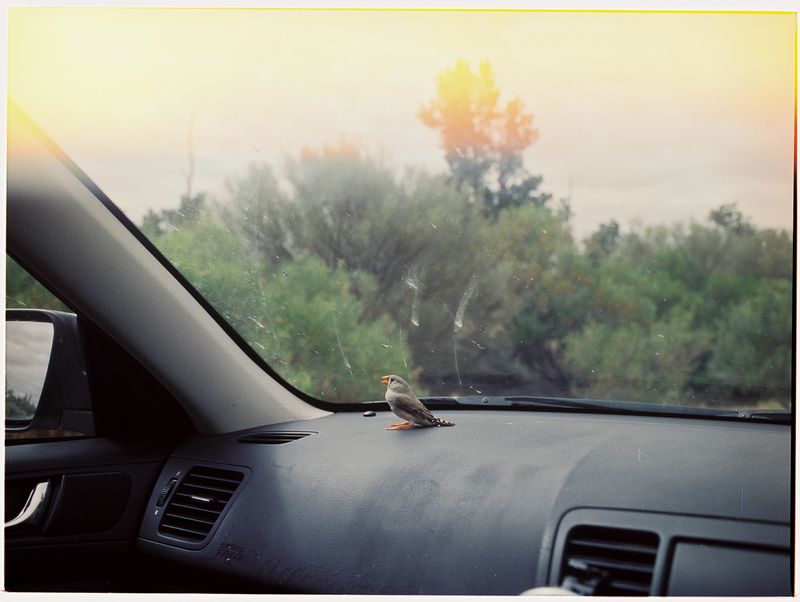
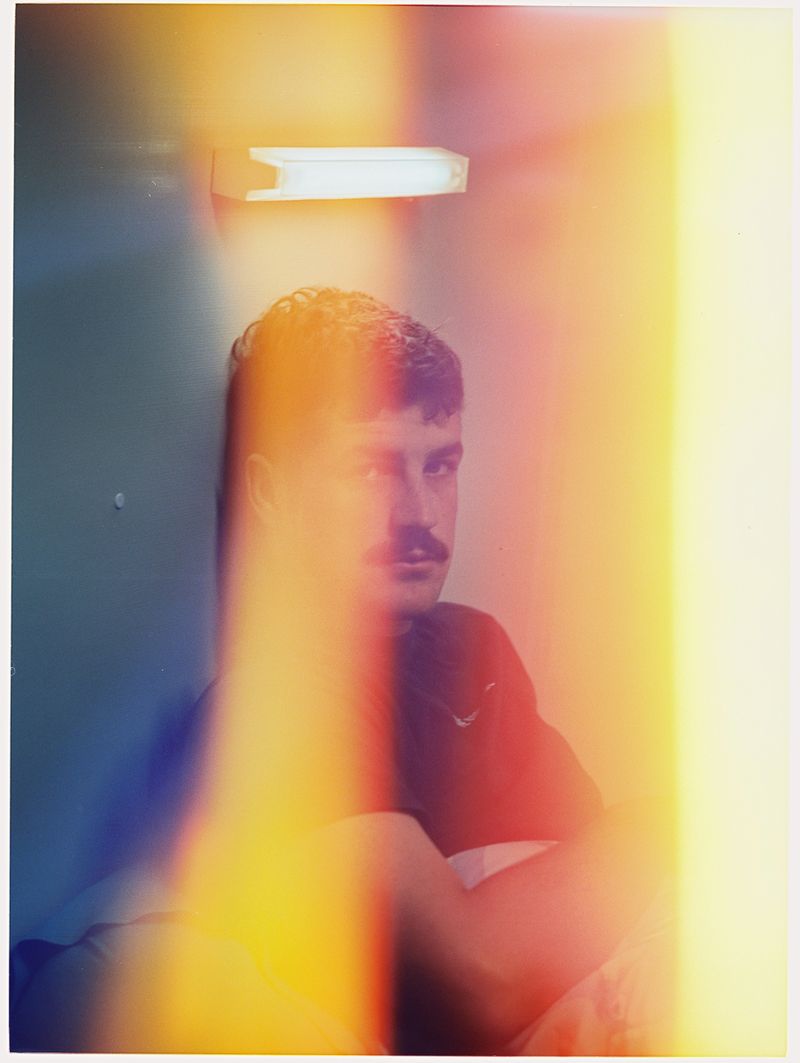
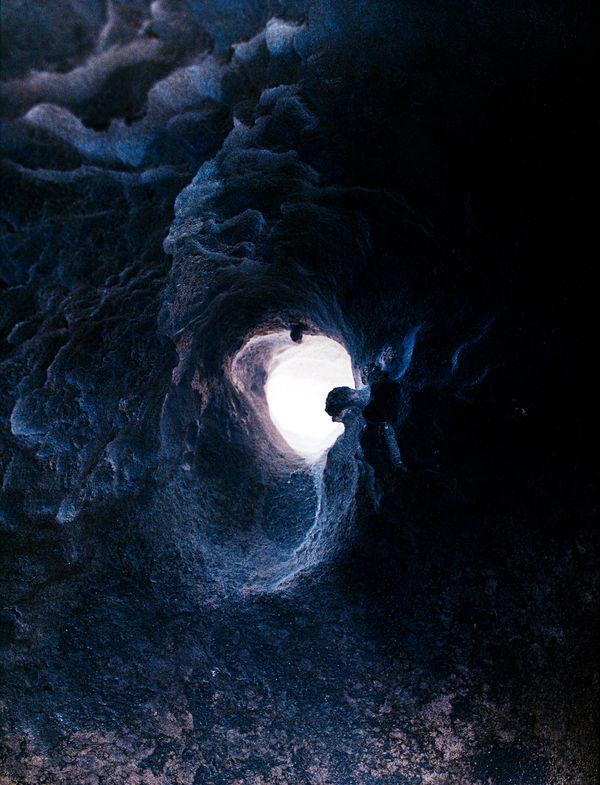
Olympic Village explores what it is like to be a young person growing up in the economic and social culture of mining- Australia’s most profitable industry. It focuses on the huge underground site of BHP's Olympic Dam, but without ever gaining access.
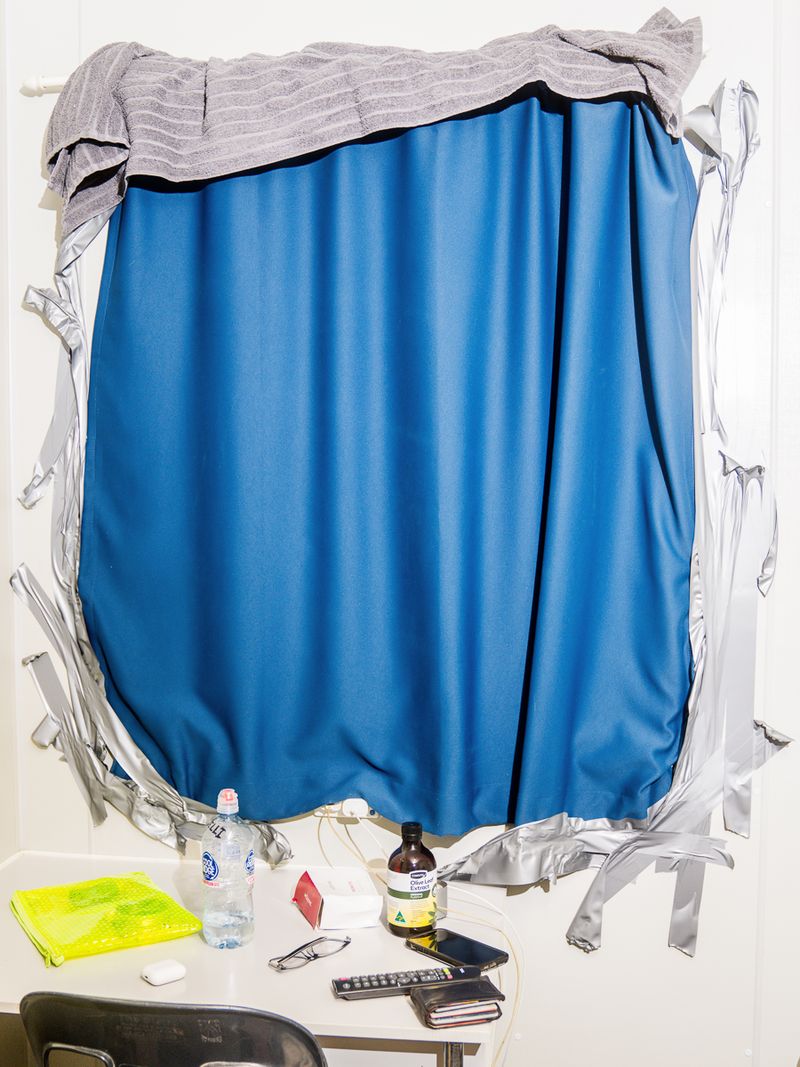
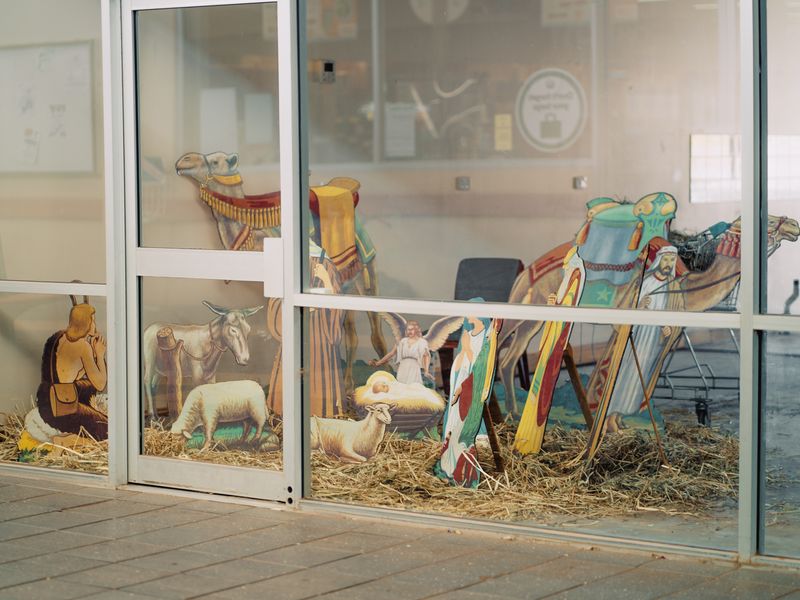
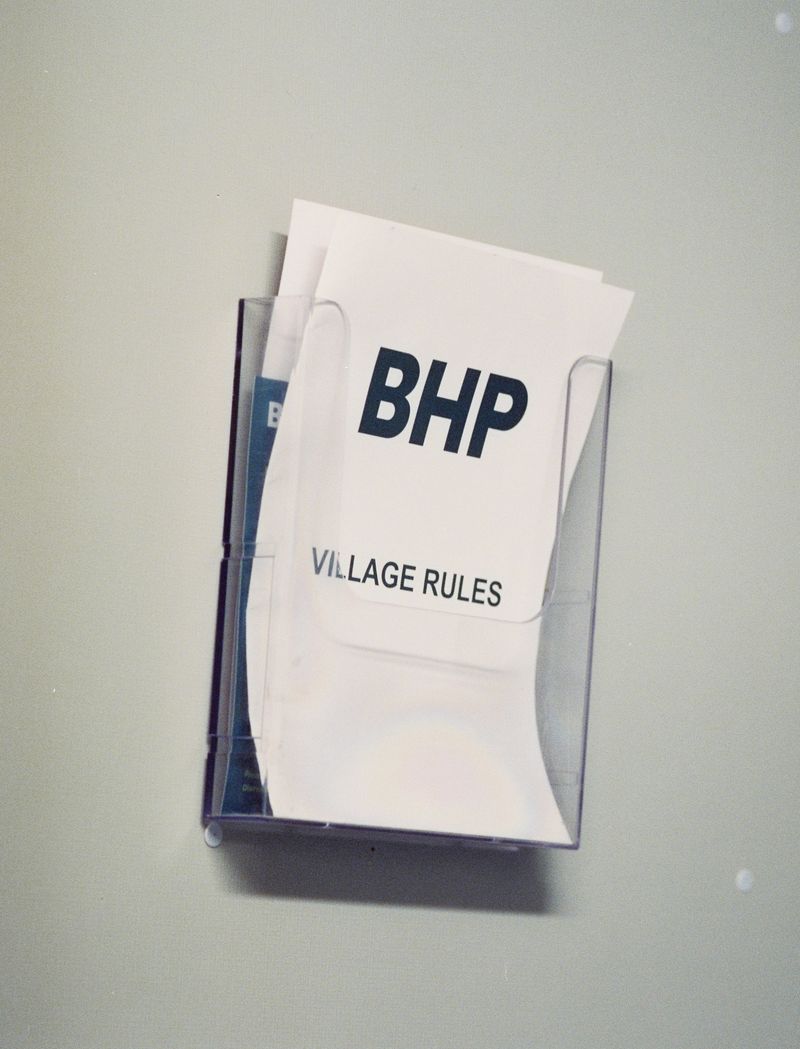
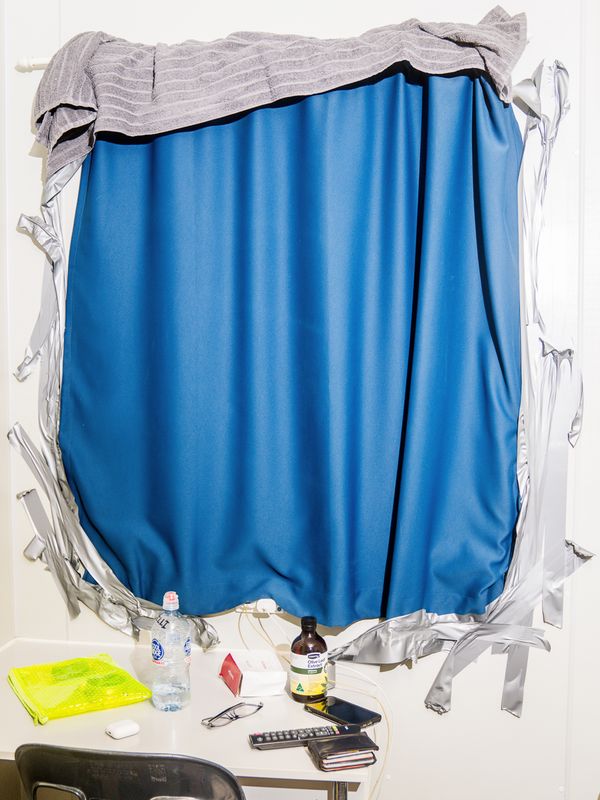
Olympic Village looks curiously to find the social culture of people within the mining industry in South Australia, by way of Olympic Dam. BHP’s Olympic Dam is a mining operation situated 600km North of Tarndanya/Adelaide on Kokatha Country. An extensive underground mine with over 900km of underground roads and above-ground processing and storage facilities, it is a remote yet enormous economic and industrial extraction operation. Predominantly extracting Copper, it is also the world's largest single deposit or Uranium. Alongside the mine site there sits a small, purpose-built town designed and opened in 1988 solely to service the mine— Roxby Downs. With an extremely transient population of 4500 people, Roxby hosts a huge population of shift workers, with many working Fly-In, Fly-Out (FIFO) schedules. I have family who have worked as FIFO employees at Olympic Dam, including my younger brother Louis and my cousin Patrick, and this is what brought me to Roxby Downs.
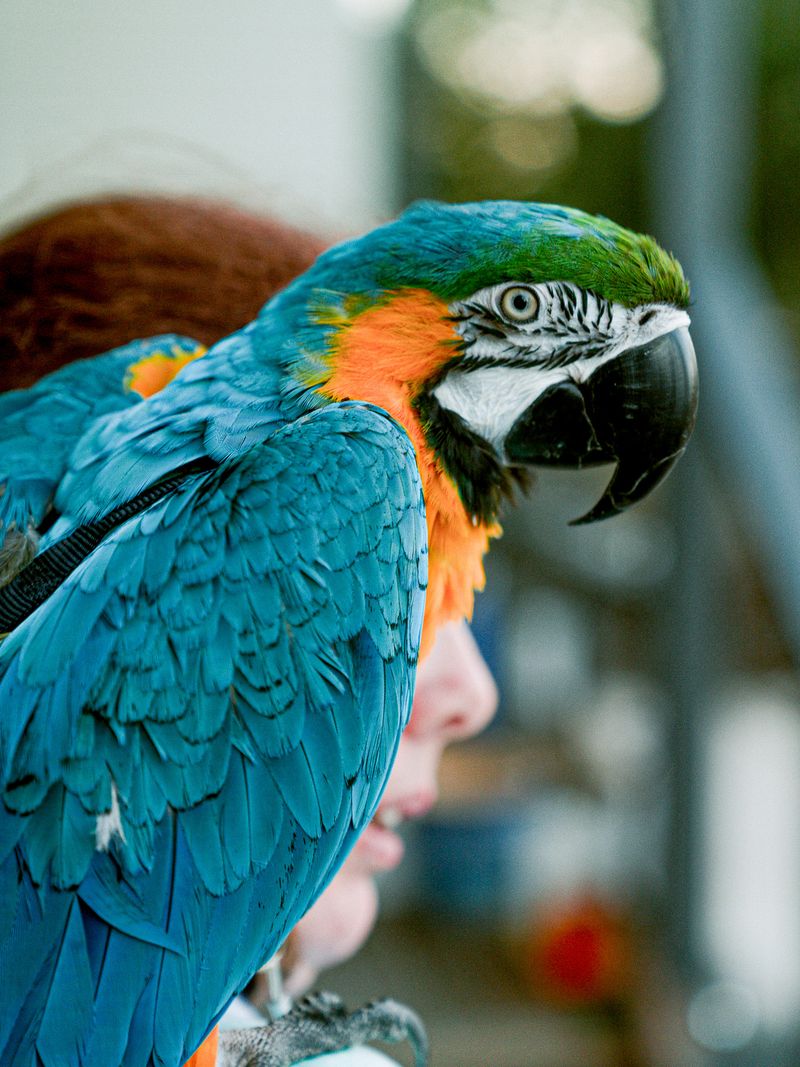
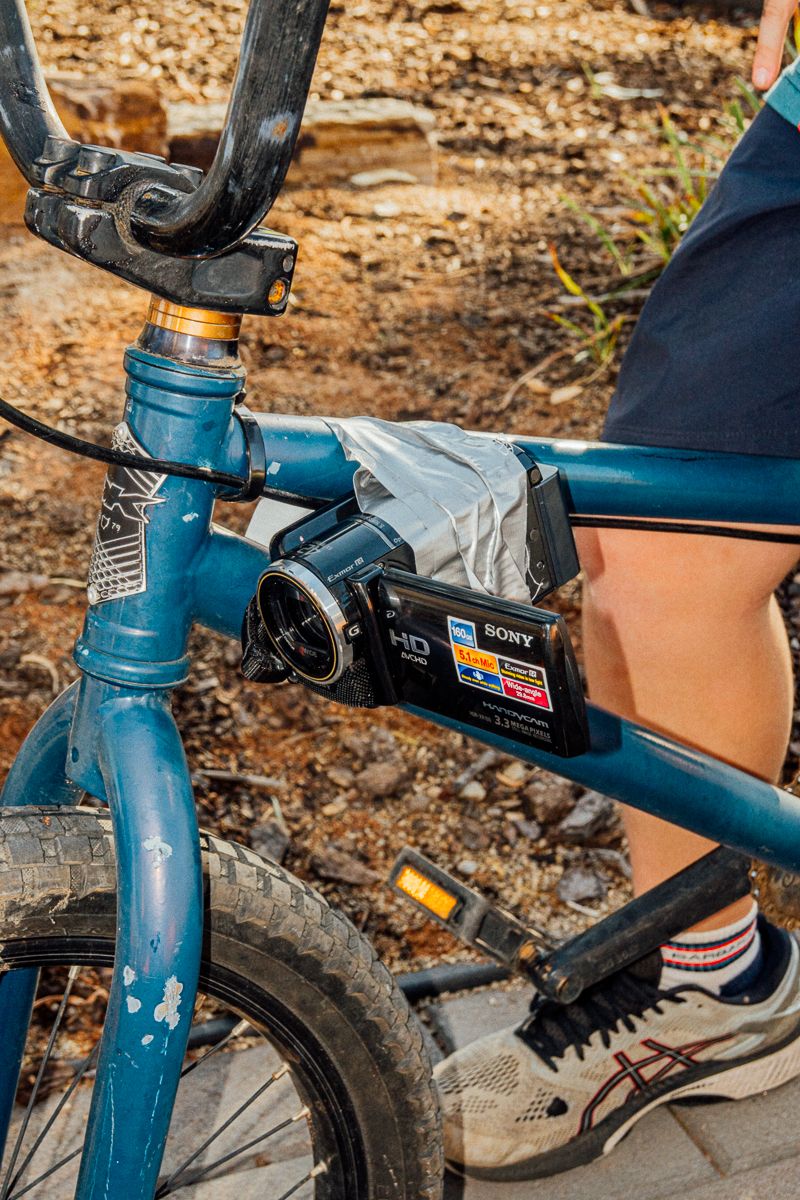
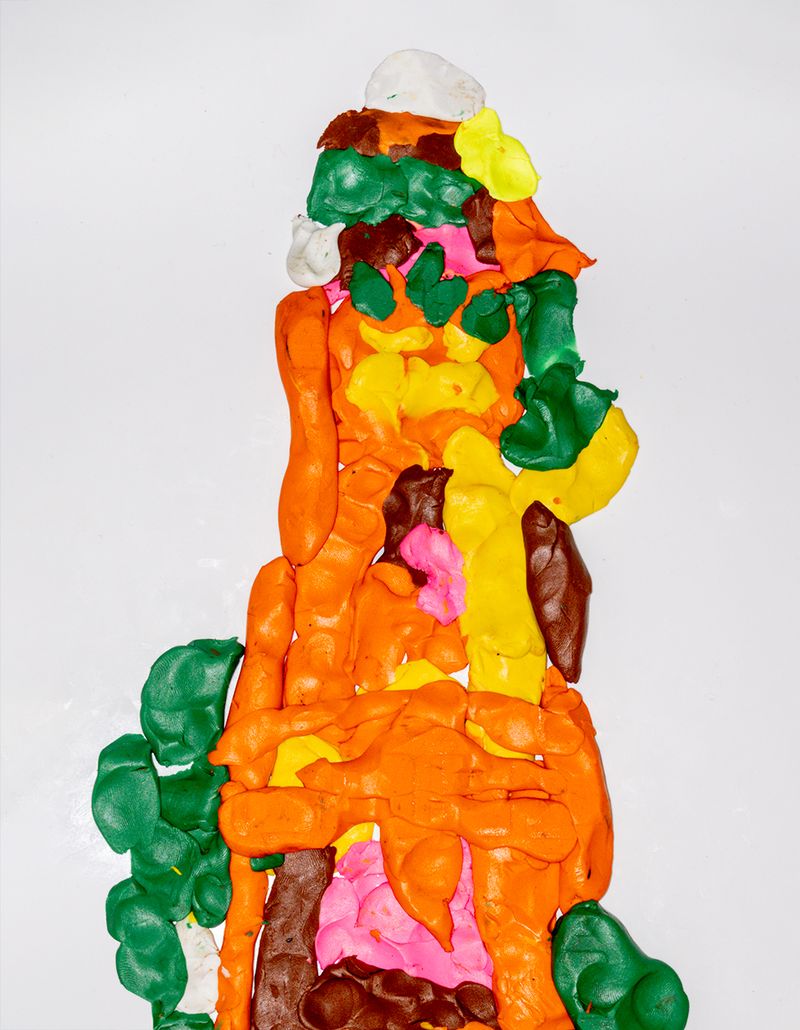
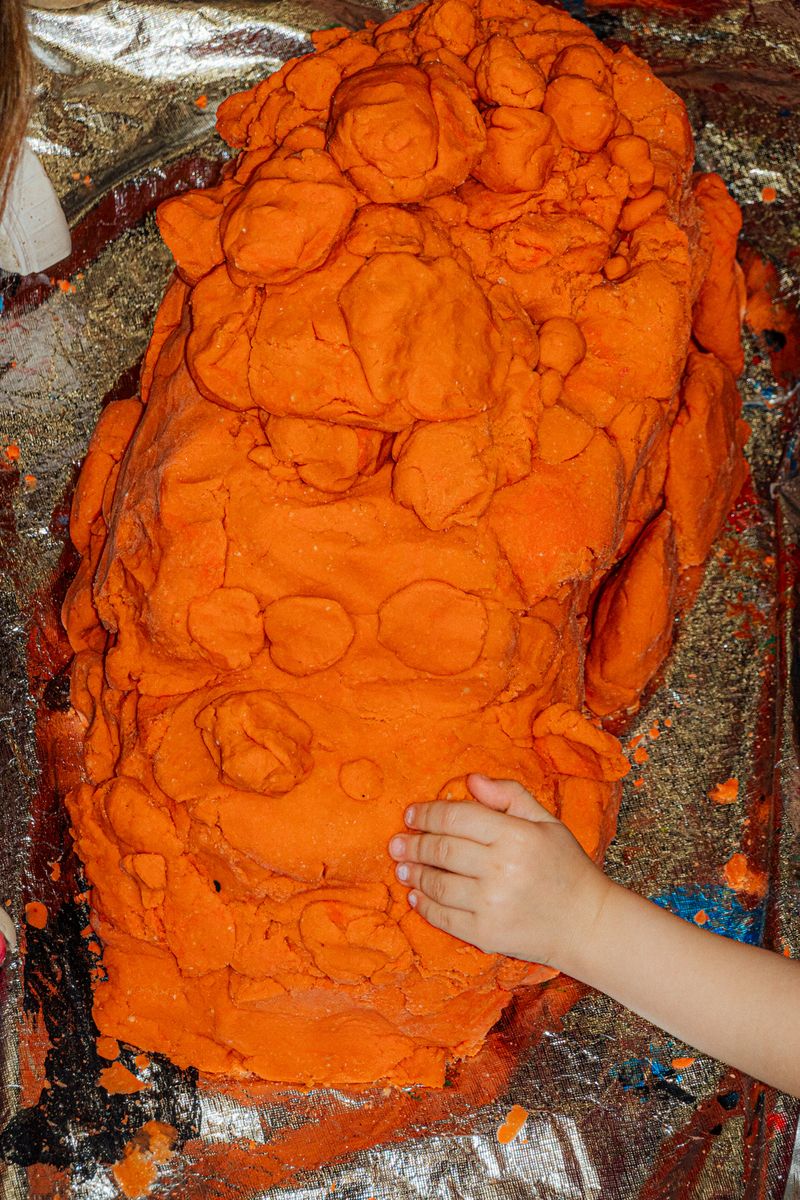
Following a series of failures to gain access to the mine site, I started to meet young people through the Roxby Downs school, youth centre and kindergarten. These kids in Roxby revealed a unique lived experience in relation to Australia’s most profitable industry. The majority of young people in the town have parents, caregivers or siblings working on site, working long shift swings. Many young people live with a sibling or help to raise one, because of their parent’s commitments.
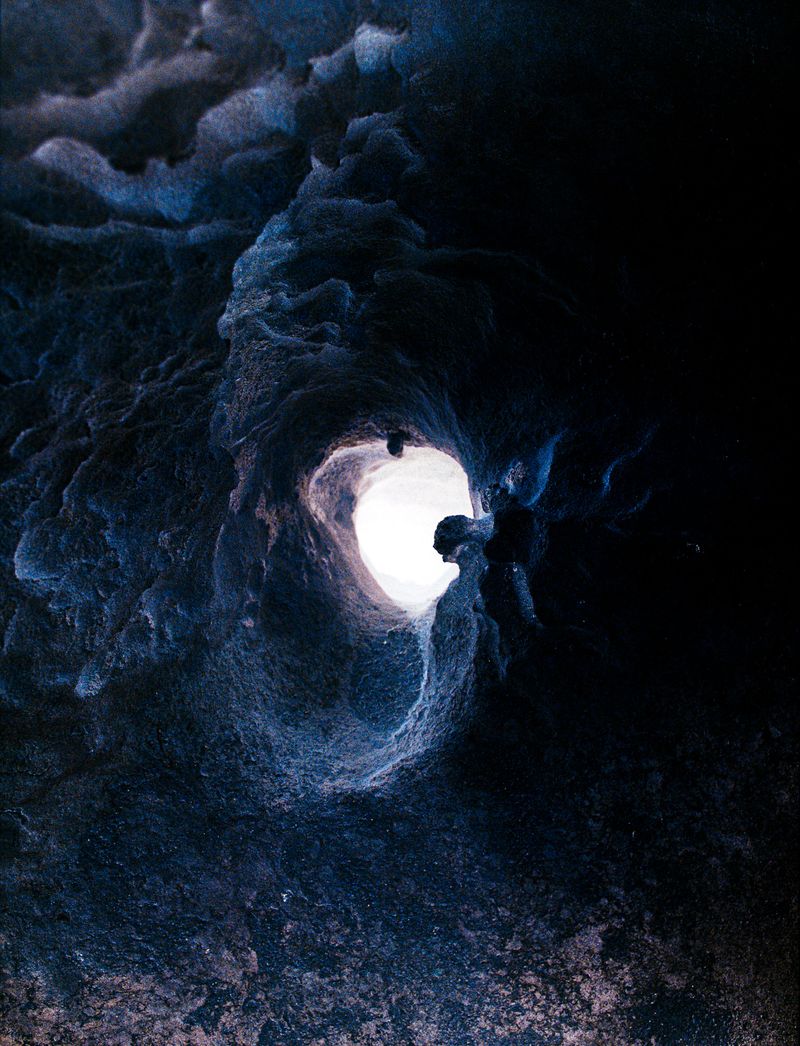
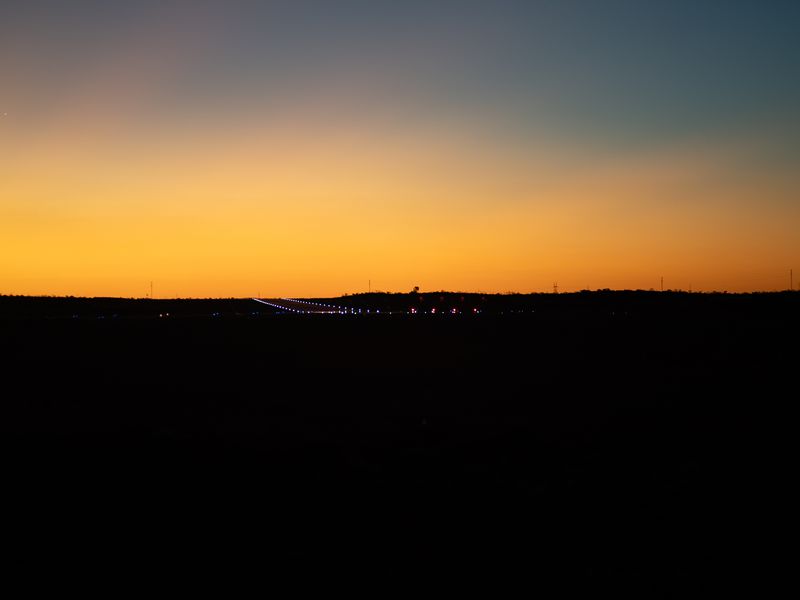
This project is aesthetically guided by a sense of proximity to something so monumental, a huge and proud machine, so involved in the lives in South Australians through it's role in the state’s economy as well as being the state's largest consumer of power and water. So loud and so bright from a distance, the mine's bowels remain invisible from the perimeter fence where only workers can enter. It is guided in process by the thoughts and dreams of the young people I have met, who live adjacent to this operation and are in many ways so close but so far. These young people are pushing my understanding of how work shapes - carves- families, and fuels national identity.