The sorrows of this field are yours
While living in Georgia, I have met many people affected by the Russian invasion of 2008. This experience has driven me to explore the topic of the currently occupied Georgian territories and the realities of life of those who live right around them.

After Russia invaded Ukraine I moved from Poland to Georgia: one more country that had experienced an invasion by Russia in 2008. Given the circumstances of the past three years, Russian imperialism and aggression toward its neighbors have become deeply personal issues for me. While living in Georgia, I have met many people affected by the Russian invasion. This experience has driven me to explore the topic of the currently occupied Georgian territories and the realities of life of those living right next to them.

In 2008, Russia invaded Georgia and occupied two of its regions. One of these regions is known as South Ossetia. The line of contact between Georgia and South Ossetia stretches around four hundred kilometers, with over ten thousand people living in its immediate vicinity on the Georgian-controlled side. The population of this so-called "Zone of Fear" mostly consists of farmers living in small, semi-abandoned villages. After the war, many residents of these lands left, but some chose to stay as they felt deeply connected to their lands. Those living near the line of occupation suffer from systematic expansion carried out by the Russian military authorities. Quite often the territories taken away by Russian border troops are the most precious for the locals: their pastures, churches, and cemeteries. The goal of the occupants is to make the locals feel disconnected from their roots and intimidated. Since 2008, there have been around four thousand registered cases of illegal detention and imprisonment of Georgian citizens by Russian and South Ossetian authorities.

I spent nearly a year and a half traveling through regions adjacent to the line of occupation and talking to people for whom detentions by Russian border troops have become part of daily life. My project tells the stories of some of the individuals who were captured by Russian forces near the line of occupation and were subsequently held in detention centers and prisons in Tskhinvali. Some of my protagonists were arrested only once, others more than three times. For each of my subjects, life has been divided into "before" and "after" the arrest: a trip to a once-familiar pasture or a visit to the grave of a loved one could lead to a new detention and prison term. Some have lost their health due to brutal beatings, and a few have paid with their lives for crossing the line of occupation.

© Andrej Verzola - Image from the The sorrows of this field are yours photography project
i

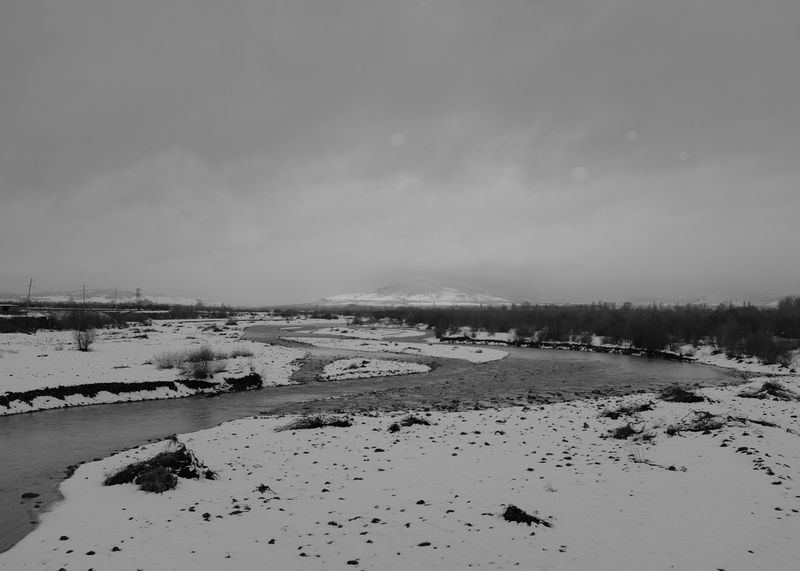
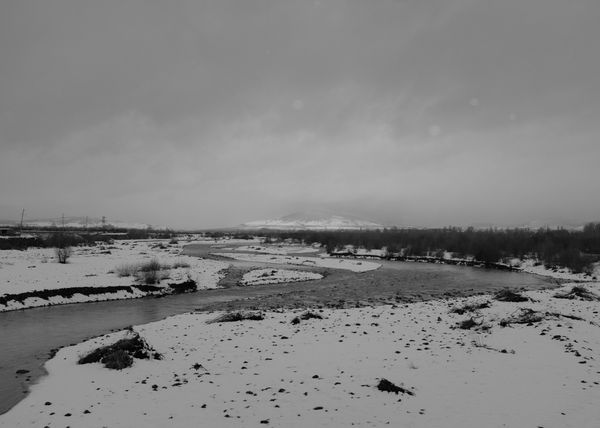
The Liakhvi River flows through Gori, Georgia, heavily damaged in the 2008 war. It then runs north through the "Zone of Fear" and occupied South Ossetia. The crawling occupation of Georgian lands makes the "border" an elusive concept. In this photo, the nearby mountain is unreachable for me and the locals, as reaching it requires crossing the occupation line.

© Andrej Verzola - Image from the The sorrows of this field are yours photography project
i

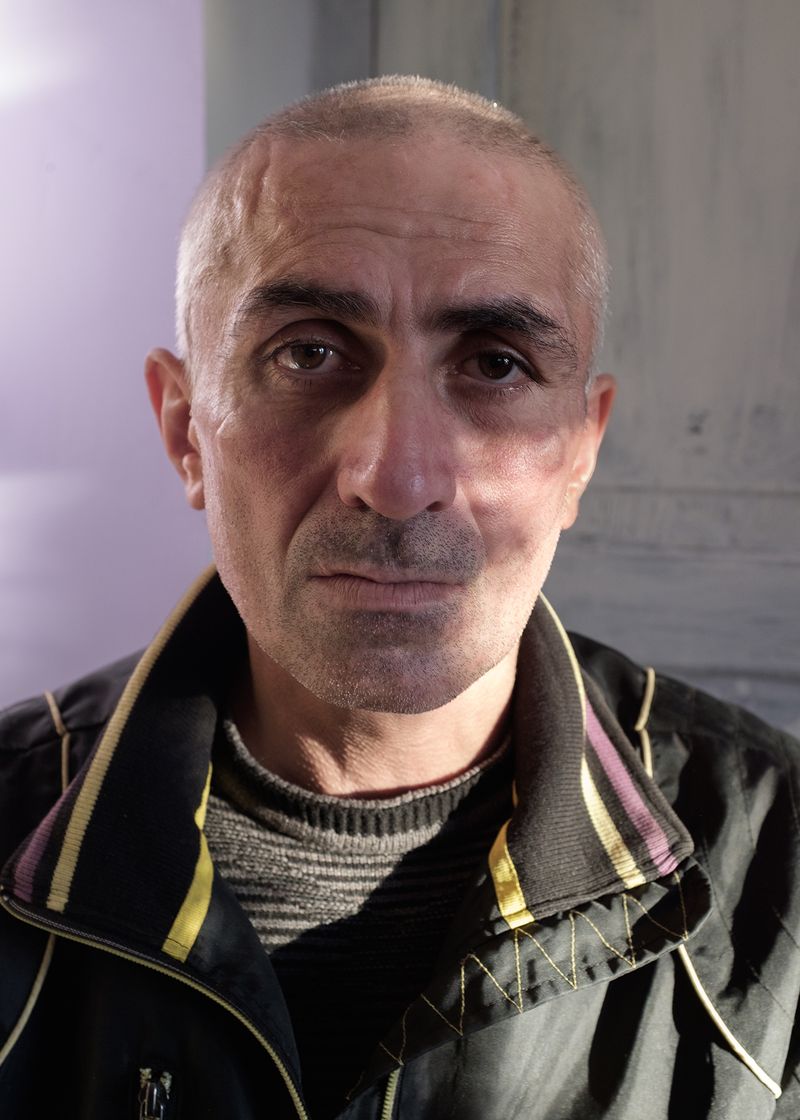
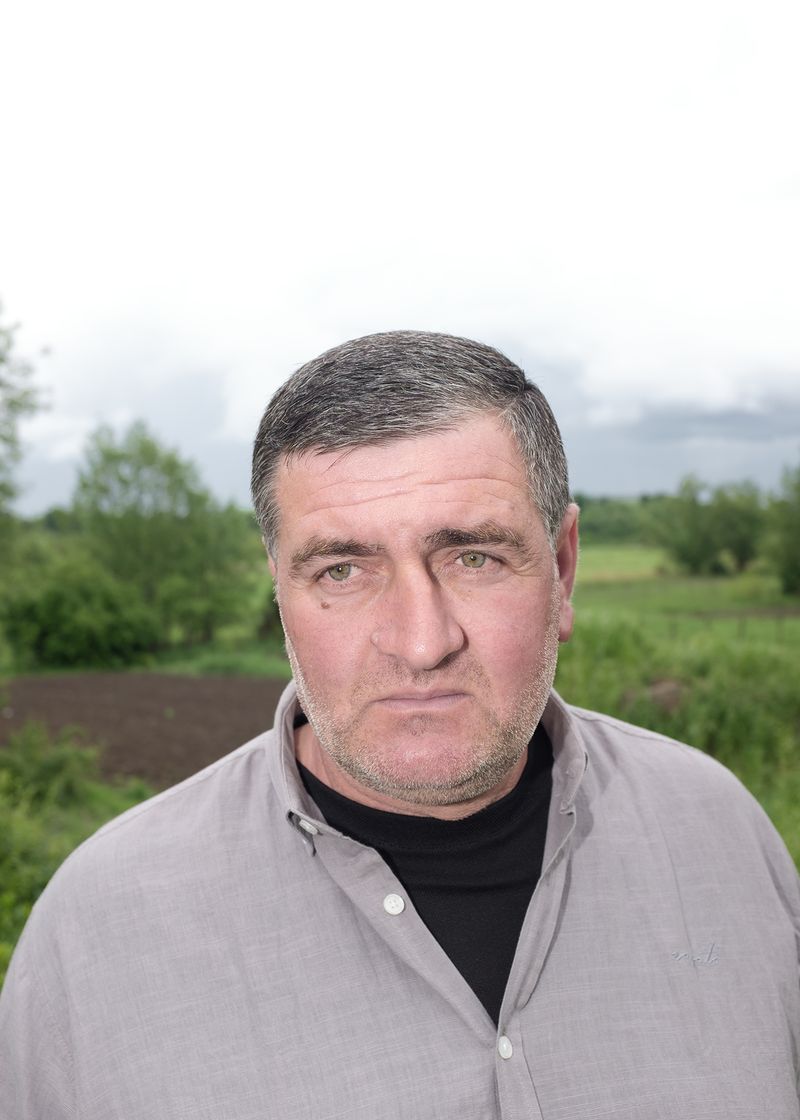
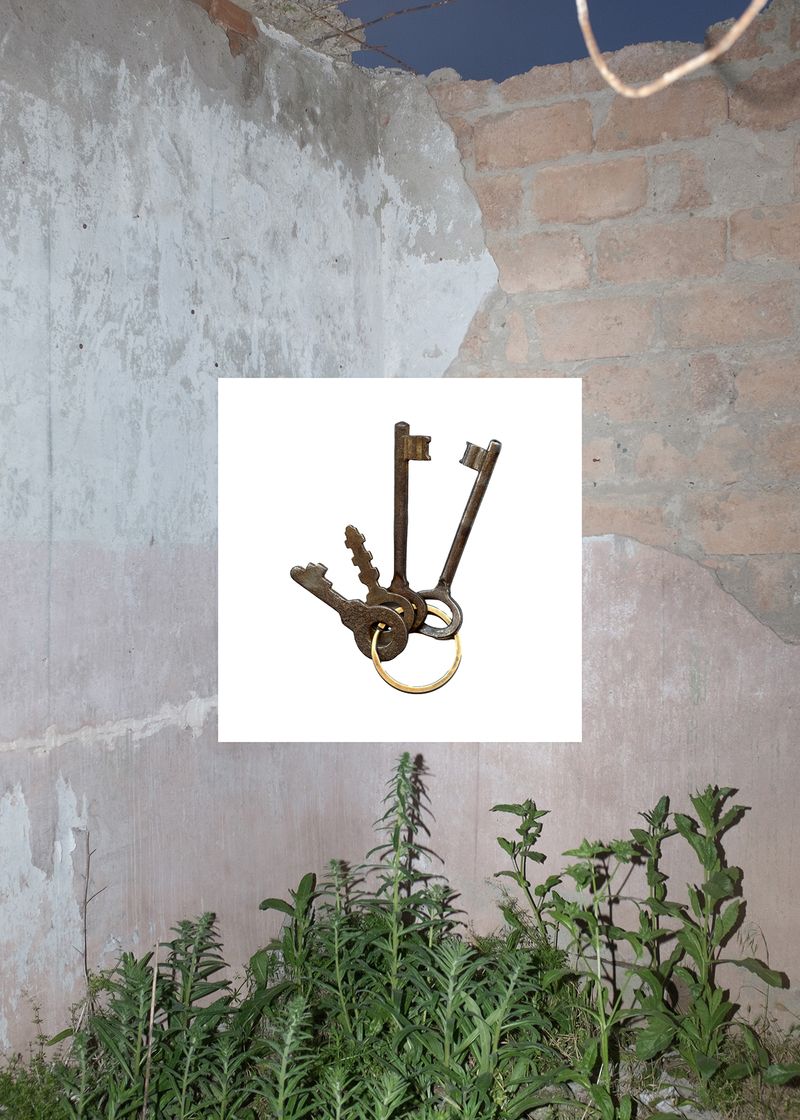
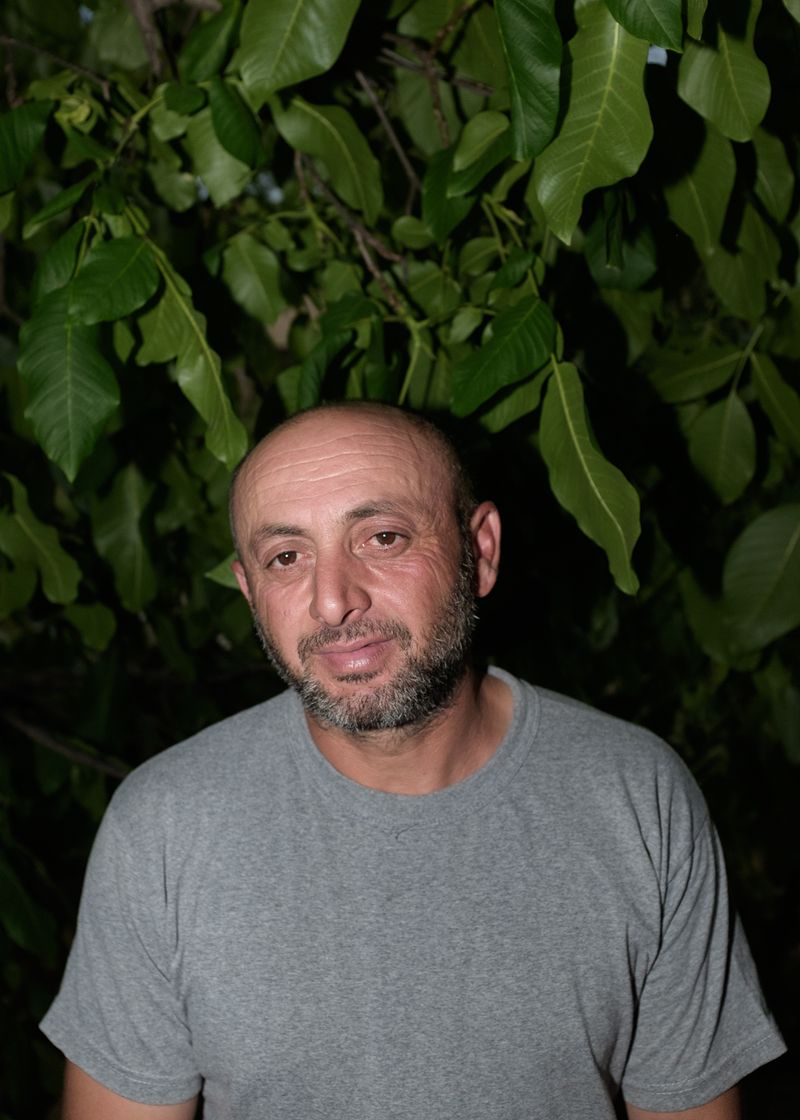
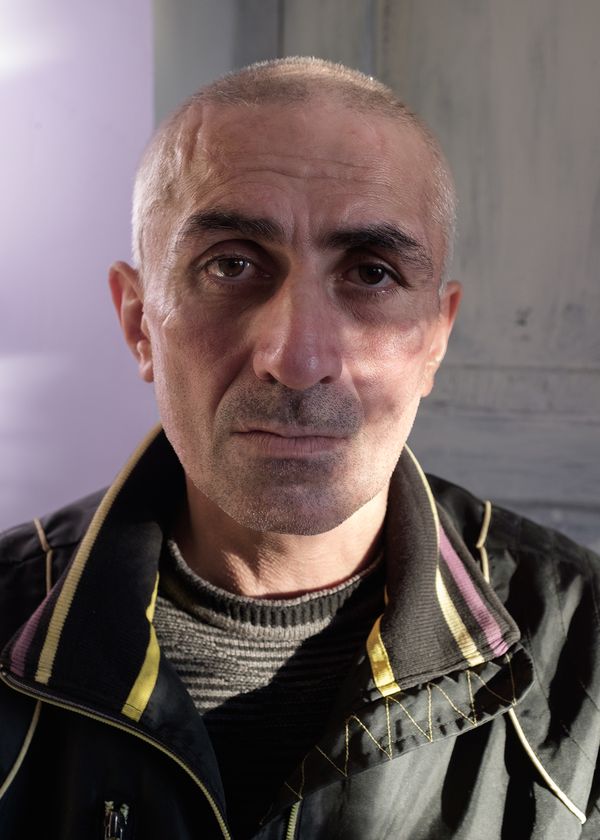
R., born in 1984, was once the healthiest of my children. During his third imprisonment in Tskhinvali, Russian guards smashed his head with prison keys, causing severe bleeding. He later developed epilepsy.

© Andrej Verzola - Image from the The sorrows of this field are yours photography project
i

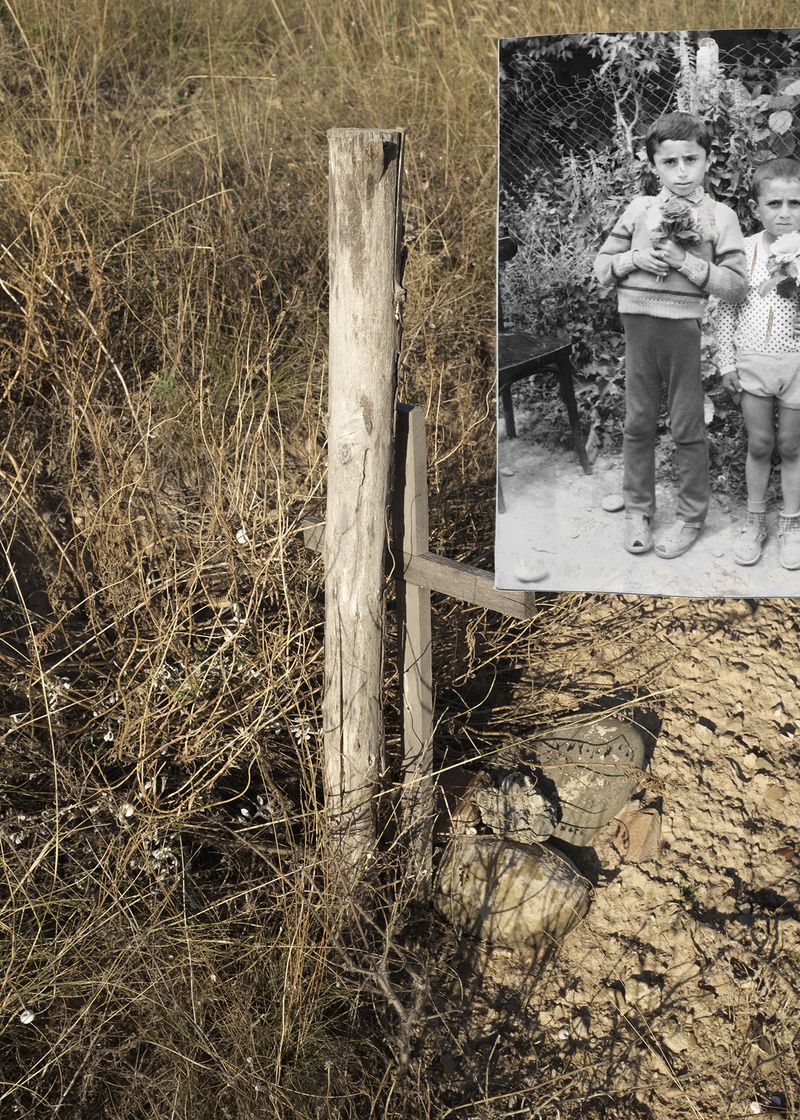
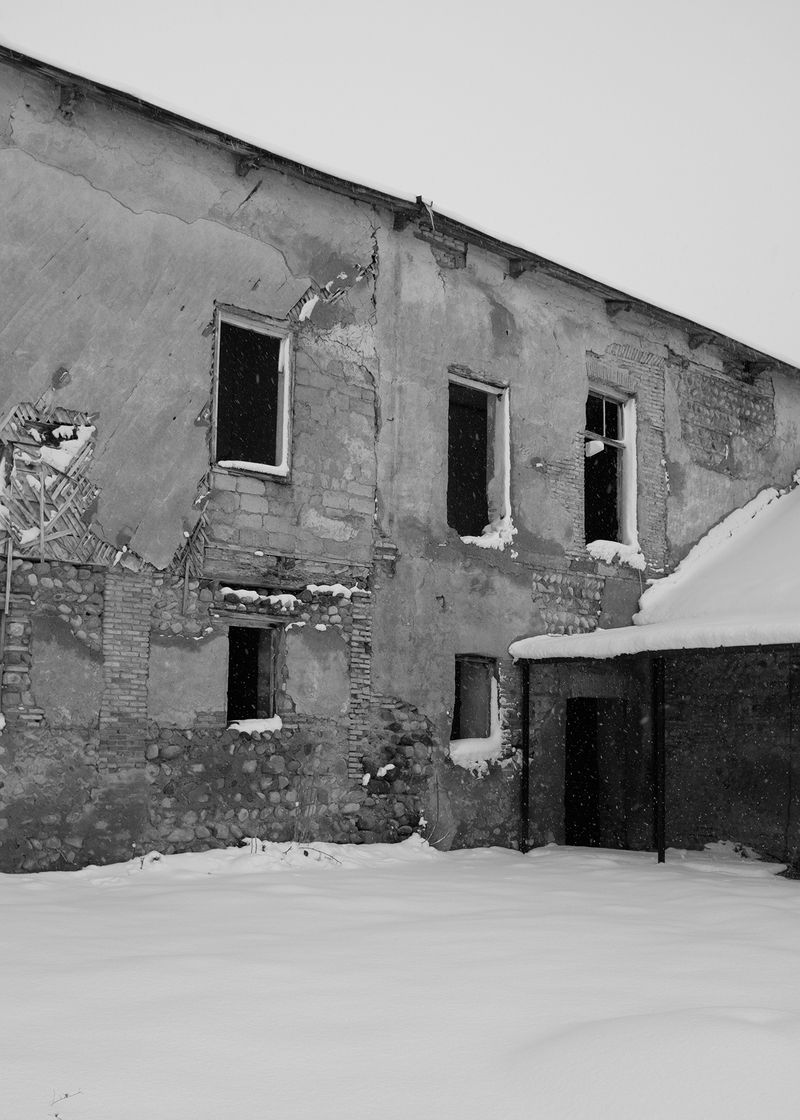
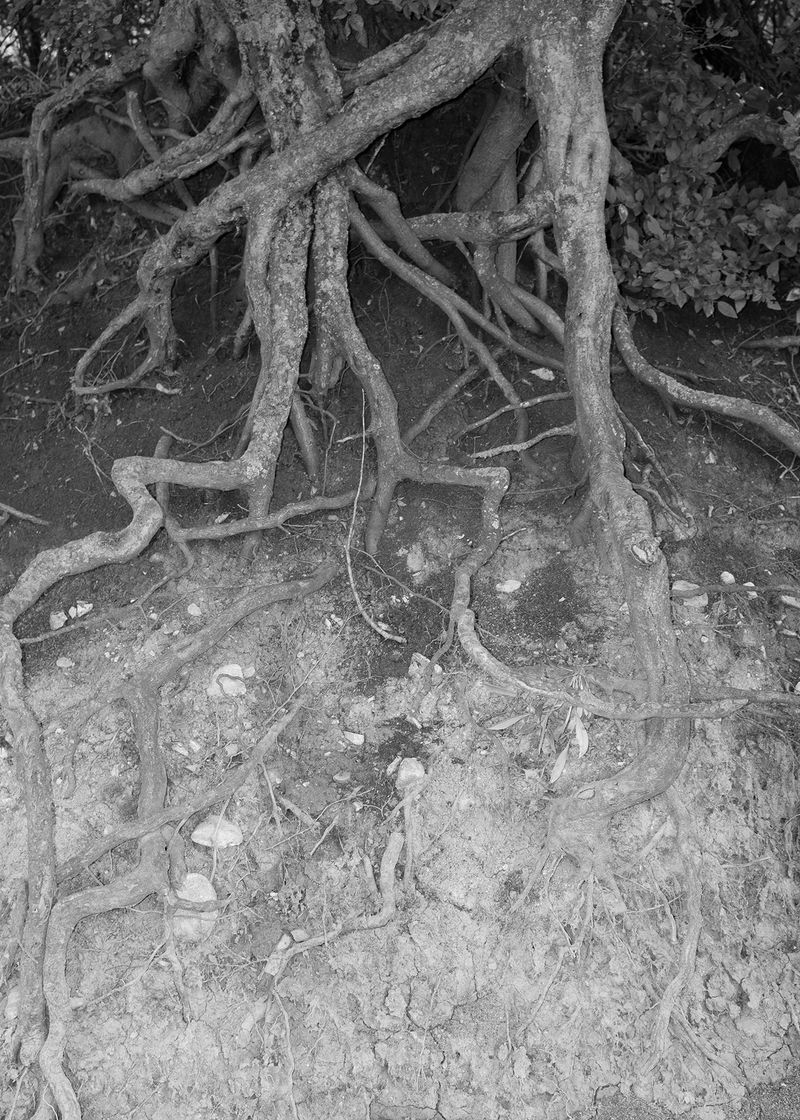
Quite often, the occupation forces manage to force the locals away from their homes, thereby severing the connection they had had with the land of their birth.

© Andrej Verzola - Image from the The sorrows of this field are yours photography project
i

In August 2008, gunfire echoed from the mountains as my mother and I harvested beans. Russian helicopters appeared, and we rushed home. I saw soldiers rounding up other villagers. I urged my mother to hide and opened the gate when the soldiers arrived. They searched my house, beat me, and threw me in jail in Tskhinvali for two weeks. When I returned, my home was burned to the ground.

© Andrej Verzola - Image from the The sorrows of this field are yours photography project
i

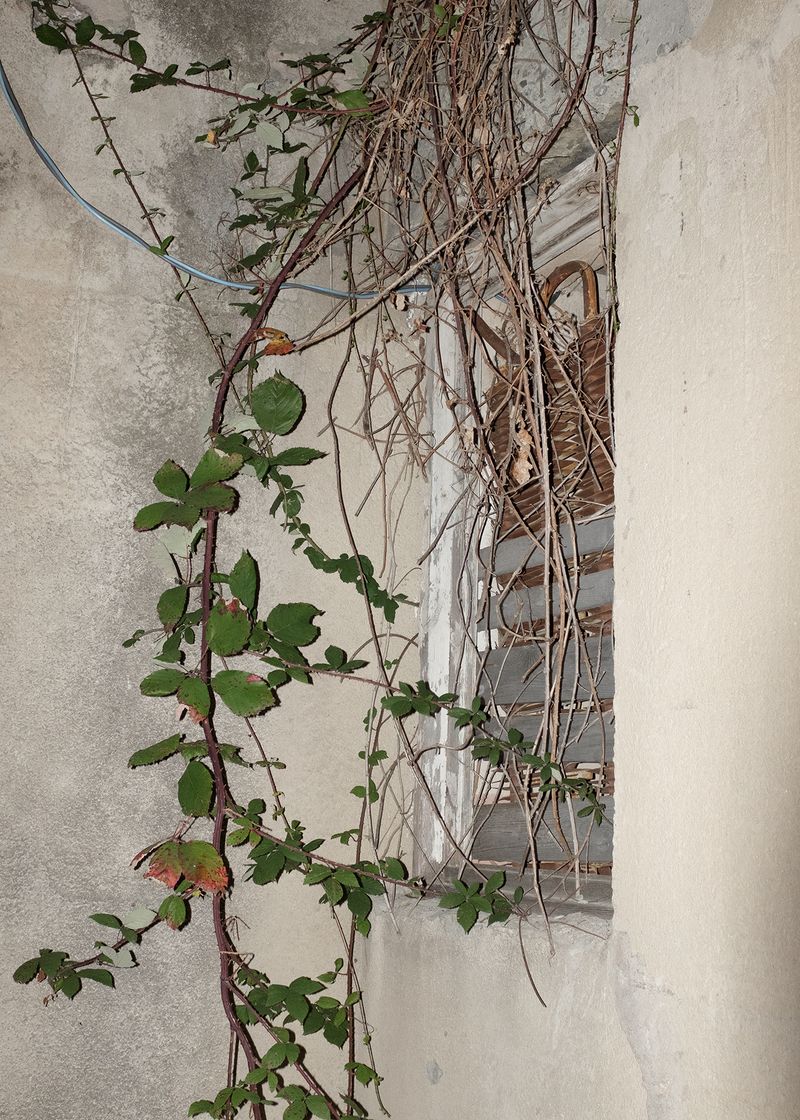
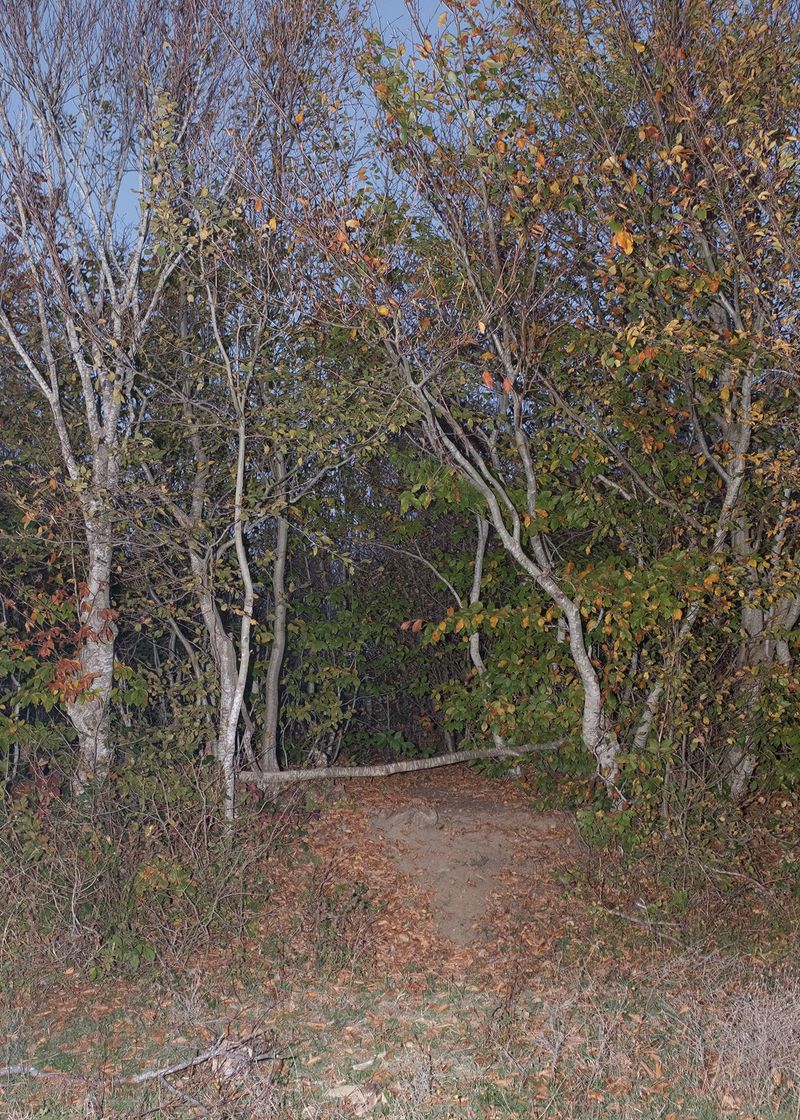
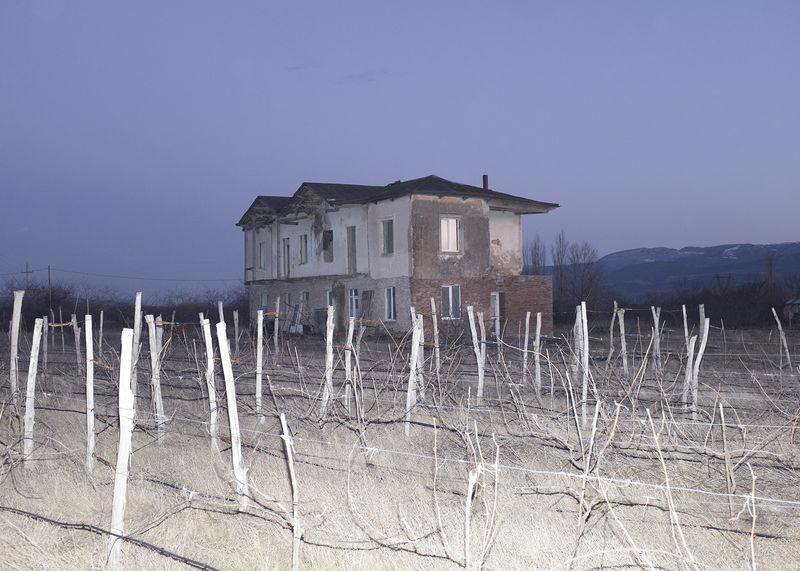
Most of the villages in the Zone of Fear are semi-abandoned. Many locals choose to leave their homes and move to safe regions. Those who stay know that if they leave, the village will be immediately taken over by Russian forces. These people choose to live in fear rather than abandon the place they have called home their entire lives.

© Andrej Verzola - Image from the The sorrows of this field are yours photography project
i

That day, I was transporting corn when my mother told me Russian border guards had detained my father. Looking up, I saw them dragging him away and beating him. My mother cried, and I felt helpless. Everything inside me turned upside down. They were just behind the church, only a few hundred meters away, but there was nothing I could do.

© Andrej Verzola - Image from the The sorrows of this field are yours photography project
i

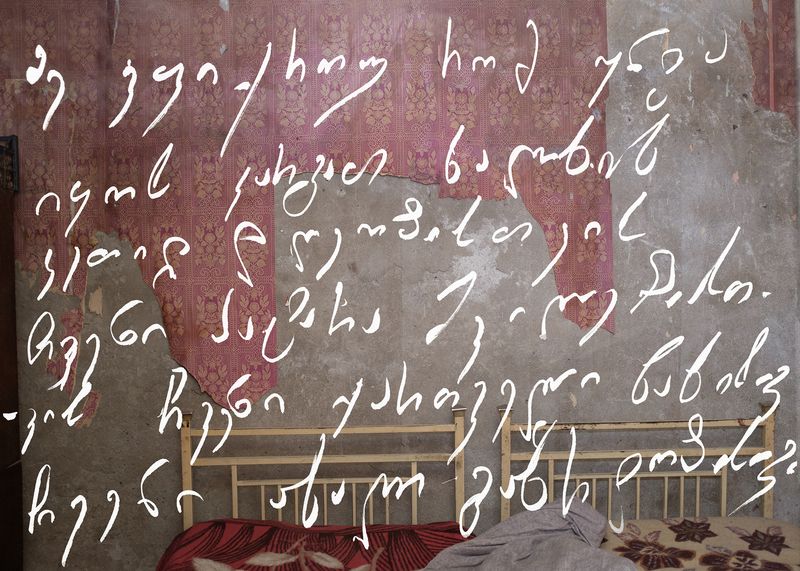
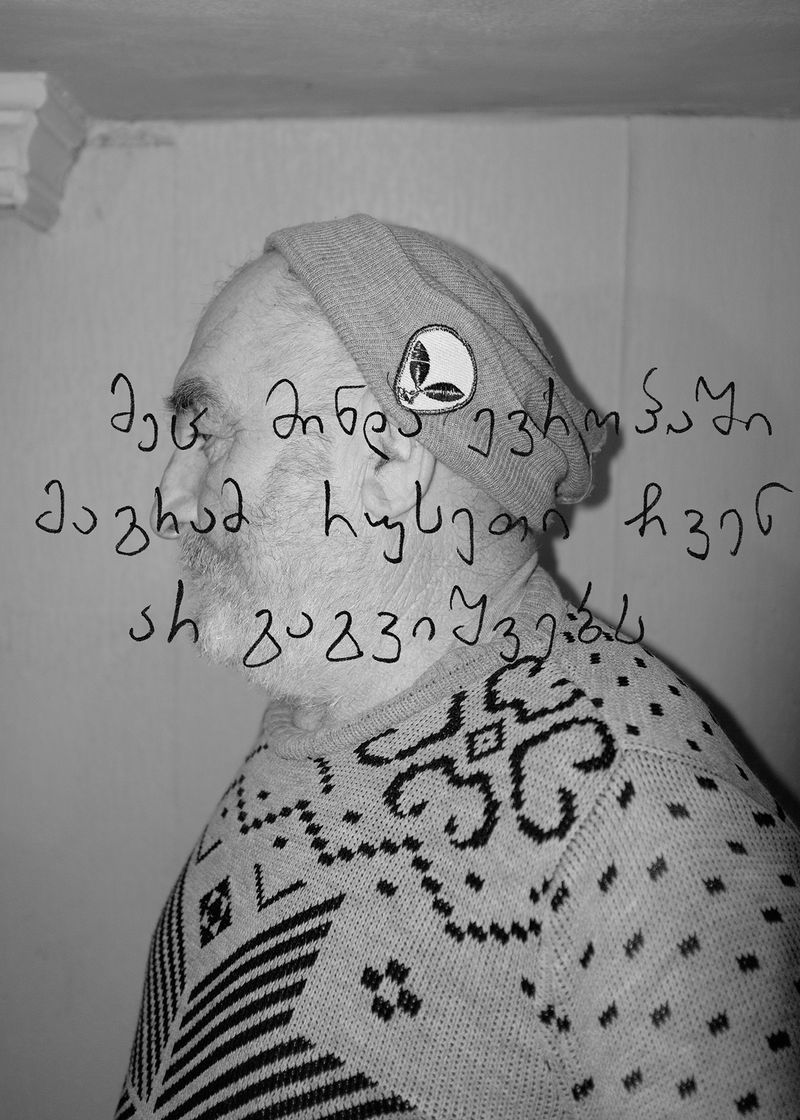
The inscription, written by one of the protagonists on the photograph of his bedroom, reads: "I hope that our people will finally find well-being and everything will be fine for our children, Georgia, and the younger generation."

© Andrej Verzola - Image from the The sorrows of this field are yours photography project
i

I know Russian forces could take our village anytime, but I’m no longer afraid—I've gotten used to it. I remember being in our apple orchard with my family near the occupation line. Russian border guards stood on a hill above us and fired rocket launchers to drive us out. Since then, I haven't been there. They took our orchard from us.

© Andrej Verzola - Image from the The sorrows of this field are yours photography project
i

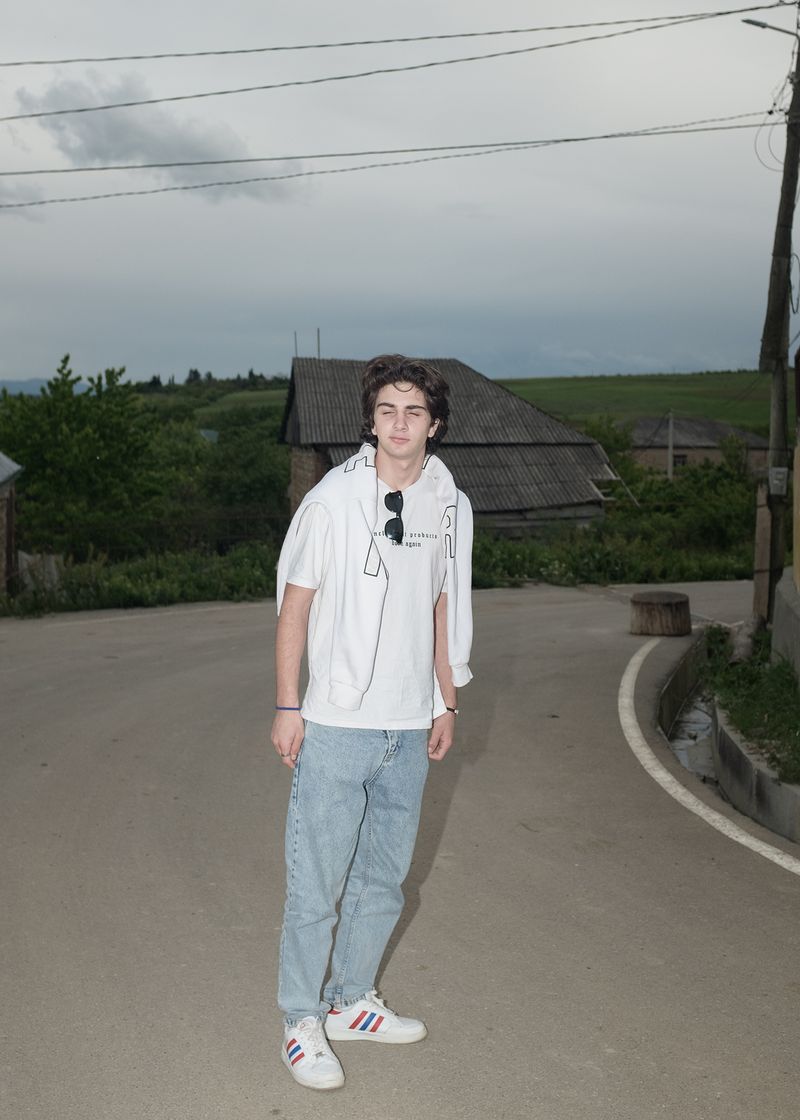
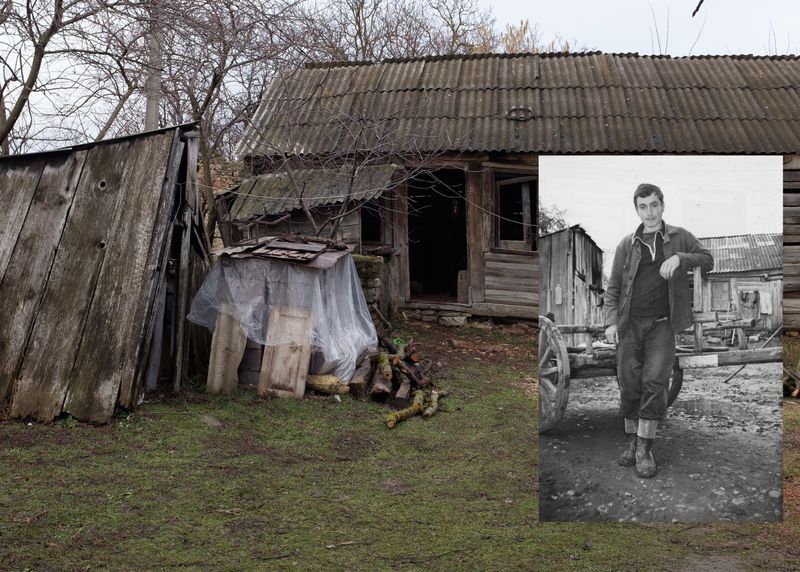
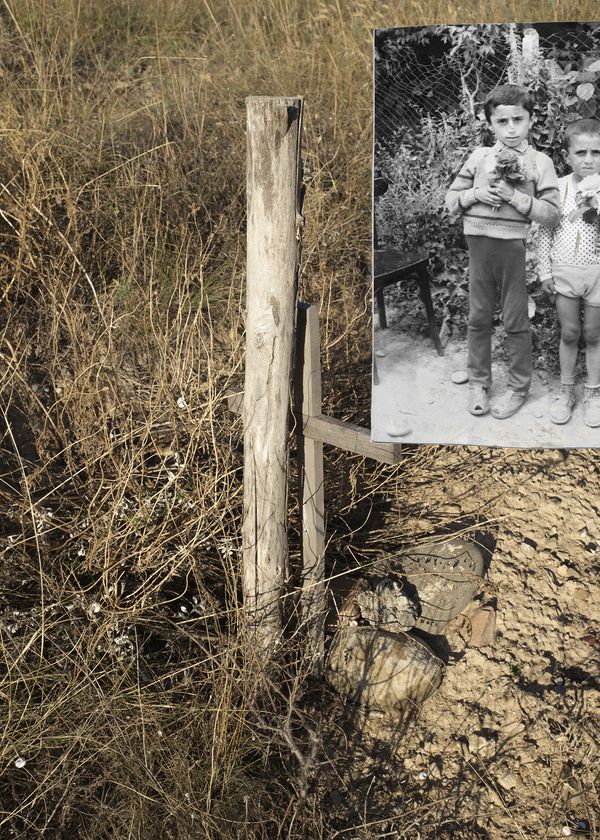
The man from the previous picture, seen in the photograph as a teenager, stands in the backyard of the house he originally lived with his mother and still lives in to this day. The photograph dates back to 1997, way before the war of 2008 that put his house right next to the line of occupation and one of the many Russian military bases in S. Ossetia where artillery drills are regularly conducted.

© Andrej Verzola - Image from the The sorrows of this field are yours photography project
i

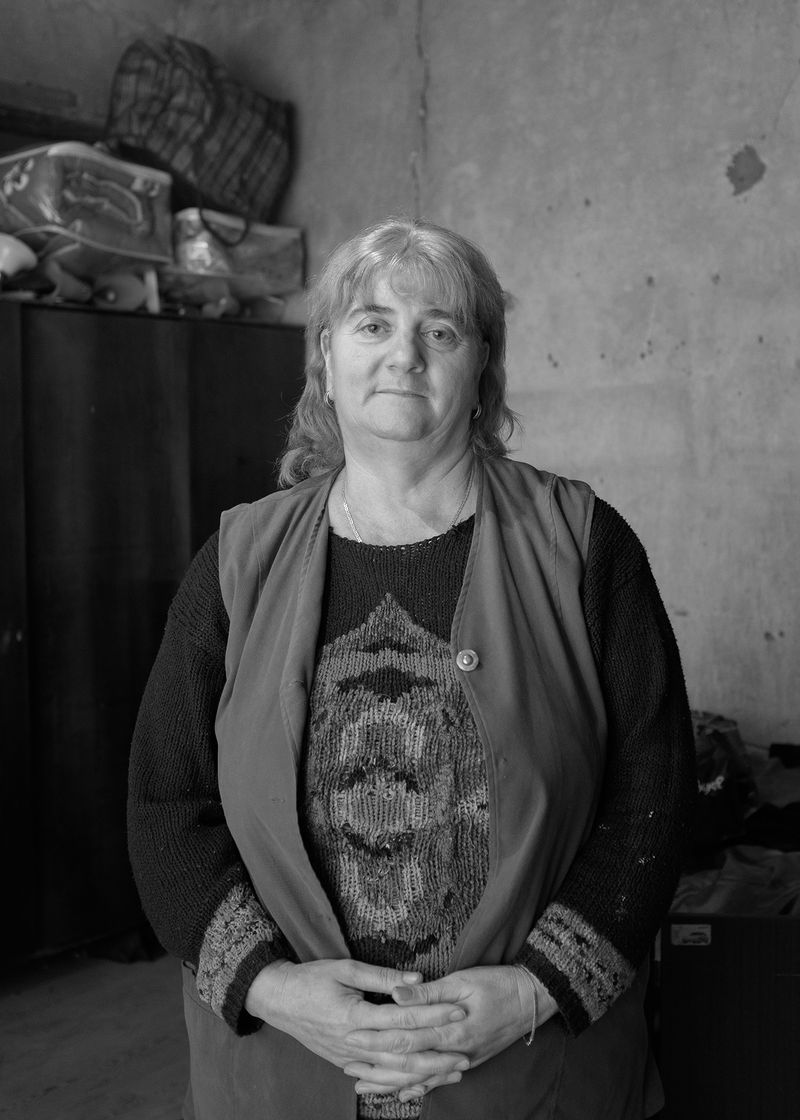
In 2008, Russian troops entered Georgia, filling our village with artillery and helicopters. My son, just two then, hid under the bed at loud noises for years after that. Once, my husband was returning from our vineyard when Russian border guards chased and captured him. He was beaten, taken to a military base, then imprisoned in Tskhinvali. After two weeks, he was released—luckier than some.

© Andrej Verzola - Image from the The sorrows of this field are yours photography project
i

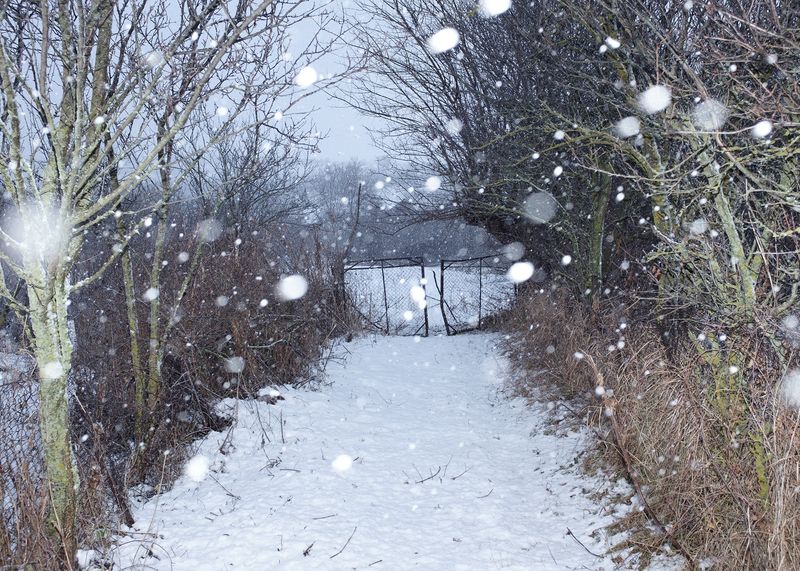
Due to the proximity of the line of occupation, the area originally known for its apple orchards and vineyards is currently in decline. The industries are dying and the fields stand abandoned.

The sorrows of this field are yours by Andrej Verzola

Prev Next Close