Night Pollinators
-
Dates2025 - 2026
-
Author
- Location London, United Kingdom
Night Pollinators is a poetic observation of womanhood and how my sleeplessness during menopause drew my attention to the fragile ecologies of nocturnal pollinators. In examining the double standard of female ageing, I aim to re-present menopause.
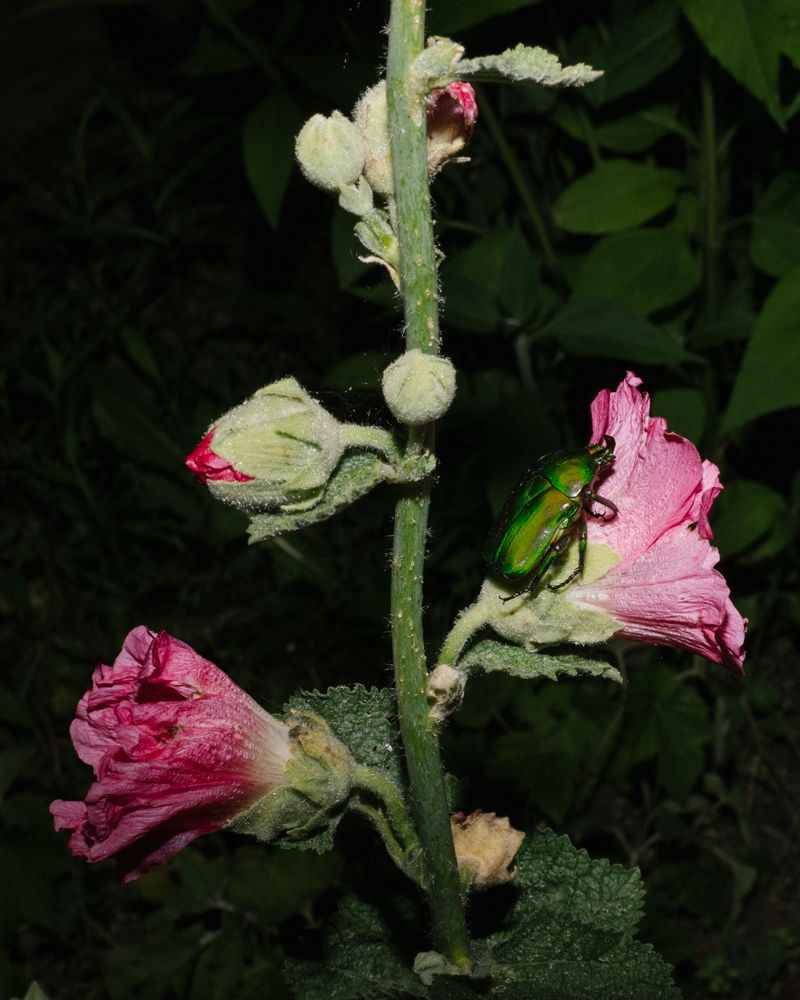
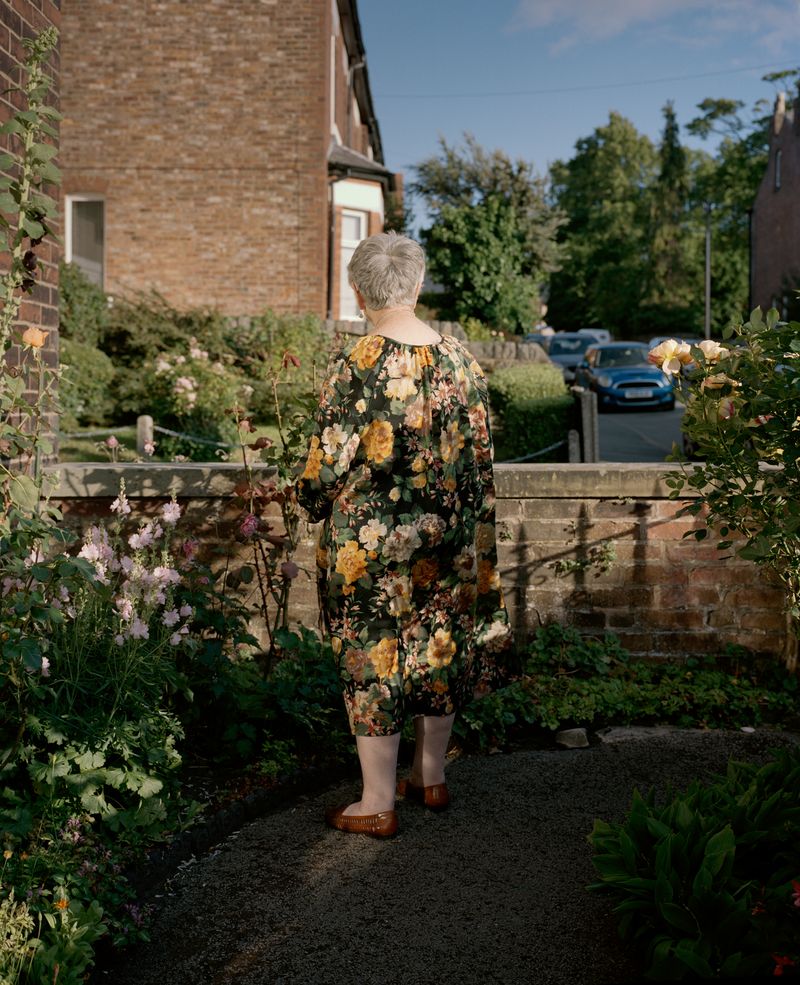
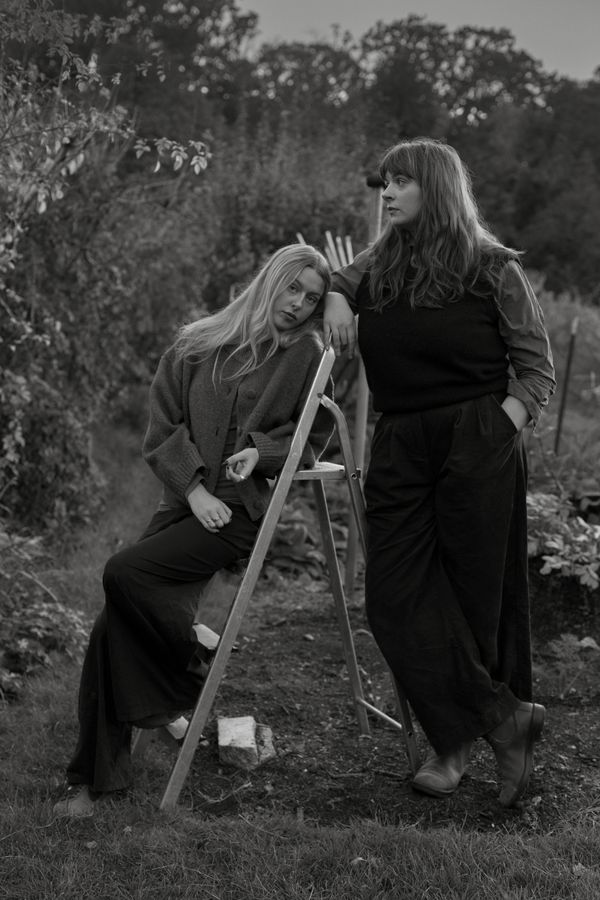
Set against the backdrop of the hottest summer on record, ‘Night Pollinators’ traces the lives of three generations of women in my family; my elderly aunt (who is navigating the recent death of her best friend), myself (adjusting to life post menopause) and my daughters ( who are now in their 20's and leaving home). My restlessness at night drew my attention to the nocturnal pollinators I began photographing in my garden; damaged, fragile ecologies that are overlooked and decreasing in number.
It is culture that ages us as much as nature does. I created a photobook with these images using a feminist framework, grounded in the writing of Susan Sontag and Sylvia Federici- who have both contested the double standard of female ageing.
I was also inspired by writers who dismantle the idea of the menopausal female body entering into a corridor of decline, and instead choose to view this as a transformative time that needs representation based on lived experience ; Ursula K Le Guin, Jacquelyn Zita and more recently Miranda July.
Although much of this theory was written many decades ago, it's still relevant today; we still live in a masculine gerontocracy, where older women are still devalued compared to older men who gain social status and power with age.
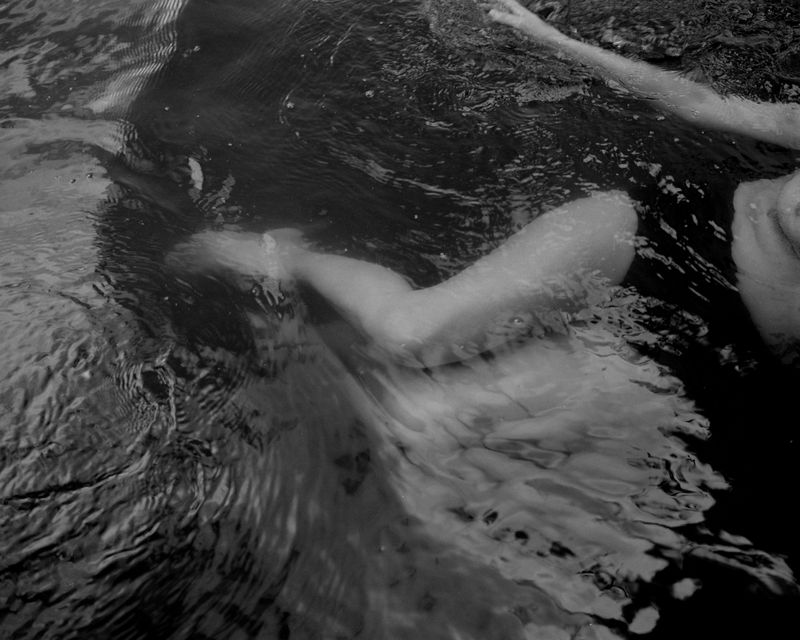
J. Zita asks us to look at menopause beyond a medical framing towards feminist valorisation. A key image in this series (a self-portrait, swimming) was inspired by Le Guin’s ‘The Space Crone’. Here, I embody her idea that change is “a quality that can fairly represent humanity”… Loss of fertility does not mean loss of desire and fulfilment.” (Le Guin)
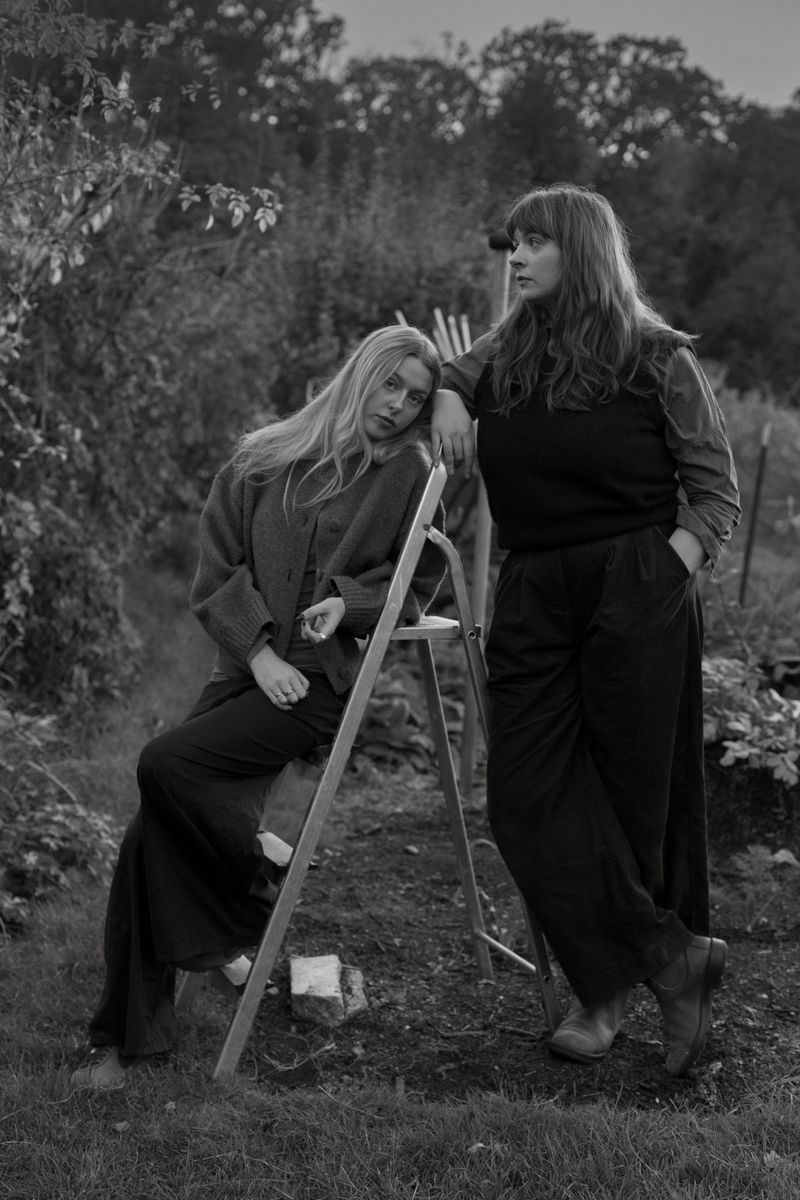
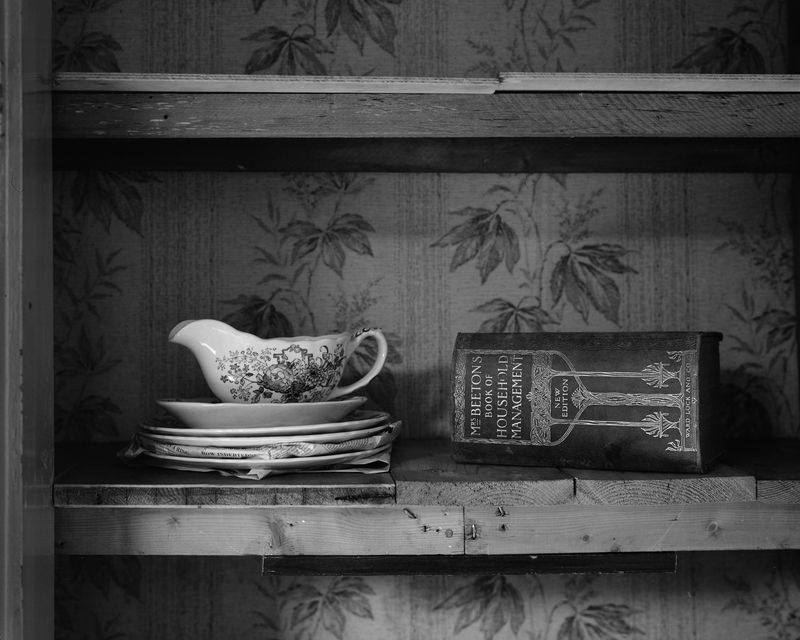
Legacy was forefront in mind in the images of my daughters; their perspective is one that looks forwards to the future, whereas my aunt’s register/tone is retrospective. I agree with Zadie Smith that younger generations will “inherit dust”, and notice the friction and anxiety this causes between generations. My Granny’s cookbook symbolises the reproductive and unpaid domestic labour that generations since have worked hard to dismantle. My daughters wear trousers; they are a generation that continues to redefine femininity. They also want to challenge perceptions of women’s place and value in society outside from fertility.
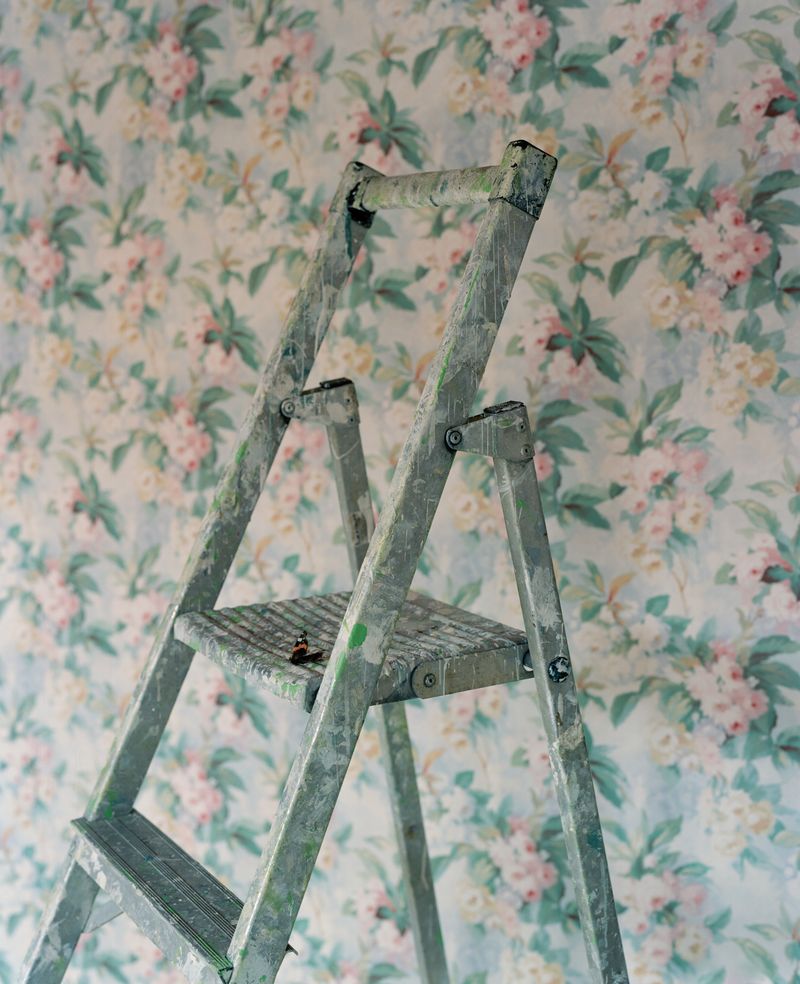
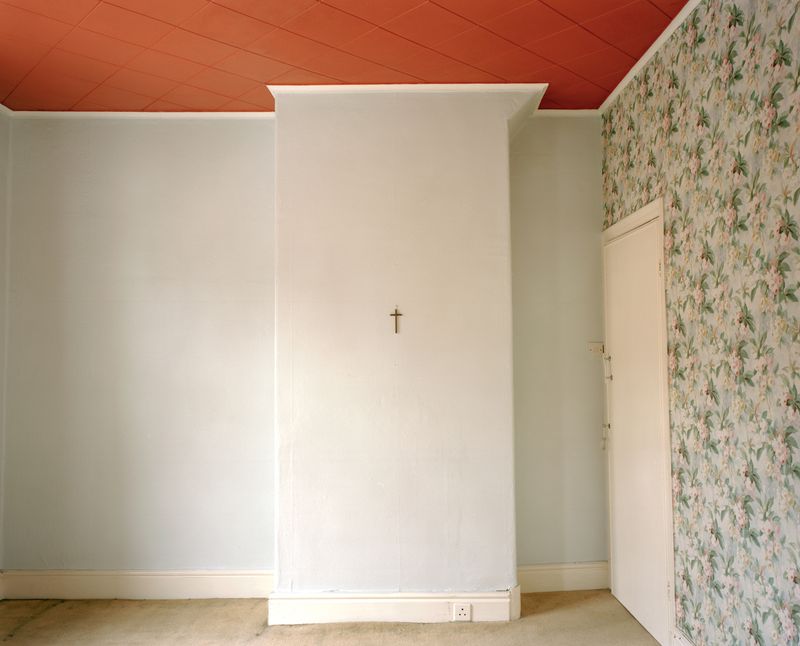
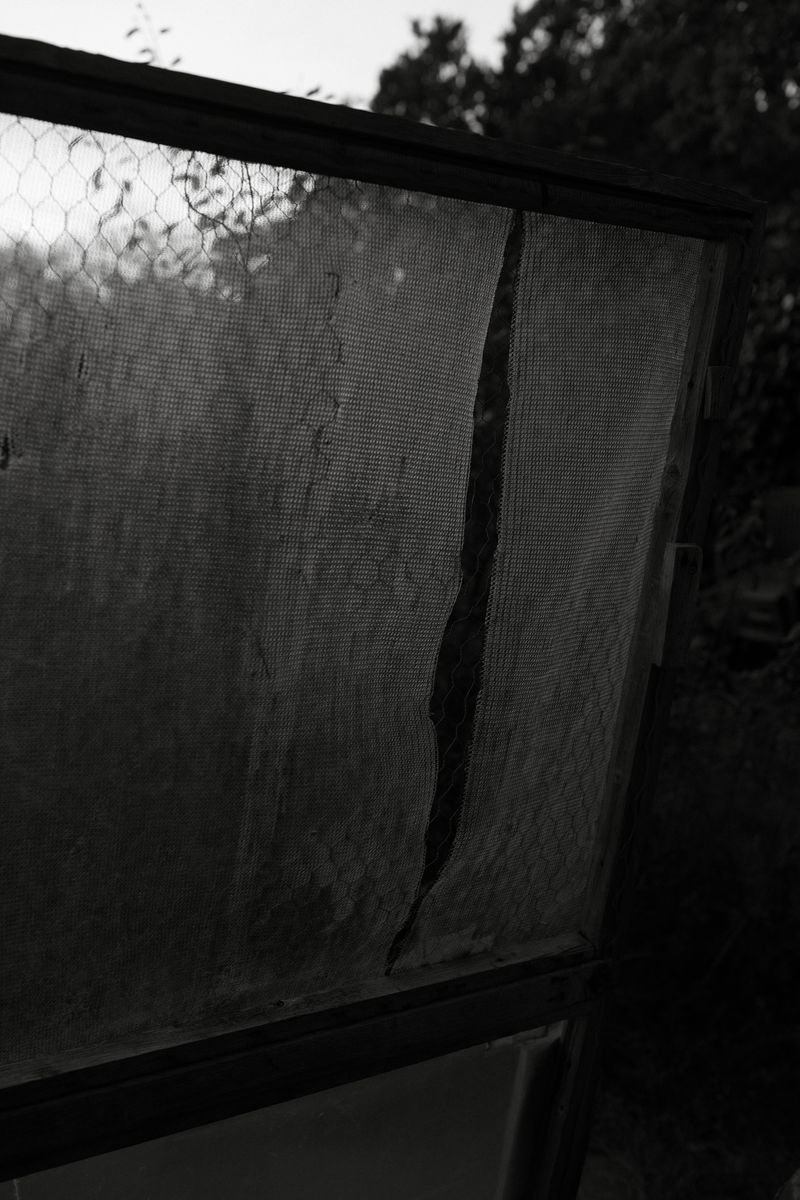
The large format images were taken using long exposures in the empty bedroom - the space where my Aunt's lifelong friend recently died. The images are a meditation on the impermanence of time, mortality, and also the layered memories found within the walls of the house itself. Perrot writes, “from birth to death, the bedroom is the stage on which women’s everyday lives are played out.” The floral wallpaper was pasted up by my Aunt 20 years ago whilst she was waiting to have a masectomy operation for breast cancer.
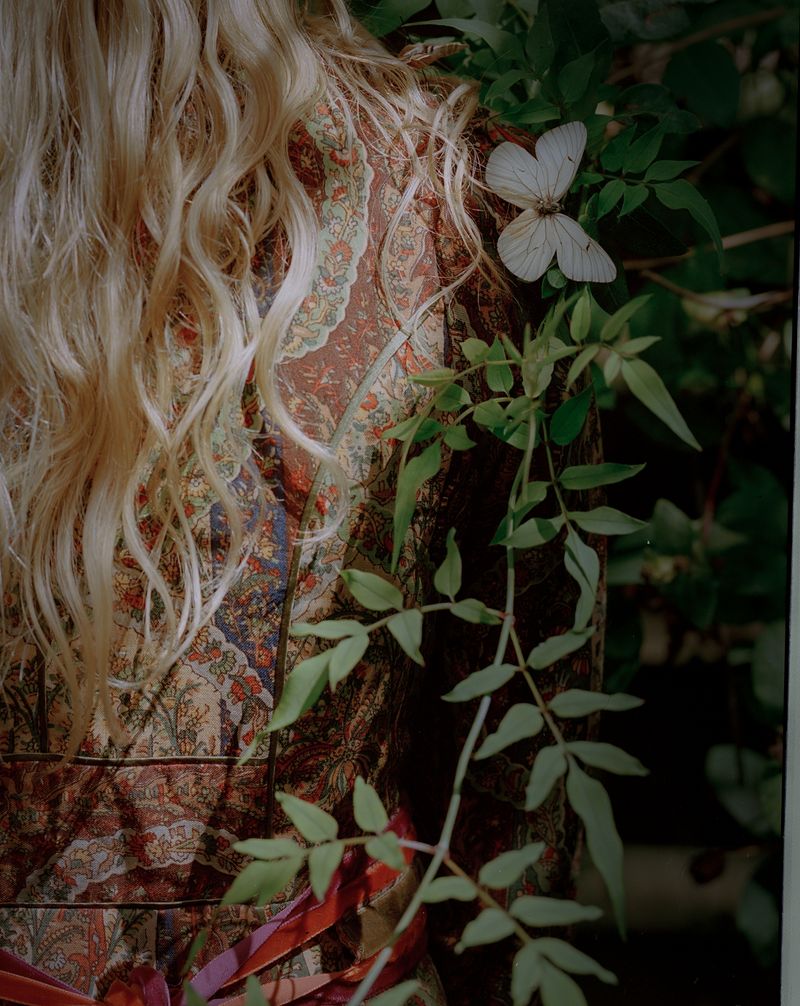
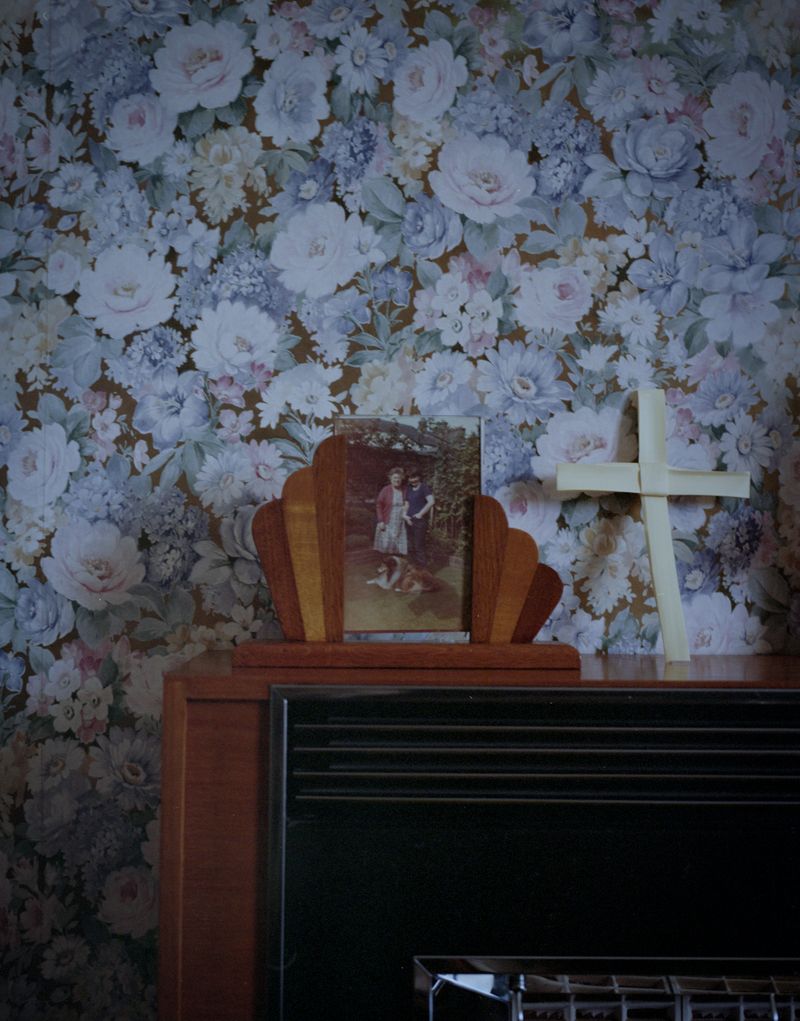
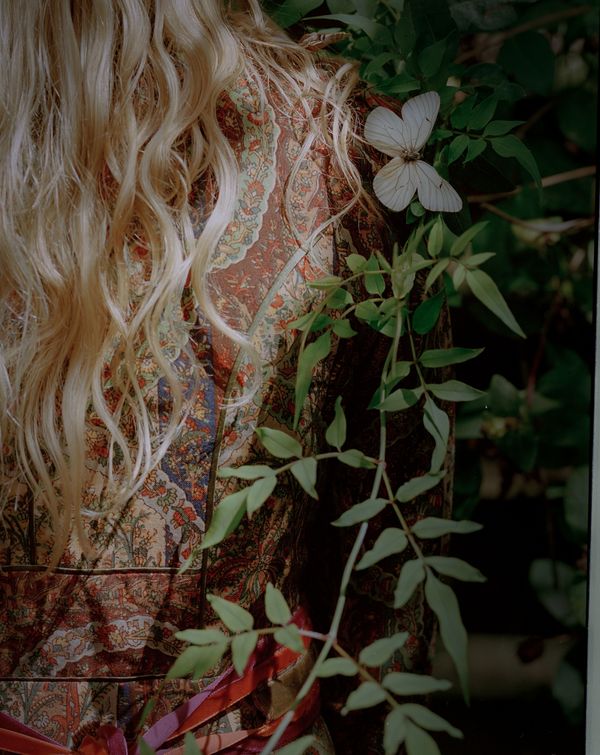
My matriarchal ancestors have an overlooked/haunting presence in the series- my granny is in a photo on a mantlepiece, she made the floral dress my aunt is wearing and my late mother’s girlhood dress is worn by my daughter in two images.
The lack of rep of older women in culture, peopled by hags, crones and witches, reflecting a collective association of youth with femininity. Marina Warner examines the function of collective archetypes (such as maiden, mother and crone) in fairy stories, where old women invoke derision and fear, whilst maidens on the cusp of womanhood are emblems of femininity, with representation rich in mythopoetry (eg hair made of spun gold). I stand with Zita and Le Guin in their reclaiming of the crone as a term of empowerment and dignity.
S. Federici argues that the witch trials prepared the ground for capitalism’s take off, where men sought to gain control of women’s bodies, land, labour and sexuality. The women killed were often older in age- widows who owned land, or midwives whose ability to control fertility and lineage threatened men.
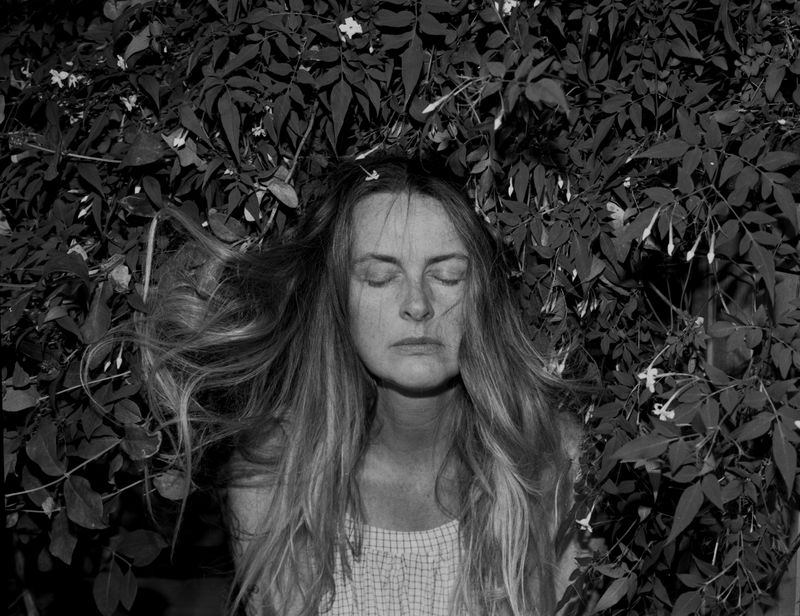
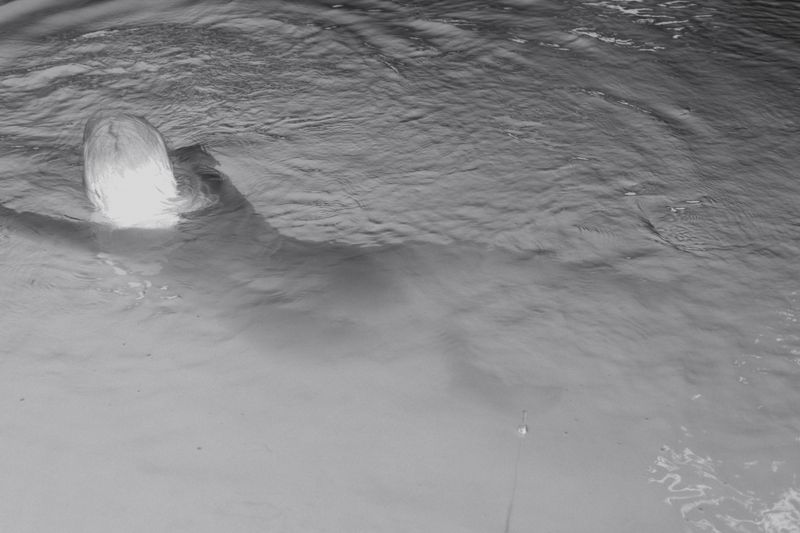
With the monstrous feminine figure of the hag, a connection was being made between post menopausal women and sexuality, causing revulsion and fear. Exploring desire in the post menopausal body is a subversive act, and Miranda July’s representation of menopause as a transformative stage of life was a direct source of inspiration. The images of me in the water express not only my night time restlessness, but also my conflicting feelings about desire- an act of resistance against cultural associations that are a cause of internalised shame and repression as we age.
The silvery finish to the inverted negative image of me swimming is intended to conjure up Le Guin’s Space Crone, as opposed to writer Germaine Greer’s celebration of invisibility. My self portraits are uncompromising and harshly lit; I felt it’s important to to answer Sontag’s call to “tell the truth”. Le Guin’s quote about the triple Goddess highlights the pressure placed on women not to show signs of ageing; "The triple Goddess has only one face. Marilyn Monroe's maybe."(Le Guin).
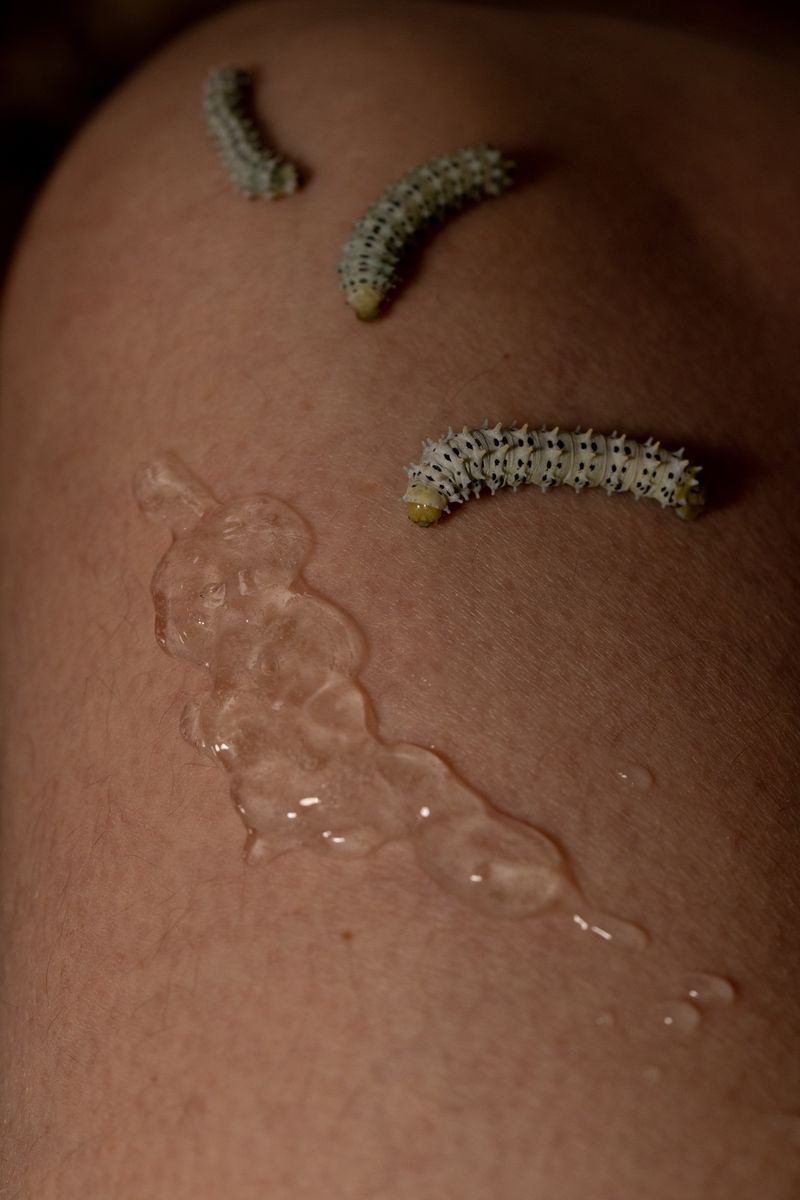
The image of HRT gel speaks to the lack of research into menopause treatment and the medical misogyny embedded in women’s healthcare. I recorded interviews with friends, doctors and an optometrist.
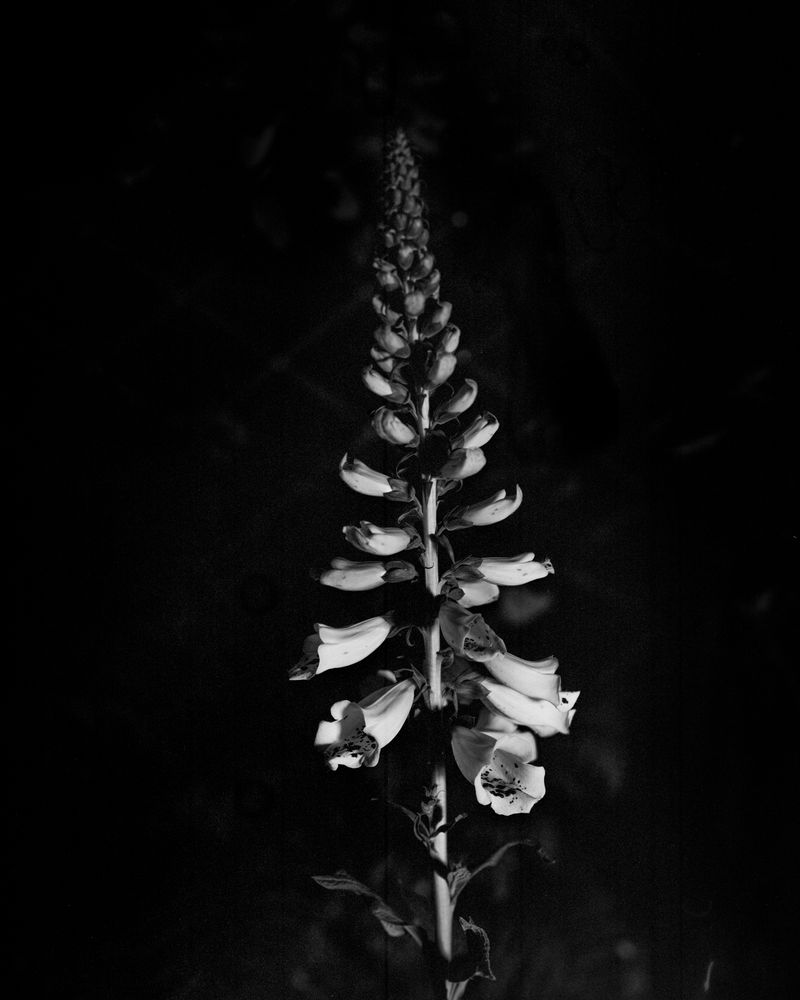
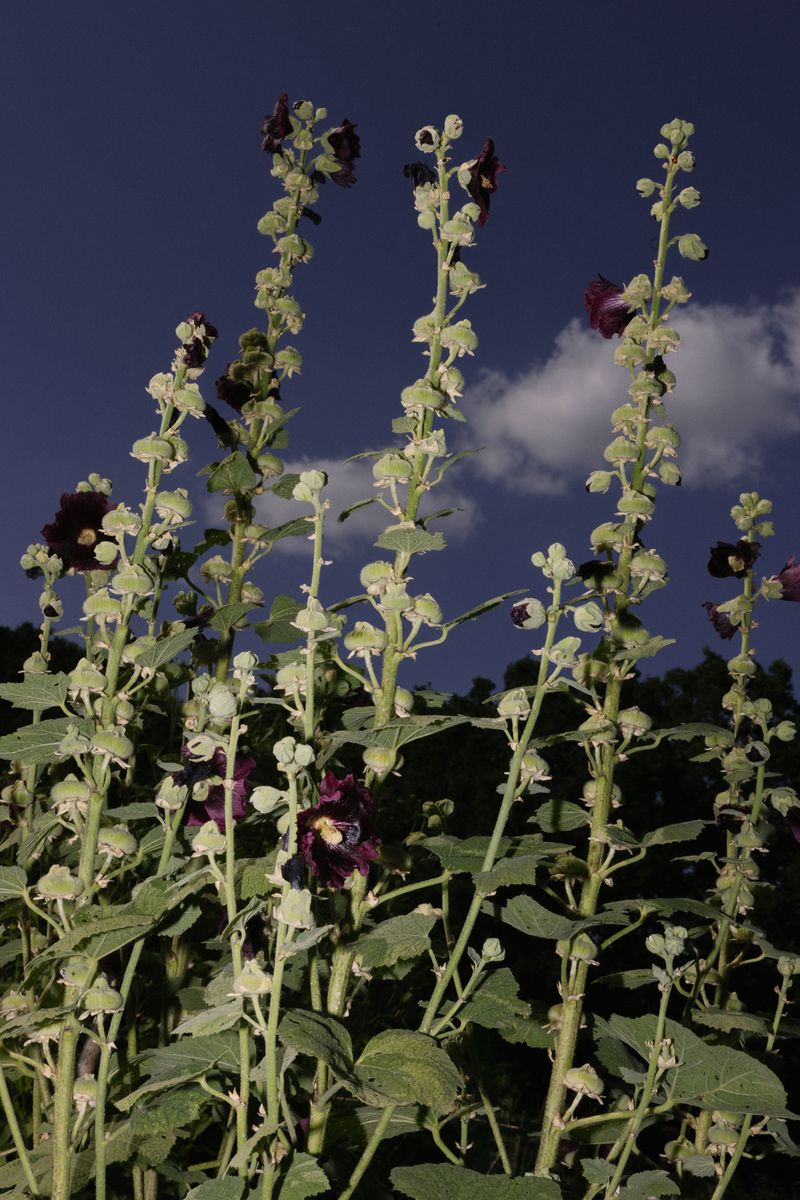
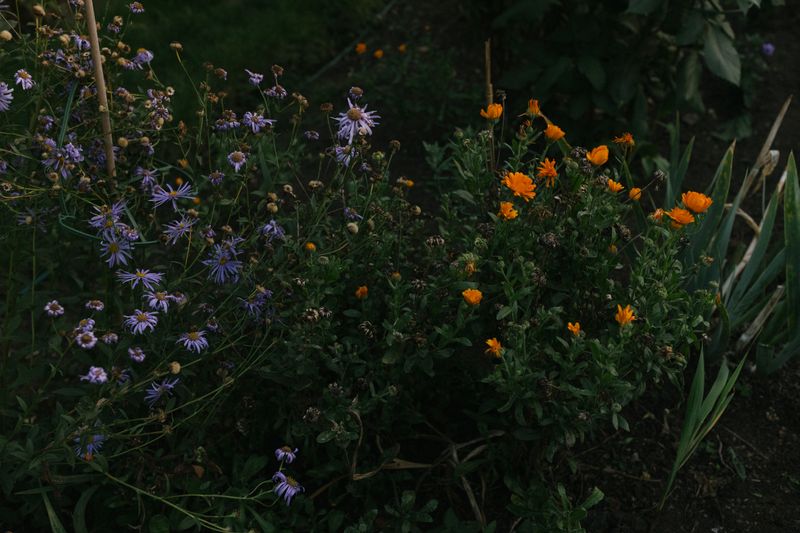
The flowers are emblems of fertility and beauty, often photographed using ‘day as night’ lighting technique, to signify my hormonal confusion. I also used a large format camera at night, because the long exposures required (due to film reciprocity) were a way to comment on the temporality of time, both with the medium of photography and with ageing. Long exposures also link the intrinsic relationship photography has with time.
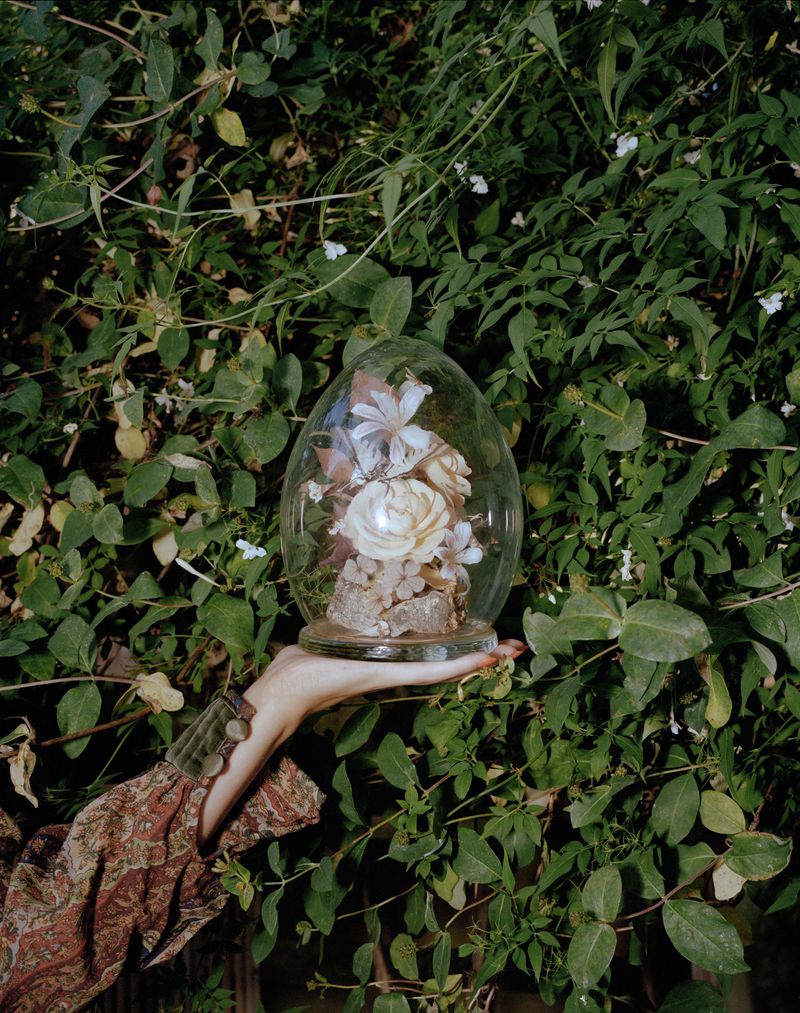
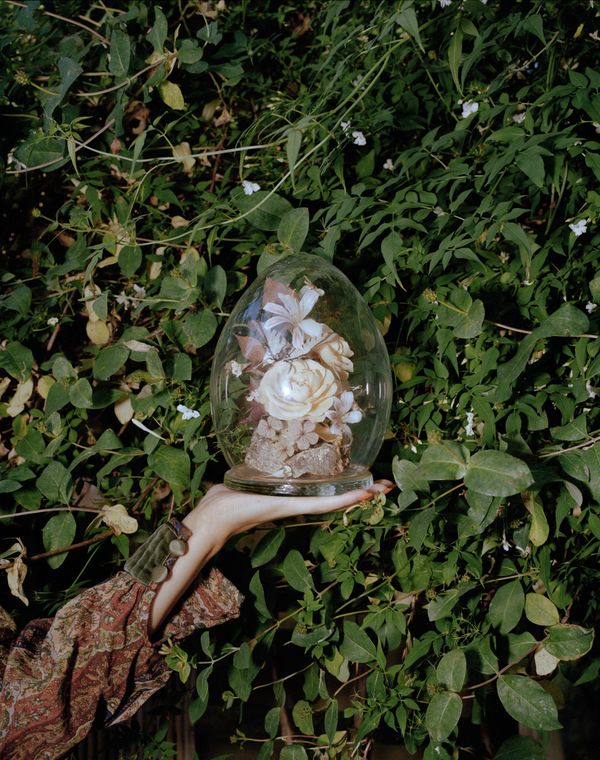
Taxidermy symbolises the anxiety I share with my children’s generation about the climate crisis they inherit. The glass globe Rosie holds resembles a crystal ball foretelling (ongoing) climate disaster.
The way in which I approached representing ecologies is based upon Harroway’s concept of sympoiesis, whereby more-than-humans and humans are in constant collaboration. This idea is also found in Carson’s Silent Spring where she emphasises the connection between all living things ;“ In nature, nothing exists alone.”(Carson)
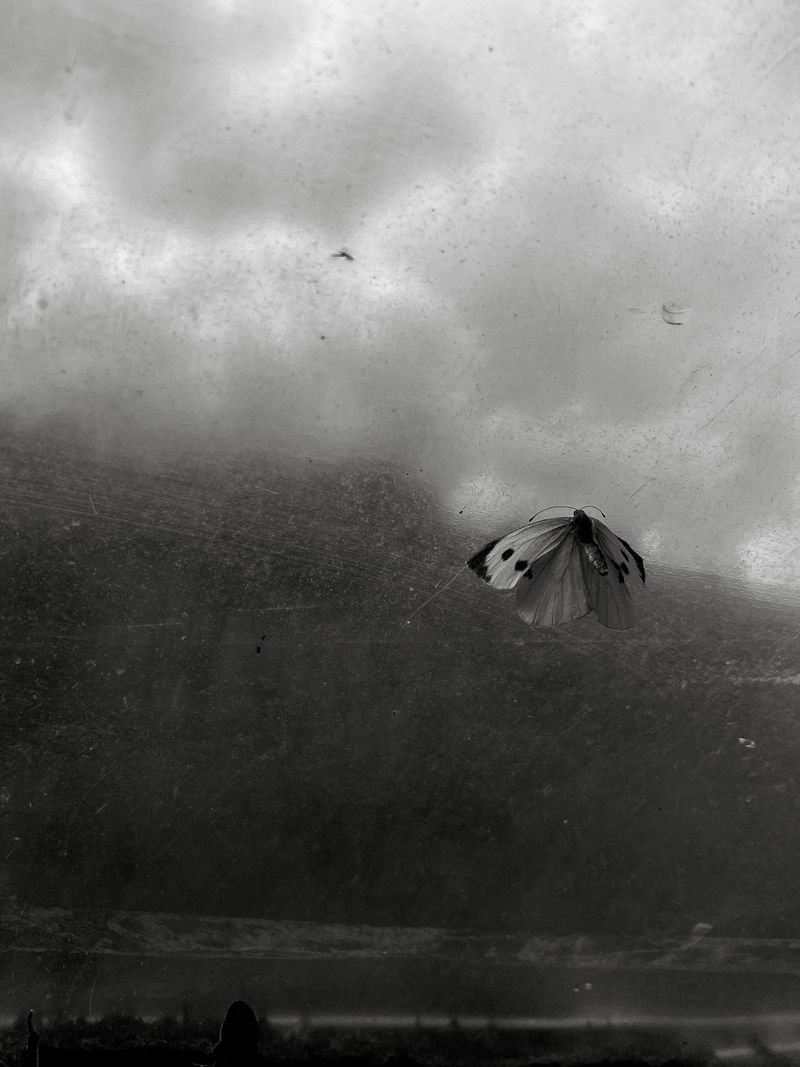
The river/swimming/moth images were taken at a re-wilded nature site in Norfolk. This is my call to work with ecologies in order to repair the damage humans have done. Despair, optimism and certainty create only inaction. (Rebecca Solnit)
Metaphorical use of light and darkness often features in writing about midlife; “There was plenty of time. I decided to walk. The sun was just beginning to set. Golden light everywhere.” (Miranda July)
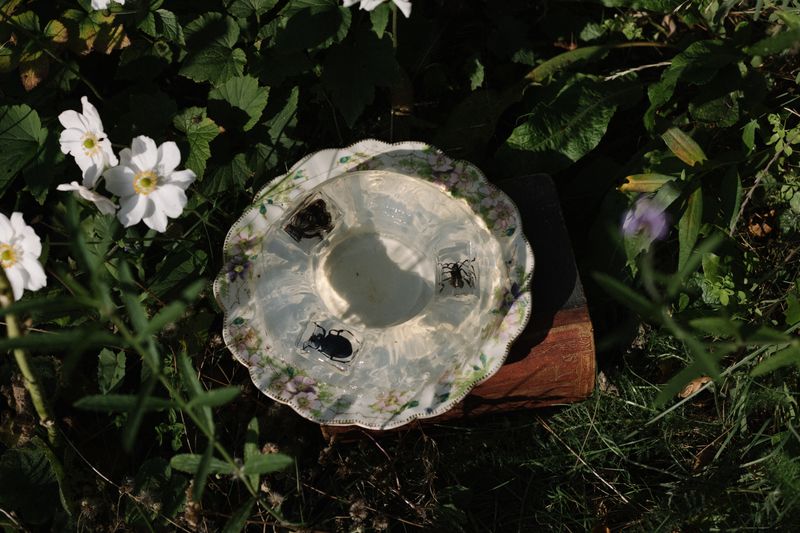
The image of jelly and insects represents the intersection of gender, care and ecology. It’s possible for feminists to re-invite the idea of care back into the conversation if we care with ecology, rather than for it. (Bellacasa)
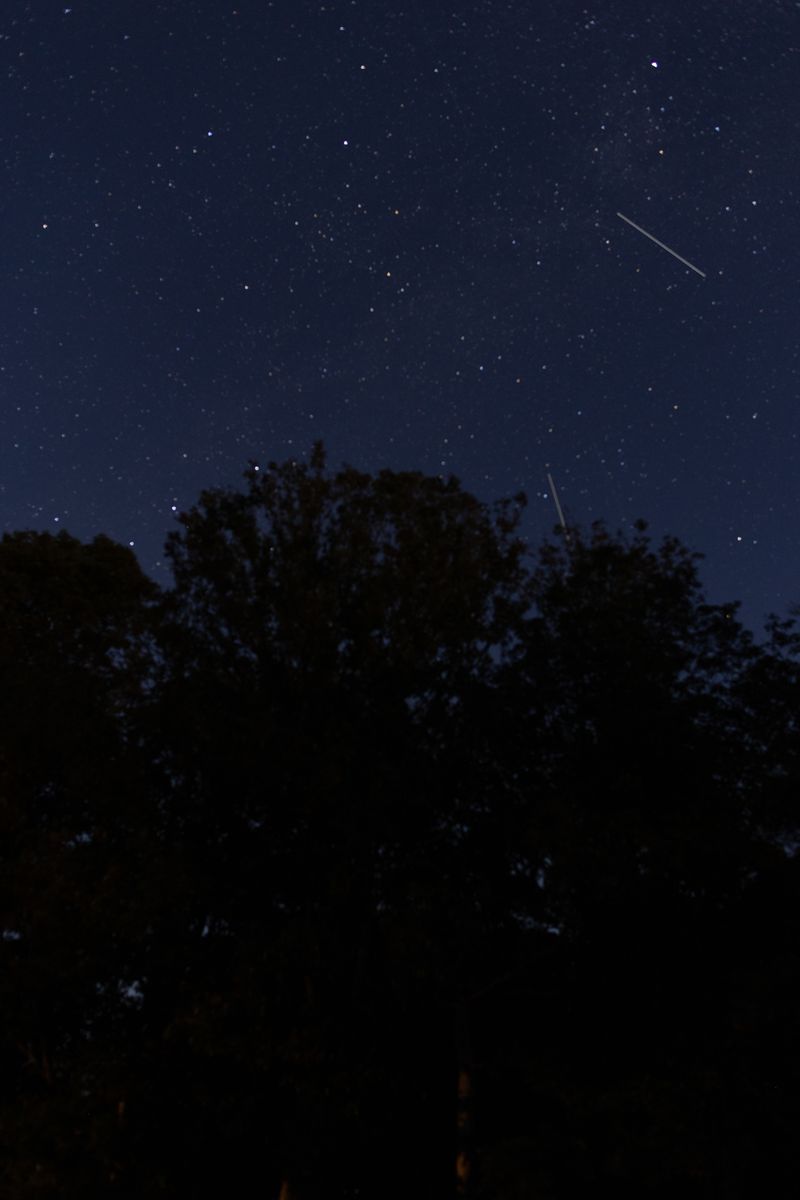
Carson’s ‘The sense of wonder’ influenced my decision to focus on nocturnal ecologies. Her book inspired the images of night skies, and also the fact that moths use the moon and stars to navigate. Solnit describes the enthusiasm she shares with Woolf for the uncertainty that can be found in both darkness and the unknown.
I hope this poetic series will encourage viewers to contemplate the ways in which female ageing is viewed culturally, and how menopause is now being re-presented based on lived experience.
“It requires fanatical determination now to become a crone… She must bear herself, her third self, her old age, with travail and alone.” Ursula K Le Guin.