My Dad Lives On The Moon
I’m left unresolved. My dad lives on the moon is a work about a daughter seeking to understand, but also about South Africa’s unfinished reckoning with peace and belonging - the quiet, unresolved spaces that endure between people, love and exclusion.

There’s a preacher man that I call dad that lives on the moon.

I hadn’t seen my father in years. His decision to move there had left me angry. Then I got a call - he had a stroke.

I travelled to this metaphorical moon, a place called Orania in the middle of South Africa, somewhere I’d never been. He had relocated from Durban, KwaZulu-Natal drawn to an Afrikaner dream and fearing for his safety and wellbeing of the country.

Orania was purchased in 1990 by Professor Carel Boshoff III, son-in-law of Hendrik Verwoerd, the father and architect of Apartheid. It was bought as a cultural homeland for white Afrikaners after apartheid fell.

Before the Afrikaners moved in during 1991, the former coloured inhabitants were forced out in one of the last large-scale forced removals of Apartheid. The town’s vetting process ensures only Afrikaners can live and work there, effectively excluding Black people. Critics call it a separatist enclave. Supporters like my father call it cultural preservation. Its existence and autonomy are protected by Section 235 of the South African Constitution, which allows self-determination of cultural groups.

The moon is a metaphor for Orania, where he lived from 2018 until early 2025. It represents the emotional and ideological remoteness, the surreal state of post-apartheid whiteness - detached and uncertain of its place. Even after he left, the distance persists. I’m an insider because of my father and my culture, but an outsider because I remain uncertain of what it means to be an Afrikaner. My relationship with him exposed me to a version of Afrikaner identity which I reject.

My visits became a mirror for larger questions about belonging, whiteness, and the persistence of segregation - the ways these beliefs continue to reproduce isolation under the guise of preservation.

This work is a personal exploration of the distance between a daughter and her father - emotional, ideological, physical, religious and political. It grew between love and discomfort, between past and present.

This project is a candidate for PhMuseum 2026 Photography Grant

Learn more Present your project
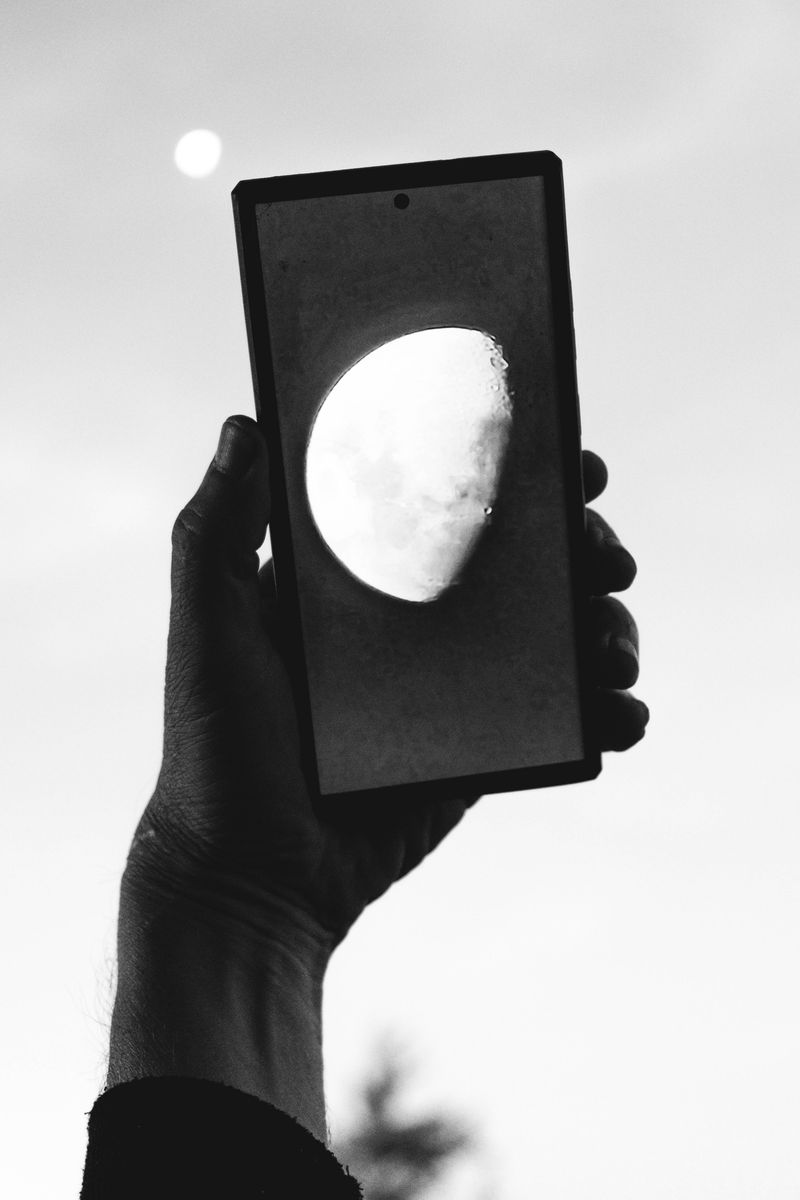
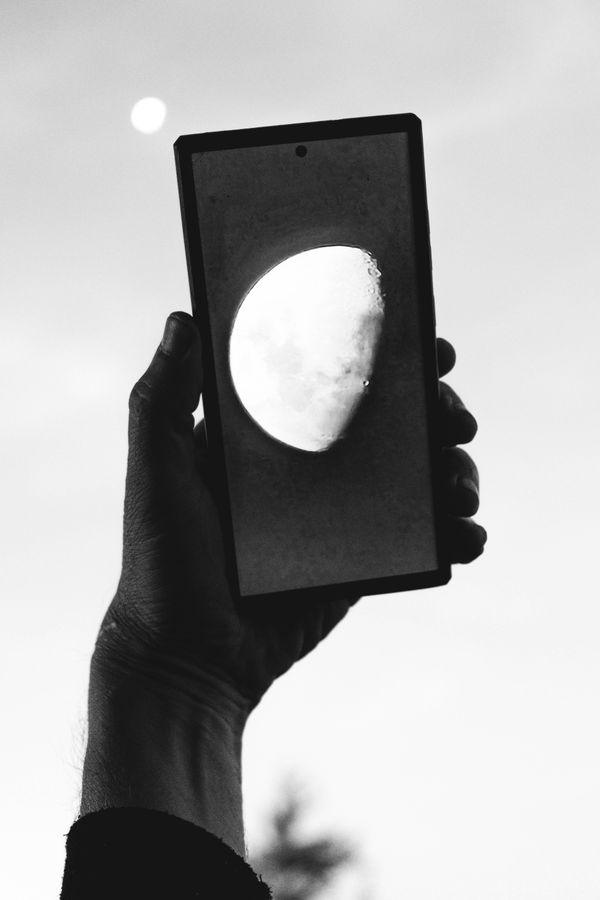
© Nadia Ettwein - Hand holding a cellphone with an image of the moon.
i

Hand holding a cellphone with an image of the moon.

© Nadia Ettwein - Image from the My Dad Lives On The Moon photography project
i

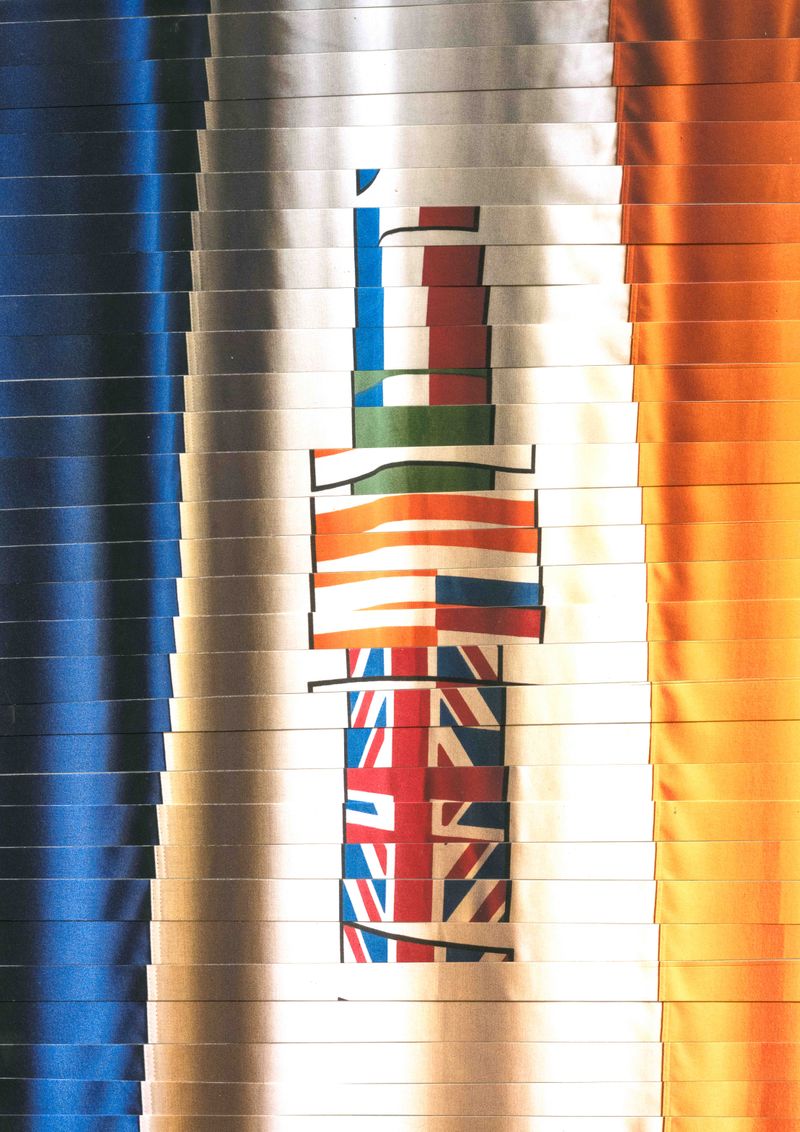
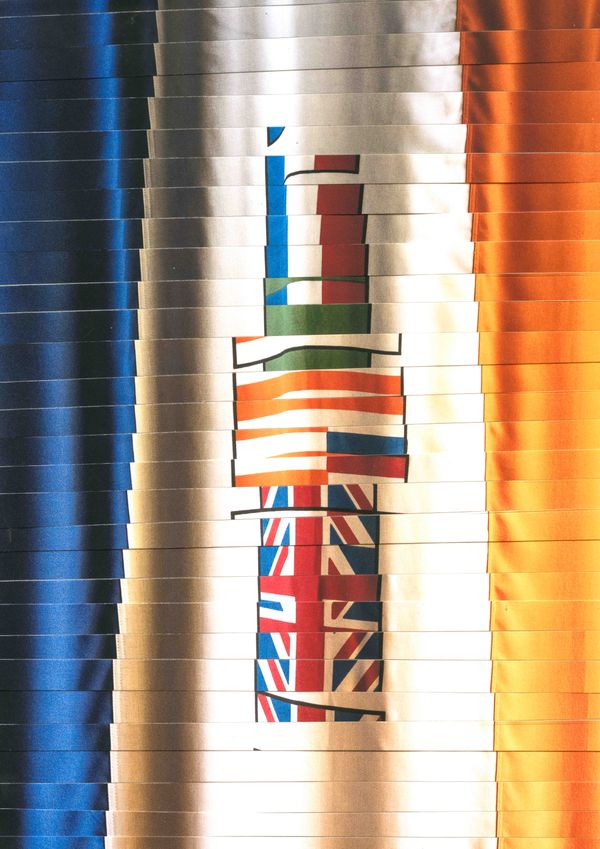
A reworked image of the old South African flag that has been shredded and reassembled in reverse, creating the appearance of an inverted flag. The reworked photograph documents an artistic intervention that alters a symbol of Afrikaner identity, presenting it in a fragmented and reversed form.

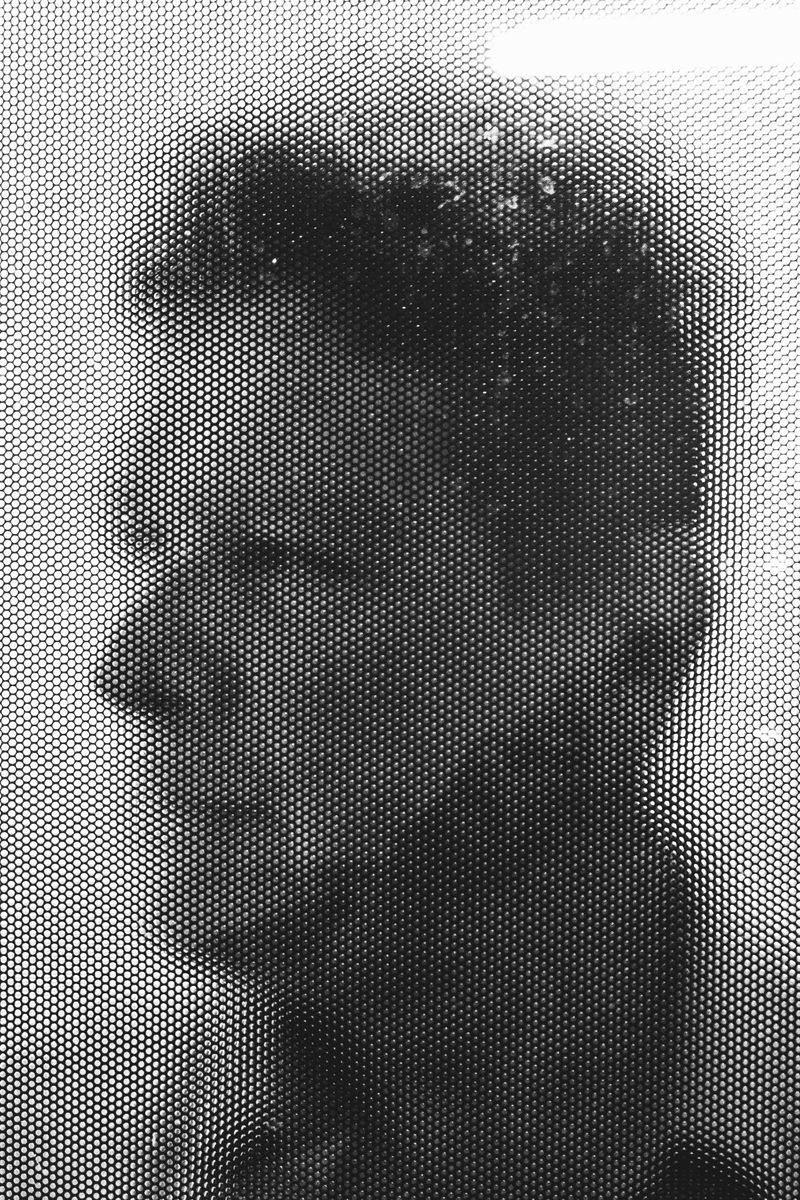
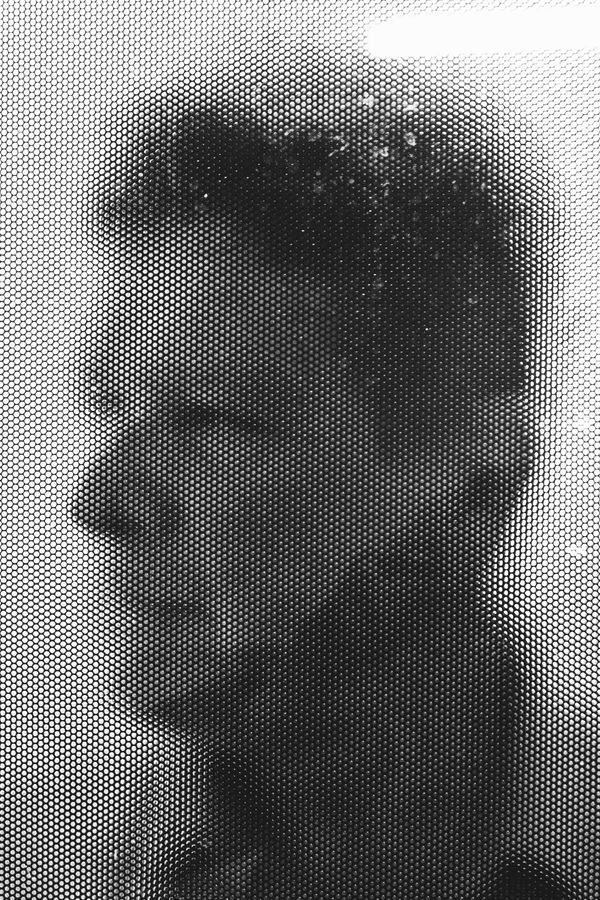
© Nadia Ettwein - Screened portrait of my father Cornelius Ettwein at his house in Orania.
i

Screened portrait of my father Cornelius Ettwein at his house in Orania.

© Nadia Ettwein - Image from the My Dad Lives On The Moon photography project
i

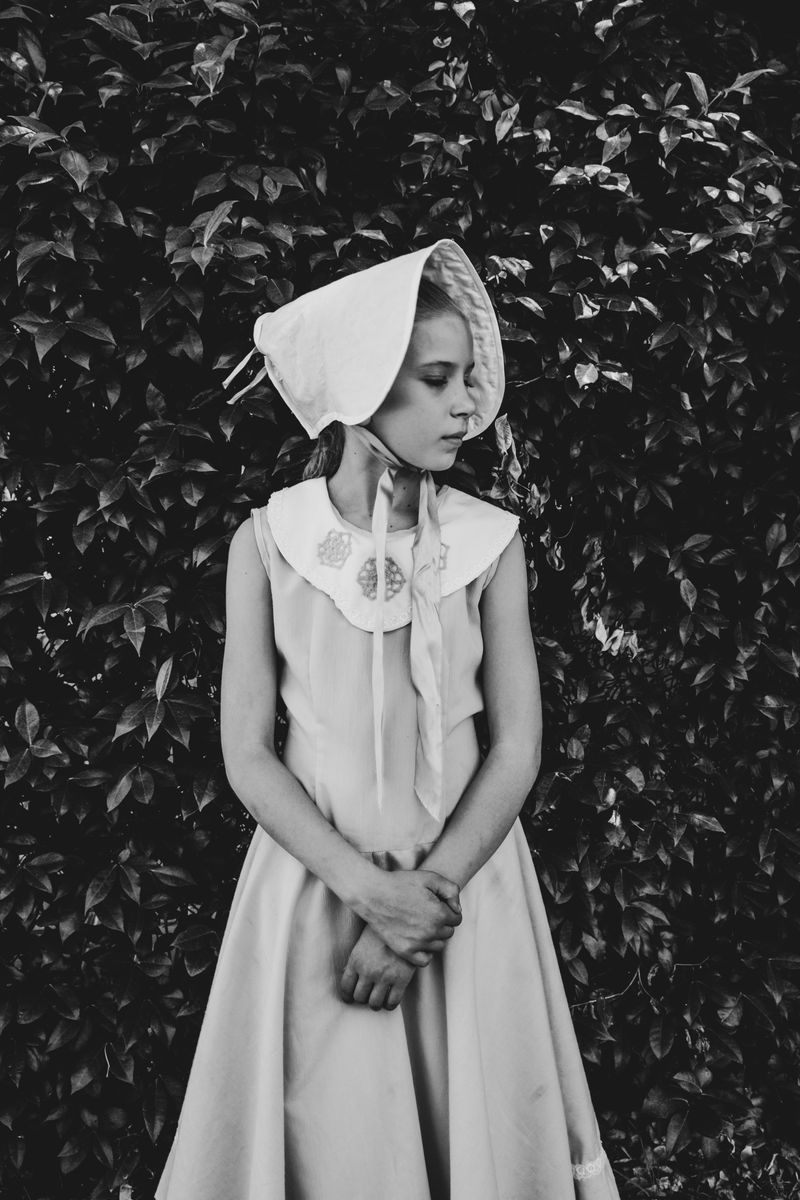
Katarina, a young girl in Orania, wears traditional Voortrekker clothing during the Day of Reconciliation. The photograph documents local cultural expression on a national public holiday, reflecting how Afrikaner heritage is visually represented in the town.

© Nadia Ettwein - Image from the My Dad Lives On The Moon photography project
i

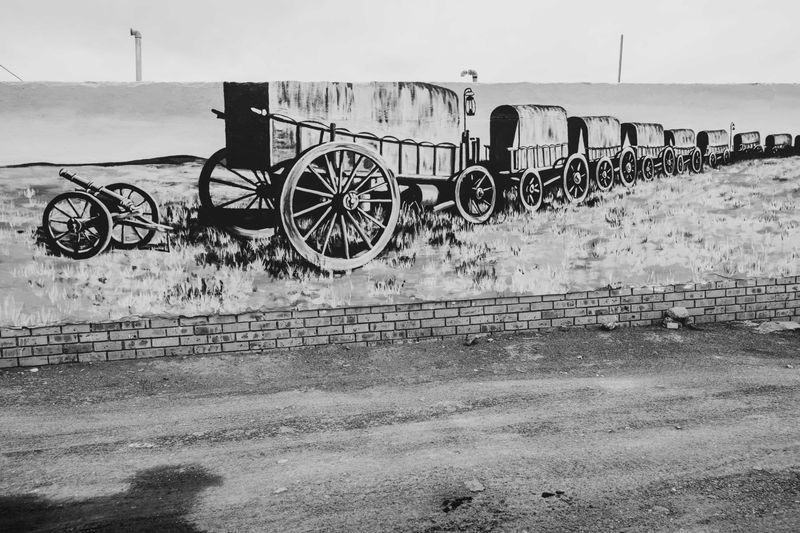
A mural painted on a brick wall depicts a wagon train crossing open plains. The wooden wagon resemble those used by the Voortrekkers, Dutch-speaking settlers who migrated inland during the Great Trek (1835-1840) to escape British colonial rule. The mural evokes migration, self-relance, and Afrikaner heritage.

© Nadia Ettwein - Image from the My Dad Lives On The Moon photography project
i

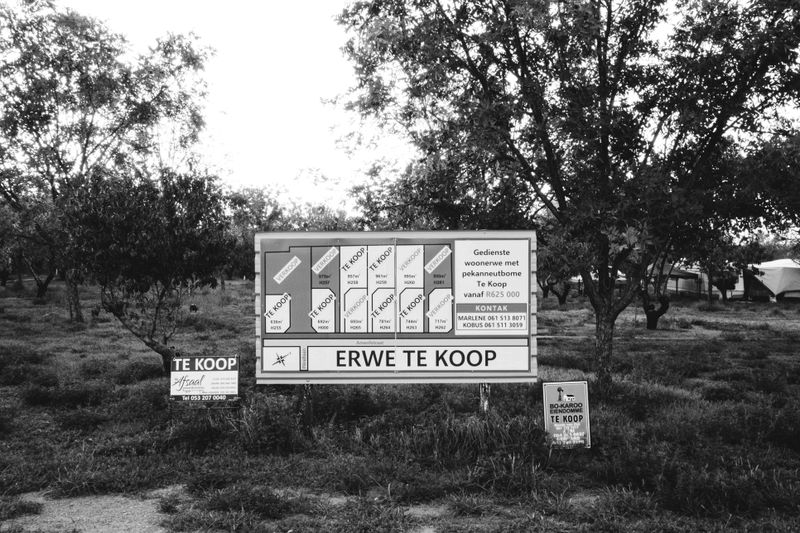
A real estate board "Erwe te koop" (plots for sale) in Orania showing the active selling and expansion of the enclave and commodification of segregated spaces.

© Nadia Ettwein - Image from the My Dad Lives On The Moon photography project
i

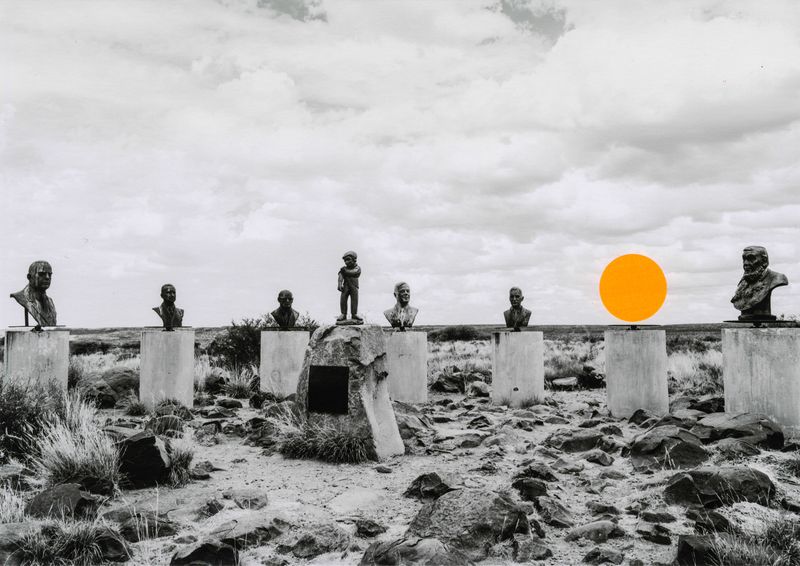
On Monument Hill in Orania, an orange sticker was placed on the empty pedestal reserved for statues. The hill features former Afrikaner leaders and the "Klein Reus" (Small Giant). These monuments, relocated from other places serve as a focal point for Orania's efforts to preserve Afrikaner culture and heritage.

© Nadia Ettwein - Image from the My Dad Lives On The Moon photography project
i

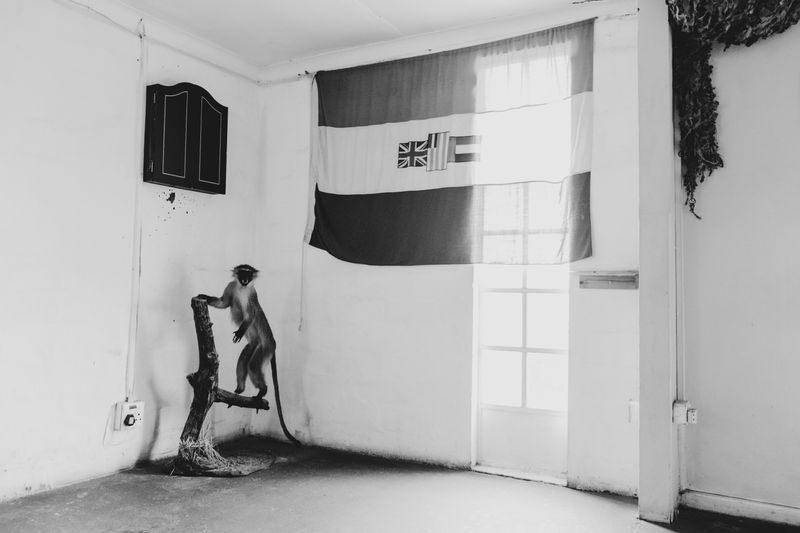
Inside the 'Bittereinder bar, a stuffed taxidermy monkey is positioned in the corner above a dartboard. Next to it, an Old South African flag hangs like a curtain. The bar's name, Bittereinder, translate to "bitter end", a term historically associated with Afrikaner resistance during the Anglo-Boer War.

© Nadia Ettwein - Image from the My Dad Lives On The Moon photography project
i

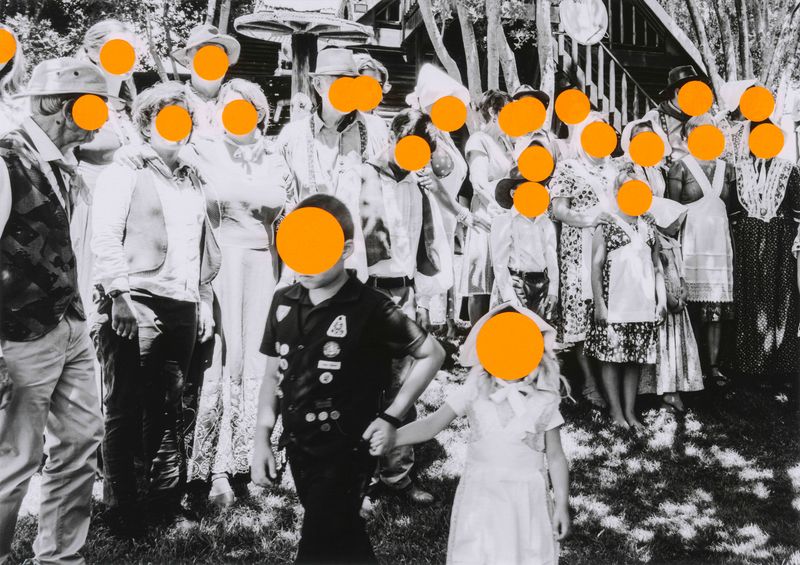
A group portrait taken on the day of Reconciliation was reworked with orange stickers to conceal the identities of the individuals. the use of orange highlights the town's name, Orania, which is often mistakenly linked to the Afrikaans word for the colour orange (Oranje). The name recalls the Orange River itself named in 1779 by Dutch explorer Colonel Robert Gordon after William V of Orange.

© Nadia Ettwein - Image from the My Dad Lives On The Moon photography project
i

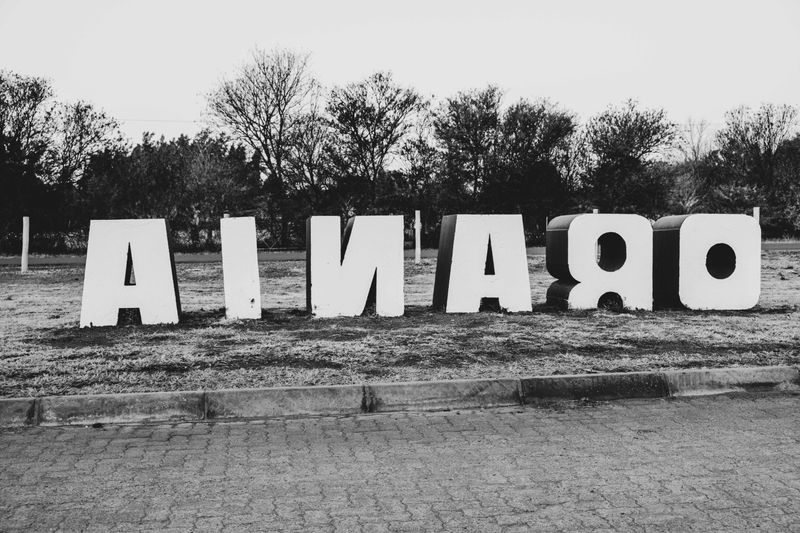
Standing behind the town's entrance sign, the name Orania appears spelled backwards. The perspective emphases the feeling of being inside the settlement looking outward.

© Nadia Ettwein - Image from the My Dad Lives On The Moon photography project
i

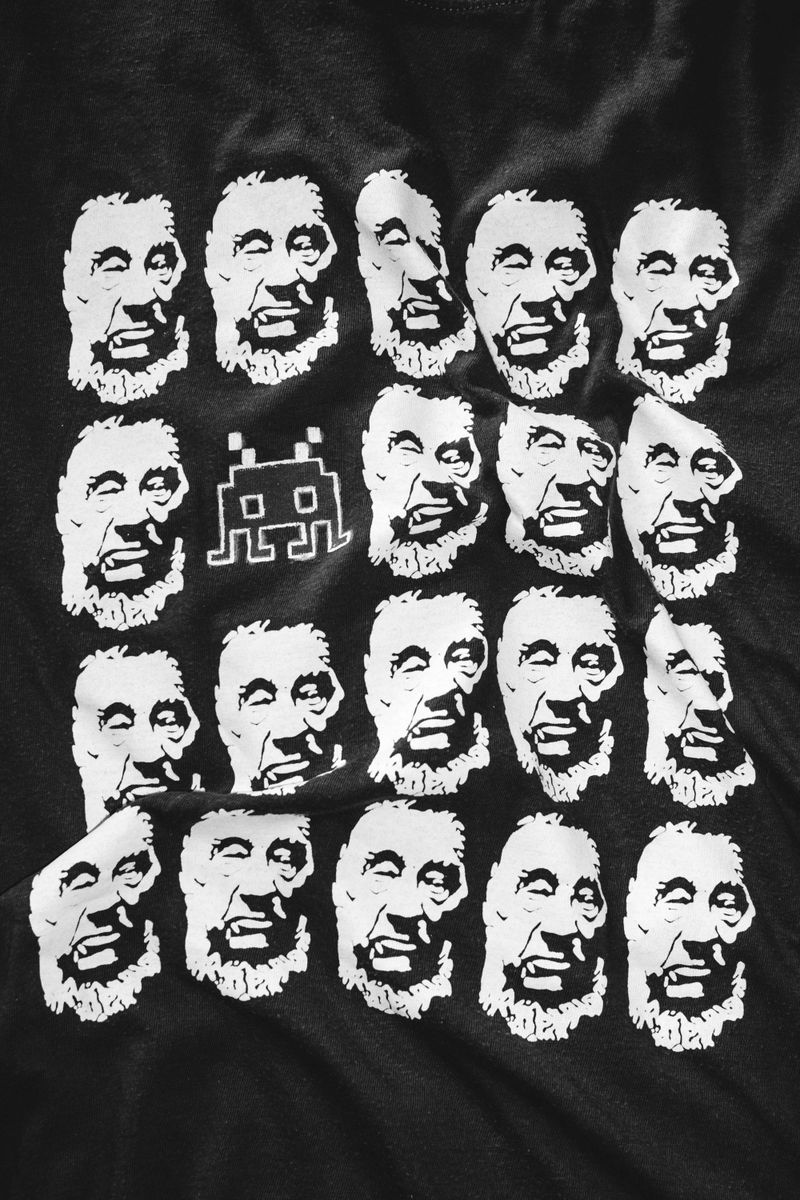
A photograph of a t-shirt combines the image of Paul Kruger, former president of the South African Republic, with a pixelated space invader graphic.

© Nadia Ettwein - A landscape image with a white arrow showing direction in a field.
i

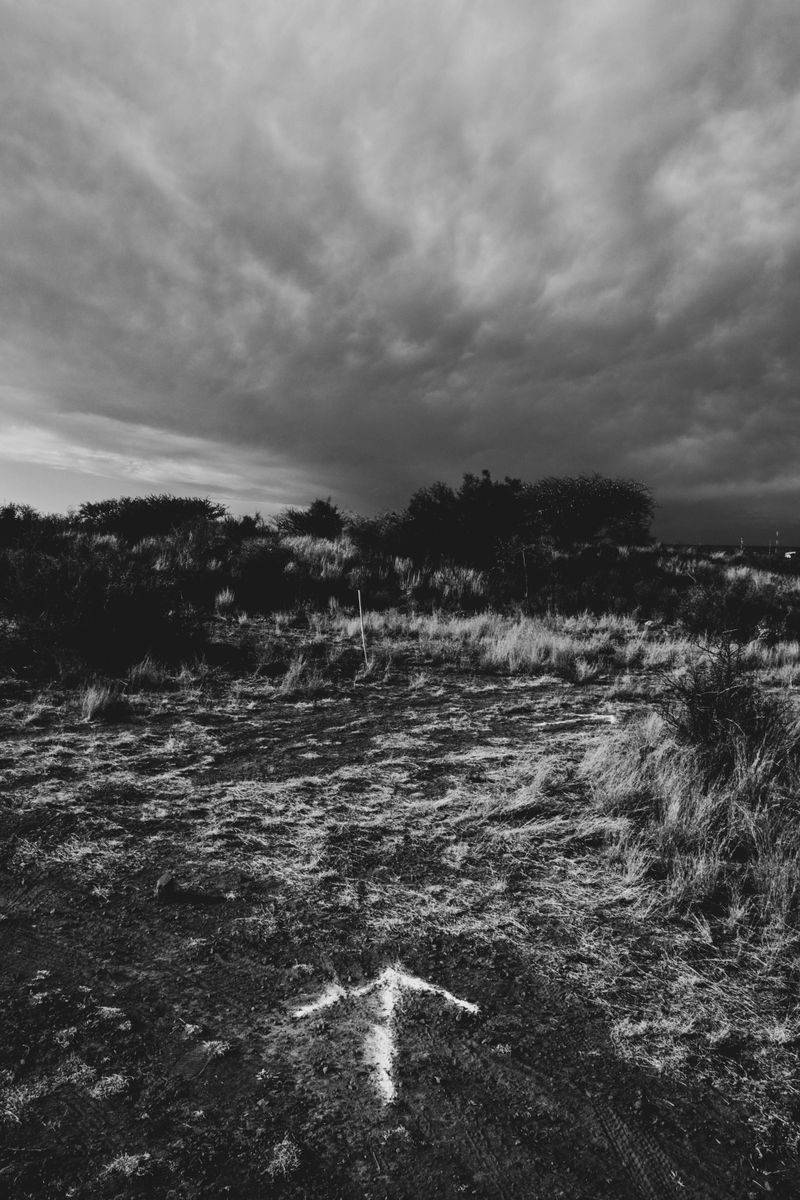
A landscape image with a white arrow showing direction in a field.

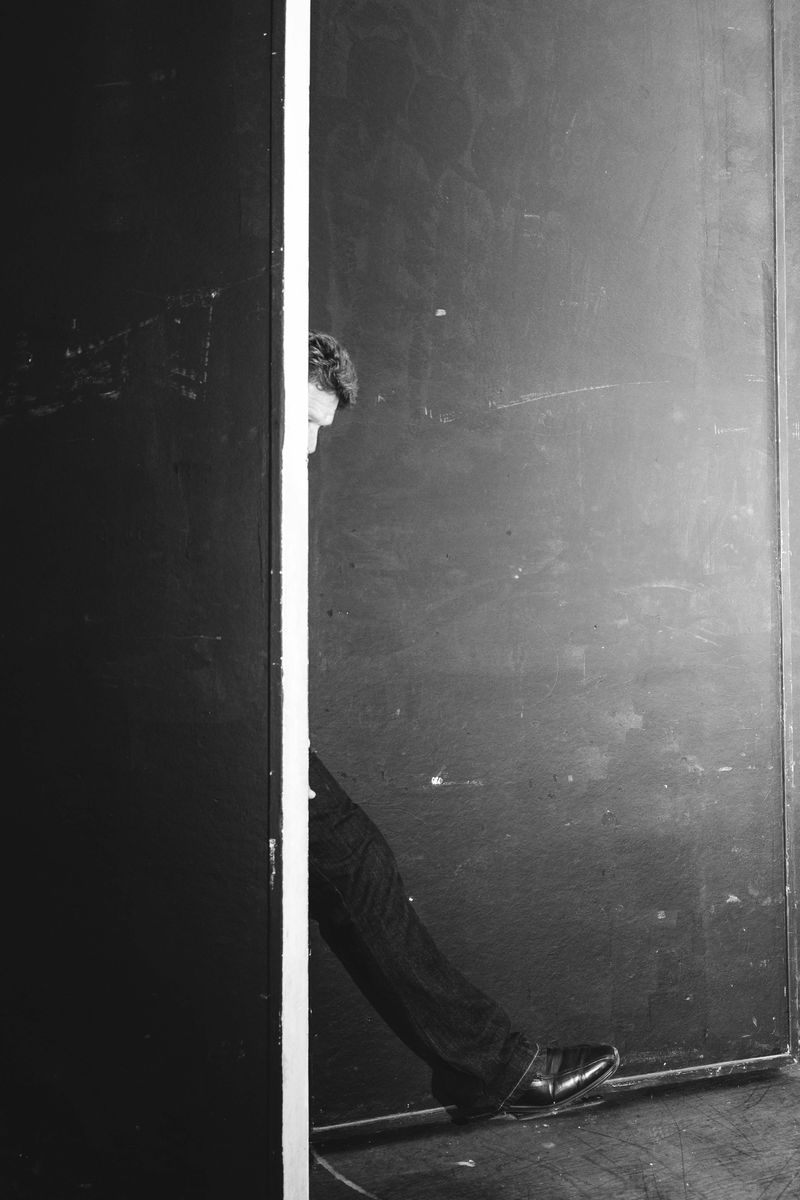
© Nadia Ettwein - My father Cornelius stepping out from behind a doorway at church in Orania.
i

My father Cornelius stepping out from behind a doorway at church in Orania.

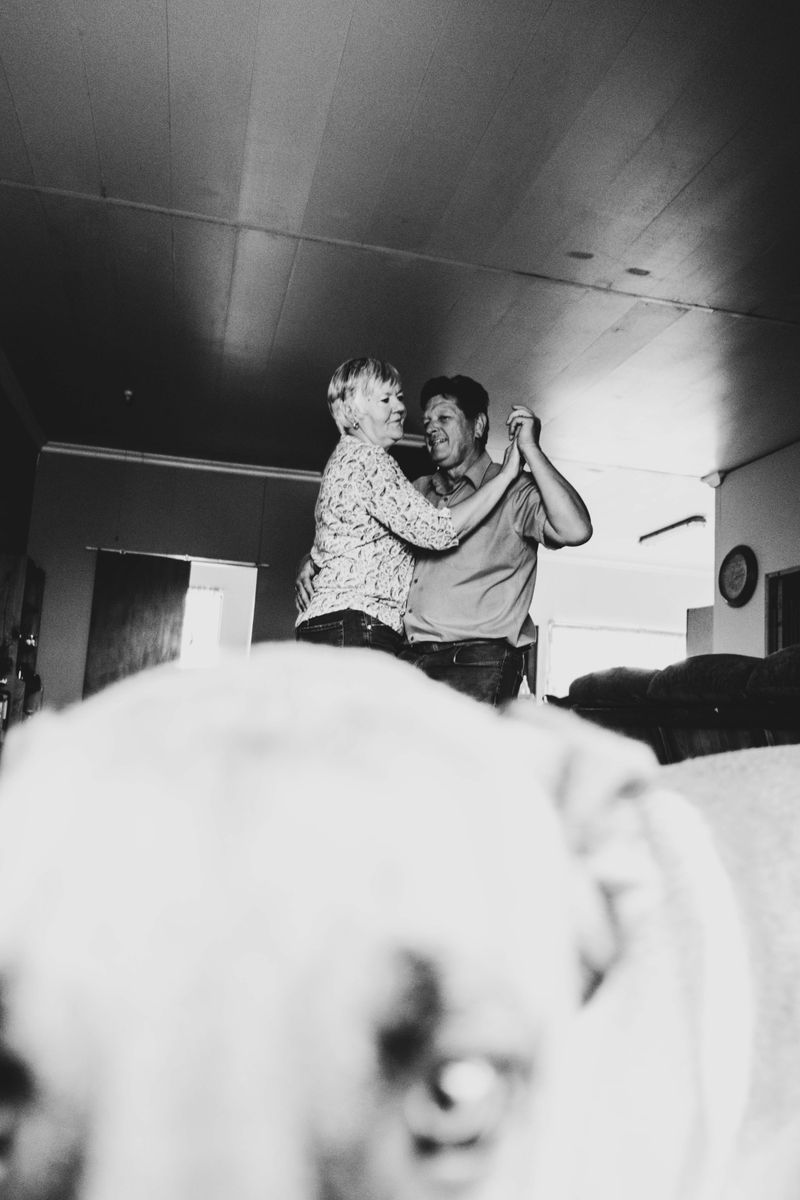
© Nadia Ettwein - My father Cornelius dancing with his wife and his dog Rex in the foreground at their home in Orania.
i

My father Cornelius dancing with his wife and his dog Rex in the foreground at their home in Orania.

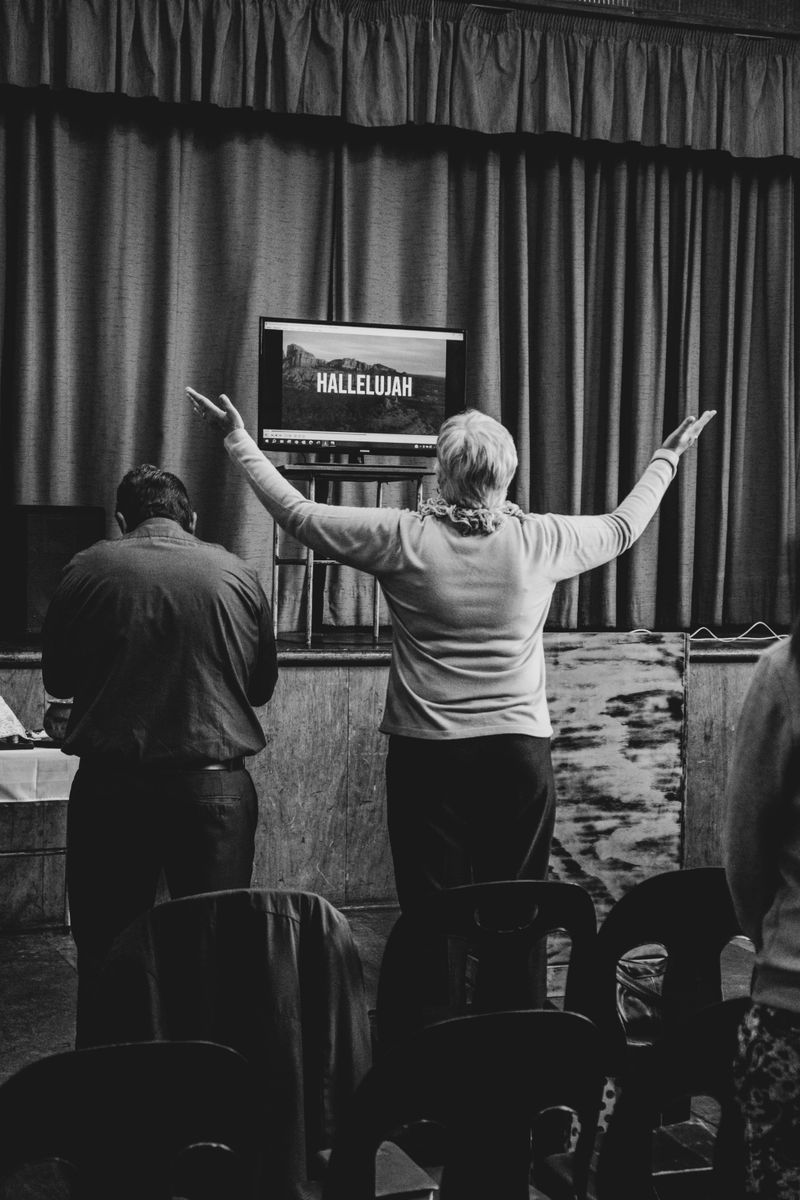
© Nadia Ettwein - Image from the My Dad Lives On The Moon photography project
i

My father, Cornelius and his wife are pictured in church service with their backs turned and arms raised while singing, as the projector displays the word "Hallelujah"

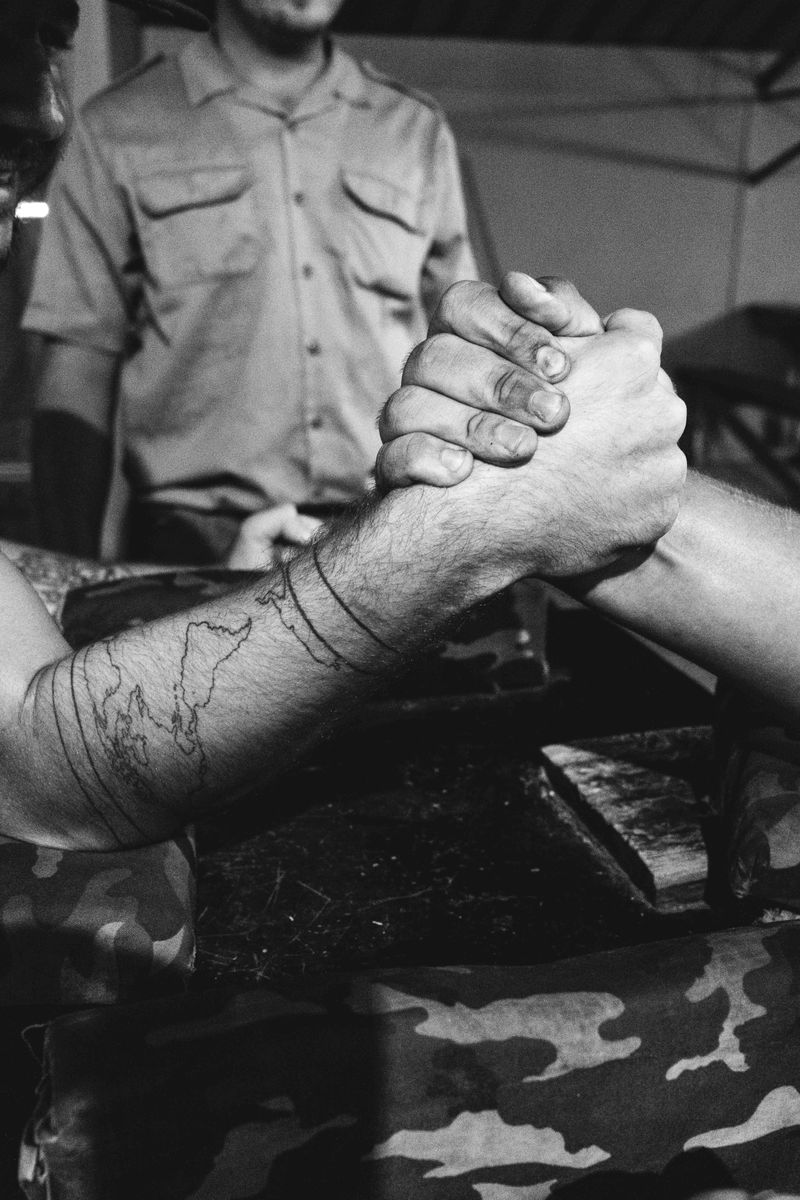
© Nadia Ettwein - Two men arm-wrestle at a local bar, engaging in a casual sporting contest.
i

Two men arm-wrestle at a local bar, engaging in a casual sporting contest.

© Nadia Ettwein - Image from the My Dad Lives On The Moon photography project
i

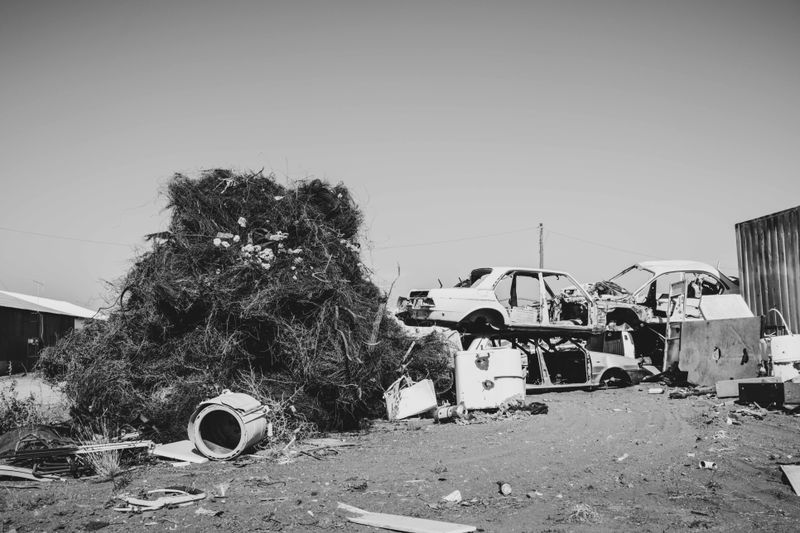
A broken car and scattered metal are seen in a scrap yard in Orania. The photograph documents discarded vehicles and materials collected for parts or recycling, reflecting the town's everyday environment.

© Nadia Ettwein - A young boy from Orania, cuts the lawn with a weed eater as part of his gardening service.
i

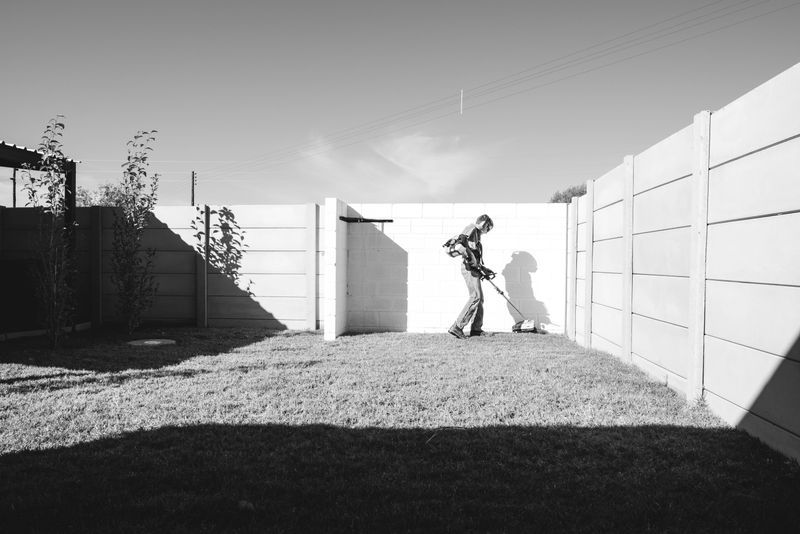
A young boy from Orania, cuts the lawn with a weed eater as part of his gardening service.

© Nadia Ettwein - Image from the My Dad Lives On The Moon photography project
i

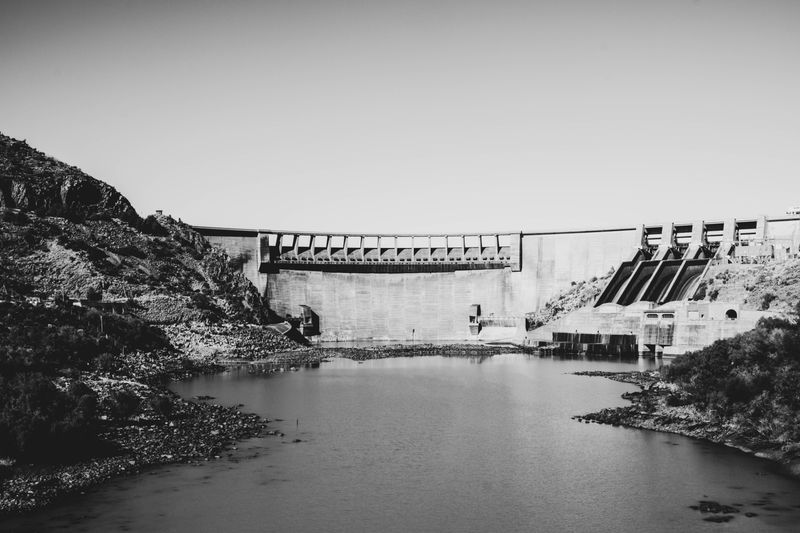
The Vanderkloof Dam, completed in 1977 on the Orange River, is South Africa's second-largest dam and tallest dam wall. Locals workers lived in the settlement while constructing the dam under the Department of Water Affairs. After completion, families were evicted by the DWA in one of the last large-scale forced removals of Apartheid.

© Nadia Ettwein - Image from the My Dad Lives On The Moon photography project
i

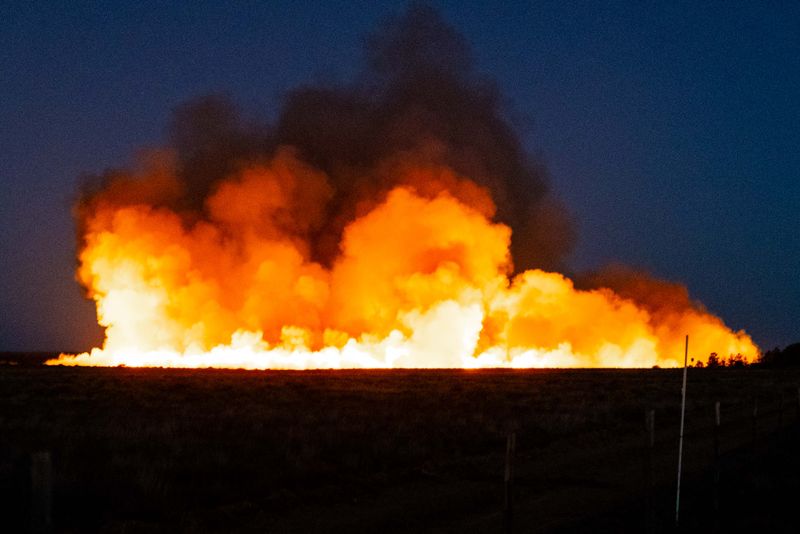
A controlled farm fire burns in the fields outside Orania. Such fires are a common agricultural practice used to clear land, manage grazing, and reduce invasive vegetation.

My Dad Lives On The Moon by Nadia Ettwein

Prev Next Close