Musea Futuri - First Chapter: Rescue Objects
-
Dates2024 - Ongoing
-
Author
- Topics Contemporary Issues, Documentary, Archive
- Locations Rio de Janeiro, Denmark
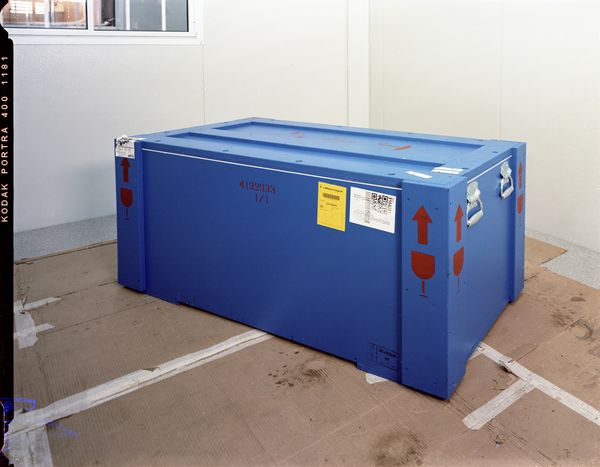
Musea Futuri is a long-term project exploring the future of ethnography museums. The first chapter, Rescue Objects, documents artifacts surviving the fire at Brazil’s National Museum, creating a visual archive of lost memory.
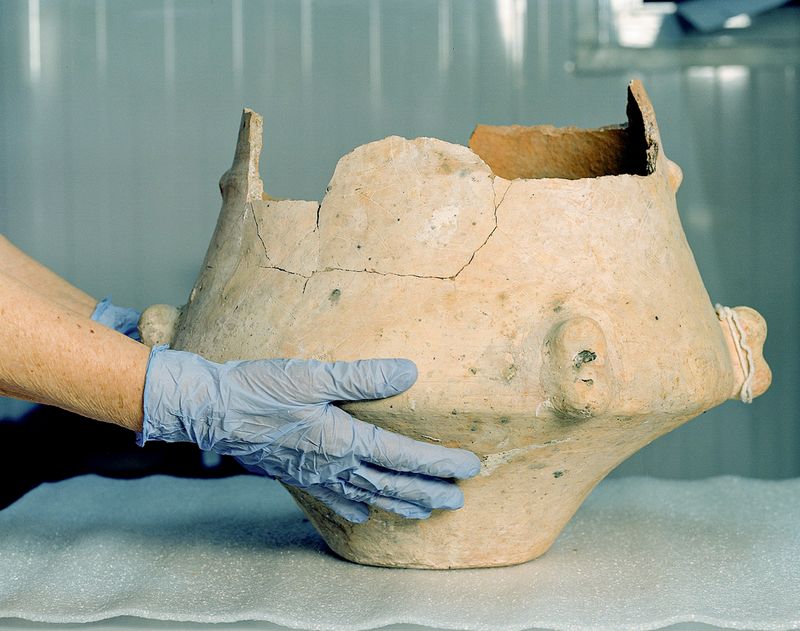
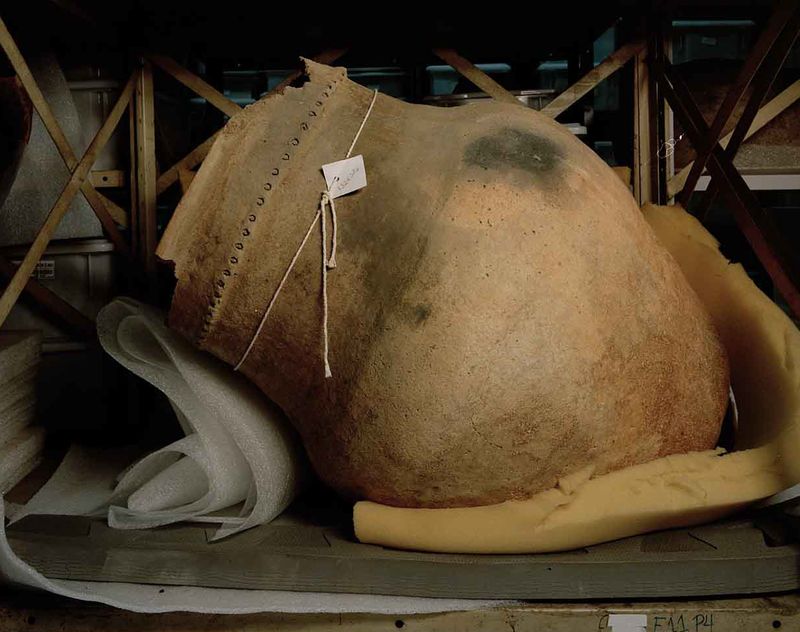
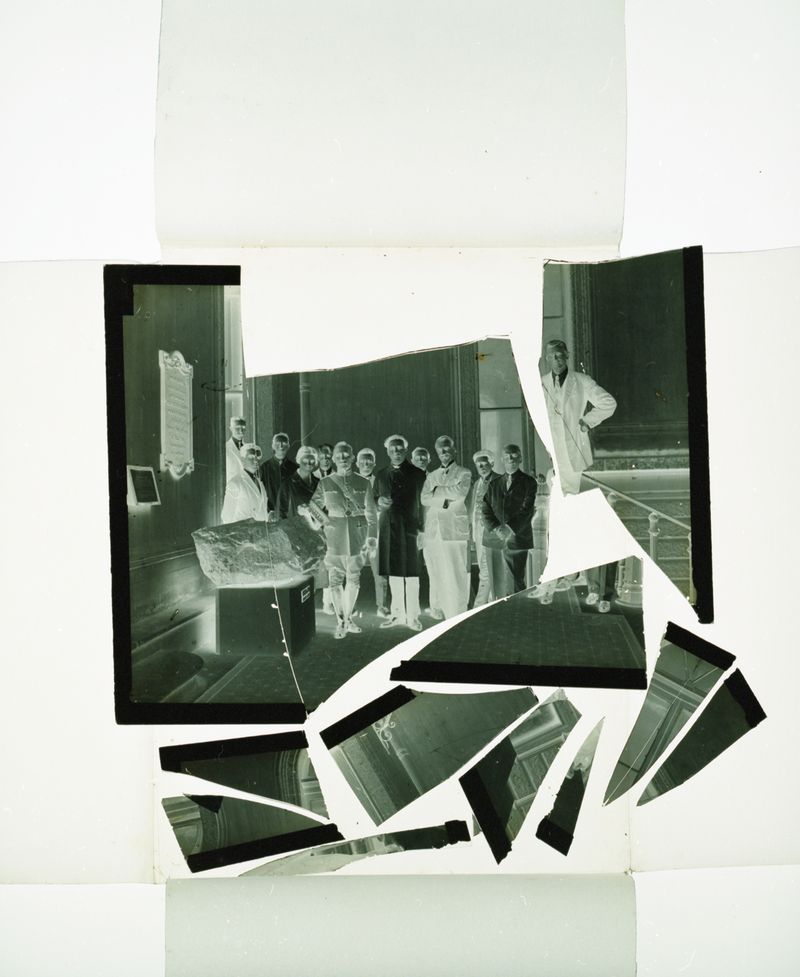
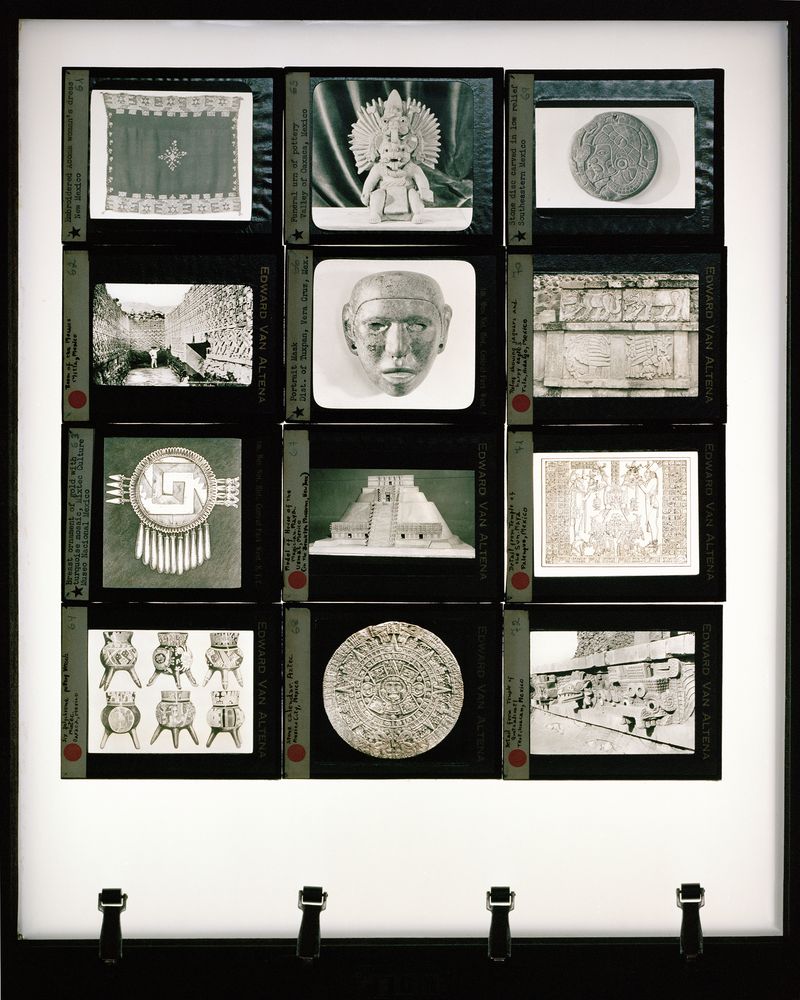
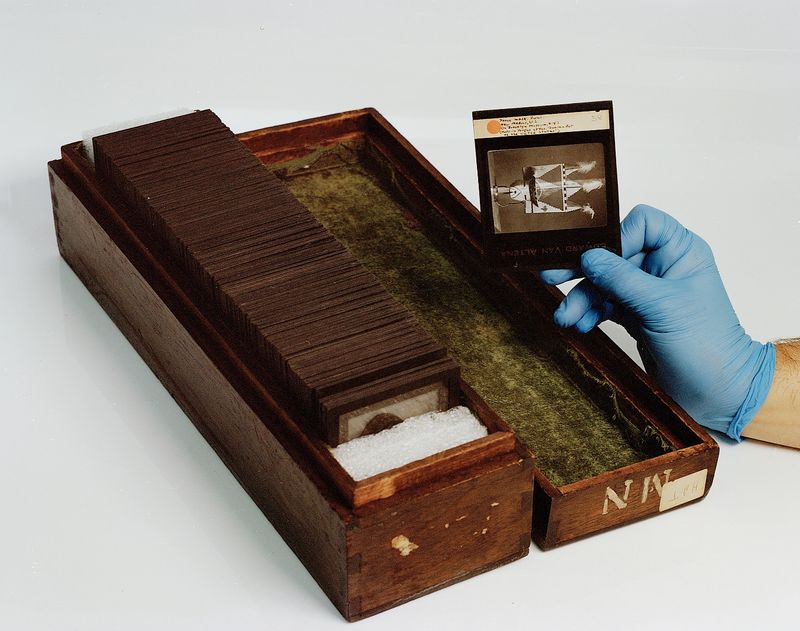
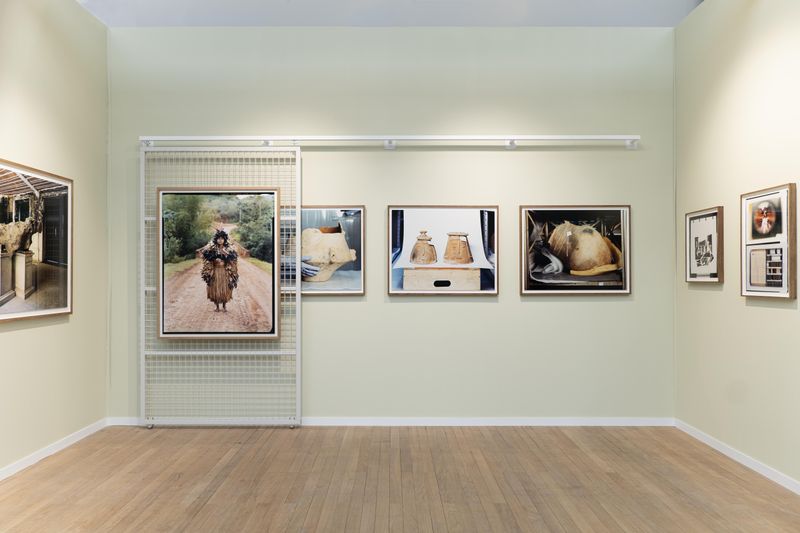
Rescue Objects is the first chapter of this ongoing research, and the series is, quite literally, a rescue operation. Between January and August 2024, with the support of the Institut Français and the CNAP, Lívia Melzi visited the National Museum of Rio de Janeiro, which had been ravaged by the 2018 fire, to photograph hundreds of items rescued from the flames. Her images are raw and direct, almost factual and documentary, taken with a large-format camera. They reflect a museum practice of inventory and identification, of archive production, at a time when the museum had lost almost 85% of its collection of some 20 million objects, one of the richest in Latin America.
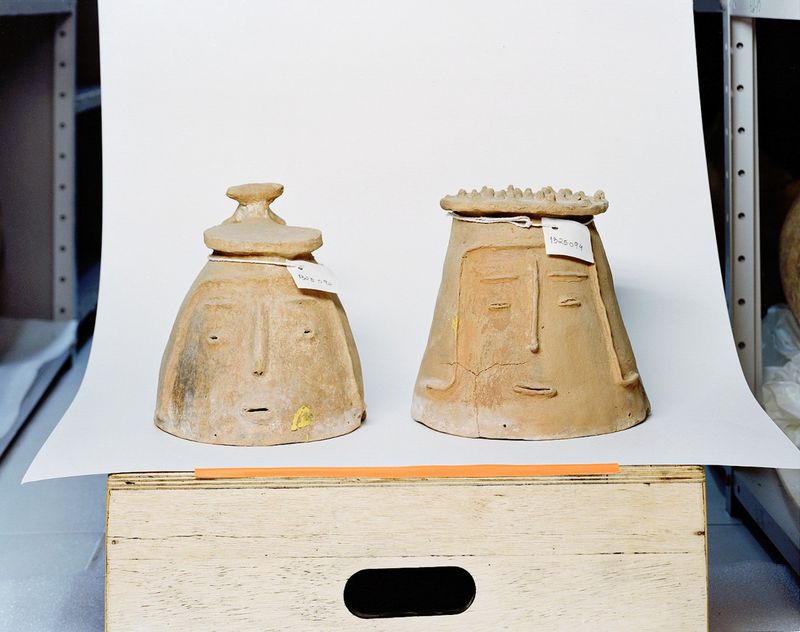
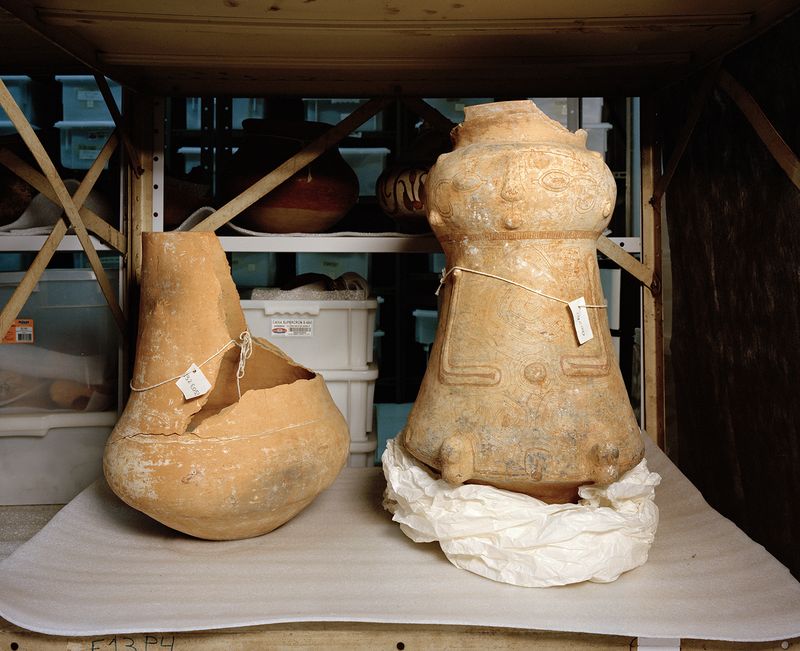
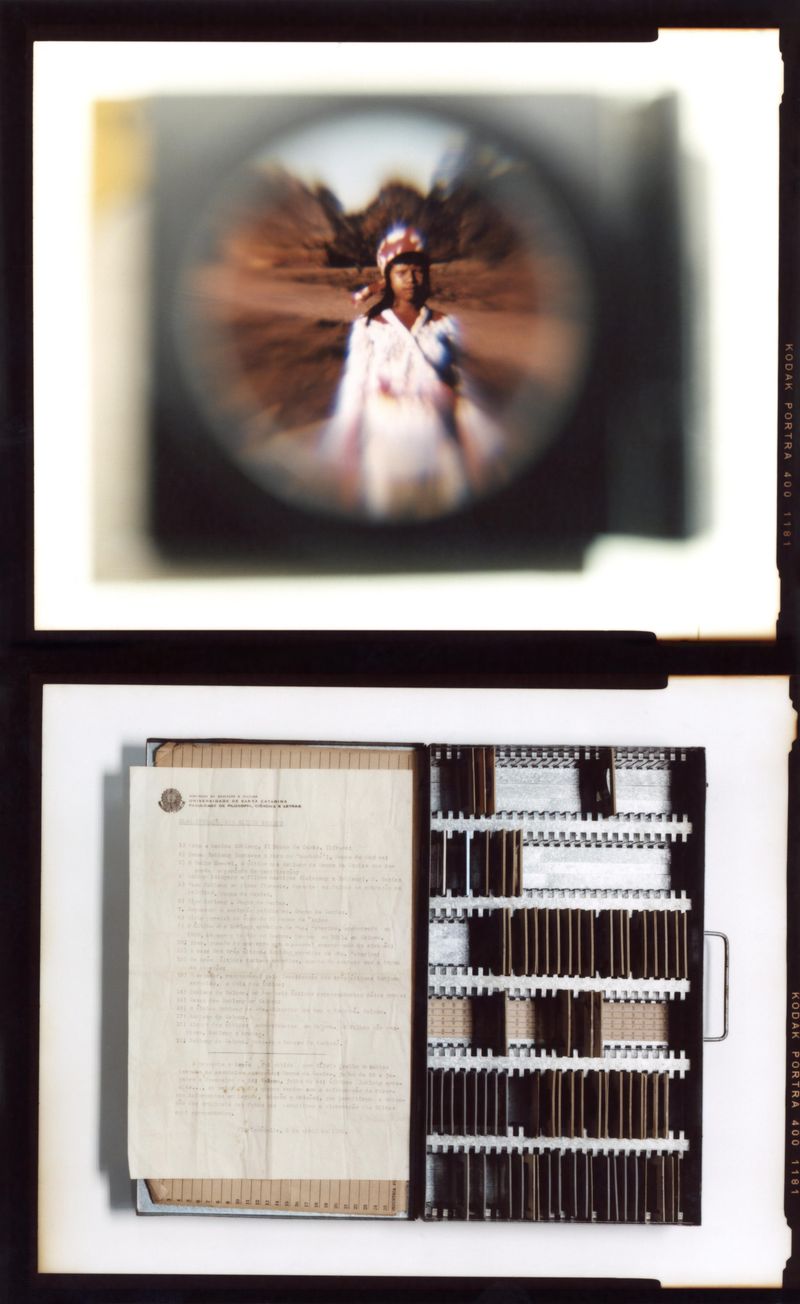
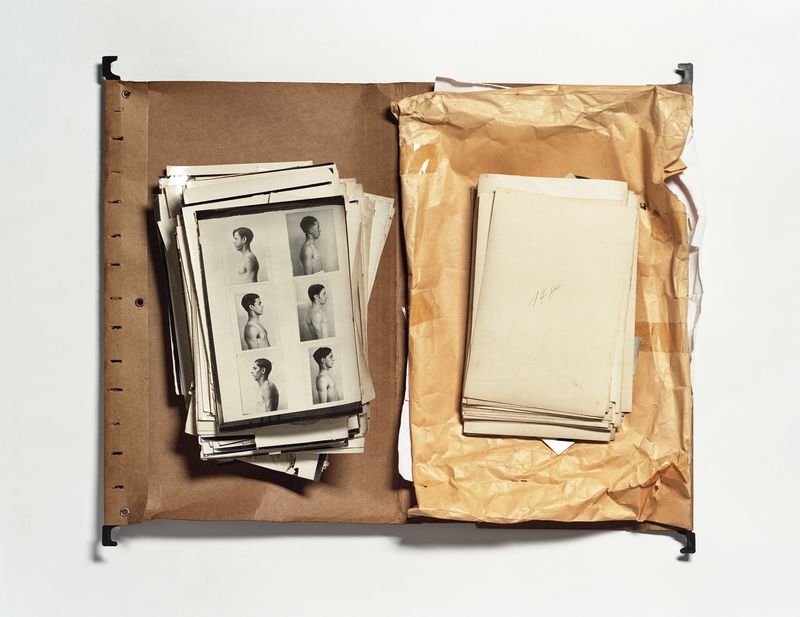
As an artist-researcher, she had access to two categories of items presented here: burnt and broken objects extracted from the ruins of the museum, destined either to be thrown away or restored, and a set of photographic negatives and plates stored for over 20 years in a room of the museum’s photographic department, threatened by lack of conservation. These survivors are photographed in the context in which they were restored: on metal shelves, alongside technical tools, and above all, in the attentive hands of those who, through gestures of care, handle these fragments of memory. Lívia Melzi resurrects ghosts, capturing traces and ruins on the eve of their metamorphosis, emphasizing their ephemeral nature in opposition to the idea of an immutable museum.
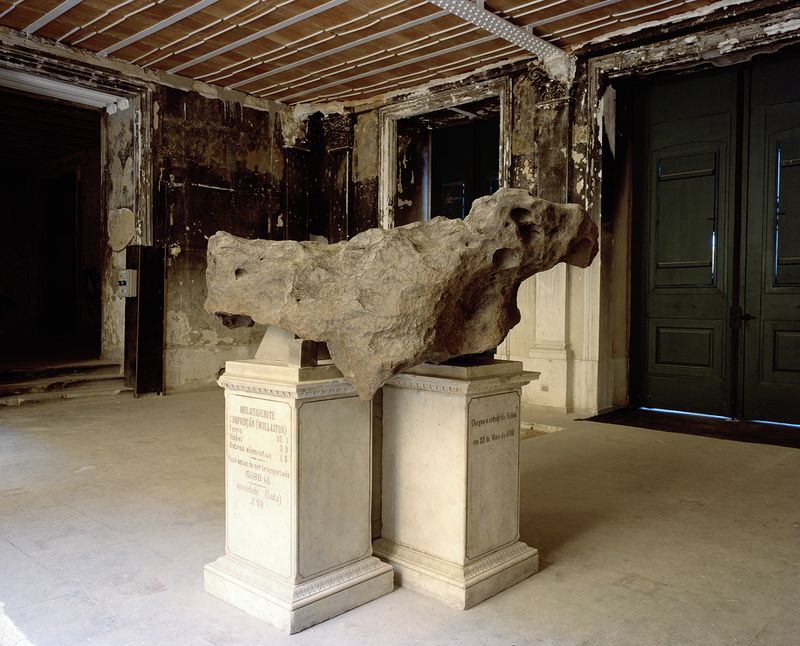
Lívia Melzi’s work does not show explicit violence, but her images invite viewers to decipher objects that bear witness to the coextensive violence inscribed in the very history of the museum. Through a series of images ranging from the Bendegó meteorite, intact amid the ruins, to colonial and anthropometric archives, and pre-colonial Amazonian funerary urns, the artifacts she photographs, imbued with complexity and polysemy, whisper of the painful heritage of an institution almost “cursed” by its origins. Founded in 1818 by Dom João VI, the National Museum, Brazil’s oldest academic institution, amassed a vast collection largely obtained from indigenous communities and private collections of the slavery-era elites. Transformed under the influence of Emperor Pedro II, who had a passion for science, it focused on anthropology, paleontology, and archaeology. The museum bears witness to the relationships between elites, religious figures, researchers, and local communities throughout Brazilian history.
Lívia Melzi sheds light on the repressed memory of this institution, questioning the violence of the past and the complexity of Brazil’s post-colonial heritage. What traces of the past should be preserved to tell the story of this museum? Should the remains of the fire be kept as witnesses to painful memory, or should everything disappear and we start again from scratch? These questions, raised by the tragedy of the fire, open an essential debate on the role of cultural institutions and their responsibilities in contemporary society.
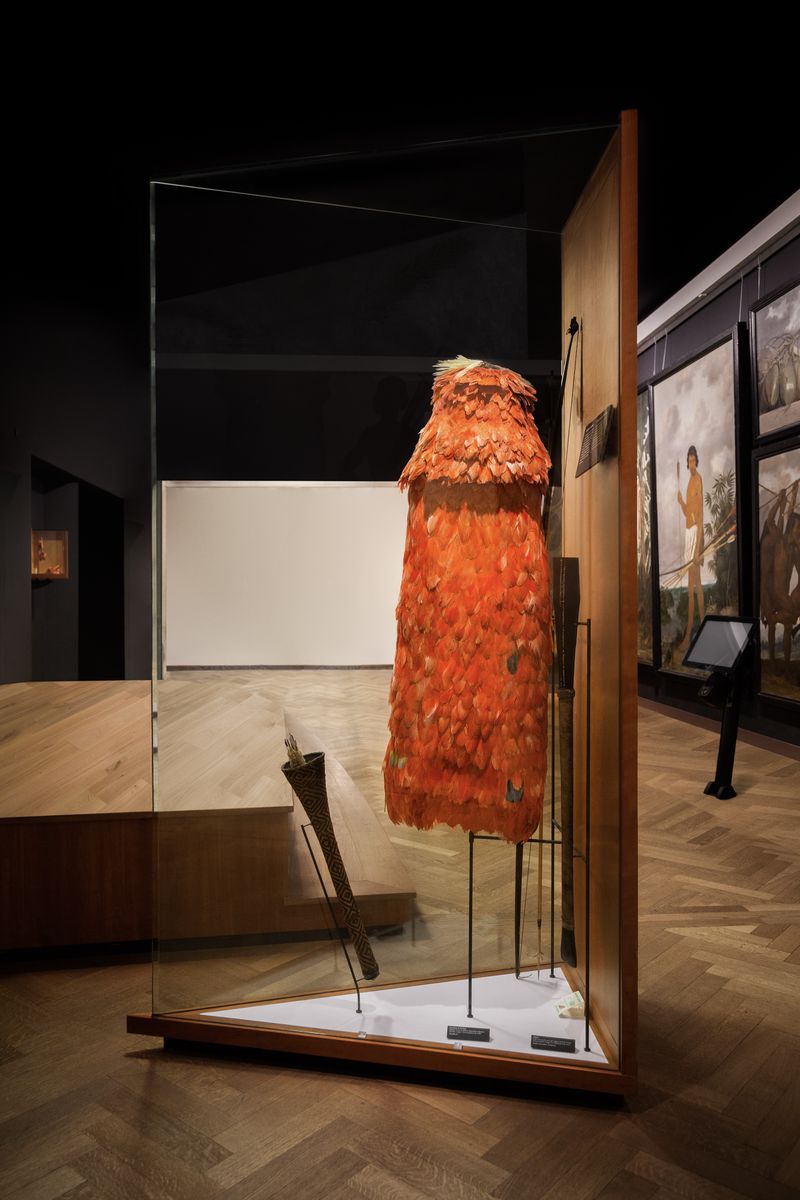
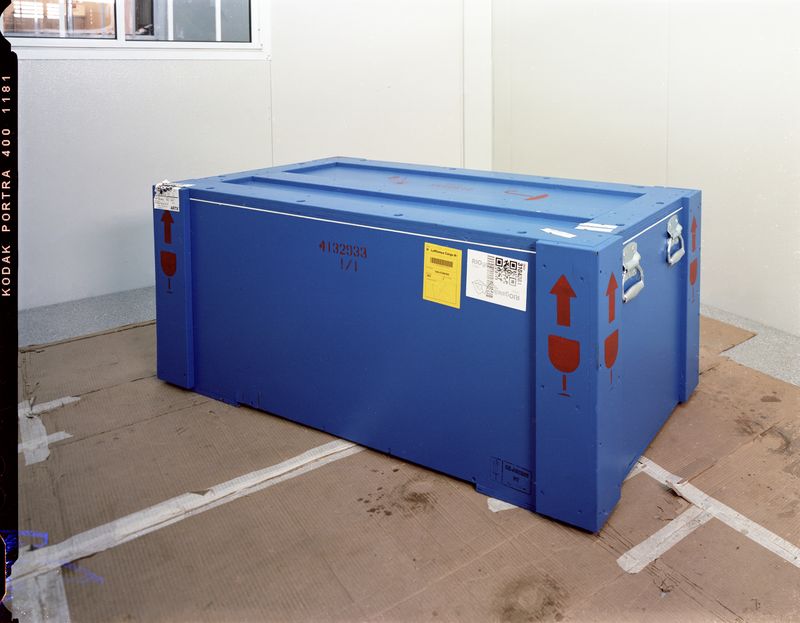
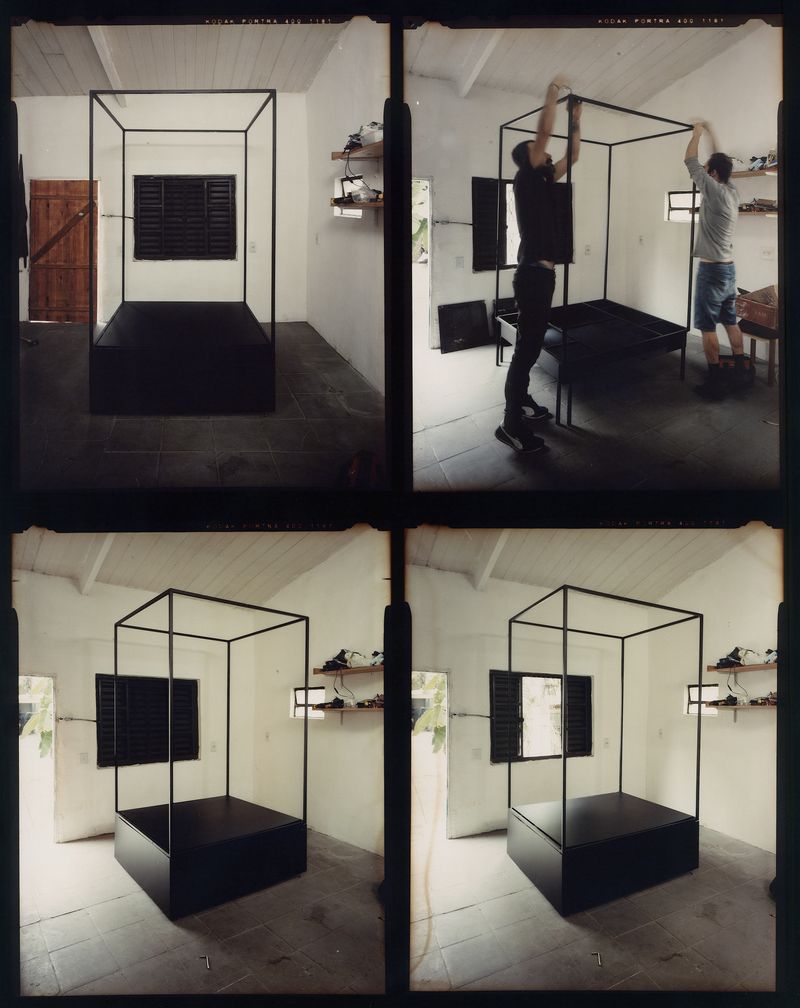
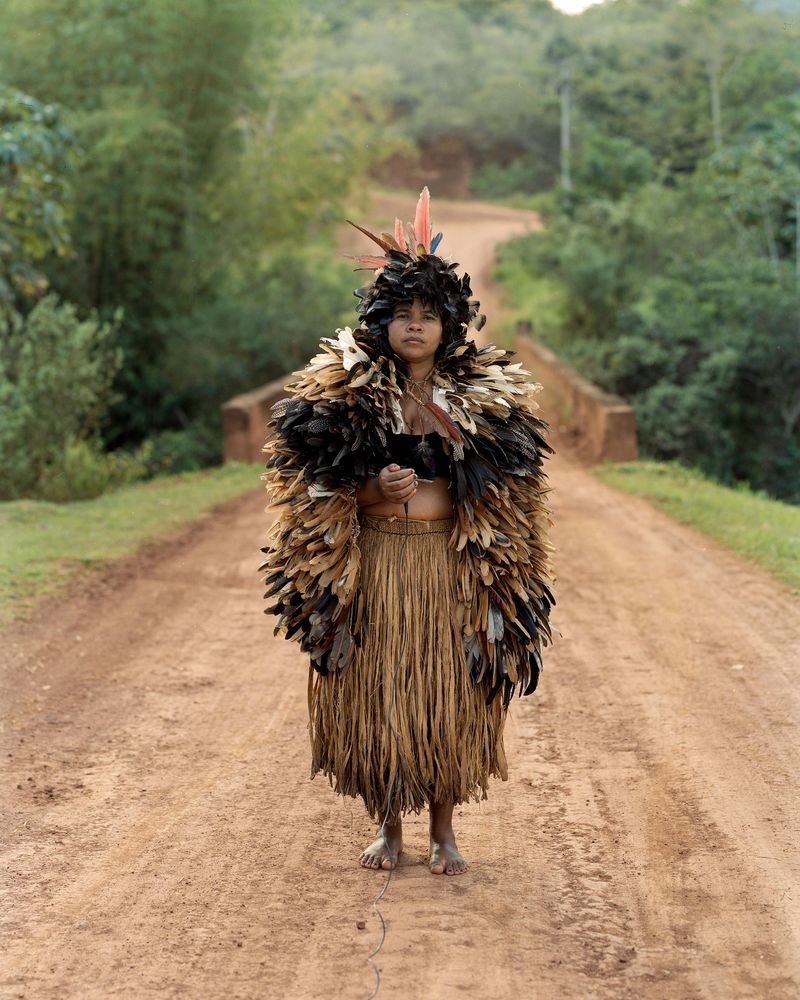
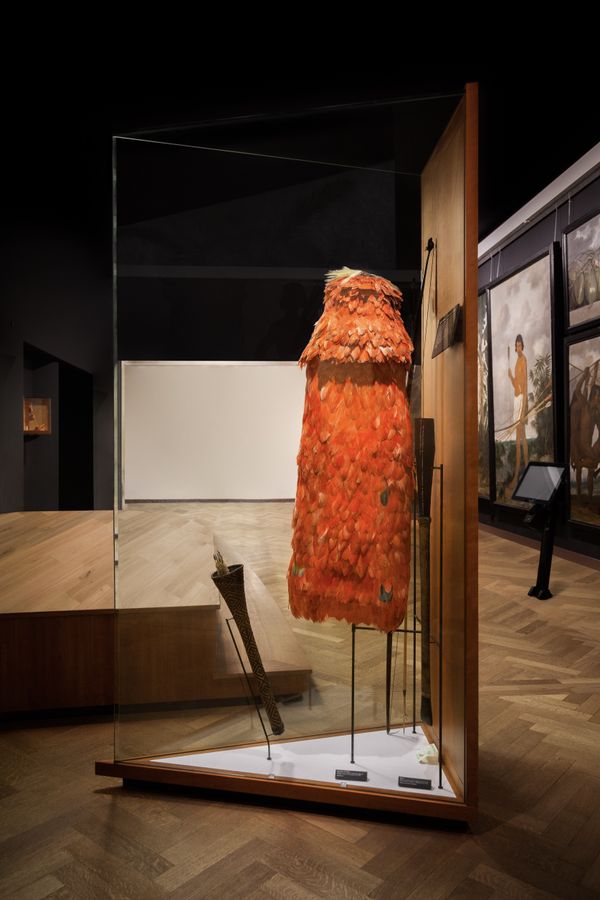
In this process of reinvention, Indigenous Brazilian representatives, such as the artist Glicéria Tupinambá, recently exhibited at the Venice Biennale and photographed by Lívia Melzi in 2022, are included in the discussions for the first time. The recent return of a Tupinambá cloak, kept in Denmark since 1689, exemplifies this and is part of Lívia Melzi’s reflection on cultural restitution. For the artist, this return, coordinated by UNESCO and widely covered by the media, marks the launch of the Rescue Objects project, a continuation of her exploration of Tupinambá capes in Western museums, which was later exhibited at the Palais de Tokyo in 2022.
From both French and Brazilian perspectives, photographer Lívia Melzi explores issues of reappropriation and memory, inviting us to reflect on the place of cultural objects in the construction of collective identities.
— Margaux Knight, Independent Curator