“Mommy, You Are a Horsie”
-
Dates2024 - 2025
-
Author
- Location Russia
My project turns to the experience of childhood with an alcoholic mother. Through visual imagery, I search for a path from pain to acceptance, transforming a personal history into a voice of empathy and solidarity for other Adult Children of Alcoholics
“Mommy, You Are a Horsie”
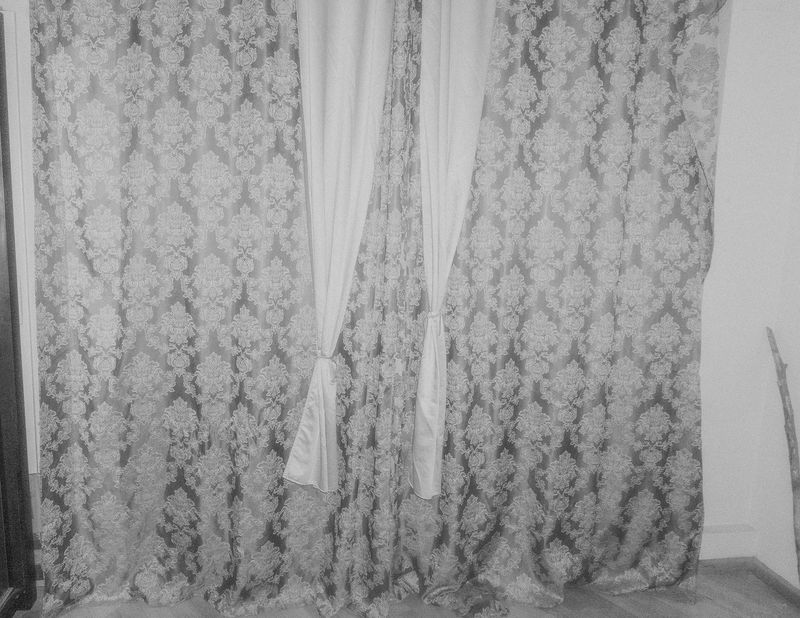
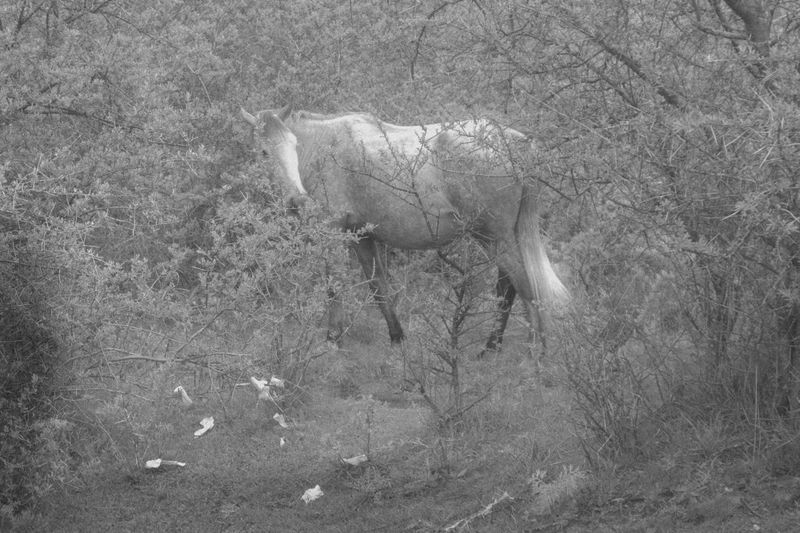
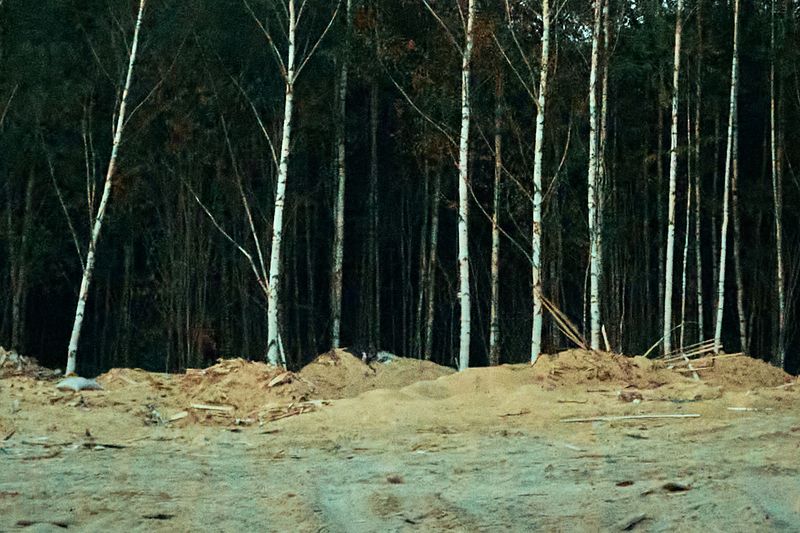
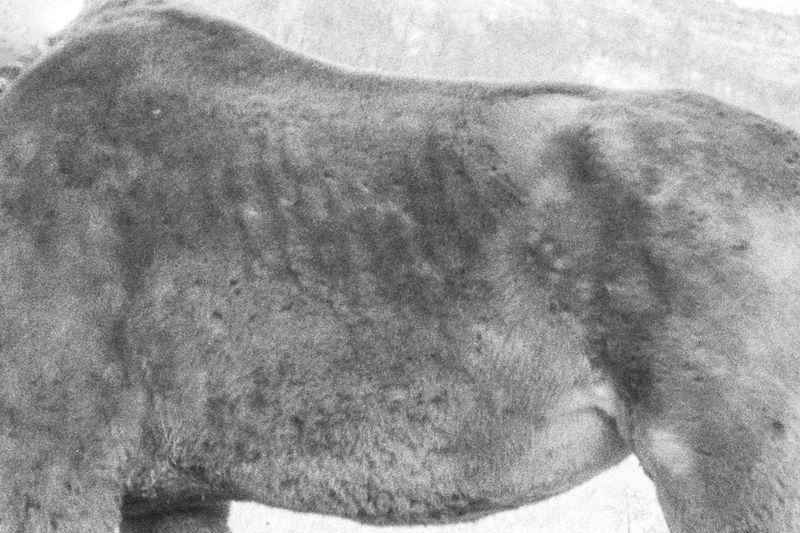
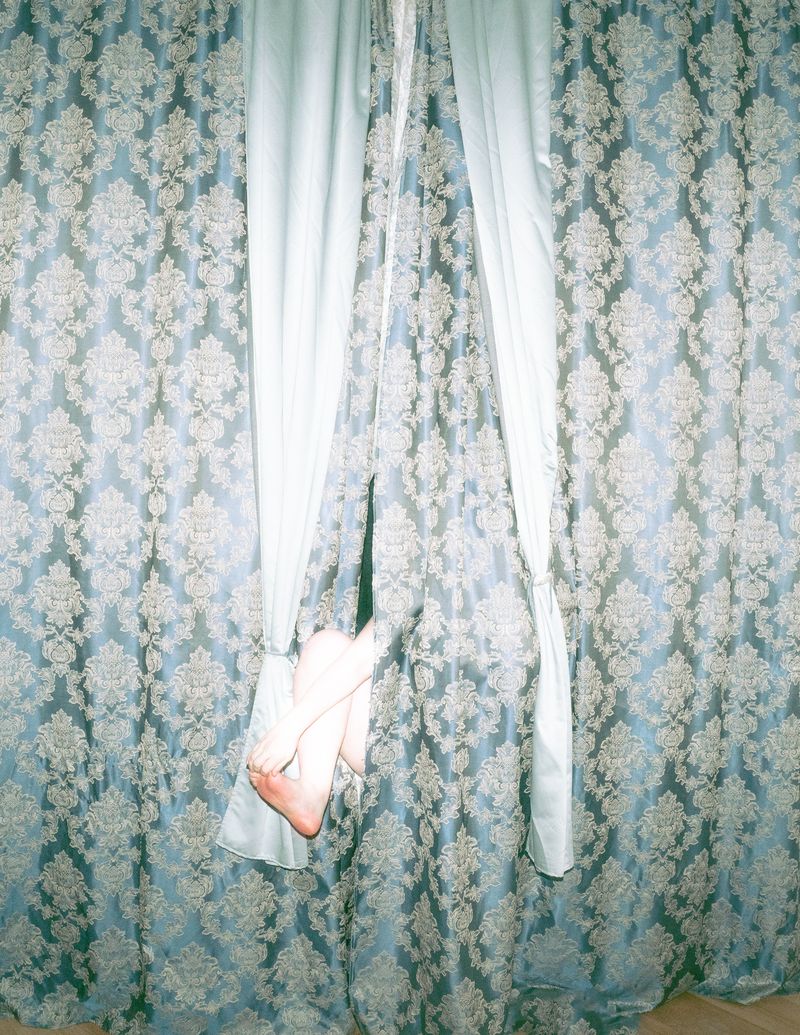
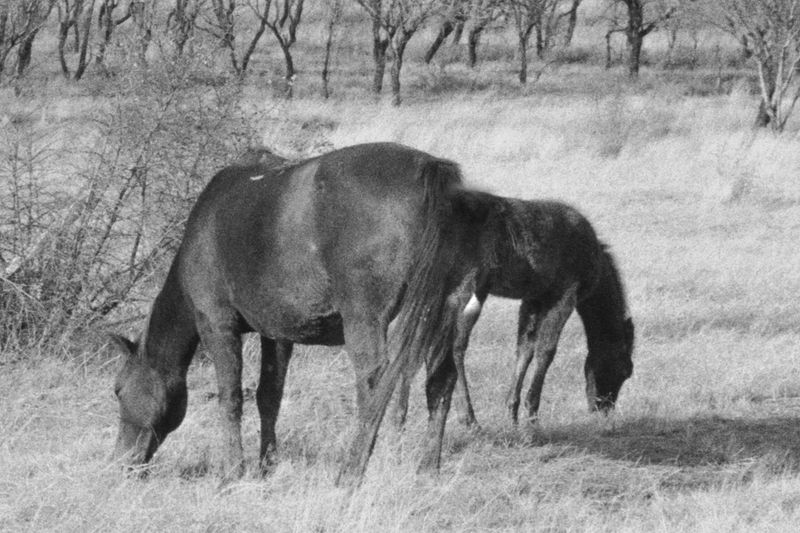
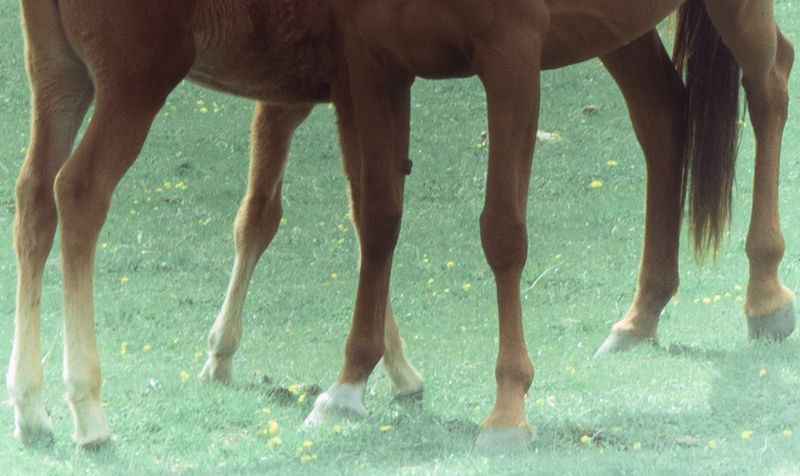
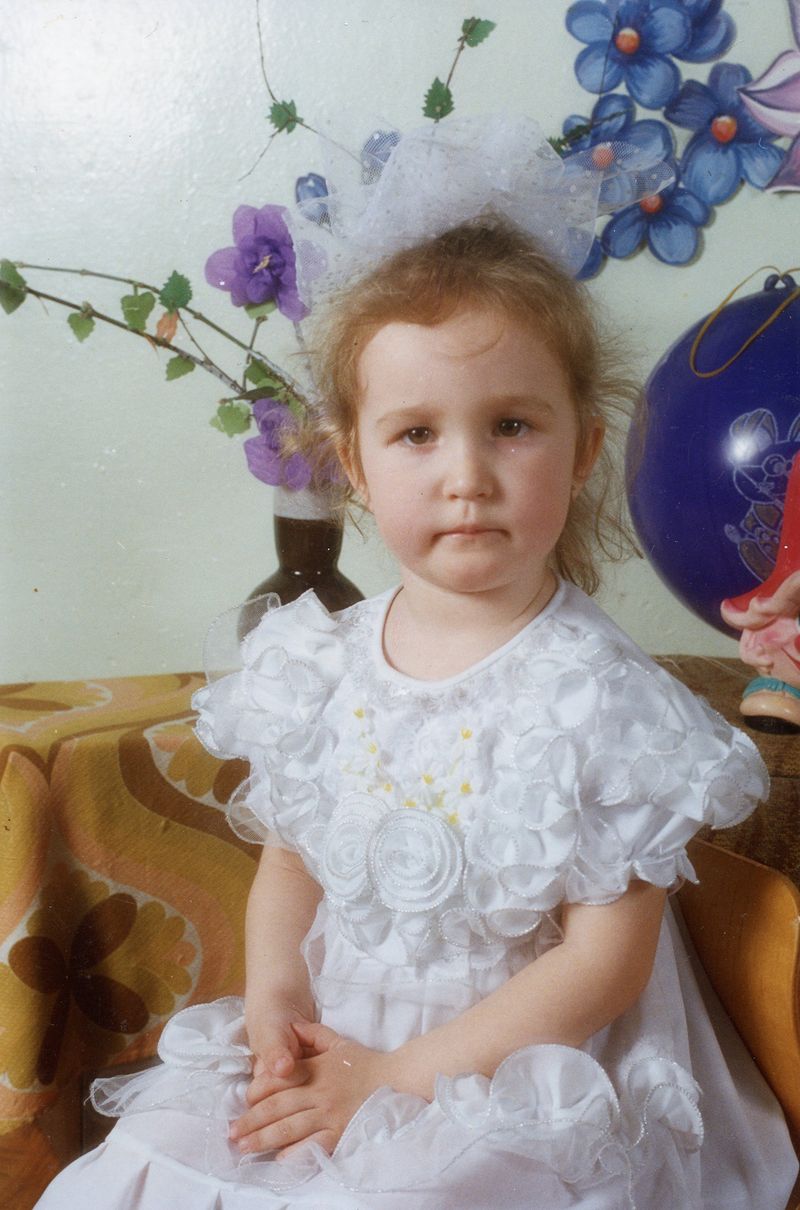
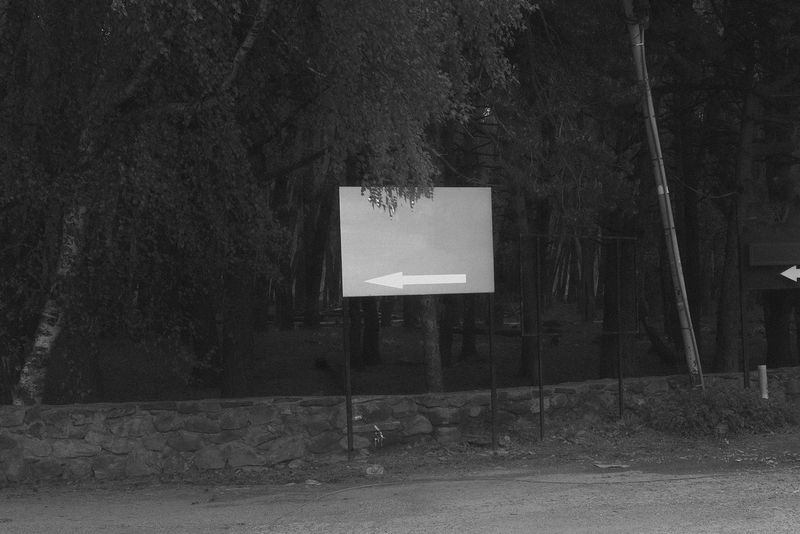
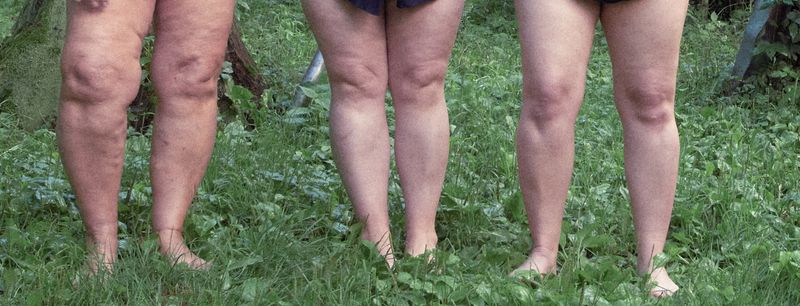
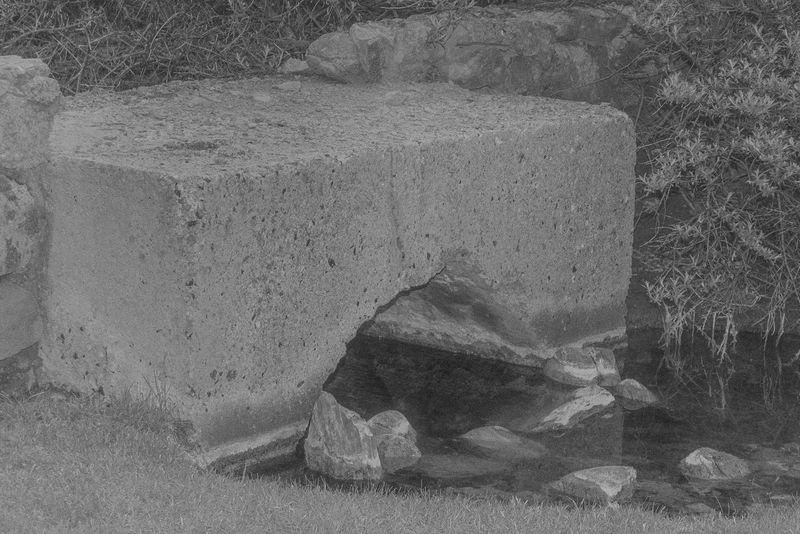
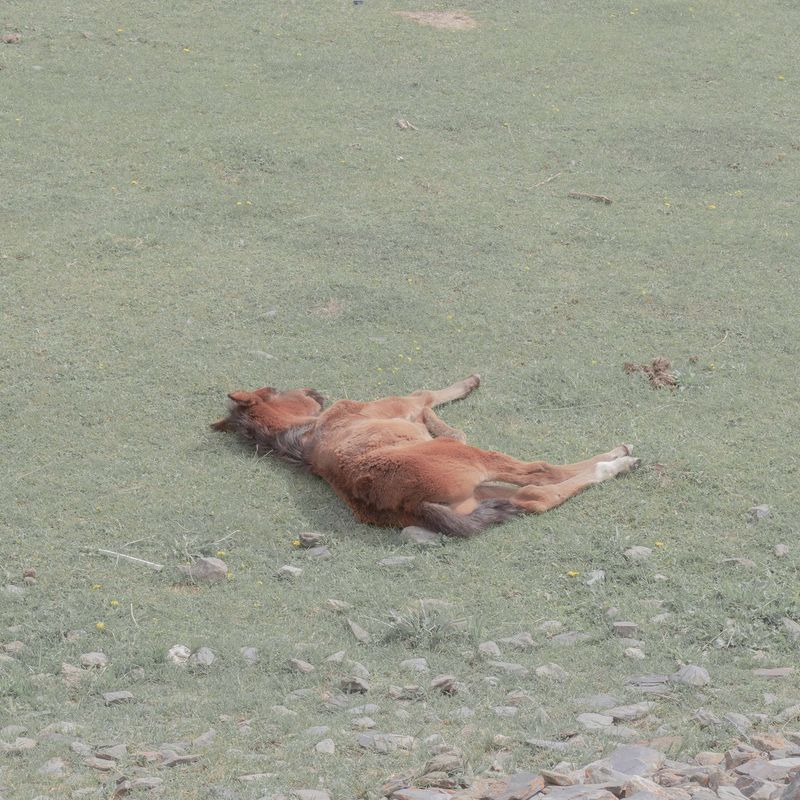
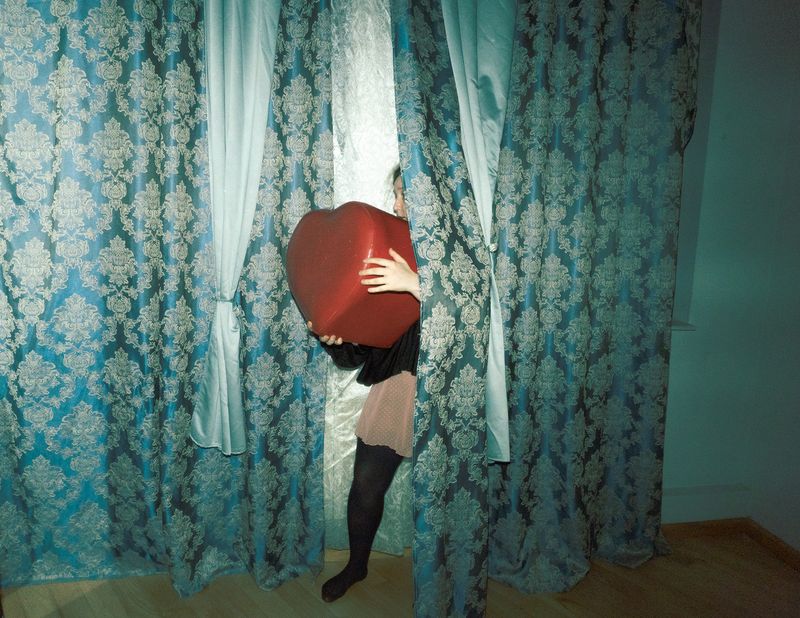
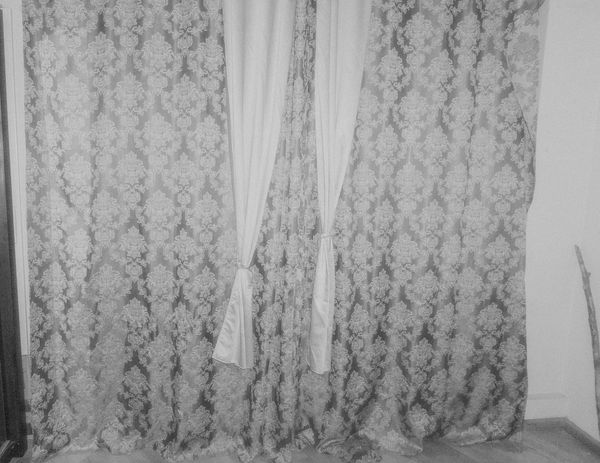
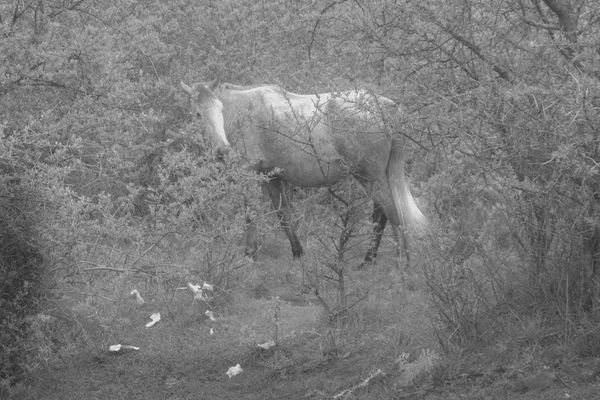
“Mommy, You Are a Horsie” begins on a night when, as anyone who grew up in the post-Soviet space would, I found myself staring at the silly patterns on the curtains of the rented apartment, slowly sinking into my unconscious, thinking about my life and my past. That night I returned to the time when my mother turned into a horsie. I was three years old when it happened. That moment marked the beginning of my memory and of my own consciousness: before it, I had lived, but I remember nothing of it. My consciousness began that day, when I laughed as my mother, like a horsie, staggered through the yard and I tried to ride on her back. Only twenty years later did my grandmother tell me it was not a game at all—my mother was too drunk to walk straight. When we were found, I was no longer laughing but crying from the cold and mosquito bites. These transformations became a constant in our family life, yet I never spoke of them; it felt shameful in a family thought to be respectable. The project began as an attempt to live through my own experience, but in the course of research I stumbled upon a void in family memory, where I found an answer about how to be freed from the past. When my mother was a teenager, she was subjected to sexualized violence. At that time, in Soviet and post-Soviet society, the victim of violence was more often blamed than supported, and my mother kept silent about it for most of her life. Only when drunk could she admit to me how unbearably heavy it was for her. I want my project to become part of those voices that break this silence and change the way we look at vulnerability and pain. We inherit things we did not choose, but we can transform them—not into destruction, but into the strength to empathize with and support each other. I chose the image of the horse not only because of its connection to my personal story, but also because the archetypal figure of the horse opens a nomadic dimension of the work. In this sense, I was drawn to the concept of identity as fluid, migrating, moving across boundaries. In the myths of many cultures, the horse is a guide between worlds, a mediator between the living and the dead. This mythical guide helps me to cross the threshold between the personal and the collective, between trauma and healing, between shame and acceptance. The project addresses the taboo subject of female alcoholism, asserting it as a legitimate theme for artistic and social discourse, and aims to lift the burden of shame from women who have faced violence, as well as from adult children of alcoholics (ACoA) for their experiences. I want my photographs to serve as visual narratives that transform a personal story into an act of solidarity. I am not documenting facts—I am seeking images that allow me to move through trauma and turn shame into acceptance. It is important for me to remain open to the gaze of the other, but also to ensure that the viewer can see the many layers of this story, and not only its heaviness. In this act of resistance, I affirm the right to memory and the dignity of vulnerable subjects. The project becomes an act of recognition against social silence and stigmatization. The cry of the child and the cry of the mother, their pain and their love—they both have the right to be heard.