Miskito Coast
-
Dates1988 - Ongoing
-
Author
- Location Nicaragua, Nicaragua
Miskito Coast is a long-term photographic project spanning nearly forty years along the Caribbean shores of Nicaragua and Honduras. Bringing together photographs made on film in the late 1980s with new work produced over the past two years
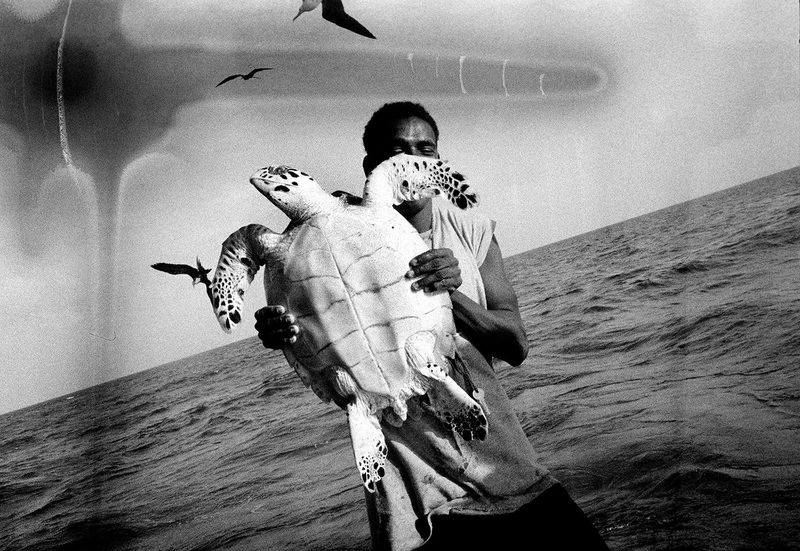
The Miskito Coast stretches along the Caribbean shores of present-day Nicaragua and Honduras, a region historically shaped by Indigenous Miskito communities, British colonial influence, and centuries of trade and migration. Long considered an economic frontier, its history has been marked by shifting political control and recurring boom-and-bust industries — from turtle hunting and timber to the modern lobster-diving economy.
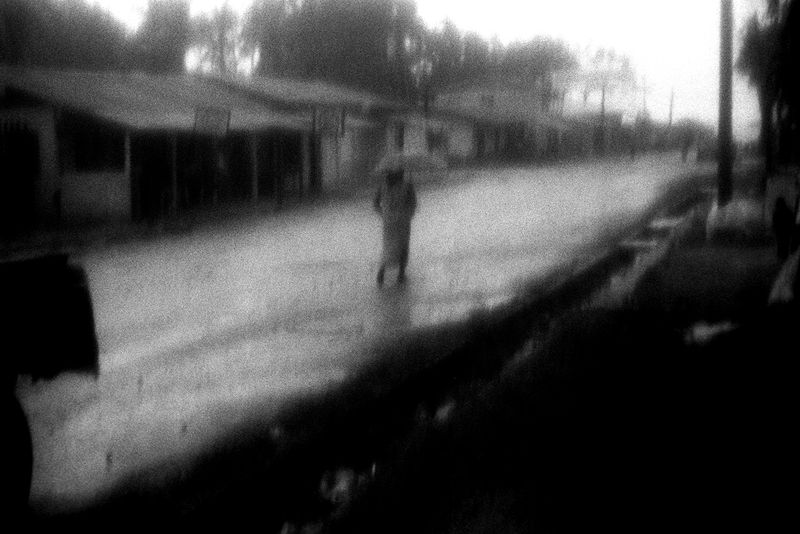
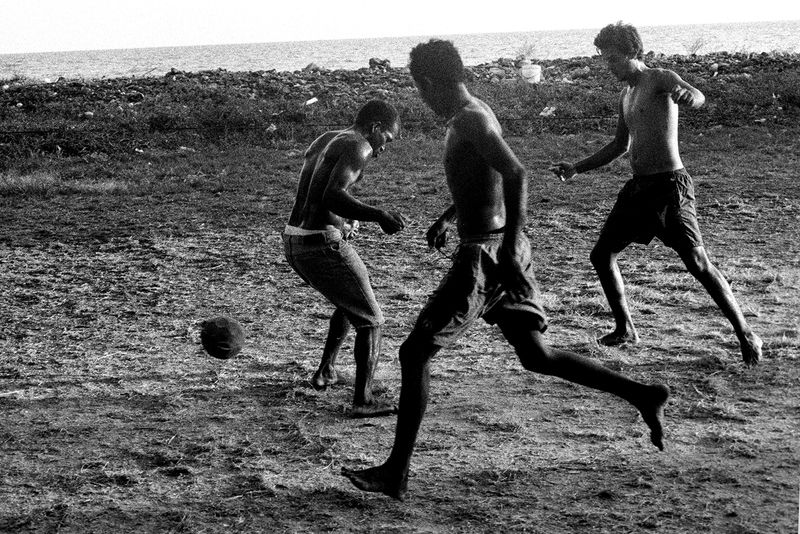
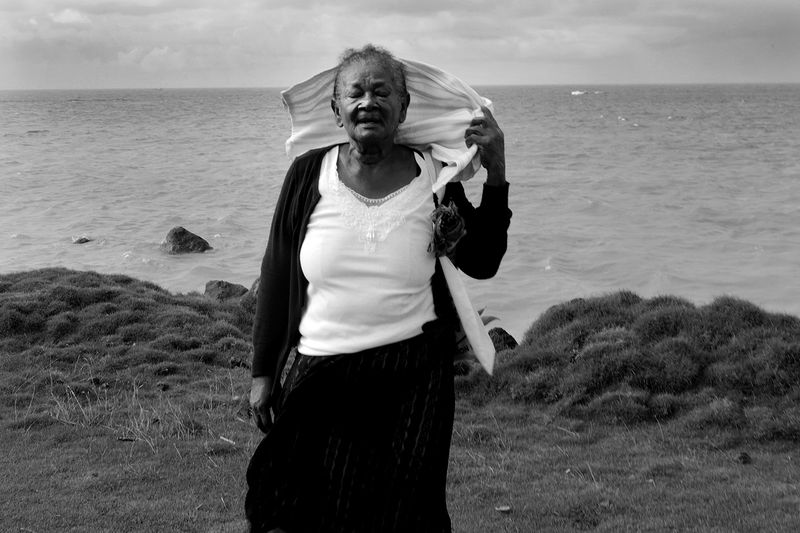
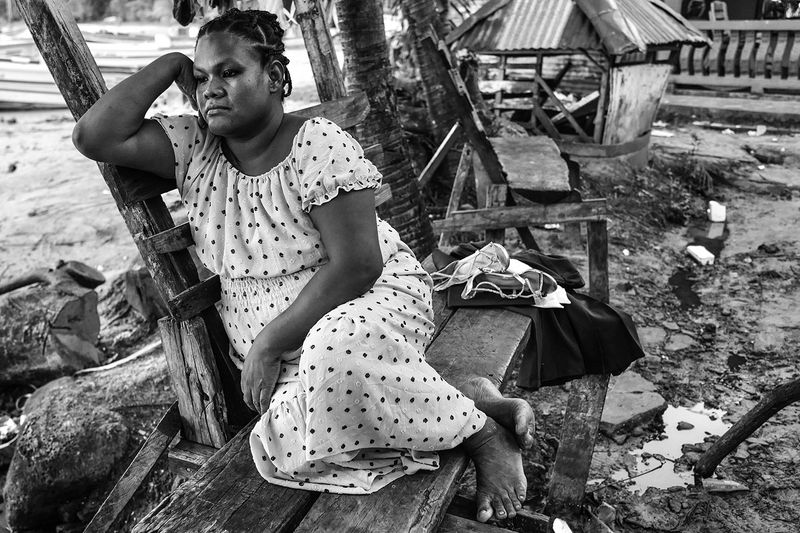
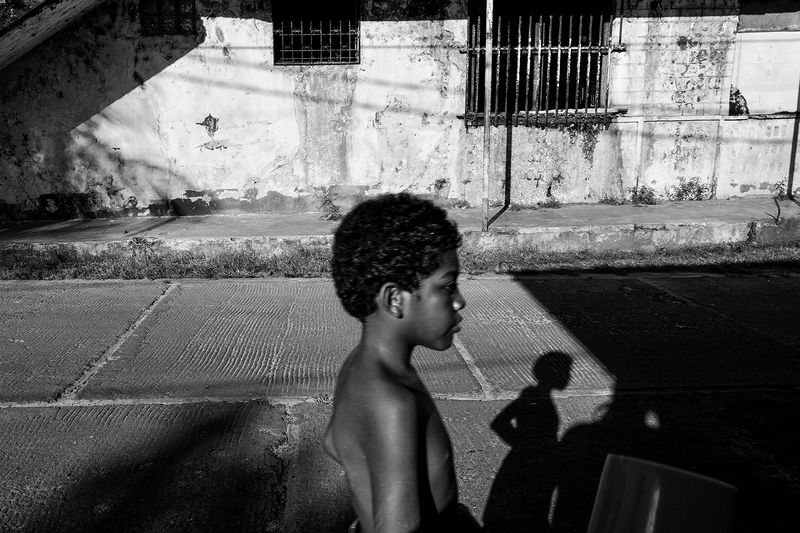
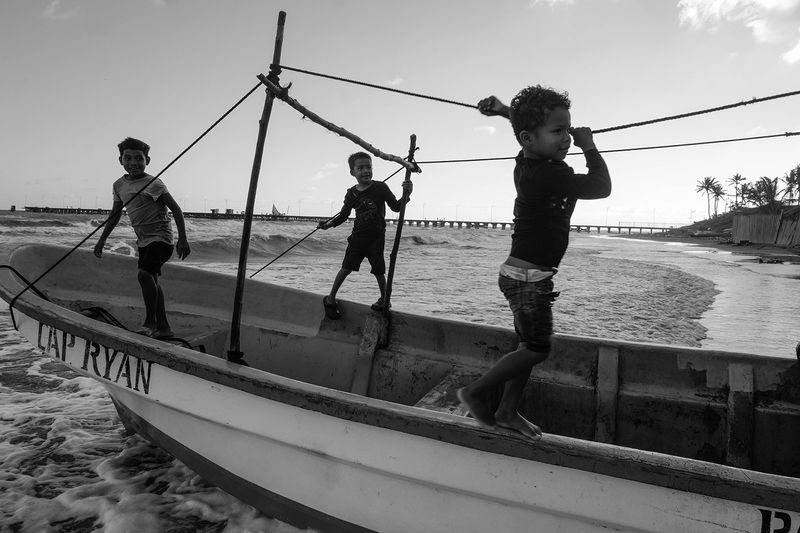
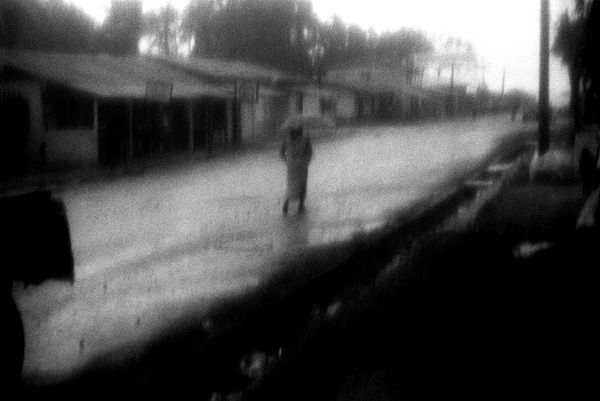
Miskito Coast is a long-term photographic project spanning nearly forty years along the Caribbean shores of Nicaragua and Honduras. Bringing together photographs made on film in the late 1980s and early 1990s with new work produced over the past two years, the project explores continuity, memory, and cultural endurance within Indigenous Miskito communities.
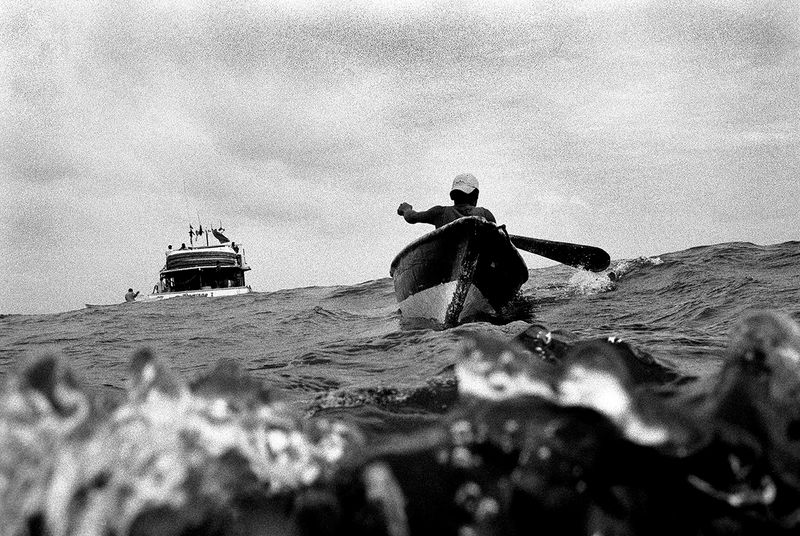
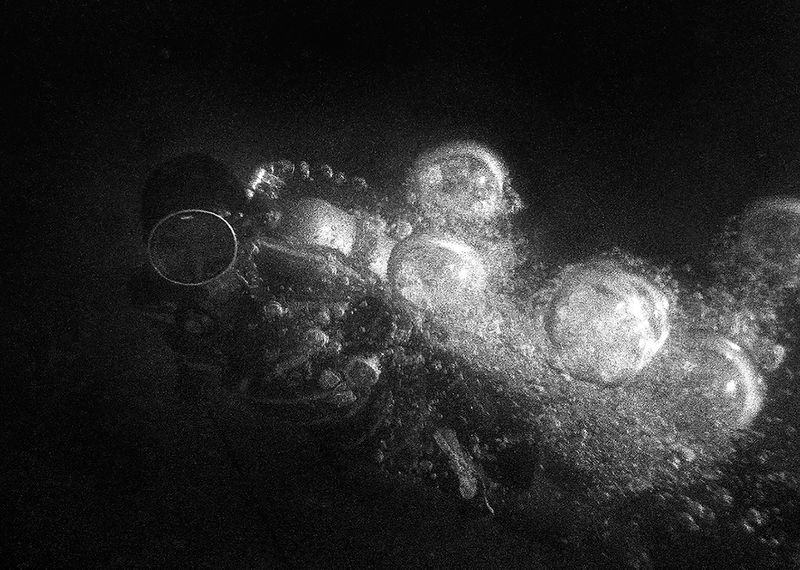
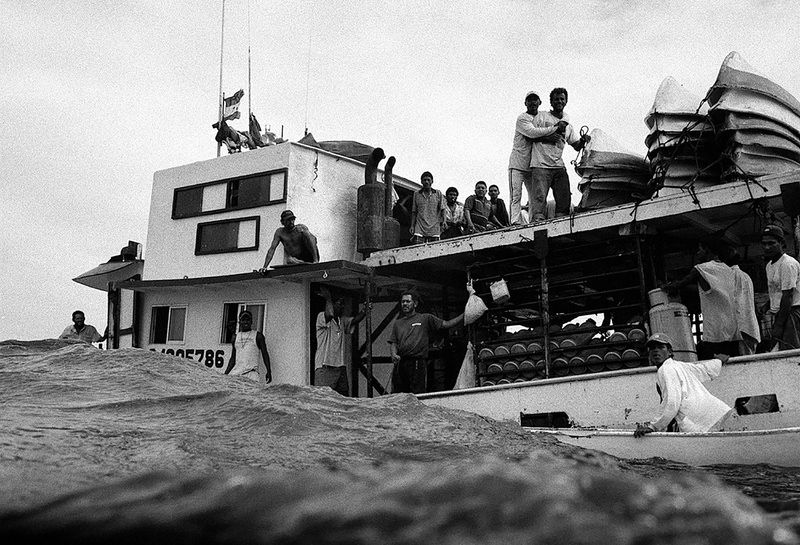
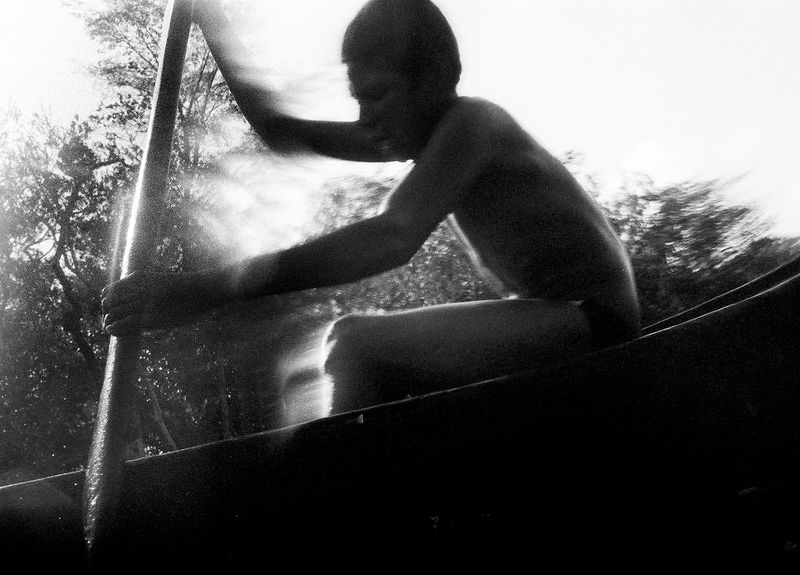
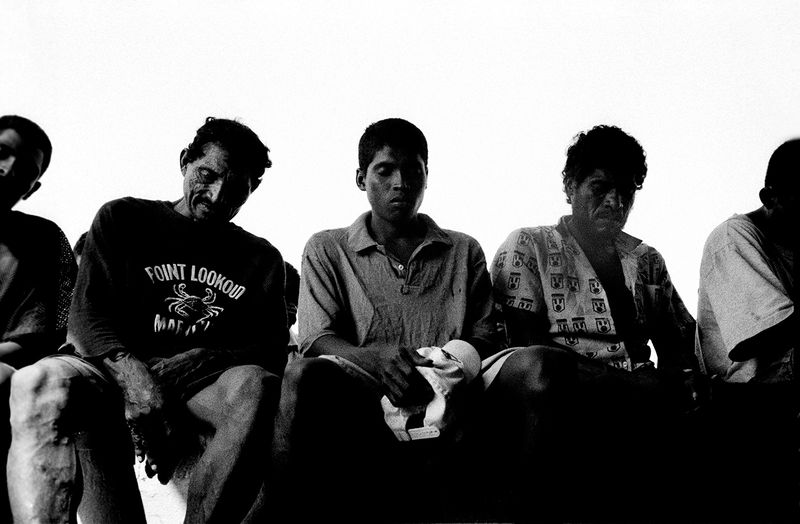
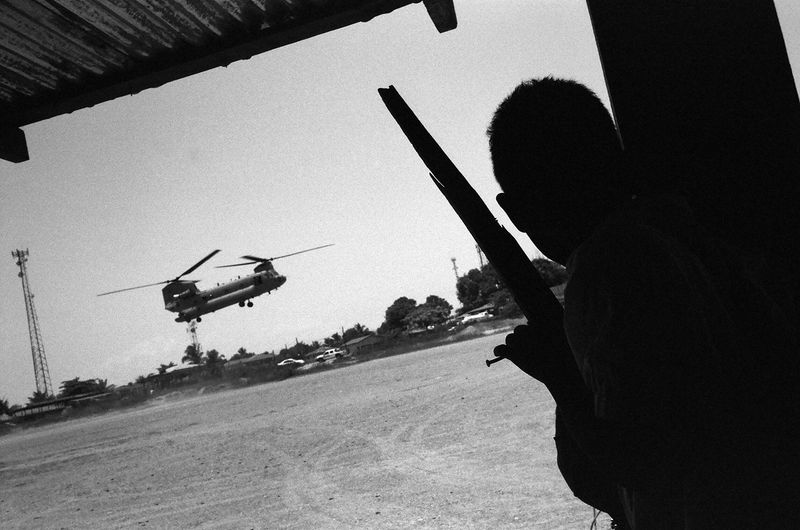
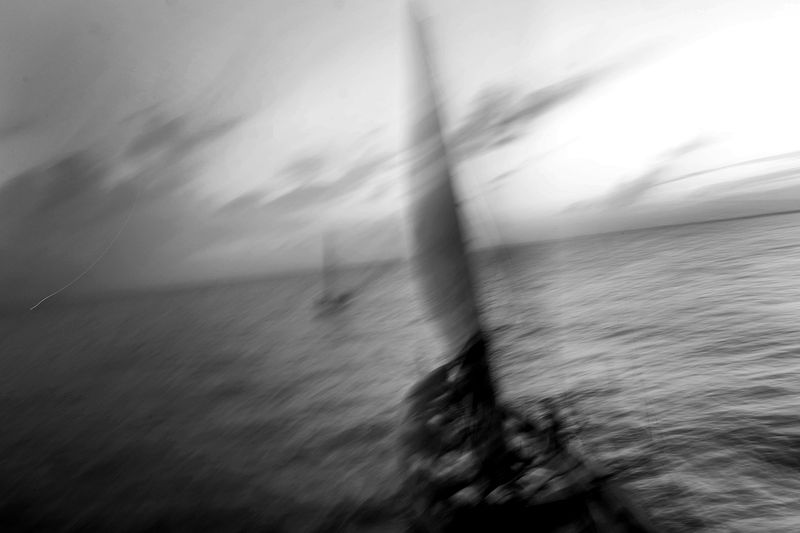
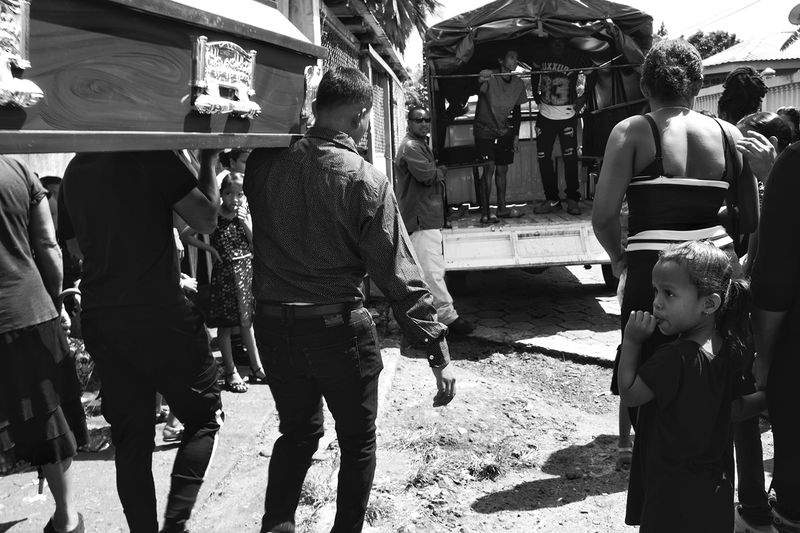
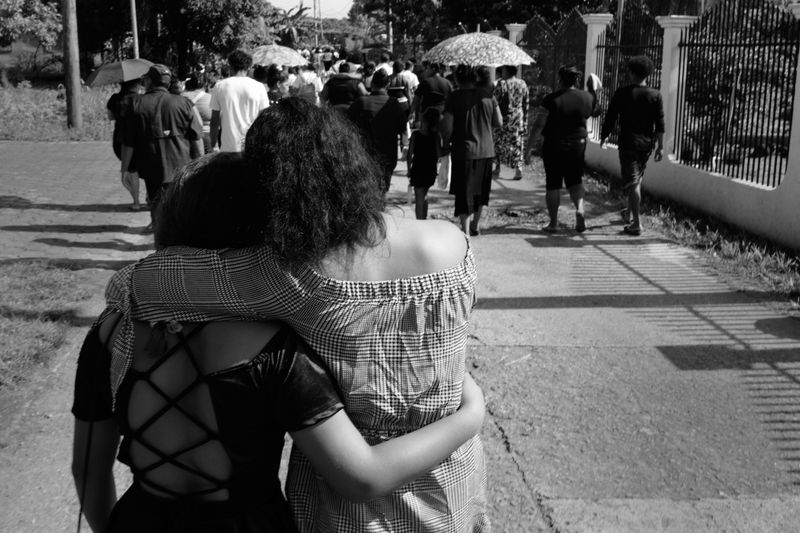
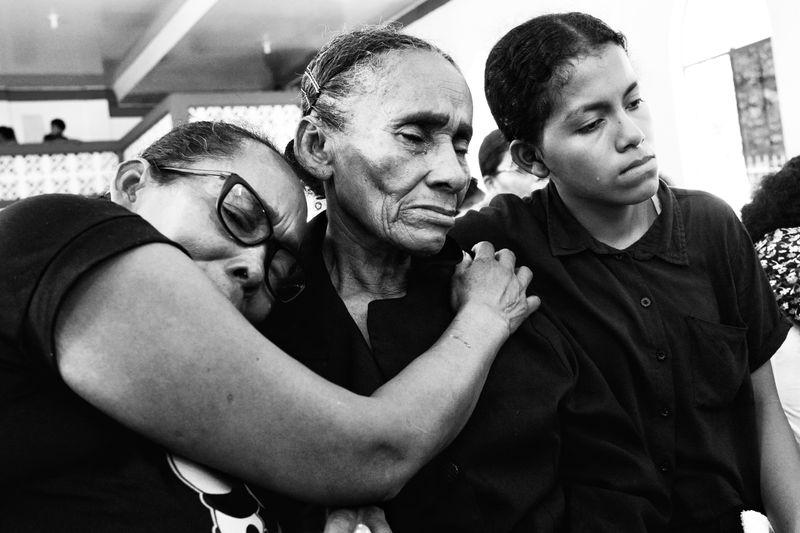
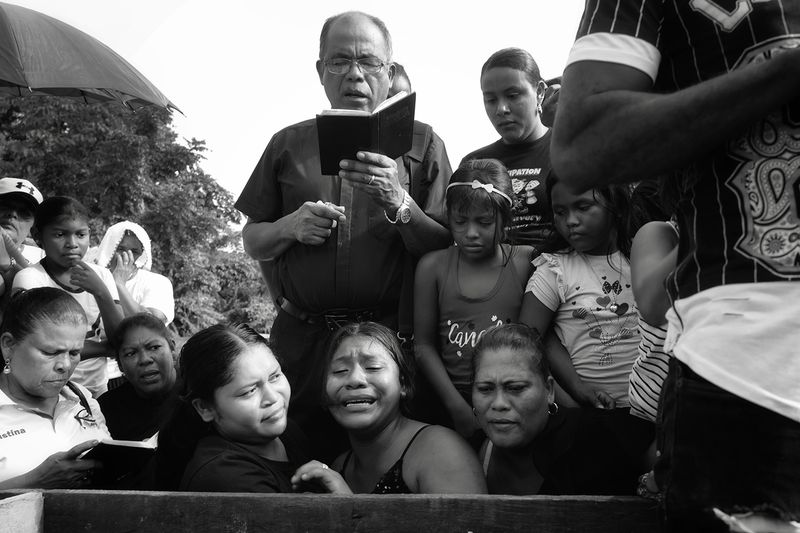
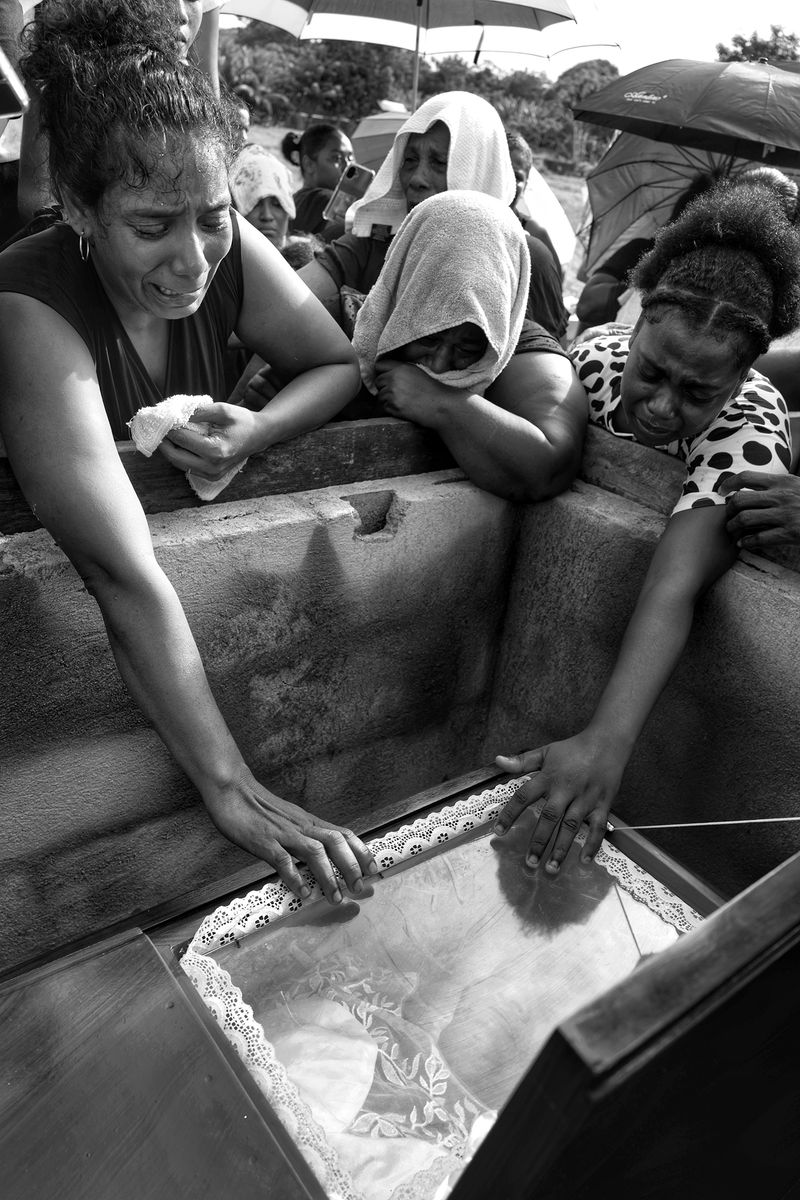
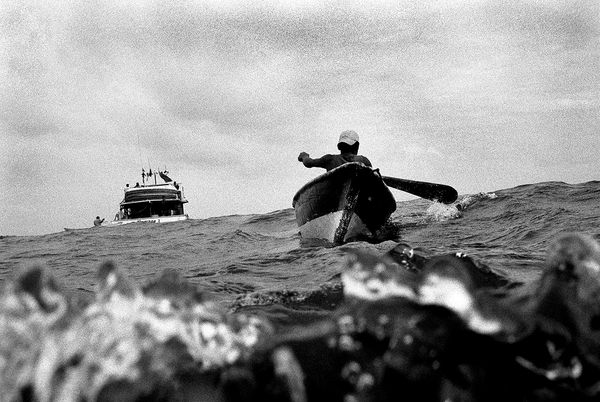
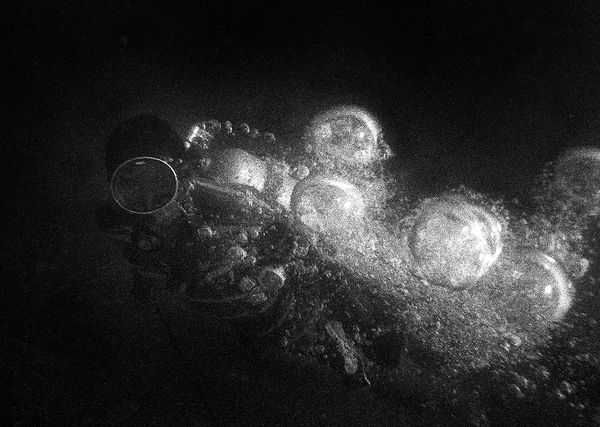
The earlier photographs were produced during a period of political conflict and displacement, when many Miskito families were affected by war, forced relocation, and economic instability. Returning decades later, the project revisits the same region to witness how life has evolved while deeply rooted traditions remain. Everyday moments — mourning rituals, faith, labor at sea, and family life — reveal a society shaped by resilience and collective identity amid ongoing social and economic pressures, including the dangerous lobster-diving industry that sustains many households.
Moving between past and present, the photographs form a dialogue across generations. Rather than documenting a single moment in history, the project reflects on how memory inhabits place, and how communities continue to adapt while preserving a profound sense of belonging along the Miskito Coast.