
Miracle Mud

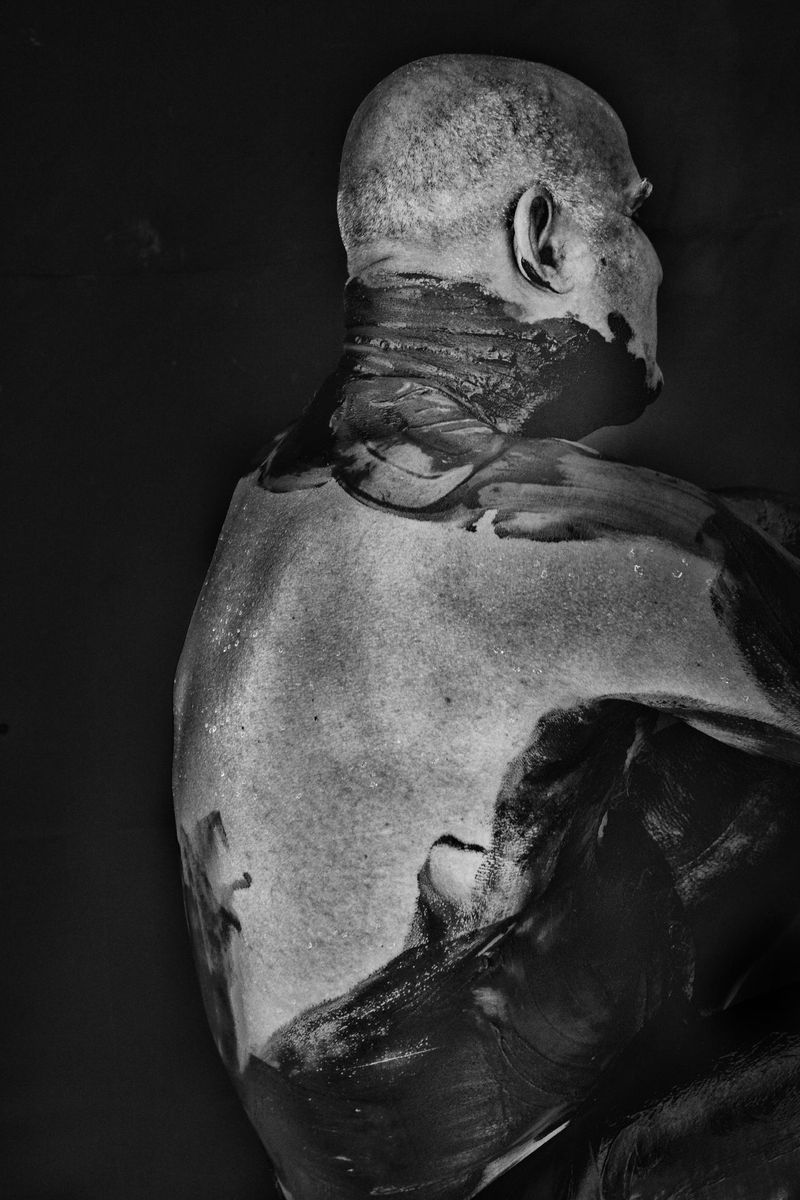
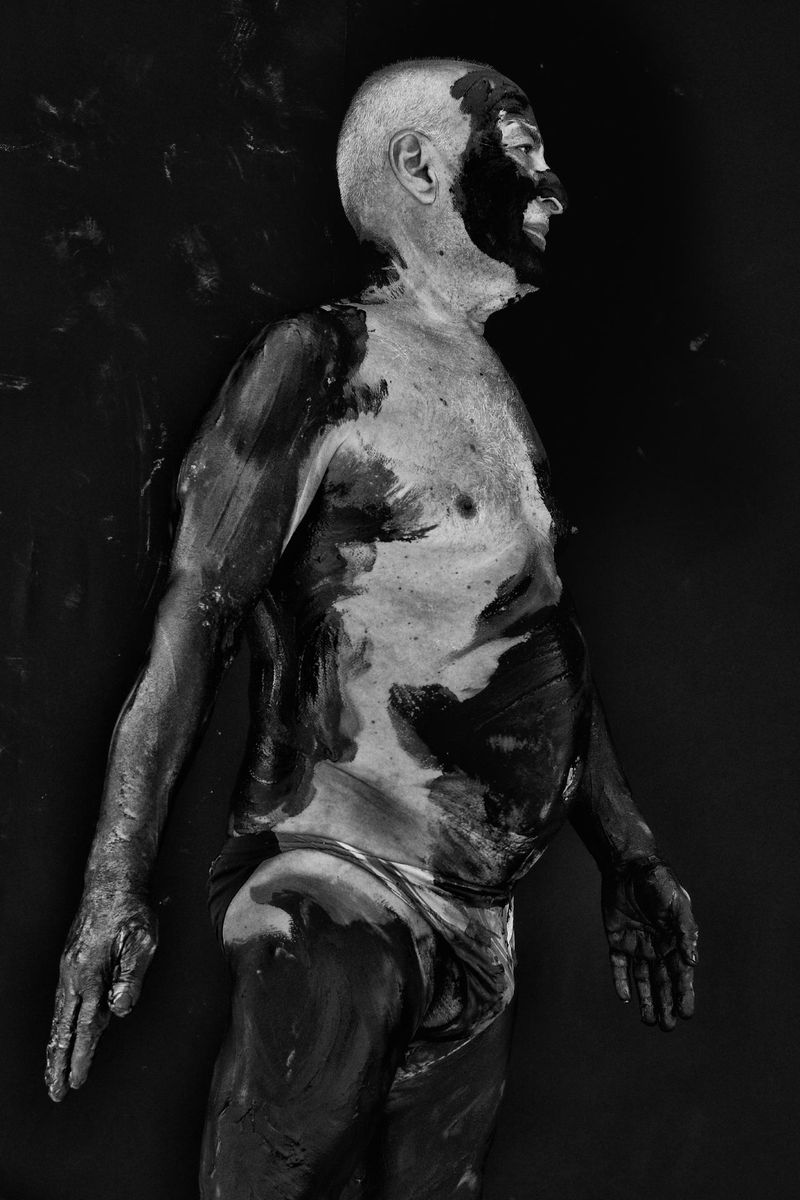
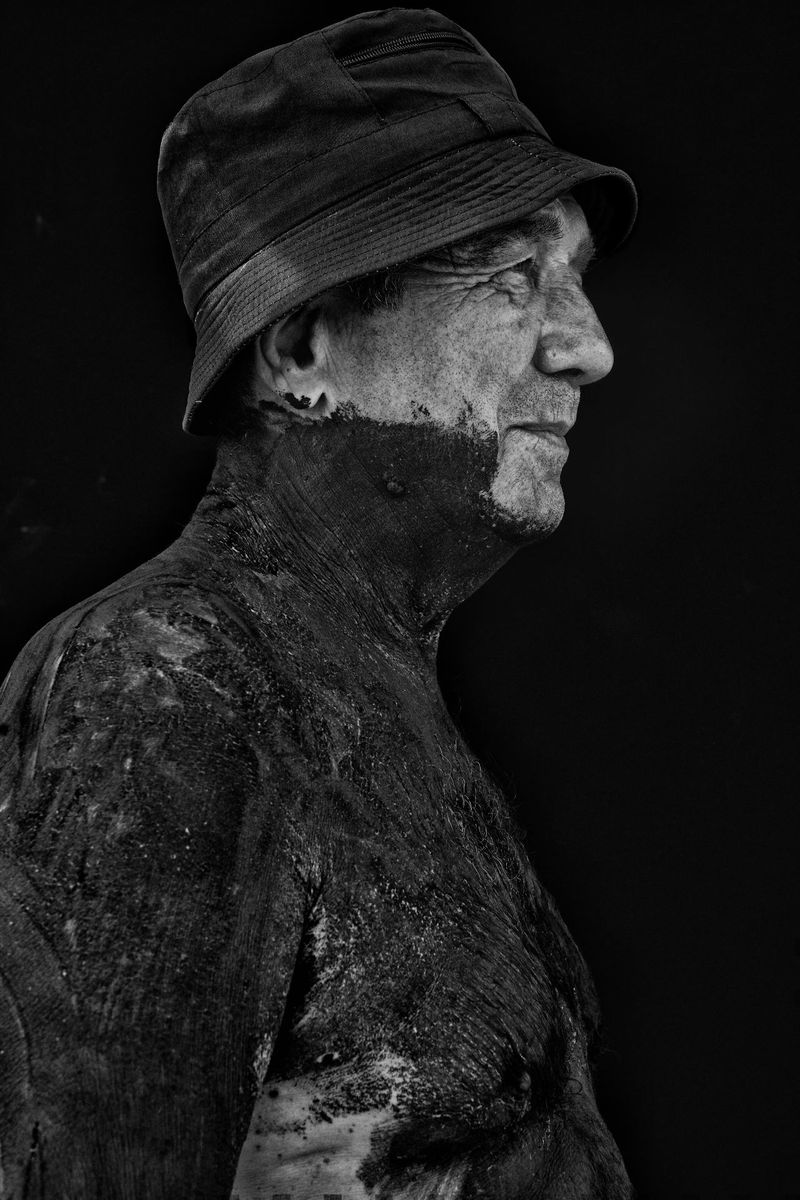
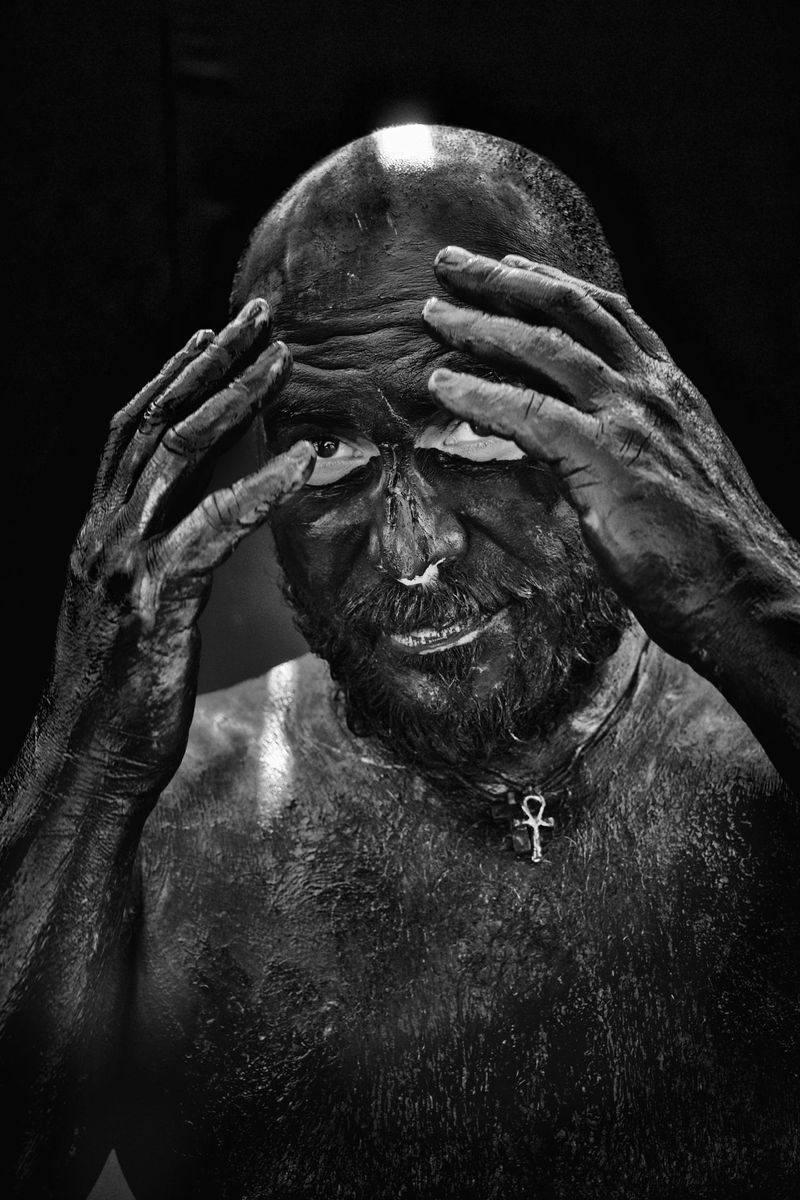
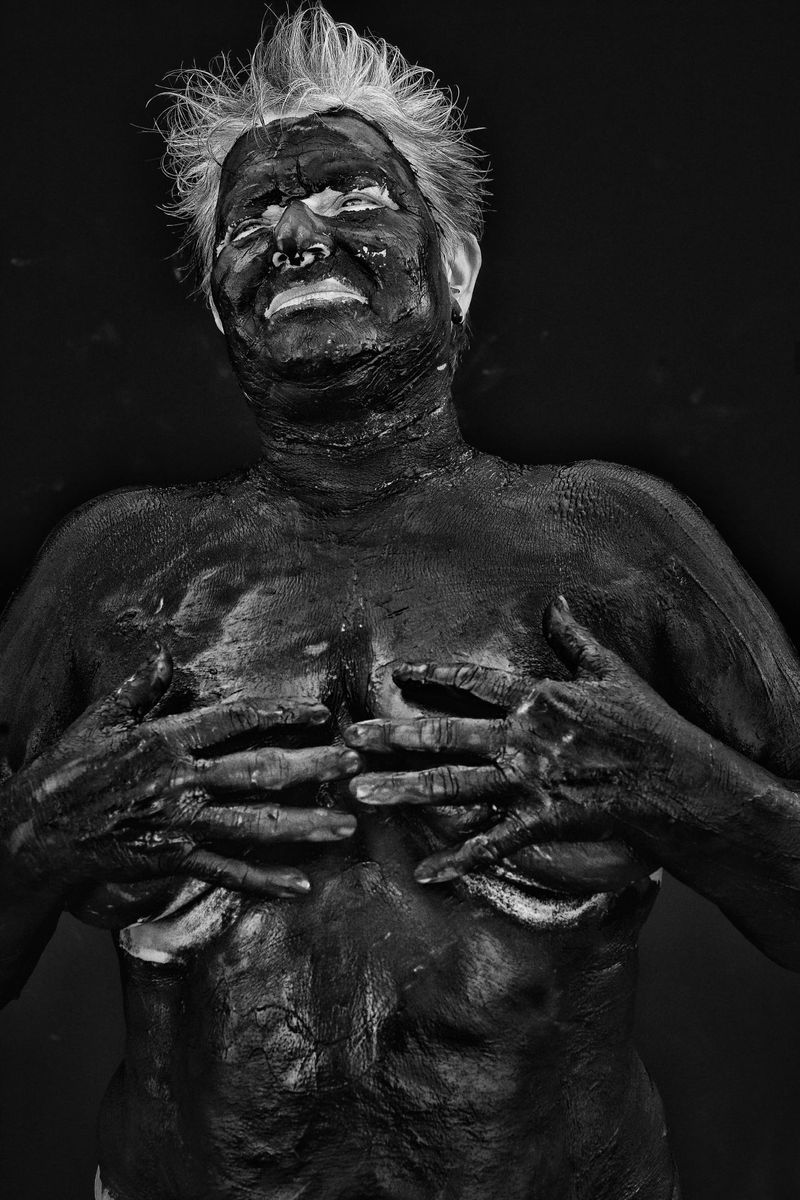
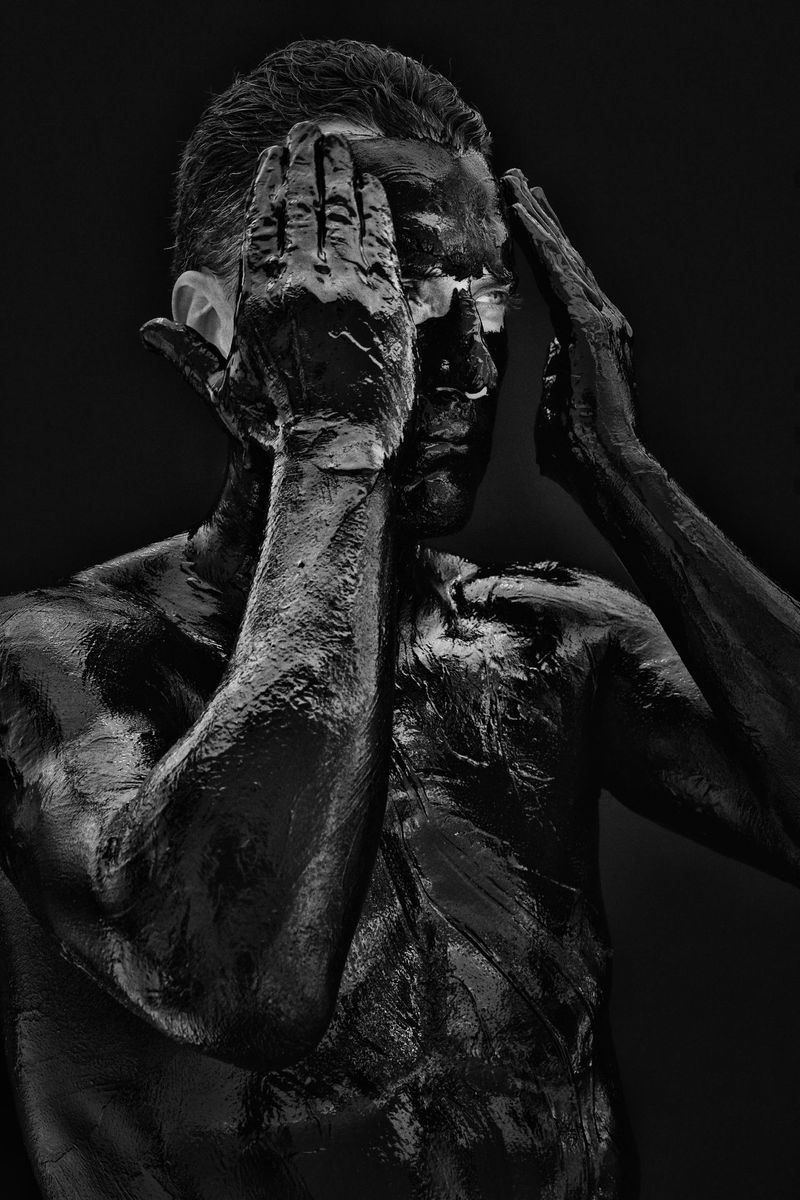
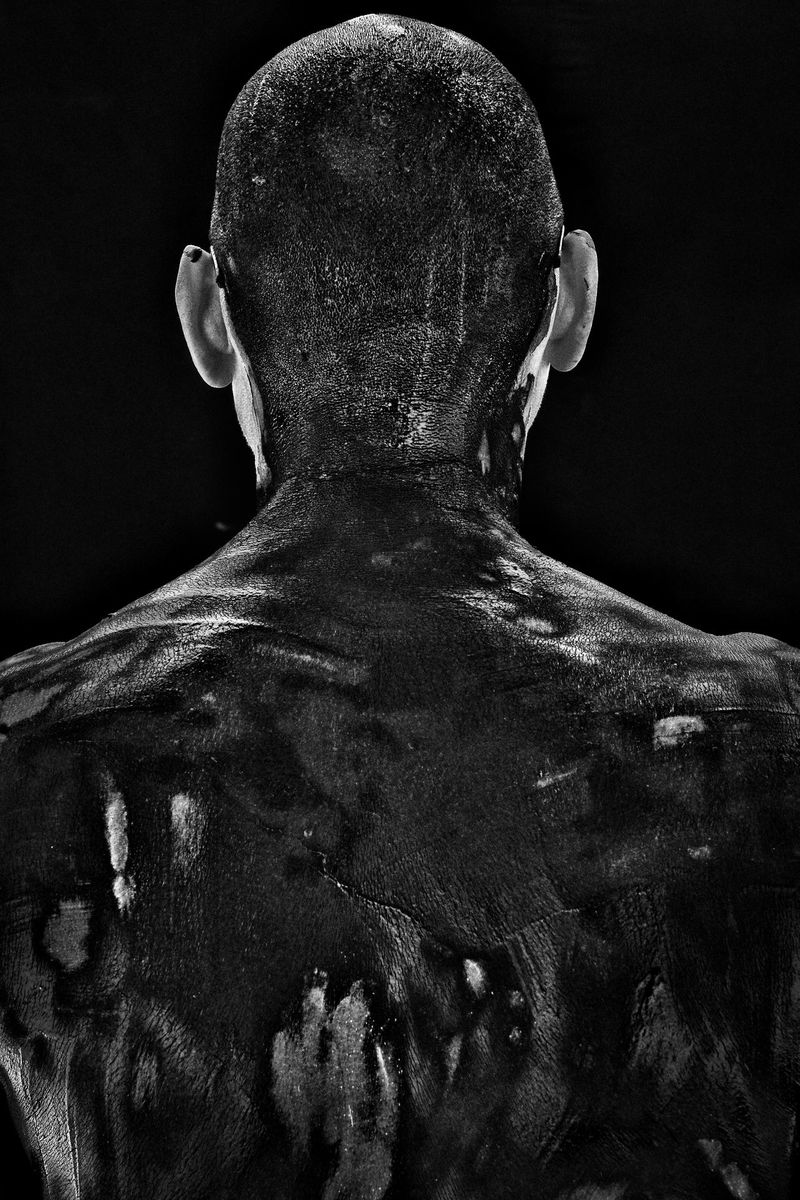
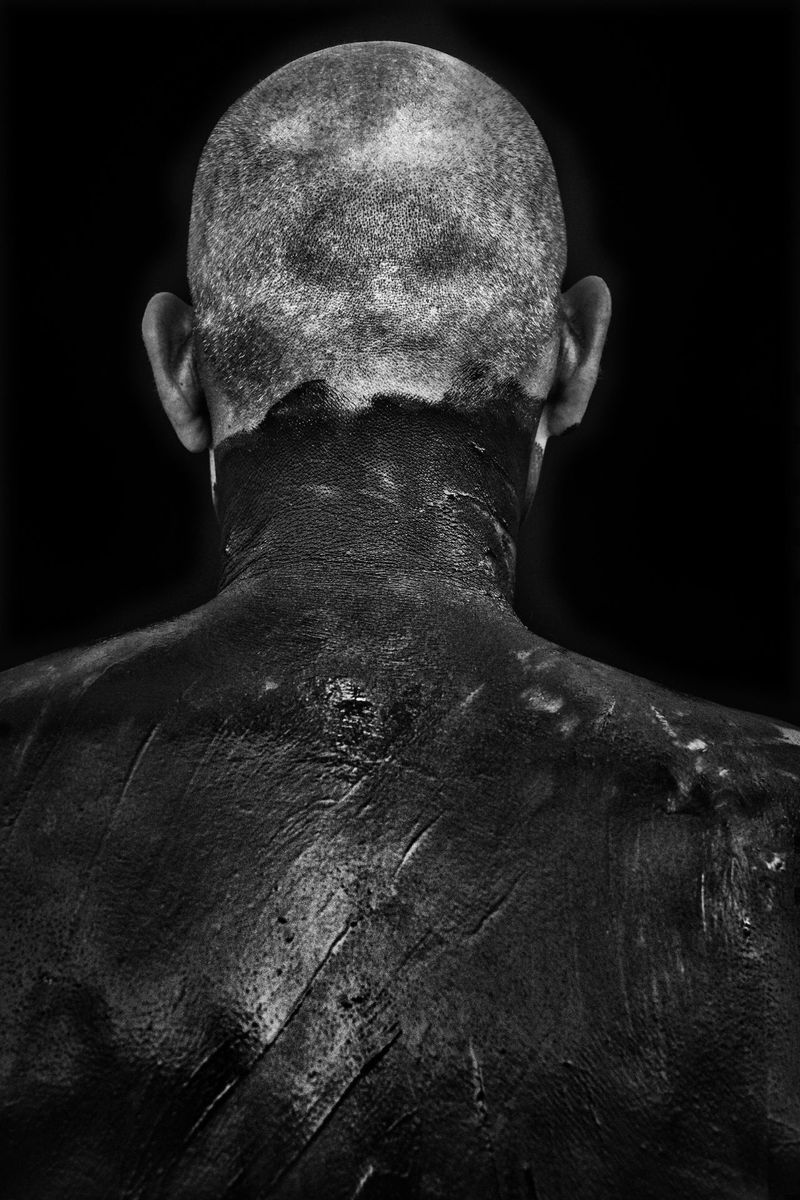
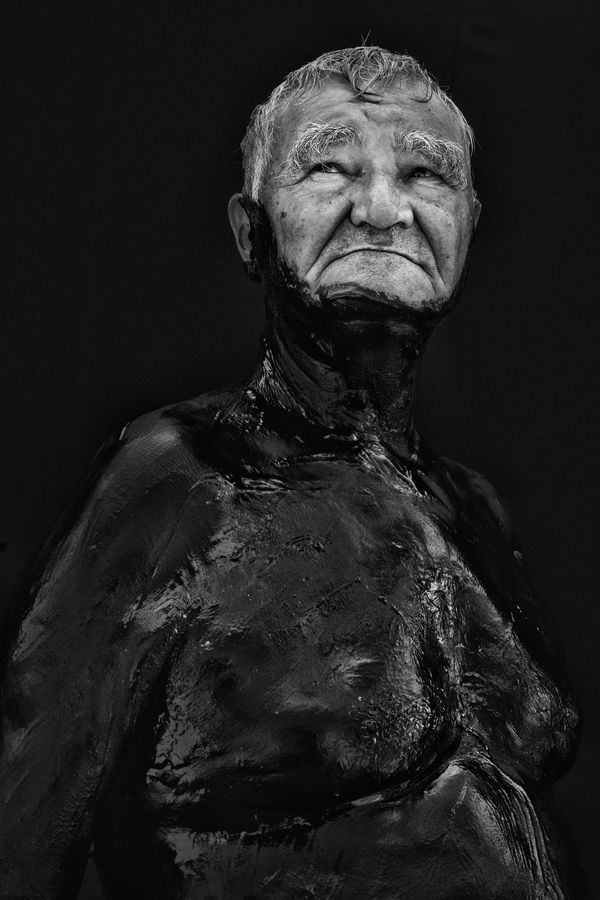
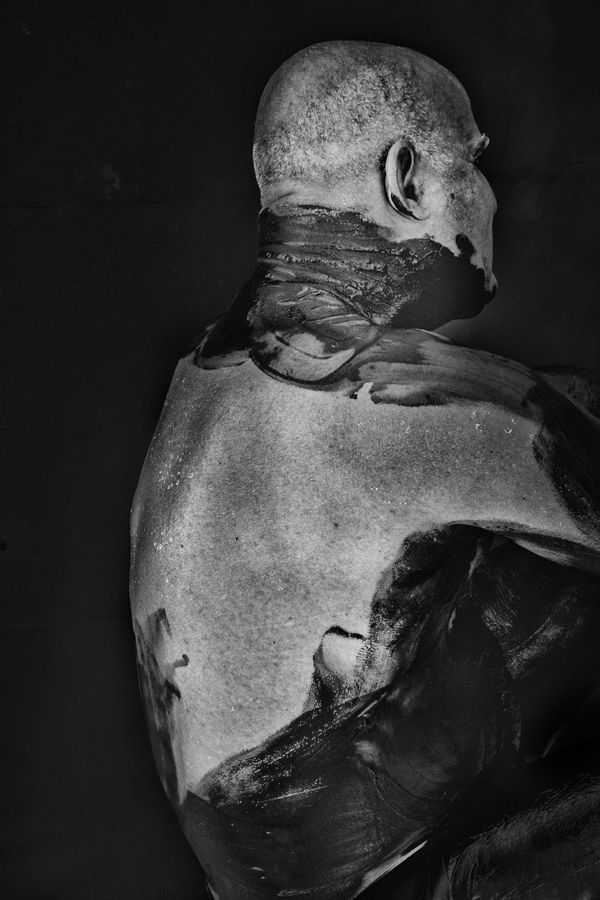
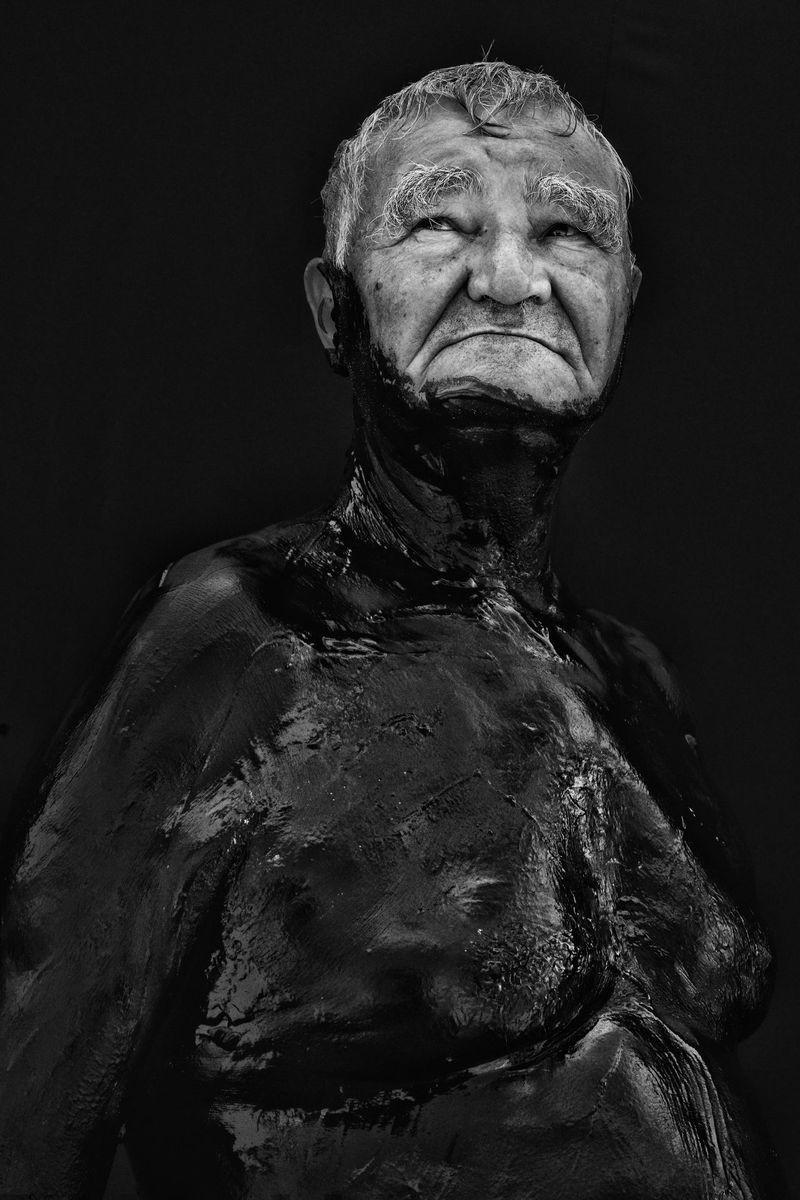
At Lake Techirghiol on Romania’s Black Sea coast, people coat their bodies with the thick black mud, rich in organic matter, extracted from the bottom of the lake. The highly-concentrated sediment, hailed for its curative properties in the treatment of rheumatism, neurological disorders, skin ailments and for general well-being. is removed and returned to the lake in a closely-managed, sustainable cycle.

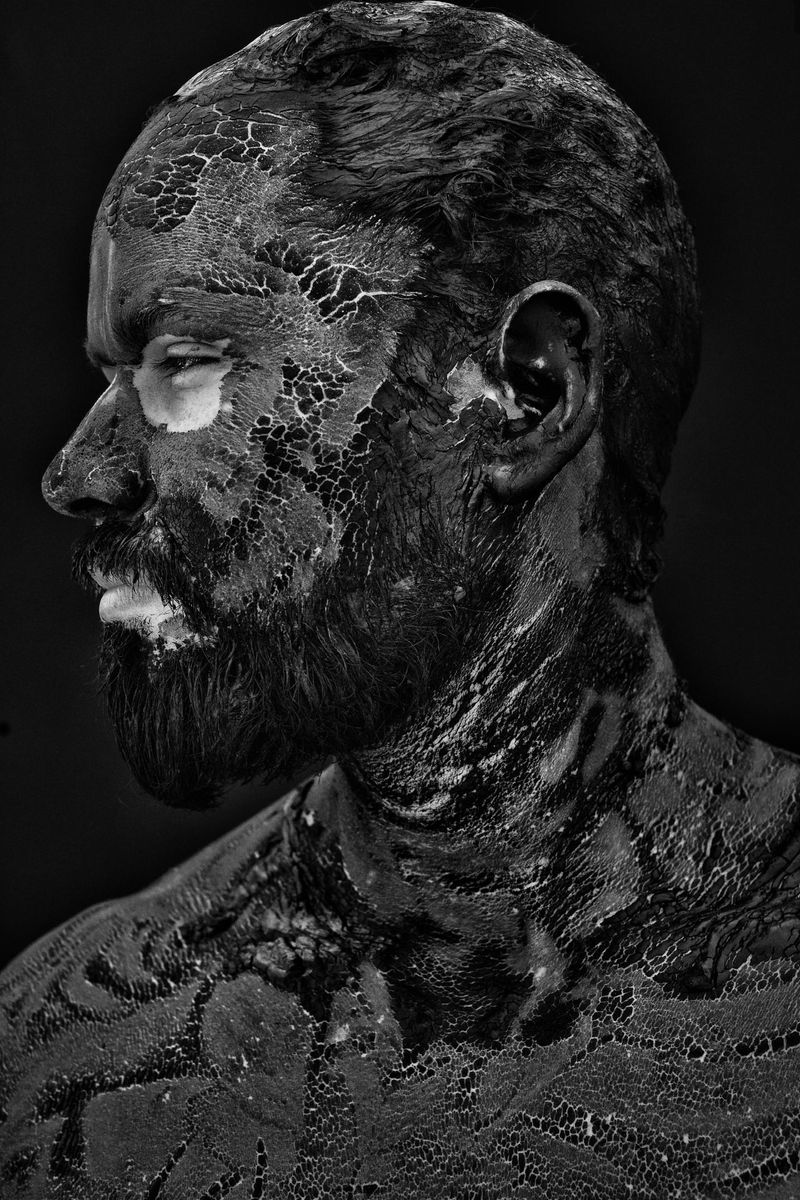
How does it work? Every morning, buckets of fresh mud are spread around the beach. Visitors cover all or parts of their bodies then stand in the sun for 20-30 minutes as it hardens on the skin, changing from shiny black to crackling light gray. Next, a swim in the saltwater lake gently and ecologically washes the mud off naturally recycling it.

A well-preserved custom, residents of the region have been coming here regularly their entire lives, while visitors from other parts of Romania and beyond come for a week or two, combining specialized treatments at the sanatorium with daily visits to the lake.

© Alain Schroeder - Image from the Miracle Mud photography project
i

Michu (Michael) from Constanta He developed a problem with is bones about 18 years ago.  He comes to swim in the heavily salted lake every day for one hour. At 72 years old  he says he’s never felt better! Techirghiol, derived from (Turkish) Tekir’s lake, is a small Romanian town on the Black Sea famous for its therapeutic mud discovered by an old Turkish man and his donkey. There are several variations of the story and its origins, but all share the same principle: the thick black mud (highly-concentrated sediment rich in organic matter) found at the bottom of the lake is particularly effective in the treatment of arthritis, musculoskeletal disorders, skin ailments and detoxification, and beneficial for overall well-being. In the beginning of the 20th century, when the curative properties of the mud were recognized by the scientific community, Techirghiol established itself as a spa town with organized mud extraction and treatment facilities. The public nomol (mud) baths are open 7 days a week. Buckets of mud are spread around the beach and people cover all or parts of their bodies then stand in the sun for 20-30 minutes as it hardens changing from shiny black to light gray. Next a swim in the lake gently and ecologically washes the mud off sustainably recycling it.  But that is not all. The benefits of the saline lake water are extracted by allowing the salt to dry on the skin in the sun. A final rinse in fresh water leaves the skin soft and hydrated. Residents of the region have been coming here their whole lives, while visitors from other parts of Romania and elsewhere generally come for a week or two combining specialized treatments at the sanatorium or more luxurious hotels with regular visits to the lake. 

© Alain Schroeder - Image from the Miracle Mud photography project
i

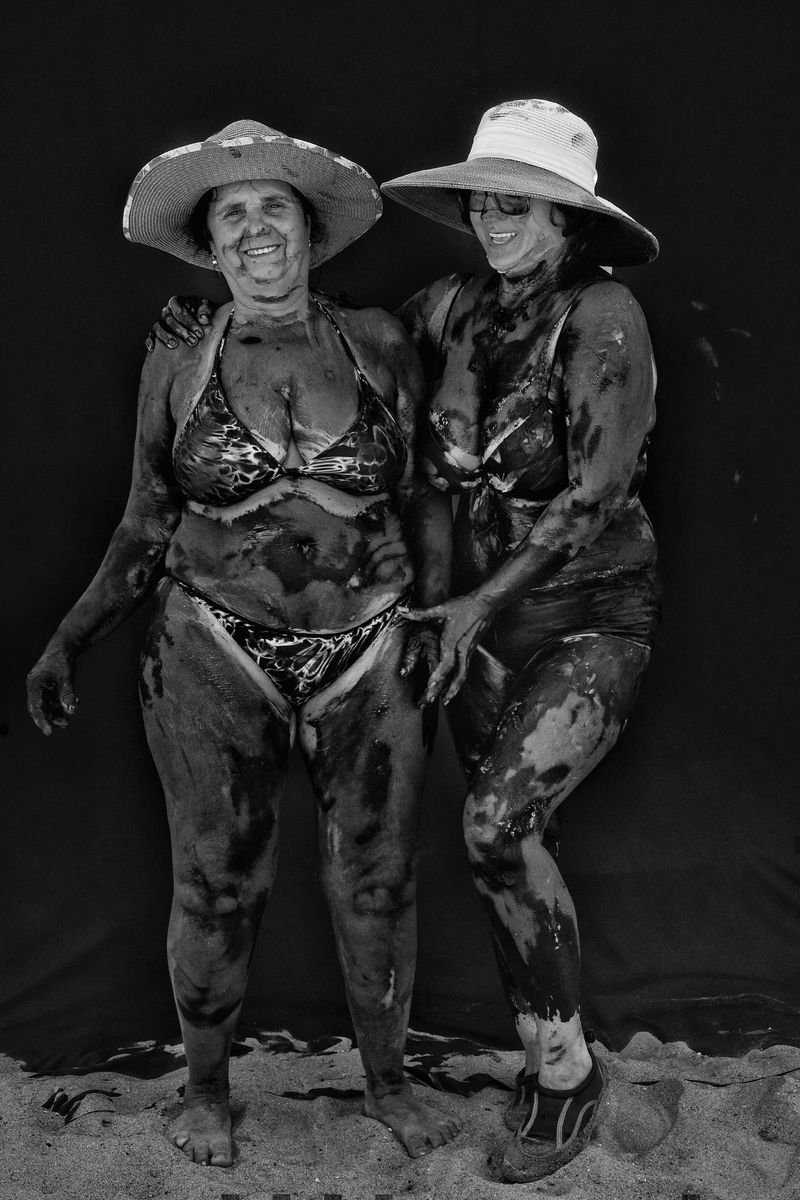
 Flora Lady in turquoise and Aurelia wearing a blue polka dot top. These 2 friends from Argeş county (capital Pitesti). They have been coming here for 40 years. They come for 10 days at a time and use the mud every day. Aurelia shows me her arthritic hands (polyarthrosis) Techirghiol, derived from (Turkish) Tekir’s lake, is a small Romanian town on the Black Sea famous for its therapeutic mud discovered by an old Turkish man and his donkey. There are several variations of the story and its origins, but all share the same principle: the thick black mud (highly-concentrated sediment rich in organic matter) found at the bottom of the lake is particularly effective in the treatment of arthritis, musculoskeletal disorders, skin ailments and detoxification, and beneficial for overall well-being. In the beginning of the 20th century, when the curative properties of the mud were recognized by the scientific community, Techirghiol established itself as a spa town with organized mud extraction and treatment facilities. The public nomol (mud) baths are open 7 days a week. Buckets of mud are spread around the beach and people cover all or parts of their bodies then stand in the sun for 20-30 minutes as it hardens changing from shiny black to light gray. Next a swim in the lake gently and ecologically washes the mud off sustainably recycling it.  But that is not all. The benefits of the saline lake water are extracted by allowing the salt to dry on the skin in the sun. A final rinse in fresh water leaves the skin soft and hydrated. Residents of the region have been coming here their whole lives, while visitors from other parts of Romania and elsewhere generally come for a week or two combining specialized treatments at the sanatorium or more luxurious hotels with regular visits to the lake. 

© Alain Schroeder - Image from the Miracle Mud photography project
i

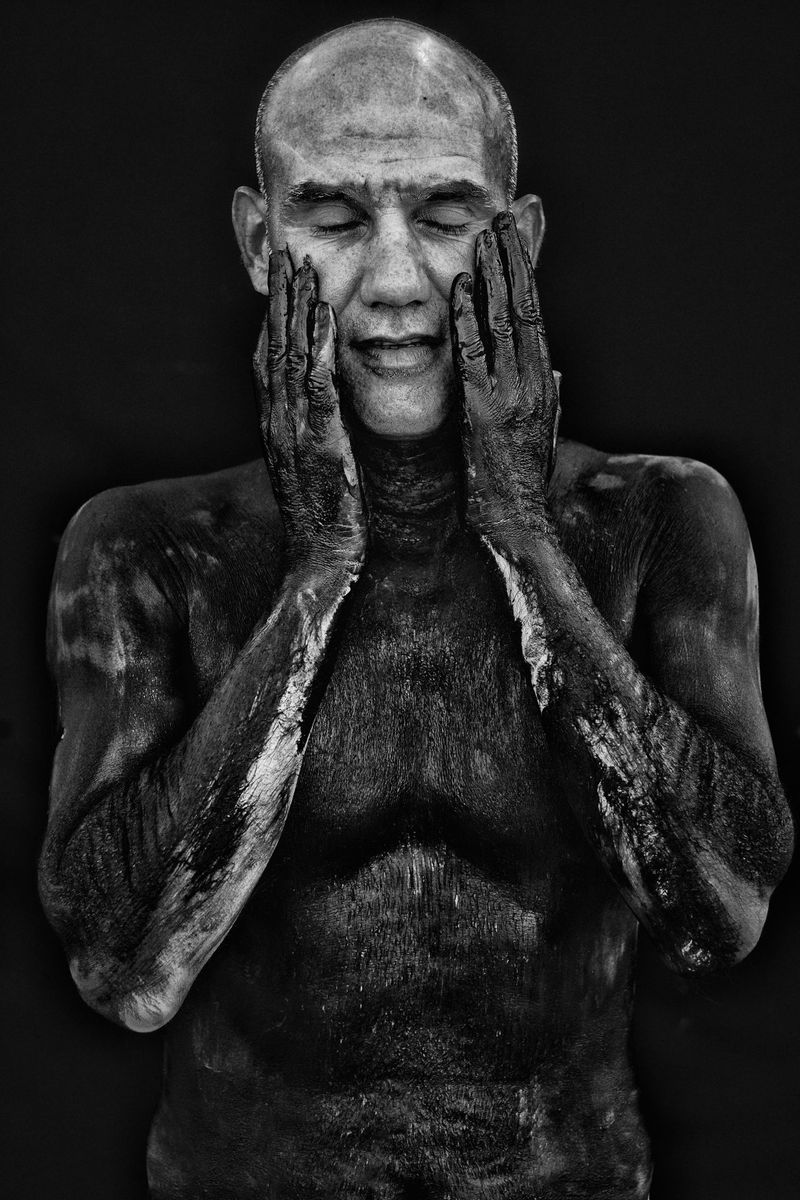
 Bald man with white eyebrows. From Bucharest. Has been coming here for 5 years has a back problem.  He wants us to know that he firmly believes that the country was better off with Ceausescu. Techirghiol, derived from (Turkish) Tekir’s lake, is a small Romanian town on the Black Sea famous for its therapeutic mud discovered by an old Turkish man and his donkey. There are several variations of the story and its origins, but all share the same principle: the thick black mud (highly-concentrated sediment rich in organic matter) found at the bottom of the lake is particularly effective in the treatment of arthritis, musculoskeletal disorders, skin ailments and detoxification, and beneficial for overall well-being. In the beginning of the 20th century, when the curative properties of the mud were recognized by the scientific community, Techirghiol established itself as a spa town with organized mud extraction and treatment facilities. The public nomol (mud) baths are open 7 days a week. Buckets of mud are spread around the beach and people cover all or parts of their bodies then stand in the sun for 20-30 minutes as it hardens changing from shiny black to light gray. Next a swim in the lake gently and ecologically washes the mud off sustainably recycling it.  But that is not all. The benefits of the saline lake water are extracted by allowing the salt to dry on the skin in the sun. A final rinse in fresh water leaves the skin soft and hydrated. Residents of the region have been coming here their whole lives, while visitors from other parts of Romania and elsewhere generally come for a week or two combining specialized treatments at the sanatorium or more luxurious hotels with regular visits to the lake. 

© Alain Schroeder - Image from the Miracle Mud photography project
i

Madelina Marie (15) She is here with her mom, Christina (46). They are from Slatina about 6 hours from here. Her mom is here for 6 days of treatment at the sanatorium for her arthritis. Christina sas her parents brought her here when she was 3 and again at 15 and she wanted Madelina  Marie to experience the therapeutic mud as well. Both mother and daughter are enjoying the girls only week together.  (Note do we mention that Christina is doing electro-shock therapy for her arthritis. Techirghiol, derived from (Turkish) Tekir’s lake, is a small Romanian town on the Black Sea famous for its therapeutic mud discovered by an old Turkish man and his donkey. There are several variations of the story and its origins, but all share the same principle: the thick black mud (highly-concentrated sediment rich in organic matter) found at the bottom of the lake is particularly effective in the treatment of arthritis, musculoskeletal disorders, skin ailments and detoxification, and beneficial for overall well-being. In the beginning of the 20th century, when the curative properties of the mud were recognized by the scientific community, Techirghiol established itself as a spa town with organized mud extraction and treatment facilities. The public nomol (mud) baths are open 7 days a week. Buckets of mud are spread around the beach and people cover all or parts of their bodies then stand in the sun for 20-30 minutes as it hardens changing from shiny black to light gray. Next a swim in the lake gently and ecologically washes the mud off sustainably recycling it.  But that is not all. The benefits of the saline lake water are extracted by allowing the salt to dry on the skin in the sun. A final rinse in fresh water leaves the skin soft and hydrated. Residents of the region have been coming here their whole lives, while visitors from other parts of Romania and elsewhere generally come for a week or two combining specialized treatments at the sanatorium or more luxurious hotels with regular visits to the lake. 

© Alain Schroeder - Image from the Miracle Mud photography project
i

Florine from Timisoara.  He and his wife Anna are here for the first time.  They heard that the mud is good for treating rheumatism. Techirghiol, derived from (Turkish) Tekir’s lake, is a small Romanian town on the Black Sea famous for its therapeutic mud discovered by an old Turkish man and his donkey. There are several variations of the story and its origins, but all share the same principle: the thick black mud (highly-concentrated sediment rich in organic matter) found at the bottom of the lake is particularly effective in the treatment of arthritis, musculoskeletal disorders, skin ailments and detoxification, and beneficial for overall well-being. In the beginning of the 20th century, when the curative properties of the mud were recognized by the scientific community, Techirghiol established itself as a spa town with organized mud extraction and treatment facilities. The public nomol (mud) baths are open 7 days a week. Buckets of mud are spread around the beach and people cover all or parts of their bodies then stand in the sun for 20-30 minutes as it hardens changing from shiny black to light gray. Next a swim in the lake gently and ecologically washes the mud off sustainably recycling it.  But that is not all. The benefits of the saline lake water are extracted by allowing the salt to dry on the skin in the sun. A final rinse in fresh water leaves the skin soft and hydrated. Residents of the region have been coming here their whole lives, while visitors from other parts of Romania and elsewhere generally come for a week or two combining specialized treatments at the sanatorium or more luxurious hotels with regular visits to the lake. 

© Alain Schroeder - Image from the Miracle Mud photography project
i

Emanuel  from Pitesti  is 56. He has been coming here for 3 years.  He and his wife are also following treatment at the clinic. They do it for their general well being. Techirghiol, derived from (Turkish) Tekir’s lake, is a small Romanian town on the Black Sea famous for its therapeutic mud discovered by an old Turkish man and his donkey. There are several variations of the story and its origins, but all share the same principle: the thick black mud (highly-concentrated sediment rich in organic matter) found at the bottom of the lake is particularly effective in the treatment of arthritis, musculoskeletal disorders, skin ailments and detoxification, and beneficial for overall well-being. In the beginning of the 20th century, when the curative properties of the mud were recognized by the scientific community, Techirghiol established itself as a spa town with organized mud extraction and treatment facilities. The public nomol (mud) baths are open 7 days a week. Buckets of mud are spread around the beach and people cover all or parts of their bodies then stand in the sun for 20-30 minutes as it hardens changing from shiny black to light gray. Next a swim in the lake gently and ecologically washes the mud off sustainably recycling it.  But that is not all. The benefits of the saline lake water are extracted by allowing the salt to dry on the skin in the sun. A final rinse in fresh water leaves the skin soft and hydrated. Residents of the region have been coming here their whole lives, while visitors from other parts of Romania and elsewhere generally come for a week or two combining specialized treatments at the sanatorium or more luxurious hotels with regular visits to the lake. 

© Alain Schroeder - Image from the Miracle Mud photography project
i

Costin 45  He and his wife Cosmina 44 (both dentists who have their own clinic) have been coming here since they were kids. Cosmina tells me her mother brought her here when she was just 2. Techirghiol, derived from (Turkish) Tekir’s lake, is a small Romanian town on the Black Sea famous for its therapeutic mud discovered by an old Turkish man and his donkey. There are several variations of the story and its origins, but all share the same principle: the thick black mud (highly-concentrated sediment rich in organic matter) found at the bottom of the lake is particularly effective in the treatment of arthritis, musculoskeletal disorders, skin ailments and detoxification, and beneficial for overall well-being. In the beginning of the 20th century, when the curative properties of the mud were recognized by the scientific community, Techirghiol established itself as a spa town with organized mud extraction and treatment facilities. The public nomol (mud) baths are open 7 days a week. Buckets of mud are spread around the beach and people cover all or parts of their bodies then stand in the sun for 20-30 minutes as it hardens changing from shiny black to light gray. Next a swim in the lake gently and ecologically washes the mud off sustainably recycling it.  But that is not all. The benefits of the saline lake water are extracted by allowing the salt to dry on the skin in the sun. A final rinse in fresh water leaves the skin soft and hydrated. Residents of the region have been coming here their whole lives, while visitors from other parts of Romania and elsewhere generally come for a week or two combining specialized treatments at the sanatorium or more luxurious hotels with regular visits to the lake. 

© Alain Schroeder - Image from the Miracle Mud photography project
i

Margaret from Brasov is 67. She  comes here every year for treatment at the sanatorium for rheumatism. She also broke her wrist and says that it has helped the healing process tremendously.  She says the mud is particularly good for women’s bodies. Techirghiol, derived from (Turkish) Tekir’s lake, is a small Romanian town on the Black Sea famous for its therapeutic mud discovered by an old Turkish man and his donkey. There are several variations of the story and its origins, but all share the same principle: the thick black mud (highly-concentrated sediment rich in organic matter) found at the bottom of the lake is particularly effective in the treatment of arthritis, musculoskeletal disorders, skin ailments and detoxification, and beneficial for overall well-being. In the beginning of the 20th century, when the curative properties of the mud were recognized by the scientific community, Techirghiol established itself as a spa town with organized mud extraction and treatment facilities. The public nomol (mud) baths are open 7 days a week. Buckets of mud are spread around the beach and people cover all or parts of their bodies then stand in the sun for 20-30 minutes as it hardens changing from shiny black to light gray. Next a swim in the lake gently and ecologically washes the mud off sustainably recycling it.  But that is not all. The benefits of the saline lake water are extracted by allowing the salt to dry on the skin in the sun. A final rinse in fresh water leaves the skin soft and hydrated. Residents of the region have been coming here their whole lives, while visitors from other parts of Romania and elsewhere generally come for a week or two combining specialized treatments at the sanatorium or more luxurious hotels with regular visits to the lake. 

© Alain Schroeder - Image from the Miracle Mud photography project
i

Cosmin, originally from Constanta now living in Bucharest.  Has no particular health problems just comes for fun,  Will do 2 times today and tomorrow. He’ll be 42 in 2 weeks. Everyone in the region comes here. Tells me the legend of Techir, the Turkish man and his donkey - both were old and ill when they came across this mud, then started to feel better. Cosmin is a pharmacist. Warehouse and dustribution.   He also suggested we visit Amara lake halfway to Bucharest. Mud baths Techirghiol, derived from (Turkish) Tekir’s lake, is a small Romanian town on the Black Sea famous for its therapeutic mud discovered by an old Turkish man and his donkey. There are several variations of the story and its origins, but all share the same principle: the thick black mud (highly-concentrated sediment rich in organic matter) found at the bottom of the lake is particularly effective in the treatment of arthritis, musculoskeletal disorders, skin ailments and detoxification, and beneficial for overall well-being. In the beginning of the 20th century, when the curative properties of the mud were recognized by the scientific community, Techirghiol established itself as a spa town with organized mud extraction and treatment facilities. The public nomol (mud) baths are open 7 days a week. Buckets of mud are spread around the beach and people cover all or parts of their bodies then stand in the sun for 20-30 minutes as it hardens changing from shiny black to light gray. Next a swim in the lake gently and ecologically washes the mud off sustainably recycling it.  But that is not all. The benefits of the saline lake water are extracted by allowing the salt to dry on the skin in the sun. A final rinse in fresh water leaves the skin soft and hydrated. Residents of the region have been coming here their whole lives, while visitors from other parts of Romania and elsewhere generally come for a week or two combining specialized treatments at the sanatorium or more luxurious hotels with regular visits to the lake. 

© Alain Schroeder - Image from the Miracle Mud photography project
i

Arthur and Renata live in Rio. He is Brazilian and she is Romanian.  Arthur, a theatrical producer, is also a video blogger. They are travelling through Europe for 3 months and he’s blogging from every place they visit.  The couple is visiting her relatives in the region and here for the day for Arthur to experience the mud. Arthur from Rio Arthur, a theatrical producer, is also a video blogger. He is travelling with his Romanian wife Renata through Europe for 3 months blogging about all the places they visit. Techirghiol, derived from (Turkish) Tekir’s lake, is a small Romanian town on the Black Sea famous for its therapeutic mud discovered by an old Turkish man and his donkey. There are several variations of the story and its origins, but all share the same principle: the thick black mud (highly-concentrated sediment rich in organic matter) found at the bottom of the lake is particularly effective in the treatment of arthritis, musculoskeletal disorders, skin ailments and detoxification, and beneficial for overall well-being. In the beginning of the 20th century, when the curative properties of the mud were recognized by the scientific community, Techirghiol established itself as a spa town with organized mud extraction and treatment facilities. The public nomol (mud) baths are open 7 days a week. Buckets of mud are spread around the beach and people cover all or parts of their bodies then stand in the sun for 20-30 minutes as it hardens changing from shiny black to light gray. Next a swim in the lake gently and ecologically washes the mud off sustainably recycling it.  But that is not all. The benefits of the saline lake water are extracted by allowing the salt to dry on the skin in the sun. A final rinse in fresh water leaves the skin soft and hydrated. Residents of the region have been coming here their whole lives, while visitors from other parts of Romania and elsewhere generally come for a week or two combining specialized treatments at the sanatorium or more luxurious hotels with regular visits to the lake. 

© Alain Schroeder - Image from the Miracle Mud photography project
i

Dokita and Dana, mother and daughter from Constanta They are here for 10 days and will put the mud once in the morning and again in the afternoon everyday. Techirghiol, derived from (Turkish) Tekir’s lake, is a small Romanian town on the Black Sea famous for its therapeutic mud discovered by an old Turkish man and his donkey. There are several variations of the story and its origins, but all share the same principle: the thick black mud (highly-concentrated sediment rich in organic matter) found at the bottom of the lake is particularly effective in the treatment of arthritis, musculoskeletal disorders, skin ailments and detoxification, and beneficial for overall well-being. In the beginning of the 20th century, when the curative properties of the mud were recognized by the scientific community, Techirghiol established itself as a spa town with organized mud extraction and treatment facilities. The public nomol (mud) baths are open 7 days a week. Buckets of mud are spread around the beach and people cover all or parts of their bodies then stand in the sun for 20-30 minutes as it hardens changing from shiny black to light gray. Next a swim in the lake gently and ecologically washes the mud off sustainably recycling it.  But that is not all. The benefits of the saline lake water are extracted by allowing the salt to dry on the skin in the sun. A final rinse in fresh water leaves the skin soft and hydrated. Residents of the region have been coming here their whole lives, while visitors from other parts of Romania and elsewhere generally come for a week or two combining specialized treatments at the sanatorium or more luxurious hotels with regular visits to the lake. 

© Alain Schroeder - Image from the Miracle Mud photography project
i

Christian (50) is a sports instructor from Slatina.   This is the 2nd time he has accompanied his brother Vorian (54) for 2 weeks.  Vorian (driver for a company) has Spondylosis. His doctor recommended he come for the therapeutic mud.  He says he felt good for the entire year since his 1st visit so he decided to come back. Techirghiol, derived from (Turkish) Tekir’s lake, is a small Romanian town on the Black Sea famous for its therapeutic mud discovered by an old Turkish man and his donkey. There are several variations of the story and its origins, but all share the same principle: the thick black mud (highly-concentrated sediment rich in organic matter) found at the bottom of the lake is particularly effective in the treatment of arthritis, musculoskeletal disorders, skin ailments and detoxification, and beneficial for overall well-being. In the beginning of the 20th century, when the curative properties of the mud were recognized by the scientific community, Techirghiol established itself as a spa town with organized mud extraction and treatment facilities. The public nomol (mud) baths are open 7 days a week. Buckets of mud are spread around the beach and people cover all or parts of their bodies then stand in the sun for 20-30 minutes as it hardens changing from shiny black to light gray. Next a swim in the lake gently and ecologically washes the mud off sustainably recycling it.  But that is not all. The benefits of the saline lake water are extracted by allowing the salt to dry on the skin in the sun. A final rinse in fresh water leaves the skin soft and hydrated. Residents of the region have been coming here their whole lives, while visitors from other parts of Romania and elsewhere generally come for a week or two combining specialized treatments at the sanatorium or more luxurious hotels with regular visits to the lake. 

© Alain Schroeder - Image from the Miracle Mud photography project
i

Ionut  42from Bucharest Here with his wife Ioana (38) and daughter Larisa (13). This is their 1st time here together. Their parents have been coming for many years. Ionut  tells us that everything is the same on the beach here. Only the chairs which are now plastic. They used to be wood.  They decided to do come here for prevention. Techirghiol, derived from (Turkish) Tekir’s lake, is a small Romanian town on the Black Sea famous for its therapeutic mud discovered by an old Turkish man and his donkey. There are several variations of the story and its origins, but all share the same principle: the thick black mud (highly-concentrated sediment rich in organic matter) found at the bottom of the lake is particularly effective in the treatment of arthritis, musculoskeletal disorders, skin ailments and detoxification, and beneficial for overall well-being. In the beginning of the 20th century, when the curative properties of the mud were recognized by the scientific community, Techirghiol established itself as a spa town with organized mud extraction and treatment facilities. The public nomol (mud) baths are open 7 days a week. Buckets of mud are spread around the beach and people cover all or parts of their bodies then stand in the sun for 20-30 minutes as it hardens changing from shiny black to light gray. Next a swim in the lake gently and ecologically washes the mud off sustainably recycling it.  But that is not all. The benefits of the saline lake water are extracted by allowing the salt to dry on the skin in the sun. A final rinse in fresh water leaves the skin soft and hydrated. Residents of the region have been coming here their whole lives, while visitors from other parts of Romania and elsewhere generally come for a week or two combining specialized treatments at the sanatorium or more luxurious hotels with regular visits to the lake. 

© Alain Schroeder - Image from the Miracle Mud photography project
i

Christian (50) is a sports instructor from Slatina.   This is the 2nd time he has accompanied his brother Vorian (54) for 2 weeks.  Vorian (driver for a company) has Spondylosis. His doctor recommended he come for the therapeutic mud.  He says he felt good for the entire year since his 1st visit so he decided to come back. Techirghiol, derived from (Turkish) Tekir’s lake, is a small Romanian town on the Black Sea famous for its therapeutic mud discovered by an old Turkish man and his donkey. There are several variations of the story and its origins, but all share the same principle: the thick black mud (highly-concentrated sediment rich in organic matter) found at the bottom of the lake is particularly effective in the treatment of arthritis, musculoskeletal disorders, skin ailments and detoxification, and beneficial for overall well-being. In the beginning of the 20th century, when the curative properties of the mud were recognized by the scientific community, Techirghiol established itself as a spa town with organized mud extraction and treatment facilities. The public nomol (mud) baths are open 7 days a week. Buckets of mud are spread around the beach and people cover all or parts of their bodies then stand in the sun for 20-30 minutes as it hardens changing from shiny black to light gray. Next a swim in the lake gently and ecologically washes the mud off sustainably recycling it.  But that is not all. The benefits of the saline lake water are extracted by allowing the salt to dry on the skin in the sun. A final rinse in fresh water leaves the skin soft and hydrated. Residents of the region have been coming here their whole lives, while visitors from other parts of Romania and elsewhere generally come for a week or two combining specialized treatments at the sanatorium or more luxurious hotels with regular visits to the lake. 

© Alain Schroeder - Image from the Miracle Mud photography project
i

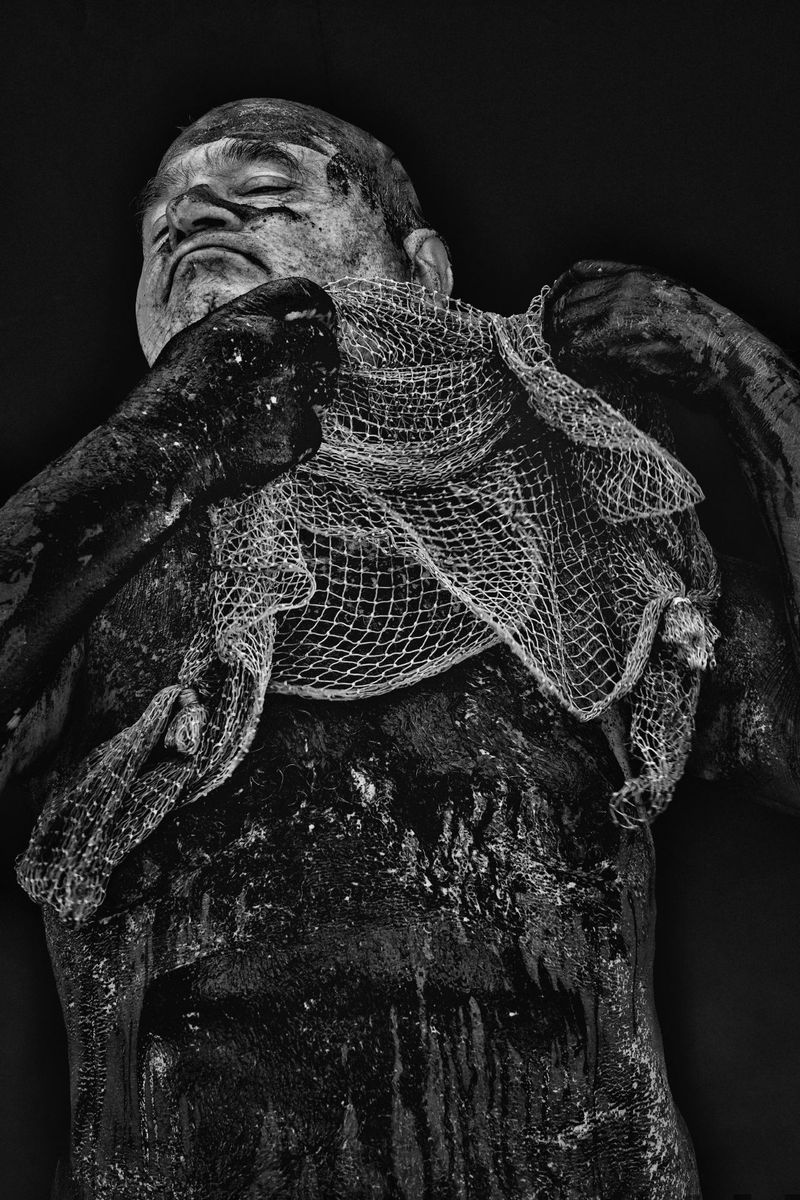
Mircea 70 from Constanta. Comes for 2 weeks at a time. Has a net type thing that he uses to wash off the mud in the lake. Techirghiol, derived from (Turkish) Tekir’s lake, is a small Romanian town on the Black Sea famous for its therapeutic mud discovered by an old Turkish man and his donkey. There are several variations of the story and its origins, but all share the same principle: the thick black mud (highly-concentrated sediment rich in organic matter) found at the bottom of the lake is particularly effective in the treatment of arthritis, musculoskeletal disorders, skin ailments and detoxification, and beneficial for overall well-being. In the beginning of the 20th century, when the curative properties of the mud were recognized by the scientific community, Techirghiol established itself as a spa town with organized mud extraction and treatment facilities. The public nomol (mud) baths are open 7 days a week. Buckets of mud are spread around the beach and people cover all or parts of their bodies then stand in the sun for 20-30 minutes as it hardens changing from shiny black to light gray. Next a swim in the lake gently and ecologically washes the mud off sustainably recycling it.  But that is not all. The benefits of the saline lake water are extracted by allowing the salt to dry on the skin in the sun. A final rinse in fresh water leaves the skin soft and hydrated. Residents of the region have been coming here their whole lives, while visitors from other parts of Romania and elsewhere generally come for a week or two combining specialized treatments at the sanatorium or more luxurious hotels with regular visits to the lake. 

© Alain Schroeder - Image from the Miracle Mud photography project
i

Arthur and Renata live in Rio. He is Brazilian and she is Romanian.  Arthur, a theatrical producer, is also a video blogger. They are travelling through Europe for 3 months and he’s blogging from every place they visit.  The couple is visiting her relatives in the region and here for the day for Arthur to experience the mud. 8:  Arthur from Rio Arthur, a theatrical producer, is also a video blogger. He is travelling with his Romanian wife Renata through Europe for 3 months blogging about all the places they visit. Techirghiol, derived from (Turkish) Tekir’s lake, is a small Romanian town on the Black Sea famous for its therapeutic mud discovered by an old Turkish man and his donkey. There are several variations of the story and its origins, but all share the same principle: the thick black mud (highly-concentrated sediment rich in organic matter) found at the bottom of the lake is particularly effective in the treatment of arthritis, musculoskeletal disorders, skin ailments and detoxification, and beneficial for overall well-being. In the beginning of the 20th century, when the curative properties of the mud were recognized by the scientific community, Techirghiol established itself as a spa town with organized mud extraction and treatment facilities. The public nomol (mud) baths are open 7 days a week. Buckets of mud are spread around the beach and people cover all or parts of their bodies then stand in the sun for 20-30 minutes as it hardens changing from shiny black to light gray. Next a swim in the lake gently and ecologically washes the mud off sustainably recycling it.  But that is not all. The benefits of the saline lake water are extracted by allowing the salt to dry on the skin in the sun. A final rinse in fresh water leaves the skin soft and hydrated. Residents of the region have been coming here their whole lives, while visitors from other parts of Romania and elsewhere generally come for a week or two combining specialized treatments at the sanatorium or more luxurious hotels with regular visits to the lake. 

Miracle Mud by Alain Schroeder

Prev Next Close