Meu anjo
-
Dates2024 - 2024
-
Author
Last year, I undertook a personal project in Santarém, my hometown in Brazil, to explore the representation of beauty in a cultural context marked by conservatism.
Last year, when I returned to Santarém, one of my hometowns in Brazil, I undertook a personal project that had been close to my heart for a long time. A city shaped by its traditions and a certain conservatism, where the notion of beauty still seems confined to fixed representations.
The representation of beauty in Brazil has always intrigued me. The rigid ideal of "Latin beauty," propagated by mainstream media, often felt distant and hard to relate to. Raised between Switzerland and Brazil, I long struggled to understand what it meant to be a woman and belong to these two heritages, growing up with the sense that I didn't quite fit into either of them.
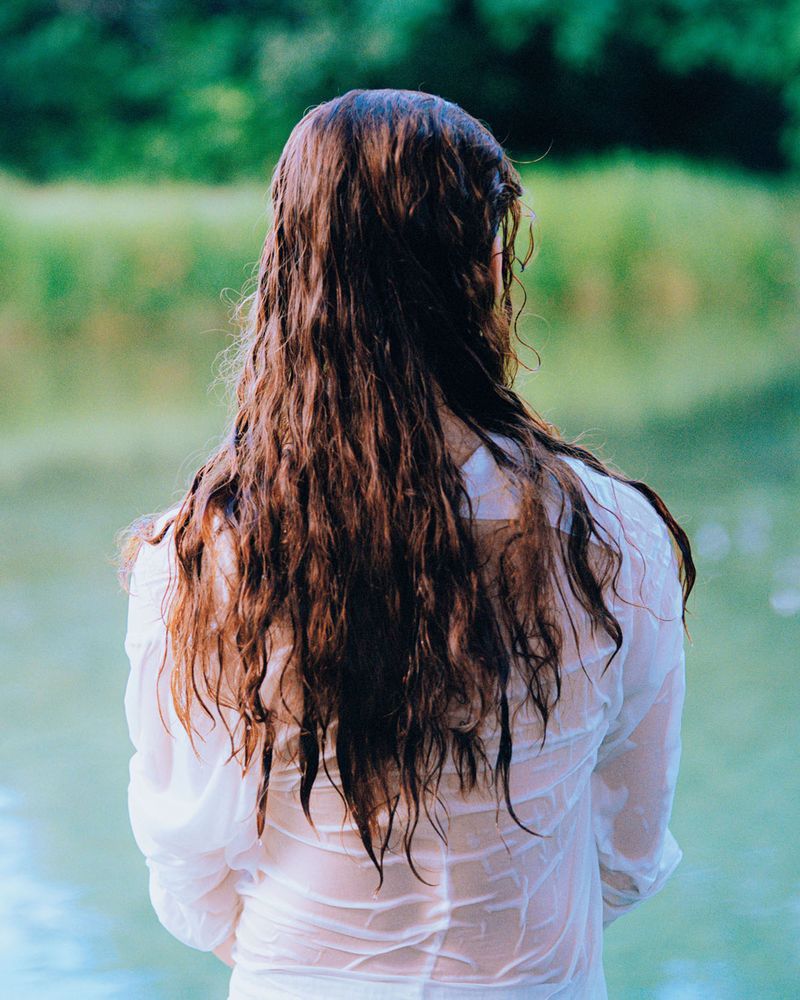
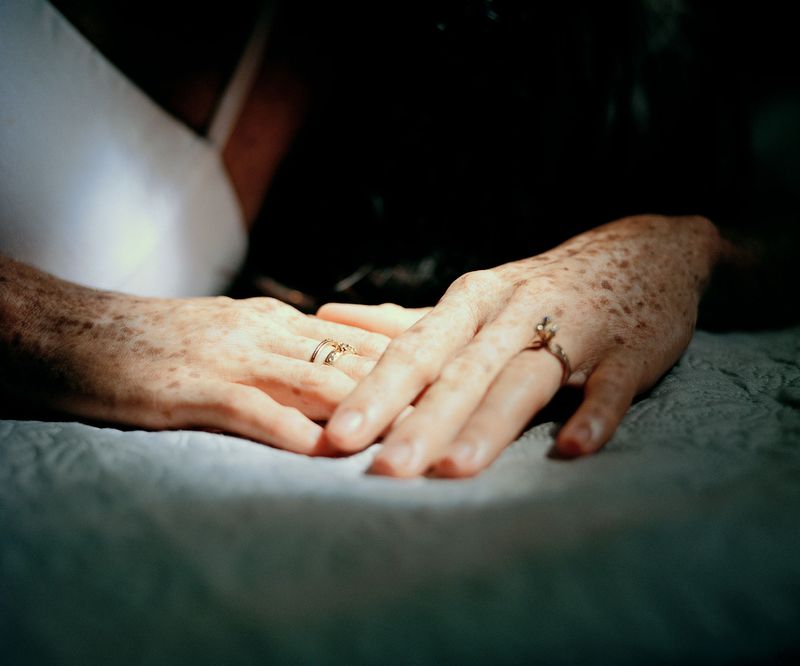
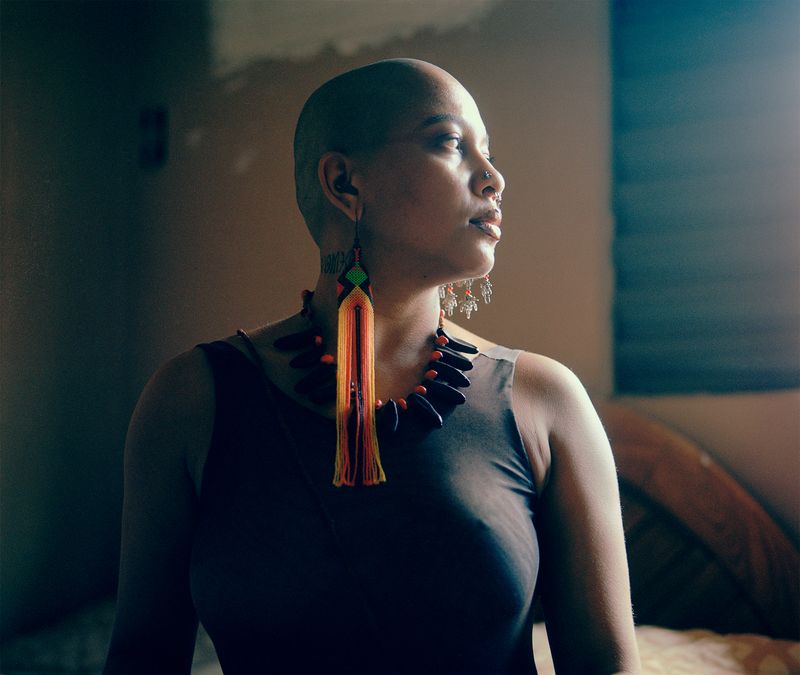
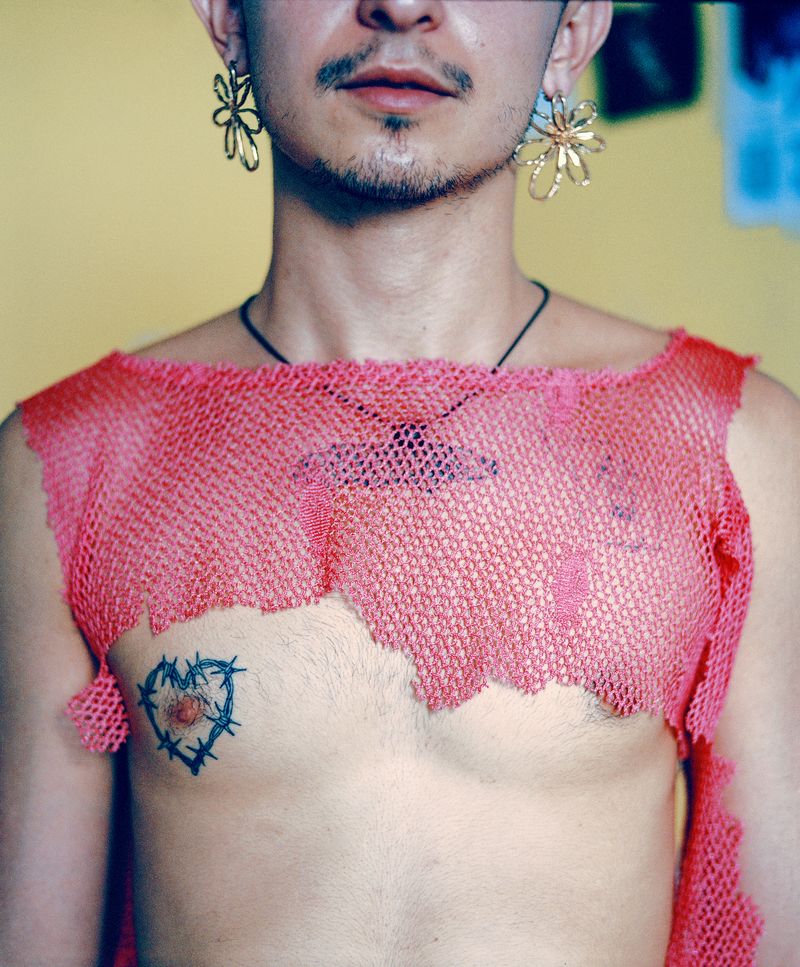
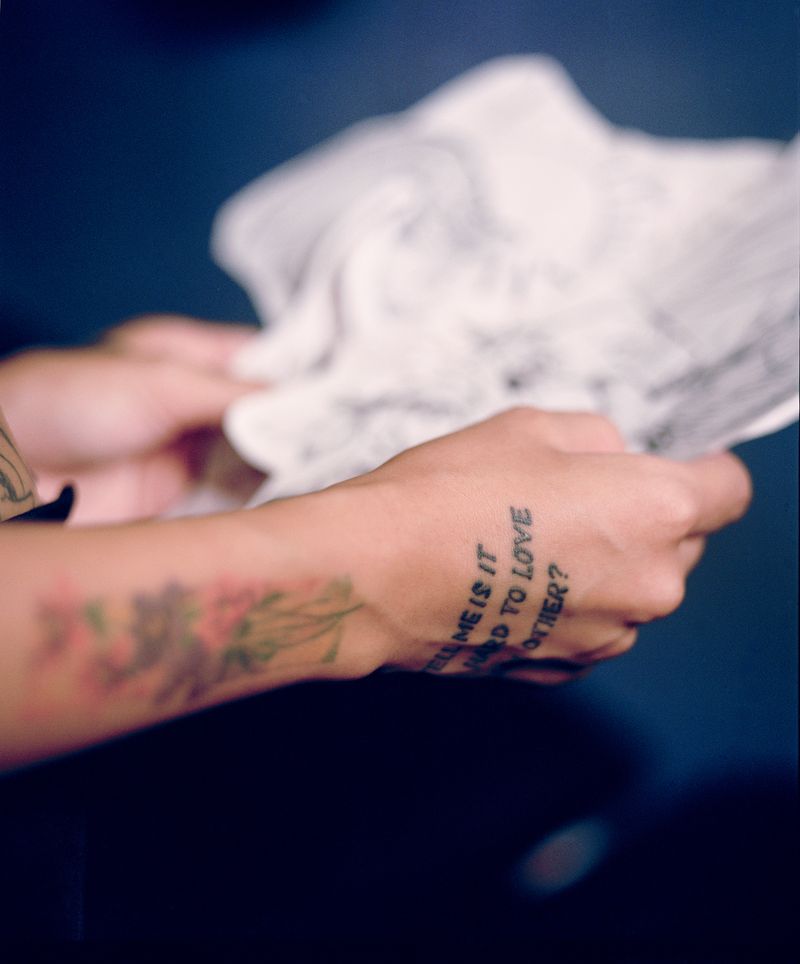
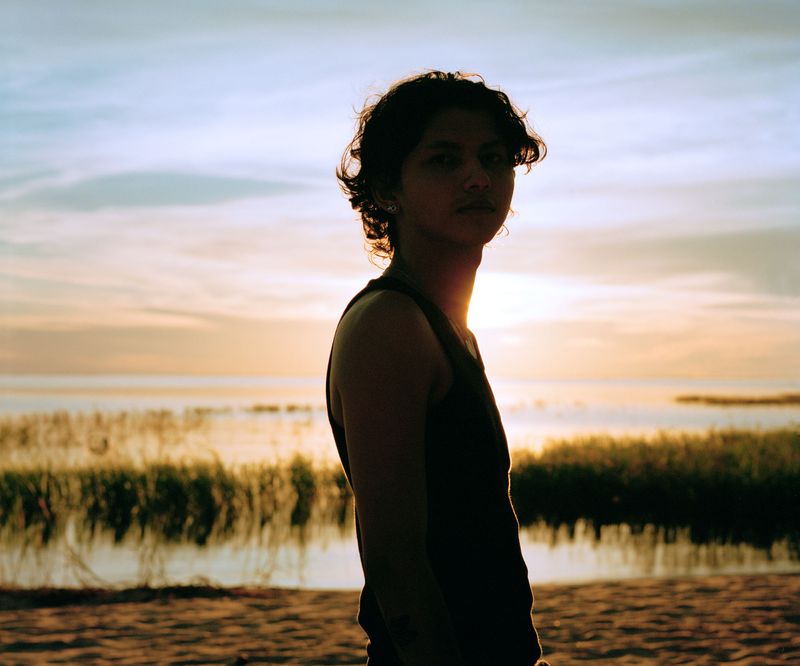
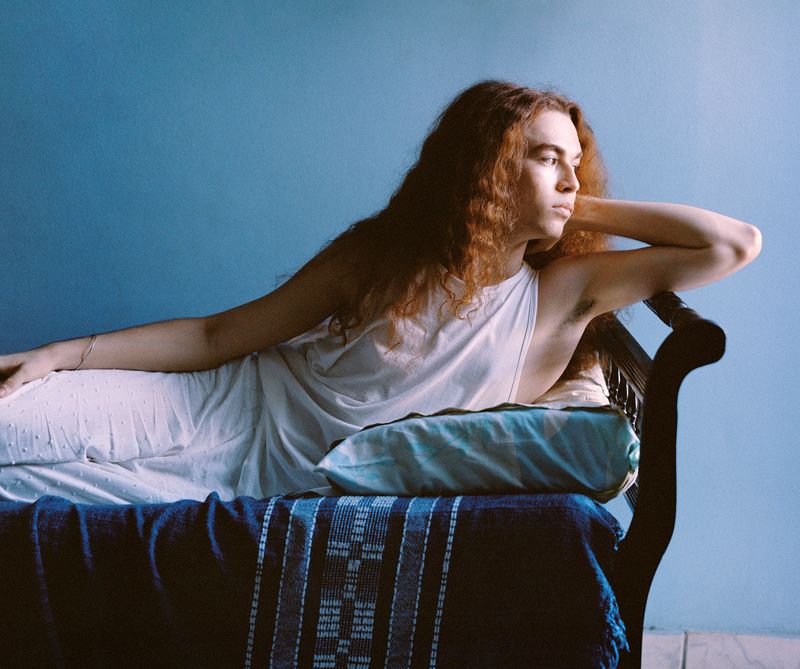
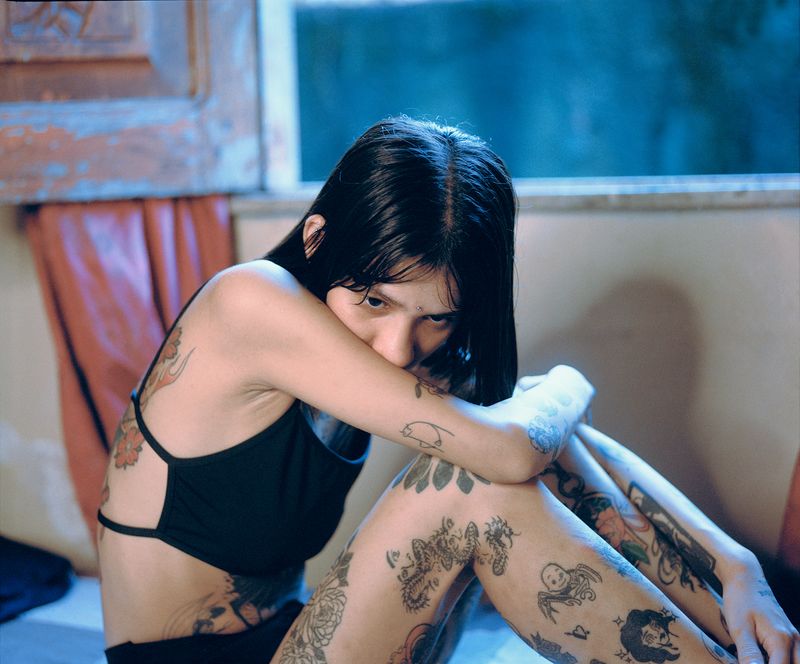
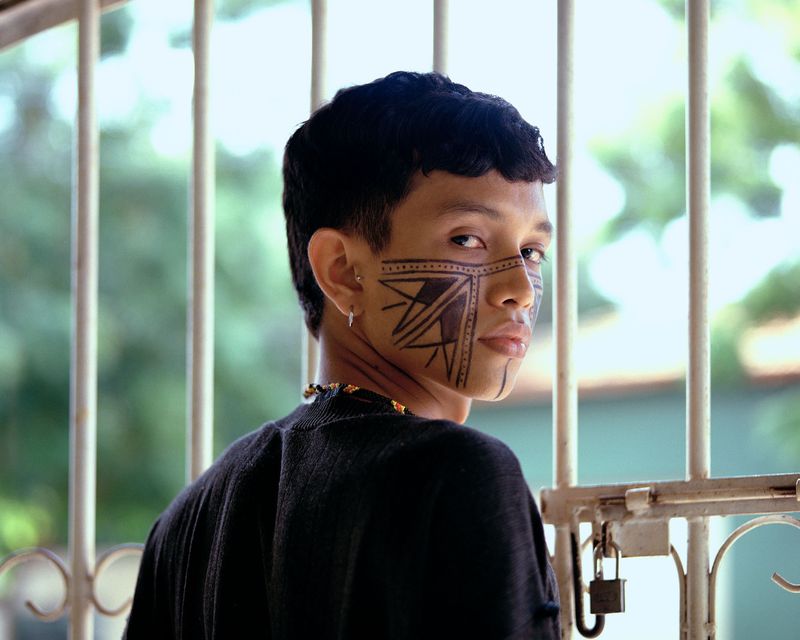
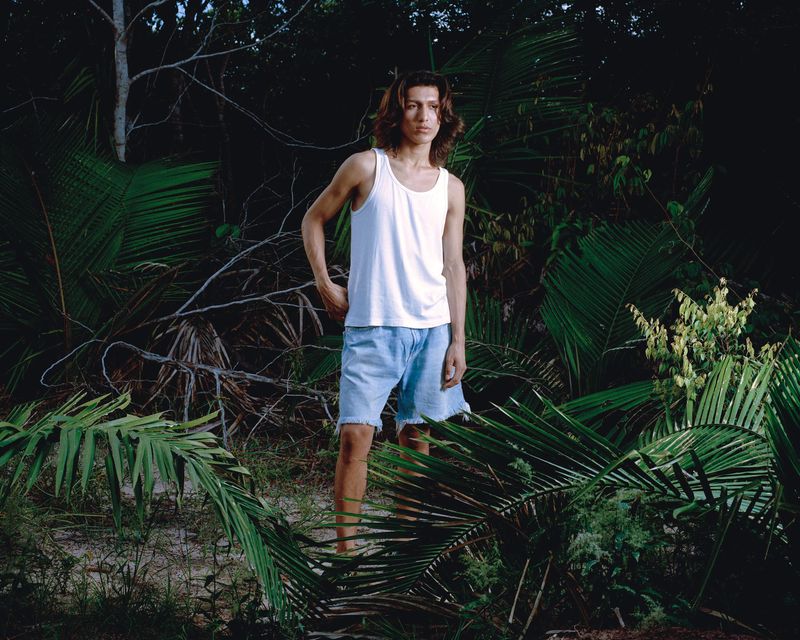
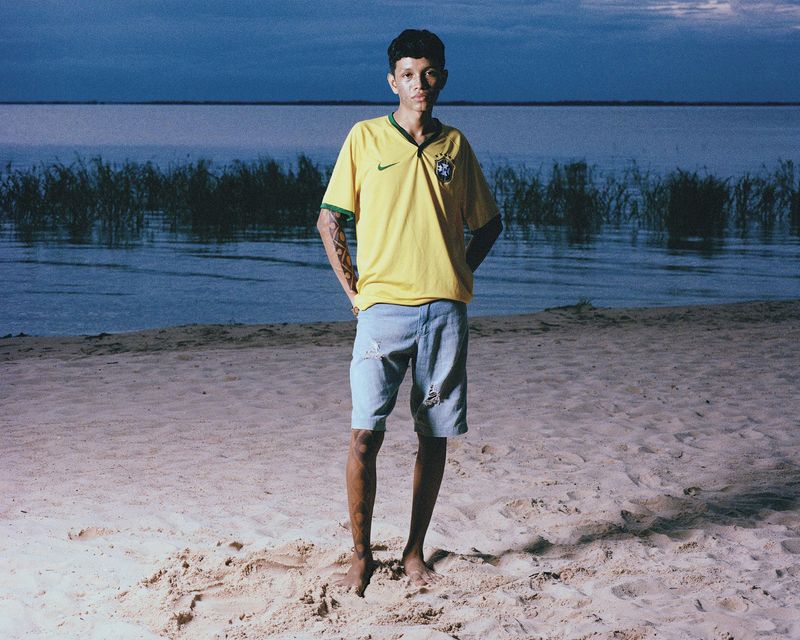
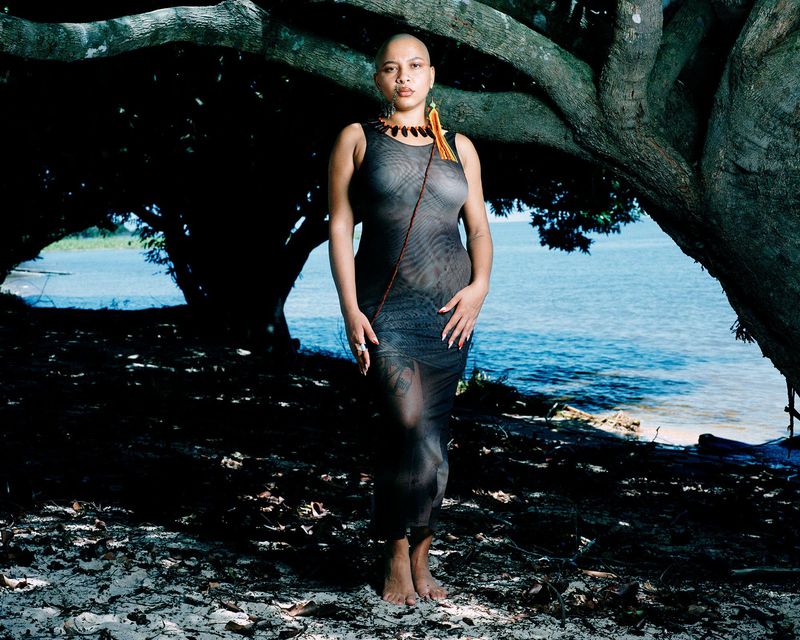
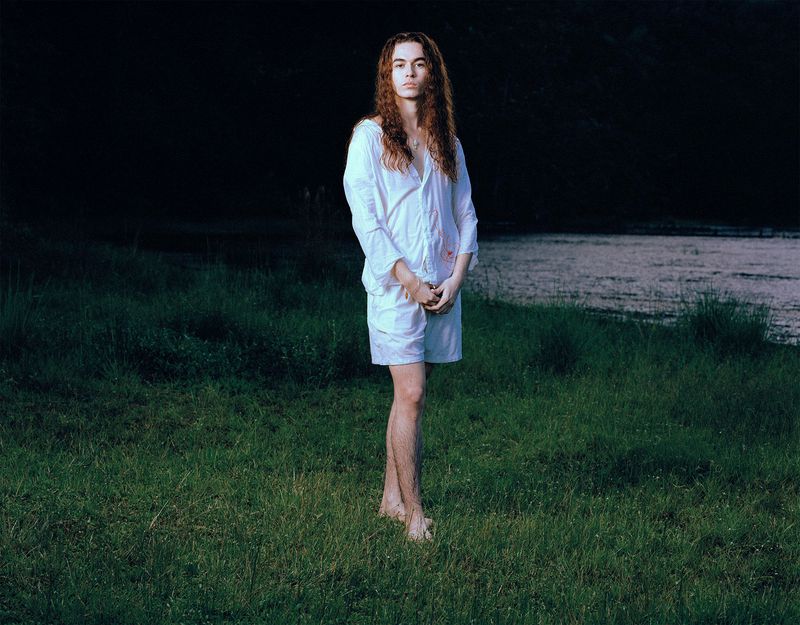
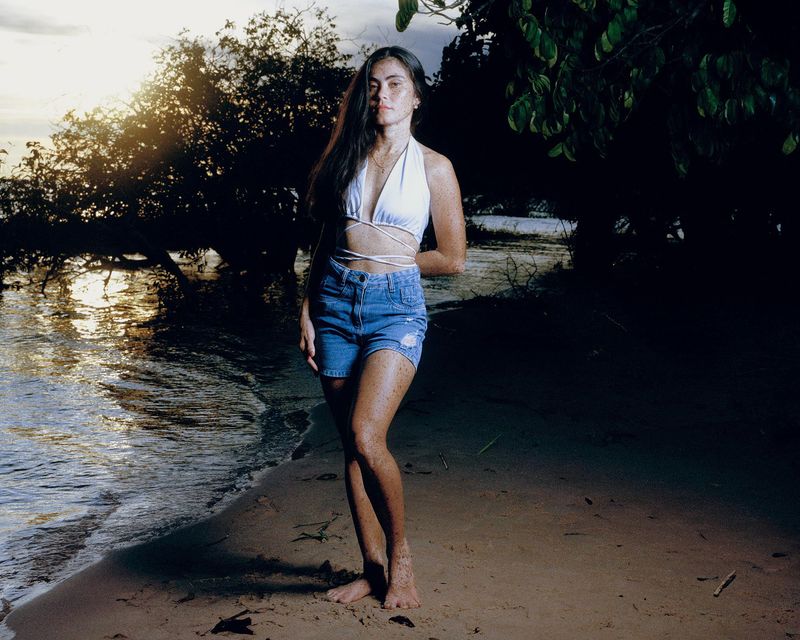
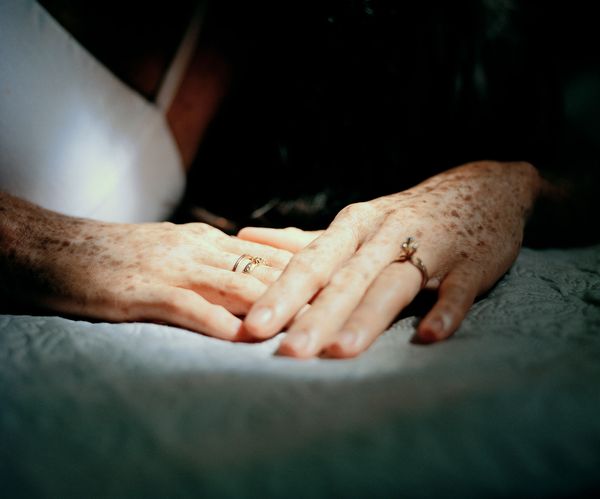
Before my departure, virtual exchanges allowed me, once on site, to meet eight people with different backgrounds, with whom I explored questions of identity and self-expression. Through these portraits, I aimed to offer them a space, a visibility that the local environment sometimes denies them.
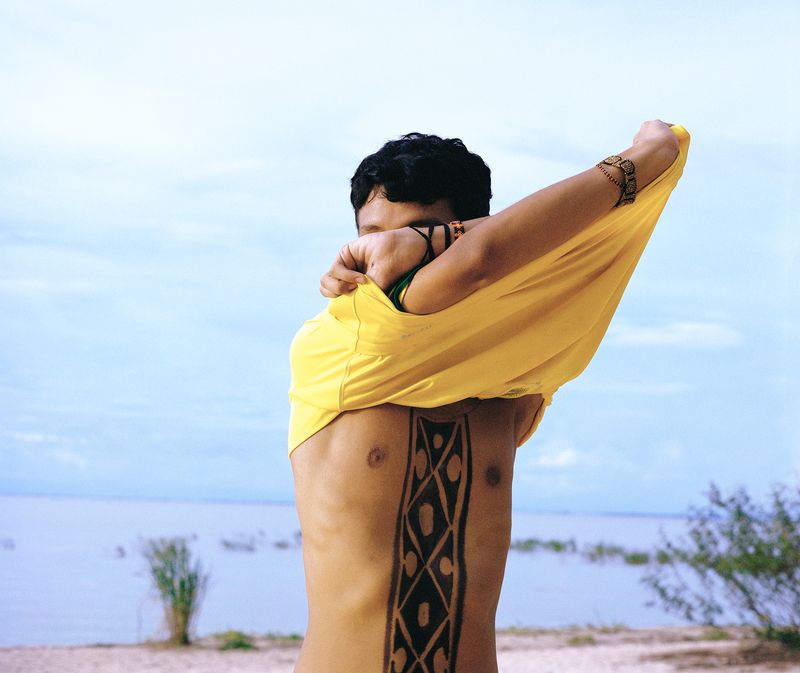
When I showed these images to my loved ones in Brazil, their reactions, often harsh, contrasted strongly with those of my circle in Switzerland. Some of the models were judged for their appearance, faith, sexual orientation, and/or gender identity. Two of them, Nora, a militant quilombola woman, and João, from the Kumaruara indigenous lineage, particularly struck me with their testimonies of the daily reality of racially marginalized and queer minorities in a country where inequalities remain deeply entrenched.
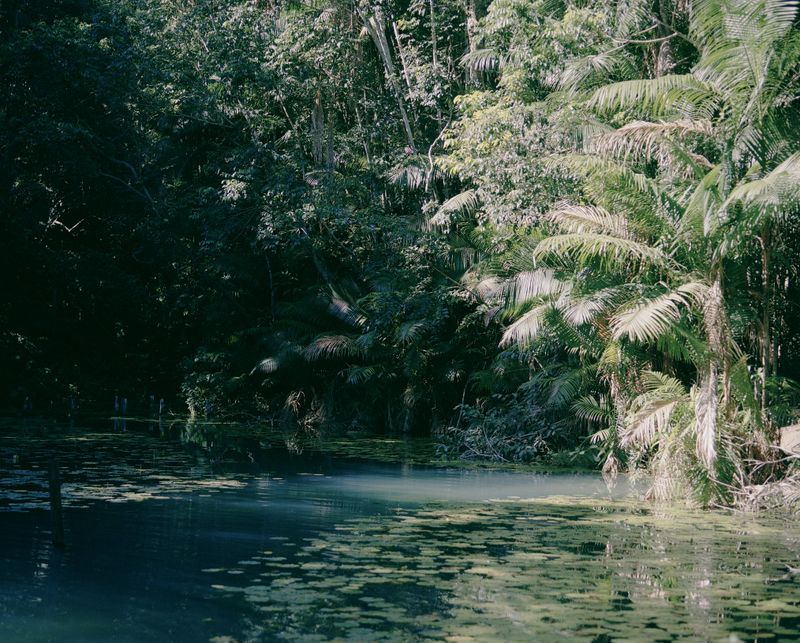
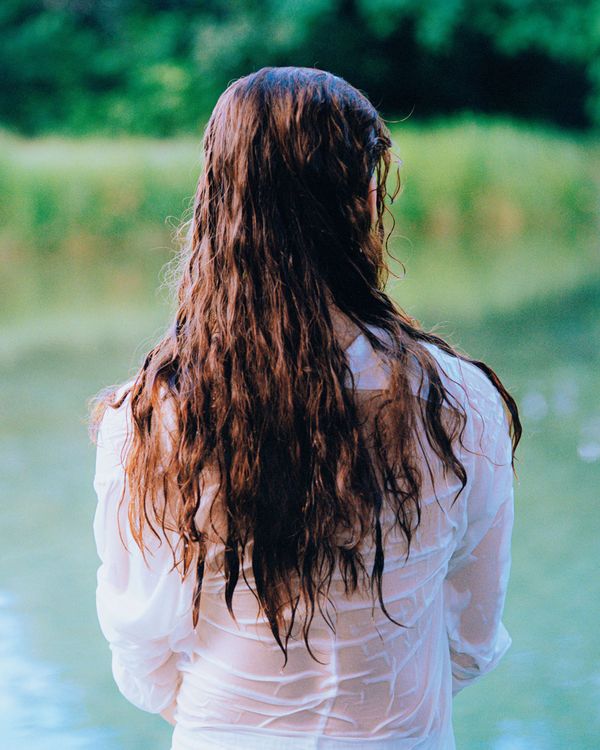
The project was built in two stages: the first series of images, created with them, in their own intimacy, forming an enclave against the often hostile exterior to their identities, giving them control over their own representation. Then, a second series, more directive, where, under flash lighting, their silhouettes stand out from the tropical landscape surrounding the city, as if asserting their presence in a setting that struggles to fully welcome them.
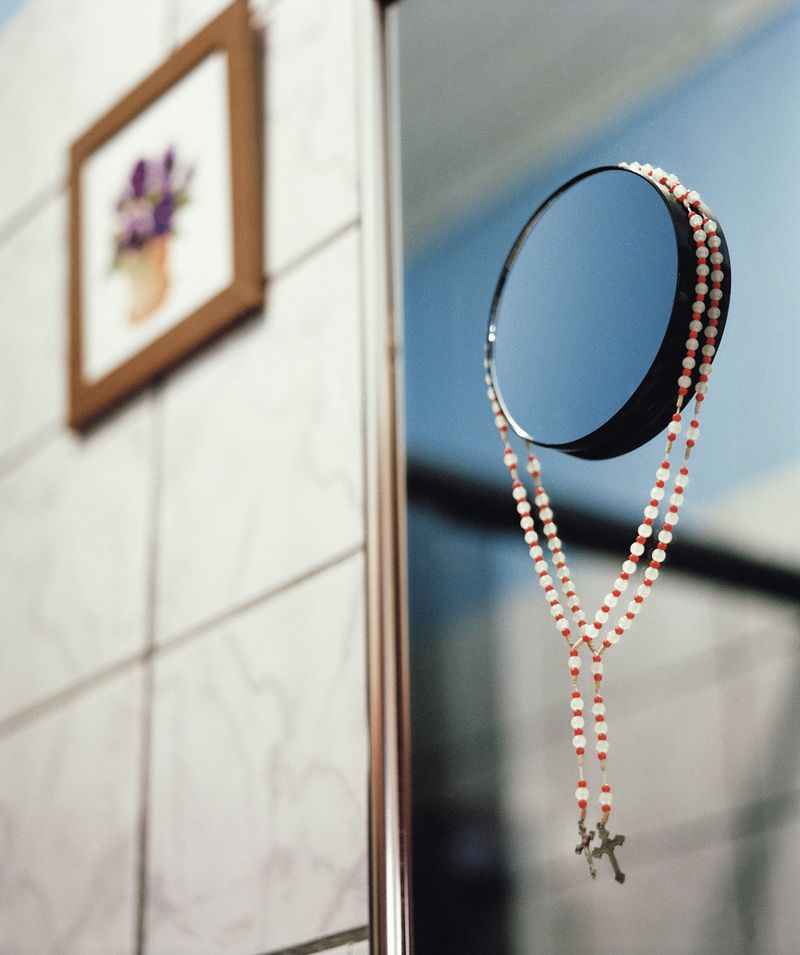
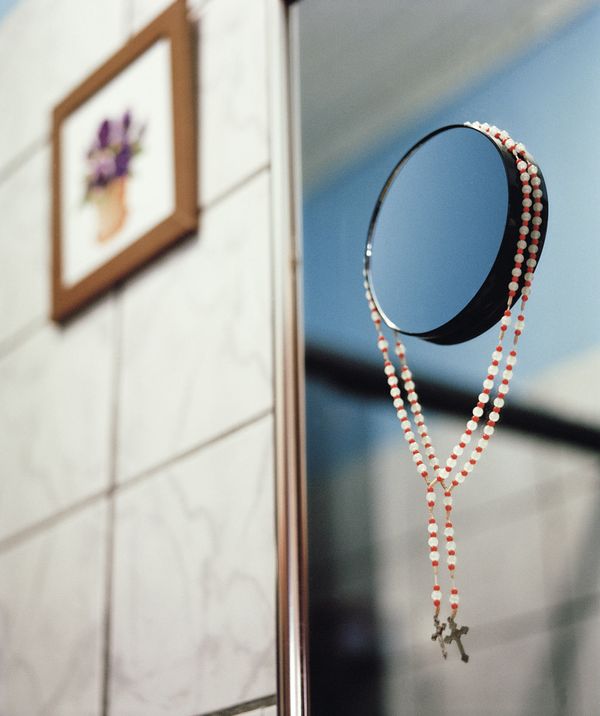
The title Meu Anjo ("My Angel") echoes the omnipresent Catholic culture in Brazil, a faith that shaped my childhood. But here, it takes on another meaning: that of a meeting, a tribute. A way to celebrate these people and do justice to them in a country where, under the recent presidency of Jair Bolsonaro, hate speech has gained troubling momentum, reinforcing exclusions and discriminations.
This project is an invitation to see differently. To question established norms, to recognize beauty where it is not always expected. Beyond the images, it is also a story of connection and belonging. Even today, I remain in contact with each of them, and these images remain, both testimonies and traces of a shared encounter.