Maya LAN

-
Dates2022 - 2025
-
Author
- Location Yucatan, Mexico
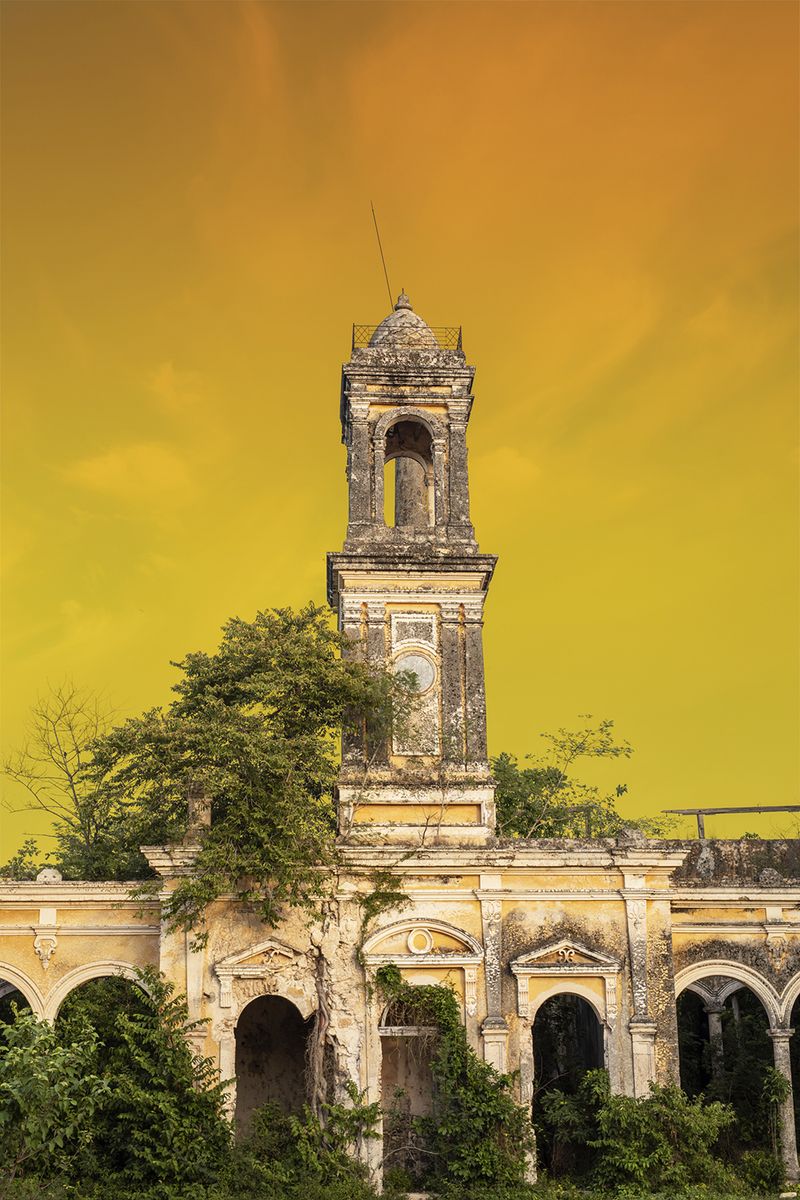
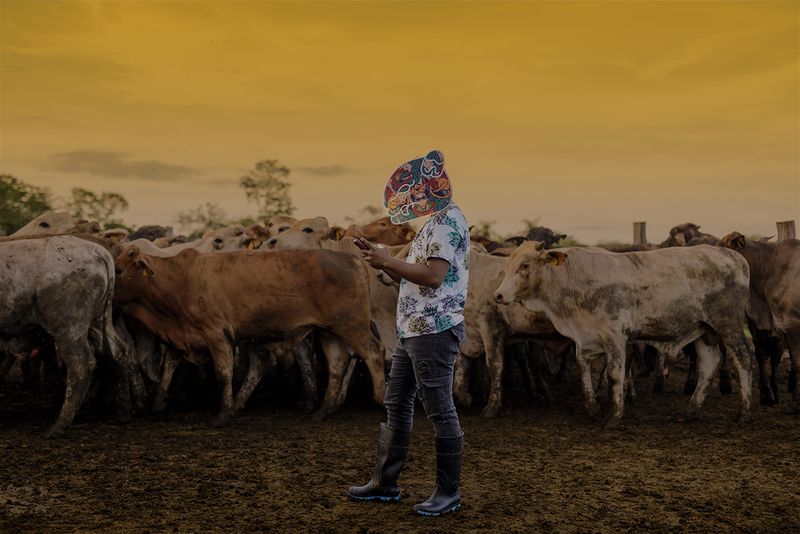
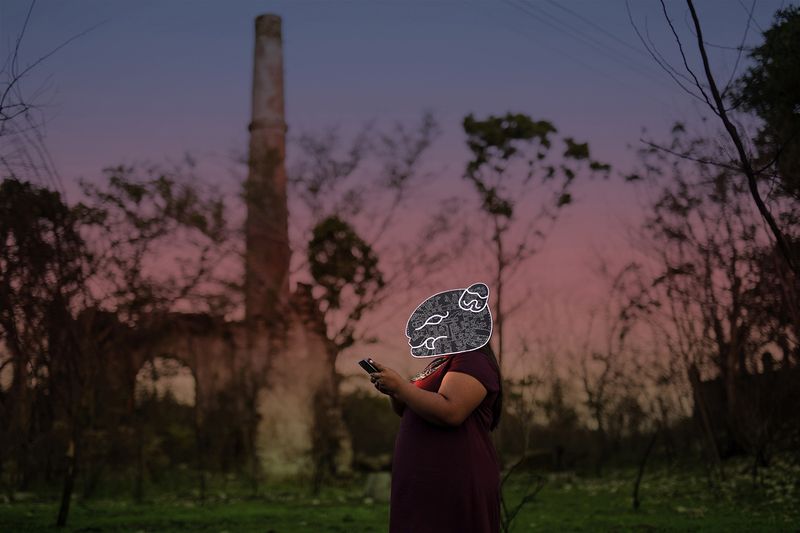
MayaLAN is a photographic project that reflects the sociocultural transformation of Maya communities in Yucatán under technological globalization, highlighting their adaptive capacity and the dialogue between tradition, modernity, and digital connectivity
The project of "Maya LAN" by Mara Sánchez Renero is founded on a critical reflection on the sociocultural transformations that the Yucatán Peninsula is experiencing in the context of contemporary technological globalization. Far from conventional ethnographic documentation, this photographic project contributes substantially to the dialogue on cultural preservation, developed from a perspective that recognizes the dynamic presence and transformation of the Maya communities in the Yucatán Peninsula. MAYA LAN thus presents the capacity of these communities to creatively negotiate with the pressures of technological modernization.
I.
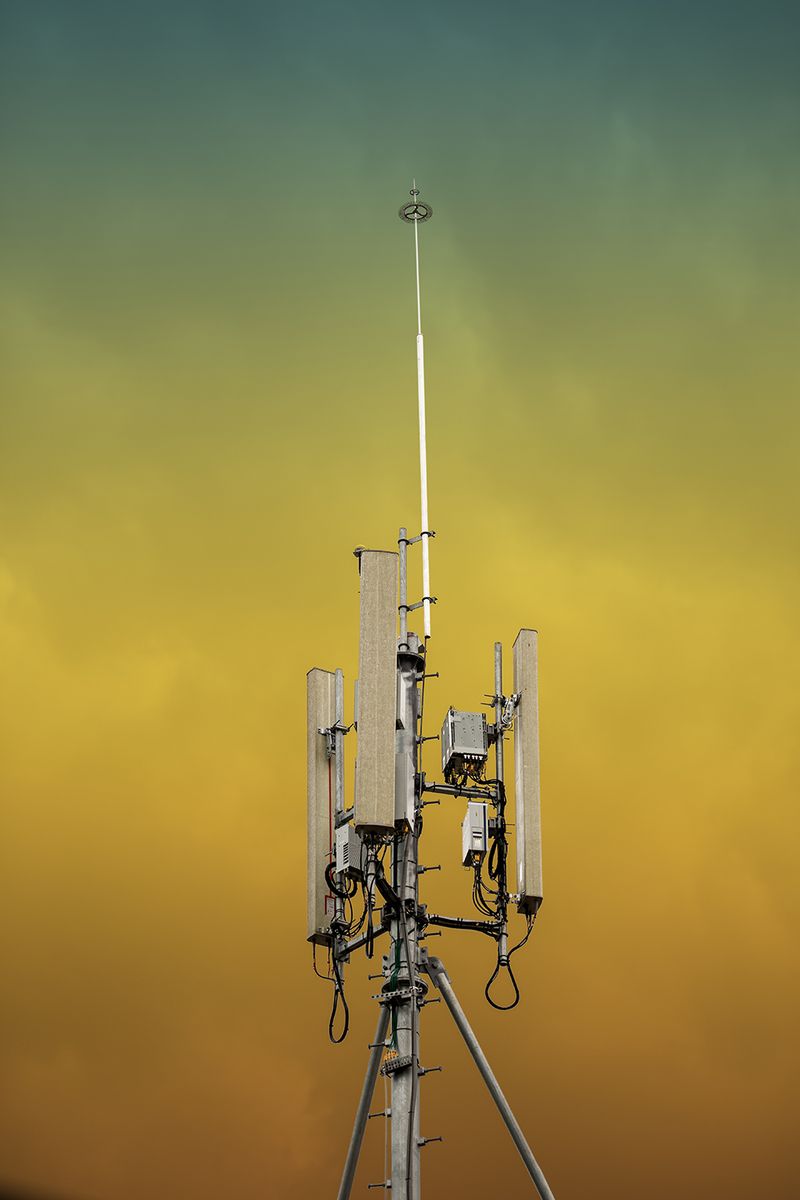
The title "Maya LAN" functions as a stratified conceptual metaphor that intertwines two seemingly irreconcilable knowledge systems. On the one hand, it is fundamental to understand that the term "Maya" in this specific context refers to the Indigenous peoples of Yucatán, groups that possess linguistic, cultural, and social characteristics within the broad and diverse mosaic of Maya peoples that extends from southeastern Mexico to Central America. This geographical and cultural specificity is methodological, as the responses to technological modernization vary significantly among different Indigenous peoples, each navigating these changes from their own histories, worldviews, and particular sociohistorical contexts. On the other hand, LAN (Local Area Network) represents the digital infrastructures that promise instant and ubiquitous connectivity but which, as Sánchez Renero critically observes, frequently generate what she conceptualizes as "communication without community." This is a characteristic paradox of our time, where technological hyperconnection coexists with unprecedented forms of social isolation and community fragmentation.
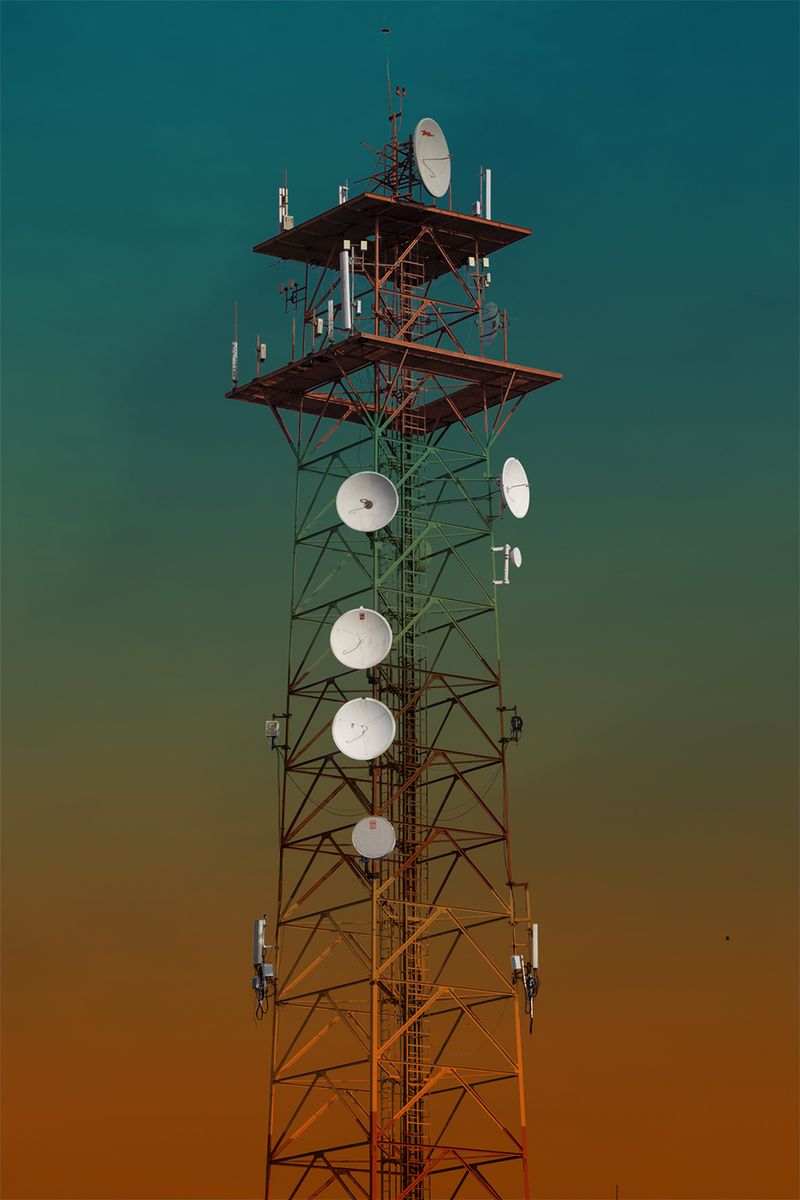
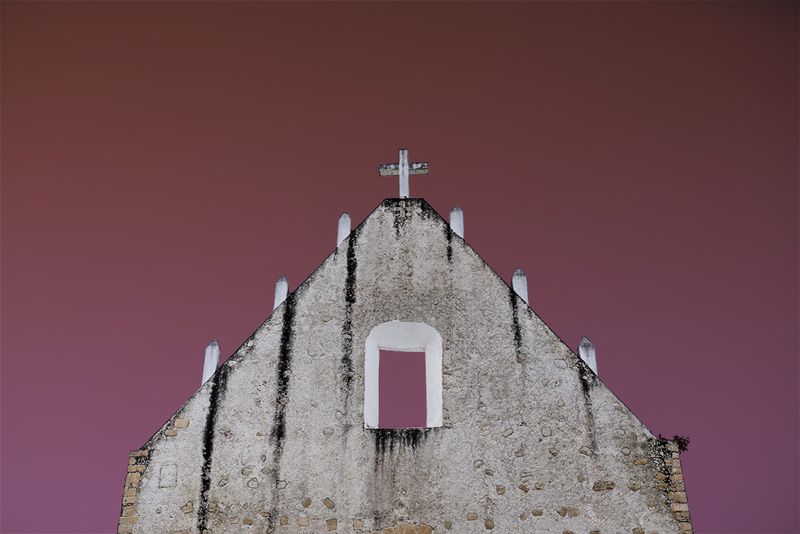
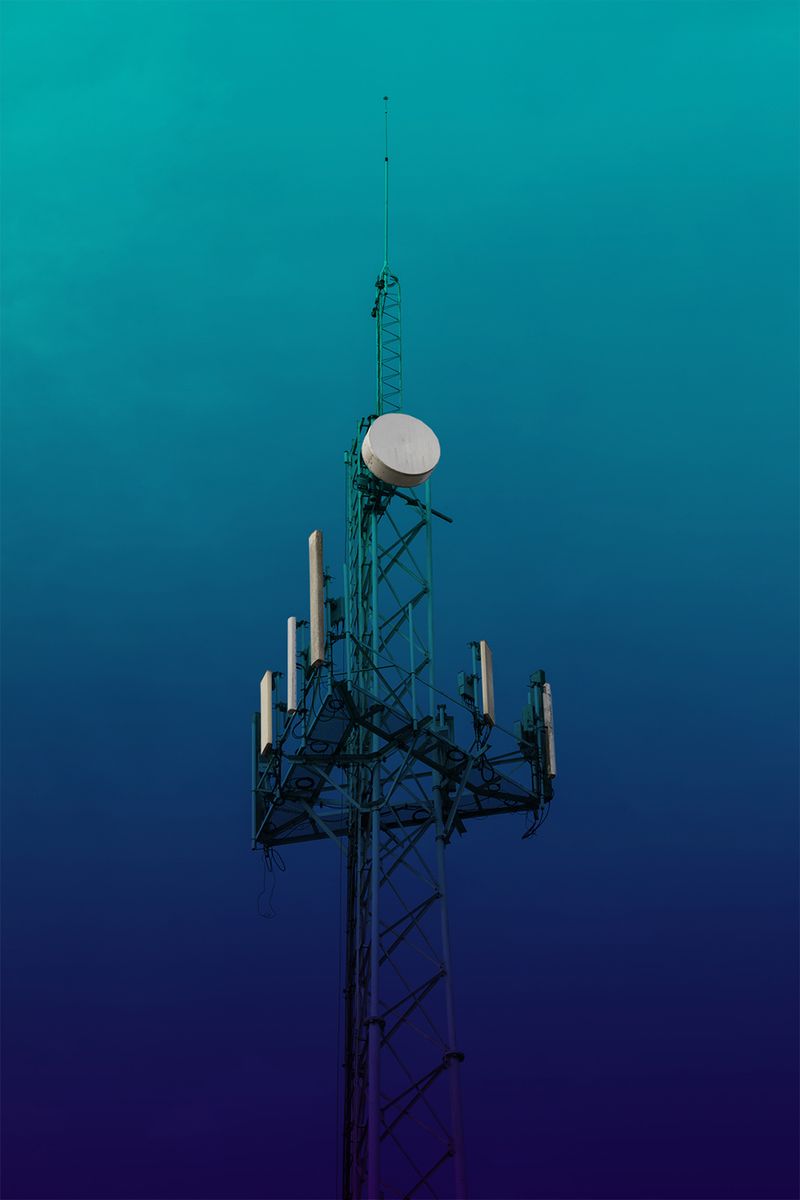
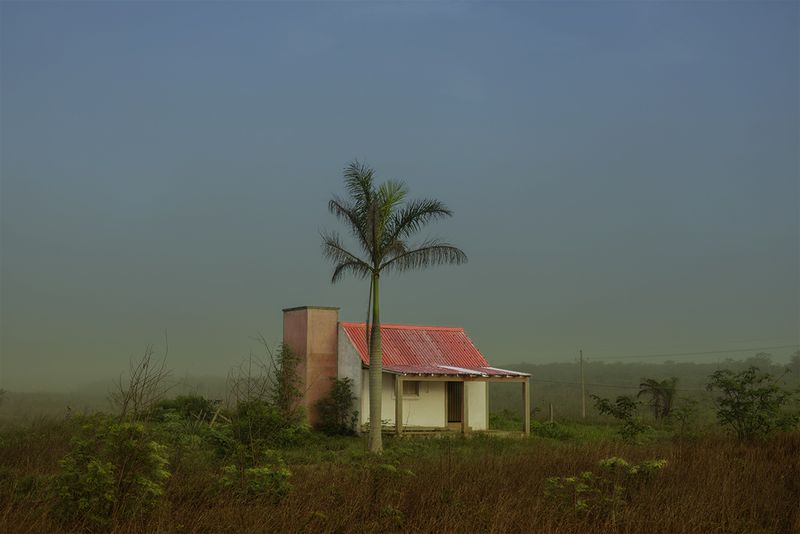
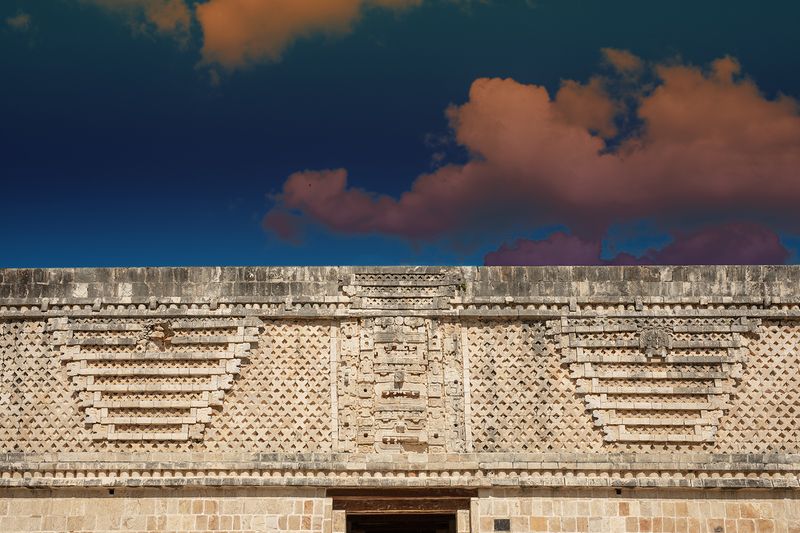
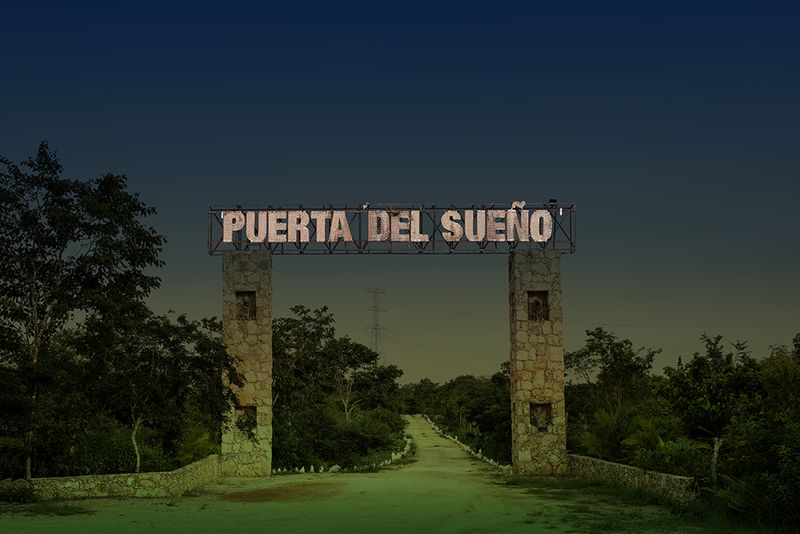
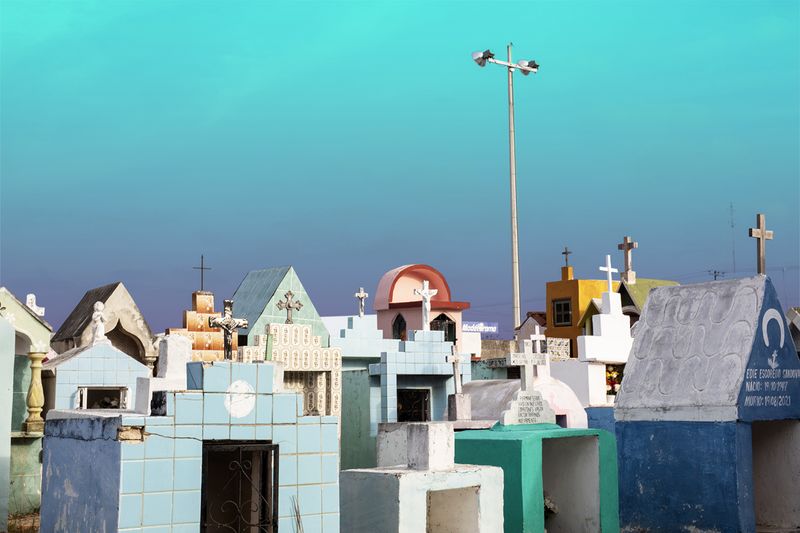
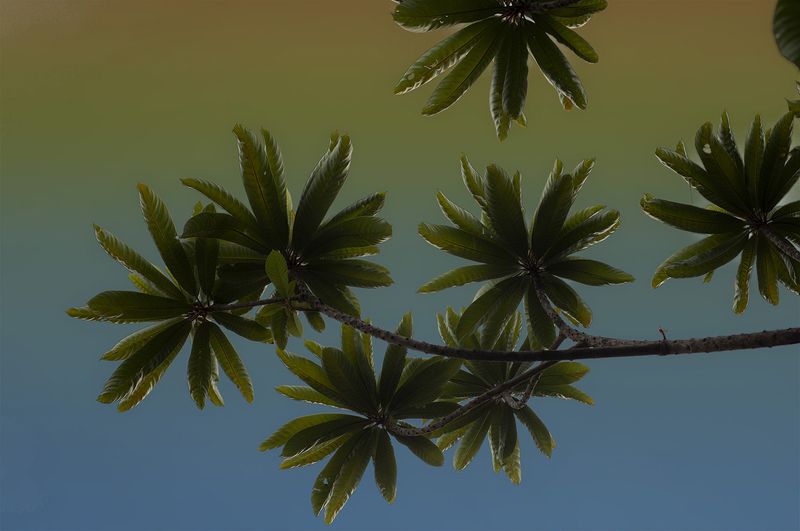
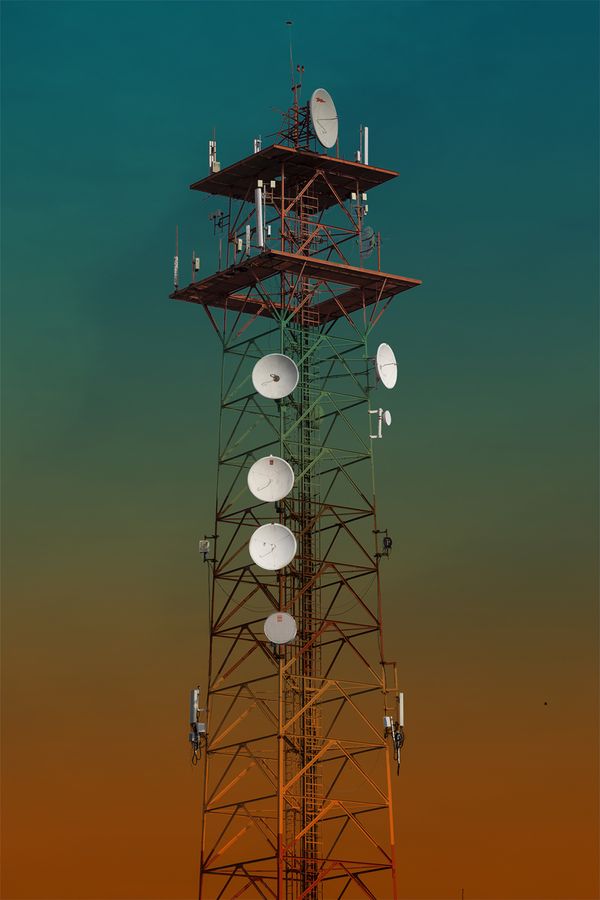
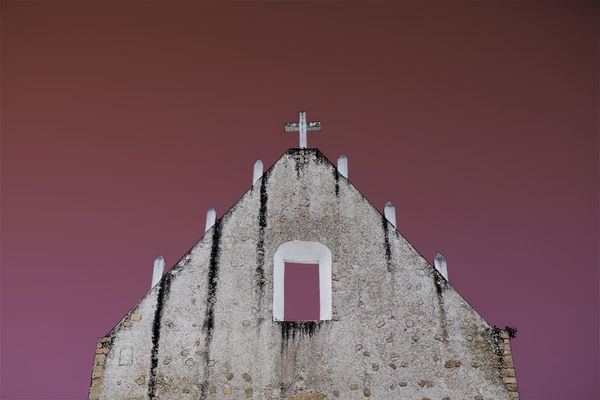
The series articulates urgent questions about the multidimensional effects of technological globalization on Indigenous cultures, without resorting to nostalgic narratives, strategic essentialisms, or extractivist practices. Through a critical approach to the term "hyperconnection," the artist describes one of the most unsettling paradoxes of our era: we live in the age of the greatest technological connectivity in human history and, simultaneously, we experience unprecedented levels of individual isolation and community fragmentation. In the current Yucatecan landscape, telecommunications towers emerge alongside sacred ceiba trees (cosmogonic trees in Maya mythology), creating a geography where the ancestral and the hypermodern coexist in a creative tension that the project documents and problematizes.
This conceptual distinction is fundamental to understanding the depth of the project. Traditional Maya rituals (from the ch'a' cháak or rain petitioning ceremony to patron saint celebrations) historically functioned as sophisticated social technologies. These ceremonial events fulfilled spiritual or religious functions, while also weaving networks of reciprocity, reinforcing transgenerational collective identities, and transmitting essential knowledge for community survival and cultural reproduction. In contrast, contemporary digital platforms, despite their rhetorical promise of universal connection and communicative democratization, frequently produce individualized, ephemeral, and decontextualized experiences of consumption that erode community bonds.
II.
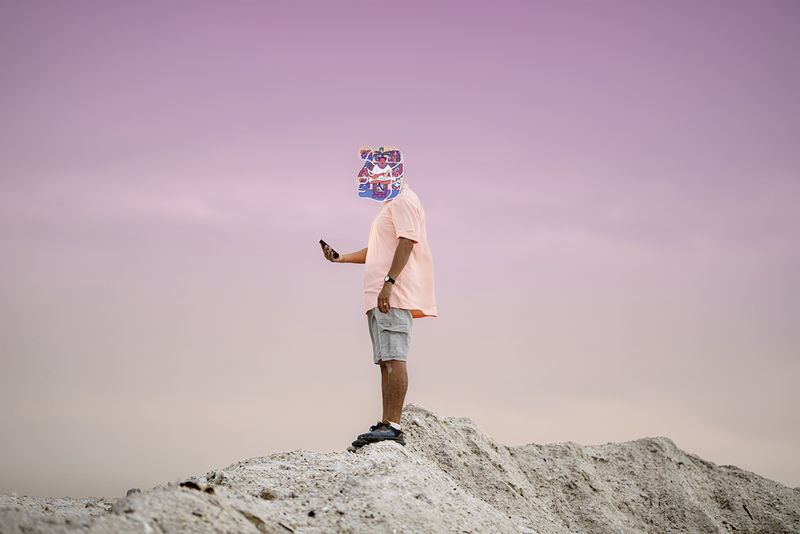
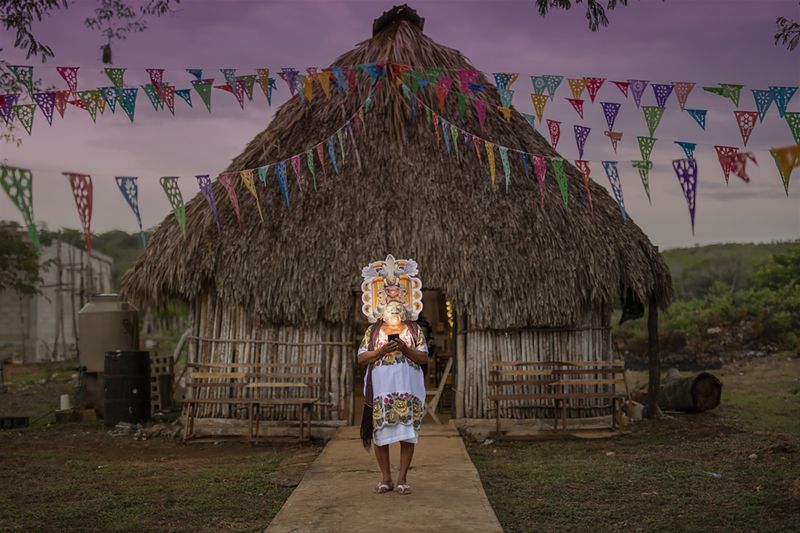
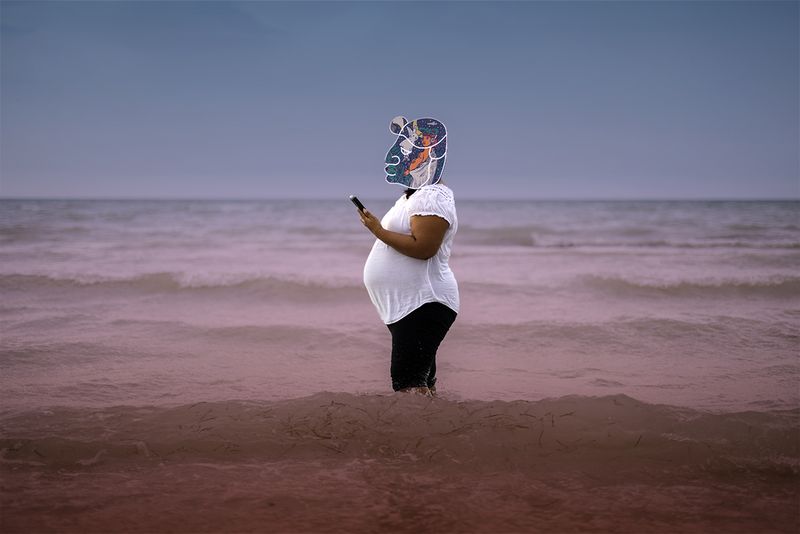
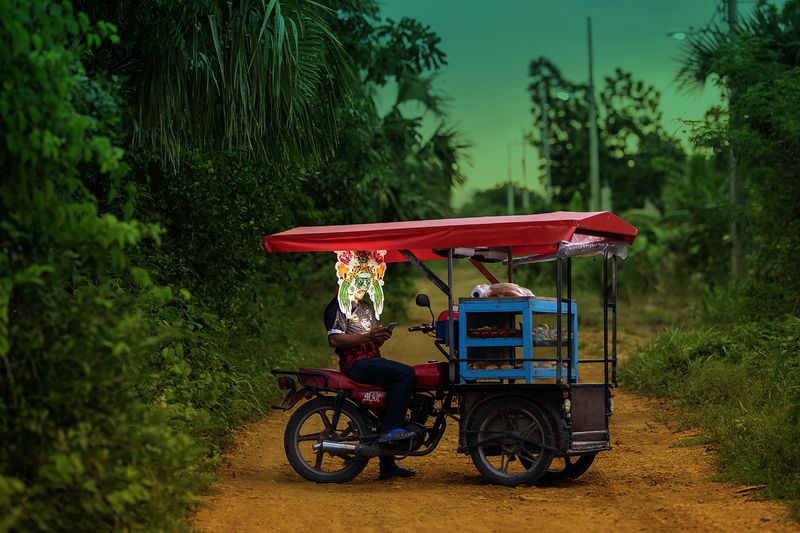
As part of the National System of Creators (Sistema Nacional de Creadores), Sánchez Renero's project is an exercise in horizontal collaboration, working with local artists and collectives to develop visual interventions. This methodology subverts the power dynamics between the photographer and the photographed subject, allowing community members to actively participate in the construction of the visual narratives. Among these interventions, the ritual masks stand out, recontextualized as symbolic interfaces between the sacred and the digital.
Three creators and collectives contributed their particular visions to this body of masks: Sofía Broid developed pieces that emerged from her memory of the peninsula and from conversations with Sánchez Renero. Her work makes evident the position of the external observer who constructs visual narratives from the honesty and responsibility of her own foreignness. Donají Marcial addressed the complexity of Maya thought through masks that represent iconographic crossings, reimagining what deities would look like with headphones or what would happen to ancestral astronomy if we added the satellites that now help us stay always connected. In a third instance, the Colectivo Última Hora (formed by Mónica Rosas Rojas, Joaquín Segundo, Ramón Espinosa, and Jeremy Carvajal) created five masks addressing themes related to language, decadence, and how technology has been absorbing us. Although none of its members have specific Maya roots, the collective contributes perspectives from communities in other regions, enriching the project's intercultural dialogue.
The conceptual and visual tools created collaboratively for the project allowed for this participation in the construction of narratives, thus subverting the extractivist dynamics that have historically characterized the photographic representation of Indigenous communities.
III.
The reflection that Sánchez Renero proposes directly questions our own daily relationship with technology. How often do we experience significant events exclusively through the mediation of a screen? What have we lost, and what have we gained, in this accelerated digitalization of the human experience?
"Maya LAN" proposes a critical reconsideration of the simplistic and binary narratives about tradition and modernity that dominate both academic and popular discourse. Cultures are not static entities to be preserved as museum pieces, but rather living, dynamic, and adaptive systems that constantly reinvent themselves in response to new material and symbolic conditions. Sánchez Renero's work reminds us that the future of Indigenous cultures resides in the creative capacity to forge productive syntheses between past and present, between tradition and innovation, and between local identity and global flows.