Mars on Earth
-
Dates2015 - Ongoing
-
Author
- Topics Contemporary Issues, Nature & Environment, Fine Art, Documentary
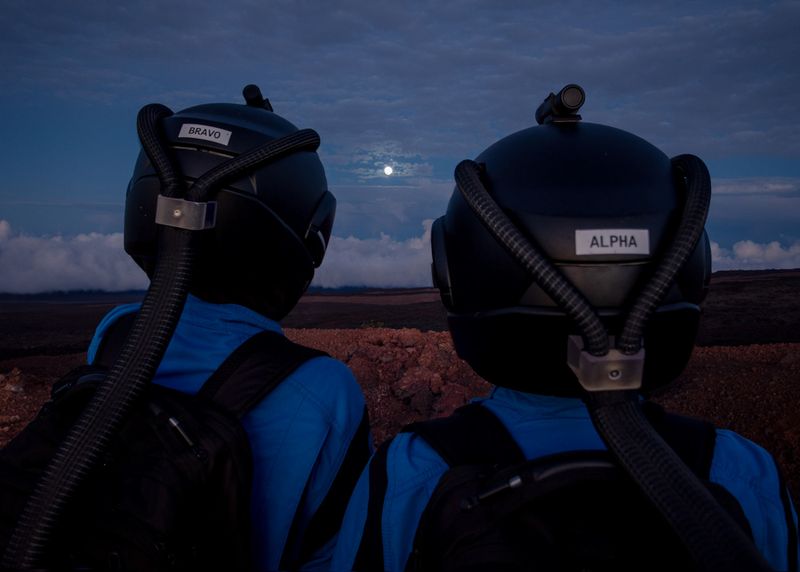
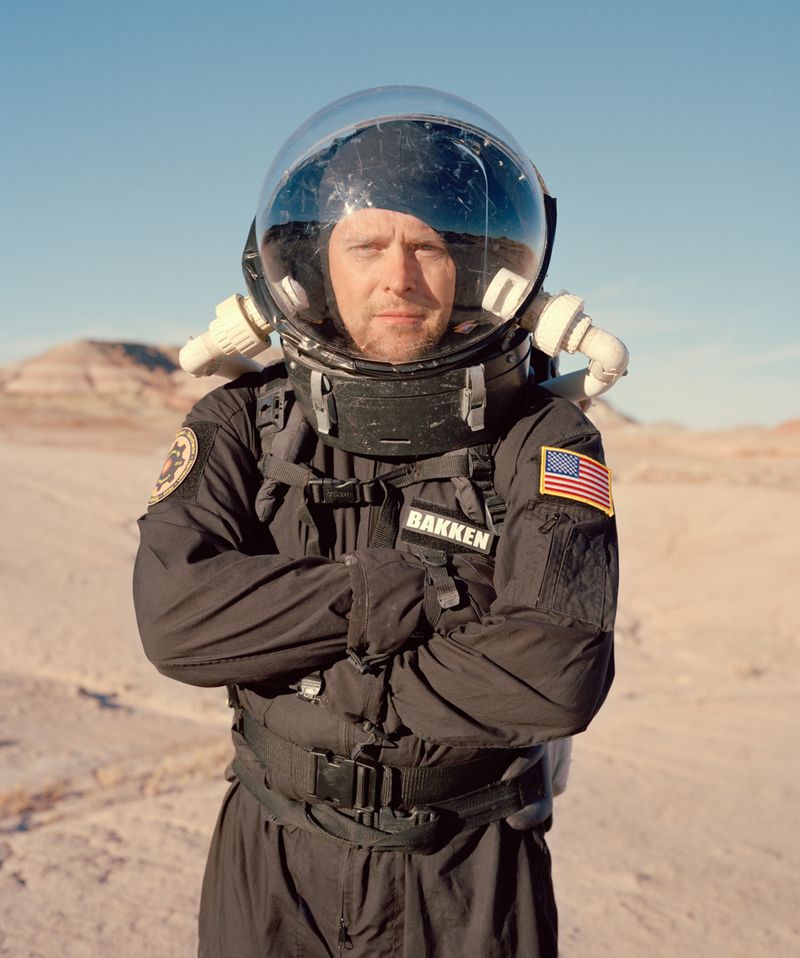
In 2015, I traveled to Mars for the first time. Ever since, I've been photographing the diverse and ever-changing research happening in "space" without stepping a foot off the planet.
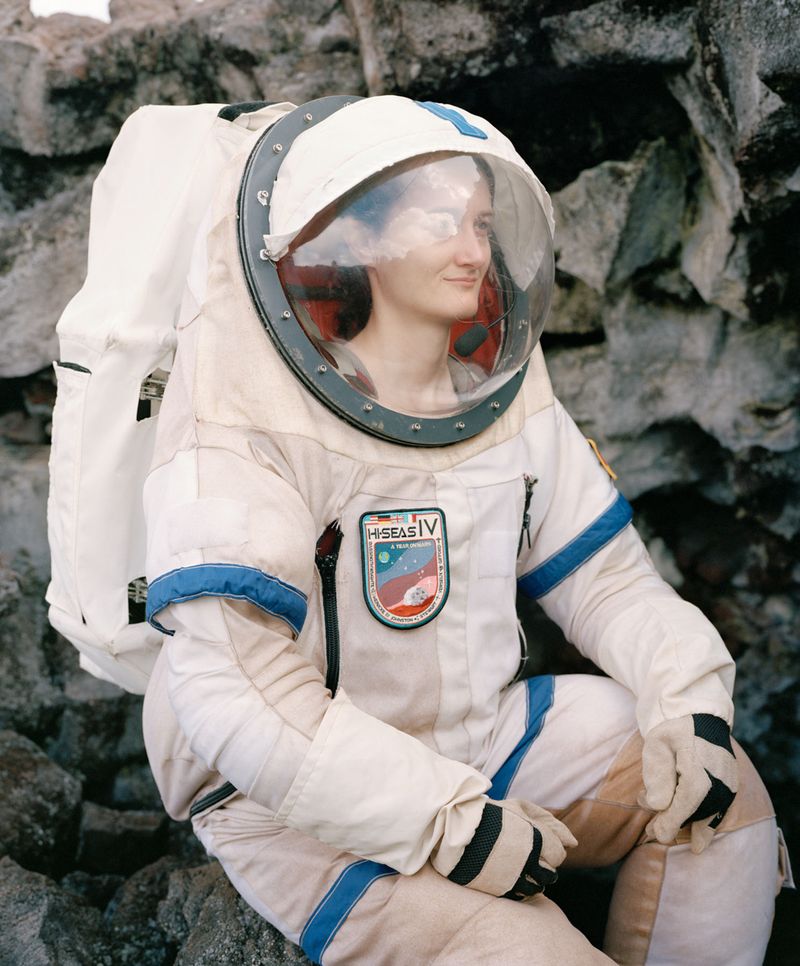
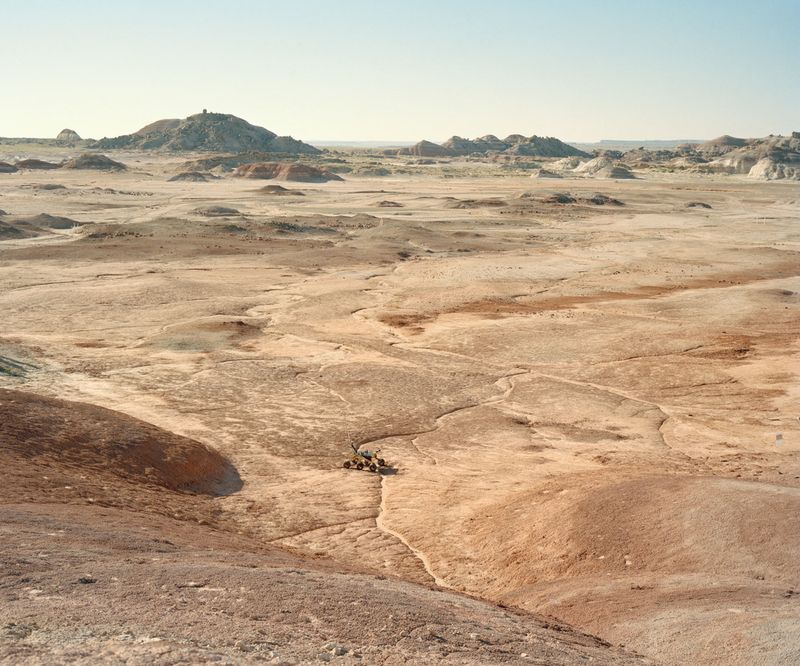
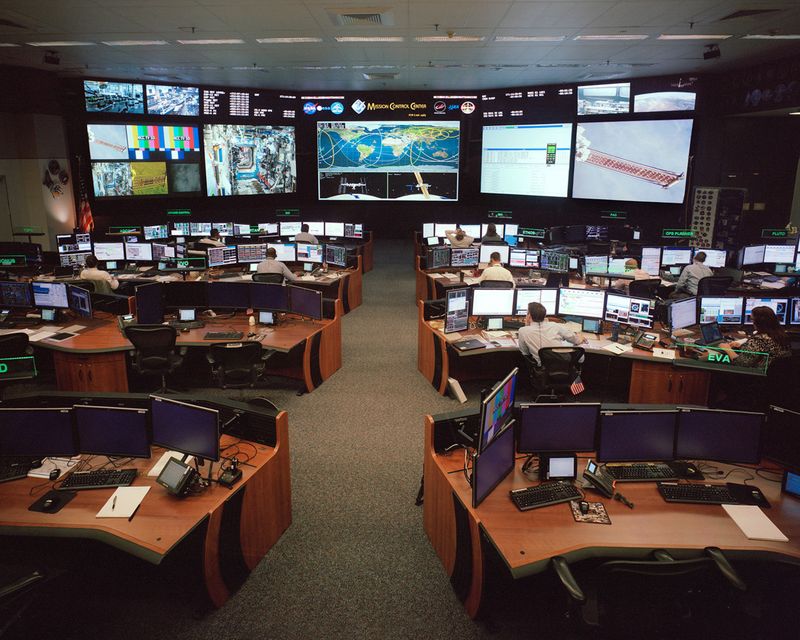
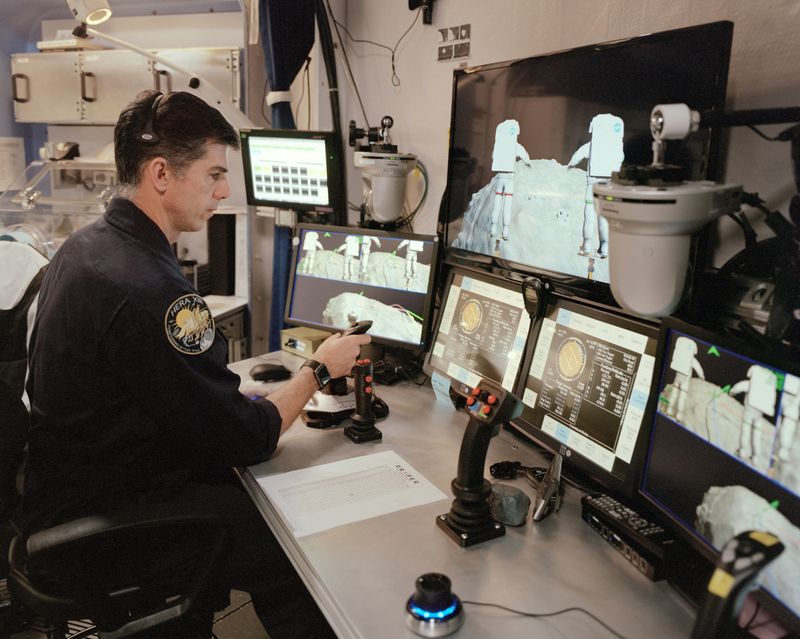
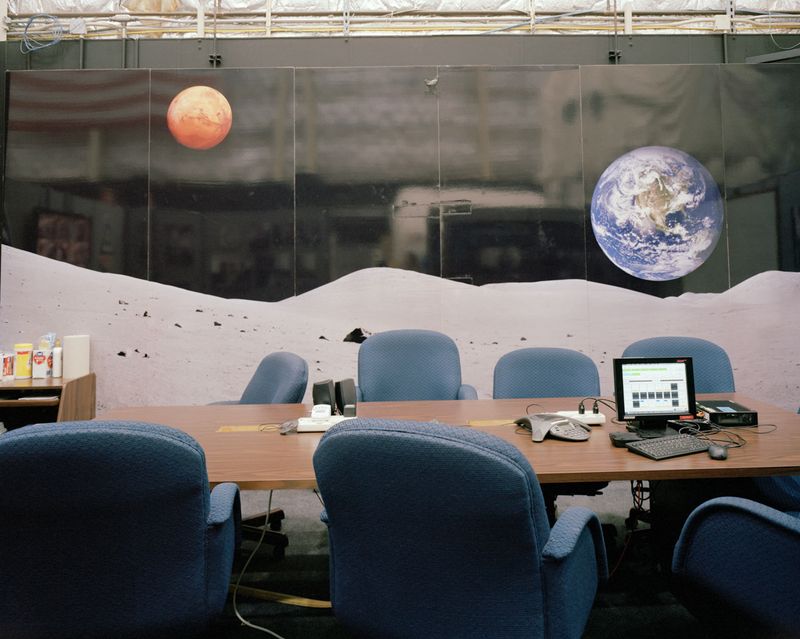
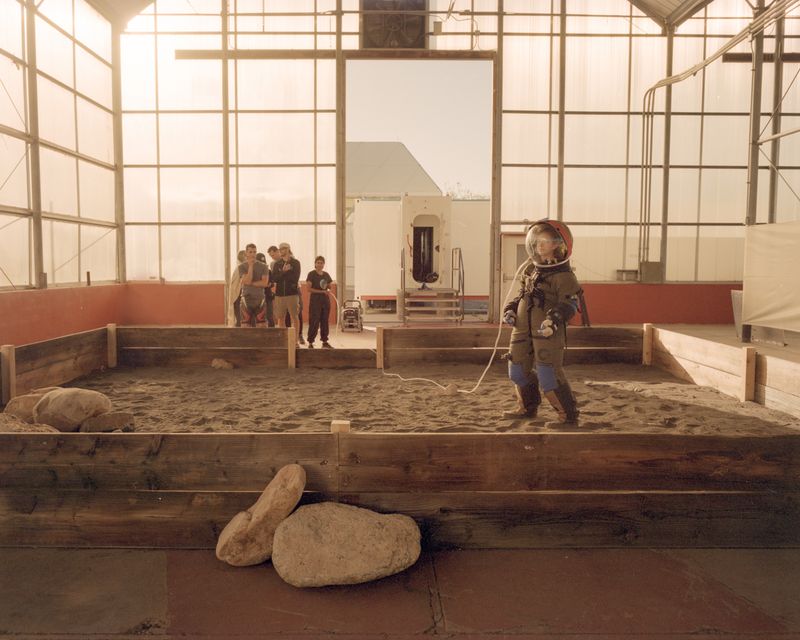
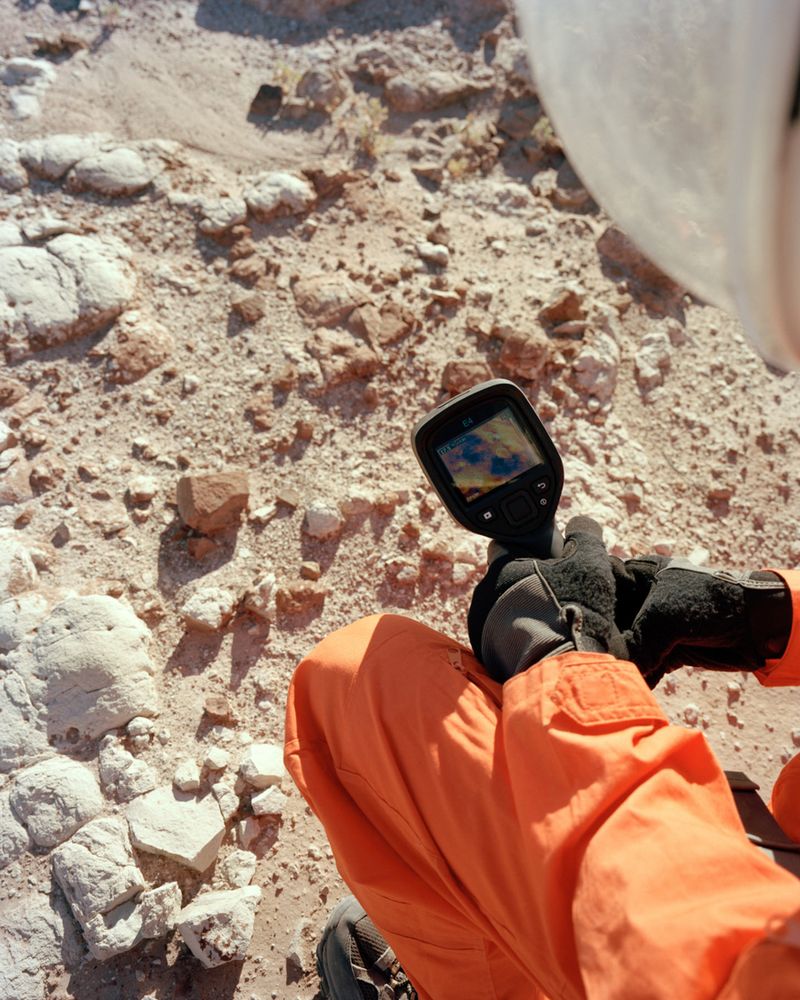
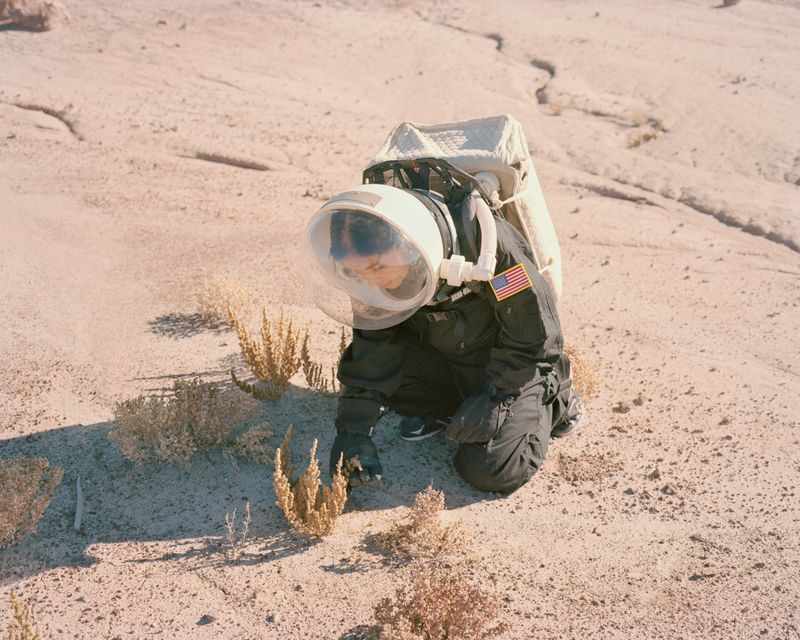
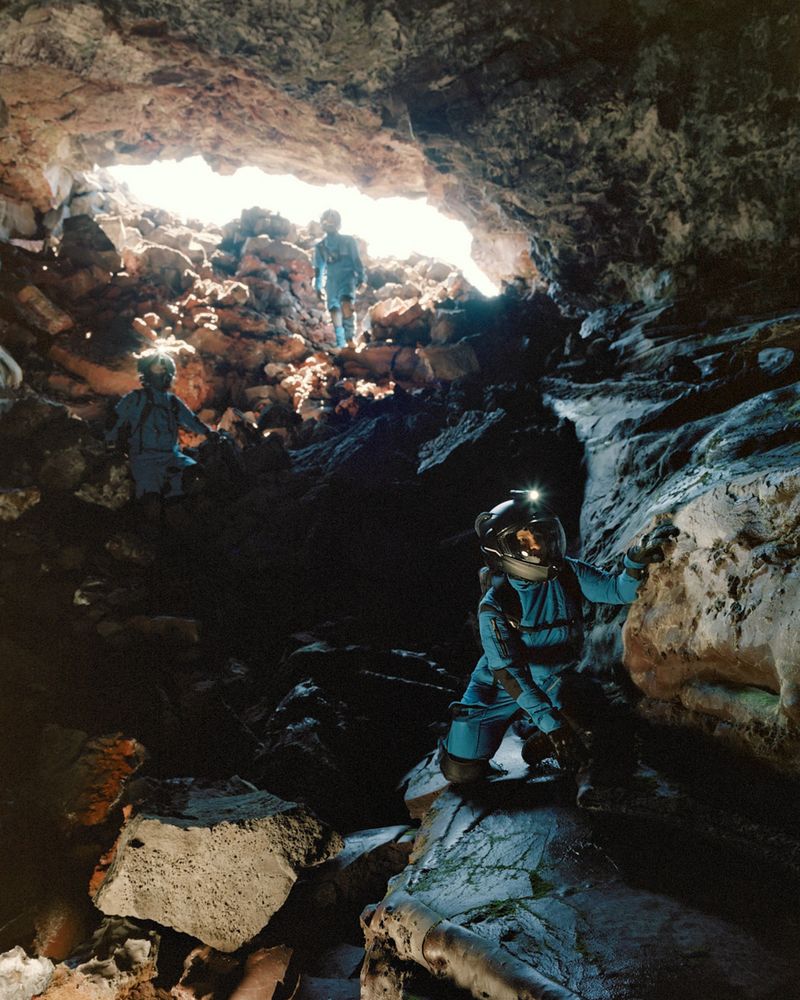
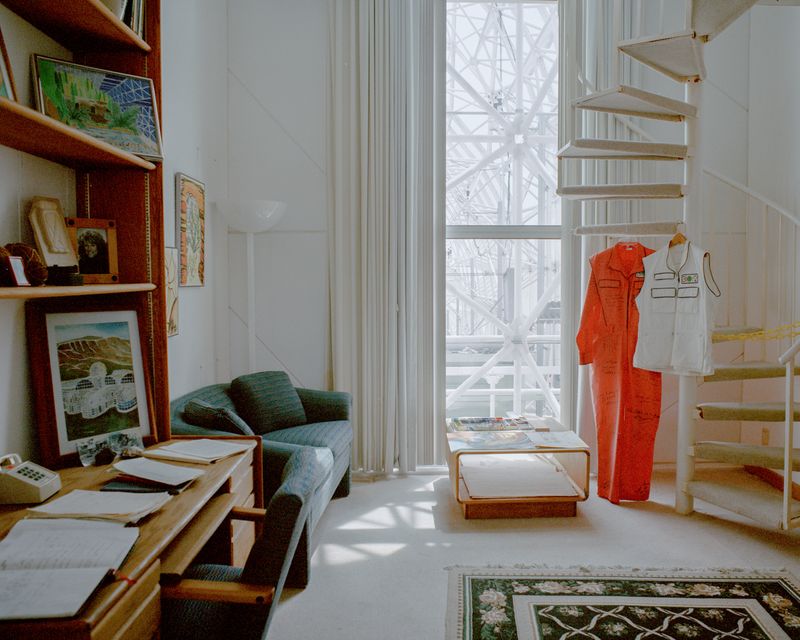
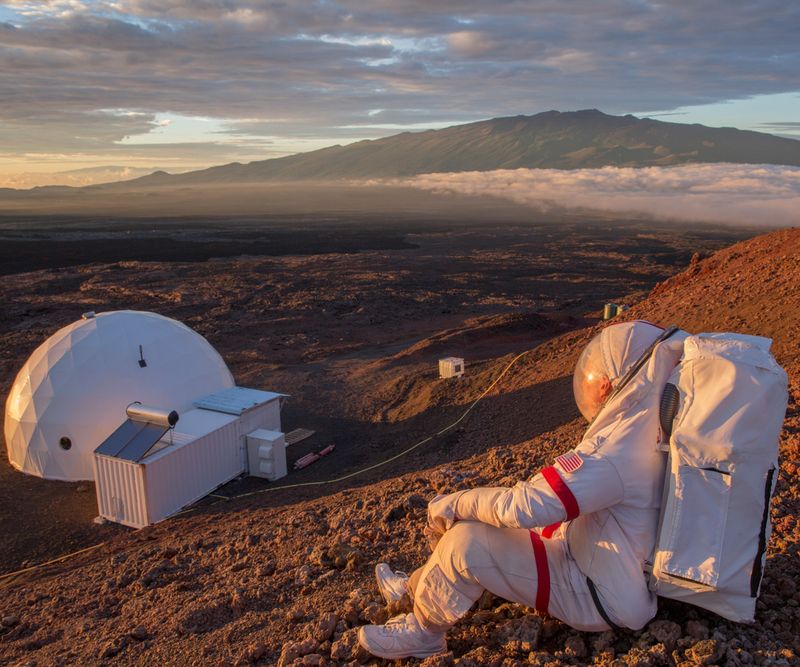
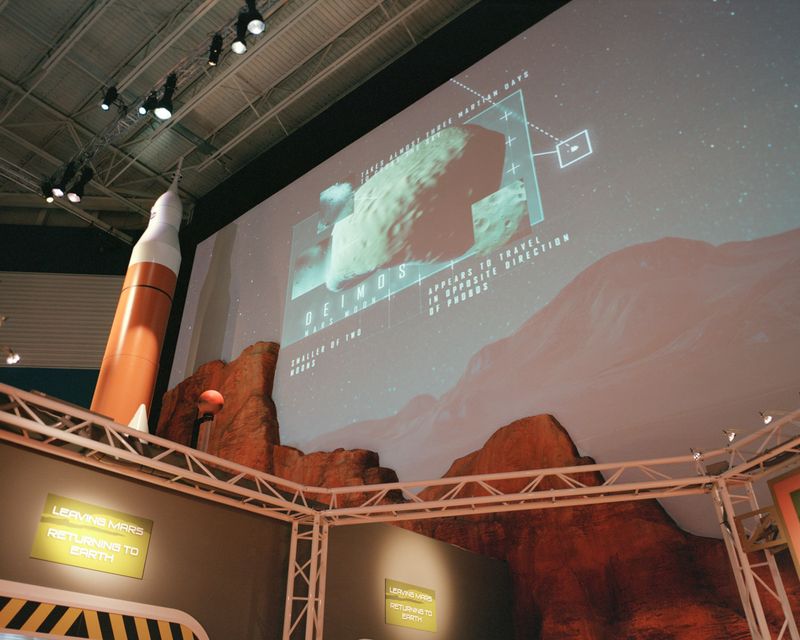
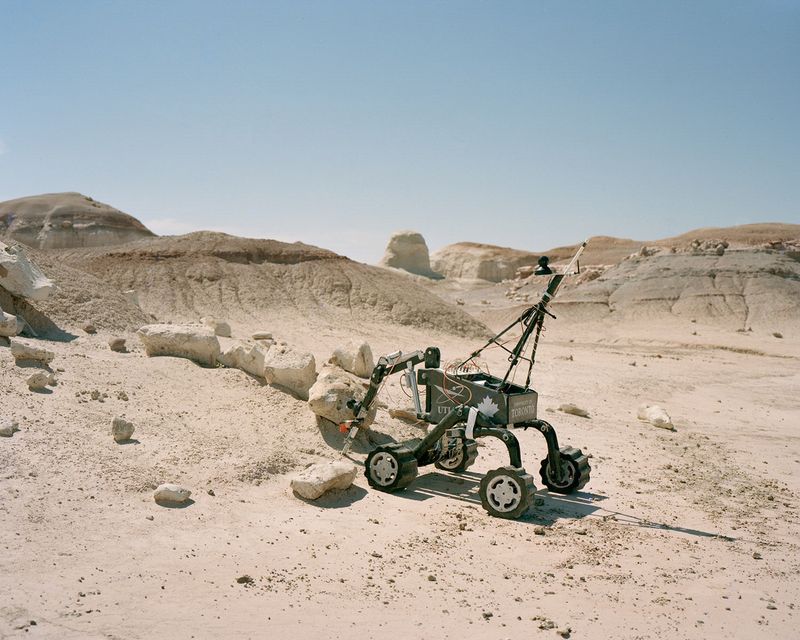
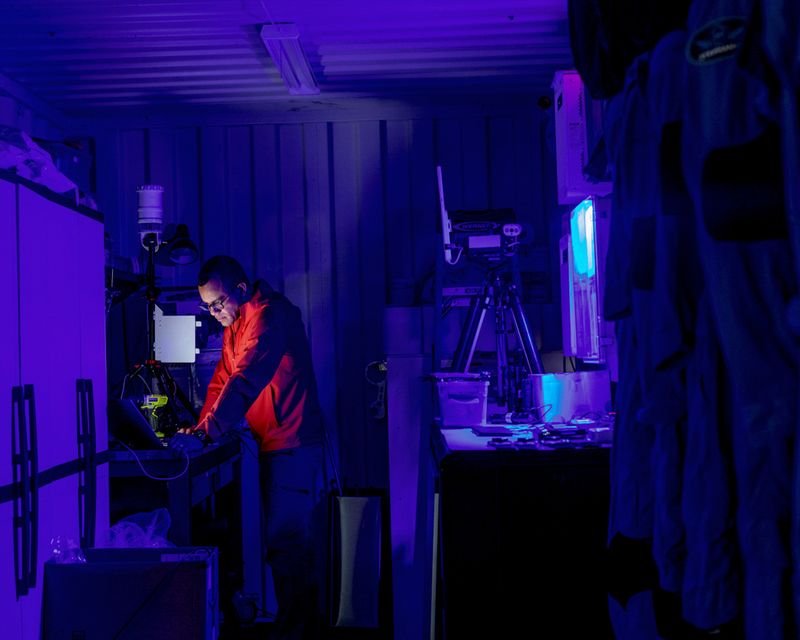
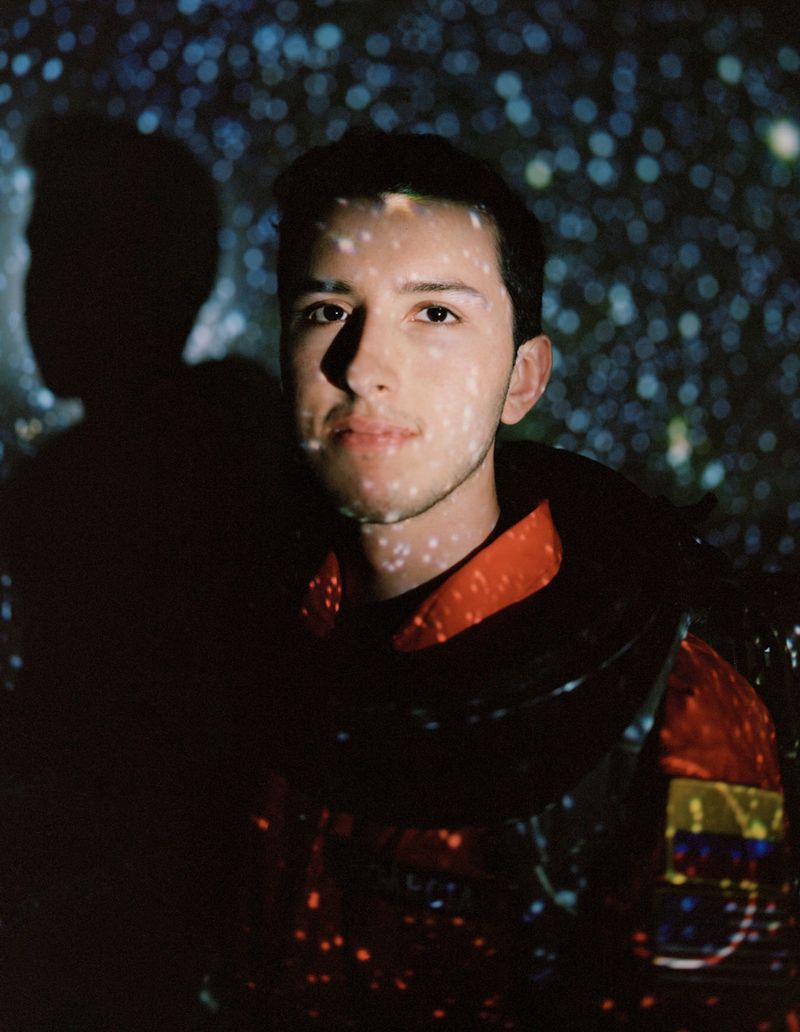
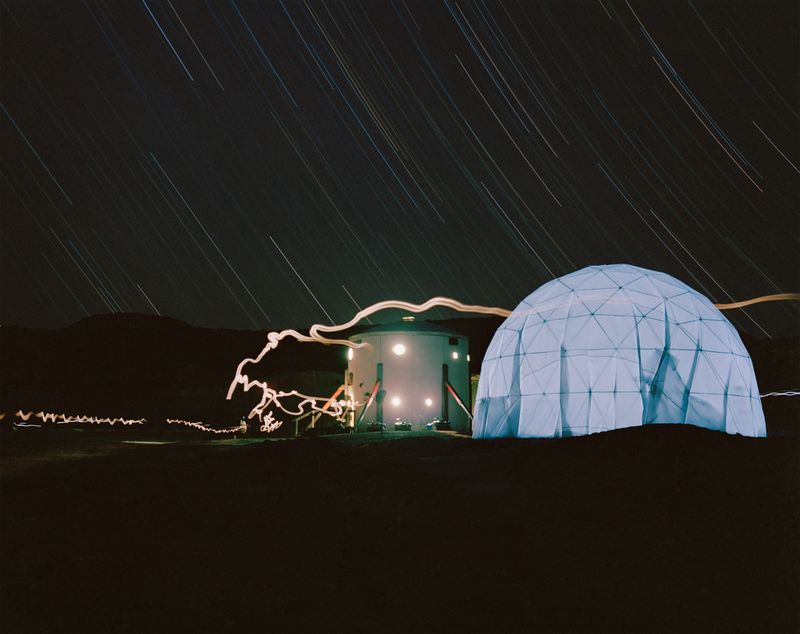
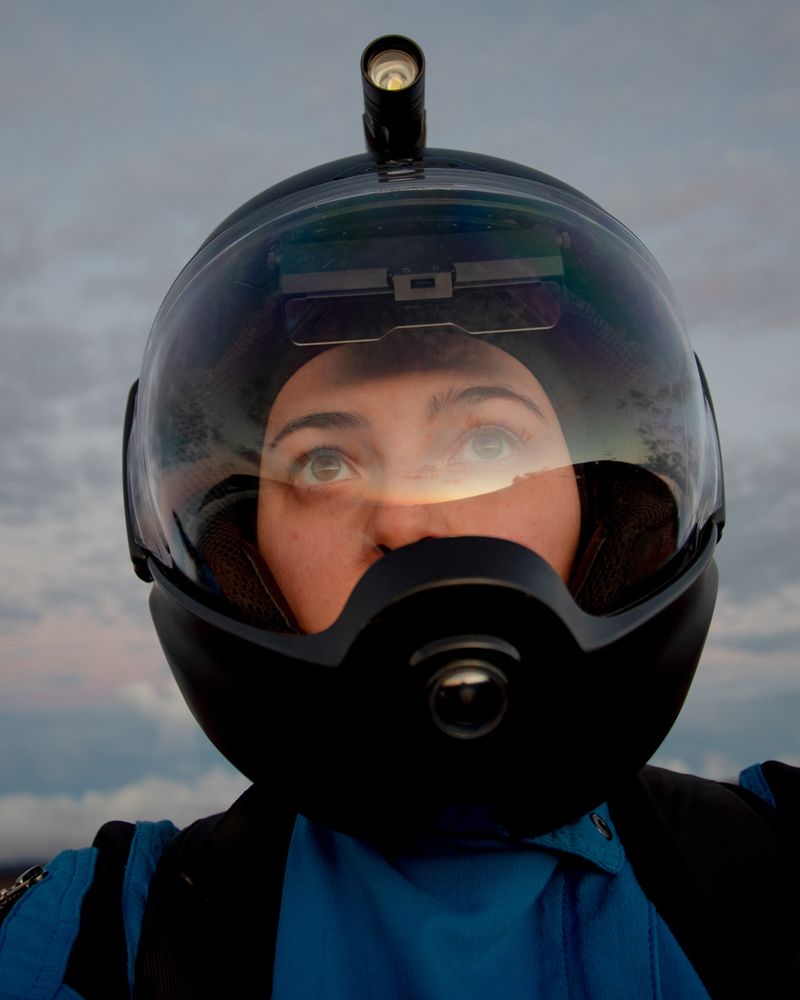
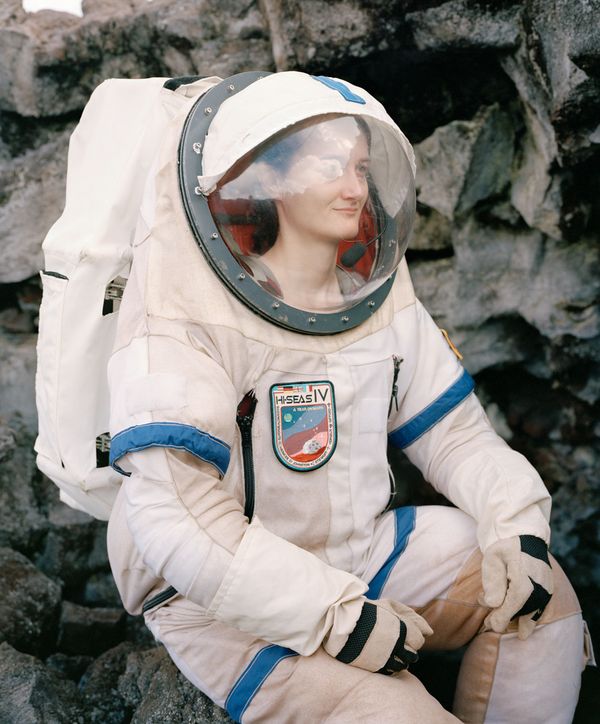
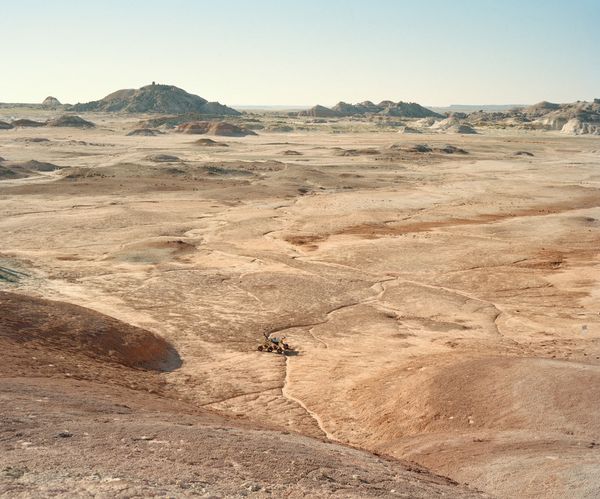
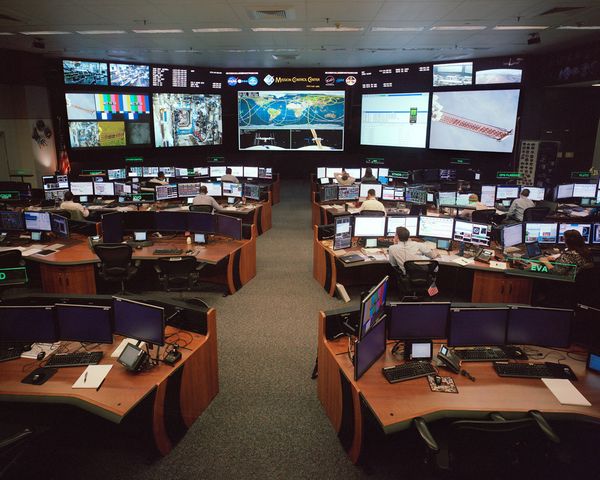
In 2015, I traveled to Mars for the first time. "Mars on Earth" is a photographic project and visual archive that documents the diverse and ever-changing research happening in "space" without stepping a foot off the planet. Around the globe, space simulations and human factors studies envision a new science fiction by researching humans in space-specific confinements and analogous landscapes. With pressurized space suits, freeze-dried food, and Mission Control waiting back at "home," the photographs attempt to visualize what space travel might be like for the first cosmic explorers. The simulated experience blurs the line between reality and fiction, and this "between space" persuades participants to suspend their disbelief. I am interested in the juxtaposition between the real and fictitious, both among the psychological persuasion and the visuals that cue these kinds of connections.
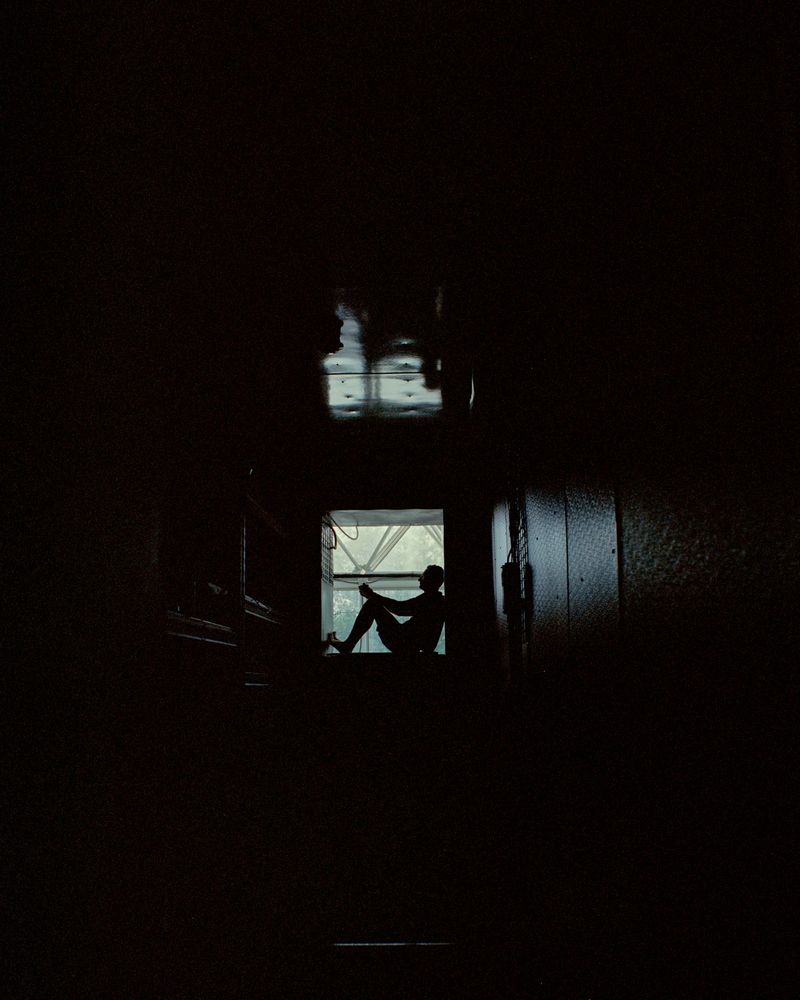
Using Ernest Shackleton’s photographer Frank Hurley as a referential figure in storytelling and achievement, this documentation highlights the significant interplay between documenting human endurance in the harshest conditions and inspiring future generations to explore the unknown. The simulation analog is of particular importance as it serves as an extreme environment like the conditions of lunar or Martian habitation, allowing us to investigate how humans can live and work in isolation, confinement, and reduced sensory conditions. These factors mirror the experience of future space missions, especially in long-duration space travel or planetary colonization. In the same spirit, this visual archive serves as both a historical record and a source of inspiration for storytellers, artists, scientists, and explorers, underscoring the necessity of both imagination and resilience in the pursuit of space exploration.
This work references science fiction, but also environmentalism and human futurisms -- as we learn more about how we would live in space we also are learning how we can live better here on Earth. The project does not take place solely in one location, but in microcosms and science communities all over the world. I have participated in four simulated missions myself, and photographed countless others.