Made To Be Loved

-
Dates2017 - 2020
-
Author
- Topics Portrait, Editorial, Fine Art
- Locations Italy, England
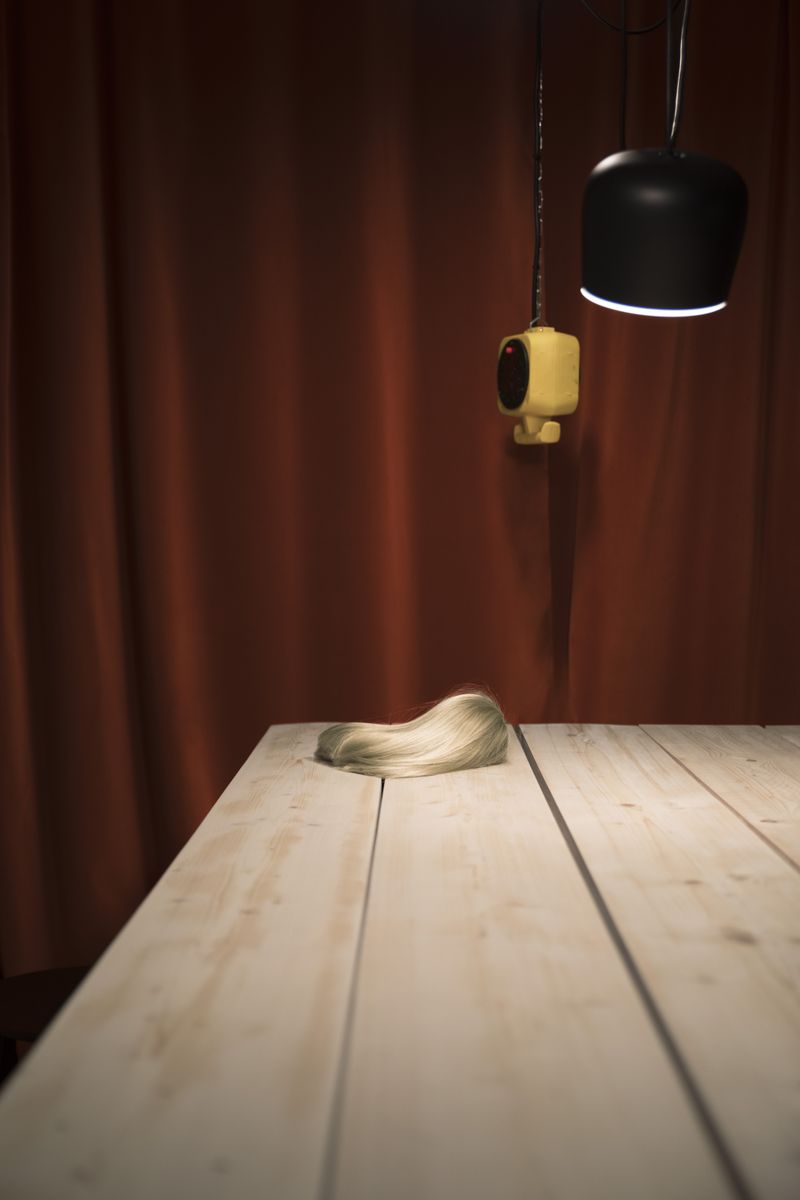
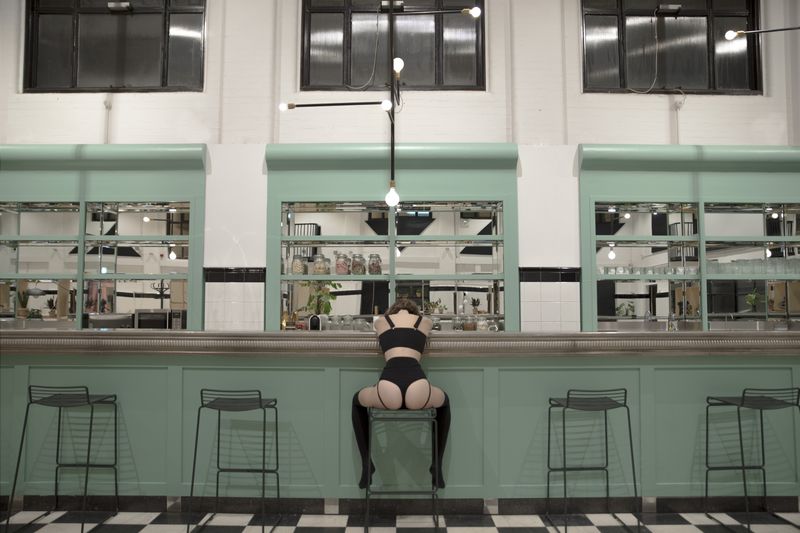
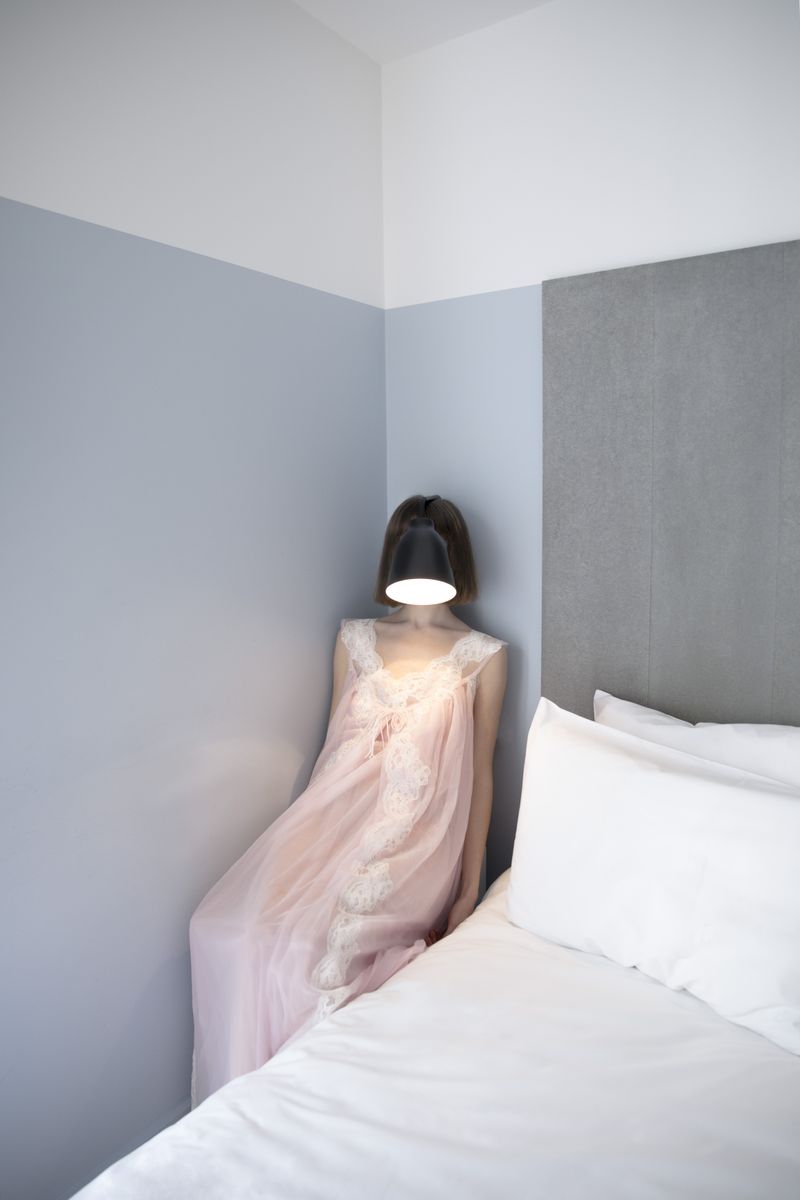
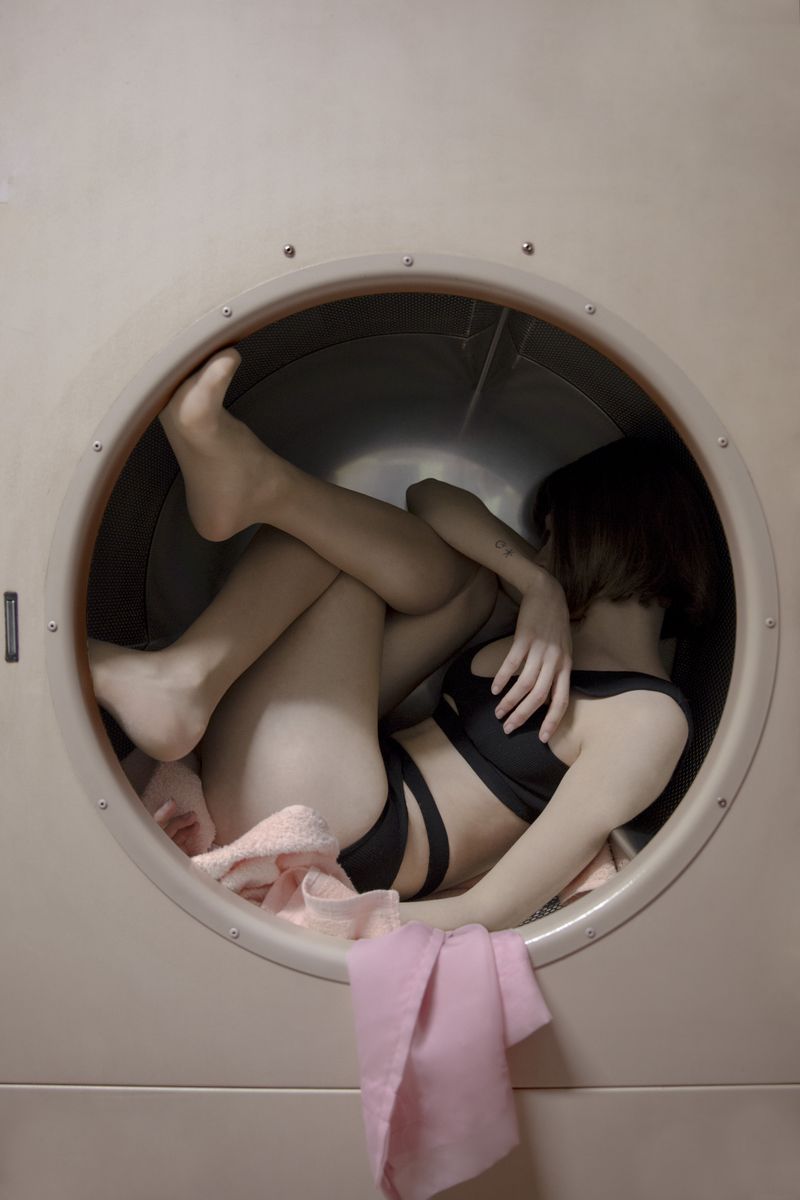
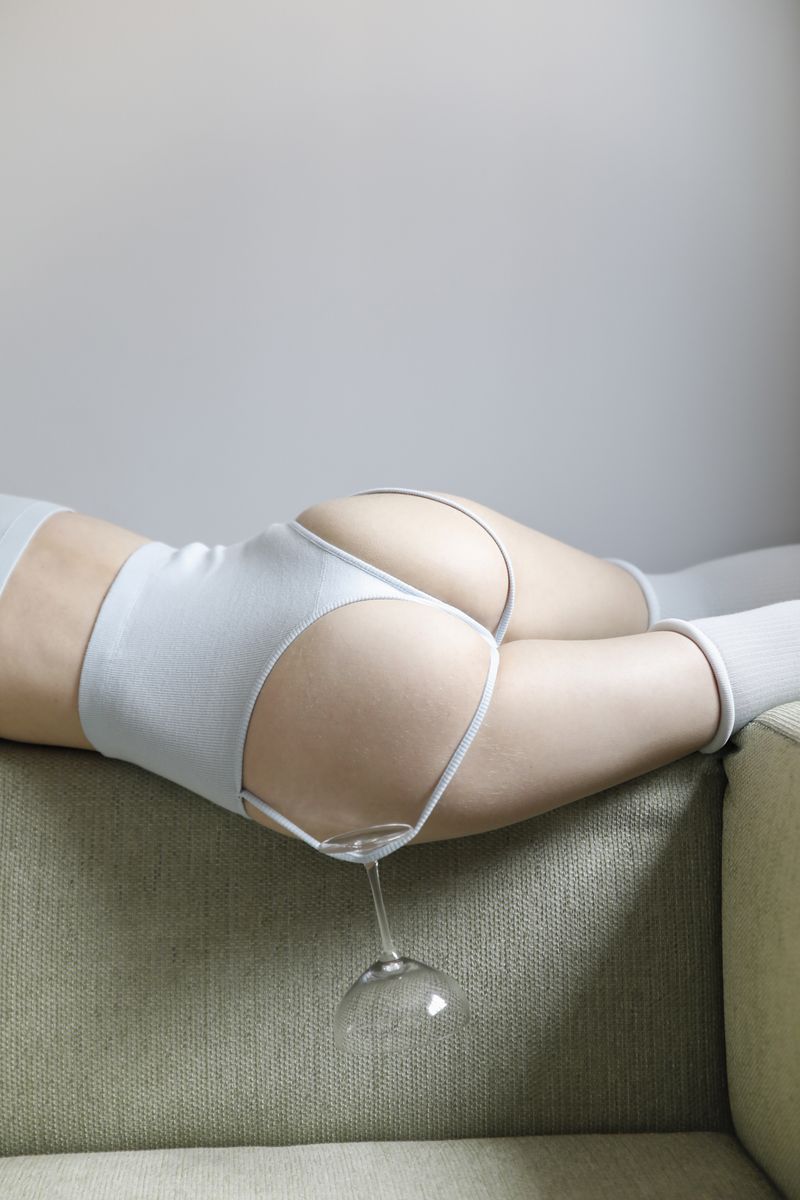
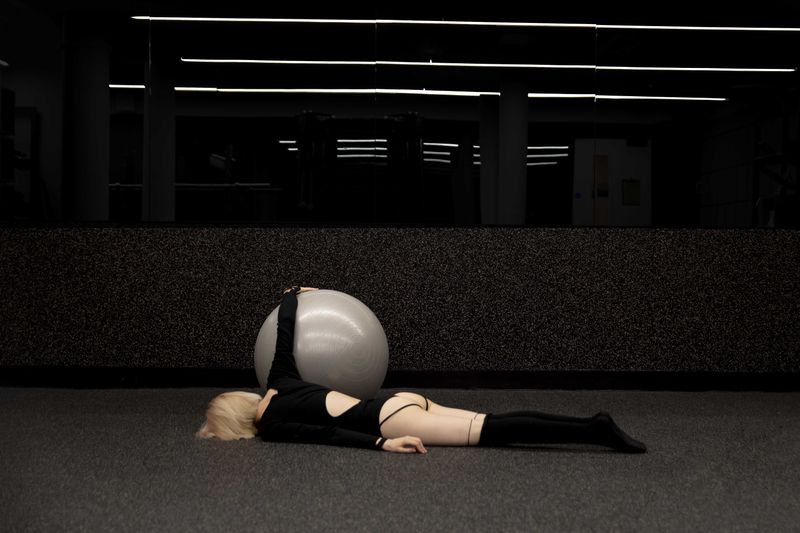
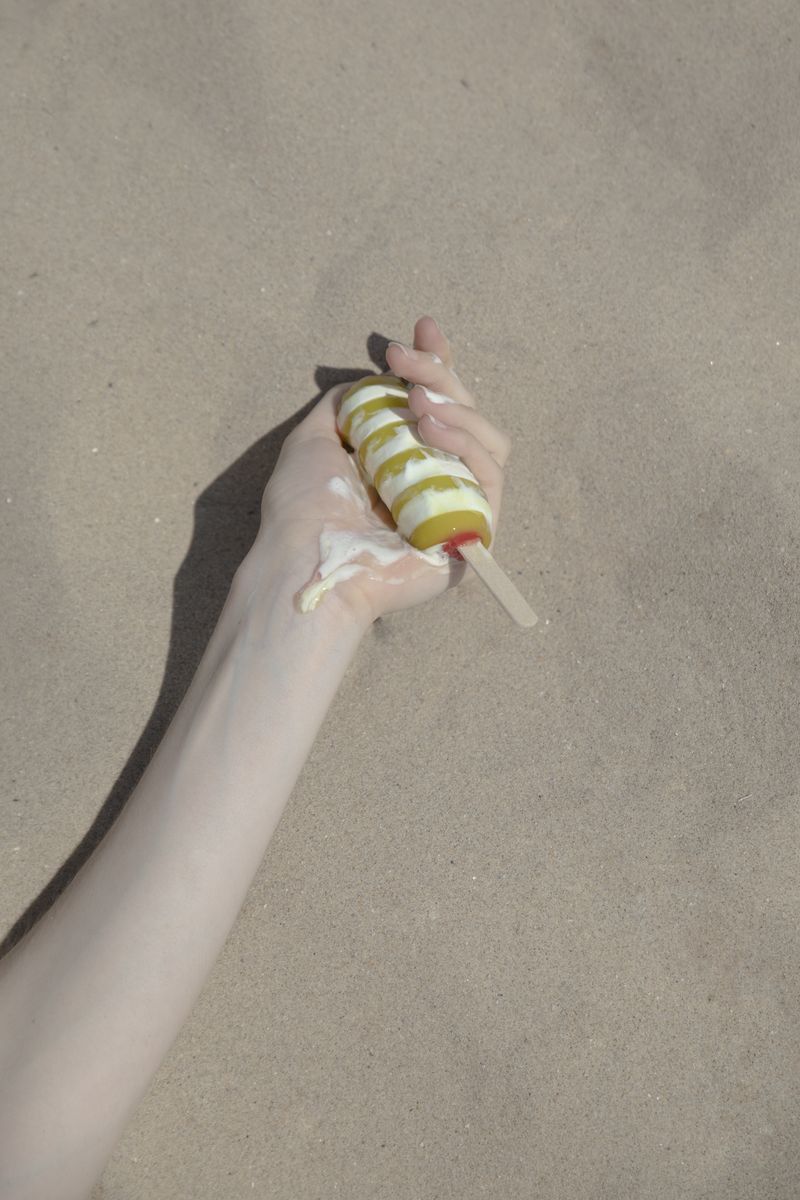
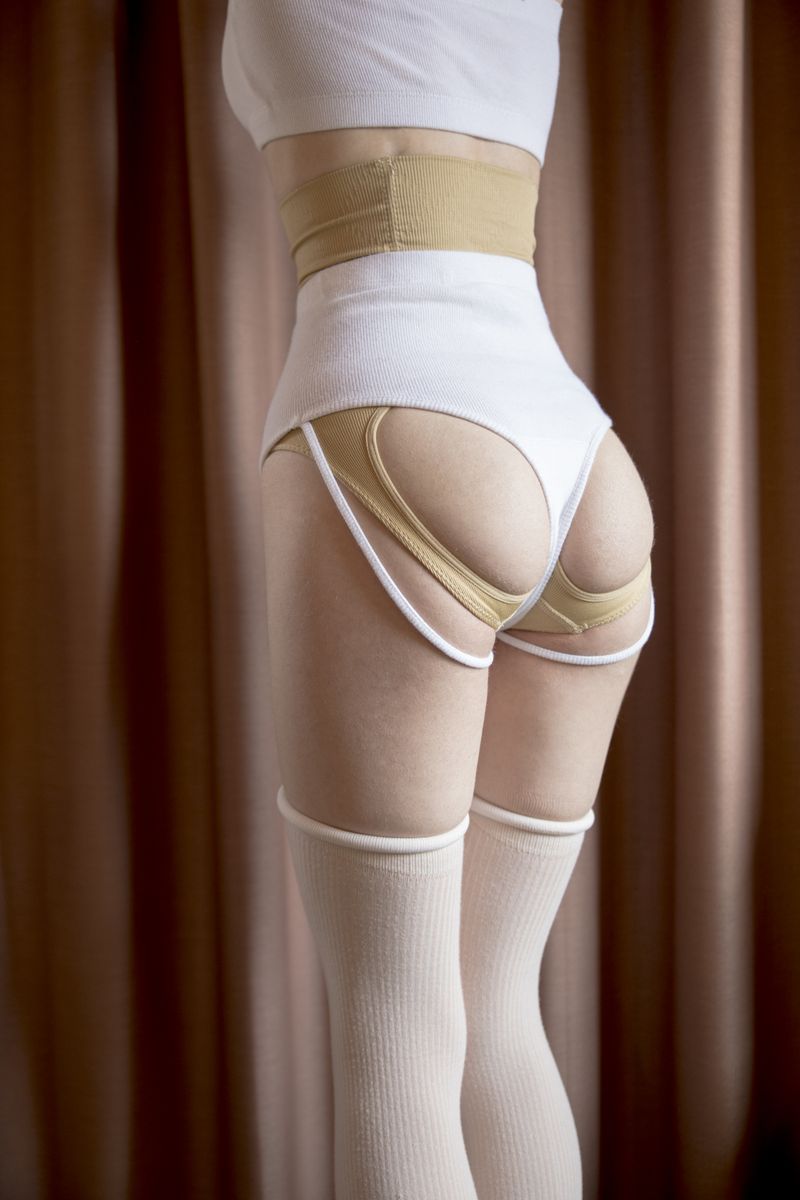
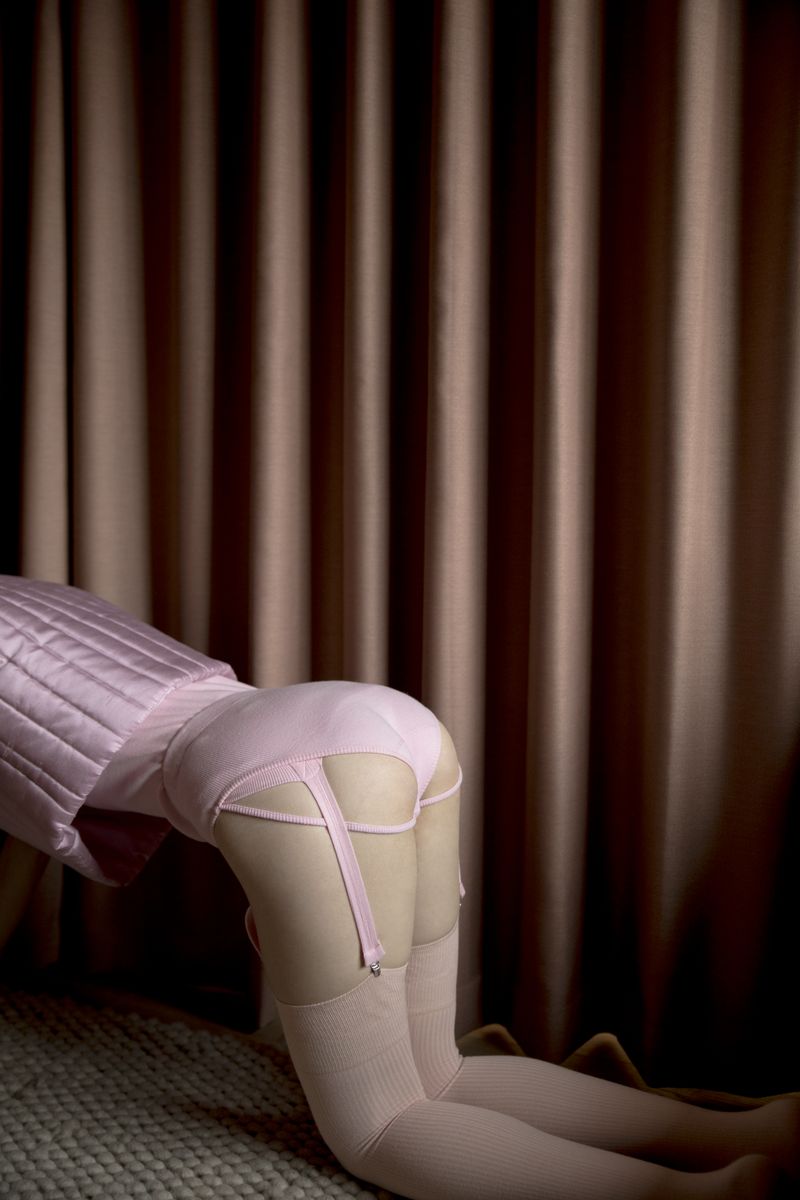
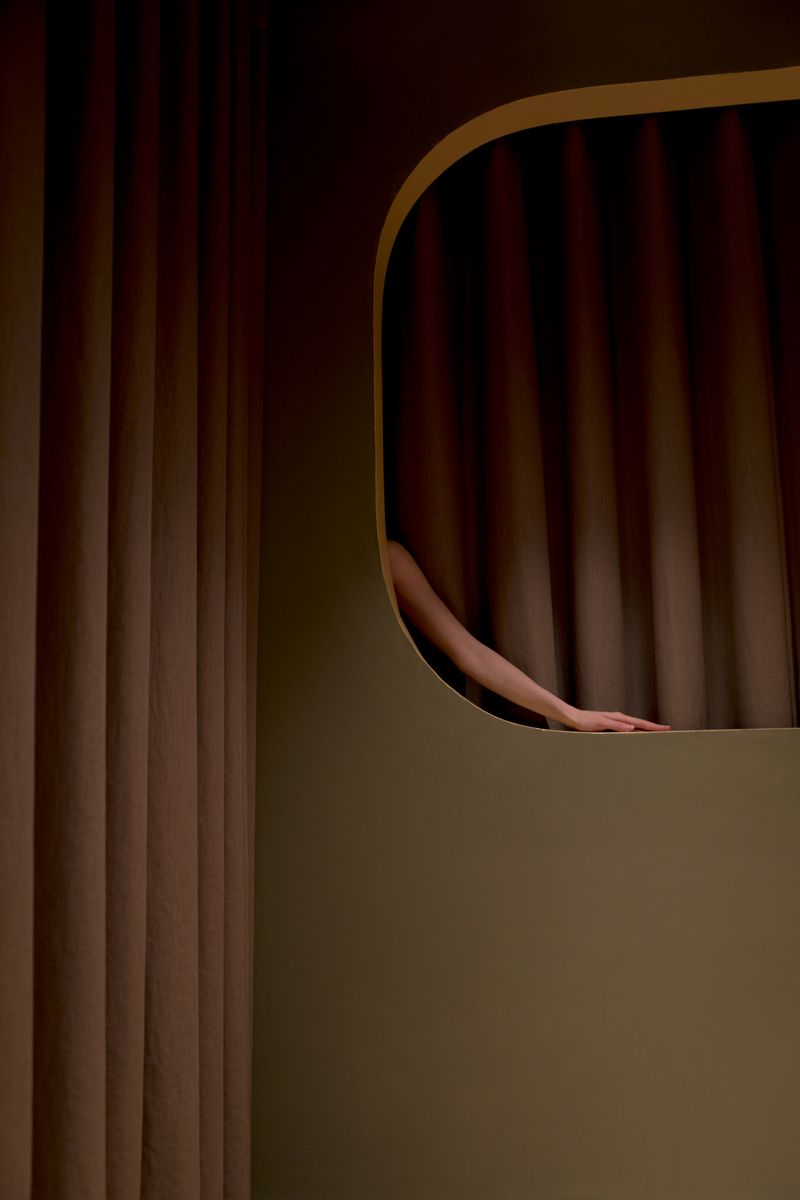
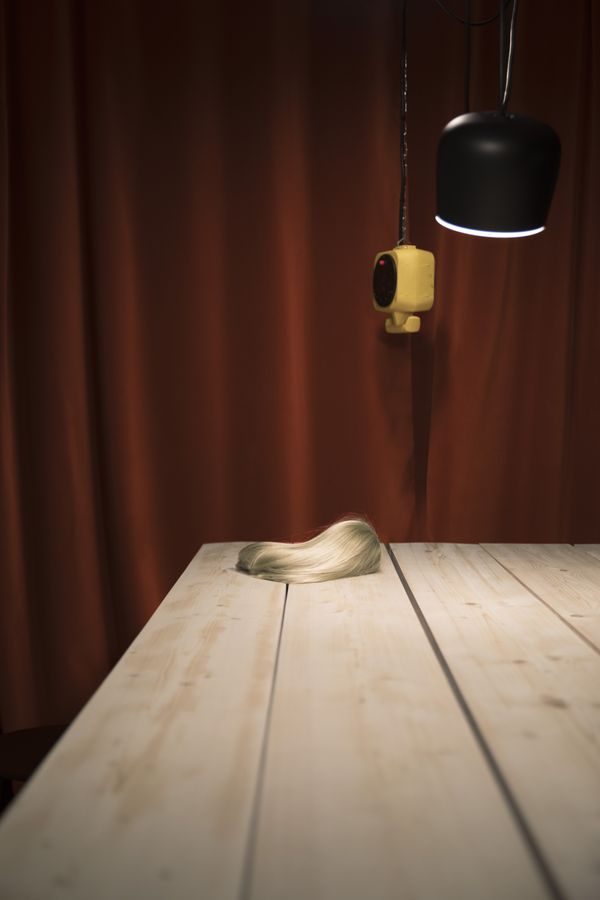
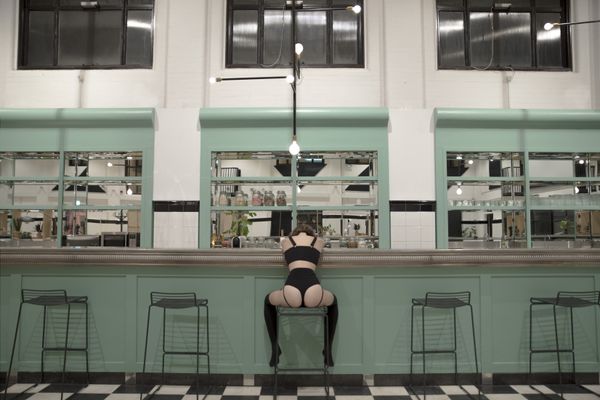
‘Made to be Loved’ is a self-portraiture series that began with the intent of creating a dystopian future. The artist fulfils her vision by impersonating the object being loved. Visualising an emerging cultural fictive fantasy by performing aspects of fulfilment, loneliness and love.
‘Made to be Loved’ began with the intent of creating a dystopian future.
I am creating an emerging cultural fictive fantasy by performing aspects of fulfilment, loneliness and love. Everyday narratives are played out in heterotopian spaces that act as metaphors for the posthuman body.
Sex dolls, they concern the contemporary world, where technology is evolving at a quick speed and we are falling into antisocial behaviours that are pulling us away from the norm of social life.
The possibility of falling in love with an object is real. Nowadays, humans create strong relationships with their pets, cell phones or personal object. This concerns the contemporary world, where technology is evolving massively and we are falling into antisocial behaviours that are pulling us away from the norm of social life.
There different kind of love to comprehend. The theory of ‘Transference’, introduced by Sigmund Freud, has a big part in the understanding of the shift from the maternal to romantic love.
Psychoanalytical theories have helped describe the relationship and border between subjects and objects that can be traced through human culture, for example, in the story of Pinocchio; Carlo Collodi’s masterpiece that broadens our research onto the ‘Uncanny Valley Theory’.
Contemporary technology provides a shift of boundaries between object and subject that this essay describes in examples of contemporary photographic practice.
Inspired by the work of many artist that work directly with the love objects: from Hans Bellmer 1930, operating partially dismembered life-size doll sculpture, to Martin Gutierrez 2015 utilizing original ‘Real Dolls’ from the creator Matt McMullen. Past and present of human-looking object that are perceived as real individuals.
Today’s relationships have a few dissimilarities from the past; we have different expectations. This could be related to the idea that female and male roles are effected by society rules; also, sexually, as pornography has hijacked our sexuality and we have many anticipations of what it should be like; it’s getting harder and harder to be in a satisfying relationship.
Robots or dolls have a vast impact on the concept of loving an ‘it’, as they are the object that resembles most the human body. David Levy, in ‘Love and Sex with Robots’ 2008, predicts that a day will come when humans will have romantic feelings for robots and dolls; it will be normal to have them as companions, friends, love objects and even relating them to marriage.
On social media, we are continually exposed to news, such as Japanese men getting to Rinko, a
video game character. As Levy suggests, humans are capable of loving objects that they are in intimate contact with.
Levy believes that robots will turn out to be more lovable than some humans. A robot is a life-size, human-looking object, so why would we not love it? We will explore the notion of
ownership, ‘we love it because we can control it and we own it’, and the circumstance that shows a strong connection between the antisocial behaviours created by social media and pornography.
To analyze this phenomenon more in-depth I have looked at Freud’s and Lacan’s work on ‘The Object Relation Theory’ and the philosophy of love, from the Greek ‘Eros’, ‘Philia’ and ‘Agape’. Understanding what defines a human will be incorporated in the ‘Posthuman theory’.
Love is abstract, may be comprehensible to others in phrases such as ‘’I am in love’’, ‘’I love you’’, but the actual concept per se is an emotional condition, a private phenomenon.
Love is a non-cognitive occurrence by phenomenologists, such as Scheler, who analyses Plato’s Ideal Love, which is cognitive, related to the process of gaining comprehension through experience. We can gain another view, from Plato’s philosophy, in which love is permitted to be understood by who has experienced it. However, we could just pay attention to the behavioural patterns of how humans act when they feel this emotion; that still doesn’t get up to the understanding of the nature of love but we may glimpse at its essence. (Plato, 385-370 BC)
Romantic love with a spouse is replacing the attachment to the parental figures, and evolvement of it. An infant-mother (caregiver) relationship and a romantic one have the same biological system that controls them. Levy investigates C. Hazan’s theory (1987), that involves three biological behaviours systems: attachment, that exposes the dependence between lovers that equals the one of mother-child; caregiving, one of the partner engages a parental role; sex, the only behaviour that doesn’t relate to the attachment. ( D. Levy, 2008, p.27)
During the 1990s researches concluded that there is a strong continuity in which subjects with a firm bond with their caregivers, are more likely to develop strong connections with their future partners.
Are robots and Doll better than people?