Life/Art Diffusion
-
Dates1974 - Ongoing
-
Author
- Locations New York, Venezuela
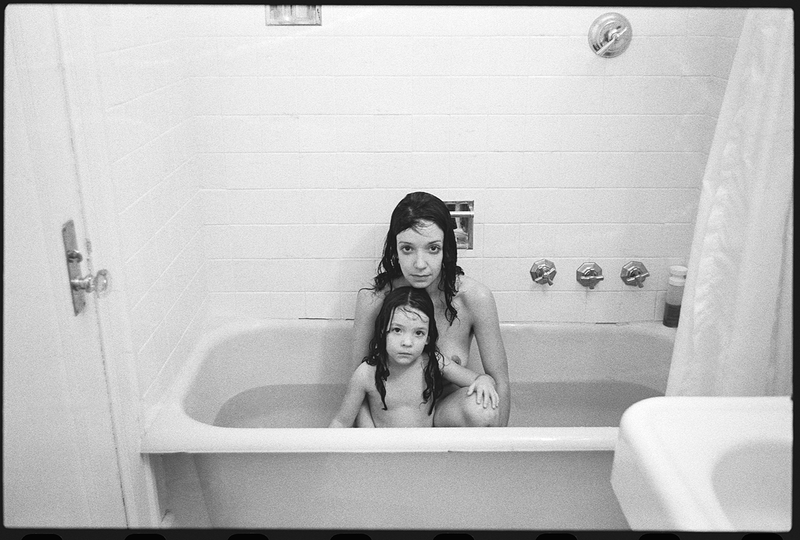
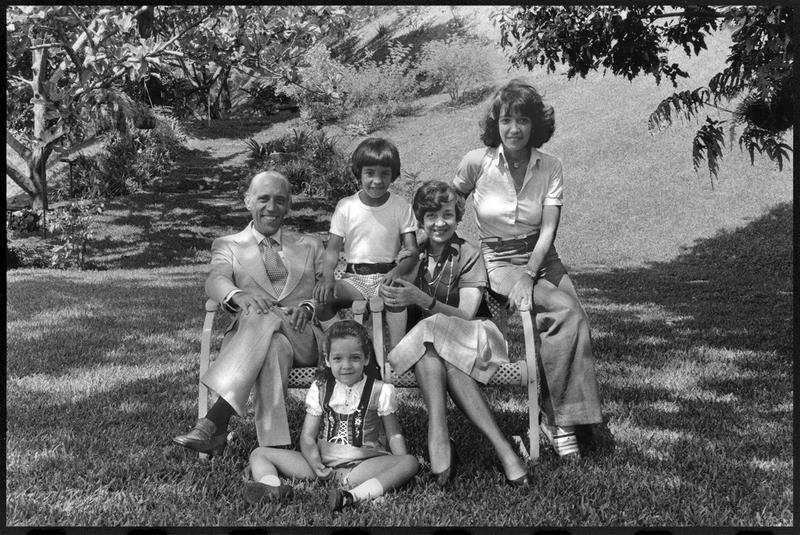
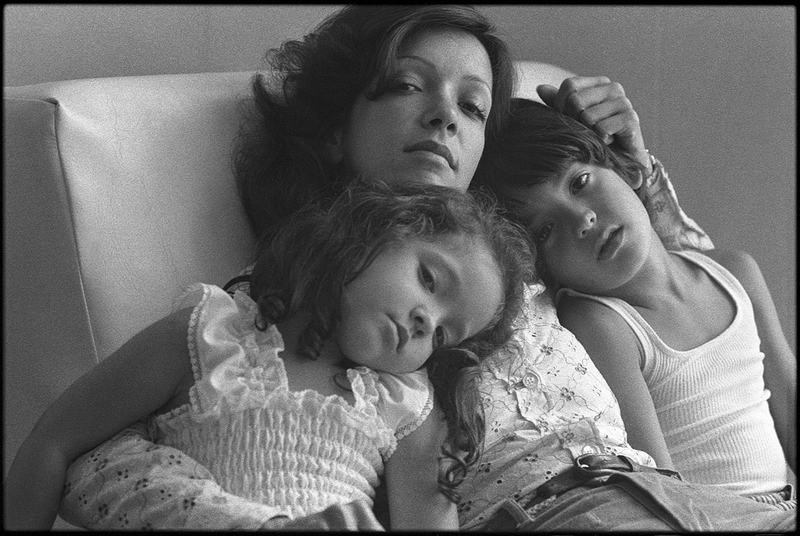
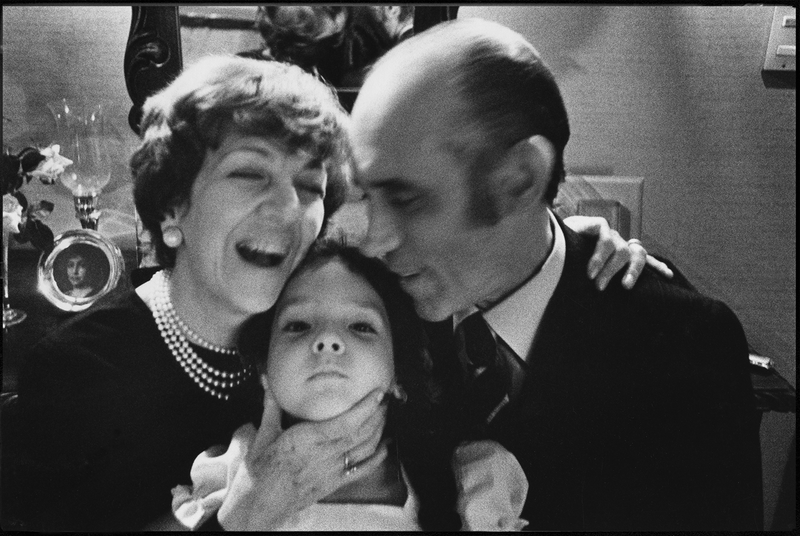
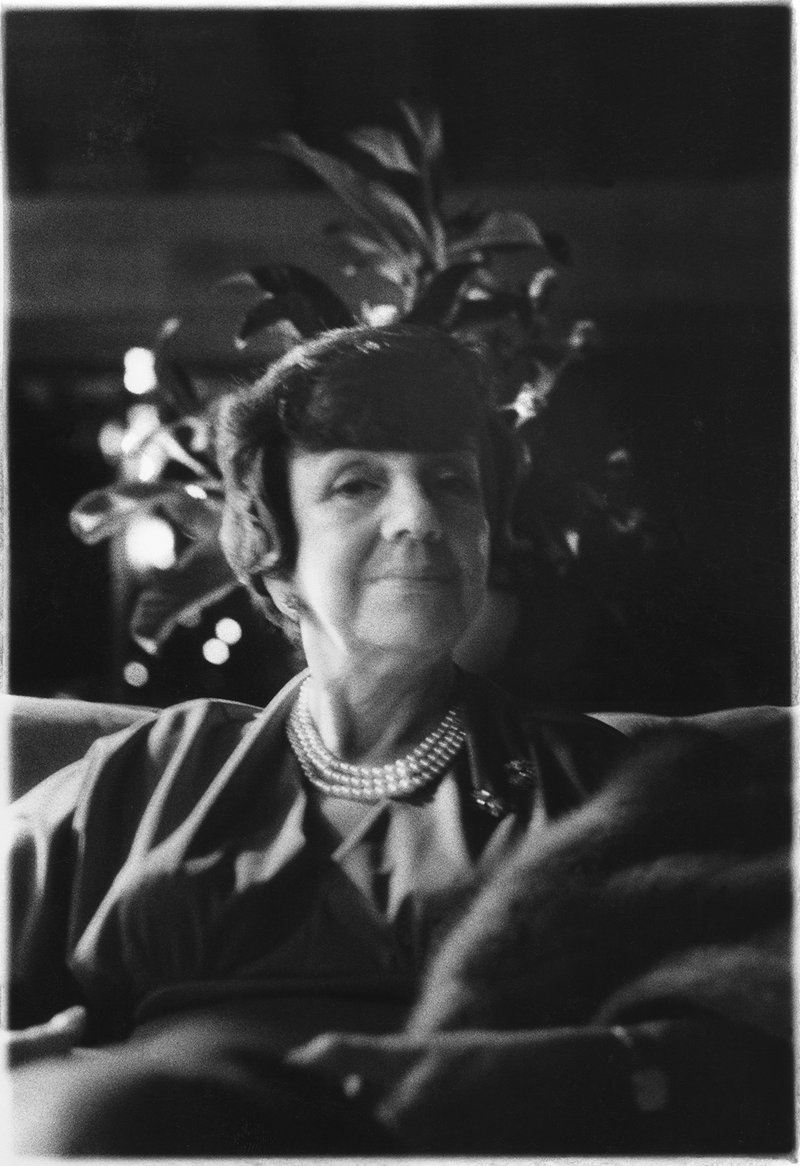
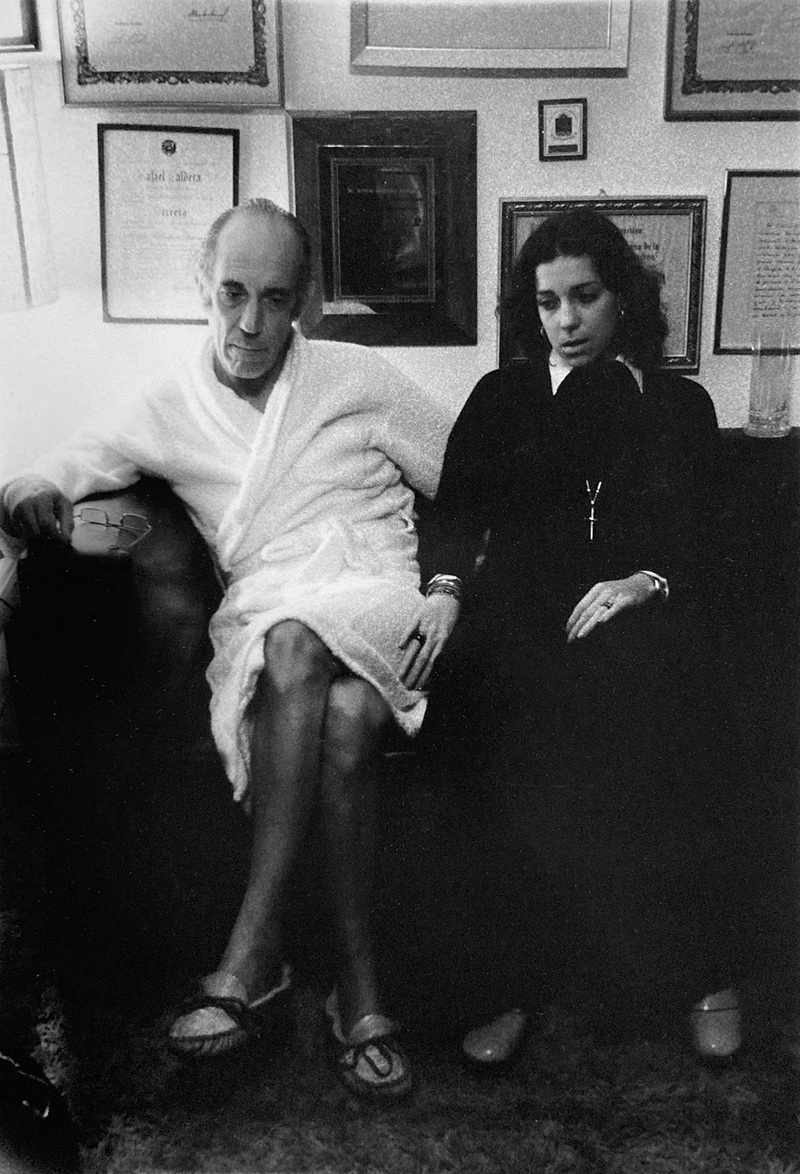
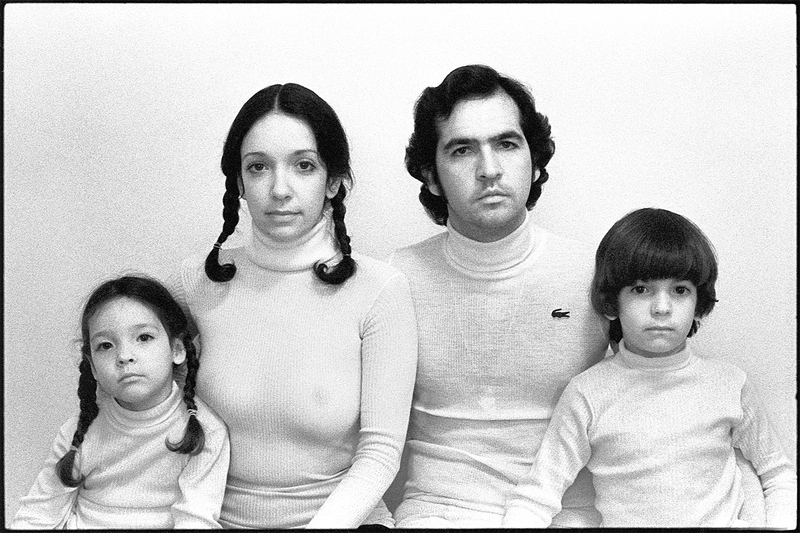
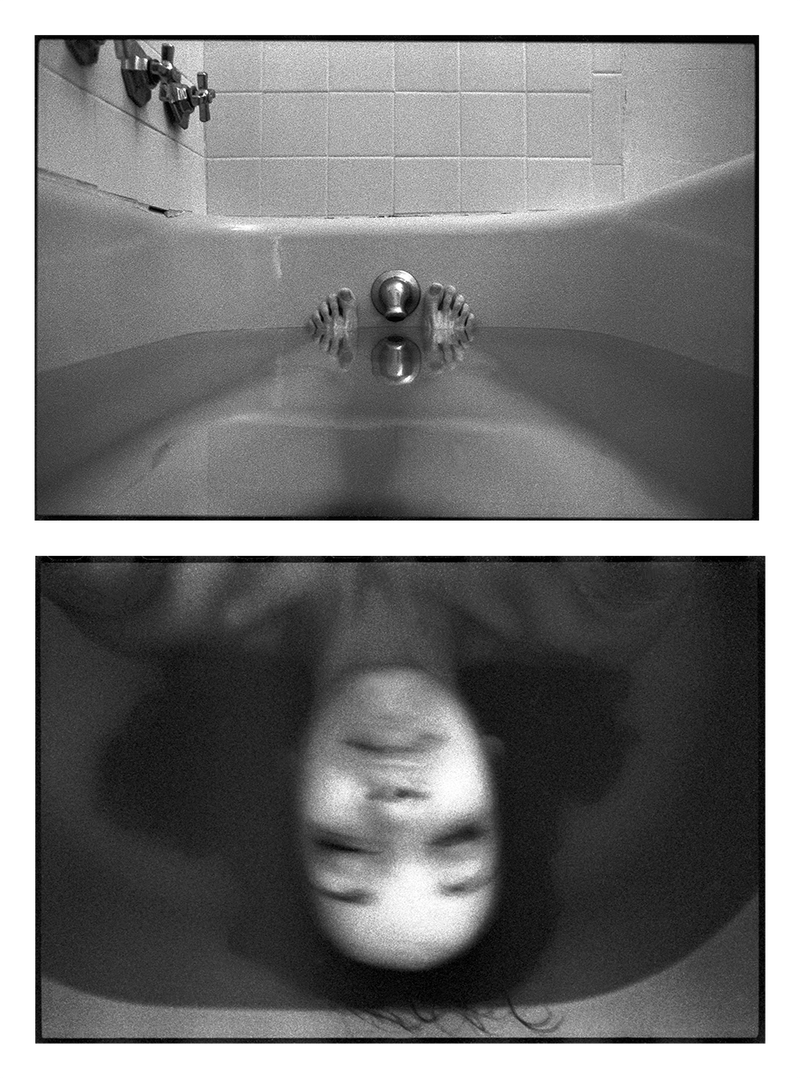
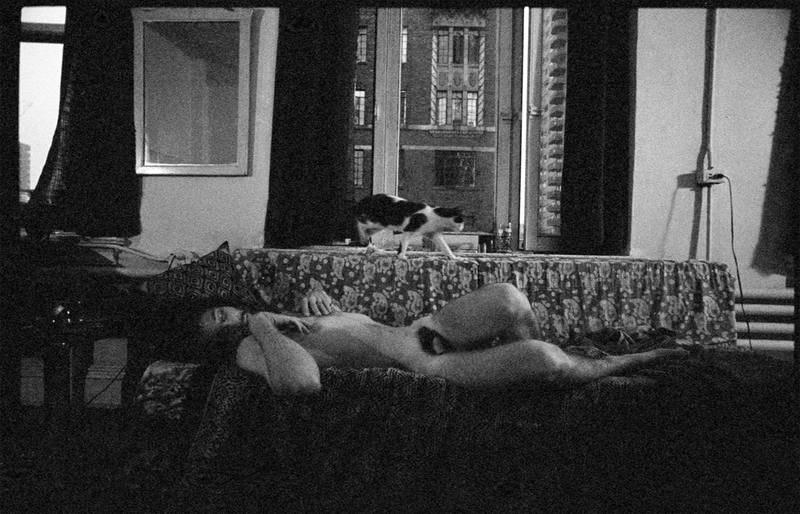
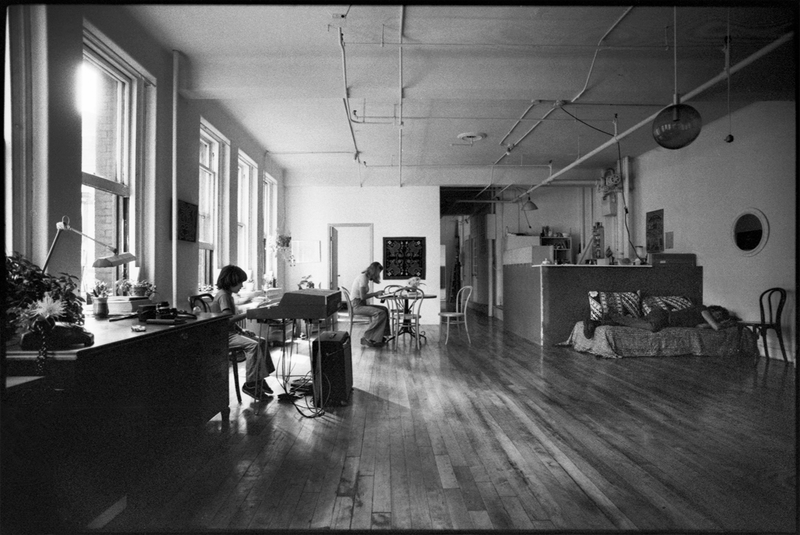
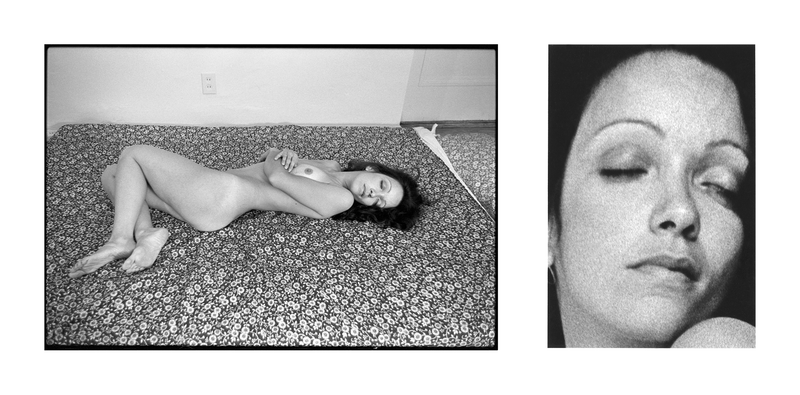
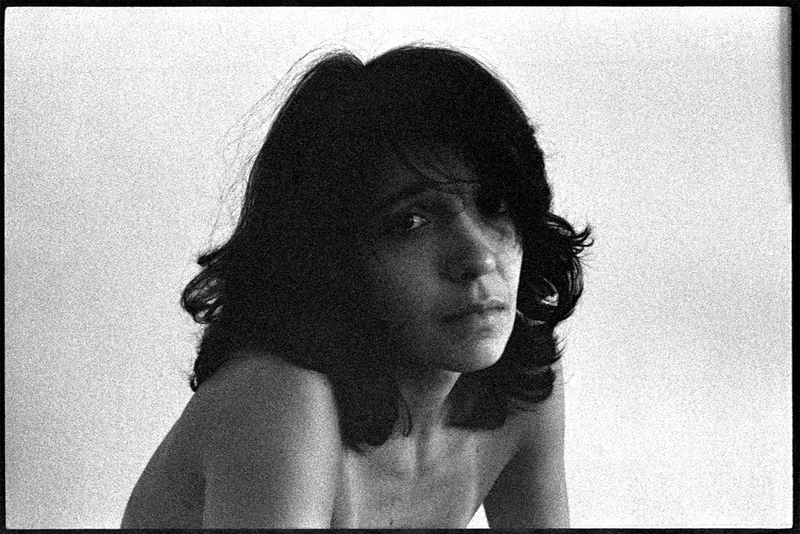
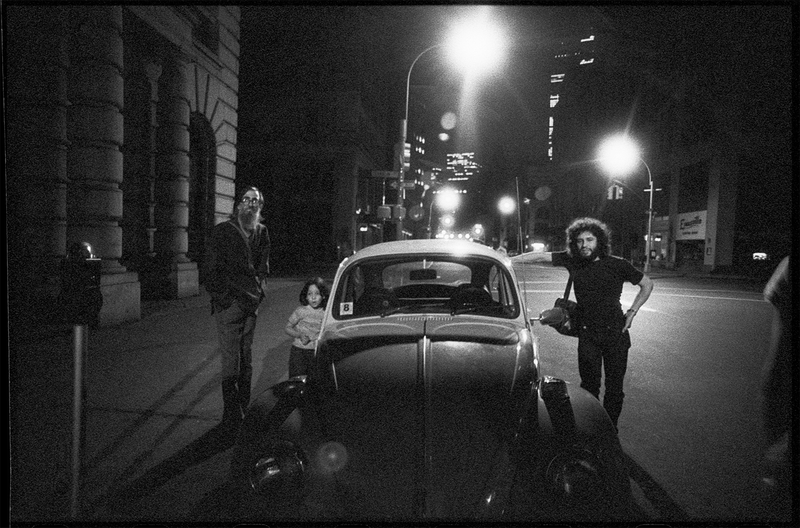
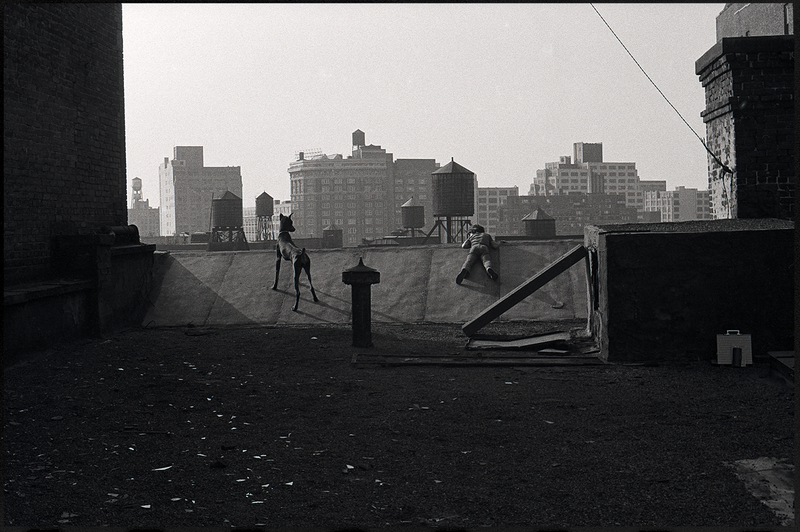
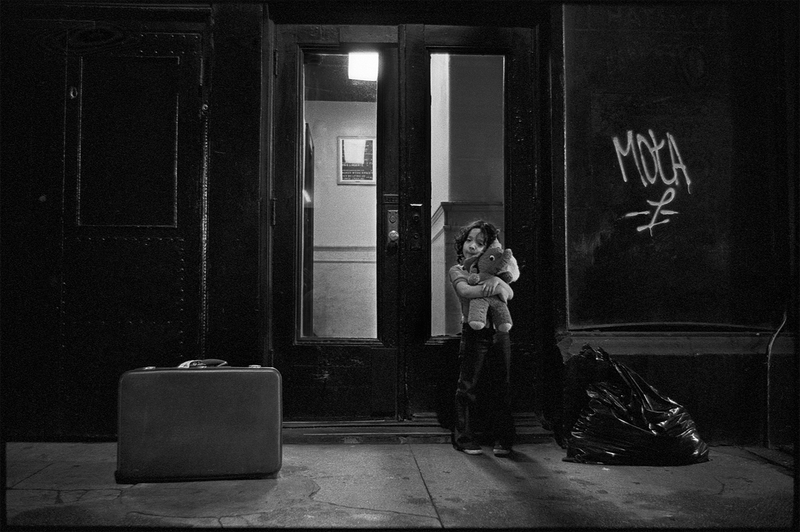
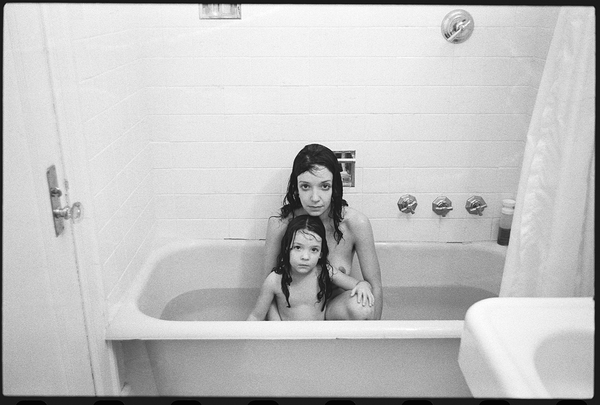
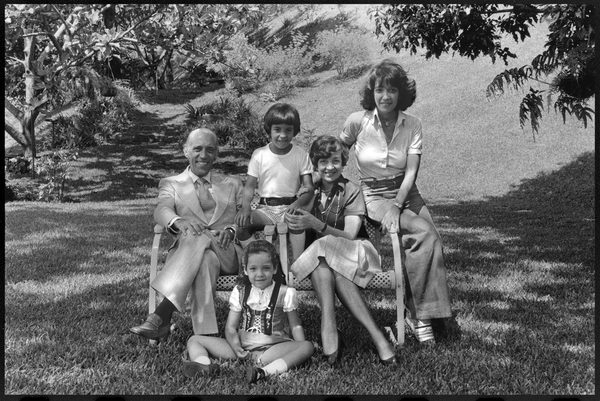
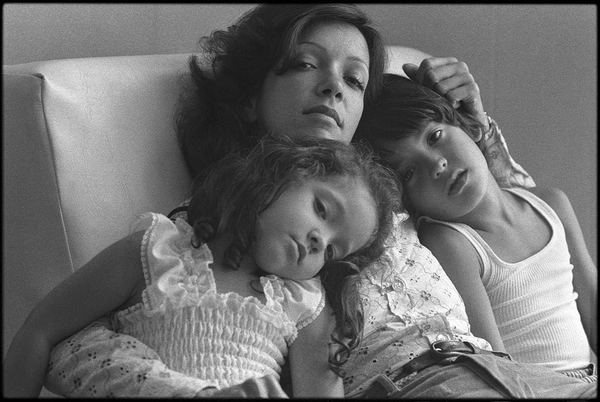
Isabel Barton's photographs from the 1970's confront the choices women often make between family, vocation, and freedom. Working together as mother, daughter and artists we reinterpret these images with a new perspective.
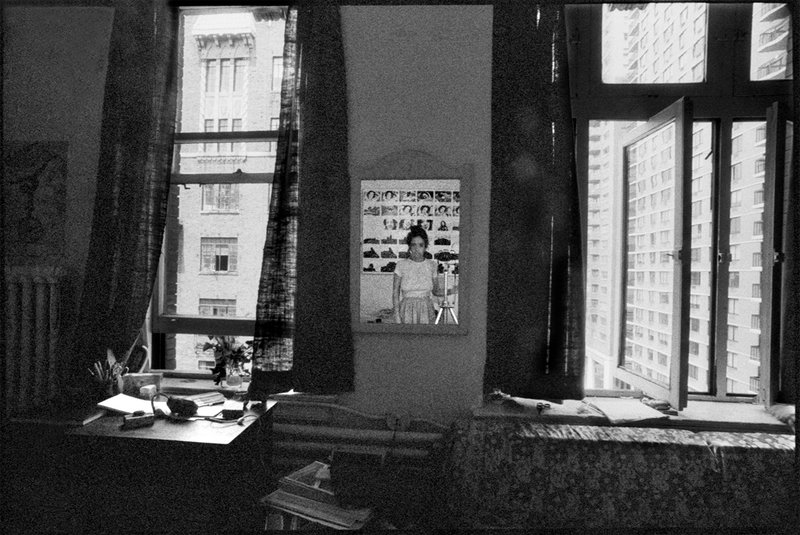
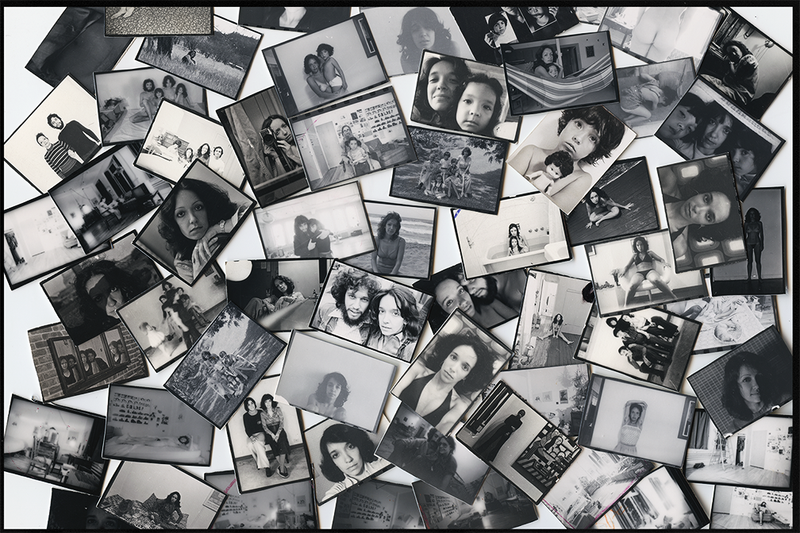
Isabel Barton’s photographic archive from the 1970’s is the radical manifesto of a Latina woman’s emancipation from a Venezuelan socialite to an immigrant artist landing in NYC’s SoHo during the height of conceptual art. As her daughter Mariana Hellmund—subject of many photos and collaborator—I reinterpret the images from my own perspective as artist and filmmaker. Together we present a portal through which mother and daughter unpack personal and universal themes of female suppression, freedom, nudity, and generational rage.
When I ask my mother to explain why she left our country and family in search of freedom and art, her answer never varies: It was survival.
That one line, it was survival, spurs me on to scan and catalogue 5000+ negatives and prints from her archive—until now largely unseen—and ask evermore questions. The photos seem encoded with knowledge, transmissions of a lived experience, themes so granular they turn universal: Freedom. Art. Defiance.
FREEDOM: Eight generations back in my maternal line are Simón Bolívar’s grandparents - the famed “Liberator of Latin America.” My mother brings me to New York at the age of four in a battle of her own, with camera as sword. Photography is her raison d’être, the birthright she fights for to see the world through a different lens than what a conservative family and society dictate.
ART: My father gives my mother a gift on the day I am born: a new Leica SL camera. The same camera that takes these photos. The camera that breaks my family apart. Two years later, in 1972, Isabel is the first woman to win the National Award for photography in Venezuela (Premio Nacional de Fotografía). That same year she travels to Fotokina in Cologne, Germany and sees works by Diane Arbus and Duane Michaels—both critical to the revolution that redefines photography at that time. The world of Art Photography opens up, and New York embeds in her psyche.
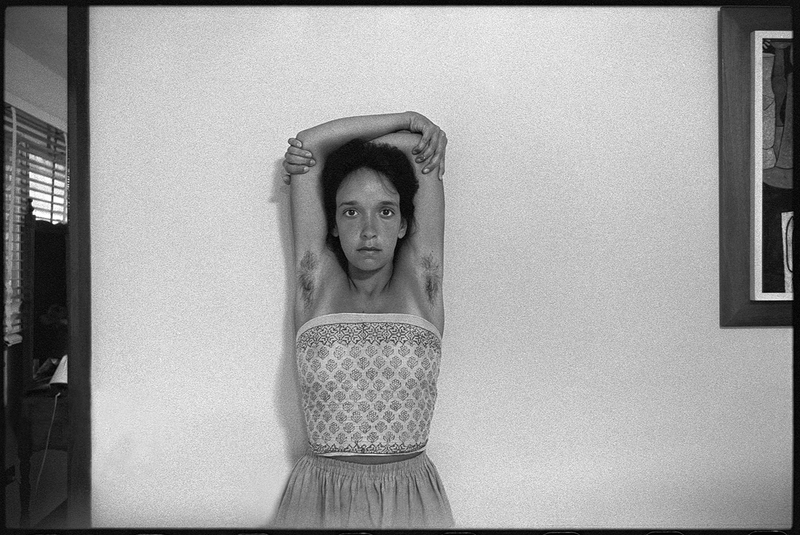
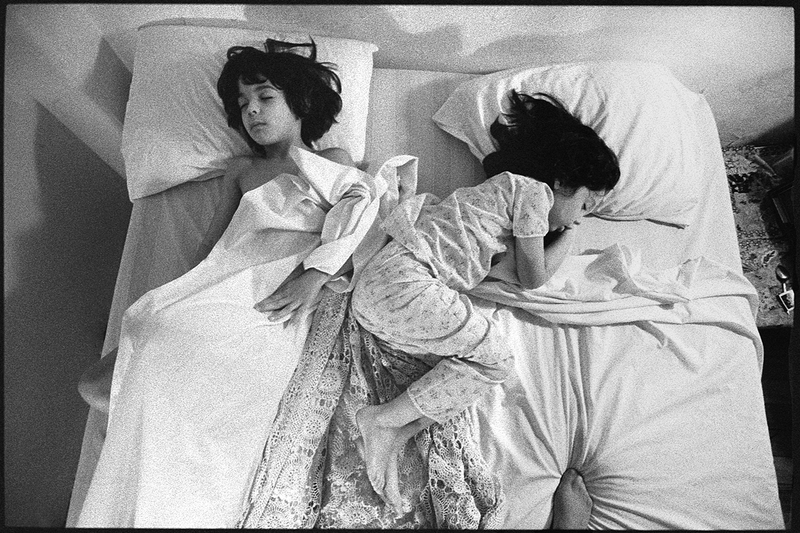
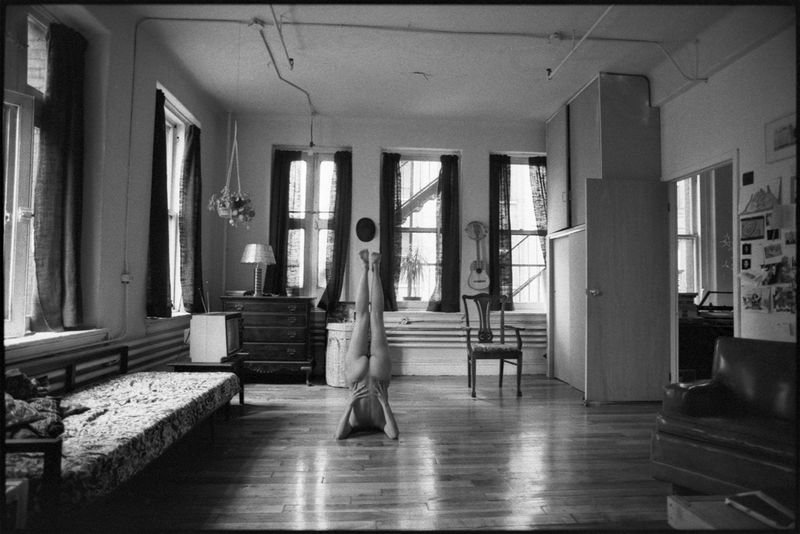
DEFIANCE: A thriving and published photographer in Venezuela by 1974, Isabel’s family repeatedly stresses that her place is at home and with the children. Ousted by the family for her progressive choices, and separated from her husband—my father—she flees from Venezuela and moves to New York to study art photography at School of Visual Arts. I track photos as her eyebrows go from pencil thin to bushy, as she defiantly shows her armpit hair to the camera. Balancing 23 credits per semester with two small children -myself and brother Guillermo- she quickly learns there is no additional time for this thing called “Art”. Her camera turns to home life and kids, where new dimensions of light, grit, and sensuality reign. Every photo confronts the duality of what she left behind, and the stark realities of her new life.
Lineage continues, and past selves never die—they look on through the camera, dreams, and bloodlines. How many times must a woman live and die and live again, to “become”? These photographs pose the question, and narrate the story of why we came to New York to live Life as Art. Freedom has a price. This is Isabel’s story, my story, a story for all women.