le montagne hanno gli occhi
-
Dates2024 - Ongoing
-
Author
- Location Comunità montana Valle Susa e Val Sangone, Italy
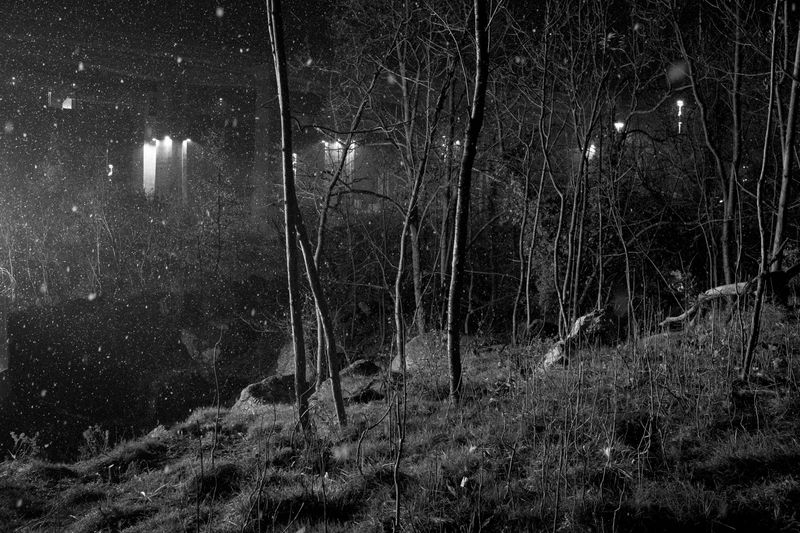
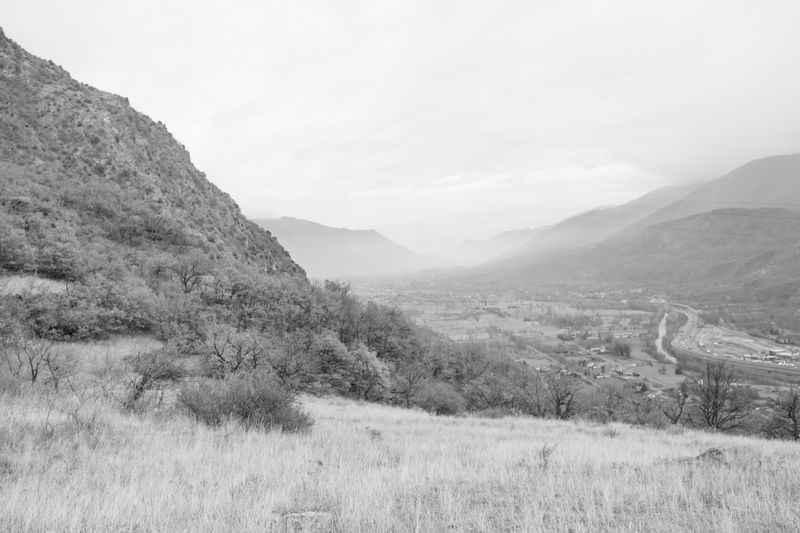
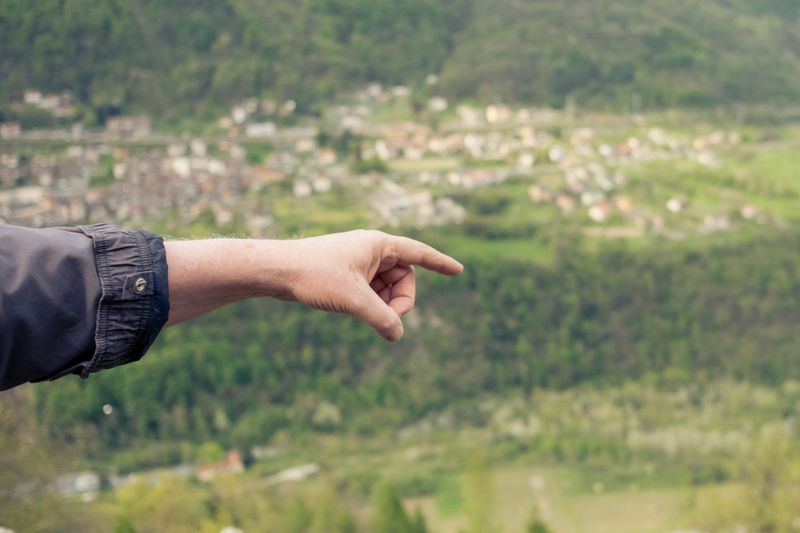
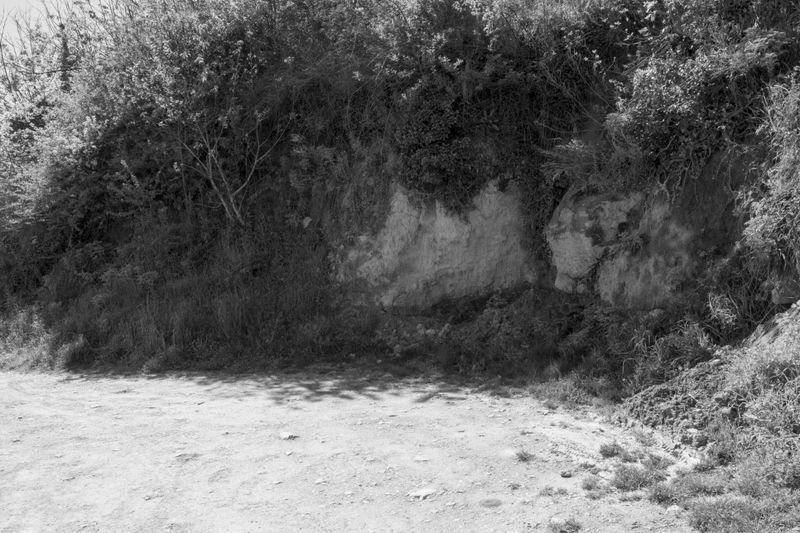
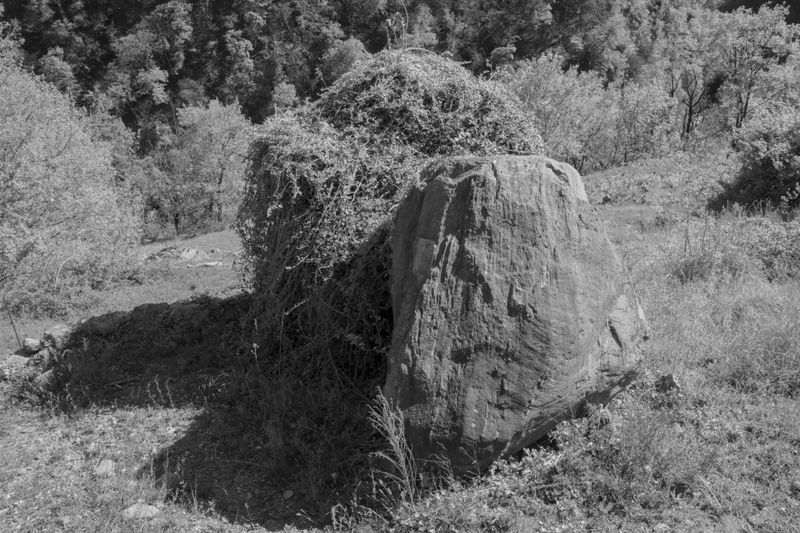
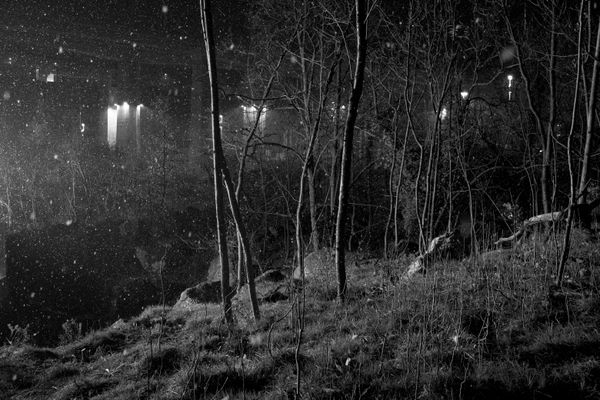
The mountains have eyes: that is precisely why they do not forget, and perhaps do not even rest. In silence they observe, gather, and hoard memories, thoughts, voices.
They endure the passing footsteps, the thunderous blasts, the traces that linger among the shadows of their trees, their inhabitants, their cold, jagged peaks. The project’s title is its own statement of intent: to remember and not to forget, embedding itself in the ongoing tension between a deliberately reticent past and a present that is not silent enough to conceal.
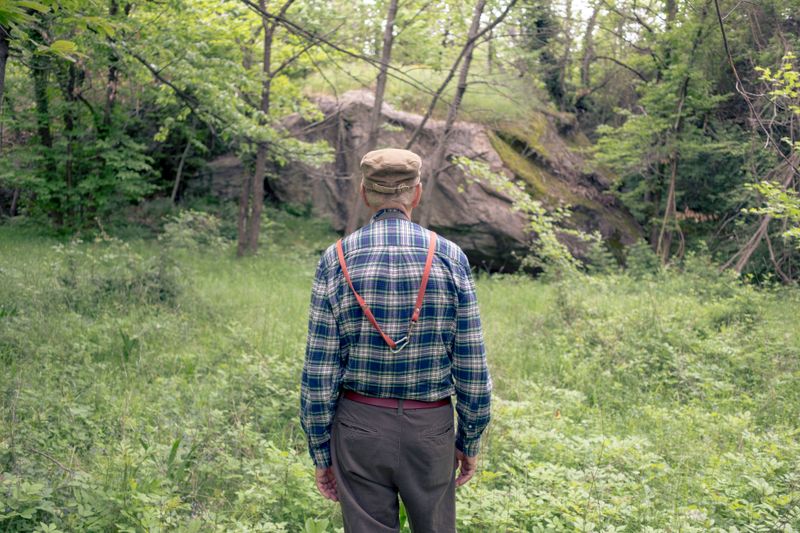
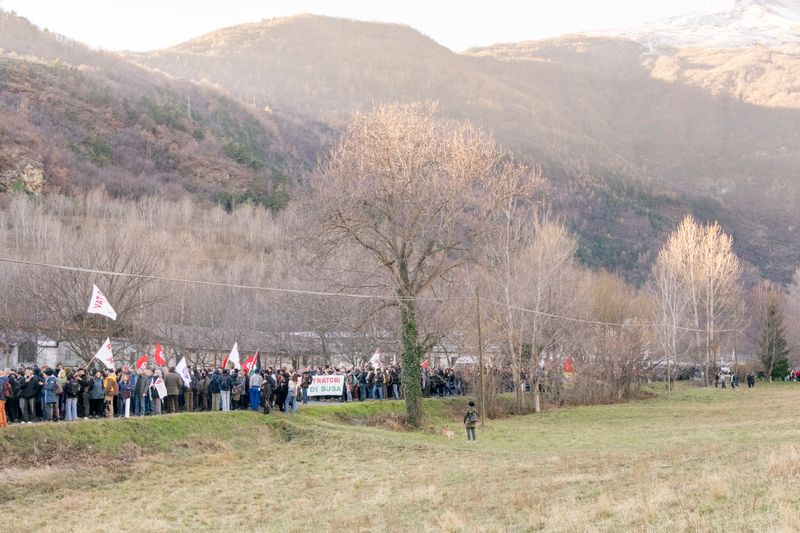
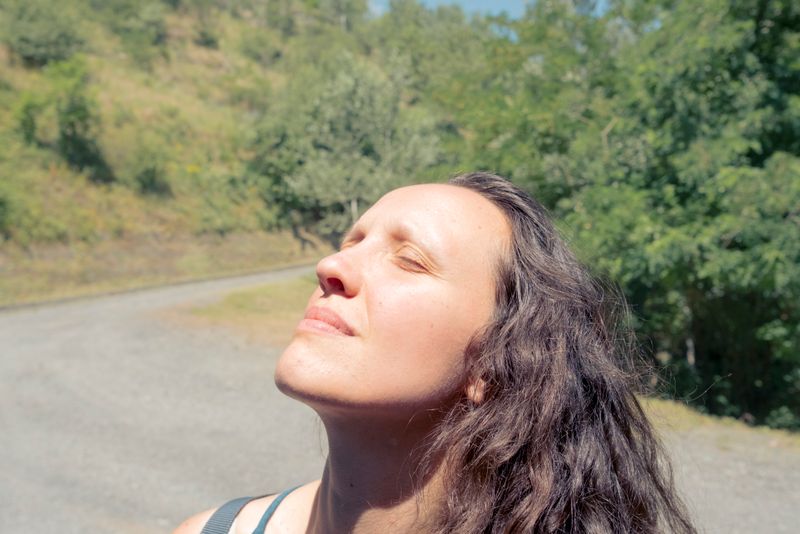
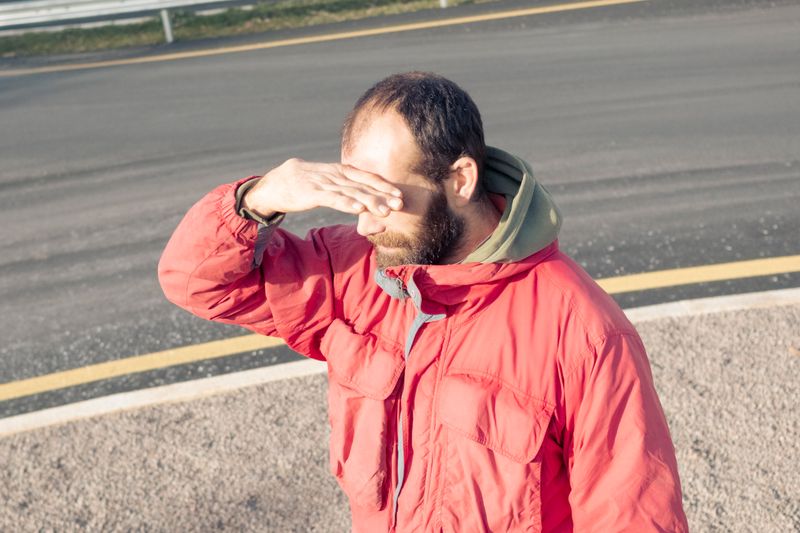
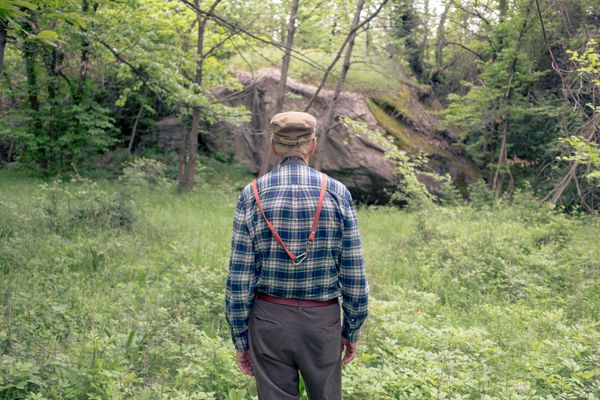
The project follows the voiceless narrative not only of those who live in the mountains, and of the mountains themselves, but above all of the complex relationship that develops between an inhabitant and their land, between institutions and citizens, between resistance and belonging, between different forms of power. The history of the No Tav movement thus becomes the story of a people who feel stripped of legitimacy: a mirror of a community that, sensing its right to self-determination has been taken away, generates autonomous forms of organization and decision-making in order to choose its own future.
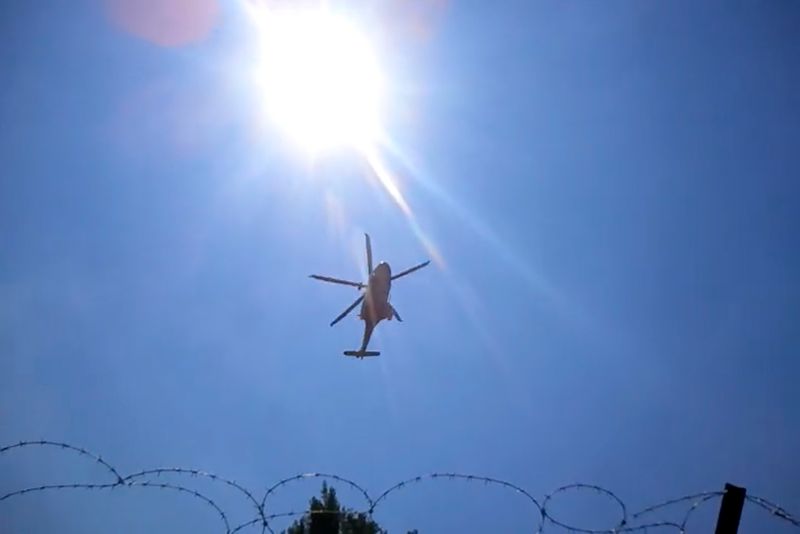
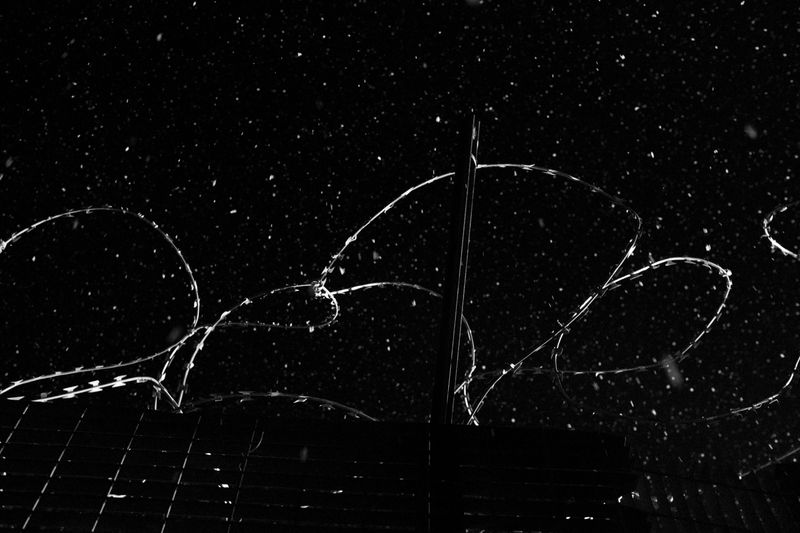
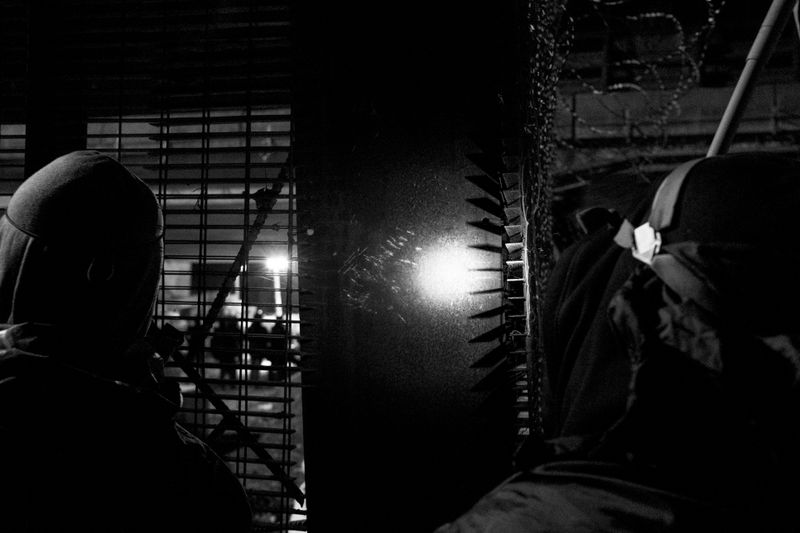
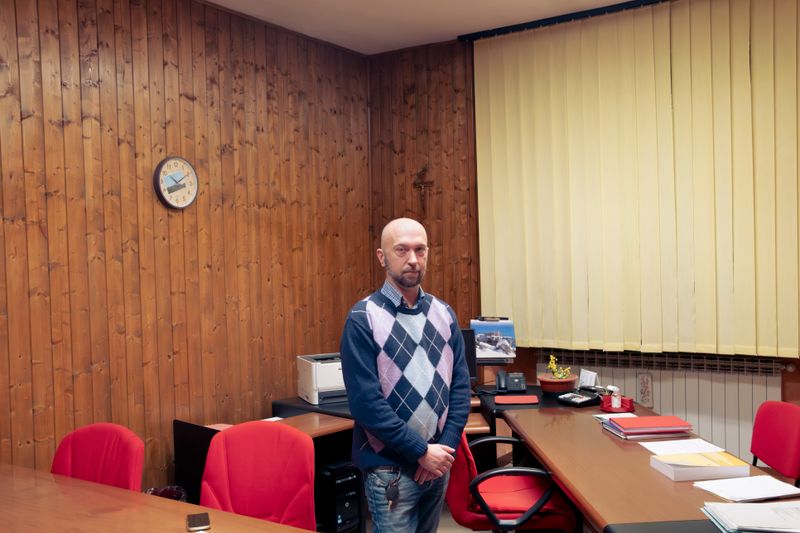
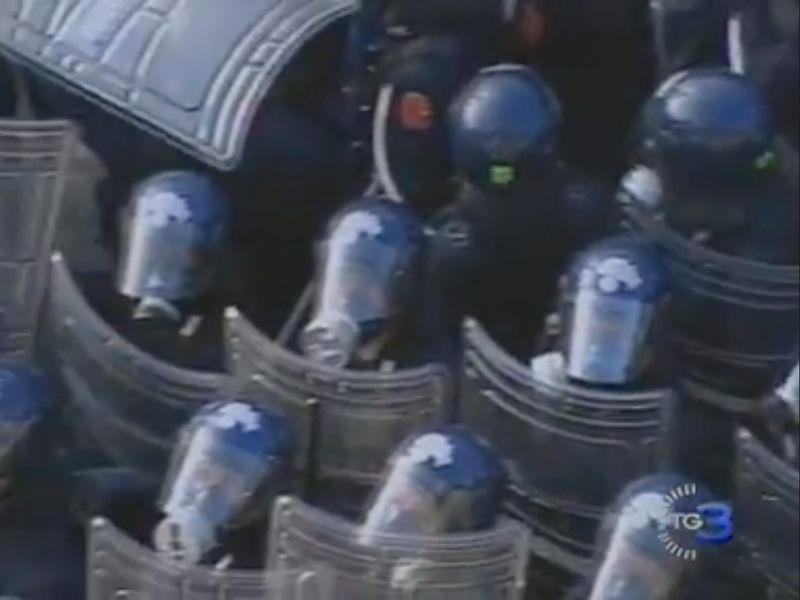
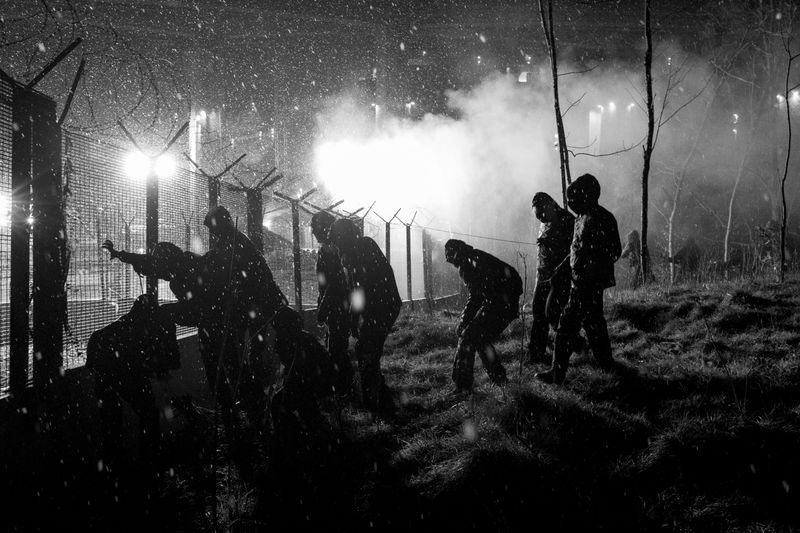
Within this shift, the Hobbesian pact begins to fracture: that implicit agreement by which citizens delegate to the State the monopoly of force in exchange for protection. The militarization of construction sites, the legal charges, the constant presence of law enforcement all convey the image of a vertical and distant institutional power. In contrast, public assemblies, technical committees, and counter-information networks construct a diffuse form of power, rooted in the territory and grounded in direct participation.
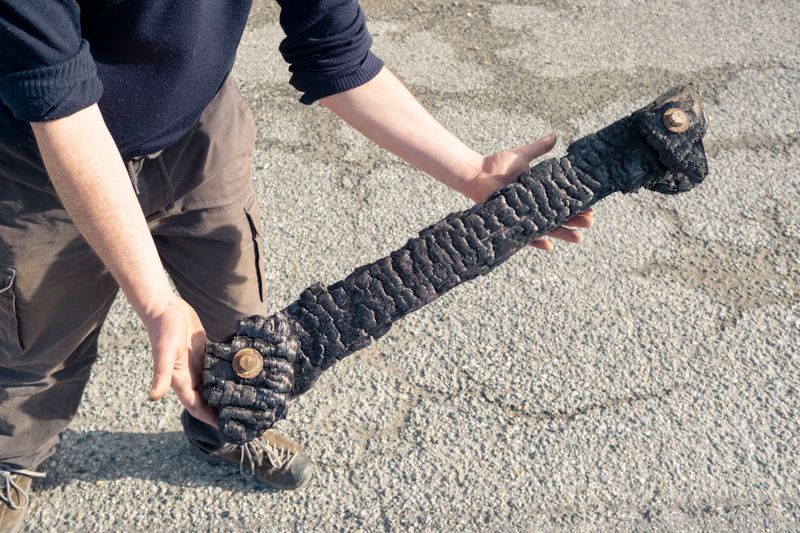
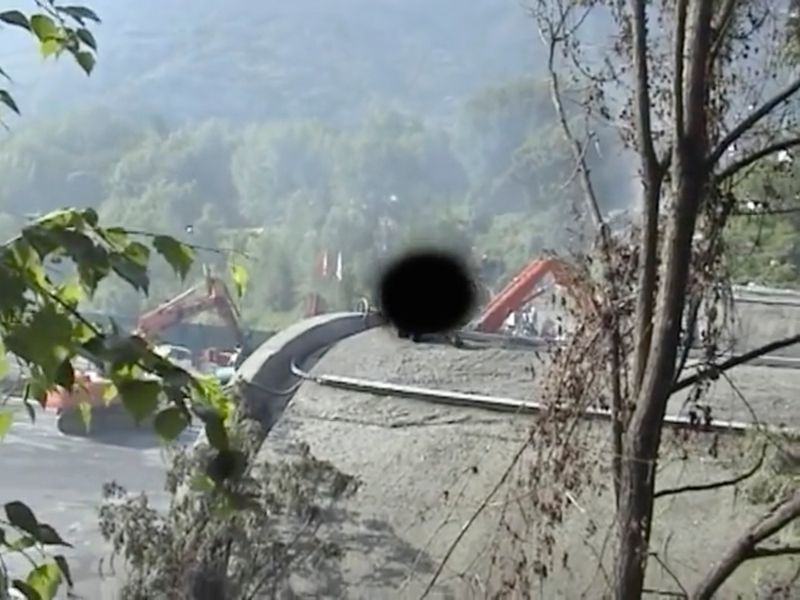
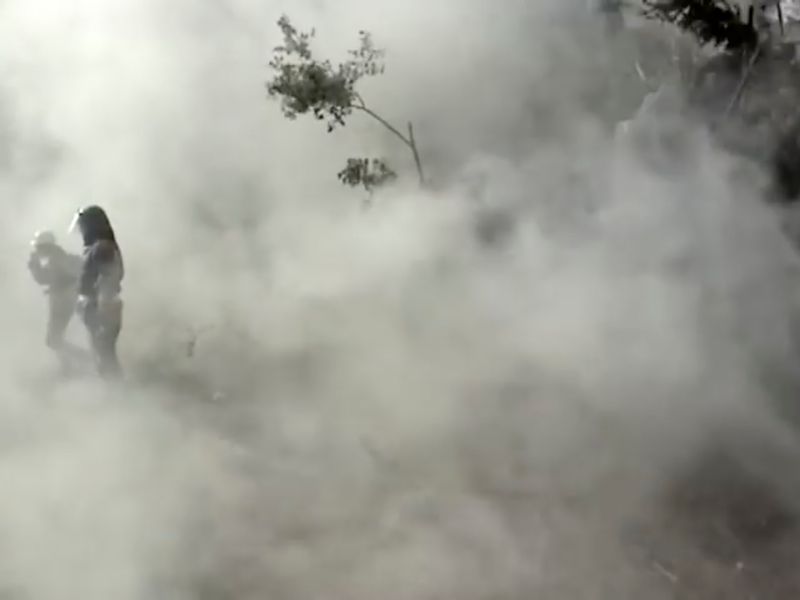
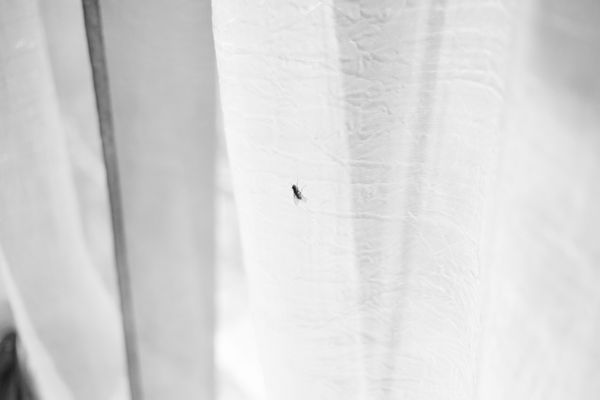
The photographic medium enters this process as a device of listening and analysis. Frames from amateur videos, technical documents, newspaper articles, and images from protest encampments intertwine in a layered narrative: material evidence of the forces that have traversed the movement and sought to hinder it. Photography thus becomes a political act in its apparent neutrality, capable of conveying complexity without simplification and of asking, image after image, who wields power, and how that power is redefined when a community chooses not to remain silent.