Land of the vanishing echoes
This is a story of the struggle to preserve the natural beauty and wilderness of the Khanty territories, which are under threat from Russian oil companies.

My ancestors were from Siberia, and I've always been fascinated by stories of the Khanty people. To me, they've always been a unique and mysterious people living in harmony with nature. As a child, I studied their mythology from my grandparent's books and hoped to visit their lands someday.

As I grew older, I realized that historically, my country oppressed their people for centuries. The conquest of the indigenous peoples of Siberia by the Russians began as early as the 11th century. However, in the 1980s, the world learned about the treasures hidden beneath this ancient land. Black gold lay beneath the feet of the Khanty people, unbeknownst to them all this time. In the eyes of the world, it was a symbol of wealth and progress, but for the Khanty, it turned into a symbol of suffering and destruction.

The real treasure for the indigenous population has always been the land itself. Fish and game that inhabited it were their sustenance, the forests and fields were their home.

With the advent of industrial companies and the extraction of natural resources in Siberia, the life and traditions of the Khanty people faced significant challenges. This includes not only threats to the environment and the unique natural habitat but also restrictions on their traditional activities of hunting and fishing. These changes have disrupted their way of life and posed a threat to their cultural heritage.

Once, I met Anatoly, an activist, who invited me to his place to talk about the issues faced by oil workers. Despite these challenges, Anatoly continues to show resilience and determination in preserving his culture and the delicate balance with nature. He continues to advocate for the protection of his ancestral lands and the rights of indigenous peoples. His story is a testament to the enduring connection between him and the land he has called home.

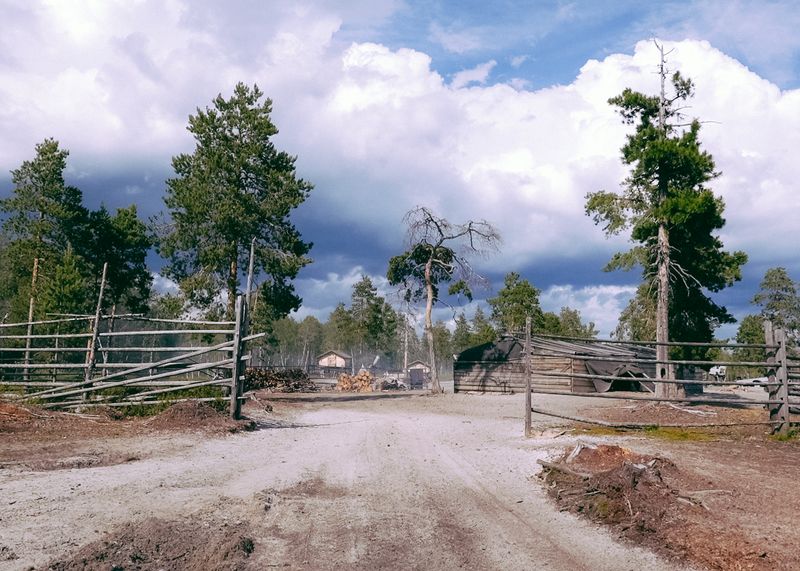
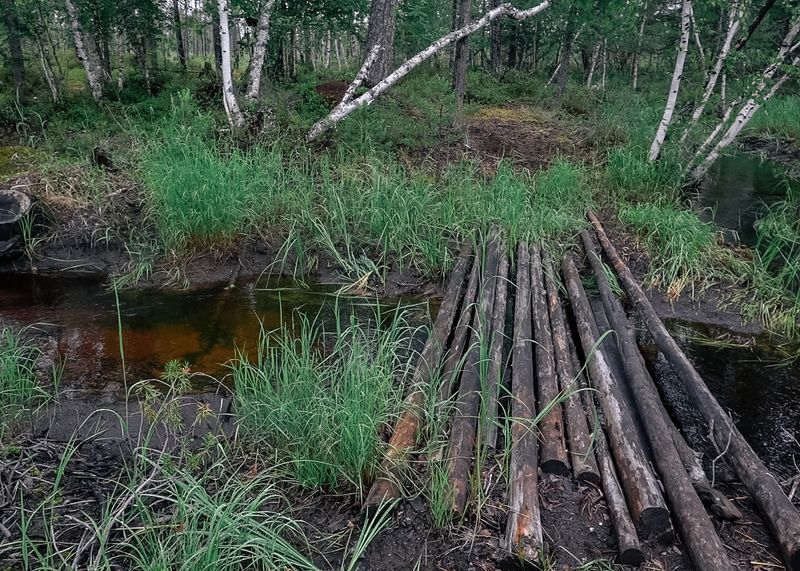
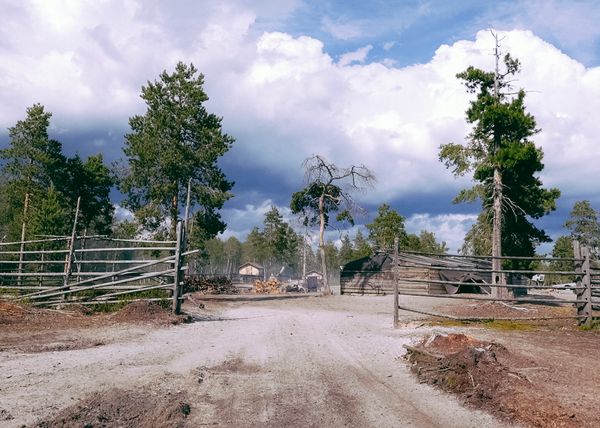
© Natasha Budantseva - The entrance to the area near Anatoly's and his family's house.
i

The entrance to the area near Anatoly's and his family's house.

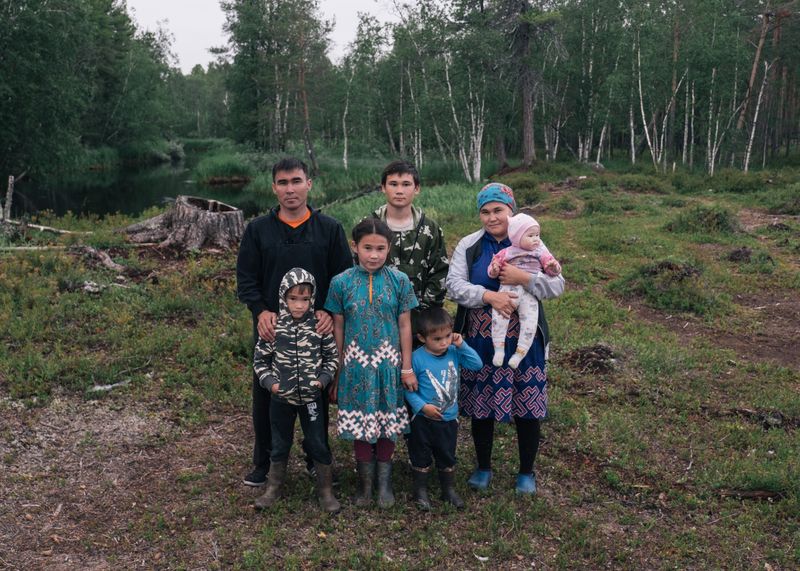
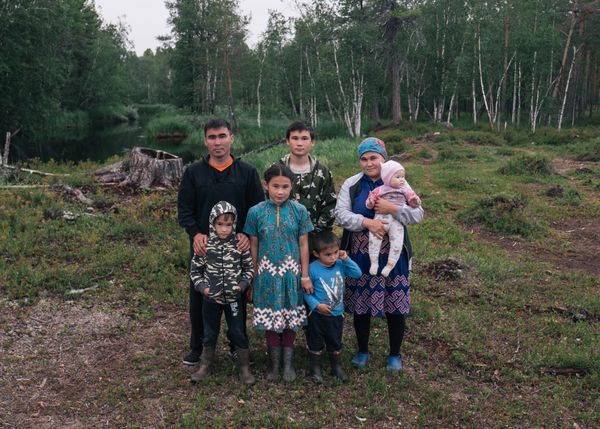
© Natasha Budantseva - Anatoly and his family.
i

Anatoly and his family.

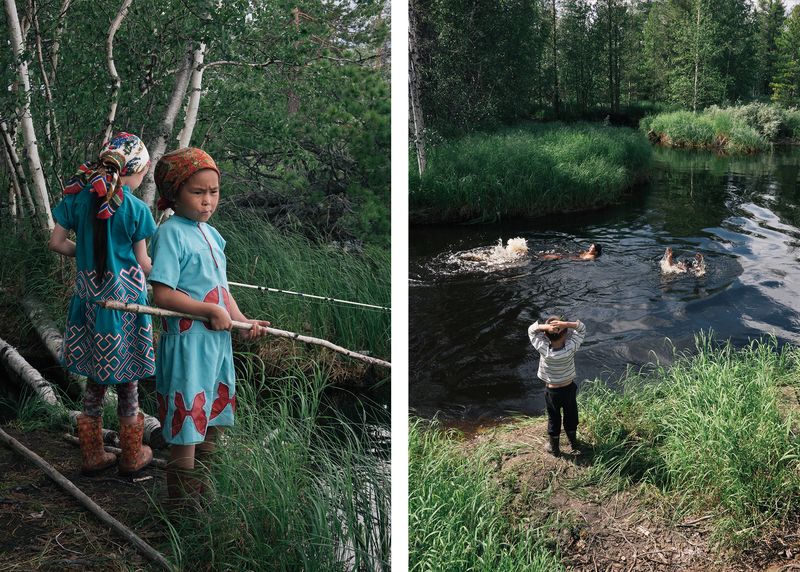
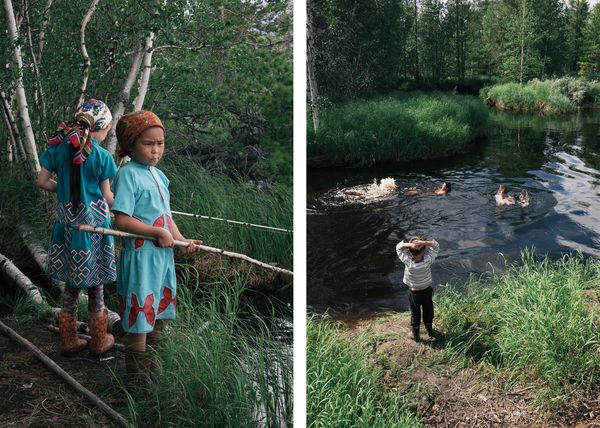
© Natasha Budantseva - The river flows right by the house. They use it for household water needs, swim in it, and catch fish from it.
i

The river flows right by the house. They use it for household water needs, swim in it, and catch fish from it.

© Natasha Budantseva - Image from the Land of the vanishing echoes photography project
i

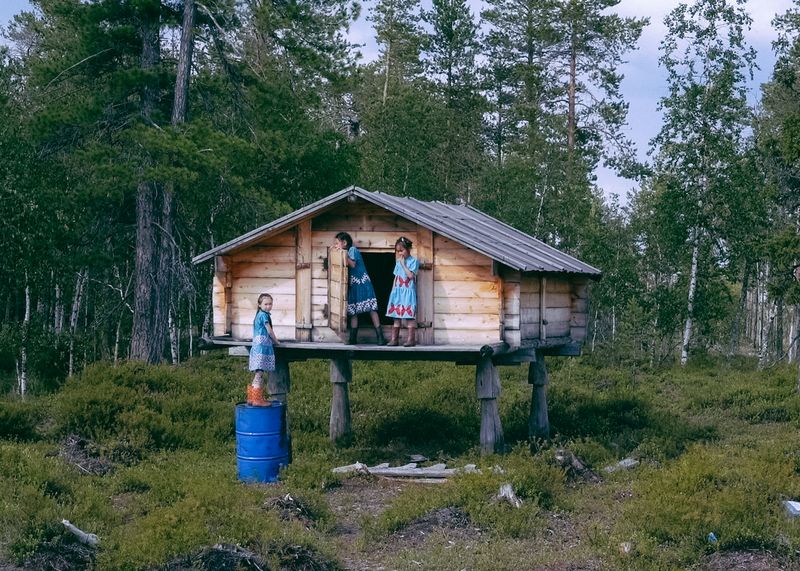
The tall supports of the Food Barn, crafted from logs, provide ventilation to the space beneath the floor and also protect the supplies from wild animals and rodents.

© Natasha Budantseva - Image from the Land of the vanishing echoes photography project
i

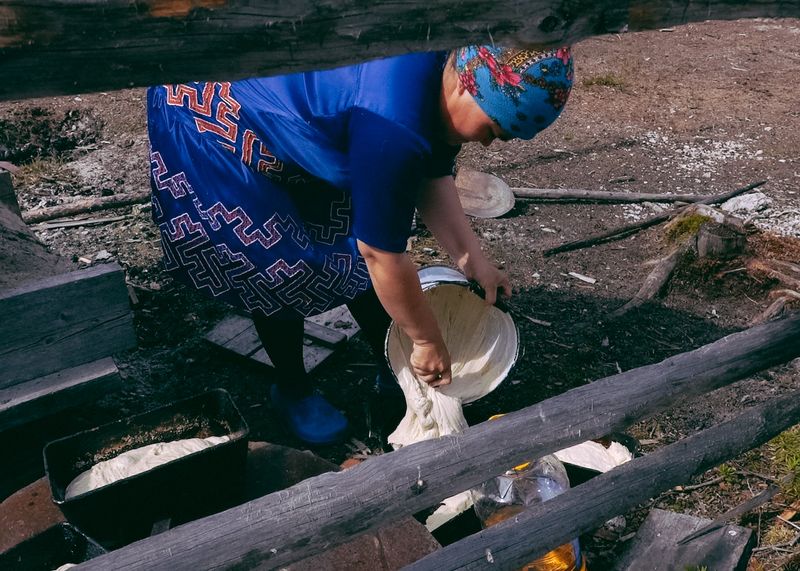
According to an ancient Khanty legend, flour was created by the gods, which is why any product made from it is referred to as "God's bread". It is believed that freshly baked bread is alive, and to avoid hurting it, one shouldn't use a knife.

© Natasha Budantseva - Image from the Land of the vanishing echoes photography project
i

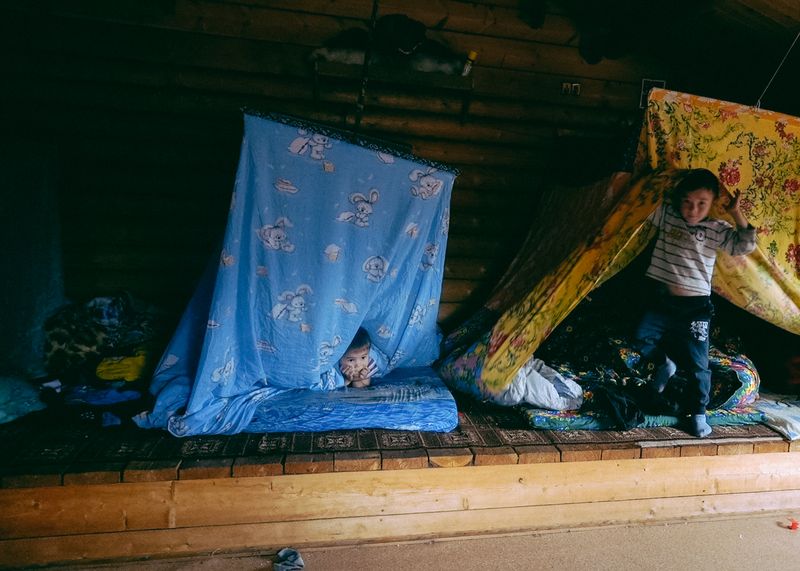
There are many swamps around the house, and consequently, insects. Fabric shelters are built over the beds to prevent mosquitoes from biting at night.

© Natasha Budantseva - Image from the Land of the vanishing echoes photography project
i

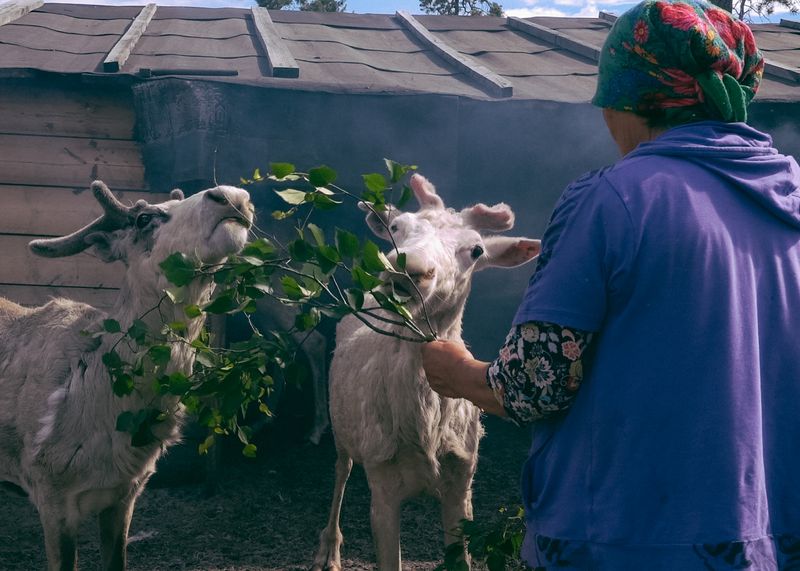
Khanty people are engaged in reindeer herding. They didn't consider themselves superior to animals; the only distinction between humans and beasts lay in their differing physical capabilities.

© Natasha Budantseva - The skin of a molting deer and the moss they feed on.
i

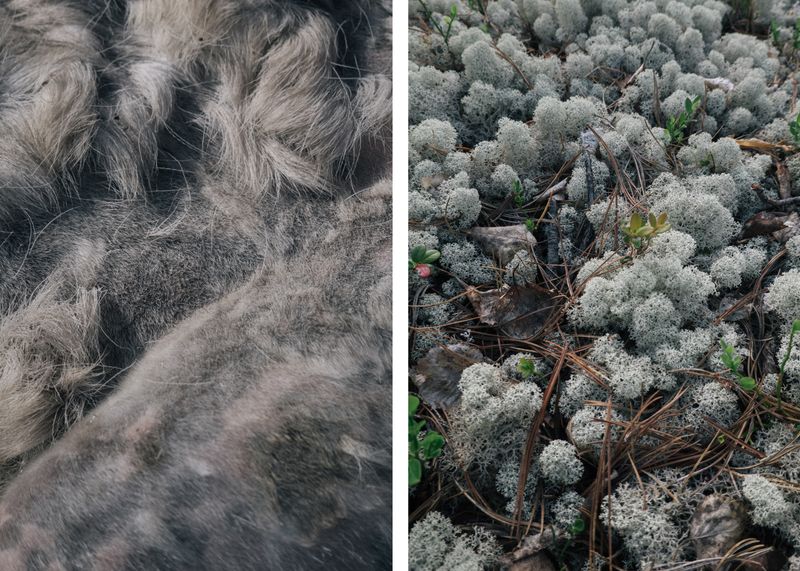
The skin of a molting deer and the moss they feed on.

© Natasha Budantseva - Image from the Land of the vanishing echoes photography project
i

The Khanty people have always held a deep reverence for the natural world around them. Before felling a tree, people would offer lengthy apologies to it. They would only cut down dry trees.

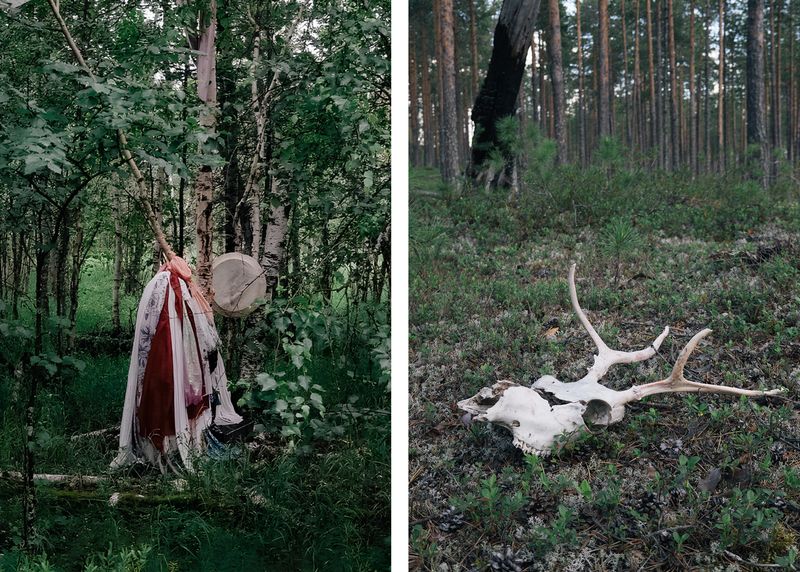
© Natasha Budantseva - The sacred place near Anatoly's house and the remains of a deer's  head offered as a sacrifice to the spirits.
i

The sacred place near Anatoly's house and the remains of a deer's head offered as a sacrifice to the spirits.

© Natasha Budantseva - Image from the Land of the vanishing echoes photography project
i

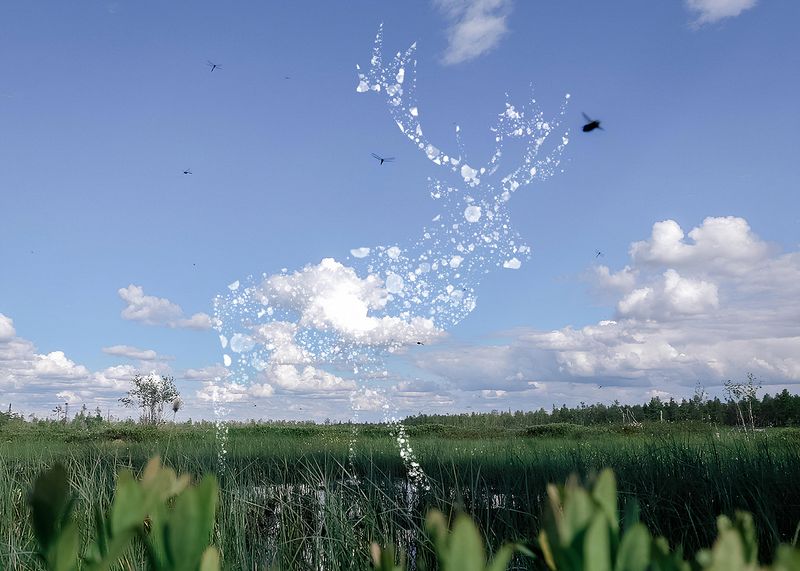
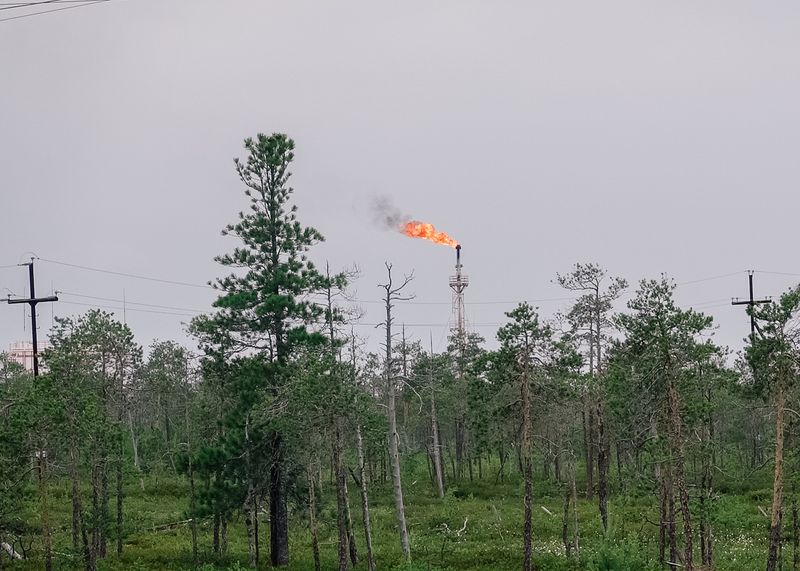
The deer is one of the most significant animals in the culture of the Khants and is frequently featured in folklore, appearing in tales and songs. Due to oil extraction, it's becoming increasingly difficult for the Khants to engage in reindeer herding.

© Natasha Budantseva - Image from the Land of the vanishing echoes photography project
i

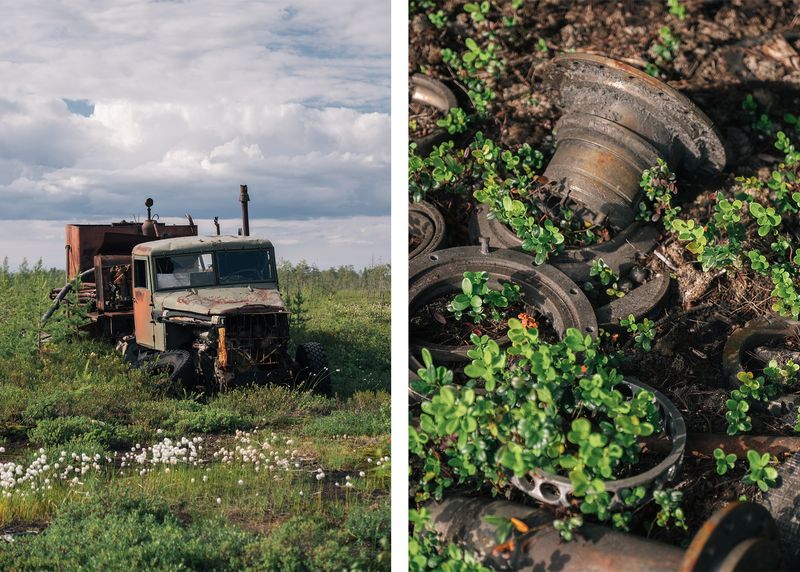
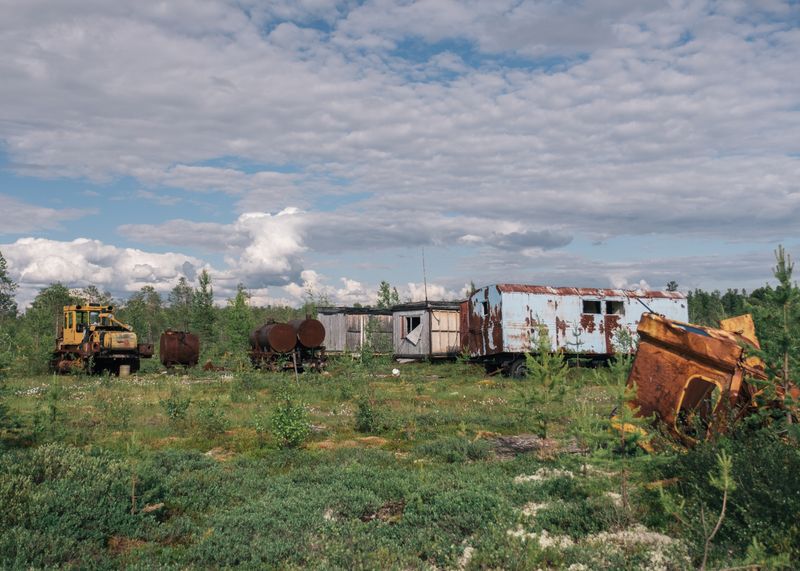
In the 2000s, pioneers were searching for oil on the border of Anatoly's ancestral lands, but then this oil company went bankrupt. They abandoned all their equipment there and left.

© Natasha Budantseva - Image from the Land of the vanishing echoes photography project
i

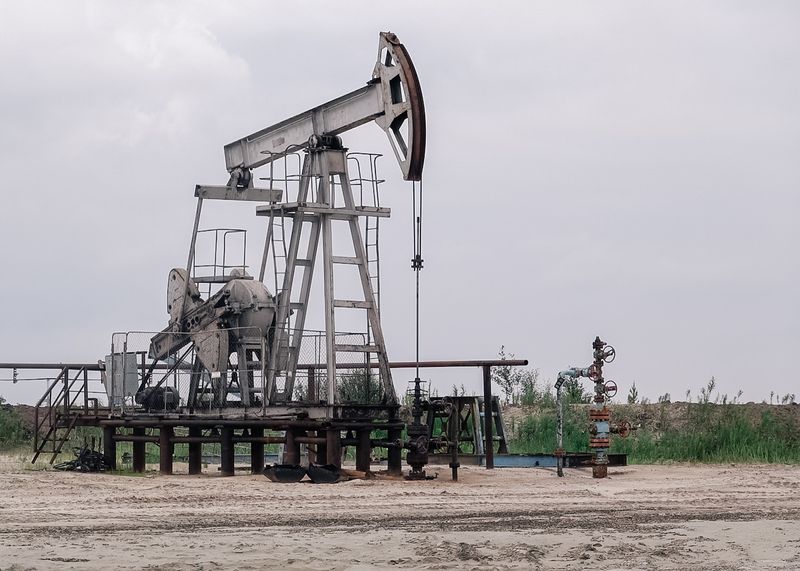
The oil company currently conducting extraction on Anatoly's ancestral lands does not allow him to export scrap metal to prevent soil contamination.

© Natasha Budantseva - In the past, before the oil workers arrived, the Khanty people used to gather cranberries in these forests.
i

In the past, before the oil workers arrived, the Khanty people used to gather cranberries in these forests.

© Natasha Budantseva - Image from the Land of the vanishing echoes photography project
i

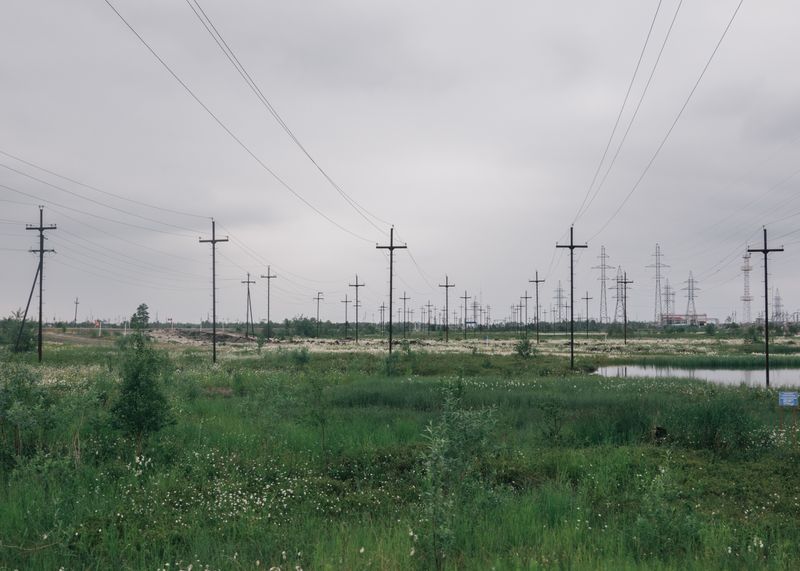
Drilling in the swamp is impossible, so oil workers first clear the forest, drain the swamp, and create a platform with sand, to which they extend roads and electricity.

© Natasha Budantseva - Image from the Land of the vanishing echoes photography project
i

The soil with the remnants after an oil pipeline rupture is buried at the oil well drilling site. From there, it can potentially reach underground streams and spread throughout the swamp.

Land of the vanishing echoes by Natasha Budantseva

Prev Next Close