L'albergo della lontananza / Far far stay
-
Dates2022 - 2025
-
Author
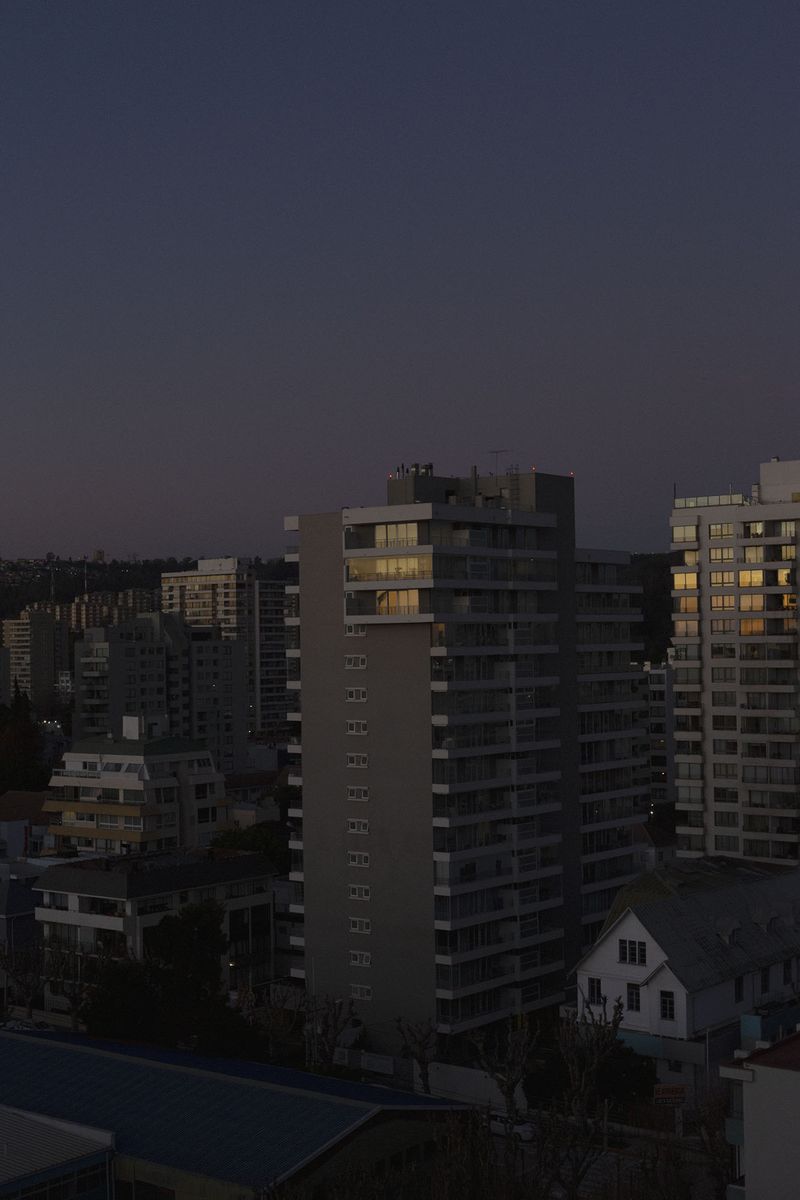
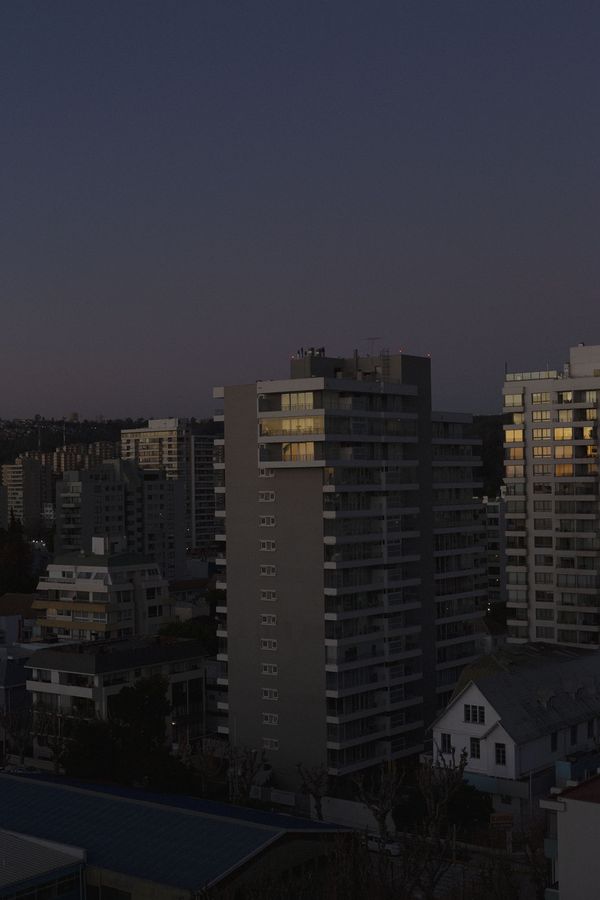
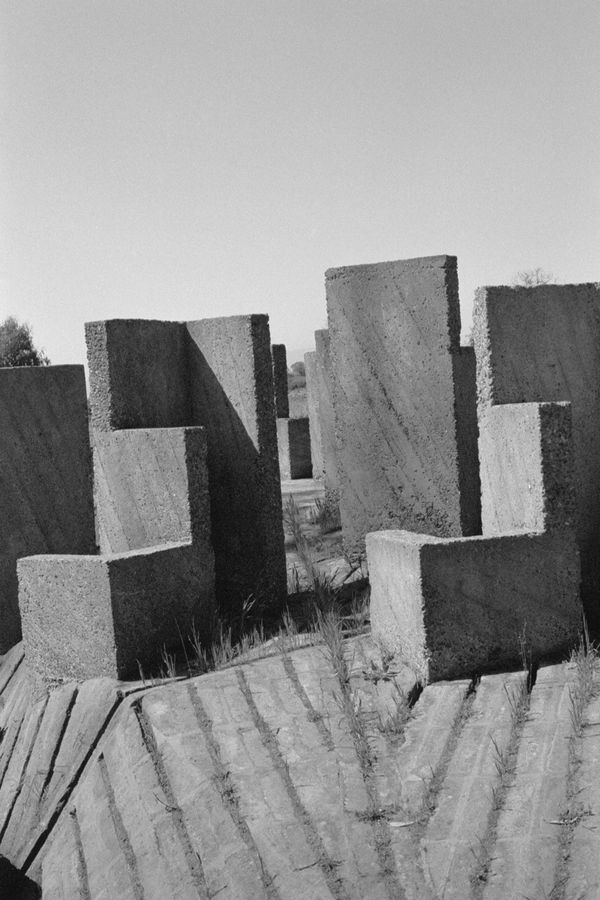
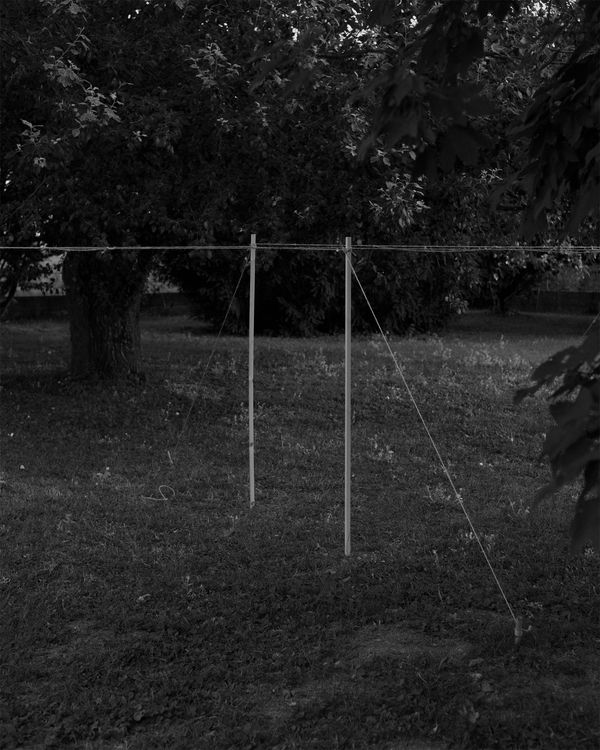
How can we define what exists between two distant points? This project investigates a long-distance relationship across continents, reframing separation as a space for connection and analyzing absence to architect proximity.
An intermediate space is, by definition, what lies between various possibilities. When different elements come into contact, they influence and overlap each other, creating new hybrid forms. How can we identify what lies in between two things? Is it possible to represent the invisible? How can two people come together if they live in opposite hemispheres of the world? Is it possible to build a bridge between two places? What happens when translating from one language to another, can the act of translation itself be considered a bridge? What if we get lost in translation? In what ways does distance add or subtract meaning?
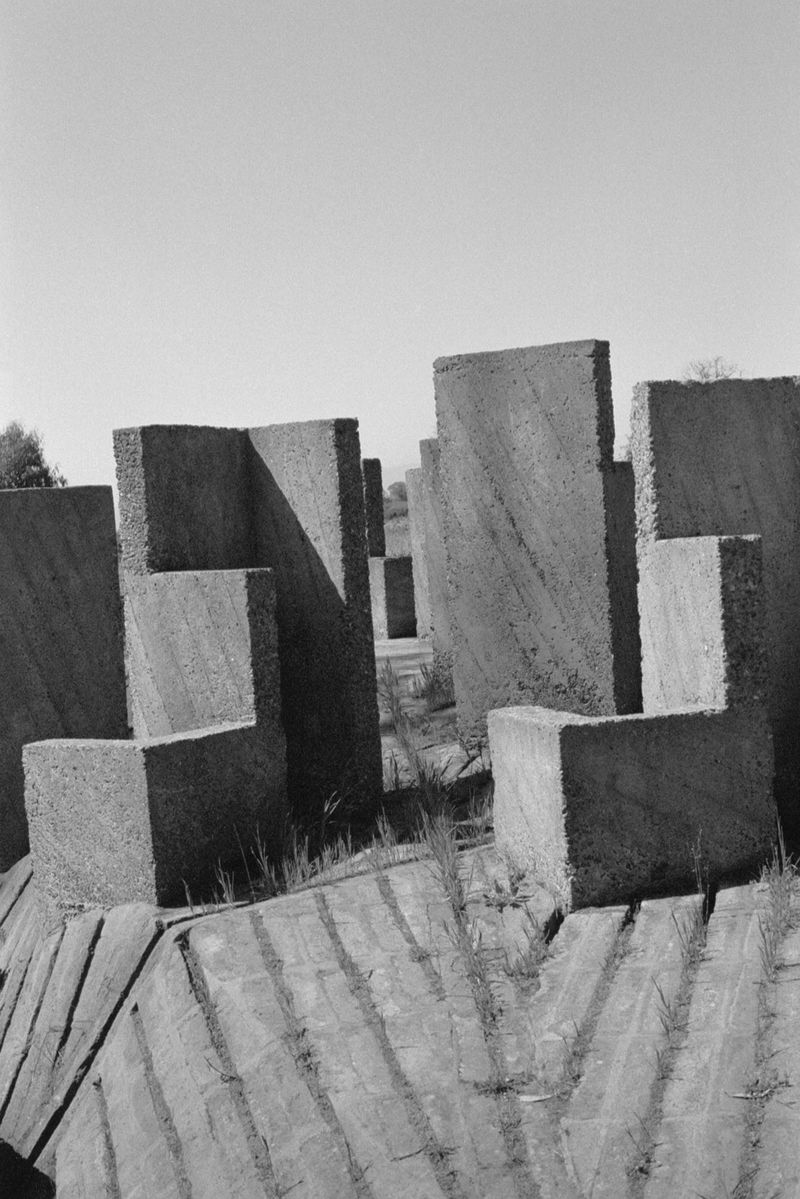
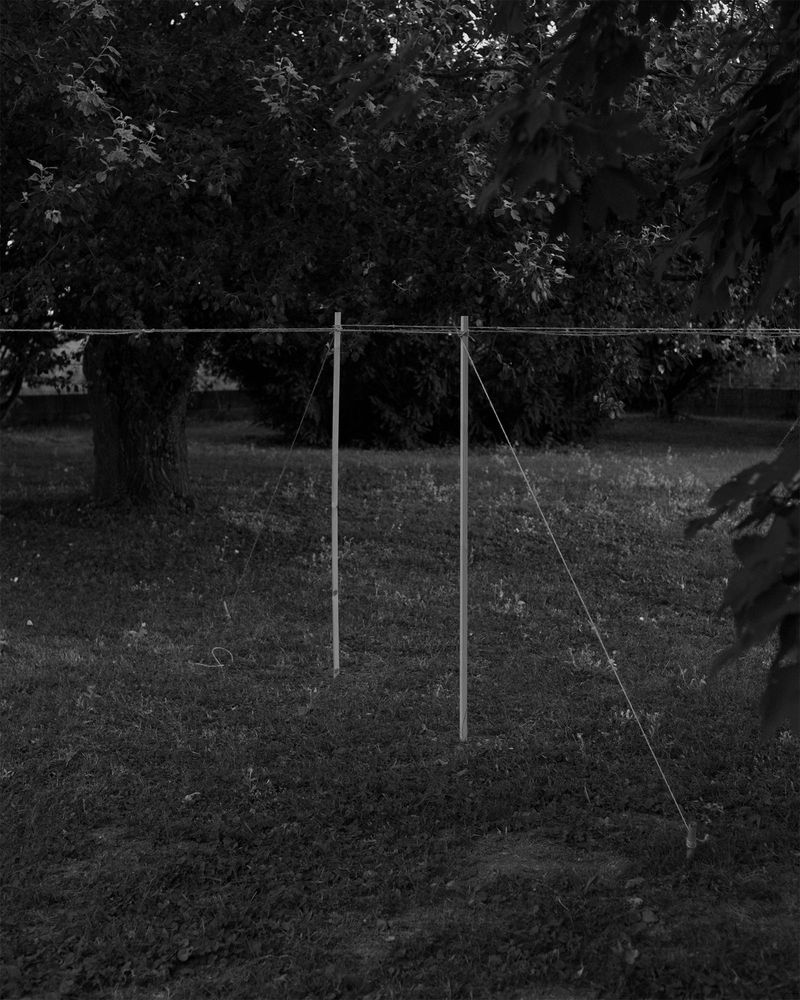
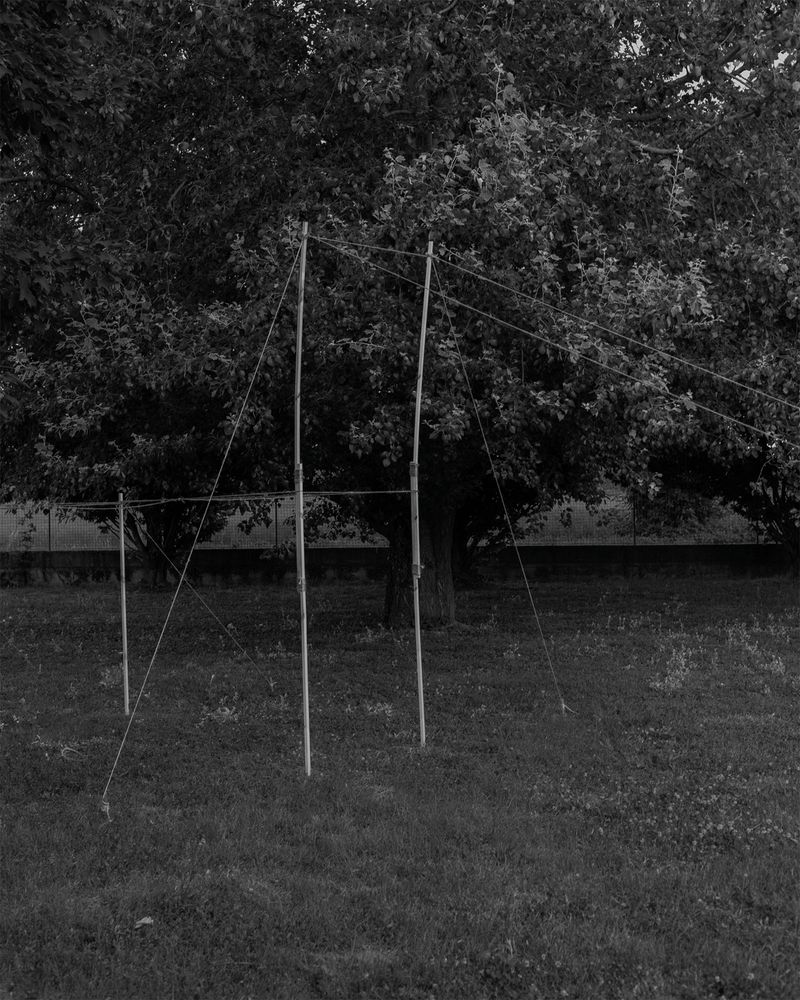
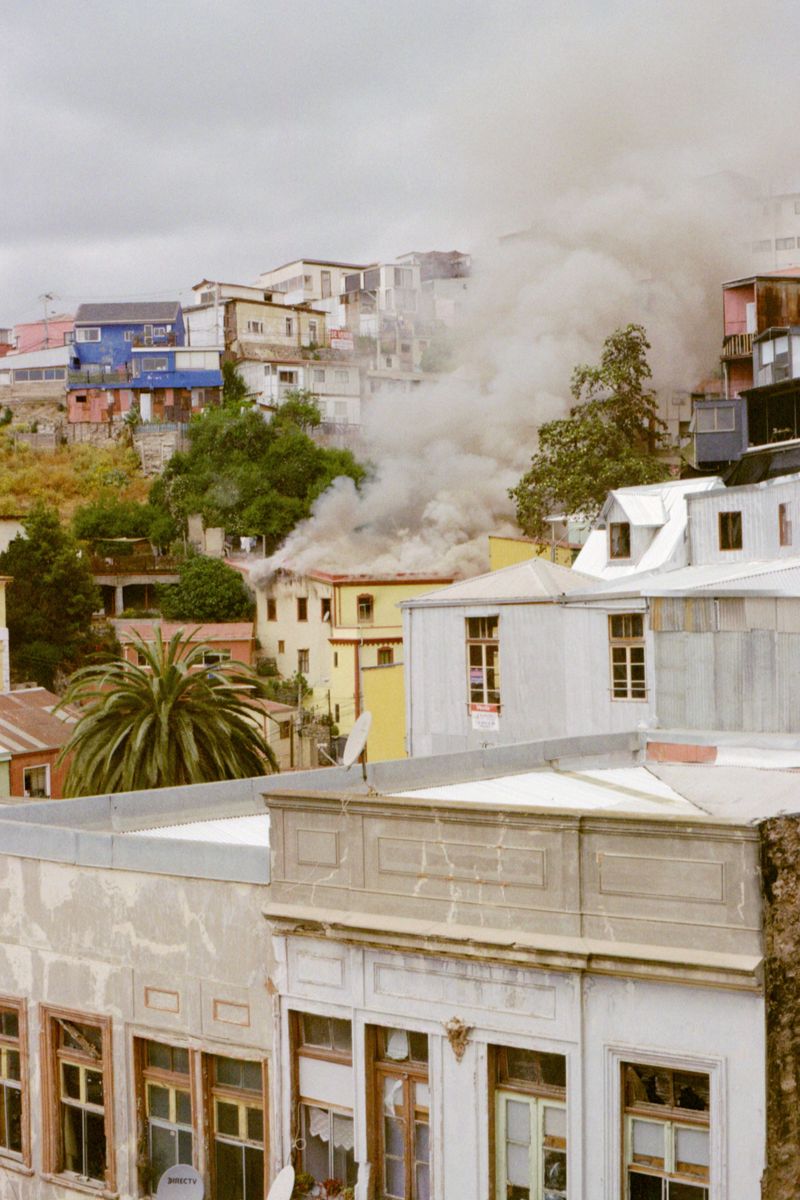
This project unfolds between Italy and Chile and is rooted in some architectural situations that have been either researched or specifically created. The underlying narrative and generator of the project is a long-distance relationship between two people separated by two distant continents, who seek to draw closer to each other by analyzing the space that divides them. The project explores five key situations: the bridge, the two squares, the room/the doubt, the kiss, and the desert.
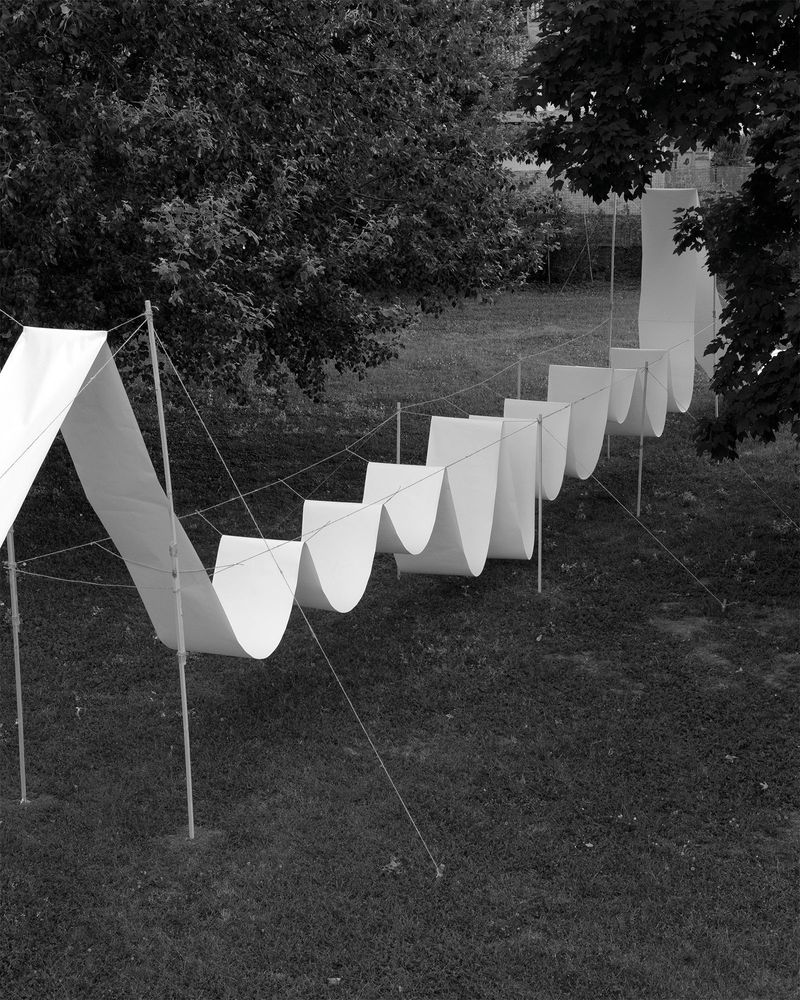
The bridge (Il ponte) is a fundamental connecting structure that links two points. What does it mean to build and cross a bridge? Is it possible to construct a bridge that connects two distant continents?
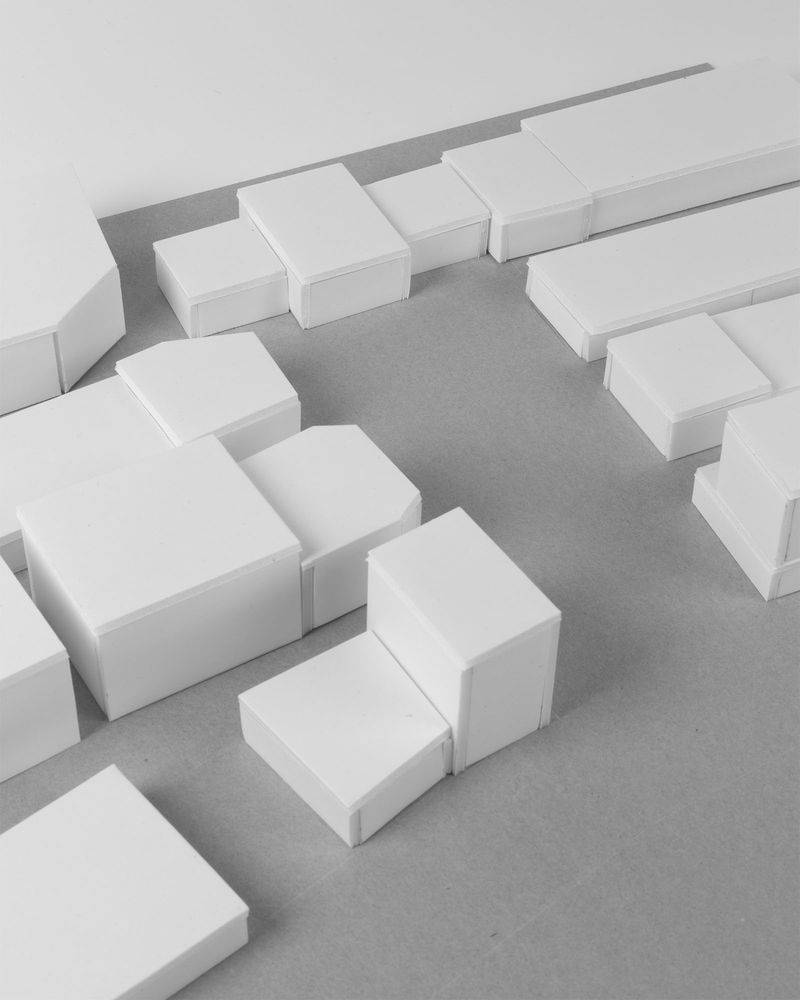
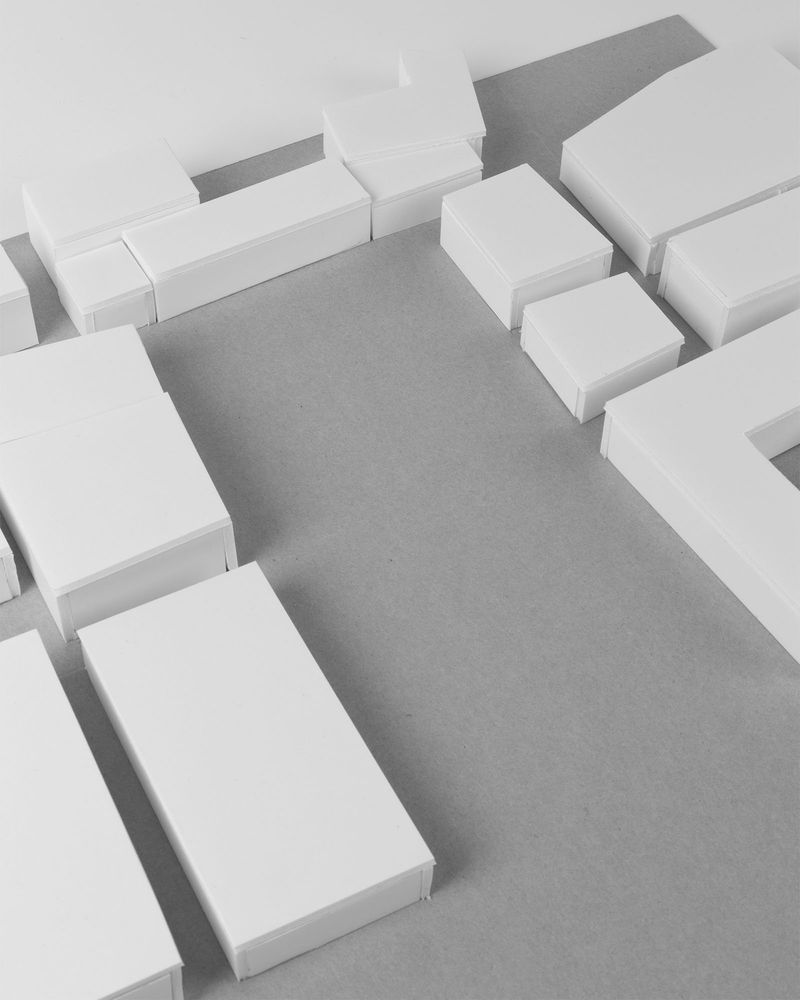
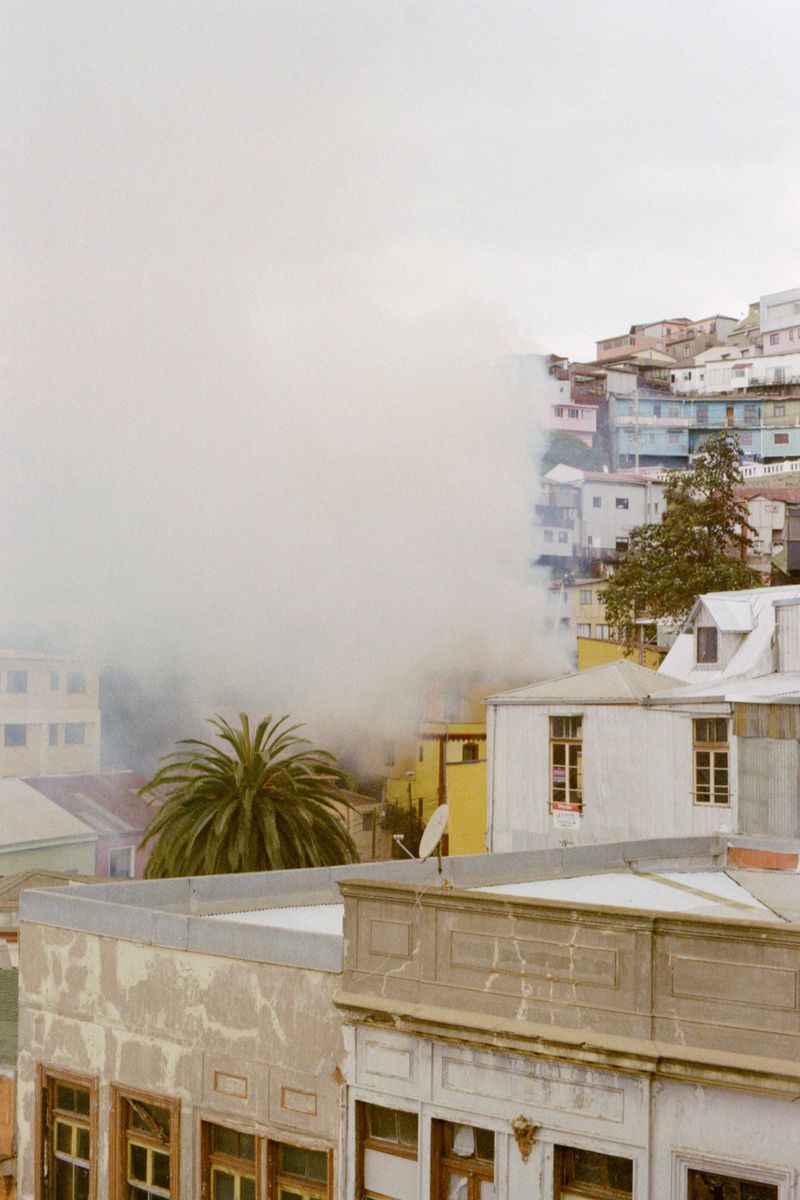
The two squares (Le due piazze) focuses on two places that are geographically distant yet remarkably similar, both in the architecture that defines them and in the shared historical context. How can I deceive my perception and feel as though I am in a far-off place? How do perspectives shape and trigger my sense of place?
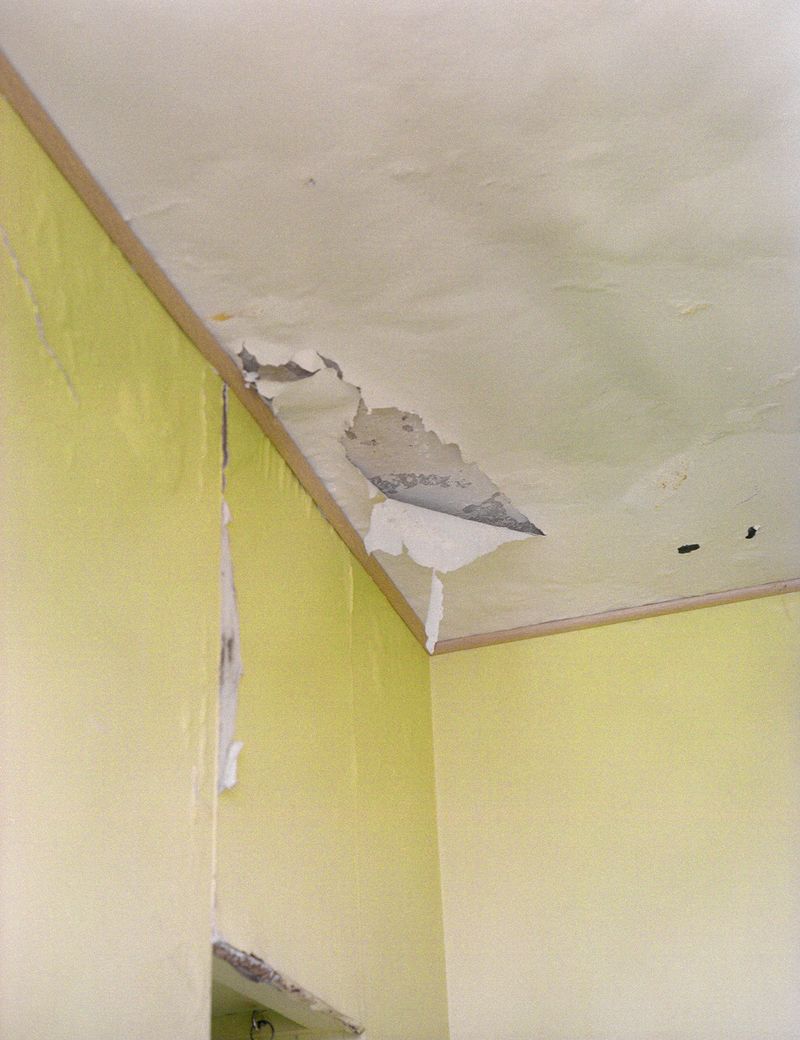
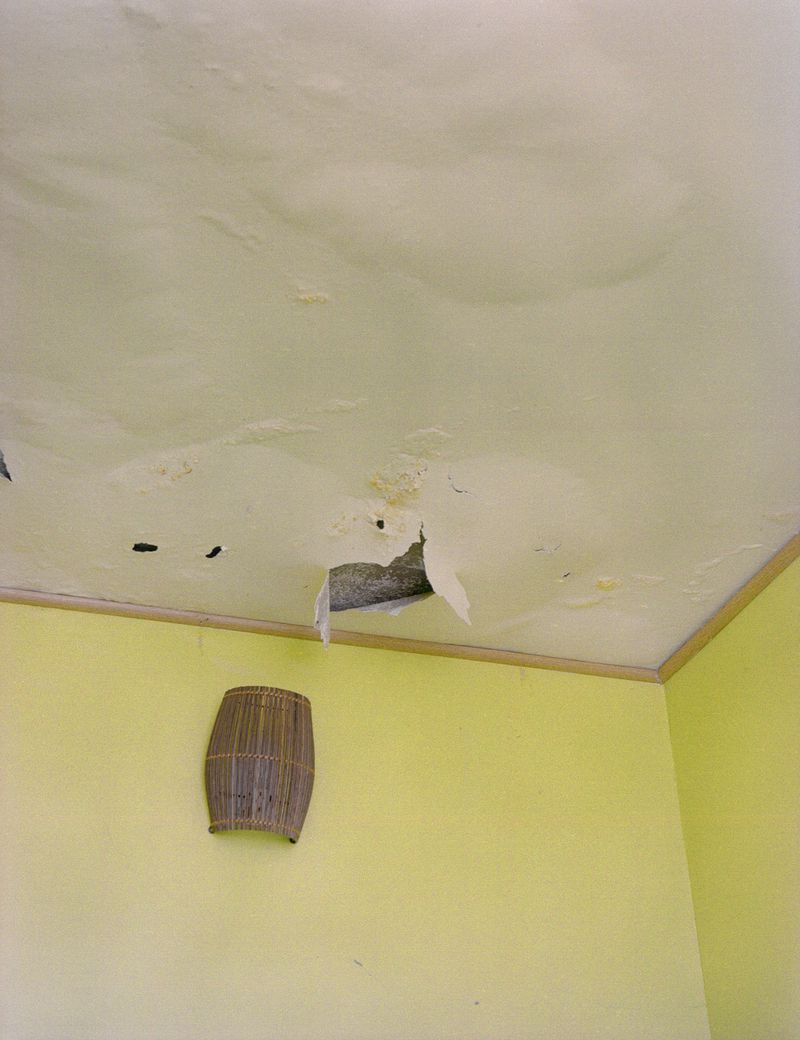
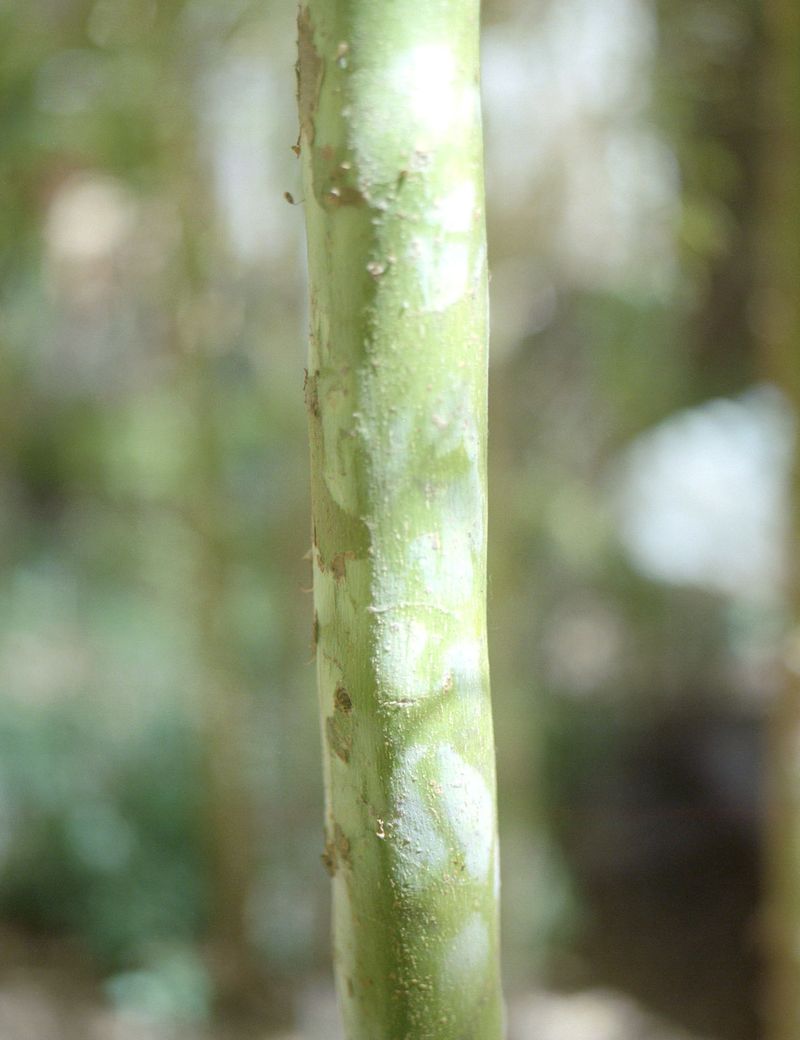
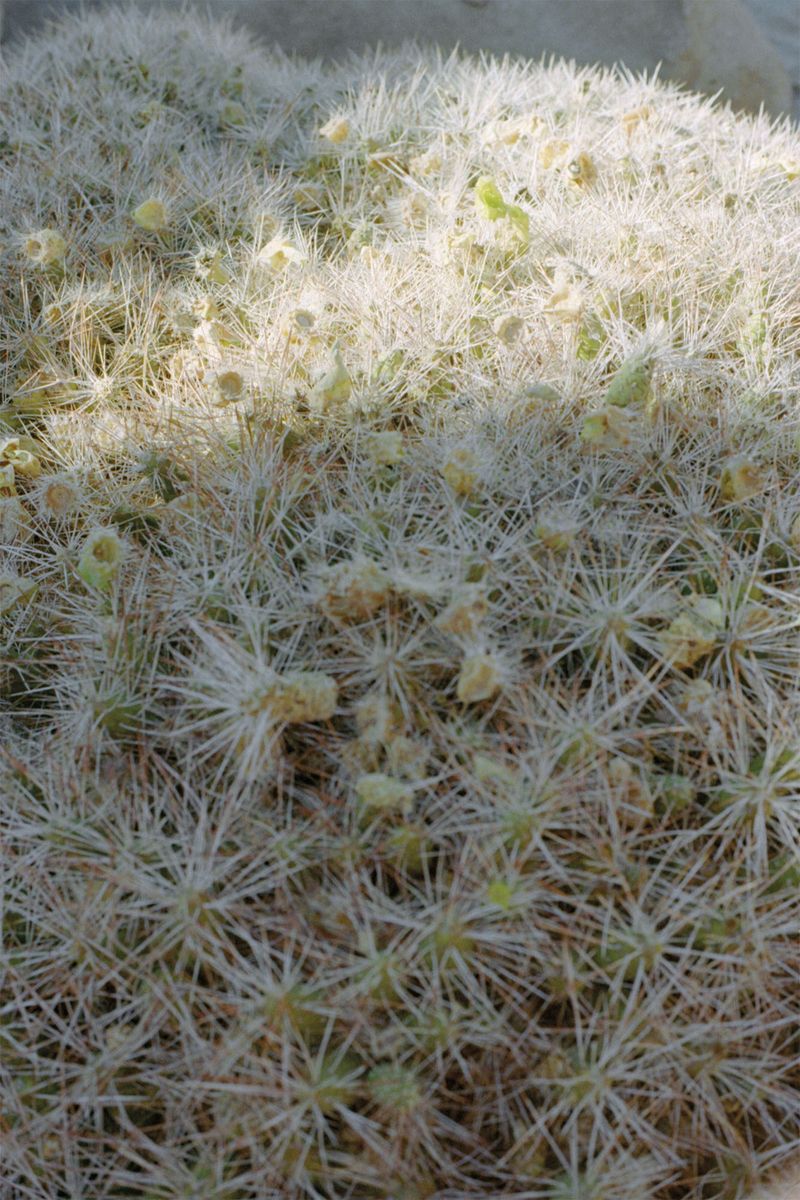
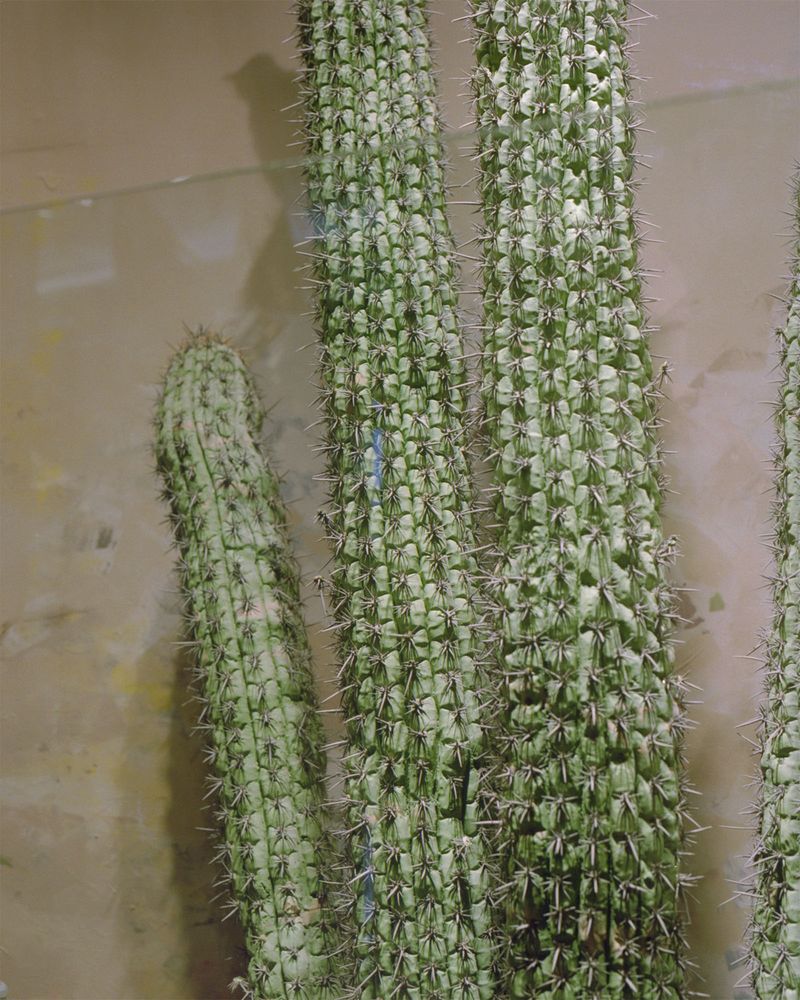
The room/The doubt (La sala/Il dubbio) is located in a very small space inside a museum and explores the notion of doubt, a specific condition often associated with relationships. Within the room are numerous reproductions of endemic trees from the central regions of Chile. How does reproduction influence my perception? What happens if there’s a translation error in what I’m seeing? How does distance affect the way I perceive what I am observing?
The kiss (Il bacio) is represented through a cinematic device, a flipbook, capturing the exact moment two people touch. The setting is Michelangelo Antonioni e Monica Vitti’s beautiful house designed by Dante Bini, an influential architect, overlooking the sea, which served as a love nest for the director and the actress in the 1980s. Is it possible to erase distance with a kiss printed on paper?
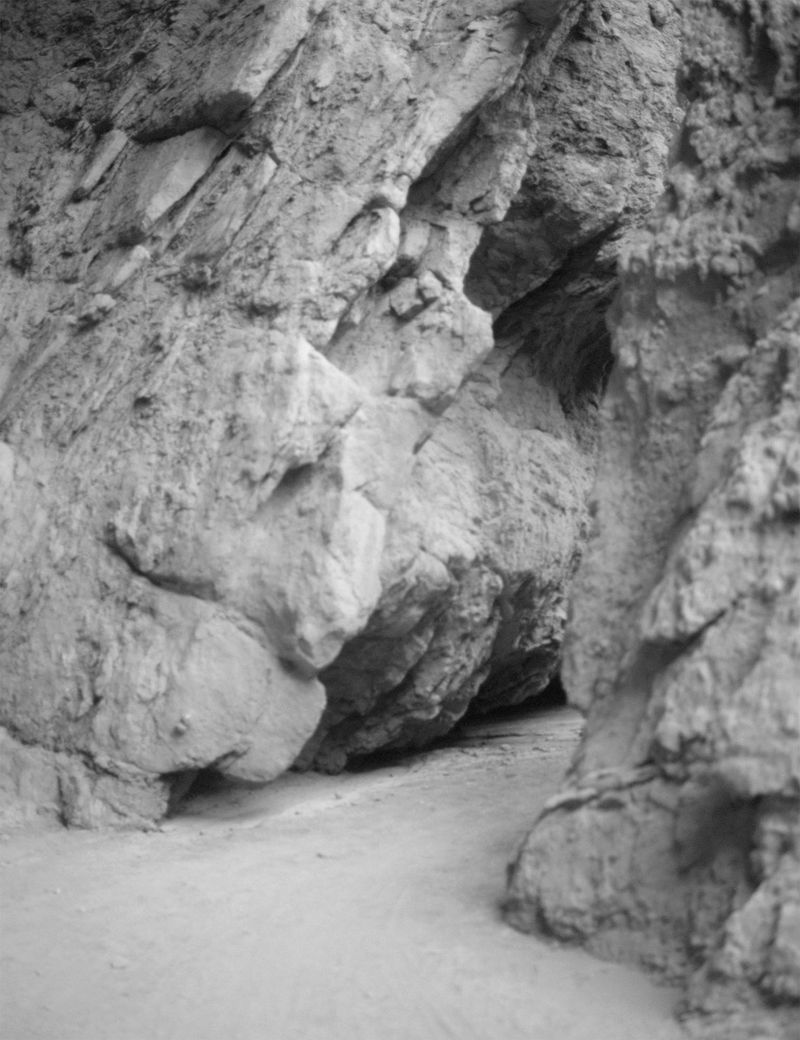
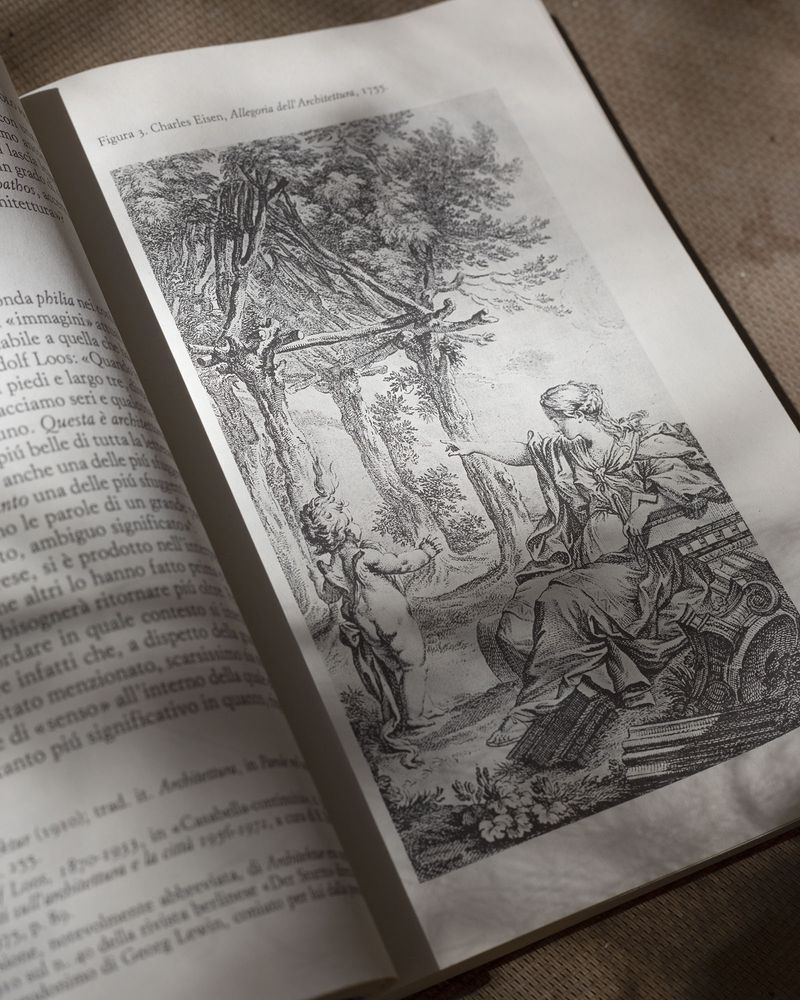
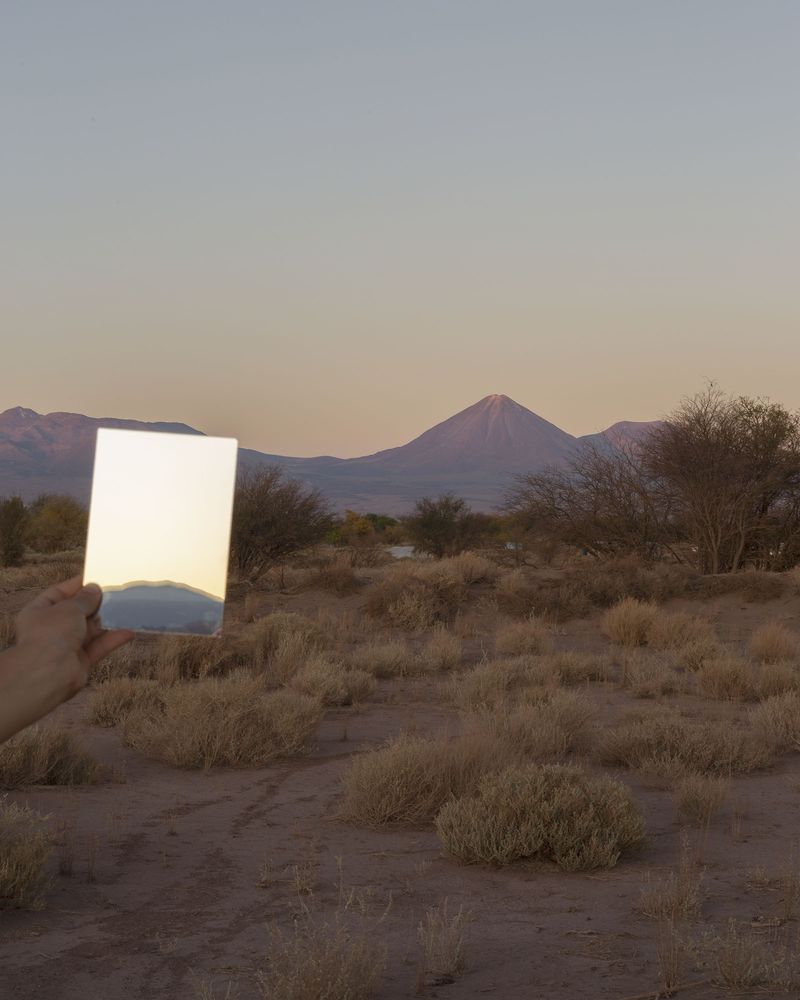
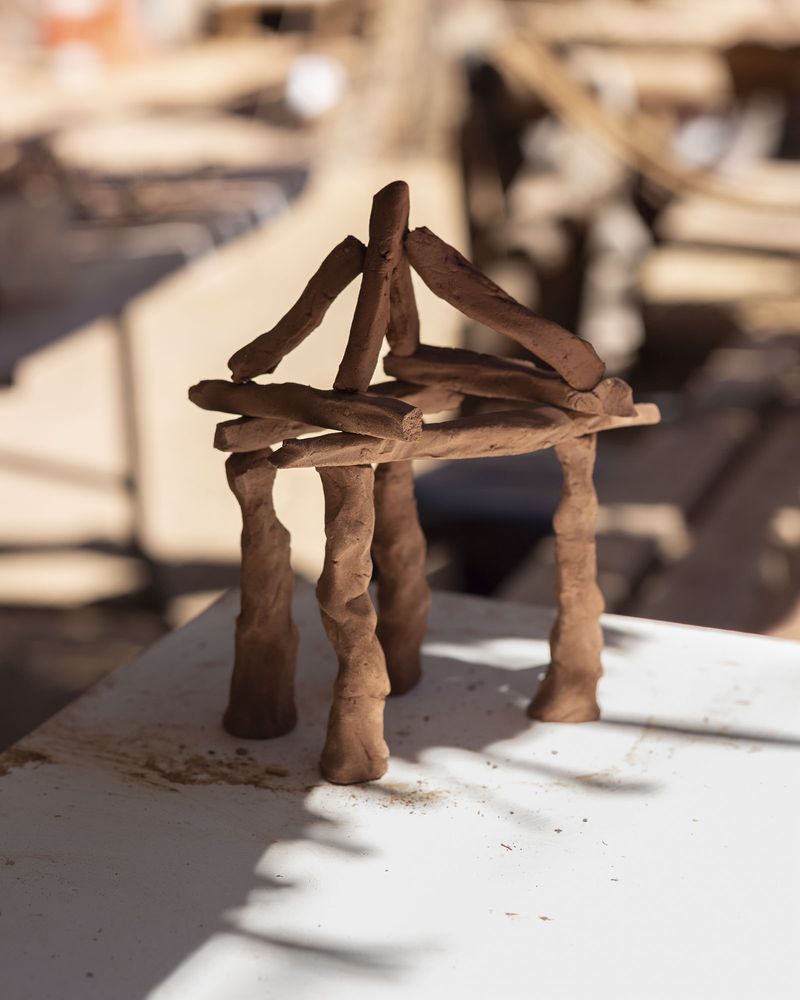
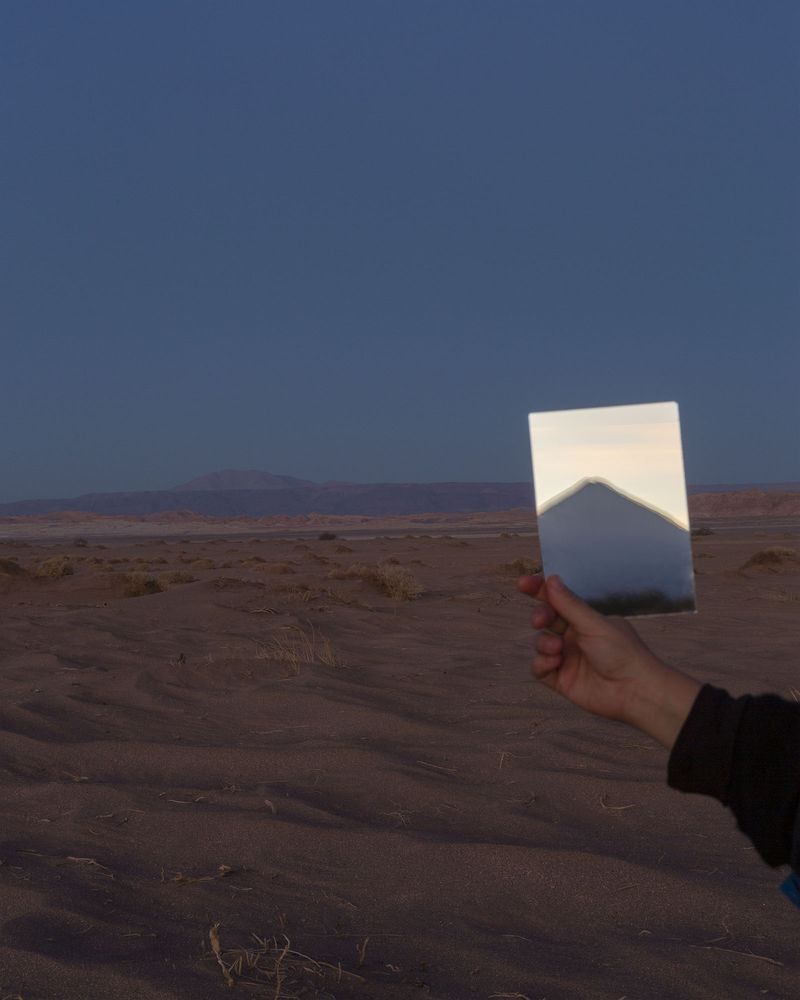
The desert (Il deserto) is one of those places where defining limits or distances, be they geographical, physical, or mental, is particularly challenging. However, within the Atacama Desert, there are hut-like structures that have remained unchanged for centuries. Is it possible to find points of reference in a landscape that is constantly changing?
* This research has been carried out thanks to funding from the Italian Council and the support of various museum and cultural institutions between Italy and Chile.
*This book is a dummy. At the end of the book, you will find a concise project abstract. Ideally, the book features three types of paper: Fedrigoni Arena Smooth 120g/m² for most of the pages, Fedrigoni Sirio Dark Blue 115g/m² for the final text section, and Fedrigoni Arena Ivory Smooth 70g/m² for the inner pages of the kissing sequence. The binding is ideally thread-sewn with a covered spine.